Hernias can quickly turn from a simple surgery to a life-threatening emergency. The worst cases are when the blood supply to trapped tissue is cut off, known as strangulated hernias.
This situation can cause tissue death and serious health risks. It’s critical to get medical help fast. Knowing about the dangers of hernia types helps doctors act quickly.
Key Takeaways
- The most severe hernias are those that become strangulated.
- Strangulated hernias can lead to tissue death and life-threatening complications.
- Timely medical intervention is critical for strangulated hernias.
- Understanding the risks of different hernia types is vital for prompt diagnosis.
- Strangulated hernias need urgent surgery.
Understanding Hernias: Definition and Basic Concepts
A hernia happens when an organ or tissue bulges through a weak spot in the muscle or tissue. This can be painful and serious if not treated quickly. Hernias are a big health issue and can affect people differently.
What Exactly Is a Hernia?
A hernia is when an organ or tissue pushes through a weak spot in the muscle or fascia. This can happen in places like the belly, groin, or diaphragm. Knowing what a hernia is helps doctors diagnose and treat it right.
How Hernias Develop
Hernias come from weak muscles, high pressure in the belly, and sometimes genes. Things like heavy lifting, being overweight, chronic coughing, and constipation can cause them. A weak spot in the muscle or fascia lets the hernia bulge out. Knowing how hernias form helps prevent them and spot symptoms early.
|
Factor |
Description |
Impact on Hernia Development |
|---|---|---|
|
Weakened Muscles |
Aging or injury can weaken muscle walls. |
Increases the risk of hernia. |
|
Increased Abdominal Pressure |
Heavy lifting, obesity, or chronic coughing. |
Contributes to the likelihood of a hernia. |
|
Genetic Predisposition |
Family history of hernias. |
May increase an individual’s risk. |
Doctors say hernias often grow slowly. Knowing why they happen helps prevent and catch them early. Early action and prevention are key to managing hernias well.
Common Hernia Types and Their Characteristics

It’s important to know about the different hernias to get the right treatment. Hernias vary by location and other factors. This leads to several types with their own traits.
Inguinal Hernias
Inguinal hernias happen when part of the intestine bulges through a weak spot in the abdominal muscles. They are more common in men because of how their reproductive system develops. Symptoms include a bulge in the groin area, discomfort during coughing or lifting, and a heavy or dragging sensation. Inguinal hernias make up about 70% of all hernias.
Femoral Hernias
Femoral hernias happen just below the inguinal ligament, where the femoral artery passes, and are more common in women. They are less frequent than inguinal hernias but can be more dangerous due to their smaller size and higher risk of strangulation. Symptoms may include a lump in the upper thigh or groin area.
Umbilical Hernias
Umbilical hernias occur around the belly button and are more common in infants and young children, often resolving on their own. In adults, they can be caused by strain or obesity. Symptoms include a visible bulge or swelling around the navel.
Hiatal Hernias
Hiatal hernias occur when the stomach bulges up into the chest through an opening in the diaphragm. They can cause symptoms like heartburn, chest pain, and difficulty swallowing. Treatment may involve lifestyle changes and medication to manage symptoms.
Each type of hernia has its unique characteristics and possible complications. It’s key to understand these differences for effective management.
Less Common Hernia Types
Many people know about common hernias, but there are rarer types too. These types need special care and treatment. It’s important for both patients and doctors to understand them well.
Incisional Hernias
Incisional hernias happen through scars or cuts in the belly. They can show up months or years after surgery. People who have had many surgeries are more likely to get them.
Ventral Hernias
Ventral hernias happen in the belly, not in the groin. They can be epigastric hernias in the upper belly or umbilical hernias near the belly button. They can be caused by being overweight, lifting heavy things, or genetics.
Sports Hernias
Sports hernias, or athletic pubalgia, affect athletes a lot. They don’t show as a bulge, but as a muscle or tendon tear in the groin. They can really hurt and stop athletes from playing.
Hernia Classification by Severity
Classifying hernias by their severity is key to managing them well. Hernias are sorted by how serious they are. This affects how they are treated and how well patients do.
Reducible Hernias
A reducible hernia is one where you can push the hernia back inside. This type is usually not dangerous and can be treated without surgery. But, it’s important to keep an eye on it because it can get worse.
Irreducible or Incarcerated Hernias
An irreducible or incarcerated hernia is when you can’t push the hernia back inside. This makes it more likely to cause serious problems like blockages and strangulation.
Obstructed Hernias
An obstructed hernia is when the intestine gets blocked. This can cause a lot of pain, nausea, and vomiting. It needs quick medical help to avoid more serious problems like strangulation.
The severity of a hernia depends on its type and any complications. Knowing these classifications helps doctors choose the best treatment.
|
Hernia Type |
Description |
Severity Level |
|---|---|---|
|
Reducible |
Contents can be pushed back |
Low |
|
Irreducible/Incarcerated |
Contents cannot be pushed back |
Moderate to High |
|
Obstructed |
Intestine is blocked |
High |
In conclusion, classifying hernias by severity is vital for good management. Knowing if a hernia is reducible, irreducible, or obstructed helps doctors pick the right treatment. This improves patient results.
Strangulated Hernias: The Most Dangerous Type
Strangulated hernias are the most dangerous type of hernia. They can cut off blood supply to the affected area. This can lead to tissue death and serious complications if not treated quickly.
What Makes a Hernia Become Strangulated
A hernia can become strangulated for several reasons. These include a narrow opening, adhesions, or increased pressure inside the abdomen. Older age, delayed medical care, and other health issues also increase the risk.
Strangulation happens when the blood supply to the hernia is cut off. This can cause venous congestion and then arterial compromise. It can lead to ischemia and gangrene if not treated early.
Warning Signs of Strangulation
It’s important to know the warning signs of strangulation. Symptoms include severe pain, tenderness, redness, nausea, vomiting, and fever. If the hernia can’t be pushed back, it’s a sign of a medical emergency.
If you have a hernia and notice these symptoms, seek medical help right away. Early treatment can greatly improve your chances of recovery.
Incidence Rates: 1.1%-3% of All Hernia Cases
Strangulated hernias are rare but serious. They make up 1.1% to 3% of all hernia cases. Their severity means they need quick attention when they occur.
Some groups, like the elderly and those with health issues, are at higher risk. Knowing this can help in spotting and treating strangulated hernias early.
The Pathophysiology of Strangulated Hernias
Strangulated hernias happen when the blood supply to the herniated tissue is cut off. This leads to tissue damage if not treated quickly. It’s a serious condition that needs immediate care.
Blood Supply Disruption Process
The blood supply gets cut off in strangulated hernias. This starts a chain of harmful changes. The blood vessels get compressed or blocked, stopping blood flow to the tissue.
This lack of blood and oxygen damages cells. The main causes are:
- Compression of blood vessels by the hernia
- Occlusion of blood vessels by surrounding tissue
- Ischemia leading to cellular damage
Tissue Necrosis Development
Tissue necrosis happens when the tissue doesn’t get enough blood. Cells start to die, causing necrosis. This dead tissue can lead to infections and make things worse.
The necrosis depends on:
- How long the tissue is without blood
- How bad the blood supply cut-off is
- Any health issues that might slow healing
Necrotic tissue can cause serious problems, like infections and sepsis.
Systemic Effects of Strangulation
Strangulation in hernias can affect many parts of the body. The body’s response to the damaged tissue can cause inflammation and sepsis. This is a dangerous condition that needs quick medical help.
“Prompt recognition and treatment of strangulated hernias are critical to avoid serious complications.”
Early diagnosis and treatment are key to preventing severe problems.
Life-Threatening Complications of Severe Hernias
Severe hernias are not just painful; they can lead to serious complications. When a hernia becomes severe, it can lead to various life-threatening conditions that require immediate medical attention.
Bowel Necrosis and Its 5.5% Occurrence Rate
Bowel necrosis is a serious complication that occurs when the blood supply to the bowel is cut off. This condition is associated with a 5.5% occurrence rate in patients with severe hernias. The risk of bowel necrosis highlights the need for timely intervention.
Necrosis of the bowel tissue can lead to perforation. This can cause peritonitis, a potentially life-threatening infection of the abdominal cavity. Symptoms include severe abdominal pain, fever, and vomiting.
Peritonitis and Sepsis
Peritonitis is an inflammation of the peritoneum, the lining of the abdominal cavity, often caused by a bacterial infection. When a hernia becomes strangulated, it can lead to peritonitis if not treated promptly. Sepsis, a life-threatening condition, can result from peritonitis if the infection enters the bloodstream.
The progression from peritonitis to sepsis is a medical emergency. Symptoms include high fever, rapid heart rate, and difficulty breathing. Prompt treatment with antibiotics and surgical intervention is critical to prevent mortality.
Mortality Rates Associated with Complicated Hernias
The mortality rates associated with complicated hernias are significant. Studies have shown that the mortality rate for strangulated hernias can range from 5% to 15%, depending on the promptness and quality of care received.
Factors influencing mortality rates include the patient’s overall health, the duration between the onset of symptoms and surgical intervention, and the presence of comorbid conditions. Reducing mortality rates requires early diagnosis and treatment.
In conclusion, severe hernias can lead to life-threatening complications such as bowel necrosis, peritonitis, and sepsis. Understanding these risks is key for both patients and healthcare providers to ensure timely and effective treatment.
Risk Factors for Developing Dangerous Hernias
Knowing the risk factors for hernias is key to preventing them. Several factors can make you more likely to get a dangerous hernia. Being aware of these can help you take steps to prevent it.
Age-Related Factors
Age is a big risk factor for hernias, like inguinal hernias. As we get older, our muscles and tissues in the abdominal wall get weaker. This makes it easier for a hernia to happen. People over 50 are at a higher risk, and this risk goes up as we get even older.
Obesity and Its Impact
Being overweight is another big risk factor for hernias. Extra weight puts more strain on the muscles in your belly. This makes it more likely for a hernia to occur. Managing your weight with a healthy diet and exercise can help lower this risk.
Chronic Conditions Like Diabetes
Chronic conditions, like diabetes, can also increase the risk of hernias. Diabetes can slow down healing and make complications more likely. It can also cause muscle weakness due to neuropathy. Managing diabetes well through medication, diet, and lifestyle changes is important to reduce the risk.
If you have one or more of these risk factors, it’s important to watch your health closely. Regular check-ups and a healthy lifestyle can greatly reduce the risk of dangerous hernias.
- Age: Individuals over 50 are at higher risk.
- Obesity: Excess weight increases abdominal strain.
- Chronic Conditions: Diabetes impairs healing and increases risk.
Diagnostic Approaches for Severe Hernias
Diagnosing severe hernias requires a mix of physical checks, imaging, and lab tests. These tools help doctors understand how serious the hernia is. They also figure out the best treatment.
Physical Examination Techniques
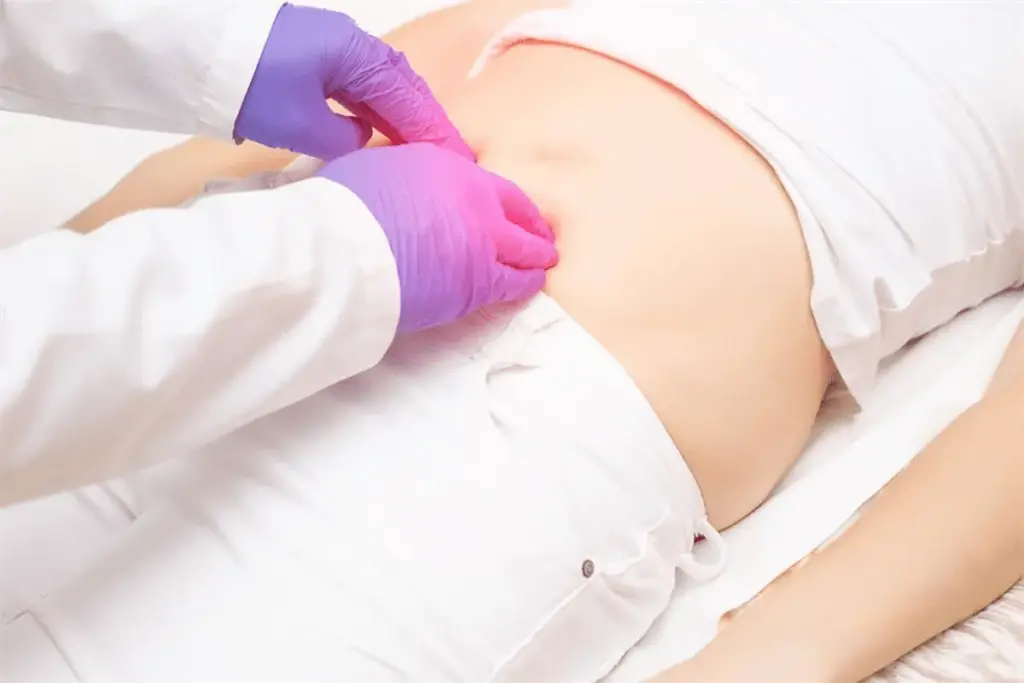
Doctors start by feeling the hernia with their hands. They look for tenderness and check its size and where it is. This step gives important details about the hernia.
Imaging Studies
Ultrasound, CT scans, and MRI are key for seeing the hernia. They show how big it is and if there are any problems. These tests can spot issues like bowel blockages or strangulation.
Laboratory Tests for Complications
Lab tests check for complications like infections or swelling. Blood tests are used for this. They help doctors make the right treatment plans.
In summary, a detailed approach is needed for severe hernias. Using physical checks, imaging, and lab tests helps doctors diagnose and treat them well.
Emergency Treatment for Strangulated Hernias
Strangulated hernias are a serious medical issue that needs quick action to avoid deadly problems. A detailed plan is needed from the start to after surgery to manage this condition well.
Pre-Surgical Management
The first step is to make the patient stable and ready for surgery. This means giving intravenous fluids and antibiotics to lower infection risks. “Quick surgery is key to avoid serious issues like bowel death,” doctors say.
Patients usually can’t eat before surgery to make things easier. Keeping an eye on their vital signs and any other health issues is also important.
Surgical Intervention Approaches
Surgery aims to fix the hernia and check if the trapped intestine is okay. The choice between open repair and laparoscopic surgery depends on the patient and the surgeon.
It’s important to see if the bowel is alive. If it’s not, the dead part must be removed.
Post-Operative Critical Care
After surgery, patients need careful watching in a critical care unit. This is to catch any problems like infections or blockages. Pain management and watching for sepsis or other big issues are also key.
Good care after surgery includes moving the patient early to prevent blood clots and breathing problems. Also, giving them food to help them get better.
Standard Hernia Repair Techniques
Hernia repair techniques have evolved, leading to better results for patients. The right method depends on the hernia type, size, and the patient’s health.
Open Surgical Repair
Open surgical repair is a traditional approach. It involves a single incision to access the hernia. This method is used for bigger hernias or when laparoscopic surgery isn’t possible. It’s simple and can be done under local anesthesia in some cases.
Laparoscopic Approaches
Laparoscopic hernia repair uses small incisions for a laparoscope and tools. It’s less invasive, leading to less pain, quicker recovery, and lower infection risk. It’s great for patients with recurring or bilateral hernias.
Mesh vs. Non-Mesh Repairs
The debate on mesh in hernia repair continues. Mesh repairs use synthetic or biological mesh to strengthen the area. Supporters say it lowers recurrence risk, while critics worry about complications like mesh migration or adhesions. Non-mesh repairs, without foreign material, are another option. The choice depends on the hernia and patient factors.
In summary, hernia repair techniques offer various options based on patient needs. Knowing these methods helps in making informed treatment choices.
Post-Surgical Complications and Their Frequency
It’s important to know about complications after hernia surgery. Hernia repair is common and usually works well. But, complications can affect how well a patient does after surgery.
Overall Complication Rate: 17.2% of Cases
About 17.2% of patients face complications after hernia surgery. This shows how key it is to choose the right patient, use the best surgical method, and care for them well after surgery.
Infection (5.8%) and Seroma Formation (2.9%)
Infection is a big problem, happening in 5.8% of cases. Seroma, at 2.9%, is less common but can slow down recovery. Both need quick action to avoid more issues.
Mesh-Related Complications (1.8%)
Mesh problems, at 1.8%, are not as common but can be tough. Issues like mesh moving, eroding, or reacting can happen. Choosing the right mesh and how it’s used are key to avoiding these problems.
|
Complication Type |
Frequency |
|---|---|
|
Overall Complication Rate |
17.2% |
|
Infection |
5.8% |
|
Seroma Formation |
2.9% |
|
Mesh-Related Complications |
1.8% |
In summary, hernia surgery is mostly safe. But, knowing and dealing with complications is key to better patient care. By understanding these issues, doctors can help patients more and lower the chance of bad outcomes.
Hernia Recurrence: The 19.7% Challenge
Hernia recurrence is a big problem, with about 1 in 6 patients needing surgery again. This issue affects nearly 20% of patients. It shows we need better ways to stop recurrence and make treatments work better.
Why 1 in 6 Patients Need Repeat Surgery
Hernia recurrence can happen for many reasons. These include the type of hernia, how the surgery is done, and the patient’s health. When a hernia comes back, it can cause more problems and need more surgery. Knowing why it happens helps us find ways to stop it.
Factors Contributing to Recurrence
Several things can lead to hernia recurrence. These include poor surgical technique, mesh failure, and patient-related factors like being overweight or smoking. Knowing these factors helps doctors find ways to lower the risk of recurrence.
Advanced Protocols to Reduce Recurrence
To fight hernia recurrence, doctors are using advanced surgical protocols and improved mesh technologies. These new methods aim to make hernia repairs last longer and reduce recurrence. By using these new approaches, surgeons can help patients have better outcomes and avoid needing surgery again.
Conclusion: Preventing Severe Hernia Complications
It’s very important to prevent severe hernia complications for the best patient outcomes. Hernias can lead to serious and even life-threatening issues if not treated right. Liv Hospital is dedicated to top-notch hernia care, using the latest methods to lower risks and improve care.
Liv Hospital’s goal is to offer excellent medical care. Their use of advanced hernia treatment protocols fits this vision. They focus on preventing hernias and using the latest treatments to cut down on severe complications. This not only improves patient results but also boosts their quality of life.
Understanding hernias, their risks, and treatment options is key to effective prevention and treatment. A proactive approach to hernia management can greatly lower the risk of severe complications. Liv Hospital’s advanced protocols are vital in this effort, ensuring patients get the best care possible.
FAQ
What are the different types of hernias?
There are many types of hernias. These include inguinal, femoral, umbilical, hiatal, incisional, ventral, and sports hernias. Each has its own characteristics and possible complications.
What is a strangulated hernia?
A strangulated hernia happens when blood can’t reach the trapped tissue. This can cause tissue death and is very dangerous. It’s considered a medical emergency.
How are hernias classified by severity?
Hernias are sorted by how severe they are. They can be reducible, irreducible or incarcerated, or obstructed. Strangulated hernias are the most serious.
What are the risk factors for developing dangerous hernias?
Certain factors increase the risk of severe hernias. These include age, obesity, and chronic conditions like diabetes.
How are severe hernias diagnosed?
Doctors use physical exams, imaging studies, and lab tests to diagnose severe hernias. This helps them manage the condition effectively.
What is the treatment for strangulated hernias?
Treating strangulated hernias is urgent. It involves pre-surgery care, surgery, and post-operative care. This approach aims to address the condition quickly.
What are the standard techniques for hernia repair?
There are several ways to repair hernias. These include open surgery, laparoscopic methods, and using mesh or non-mesh repairs. Each method has its own benefits and risks.
What are the possible complications after hernia surgery?
After surgery, complications can happen. These include infection, fluid buildup, and problems with the mesh. The frequency of these issues varies by repair method.
How common is hernia recurrence?
Recurrence is a big challenge. About 19.7% of patients need another surgery. This shows the need for better ways to prevent recurrence.
Are hernias dangerous?
Yes, some hernias, like strangulated hernias, can be very dangerous. They can be life-threatening if not treated right away.
Can hernias be prevented?
Preventing all hernias is not possible. But managing risk factors like obesity and chronic conditions can help. Timely medical care also plays a role in reducing severe hernia risk.
References
National Center for Biotechnology Information. Evidence-Based Medical Insight. Retrieved from https://pmc.ncbi.nlm.nih.gov/articles/PMC11374351/[1



 Departments
 Related Videos
 Our Doctors
 News
News