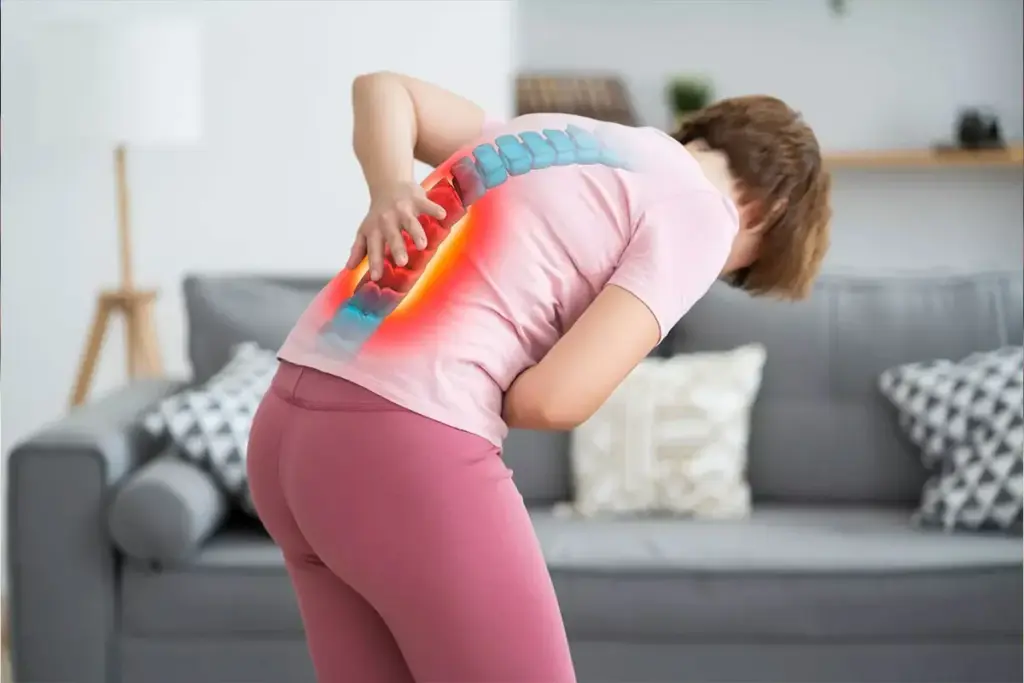
A herniated disc refers to a problem with one of the rubbery cushions, called discs, that sit between the bones that stack to make the spine. This condition occurs when the soft inner gel of the disc leaks out through a tear in the outer disc.
This can cause discomfort and pain, often referred to as disc pain. The symptoms of a herniated disc can vary, but they often include pain, numbness, or tingling in the back or legs.
Key Takeaways
- Understanding what a herniated disc is and how it affects the spine.
- Recognizing the common symptoms associated with herniated disc pain.
- Learning about the potential causes and risk factors.
- Exploring treatment options for relieving herniated disc symptoms.
- Discovering ways to manage and prevent future disc pain.
The Nature of Herniated Disc Pain
The experience of pain from a herniated disc can vary significantly from one individual to another. This variability is due to several factors, including the location of the herniated disc, the extent of the herniation, and the individual’s overall health condition.
Sharp vs. Dull Pain Sensations
Herniated disc pain can manifest as either sharp or dull sensations. Sharp pain is often associated with the compression or irritation of nerves by the herniated disc. This type of pain can be intense and may be accompanied by other neurological symptoms such as numbness or tingling. On the other hand, dull pain is typically a more chronic condition, resulting from the inflammation or strain on the muscles surrounding the affected disc.
Individuals with herniated discs often experience radiating numbness or tingling in the body part served by the affected nerves, highlighting the complexity of pain associated with this condition.
Localized vs. Radiating Pain Patterns
The pain from a herniated disc can be either localized or radiating. Localized pain is confined to the area around the herniated disc, such as the lower back or neck. In contrast, radiating pain travels along the nerve pathway, potentially causing discomfort in other parts of the body. For instance, a herniated disc in the lumbar region can cause sciatica, a type of radiating pain that runs down the leg.
Understanding whether the pain is localized or radiating is crucial for diagnosing the extent of the herniation and determining the appropriate treatment plan.
Understanding Herniated Discs: Anatomy and Causes
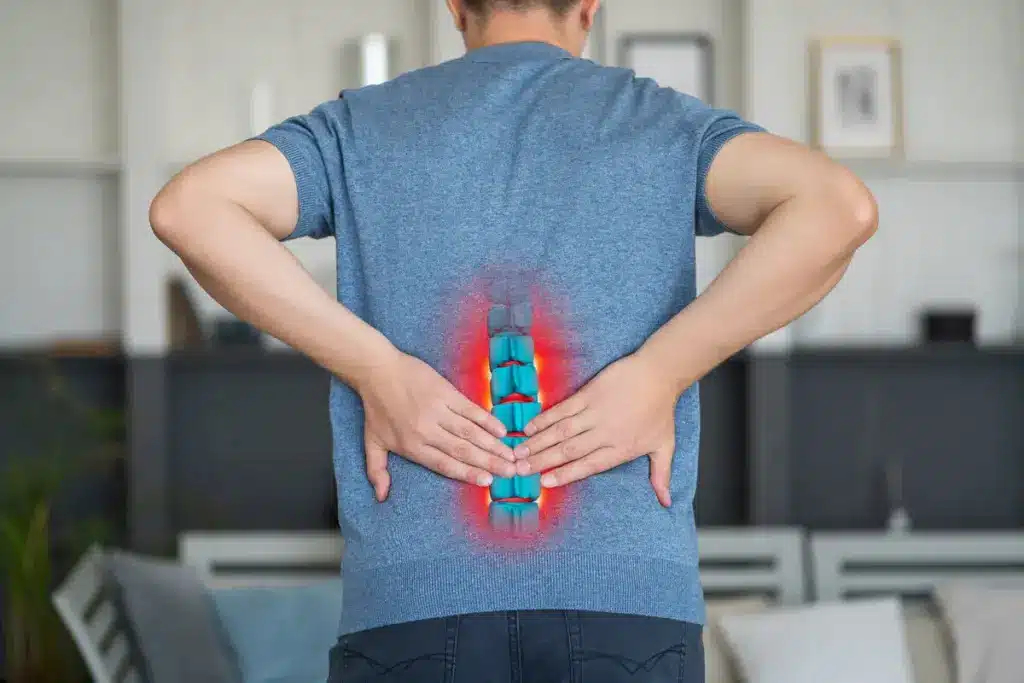
The spine is composed of multiple discs that act as shock absorbers, and understanding their function is vital. Spinal discs are integral to the spine’s flexibility and shock-absorbing capabilities, playing a crucial role in our overall spinal health.
Spinal Disc Structure and Function
A spinal disc has a soft, jellylike center called the nucleus pulposus, which is encased in a tougher, rubbery exterior known as the annulus fibrosus. The nucleus is primarily composed of water and proteoglycans, giving it a gel-like consistency that allows it to absorb compressive forces. The annulus, on the other hand, is made up of concentric layers of collagen fibers, providing the disc with its structural integrity and containment.
The spinal discs serve multiple functions: they act as shock absorbers between the vertebrae, facilitate spinal flexibility, and help distribute loads evenly across the spine. Understanding the structure and function of these discs is essential to comprehending how herniated discs occur.
Mechanism of Disc Herniation
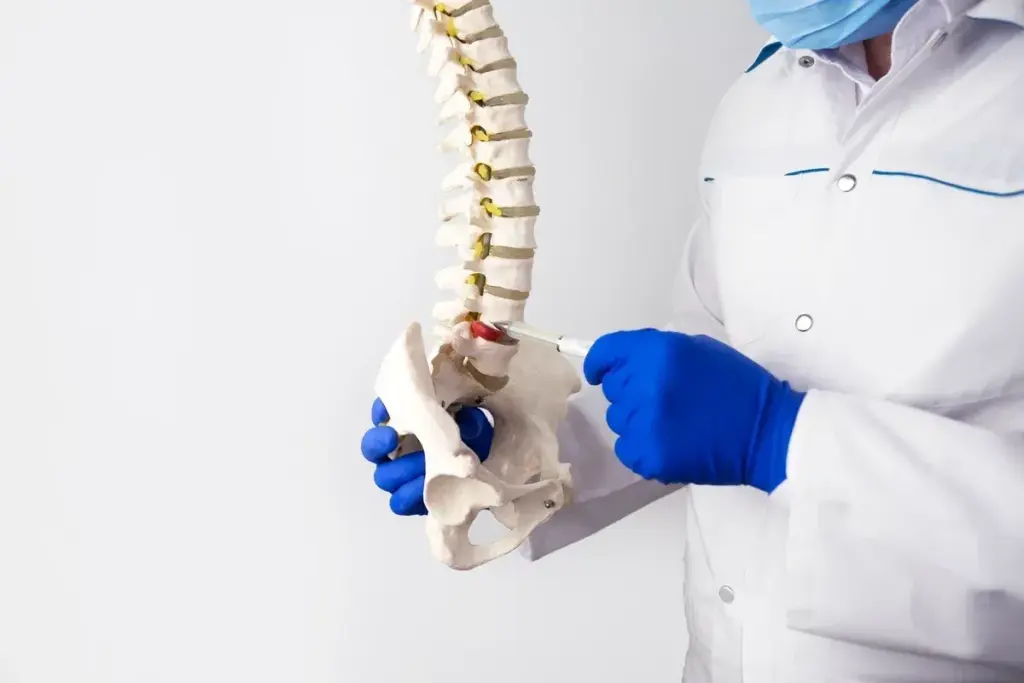
Disc herniation occurs when the annulus fibrosus is compromised, allowing the nucleus pulposus to protrude beyond its normal boundaries. This can happen due to various factors, including degenerative changes, trauma, or excessive strain on the spine. When the annulus tears, the nucleus can leak out, potentially irritating nearby nerves and causing pain, numbness, or weakness.
Nucleus Pulposus and Annular Tears
The nucleus pulposus and annular tears play critical roles in the development of a herniated disc. As we age, the nucleus pulposus can lose its water content, becoming less effective at absorbing shocks. Simultaneously, the annulus fibrosus can develop tears, weakening its ability to contain the nucleus. When these changes occur, the risk of disc herniation increases.
|
Component |
Function |
Role in Herniation |
|---|---|---|
|
Nucleus Pulposus |
Shock absorption |
Can leak out when annulus is compromised |
|
Annulus Fibrosus |
Containment of nucleus |
Tears can lead to herniation |
Understanding the anatomy and causes of herniated discs is crucial for both prevention and treatment. By recognizing the roles of the nucleus pulposus and annulus fibrosus, individuals can better appreciate the complexities of spinal health and the importance of maintaining a healthy spine.
Common Symptoms of a Herniated Disc
A herniated disc can manifest through a variety of symptoms, largely dependent on its location and whether it compresses a nerve. Symptoms depend on where the disk is sitting and whether the disk is pressing on a nerve.
Pain Characteristics and Intensity
The pain associated with a herniated disc can vary significantly in intensity and character. It can range from a dull, aching sensation to sharp, shooting pain. The pain’s intensity often correlates with the degree of nerve compression. For instance, if the herniated disc compresses a nerve root, it can lead to sharp, lancinating pain that radiates along the nerve’s pathway.
“The pain can be so severe that it limits mobility and affects daily activities,” as noted by medical professionals. The characteristics of the pain can provide valuable clues about the underlying cause and the appropriate treatment approach.
Neurological Symptoms: Numbness, Tingling, and Weakness
In addition to pain, a herniated disc can cause a range of neurological symptoms. These include numbness, tingling sensations, and muscle weakness. Numbness occurs when the nerve compression disrupts normal sensory signals, while tingling is often a result of irritated nerve endings. Muscle weakness can develop if the nerve supply to a particular muscle group is compromised.
These symptoms can significantly impact an individual’s quality of life, making it essential to seek medical evaluation to determine the best course of treatment. As the symptoms worsen, they can lead to more pronounced neurological deficits, emphasizing the need for timely intervention.
How Herniated Disc Pain Differs from Other Back Pain
Understanding the nuances of herniated disc pain is crucial for differentiating it from other types of back pain. Herniated disc pain can manifest in various ways, making diagnosis challenging without a thorough understanding of its characteristics.
Distinguishing Features of Disc-Related Pain
Disc-related pain often has distinct features, such as sharp, shooting, or burning sensations that can radiate to other areas, depending on the location of the herniated disc. For instance, a herniated disc in the lumbar region can cause sciatica, a type of pain that travels down the leg. Doctors say “For people who do have symptoms, the symptoms tend to improve over time.”
Conditions That Mimic Herniated Disc Symptoms
Several conditions can mimic the symptoms of a herniated disc, including bulging discs, degenerative disc disease, and spinal stenosis. It’s essential to undergo a thorough medical evaluation to determine the exact cause of back pain. As noted by medical professionals, many people have no symptoms from a herniated disk, highlighting the complexity of diagnosing this condition.
In conclusion, herniated disc pain has unique characteristics that distinguish it from other types of back pain. Accurate diagnosis is crucial for effective treatment.
Herniated Disc vs. Bulging Disc: Pain Differences
Understanding the distinction between a herniated disc and a bulging disc is crucial for accurate diagnosis and effective treatment. Both conditions affect the spinal discs, but they differ in their severity and impact on the surrounding nerves.
A bulging disc occurs when the disc bulges out from its normal position, potentially irritating nearby nerves. In contrast, a herniated disc involves a more severe condition where the disc’s outer layer cracks, allowing the gel-like center to leak out and potentially compress nerves.
Bulging Disc Symptoms and Sensations
The symptoms of a bulging disc can be subtle, often causing mild to moderate pain. According to the Indiana Spine Group Blog, “A bulging disc can cause pain, but it’s often less severe than a herniated disc.” The pain associated with a bulging disc tends to be localized to the area of the spine where the disc is affected.
How to Tell the Difference Between Conditions
Distinguishing between a herniated disc and a bulging disc requires a thorough medical evaluation. Key differences lie in the severity of pain, the presence of neurological symptoms such as numbness or tingling, and the results of imaging tests like MRI or CT scans. As medical professionals emphasize, “The severity of symptoms and the presence of neurological deficits are critical in determining whether a disc is herniated or merely bulging.”
In conclusion, while both herniated and bulging discs can cause back pain, the intensity and characteristics of the pain, along with other symptoms, can help differentiate between the two conditions.
Cervical Herniated Disc: Neck and Arm Pain
Neck and arm pain can be indicative of a cervical herniated disc, a condition that affects the spinal discs in the neck. A cervical herniated disc occurs when the soft inner gel of the disc leaks out through a tear in the outer disc, potentially irritating nearby nerves and causing pain.
Neck Pain Characteristics
The pain associated with a cervical herniated disc can vary significantly. In the neck, it may manifest as a sharp, stabbing pain or a dull ache. Neck pain can be localized or radiate to the shoulders and upper back. The intensity of the pain can be influenced by movements of the head and neck.
Arm and Hand Symptoms
One of the hallmark symptoms of a cervical herniated disc is pain that radiates down the arm. This pain can be accompanied by numbness, tingling, or weakness in the arm or hand. The specific distribution of these symptoms can help identify the level of the spine affected by the herniated disc.
Impact on Head Movement and Daily Activities
A cervical herniated disc can significantly impact daily activities by limiting head movement and causing discomfort during routine tasks. Simple actions like turning the head or looking up can become challenging due to pain or stiffness in the neck.
According to experts for a herniated disk in your neck, you’ll typically feel the most pain in your shoulder and arm. This underscores the importance of seeking medical evaluation for persistent neck and arm pain to determine the underlying cause and appropriate treatment.
Thoracic Herniated Disc: Mid-Back Pain
A thoracic herniated disc can lead to unique pain patterns in the mid-back, differing from other types of herniated discs. The thoracic spine, which is the middle part of the spine, is less prone to herniated discs due to its stability provided by the rib cage. However, when a herniation occurs in this region, it can cause significant discomfort.
Unique Pain Patterns in the Mid-Back
The pain associated with a thoracic herniated disc can manifest in various ways. It may be a sharp, stabbing sensation or a dull ache in the mid-back region. The pain can be localized or radiate to other areas, such as the chest or abdomen, due to the proximity of the thoracic spine to these regions.
Characteristics of mid-back pain due to a thoracic herniated disc include:
- Pain that worsens with movement or certain positions
- Sharp or stabbing sensations
- Dull aches that persist over time
- Pain that radiates to the chest or abdomen
Associated Chest and Abdominal Symptoms
In addition to mid-back pain, a thoracic herniated disc can cause symptoms in the chest and abdomen. These symptoms occur because the nerves affected by the herniation can refer pain to these areas.
|
Symptom |
Description |
|---|---|
|
Chest Pain |
Can be mistaken for cardiac issues, such as angina or myocardial infarction |
|
Abdominal Pain |
May be referred to the abdomen, potentially mimicking gastrointestinal issues |
|
Numbness or Tingling |
Can occur in the chest or abdominal regions due to nerve compression |
Understanding these unique pain patterns and associated symptoms is crucial for diagnosing and treating thoracic herniated discs effectively.
Lumbar Herniated Disc: Lower Back and Leg Pain
A lumbar herniated disc can cause significant discomfort, often manifesting as lower back pain that radiates to the legs. This condition occurs when the soft inner gel of the intervertebral disc leaks out through a tear in the outer disc, potentially irritating nearby nerves and causing pain.
Lower Back Pain Characteristics
The pain associated with a lumbar herniated disc can vary in intensity and character. It is often described as a sharp, stabbing pain that can be localized to the lower back or radiate down to the buttocks, thighs, and calves. If your herniated disk is in your lower back, you’ll typically feel pain in your lower back, buttocks, thigh, and calf.
Pain characteristics may include:
- Sharp or stabbing pain
- Pain that worsens with movement
- Pain that improves with rest
- Aching or burning sensations
Sciatica and Leg Pain Patterns
Sciatica is a common symptom of a lumbar herniated disc, characterized by pain that radiates along the path of the sciatic nerve, which runs from the lower back down to the legs. This pain can be severe and may be accompanied by numbness, tingling, or weakness in the affected leg.
|
Sciatica Symptoms |
Characteristics |
|---|---|
|
Pain Location |
Lower back, buttocks, thighs, calves |
|
Pain Type |
Sharp, stabbing, or burning |
|
Associated Symptoms |
Numbness, tingling, weakness |
Effects on Walking and Standing
A lumbar herniated disc can significantly impact daily activities such as walking and standing. The pain and discomfort can make it challenging to maintain a normal gait or stand for extended periods. In some cases, individuals may experience a significant reduction in mobility due to the severity of their symptoms.
Understanding the symptoms and effects of a lumbar herniated disc is crucial for seeking appropriate medical care and managing pain effectively. By recognizing the characteristics of lower back pain, sciatica, and leg pain patterns, individuals can better navigate their treatment options and work towards recovery.
Risk Factors for Developing a Herniated Disc
The risk of herniated discs is influenced by a combination of demographic, lifestyle, and occupational factors. Understanding these risk factors can help individuals take preventive measures and make informed decisions about their spinal health.
Age and Gender Considerations
Age is a significant risk factor for herniated discs. As people age, the spinal discs lose their water content, making them more prone to cracking and herniation. Herniated discs are most common in individuals between the ages of 30 and 50. Gender also plays a role, with some studies suggesting that men are more likely to experience herniated discs than women, particularly in the lumbar region.
Lifestyle and Occupational Factors
Lifestyle and occupational factors also contribute to the risk of developing a herniated disc. For instance, individuals with physically demanding jobs that involve heavy lifting, bending, or twisting are more likely to experience disc herniation. Additionally, being overweight or obese increases the strain on the spine, while a lack of regular exercise can weaken the back muscles, making them more susceptible to injury. Other risk factors include genetics and smoking, which can affect the health of the spinal discs.
Diagnosing a Herniated Disc
When suspecting a herniated disc, healthcare professionals employ a range of diagnostic tools to confirm the diagnosis and rule out other potential causes of symptoms.
The diagnostic process typically begins with a thorough medical history and a physical examination. This initial assessment helps identify the location and severity of the symptoms.
Physical Examination Techniques
A physical examination for a herniated disc involves assessing the patient’s range of motion, muscle strength, and reflexes. The healthcare provider may perform specific maneuvers, such as the straight leg raise test, to reproduce the patient’s symptoms and determine the level of nerve root irritation.
Imaging Tests: MRI, CT Scan, and X-rays
Imaging tests are crucial for confirming the diagnosis of a herniated disc. Magnetic Resonance Imaging (MRI) is the gold standard, as it provides detailed images of the soft tissues, including the discs and nerves. Computed Tomography (CT) scans can also be used, especially when MRI is not available or contraindicated. X-rays, while not as sensitive for disc herniation, may be used to rule out other causes of back pain, such as fractures or degenerative changes.
According to Catholic Health, “A CT scan or MRI can help your physician determine the location and severity of the herniation.”
Neurological Assessment Methods
A neurological assessment is performed to evaluate the impact of the herniated disc on the nervous system. This includes testing sensation, muscle strength, and reflexes in the affected limb. The results of this assessment help determine the severity of nerve compression and guide treatment decisions.
Non-Surgical Treatment Options for Herniated Disc Pain
Non-surgical treatments offer a viable solution for managing herniated disc pain without resorting to surgery. Most herniated discs can be treated conservatively with activity modification, oral medicines, corticosteroid injections, and physical therapy. This approach is often the first line of treatment and can be highly effective in alleviating symptoms.
Medications and Pain Management
Medications play a crucial role in managing herniated disc pain. Over-the-counter pain relievers such as ibuprofen and acetaminophen are commonly used to reduce pain and inflammation. In some cases, stronger prescription medications may be necessary to manage more severe pain. As stated by medical professionals, “Pain management is a critical component of treating herniated discs, and the right medication can significantly improve a patient’s quality of life.”
Physical Therapy and Exercise Approaches
Physical therapy is another key component of non-surgical treatment for herniated disc pain. A physical therapist can design a personalized exercise program to strengthen the muscles around the spine, improve flexibility, and promote healing. Exercises may include stretching, strengthening, and aerobic conditioning. Regular physical therapy sessions can help reduce pain and prevent future episodes.
Alternative and Complementary Therapies
In addition to conventional treatments, alternative and complementary therapies can provide relief for herniated disc pain. These may include chiropractic care, acupuncture, massage therapy, and yoga. While the effectiveness of these therapies can vary, many patients find them helpful in managing their symptoms. It’s essential to consult with a healthcare provider before starting any new therapy to ensure it’s safe and appropriate.
By combining these non-surgical treatment options, individuals with herniated disc pain can often find significant relief and improve their quality of life.
Surgical Interventions for Herniated Discs
For severe herniated disc cases, surgical intervention may be necessary to relieve pressure on the spinal nerves. Surgery is usually considered a last resort when conservative treatments fail to provide relief or when there are significant neurological deficits.
When Surgery Becomes Necessary
Surgery is often recommended when a herniated disc causes significant pain, numbness, or weakness that interferes with daily activities. Cauda equina syndrome, a condition where the nerves in the lower spine are compressed, is a medical emergency that requires immediate surgical attention.
Types of Surgical Procedures
The most common surgical procedure for herniated discs is discectomy, which involves removing the damaged disc or a portion of it to relieve pressure on the nerves. Other surgical options may include spinal fusion or artificial disc replacement, depending on the patient’s condition and the surgeon’s recommendation.
Recovery Expectations and Outcomes
Recovery from herniated disc surgery varies depending on the procedure and individual factors. Generally, patients can expect significant improvement in symptoms within a few weeks to months after surgery. A well-structured rehabilitation program, including physical therapy, can help optimize recovery outcomes.
When to Seek Immediate Medical Attention
A herniated disc can sometimes lead to severe complications that require prompt medical attention. While many cases of herniated discs can be managed conservatively, certain situations demand immediate evaluation and treatment to prevent irreversible damage.
Warning Signs of Cauda Equina Syndrome
Cauda equina syndrome is a serious condition that occurs when the nerves in the spinal canal are compressed, leading to potentially irreversible damage if not treated promptly. Warning signs include severe lower back pain, numbness or tingling in the legs, and loss of bladder or bowel control.
Other Red Flags Requiring Emergency Care
In addition to cauda equina syndrome, other symptoms may indicate the need for emergency medical care. These include progressive weakness or numbness in the legs, severe pain that worsens over time, and difficulty walking or standing. If you experience any of these red flags, it is crucial to seek medical help immediately to prevent long-term damage.
Living with and Managing the Chronic Herniated Disc Pain
Living with chronic herniated disc pain requires a multifaceted approach to manage symptoms effectively. Chronic pain can significantly impact daily life, making it essential to develop strategies for managing pain and improving quality of life.
Long-Term Pain Management Strategies
Effective long-term pain management involves a combination of medical treatments and lifestyle changes. Some key strategies include:
- Medications: Using pain relief medications as prescribed by a healthcare provider.
- Physical Therapy: Engaging in physical therapy to improve flexibility and strengthen muscles.
- Alternative Therapies: Exploring alternative therapies such as acupuncture or chiropractic care.
Lifestyle Modifications and Ergonomic Adjustments
Making lifestyle modifications and ergonomic adjustments can significantly reduce herniated disc pain. Key recommendations include:
- Exercise Regularly: Engaging in regular exercise to maintain a healthy weight and improve spinal health.
- Maintain Good Posture: Practicing good posture to reduce strain on the spine.
- Ergonomic Workspace: Ensuring the workspace is ergonomically designed to prevent exacerbating the condition.
Preventive measures such as exercising, maintaining good posture, maintaining a healthy weight, and quitting smoking can help prevent herniated discs. By incorporating these strategies into daily life, individuals can better manage chronic herniated disc pain.
Conclusion
Herniated disc pain is a complex condition that affects millions of people worldwide. Throughout this article, we have explored the nature of herniated disc pain, its symptoms, and the various treatment options available.
A herniated disc occurs when the soft inner gel of the disc leaks out through a tear in the outer disc, causing pain, inflammation, and discomfort. The symptoms of a herniated disc can vary depending on the location and severity of the condition, ranging from mild discomfort to debilitating pain and numbness.
Effective management of herniated disc pain involves a comprehensive approach, including non-surgical treatments such as physical therapy, pain management, and lifestyle modifications. In some cases, surgical interventions may be necessary to alleviate symptoms and restore quality of life.
By understanding the causes, symptoms, and treatment options for herniated disc pain, individuals can take the first step towards finding relief and improving their overall well-being. Whether you’re experiencing mild or severe symptoms, it’s essential to consult with a healthcare professional to determine the best course of treatment for your specific condition.
FAQ
What are the common symptoms of a herniated disc?
Common symptoms include pain, numbness, tingling, and weakness in the affected area, as well as radiating pain to other parts of the body, such as the arms or legs.
How does a herniated disc differ from a bulging disc?
A herniated disc occurs when the nucleus pulposus breaks through the annulus fibrosus, while a bulging disc occurs when the disc bulges outward without rupturing.
What is cauda equina syndrome, and how is it related to herniated discs?
Cauda equina syndrome is a serious medical condition that occurs when the nerves in the lower spine are compressed, often due to a herniated disc, causing symptoms such as numbness, weakness, and loss of bladder or bowel control.
What are the risk factors for developing a herniated disc?
Risk factors include age, gender, lifestyle, and occupational factors, such as heavy lifting, bending, or twisting.
How is a herniated disc diagnosed?
Diagnosis typically involves a physical examination, imaging tests such as MRI or CT scans, and neurological assessment methods.
What are the treatment options for a herniated disc?
Treatment options include non-surgical approaches, such as medications, physical therapy, and alternative therapies, as well as surgical interventions, such as discectomy or spinal fusion.
Can a herniated disc be treated without surgery?
Yes, many cases of herniated discs can be treated without surgery, using non-surgical approaches such as physical therapy, pain management, and lifestyle modifications.
How can I manage chronic herniated disc pain?
Managing chronic herniated disc pain involves a combination of long-term pain management strategies, lifestyle modifications, and ergonomic adjustments.
What is the difference between a herniated disc and a slipped disc?
A herniated disc and a slipped disc are often used interchangeably, but a slipped disc typically refers to a disc that has bulged or herniated, causing symptoms.
Can a herniated disc cause numbness and tingling?
Yes, a herniated disc can cause numbness and tingling in the affected area, as well as radiating pain to other parts of the body.
How does a herniated disc affect daily activities?
A herniated disc can impact daily activities, such as walking, standing, or lifting, and may require modifications to daily routines and habits.
References
National Center for Biotechnology Information. Evidence-Based Medical Insight. Retrieved from https://pubmed.ncbi.nlm.nih.gov/28192793/



 Departments
 Related Videos
 Our Doctors
 News
News