

When high blood pressure and chest tightness happen, it’s key to know the difference. At Liv Hospital, we help you understand symptoms and get the best care. Our approach is patient-focused and based on solid evidence.
High blood pressure is often called the “silent killer” because it usually has no signs or symptoms. It can affect all age groups and needs to be diagnosed in a healthcare setting. We explore the critical connection between high blood pressure and chest tightness, including causes, symptoms, and actions to take.
Key Takeaways
- Understanding the link between high blood pressure and chest tightness is key for heart health.
- High blood pressure can cause chest discomfort or angina by putting extra strain on the heart and arteries.
- Chest pain can happen even with normal blood pressure and heart rate, so it needs careful diagnosis.
- Angina and high blood pressure are closely related, with angina being a sign of heart problems.
- Liv Hospital’s patient-centered approach ensures complete care for those with high blood pressure and chest tightness.
The Dangerous Link Between High Blood Pressure and Chest Tightness
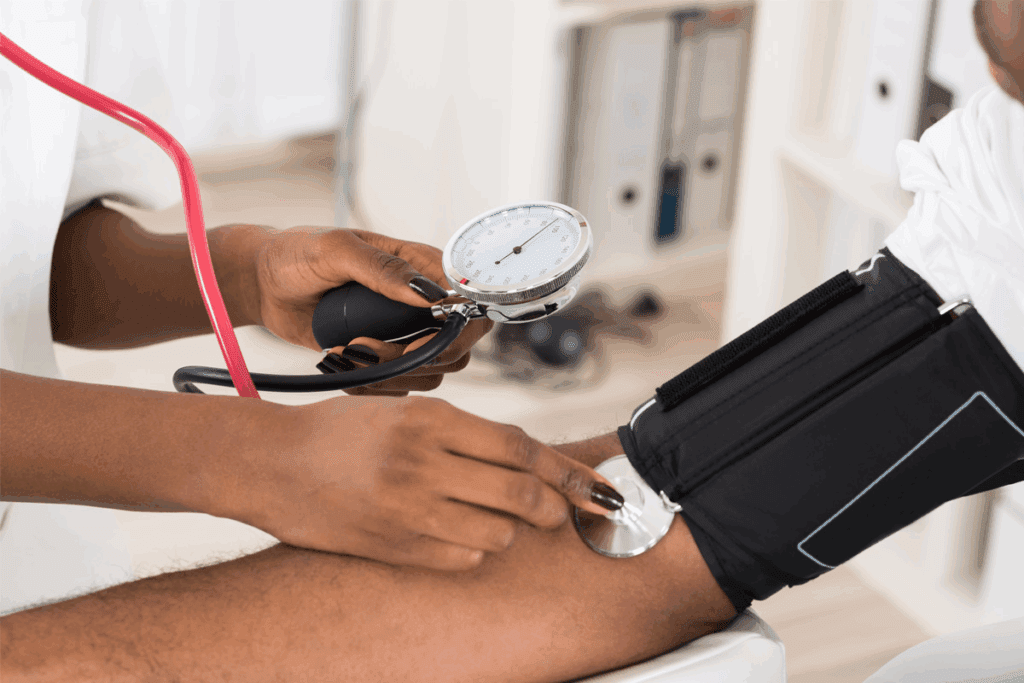
High blood pressure and chest tightness are closely linked, posing significant risks to cardiovascular health. Elevated blood pressure can lead to various cardiovascular issues, including chest discomfort or angina. We will explore how this happens and what it means for your health.
How Elevated Blood Pressure Strains Your Cardiovascular System
Elevated blood pressure strains the heart and arteries, forcing the heart to work harder to pump blood. This increased workload can lead to thickening of the heart muscle, making it less efficient over time. As the heart muscle thickens, it may require more oxygen than usual, which can result in chest discomfort.
The strain on the cardiovascular system can be understood by looking at the effects of hypertension on the heart and blood vessels. High blood pressure can cause the arteries to become narrower and less flexible, reducing blood flow to the heart muscle itself.
Why Chest Discomfort Occurs with Hypertension
Chest discomfort or tightness occurs with hypertension because the heart is not receiving enough oxygen-rich blood. This condition, known as ischemia, can cause pain or discomfort in the chest, often described as a squeezing or pressure sensation.
The relationship between high blood pressure and chest tightness can be further understood by examining the impact of hypertension on cardiac function. The table below summarizes key aspects of this relationship.
| Condition | Effect on Heart | Symptoms |
| Hypertension | Increased workload, thickening of heart muscle | Chest tightness, angina |
| Ischemia | Reduced blood flow to heart muscle | Chest pain, discomfort |
| Cardiac strain | Heart muscle fatigue | Shortness of breath, fatigue |
Understanding the link between high blood pressure and chest tightness is key to managing cardiovascular health. Recognizing symptoms and their causes helps individuals take proactive steps to mitigate risks associated with hypertension.
Understanding Blood Pressure Readings and Their Significance
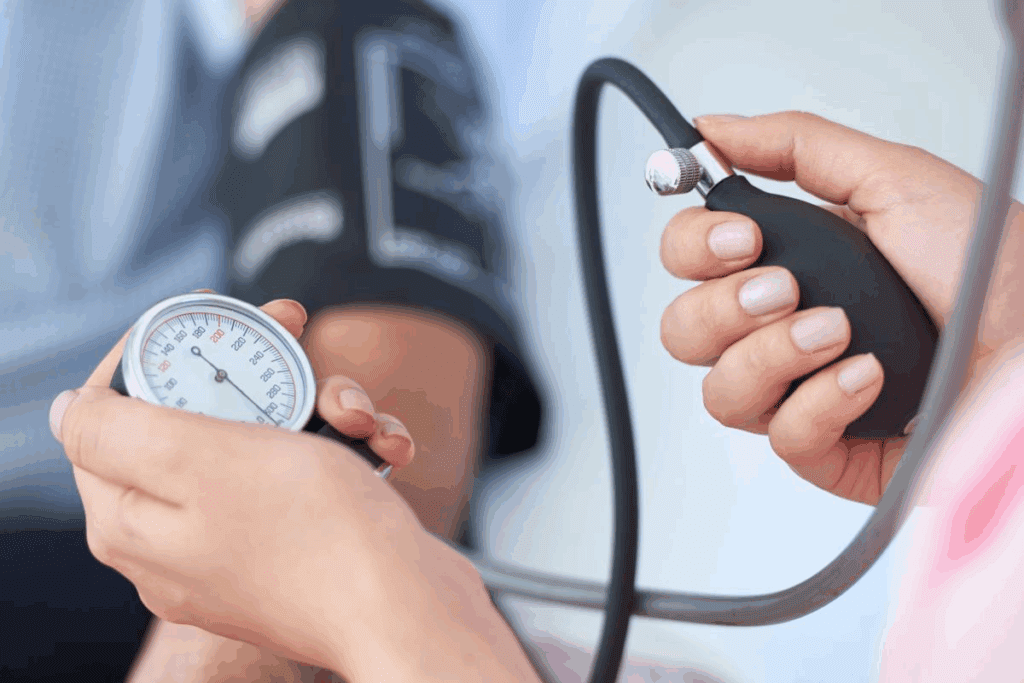
Knowing your blood pressure is key to keeping your heart healthy. It shows how well your heart is working. It’s also important for spotting and handling high blood pressure.
What the Numbers Mean
Blood pressure is shown as two numbers: systolic (top number) and diastolic (bottom number). Normal blood pressure is under 120/80 mmHg. The systolic number shows pressure when your heart beats. The diastolic number shows pressure between beats.
Here’s a quick guide to blood pressure levels:
- Normal Blood Pressure: Less than 120/80 mmHg
- Elevated Blood Pressure: 120-129/80 mmHg
- Stage 1 Hypertension: 130-139/80-89 mmHg
- Stage 2 Hypertension: 140 or higher/90 or higher mmHg
How Blood Pressure Affects Heart Function
High blood pressure makes your heart work harder. This can cause the heart muscle to thicken. It might even lead to heart failure.
When blood pressure is high, your heart pumps more blood. This puts extra stress on your heart and blood vessels.
High blood pressure can also harm your arteries. It makes them more likely to get blocked or narrow. This can cut down blood flow to important organs like the heart, brain, and kidneys. This can cause serious health problems.
By understanding your blood pressure, you can take steps to keep it in check. This helps protect your heart health.
7 Key Facts About High Blood Pressure and Chest Tightness
Knowing about high blood pressure and chest tightness is key to better heart health. We’ll look at seven important facts. These facts cover causes, symptoms, and what they mean for your health.
Fact 1: Hypertension Forces Your Heart to Work Harder
Hypertension, or high blood pressure, means your blood pressure is too high. This makes your heart work harder. Over time, this can make your heart muscle thicker and less efficient. Too much work can lead to heart failure if not treated.
Fact 2: Chest Tightness May Indicate Reduced Oxygen to Heart Muscle
Chest tightness can mean your heart muscle isn’t getting enough oxygen. This is called myocardial ischemia. It happens when your coronary arteries are narrowed or blocked. This is a serious symptom that should not be ignored.
Fact 3: Normal Blood Pressure Doesn’t Rule Out Cardiac Issues
Many think normal blood pressure means no heart problems. But, chest tightness can happen even with normal blood pressure. This is due to other heart issues like coronary artery disease or heart valve problems. Regular check-ups are key for early detection.
Fact 4: Symptoms Can Manifest Differently Among Individuals
Symptoms of hypertension and chest tightness vary from person to person. Some may have severe chest pain, while others might feel mild discomfort or nothing at all. Knowing these differences is important for early diagnosis and treatment.
Understanding these facts shows why it’s important to watch your blood pressure and any changes in your body, like chest tightness. By being proactive, you can lower the risk of serious heart problems.
“The key to maintaining a healthy heart is understanding the relationship between blood pressure and symptoms like chest tightness. Being informed and vigilant helps individuals control their heart health.”
As we explore more facts, it’s clear that knowledge is power in managing hypertension and its symptoms.
Chest Pain with Normal Blood Pressure and Heart Rate: What It Means
Chest pain is a symptom that needs attention, even with normal blood pressure and heart rate. It can be unsettling to feel chest discomfort. It’s important to look into the possible causes and what they mean.
Non-Cardiac Causes of Chest Discomfort
Chest pain can have many non-cardiac causes. For example, strained muscles or costochondritis, which is inflammation of the cartilage connecting ribs to the breastbone. Gastrointestinal problems like acid reflux or esophageal spasms can also cause chest pain.
Other reasons for non-cardiac chest pain include anxiety or panic disorders. These can make you feel tightness or pain in your chest. Chest pain can also be linked to respiratory issues like pneumonia or pleurisy.
When to Be Concerned Despite Normal Readings
Even with normal blood pressure and heart rate, some chest pain signs can be serious. Seek medical help if your chest pain is severe, lasts a long time, or comes with other symptoms like shortness of breath or dizziness.
Watch for any changes in your chest pain. If it gets worse with exertion or stress, or spreads to your arms, back, or jaw, see a doctor.
Normal blood pressure and heart rate are reassuring, but they don’t mean you can’t have a serious condition. It’s key to talk to a healthcare provider to figure out what’s causing your symptoms. They can guide you on the right treatment.
Decoding Different Chest Sensations: Pinching, Tightness, and Pangs
The heart is a complex organ, and its sensations can manifest in various ways, including pinching, tightness, and pangs. These sensations can be alarming and may signal underlying health issues. We will explore the causes and implications of these sensations to better understand their significance.
The “Pinching Feeling in Heart” Explained
A pinching feeling in the heart can be alarming. It may indicate reduced oxygen supply to the heart muscle. This is often linked to angina and high blood pressure.
When the heart muscle doesn’t get enough oxygen, it can cause discomfort. This discomfort may feel like a pinching or squeezing sensation. Various factors can trigger this sensation, including physical exertion, stress, or cold weather.
It’s important to monitor these episodes and seek medical advice. A healthcare professional can evaluate the situation properly.
Understanding Pangs in the Heart
Pangs in the heart refer to sharp, stabbing pains that can occur suddenly. These pangs can be caused by inflammation of the heart lining (pericarditis), anxiety, or even gastrointestinal issues. While some pangs may be harmless, others can be indicative of a more serious condition.
It’s vital to differentiate between cardiac and non-cardiac causes of heart pangs. A healthcare professional can help determine the underlying cause through a thorough examination and diagnostic tests.
Pain When Heart Beats: Possible Causes
Pain when the heart beats can be concerning. This pain can be related to the heartbeat itself or to the increased pressure and stress on the heart. Possible causes include arrhythmias, heart valve problems, or even cardiac ischemia. In some cases, the pain may be related to non-cardiac issues, such as musculoskeletal problems.
Understanding the nature and characteristics of the pain is vital for determining its cause. Factors such as the intensity, duration, and triggers of the pain can provide valuable insights into the underlying condition.
Medical Terminology for Chest Pain: Understanding Your Diagnosis
When you have chest pain, knowing the medical terms used by doctors can be very helpful. Chest pain can be caused by many things, from mild to serious. It’s important to know the terms related to chest pain to understand your diagnosis and what’s causing your symptoms.
Angina Pectoris: Types and Characteristics
Angina pectoris is chest pain or discomfort when the heart doesn’t get enough oxygen. It often happens because of blocked or narrowed arteries. There are different kinds of angina, like stable and unstable, with unstable being more serious.
Knowing about angina helps in managing it. Symptoms include a squeezing feeling in the chest that might spread to the arms, back, or jaw. Spotting these symptoms early can help get the right treatment quickly.
Myocardial Ischemia: When Heart Muscle Lacks Oxygen
Myocardial ischemia happens when the heart doesn’t get enough blood, leading to less oxygen for the heart muscle. This can cause angina or even a heart attack if not treated. It can be caused by many things, like blocked arteries or blood clots.
The symptoms of myocardial ischemia are similar to angina, like chest pain. But sometimes, it happens without any symptoms at all. Tests are needed to find ischemia.
| Condition | Primary Cause | Common Symptoms |
| Angina Pectoris | Coronary artery disease | Chest pain, pressure, or squeezing sensation |
| Myocardial Ischemia | Reduced blood flow to heart muscle | Chest pain, shortness of breath, fatigue |
| Pericarditis | Inflammation of the pericardium | Sharp chest pain, fever, fatigue |
Pericarditis and Other Inflammatory Conditions
Pericarditis is when the sac around the heart gets inflamed. It can cause sharp chest pain that feels better when sitting up and leaning forward. Other heart problems like myocarditis, which is inflammation of the heart muscle, also exist.
Knowing these medical terms helps patients understand their diagnosis better. It’s key to talk to your doctor about your symptoms and diagnosis to fully grasp your situation.
The Critical Relationship Between Angina and High Blood Pressure
Understanding the link between angina and high blood pressure is key for good heart care. High blood pressure is a big risk for angina. It makes the heart work harder and can cut down oxygen to the heart muscle.
How Hypertension Contributes to Angina Development
Hypertension makes the heart work harder, raising its need for oxygen. Without enough oxygen, the heart muscle can hurt, causing chest pain or discomfort, known as angina. Key factors that contribute to angina development in hypertensive patients include:
- Increased cardiac workload
- Reduced oxygen supply to the heart muscle
- Atherosclerosis (the buildup of plaque in arteries)
Recognizing Angina Symptoms
It’s important to know the signs of angina to get help quickly. Common symptoms are:
- Chest pain or discomfort
- Pressure or squeezing sensation in the chest
- Pain radiating to the arms, back, neck, jaw, or stomach
Angina symptoms can differ from person to person. They can be triggered by physical activity or emotional stress.
Heart Muscle Ache: What It Tells You
A heart muscle ache, or angina, means the heart isn’t getting enough oxygen-rich blood. This is a warning sign for serious heart problems, like a heart attack. Knowing the causes and symptoms of angina is important for keeping your heart healthy and avoiding complications.
People with high blood pressure should work closely with their doctors. This helps monitor their condition and manage risks for angina.
Immediate Actions When Experiencing Chest Tightness
When you feel chest tightness, it’s important to know what to do right away. This can help keep you safe and manage your health. Chest tightness can mean different things, from mild to serious health issues. Knowing how to act can greatly improve your health.
Steps to Take During an Episode
If you’re feeling chest tightness, here’s what to do:
- Stay calm to think clearly and make good choices.
- Sit or stand quietly to avoid making things worse.
- If the tightness is severe or you have other symptoms like dizziness or shortness of breath, get medical help right away.
- If you have medicine for heart conditions, take it as your doctor told you to.
What Information to Provide to Medical Professionals
When you see a doctor for chest tightness, give them all the details. This helps them figure out what’s going on and how to help you. Be ready to talk about:
- How your chest feels (sharp, dull, squeezing, etc.)
- When the tightness started and how long it lasts
- What makes it better or worse
- Your health history, including heart problems or risk factors
- Any medicines you’re taking
Home Monitoring Recommendations
Watching your health at home can help you and your doctor understand your symptoms. Consider:
- Keeping a diary of when and how bad the tightness is, and what might cause it.
- Checking your blood pressure and heart rate often.
- Using a pulse oximeter to check your oxygen levels if your doctor says so.
- Going to your doctor regularly to talk about your symptoms and adjust your treatment.
By acting quickly and taking care of your health, you can handle chest tightness better. This can help make these episodes less frequent and less severe.
Diagnostic Approaches for High Blood Pressure and Chest Pain
It’s important to know how doctors diagnose high blood pressure and chest pain. They use a mix of medical history, physical exams, and tests to figure out what’s going on.
Initial Evaluation Process
The first step is talking about your symptoms and health history. Doctors will also do a physical exam. They want to know about your lifestyle and family health to spot risks.
Key components of the initial evaluation include:
- Blood pressure measurement
- Electrocardiogram (ECG) to assess heart function
- Physical examination to check for signs of cardiovascular disease
“The first check is key to figuring out how to treat high blood pressure and chest pain,” says Medical Expert, a cardiologist. “It helps us know who needs quick help and who needs more tests.”
Advanced Testing Methods
For those with suspected high blood pressure or chest pain, more tests might be needed. These can include:
- Stress tests to check how the heart works under stress
- Echocardiograms to see the heart’s shape and how it works
- Coronary angiography to look for blockages in the heart’s arteries
Understanding Your Test Results
After the tests, doctors will look at the results to find out what’s causing your symptoms. Knowing this helps them create a good treatment plan for you.
Test results may indicate:
- The presence of hypertension and its severity
- Evidence of cardiac ischemia or other heart conditions
- The need for lifestyle changes or medication
By understanding how doctors diagnose high blood pressure and chest pain, patients can see why these tests are so important. They help manage the condition and improve heart health.
Treatment Strategies for Managing Blood Pressure and Relieving Chest Discomfort
Managing high blood pressure is key to feeling better and keeping your heart healthy. We’ll look at ways to control blood pressure and ease chest tightness.
Medication Approaches
Medicines are important for handling high blood pressure and chest pain. Antihypertensive medications lower blood pressure, easing heart strain and chest tightness. Diuretics, ACE inhibitors, and beta-blockers are common choices.
Nitrates are used for angina to boost blood flow to the heart. This gives quick relief from chest pain. Always stick to your medication plan and talk to your doctor before changing anything.
Lifestyle Modifications
Changing your lifestyle is also vital for managing blood pressure and chest pain. Dietary modifications can make a big difference. Eating a DASH (Dietary Approaches to Stop Hypertension) diet can help lower blood pressure.
Regular physical activity is also key. Aim for 30 minutes of moderate exercise daily. Stress management techniques like meditation or yoga can also help.
Monitoring Your Progress
Keeping an eye on your blood pressure and symptoms is important. A blood pressure log can track changes. Always tell your doctor about any symptom changes.
By using medicines, making lifestyle changes, and monitoring your health, you can manage blood pressure and chest pain. This improves your overall well-being.
Prevention: Reducing Your Risk of Hypertension and Associated Chest Pain
To prevent hypertension and chest pain, you need a mix of healthy habits. These habits can greatly lower your risk of heart problems.
Dietary Approaches to Stop Hypertension (DASH)
The DASH diet is a proven plan to lower blood pressure and boost heart health. It focuses on eating more fruits, veggies, whole grains, lean proteins, and low-fat dairy.
Key components of the DASH diet include:
- Fruits: Aim for 4-5 servings per day
- Vegetables: Aim for 4-5 servings per day
- Whole grains: Choose whole grains over refined grains
- Lean protein: Include lean meats, poultry, and fish in your diet
- Low-fat dairy: Opt for low-fat or fat-free dairy products
| DASH Diet Food Group | Recommended Servings | Examples |
| Fruits | 4-5 per day | Apples, bananas, berries |
| Vegetables | 4-5 per day | Broccoli, carrots, spinach |
| Whole Grains | 6-8 per day | Brown rice, quinoa, whole wheat bread |
Exercise Recommendations for Heart Health
Exercise is key for heart health and lowering hypertension risk. Aim for 150 minutes of moderate exercise weekly.
Examples of moderate-intensity exercises include:
- Brisk walking
- Swimming
- Cycling
- Dancing
Stress Management Techniques
Chronic stress can lead to hypertension. Using stress-reducing methods can help lower this risk.
Effective stress management techniques include:
- Meditation
- Deep breathing exercises
- Yoga
- Progressive muscle relaxation
Regular Medical Check-ups
Regular health check-ups are vital for monitoring blood pressure and catching issues early. Work with your healthcare provider to find a schedule that works for you.
By following these prevention tips, you can greatly reduce your risk of hypertension and chest pain.
Conclusion: Taking Control of Your Cardiovascular Health
It’s important to know how high blood pressure and chest tightness are connected. This knowledge helps people take care of their heart health. By understanding the causes and signs, they can start making changes.
Handling high blood pressure and its symptoms needs a full plan. This includes changing your lifestyle, getting medical help, and keeping an eye on your health. Eating right, exercising often, and managing stress are key to lowering blood pressure and chest pain risks.
By controlling your heart health, you can lower the chance of serious problems. Regular doctor visits and sticking to treatment plans are key to staying healthy.
We urge people to stay up-to-date and work with doctors to manage high blood pressure and chest tightness. This way, they can improve their heart health overall.
FAQ
What is the connection between high blood pressure and chest tightness?
High blood pressure can cause chest tightness. It puts strain on the heart. This can lead to less oxygen for the heart muscle, causing discomfort or pain.
Can I experience chest pain with normal blood pressure and heart rate?
Yes, chest pain can happen even with normal blood pressure and heart rate. It might be due to anxiety, muscle strain, or stomach problems.
What does a “pinching feeling in heart” indicate?
A pinching feeling in the heart can mean different things. It could be from anxiety, costochondritis, or heart problems like angina or pericarditis. It’s important to see a doctor for a proper check-up.
How does hypertension contribute to angina development?
High blood pressure makes the heart work harder. This can lead to a need for more oxygen. If the heart doesn’t get enough oxygen, it can cause angina, which is chest pain or discomfort.
What are the symptoms of angina, and how can I recognize them?
Angina symptoms include chest pain or discomfort. It’s often described as squeezing, pressure, or heaviness. It usually happens when you’re active or stressed and gets better when you rest or take medication.
What immediate actions should I take when experiencing chest tightness?
If you feel chest tightness, stop what you’re doing and rest. Watch your symptoms. If it doesn’t go away or is bad, get medical help. Tell them about your symptoms and health history.
How is high blood pressure and chest pain diagnosed?
First, a doctor will ask about your health, do a physical check, and take your blood pressure. They might also do tests like an electrocardiogram (ECG), stress test, or imaging studies.
What treatment options are available for managing high blood pressure and relieving chest discomfort?
Doctors can prescribe medicine to control blood pressure and ease symptoms. You can also make lifestyle changes like eating right, exercising, managing stress, and getting regular check-ups.
How can I reduce my risk of developing hypertension and associated chest pain?
To lower your risk, eat healthy, like following the DASH diet. Stay active, manage stress, and get regular health checks to keep an eye on your heart health.
What is the significance of understanding blood pressure readings?
Knowing your blood pressure is key. It shows how well your heart is doing. It can help spot problems like high blood pressure, which can lead to chest tightness or worse heart issues.
Can normal blood pressure rule out cardiac issues?
No, normal blood pressure doesn’t mean you’re safe from heart problems. Other signs and symptoms need to be looked at too. A full medical check is needed to find out why you’re feeling chest pain or discomfort.
References
- Medical News Today. (2022). Arteries: Function, anatomy, and types.https://www.medicalnewstoday.com/articles/arteries



 Departments
 Related Videos
 Our Doctors
 News
News