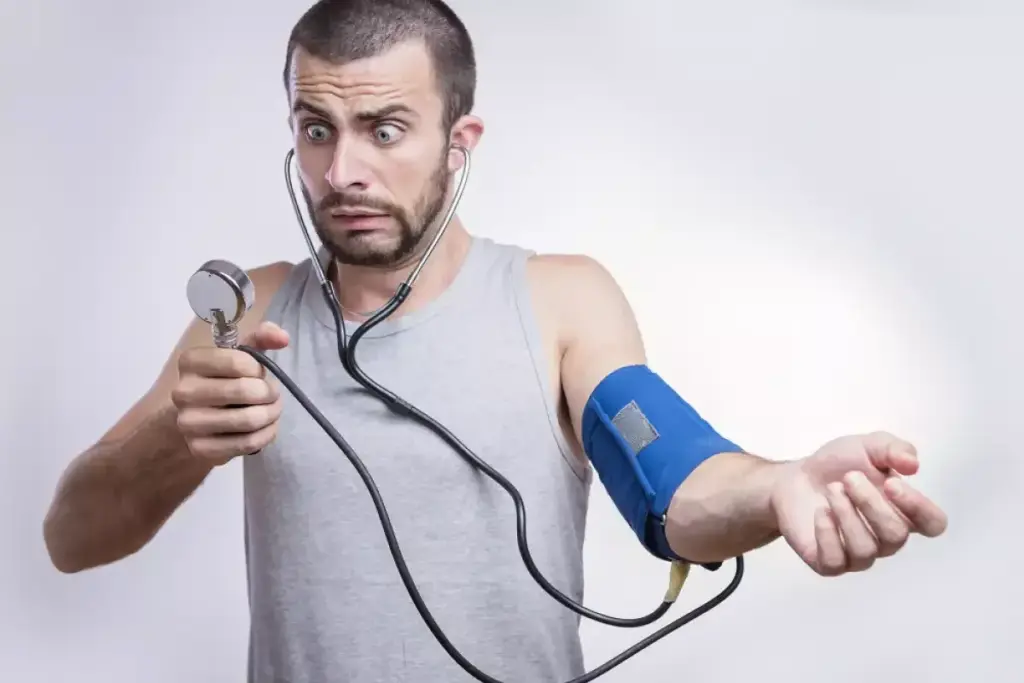
Nearly half of adults in the United States have hypertension. This is a major risk factor for heart disease and stroke. The Centers for Disease Control and Prevention (CDC) reports this.
Hypertension is a complex condition involving multiple organs. The kidney plays a key role in regulating blood pressure. It’s important to understand high blood pressure to manage it well.
Knowing the signs of hypertension and its symptoms is vital. It helps in early detection and treatment.
Key Takeaways
- Hypertension is a significant health issue affecting nearly half of the adult population in the U.S.
- The kidney plays a key role in blood pressure regulation.
- Understanding hypertension is key to managing its impact.
- Early detection and treatment can significantly improve outcomes.
- Hypertension is a complex condition involving multiple organs.
Understanding Hypertension: The Silent Killer

Hypertension is often called a silent killer because it can cause serious health problems without clear signs. It’s a big risk for heart diseases like hypertensive heart disease and hypertensive cardiovascular disease.
What is Blood Pressure?
Blood pressure is the force blood puts on artery walls as it moves around the body. It shows the pressure in arteries during a heartbeat (systolic) and between heartbeats (diastolic). Knowing about blood pressure helps spot hypertension issues early.
Normal blood pressure is key for delivering oxygen and nutrients to our bodies. But high blood pressure can damage blood vessels, the heart, and other organs. This can lead to symptoms of hypertension.
How is Blood Pressure Measured?
Blood pressure is checked with a sphygmomanometer, which can be manual or digital. It’s measured at the arm with a cuff. The cuff is inflated to stop blood flow, then slowly deflated while listening to blood flow sounds with a stethoscope.
The reading is in millimeters of mercury (mmHg) and has two numbers: systolic (top number) and diastolic (bottom number). For example, 120/80 mmHg is normal. Knowing these numbers is important for diagnosing and managing hypertension.
|
Blood Pressure Category |
Systolic (mmHg) |
Diastolic (mmHg) |
|---|---|---|
|
Normal |
Less than 120 |
Less than 80 |
|
Elevated |
120-129 |
Less than 80 |
|
Hypertension Stage 1 |
130-139 |
80-89 |
The Multiorgan Nature of Hypertension

Hypertension is more than just high blood pressure. It affects many parts of the body. A holistic approach is needed to manage it.
Knowing the types of hypertension is key. Primary and secondary hypertension are the main types. Primary hypertension has no clear cause and develops over time. Secondary hypertension is caused by another condition or medication.
Primary vs. Secondary Hypertension
Primary hypertension is the most common, making up 90-95% of cases. It’s caused by genetics, environment, and lifestyle. Secondary hypertension has a clear cause, like kidney disease or certain medications.
Knowing if hypertension is primary or secondary helps choose the right treatment.
The Interconnected Systems Approach
Managing hypertension means understanding its effects on the body. The kidneys, heart, blood vessels, and nervous system all play a role.
“Hypertension is a multifactorial disorder that necessitates a comprehensive treatment strategy, taking into account the interplay between different organ systems.”
Using an interconnected systems approach helps tailor treatments. This can lead to better results for each person.
Recognizing hypertension signs and its effects on the body is important. Using a hypertension symptoms checker or knowing the high bp symptoms list can lead to early treatment.
The Kidney: Primary Regulator of Blood Pressure
The kidney plays a key role in keeping blood pressure healthy. It does this by controlling blood volume and adjusting the renin-angiotensin-aldosterone system. This helps the kidneys adjust blood pressure based on the body’s needs and stress.
How Kidneys Control Blood Volume
The kidneys manage blood volume by controlling fluid in the body. They do this by handling sodium and water excretion. If blood volume goes up, the kidneys get rid of more sodium and water, lowering blood pressure.
When blood volume is low, the kidneys hold onto sodium and water. This increases blood volume and helps keep or raise blood pressure.
Managing high blood pressure often involves helping the kidneys do their job. This can include eating less sodium and taking certain medications.
The Renin-Angiotensin-Aldosterone System
The renin-angiotensin-aldosterone system (RAAS) is a key player in blood pressure control. It kicks in when blood volume or pressure is low. The RAAS leads to aldosterone production, which helps retain sodium in the kidneys. This increases blood volume and pressure.
When the RAAS gets out of balance, it can lead to high blood pressure. Understanding the RAAS is key to finding effective treatments for hypertension diagnosis criteria and treatment.
Kidney Disorders Leading to Hypertension
Kidney problems are a major cause of secondary hypertension. Issues like chronic kidney disease, renal artery stenosis, and glomerulonephritis can mess with blood pressure control. For example, in chronic kidney disease, the kidneys can’t get rid of sodium and water properly. This leads to fluid buildup and high blood pressure.
|
Kidney Disorder |
Effect on Blood Pressure |
|---|---|
|
Chronic Kidney Disease |
Fluid retention, increased blood pressure |
|
Renal Artery Stenosis |
Reduced blood flow to kidneys, activation of RAAS |
|
Glomerulonephritis |
Inflammation affecting kidney function, potentially leading to hypertension |
It’s important to recognize and manage these kidney issues to control elevated blood pressure indicators and prevent heart disease.
The Heart’s Role in Hypertension
The heart plays a big role in blood pressure levels. It’s at the center of the cardiovascular system. Its work affects not just itself but the whole body’s blood flow.
Cardiac Output and Blood Pressure
Cardiac output is how much blood the heart pumps each minute. It’s key to blood pressure. If the heart pumps more blood, blood pressure goes up.
This can happen for many reasons, like how fast the heart beats or how hard it contracts. Knowing how cardiac output and blood pressure are linked is key to controlling high blood pressure.
Many things can change how much blood the heart pumps. These include how well the heart contracts, how much blood it starts with, and how hard it has to work to push blood out. Changing any of these can affect blood pressure.
How Heart Disease Contributes to Hypertension
Heart disease can make high blood pressure worse. Problems like blocked arteries, faulty heart valves, and heart failure can all affect blood pressure. For example, heart failure might make the heart pump less, but the body might try to keep blood pressure up by making blood vessels narrower.
Some heart diseases can even cause high blood pressure as a side effect. For example, a narrowed aorta can raise blood pressure in the arms, or blocked arteries to the kidneys can cause high blood pressure. It’s important to treat heart disease to manage high blood pressure.
The Brain and Nervous System’s Influence
It’s key to know how the brain and nervous system affect blood pressure. The brain controls blood pressure through the autonomic nervous system.
The Autonomic Nervous System
The autonomic nervous system (ANS) is part of the nervous system. It handles things we can’t control, like heart rate and blood pressure. It has two parts: the sympathetic and parasympathetic systems.
The sympathetic nervous system gets ready for action, like when you’re scared or need to run. The parasympathetic nervous system helps you relax and digest food.
|
System |
Function |
Effect on Blood Pressure |
|---|---|---|
|
Sympathetic Nervous System |
Increases heart rate and cardiac output |
Increases blood pressure |
|
Parasympathetic Nervous System |
Decreases heart rate and promotes vasodilation |
Decreases blood pressure |
Stress, Anxiety, and Blood Pressure
Stress and anxiety can raise blood pressure by turning on the sympathetic nervous system. Long-term stress can make blood pressure stay high, leading to high blood pressure.
Knowing the signs of high blood pressure and managing stress can help. Try meditation, deep breathing, or exercise to keep blood pressure in check.
- Meditation and mindfulness practices
- Physical exercise and yoga
- Deep breathing exercises
Adrenal Glands and Hormonal Regulation
It’s important to know how the adrenal glands work to understand high blood pressure. These glands make hormones that help control blood pressure.
Adrenaline and Noradrenaline Effects
Adrenaline and noradrenaline are two hormones from the adrenal glands. They greatly affect blood pressure. When they are released, blood vessels get smaller, heart rate goes up, and blood pressure increases.
This is part of the body’s ‘fight or flight’ response. It gets ready to face stress or danger.
The impact of adrenaline and noradrenaline on blood pressure is quick and strong. But, if these hormones stay high for a long time, it can cause lasting high blood pressure.
Adrenal Disorders Causing Hypertension
Some adrenal gland disorders can make too many hormones, affecting blood pressure. For example, Cushing’s syndrome, caused by too much cortisol, can lead to high blood pressure. Pheochromocytoma, a rare tumor, can also cause high blood pressure by releasing too much adrenaline and noradrenaline.
|
Adrenal Disorder |
Effect on Blood Pressure |
|---|---|
|
Cushing’s Syndrome |
Hypertension due to excess cortisol |
|
Pheochromocytoma |
High blood pressure due to excessive adrenaline and noradrenaline |
|
Conn’s Syndrome |
Hypertension resulting from aldosterone overproduction |
Knowing the symptoms of high blood pressure syndrome and how adrenal disorders cause it is key. It helps in managing and treating high blood pressure effectively.
Blood Vessels: The Resistance Factor
Blood vessels play a big role in blood pressure and heart health. Their condition affects how well blood flows. Healthy vessels can adjust to blood pressure changes. But damaged vessels can lead to hypertension.
Vascular Resistance Explained
Vascular resistance is how hard it is for blood to flow. It’s key to blood pressure, as it shows how much the heart works. The small blood vessels, or arterioles, control most of this resistance.
When these vessels get smaller, resistance goes up, and blood pressure increases. But when they get bigger, resistance goes down, and blood pressure drops.
Keeping vascular resistance in check is complex. It involves the nervous system, hormones, and local blood vessel factors. Knowing about vascular resistance helps us understand hypertension and how to manage it.
Atherosclerosis and Hypertension
Atherosclerosis is when plaque builds up in arteries. This makes arteries narrow and stiff, raising blood pressure. It’s a big problem for hypertension and makes it harder to treat.
Spotting warning signs of high blood pressure early is key. Hypertension often doesn’t show symptoms until it’s done a lot of damage. Regular checks and knowing the effects of hypertension can help catch it early.
Understanding blood vessels and high blood pressure warning signs is important. It shows why keeping heart health in check is so vital.
High Blood Pressure Symptoms: Warning Signs to Watch For
High blood pressure, or hypertension, can show itself in different ways. But often, it goes unnoticed until it’s too late. It’s important to know the common signs, why it’s often silent, and the urgent signs that need quick medical help.
Common Symptoms of Hypertension
Even though hypertension is often silent, some people might feel headaches, dizziness, or shortness of breath. Others might see nosebleeds, feel tired, or confused. Some might notice blood in their urine or feel chest pain. Spotting these signs is key, mainly for those at risk.
|
Symptom |
Description |
|---|---|
|
Headaches |
Frequent or severe headaches can be a sign of high blood pressure. |
|
Dizziness |
Feeling dizzy or lightheaded, specially when standing up quickly. |
|
Shortness of Breath |
Difficulty breathing or feeling winded even when sitting. |
Why Hypertension Often Has No Symptoms
Hypertension is called a “silent killer” because it usually doesn’t show symptoms until it’s damaged the body a lot. This is because the body gets used to the higher blood pressure, and many people don’t feel sick until it’s too late.
Emergency Symptoms Requiring Immediate Attention
In severe cases, hypertension can cause hypertensive emergencies. These include severe chest pain, severe headache, confusion, or sudden vision changes. If you or someone else has these symptoms, getting immediate medical attention is vital.
Risk Factors for Developing Hypertension
Hypertension is caused by both things we can and can’t control. Knowing these factors helps prevent and manage the condition.
Non-Modifiable Risk Factors
Some risk factors can’t be changed. Genetics play a significant role in who gets hypertension. If your family has high blood pressure, you’re more likely to too. Age also matters; as we get older, our arteries get stiffer.
Ethnicity can also affect your risk. Some groups are more likely to have high blood pressure.
- Family history of hypertension
- Increasing age
- Ethnicity
Lifestyle and Environmental Risk Factors
But there are things we can change to lower our risk. A sedentary lifestyle and poor diet can lead to high blood pressure. Eating too much sodium and not enough potassium is bad.
Being obese, drinking too much alcohol, and smoking also increase your risk. Stress can make blood pressure go up too.
- Physical inactivity
- Unhealthy diet
- Obesity
- Excessive alcohol use
- Smoking
By tackling these risk factors, we can lower our chance of getting hypertension. Or, if we have it, we can manage it better.
Diagnosing Hypertension: Beyond the Numbers
Doctors need to look at more than just numbers when diagnosing hypertension. They consider blood pressure categories and test results.
Diagnosing hypertension means knowing the different blood pressure ranges. It also involves testing to find the cause. This helps doctors create a treatment plan that fits the patient’s needs.
Blood Pressure Categories and Ranges
Blood pressure is divided into several ranges. Knowing these ranges is key for accurate diagnosis.
- Normal blood pressure: Less than 120/80 mmHg
- Elevated blood pressure: 120-129/80 mmHg
- Stage 1 hypertension: 130-139/80-89 mmHg
- Stage 2 hypertension: 140 or higher/90 mmHg or higher
|
Blood Pressure Category |
Systolic Blood Pressure (mmHg) |
Diastolic Blood Pressure (mmHg) |
|---|---|---|
|
Normal |
Less than 120 |
Less than 80 |
|
Elevated |
120-129 |
Less than 80 |
|
Stage 1 Hypertension |
130-139 |
80-89 |
|
Stage 2 Hypertension |
140 or higher |
90 or higher |
Diagnostic Tests to Identify Underlying Causes
Diagnostic tests are vital in finding the causes of hypertension. They help doctors understand the patient’s health and plan treatment.
Some tests used include:
- Blood tests for kidney disease, hormonal imbalances, or other conditions
- Urine tests for kidney disease or other conditions
- Electrocardiogram (ECG) for heart disease
- Echocardiogram for heart valve problems or other heart issues
By using these tests and understanding blood pressure categories, doctors can create a detailed treatment plan. This helps manage hypertension and prevent serious problems.
Treatment Approaches for Hypertension
Effective treatment for hypertension is key to avoiding heart problems. Managing high blood pressure needs a full plan. This includes lifestyle changes, medicine, and sometimes treatments for specific organs.
Lifestyle Modifications
Lifestyle changes are vital in managing high blood pressure. Eating a healthy diet with lots of fruits, veggies, and whole grains is important. Also, cutting down on sodium is a must.
Regular physical activity, like walking, can help lower blood pressure. Keeping a healthy weight and drinking less alcohol are also good ideas.
Medication Options
If lifestyle changes aren’t enough, medicine is often needed. There are many types of blood pressure medicines. These include diuretics, ACE inhibitors, beta-blockers, and calcium channel blockers.
The right medicine depends on your health, other medical conditions, and your blood pressure type.
Organ-Specific Treatments
When high blood pressure is caused by a problem with an organ, treatment targets that organ. For example, if kidney disease is the cause, treating the kidneys is key. If an adrenal gland issue is the problem, treatment might involve surgery or medicine.
In summary, treating high blood pressure needs a plan that fits the person’s health and the cause of their condition. By using lifestyle changes, the right medicine, and sometimes organ-specific treatments, it’s possible to manage high blood pressure well. This helps lower the risk of heart diseases.
Hypertensive Cardiovascular Disease: Long-term Effects
Hypertension has serious long-term effects on the heart and blood vessels. It leads to a range of complications from prolonged high blood pressure.
Understanding the impact on the heart and blood vessels is key.
Cardiac Remodeling and Damage
Hypertension makes the heart work harder, causing cardiac remodeling. This includes thickening of the left ventricle, known as LVH. Over time, this can lead to heart failure, as the heart struggles to pump efficiently.
Studies show LVH is a major risk factor for heart problems and death.
Vascular Complications
High blood pressure also harms blood vessels, causing vascular complications. It makes artery walls thicken and harden, a condition called atherosclerosis. This can reduce blood flow to organs, raising the risk of heart attack, stroke, and kidney disease.
|
Complication |
Description |
Potential Outcome |
|---|---|---|
|
Left Ventricular Hypertrophy (LVH) |
Thickening of the heart muscle |
Heart Failure |
|
Atherosclerosis |
Hardening and narrowing of arteries |
Heart Attack, Stroke |
|
Vascular Remodeling |
Changes in blood vessel structure |
Reduced Organ Perfusion |
When to Seek Medical Help for Hypertension
Knowing when to get medical help is key to managing hypertension. This condition needs close monitoring and quick action to avoid serious health issues.
Regular Screening Recommendations
Getting regular screenings is vital for catching hypertension early. People over 40, or those with risk factors like family history or obesity, should get their blood pressure checked yearly.
The American Heart Association suggests that adults with normal blood pressure (less than 120/80 mmHg) should get screened every two years. Those with higher blood pressure or stage 1 hypertension need more frequent checks.
|
Age Group |
Recommended Screening Frequency |
|---|---|
|
18-39 years |
Every 2 years if normal |
|
40 years and above |
At least once a year |
|
With risk factors |
More frequently as advised by a healthcare provider |
Emergency Situations Requiring Immediate Care
It’s important to know when to seek emergency care. Severe symptoms like a bad headache, chest pain, or dizziness mean you need help right away.
If you’re experiencing any of these, get help fast:
- Severe hypertension (180/120 mmHg or higher)
- Symptoms of a heart attack or stroke
- Acute kidney injury
Knowing the signs of a medical emergency can save lives. Always talk to a doctor if you’re not sure about your symptoms or how serious they are.
Conclusion
Hypertension, or high blood pressure, is a complex condition. It is influenced by many organs and systems in the body. The kidney, heart, brain, adrenal glands, and blood vessels all play important roles in controlling blood pressure.
Managing hypertension well needs a complete approach. This includes lifestyle changes, medicine, and sometimes treatments for specific organs. Knowing the causes and symptoms of hypertension helps people take steps to keep their blood pressure healthy.
Being aware and educated is key in fighting hypertension. Regular screenings and monitoring can catch the condition early. This reduces the risk of serious heart damage. By spreading hypertension awareness and encouraging regular health checks, we can aim for a healthier future.
In summary, understanding hypertension and its many aspects is essential for managing it well. By focusing on overall health and wellness, people can lower the risks of high blood pressure. This leads to a better life quality.
FAQ
What is hypertension, and how is it related to blood pressure?
Hypertension, or high blood pressure, is when your blood pressure stays high. It’s measured in millimeters of mercury (mmHg). It has two numbers: systolic (top) and diastolic (bottom).
What are the symptoms of high blood pressure?
High blood pressure often has no symptoms, making it a “silent killer.” But, some people might feel headaches, dizziness, or shortness of breath. Severe cases can cause chest pain, confusion, or severe headaches.
What are the risk factors for developing hypertension?
Factors that can’t be changed include age, family history, and genetics. Lifestyle and environmental factors like diet, exercise, smoking, and stress can be changed.
How is hypertension diagnosed?
Doctors use a sphygmomanometer to measure blood pressure. They look at normal, elevated, stage 1, and stage 2 blood pressure levels. Tests can also find the cause of high blood pressure.
What are the treatment approaches for hypertension?
Treatment includes changing your diet, exercising more, and reducing stress. Medications like diuretics, ACE inhibitors, and beta-blockers are also used. In some cases, specific treatments for organs are needed.
What are the long-term effects of hypertension on the cardiovascular system?
High blood pressure can damage the heart and blood vessels. It can lead to atherosclerosis and aneurysms. If not treated, it increases the risk of heart attack, stroke, and kidney disease.
When should I seek medical help for hypertension?
Regular blood pressure checks are important, even more so if you’re at risk. See a doctor right away if you have severe headaches, chest pain, or trouble breathing.
How do kidneys contribute to hypertension?
The kidneys help control blood pressure by managing blood volume and electrolytes. Kidney problems, like chronic kidney disease, can cause high blood pressure.
What is the role of the autonomic nervous system in hypertension?
The autonomic nervous system, including the sympathetic and parasympathetic systems, regulates blood pressure. Stress and anxiety can activate the sympathetic system, raising blood pressure.
Can lifestyle changes help manage hypertension?
Yes, making healthy lifestyle choices can help manage high blood pressure. This includes eating well, exercising regularly, reducing stress, and not smoking.
References
National Center for Biotechnology Information. Evidence-Based Medical Insight. Retrieved from https://pubmed.ncbi.nlm.nih.gov/17173239/