Nearly 1 in 2 adults in the United States has hypertension. This condition can quietly damage the body for years before symptoms show up.
Without treatment, high blood pressure can cause serious problems. It can lead to disability, a poor quality of life, or even a deadly heart attack or stroke. It’s important to know what high blood pressure is and its risks to stay healthy.
Managing blood pressure is key to avoiding severe health issues. These include heart disease, stroke, and kidney damage.
Key Takeaways
- Untreated hypertension can lead to severe health complications.
- Managing blood pressure is essential for overall health.
- Understanding the risks associated with hypertension is essential.
- High blood pressure can lead to disability or a poor quality of life.
- Early understanding and management can prevent deadly outcomes.
Understanding Hypertension and Its Prevalence
Hypertension is a common condition that affects millions around the world. It’s important to know its effects. High blood pressure can harm the circulatory system if not treated.
What is high blood pressure?
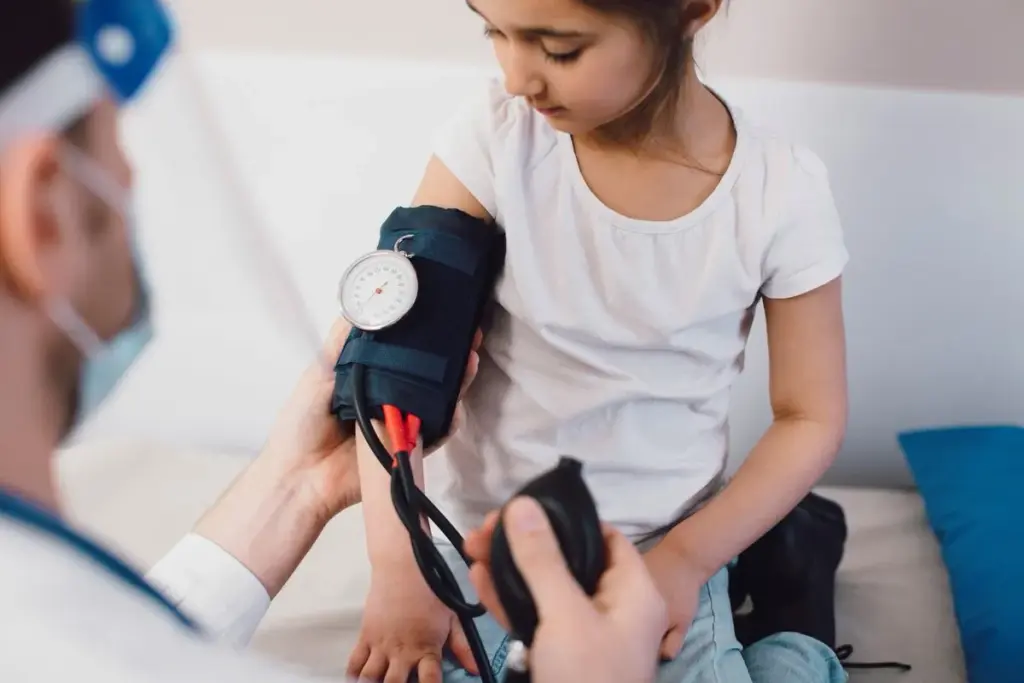
High blood pressure, or hypertension, happens when blood pressure is too high. It’s measured in millimeters of mercury (mm Hg). Readings of 130/80 mm Hg or higher are considered high.
The circulatory system and blood pressure regulation
The circulatory system includes the heart, arteries, veins, and capillaries. It’s key to keeping blood pressure in check. Capillaries, the smallest vessels, help exchange oxygen, nutrients, and waste. Blood pressure is regulated by the heart, blood vessel flexibility, and hormones.
Normal vs. elevated blood pressure readings
It’s important to know the difference between normal and high blood pressure. The American Heart Association defines these categories.
|
Blood Pressure Category |
Systolic mm Hg |
Diastolic mm Hg |
|---|---|---|
|
Normal |
Less than 120 |
Less than 80 |
|
Elevated |
120-129 |
Less than 80 |
|
Hypertension Stage 1 |
130-139 |
80-89 |
|
Hypertension Stage 2 |
140 or higher |
90 or higher |
Healthy arteries are flexible and strong. They have a smooth lining for blood flow. High blood pressure can damage these arteries, causing heart problems.
High Blood Pressure Symptoms: Warning Signs You Shouldn’t Ignore
It’s important to know the signs of high blood pressure early. High blood pressure, or hypertension, is often called a “silent killer.” This is because it usually doesn’t show symptoms until it has caused a lot of damage.
Common Symptoms of Hypertension
Many people with high blood pressure don’t feel any symptoms. But very high blood pressure can cause:
- Headaches
- Blurred vision
- Chest pain
- Dizziness
These signs can mean you’re having a hypertensive crisis. This is a serious emergency that needs quick help.
Why Hypertension is Often Called “the Silent Killer”
Hypertension often doesn’t show symptoms, which is why it’s called “the silent killer.” Not noticing symptoms can make people ignore their blood pressure. This can lead to serious health problems.
“The biggest risk factor for cardiovascular disease is high blood pressure, and it’s a silent killer because you can’t feel it.” –
American Heart Association
When to Seek Medical Attention
If you have a severe headache, chest pain, or trouble breathing, get help right away. The best way to keep an eye on your blood pressure is through regular checks.
|
Symptom |
Possible Indication |
|---|---|
|
Severe Headache |
Hypertensive Crisis |
|
Chest Pain |
Cardiovascular Issue |
|
Difficulty Breathing |
Potential Heart Failure |
Knowing and spotting the signs of high blood pressure can save lives. Keeping an eye on your blood pressure and staying informed are key to managing it and avoiding serious problems.
Early Consequences of Untreated Hypertension
If high blood pressure is not treated, it can cause serious health problems. These problems can affect how you live your daily life. They can also increase the chance of needing emergency medical care and lead to various side effects.
Impact on daily functioning and energy levels
High blood pressure can harm the cells in your arteries. This can make your arteries narrow and reduce blood flow. You might feel fatigue, shortness of breath, and not feel well overall. These symptoms can make it hard to do everyday things and lower your energy.
Hypertensive crisis and emergencies
A hypertensive crisis is a serious medical emergency. It happens when your blood pressure gets too high. Symptoms include severe headache, chest pain, and confusion. You need to get medical help right away to avoid serious problems.
|
Symptom |
Description |
|---|---|
|
Severe Headache |
A sudden and severe headache can be a sign of a hypertensive crisis. |
|
Chest Pain |
Chest pain or discomfort can indicate heart-related issues due to high blood pressure. |
|
Confusion |
Confusion or altered mental state can occur due to inadequate blood flow to the brain. |
Side effects of high blood pressure in the short term
In the short term, high blood pressure can cause chest pain, dizziness, and vision problems. These symptoms are signs that your body is being affected by high blood pressure. You should see a doctor right away.
It’s important to know the early signs of untreated hypertension. This knowledge helps manage the condition and prevent long-term damage.
Cardiovascular Complications: Hypertensive Heart Disease
High blood pressure can lead to serious heart problems, including hypertensive heart disease. This condition affects the heart due to long-term strain from high blood pressure.
How high blood pressure damages the heart
High blood pressure makes the heart work too hard. This can cause the heart muscle to thicken, known as left ventricular hypertrophy. Over time, this can reduce heart function and even lead to heart failure.
The increased pressure also damages blood vessels. This makes them more likely to block or narrow, which can cause a heart attack.
Hypertensive cardiovascular disease progression
The progression of hypertensive cardiovascular disease starts with damage to blood vessels and heart muscle. As it gets worse, it can lead to serious conditions like coronary artery disease and heart failure.
Heart attack, heart failure, and arrhythmia risks
People with hypertensive heart disease face a higher risk of heart attacks. This is because the heart muscle doesn’t get enough blood. They also risk heart failure, as their heart can’t pump enough blood.
They might also get arrhythmias, or irregular heartbeats. These can be dangerous if not treated right.
It’s important to understand the risks of hypertensive heart disease. By managing high blood pressure through lifestyle changes and medication, you can lower your risk of these serious heart problems.
Cerebrovascular Effects and Stroke Risk
Hypertension can severely harm the brain if not treated. It raises the risk of stroke and cognitive decline. The link between high blood pressure and brain health is complex.
Increased risk of ischemic and hemorrhagic stroke
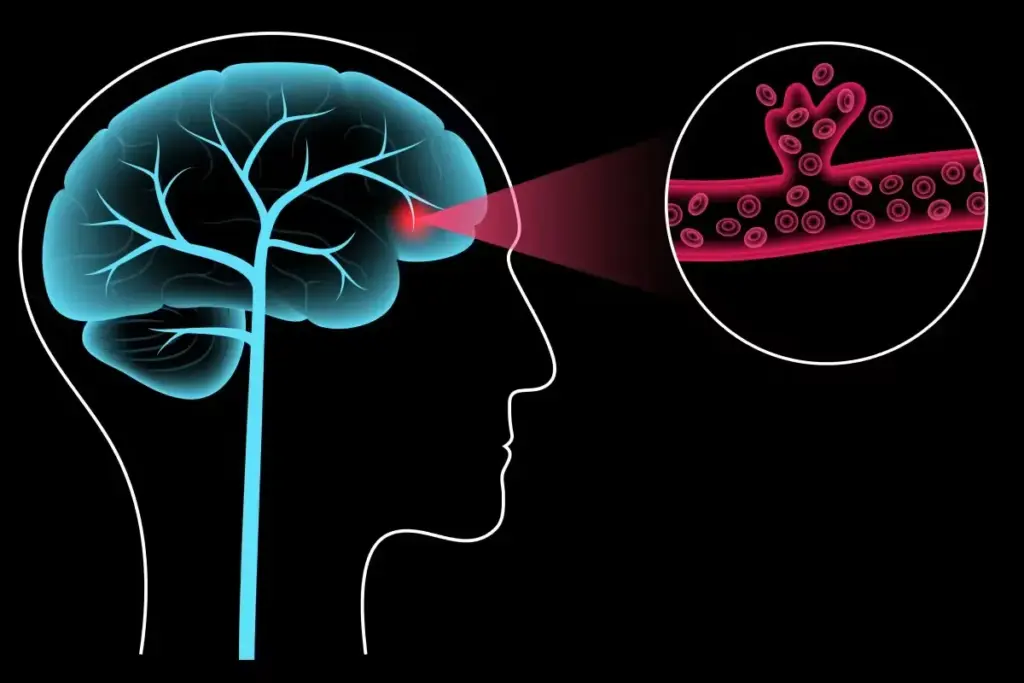
Untreated high blood pressure greatly increases stroke risk. Ischemic strokes block blood flow to the brain. Hemorrhagic strokes happen when blood vessels burst.
Stroke Risk Factors:
|
Risk Factor |
Description |
Impact on Stroke Risk |
|---|---|---|
|
High Blood Pressure |
Uncontrolled hypertension |
Increased risk of both ischemic and hemorrhagic strokes |
|
Vascular Damage |
Damage to blood vessels due to high blood pressure |
Higher likelihood of vessel blockage or rupture |
|
Cognitive Decline |
Potential for reduced cognitive function |
Increased risk of vascular dementia |
Cognitive decline and vascular dementia
Hypertension also leads to cognitive decline and vascular dementia. Damage to blood vessels reduces brain blood flow. This affects brain function over time.
Impact on brain structure and function over time
Long-term high blood pressure changes brain structure and function. This can cause long-term cognitive and neurological problems. Understanding these effects is key to managing hypertension.
Managing hypertension is vital for brain health. It directly affects stroke and cognitive decline risk. By controlling blood pressure, individuals can lower their stroke and cognitive decline risk.
Kidney Damage and Renal Failure
The kidneys are very sensitive to high blood pressure. High blood pressure can harm the blood vessels in and around the kidneys. This makes it hard for the kidneys to filter waste. It can cause chronic kidney disease and even end-stage renal disease.
How Hypertension Damages Kidney Function
Hypertension puts too much strain on the blood vessels in the kidneys. This can make them narrow and weaken. Over time, this weakens the kidneys’ ability to work.
The kidneys are key in removing waste and extra fluids from the blood. When they’re damaged, waste can build up. This leads to many problems.
Progression to Chronic Kidney Disease
Chronic kidney disease (CKD) is a slow loss of kidney function. High blood pressure is a big cause of CKD. As CKD gets worse, it can cause swelling, fatigue, and shortness of breath.
Early detection and management of hypertension are critical to preventing the progression to CKD.
“High blood pressure is a major risk factor for kidney disease, and controlling blood pressure is essential to preventing kidney damage.”
End-Stage Renal Disease and Treatment Options
End-stage renal disease (ESRD) is the last stage of CKD. At this point, the kidneys almost can’t function at all. Patients need dialysis or a kidney transplant to live.
Managing hypertension through lifestyle changes and medication can help prevent the progression to ESRD. Treatment for ESRD includes hemodialysis, peritoneal dialysis, and kidney transplantation.
It’s important to know how high blood pressure affects the kidneys. By controlling blood pressure, people can lower their risk of kidney disease and its complications.
Vision Problems and Damage to Blood Vessels
High blood pressure can quietly harm your vision, leading to hypertensive retinopathy. The eyes’ blood vessels are very sensitive to high blood pressure.
Hypertensive Retinopathy Development
Hypertensive retinopathy happens when high blood pressure damages the retina’s blood vessels. This can cause bleeding, vision problems, and even permanent vision loss if not treated.
The start of hypertensive retinopathy is slow. At first, you might not notice any symptoms. So, it’s important to get regular eye exams to catch it early.
What are Capillaries and How They’re Affected
Capillaries are the smallest blood vessels, vital for delivering oxygen and nutrients. In the eyes, they help keep the retina healthy.
High blood pressure can damage these tiny vessels. This can lead to problems like retinal hemorrhage or edema. Knowing about capillaries and how high blood pressure affects them is key to preventing these issues.
Risk of Permanent Vision Loss
Untreated high blood pressure can lead to permanent vision loss. Hypertensive retinopathy can cause serious damage to the retina if not managed.
Controlling high blood pressure is essential. This can be done through lifestyle changes or medication. It’s important to reduce the risk of vision problems caused by high blood pressure.
|
Condition |
Description |
Potential Outcome |
|---|---|---|
|
Hypertensive Retinopathy |
Damage to retinal blood vessels due to high blood pressure |
Bleeding, vision distortion, permanent vision loss |
|
Retinal Hemorrhage |
Bleeding in the retina due to damaged capillaries |
Vision loss, blindness |
|
Retinal Edema |
Fluid accumulation in the retina due to damaged capillaries |
Vision distortion, loss |
Other Organ Systems Affected by Chronic Hypertension
Unmanaged hypertension affects many organ systems, impacting quality of life and life expectancy. It causes complications beyond the heart, affecting health deeply.
Sexual Dysfunction and Reproductive Health
Hypertension can harm sexual health. High blood pressure can cause erectile dysfunction and lower libido in both men and women. Vascular damage from hypertension can block blood flow, leading to these issues.
As “a cardiologist notes, ‘The link between hypertension and sexual dysfunction is often overlooked, but it’s a critical aspect of overall health'”.
Peripheral Artery Disease and Circulation Problems
Chronic hypertension also leads to peripheral artery disease (PAD). This is when arteries narrow, reducing blood flow to limbs. This can cause pain, cramping, and weakness in the legs, mainly during exercise. Managing hypertension is key to stopping PAD from getting worse.
Impact on Overall Quality of Life and Longevity
Hypertension’s effects on various systems can greatly reduce quality of life and life expectancy.
“Uncontrolled high blood pressure can lead to a decreased quality of life, increased risk of mortality, and a higher burden on healthcare systems,” according to a study published in a Journal.
It’s vital to manage hypertension well to avoid these risks and improve life quality.
Diagnosis and Treatment Options for Hypertension
Diagnosing and treating high blood pressure is key to avoiding its harmful effects. Getting an accurate diagnosis is the first step to managing it well.
Screening and Diagnostic Procedures
To diagnose high blood pressure, several steps are taken. Blood pressure checks are the main way to spot it. Doctors might also use ambulatory blood pressure monitoring (ABPM) and home checks to get precise readings.
Medication Options and Their Effectiveness
There are many medicines for high blood pressure, like diuretics, ACE inhibitors, beta-blockers, and calcium channel blockers. The right medicine depends on the patient’s health, how severe the high blood pressure is, and other factors.
|
Medication Type |
Primary Use |
Effectiveness |
|---|---|---|
|
Diuretics |
Reducing fluid buildup |
High |
|
ACE Inhibitors |
Relaxing blood vessels |
High |
|
Beta-blockers |
Slowing heart rate |
Moderate to High |
Lifestyle Modifications to Control Blood Pressure
Changing your lifestyle is vital in managing high blood pressure. This includes eating healthy, staying active, keeping a healthy weight, drinking less alcohol, and quitting smoking.
Lifestyle Changes can greatly help control blood pressure. Eating a balanced diet full of fruits, veggies, and whole grains, along with regular exercise, can help manage it.
Knowing about diagnosis and treatment options helps people with high blood pressure manage it better. This reduces the risk of serious problems.
Conclusion: The Importance of Managing Hypertension
Managing high blood pressure is key to avoiding serious health problems. It helps improve life quality. Knowing the dangers of high blood pressure and treatment options helps people act early.
Hypertensive heart disease is a big risk for those with uncontrolled high blood pressure. It can lead to heart problems and even be life-threatening. By keeping blood pressure in check, people can lower the risk of heart disease and kidney damage.
To manage hypertension well, a mix of lifestyle changes and, if needed, medication is important. Working with doctors and adopting healthy habits can help keep blood pressure healthy. This improves overall health and well-being.
FAQ
What is hypertension, and how does it affect the body?
Hypertension, or high blood pressure, is a condition where blood pressure is too high. It can harm the circulatory system, including capillaries. This can lead to many health problems.
What are the common symptoms of hypertension?
Hypertension often doesn’t show symptoms. But, some signs include feeling tired, headaches, and shortness of breath. It’s called “the silent killer” because it usually doesn’t show symptoms until it’s very serious.
What happens if hypertension is left untreated?
If hypertension is not treated, it can cause serious health issues. These include heart disease, stroke, kidney damage, and vision problems. It can also harm the heart, leading to heart attack, heart failure, and arrhythmias.
How does hypertension affect the kidneys?
Hypertension can severely damage the kidneys. This can lead to chronic kidney disease and even renal failure. It’s important to understand how to manage hypertension to protect the kidneys.
What is hypertensive heart disease, and how does it progress?
Hypertensive heart disease is a serious problem caused by untreated hypertension. It damages the heart and increases the risk of heart attack, heart failure, and arrhythmias. It’s important to prevent this disease from getting worse.
How can hypertension be diagnosed and treated?
Diagnosing and treating hypertension involves several steps. These include screening, medication, and lifestyle changes. Knowing the options and how well they work is key to controlling blood pressure.
What lifestyle modifications can help control blood pressure?
To control blood pressure, you can make lifestyle changes. These include regular exercise, a balanced diet, reducing stress, and limiting sodium intake. These changes can help manage hypertension.
What are the risks associated with hypertensive crisis and emergencies?
Hypertensive crisis and emergencies are very dangerous. They can cause heart attack, stroke, and kidney damage. It’s important to know the risks and seek medical help quickly to avoid these complications.
How does hypertension affect the circulatory system, including capillaries?
Hypertension can damage the circulatory system, including capillaries. This can lead to health problems like vision issues and peripheral artery disease.
References
https://pmc.ncbi.nlm.nih.gov/articles/PMC10487958