
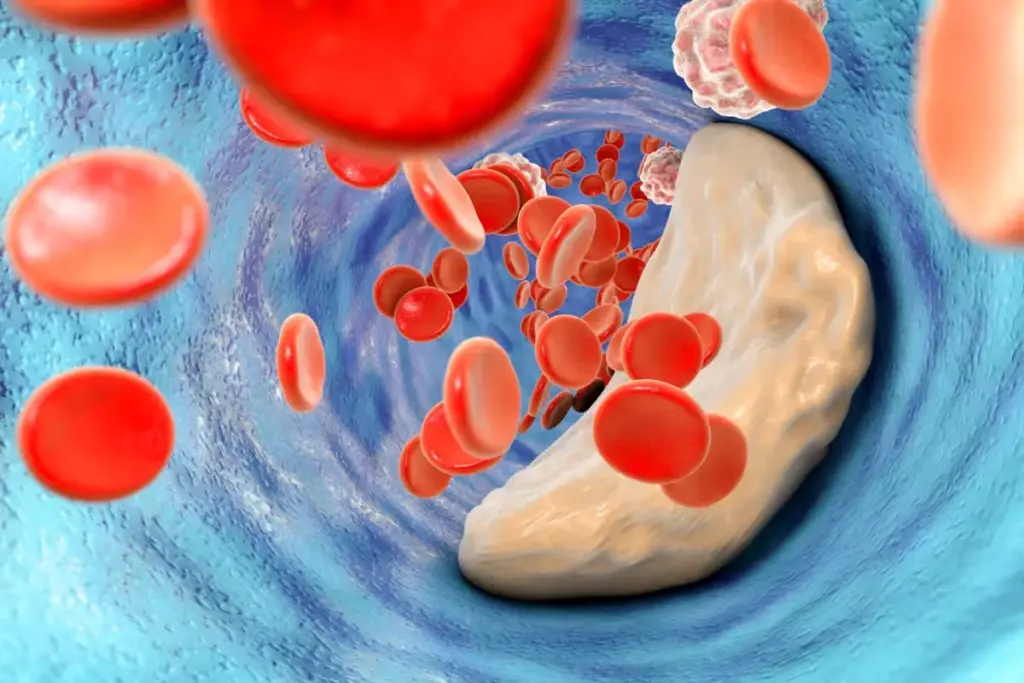
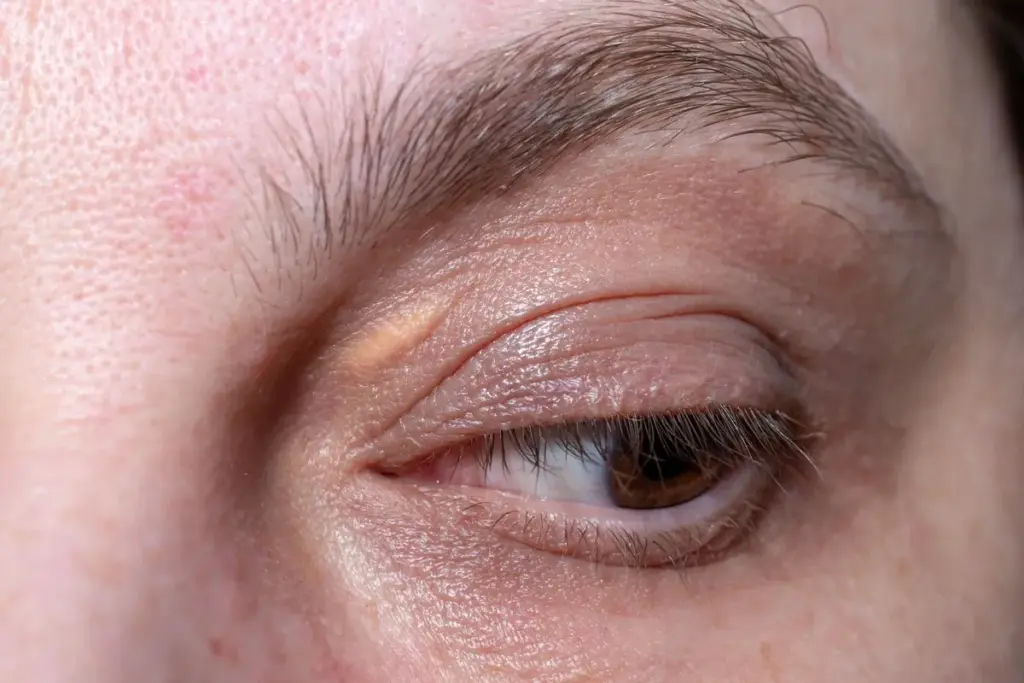
Did you know that high cholesterol can show up in your eyes? It’s a surprising fact that eye changes can hint at cholesterol problems. One sign is yellow spots on the eyelids, known as xanthelasma.
These eye changes happen because cholesterol builds up under the skin. Knowing how eye health and cholesterol levels are connected is key. Spotting these signs early can help keep your health in check.
Key Takeaways
- High cholesterol can cause visible changes in the eyes.
- Yellow spots on the eyelids (xanthelasma) can be a sign of high cholesterol.
- Early detection of eye changes can help in managing cholesterol levels.
- Maintaining good eye health is linked to overall cardiovascular health.
- Recognizing the signs of high cholesterol in the eyes can prompt timely medical check-ups.
Understanding Cholesterol and Its Impact on the Body
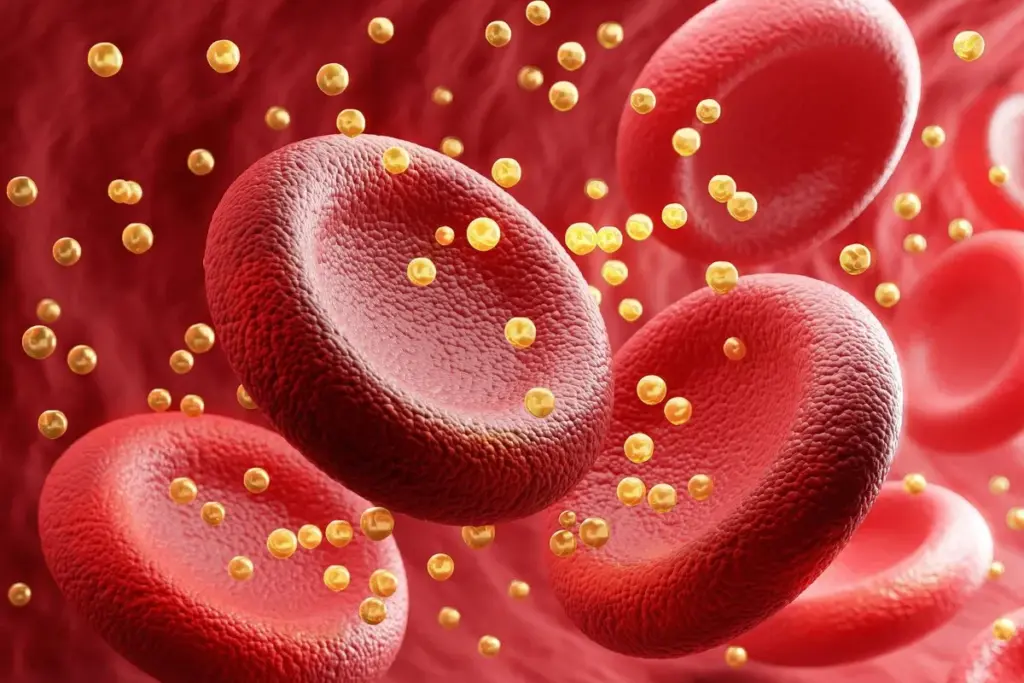
Cholesterol is a fat in our blood that affects our health in different ways. It helps build cell walls and make hormones. But, too much or too little can cause big health problems.
What is cholesterol and why is it important?
Cholesterol is a fatty substance made by our liver and found in some foods. It’s key for many body functions, like:
- Building and maintaining cell membranes
- Producing hormones like estrogen, testosterone, and cortisol
- Aiding in the production of bile acids for fat digestion
- Supporting the structure and function of the brain and nervous system
Without cholesterol, our bodies wouldn’t work right. But, too much or too little can cause health issues.
The difference between “good” and “bad” cholesterol
There are two main types of cholesterol: Low-Density Lipoprotein (LDL), or “bad” cholesterol, and High-Density Lipoprotein (HDL), or “good” cholesterol.
LDL cholesterol can clog arteries, raising heart disease risk. HDL cholesterol, on the other hand, helps clear cholesterol from the blood, lowering heart disease risk.
It’s important to keep LDL and HDL cholesterol in balance for heart health.
How cholesterol travels through the bloodstream
Cholesterol moves through the blood bound to proteins, forming lipoproteins. LDL and HDL are the main types. LDL carries cholesterol to tissues, while HDL takes it back to the liver.
The journey of cholesterol through the blood is complex. It involves:
- Triglycerides, another blood fat
- Lipoprotein(a), a variant of LDL cholesterol
- Apolipoproteins, proteins that help regulate lipoprotein metabolism
Knowing how cholesterol moves through the blood helps us manage levels and lower heart disease risk.
The Connection Between Cholesterol and Eye Health
Eye health is closely tied to cholesterol levels. It acts as a window to our heart health. The eyes can show signs of high cholesterol or other health problems.
How Cholesterol Deposits Affect Blood Vessels in the Eyes
Cholesterol can build up in the eyes’ blood vessels. This can cause problems like narrowed blood vessels. It might lead to vision issues or other eye problems.
Effects on Eye Health: Cholesterol buildup can cause xanthelasma, yellow patches around the eyes. It can also cause arcus senilis, a ring around the cornea.
The Eye as a Window to Cardiovascular Health
The eyes are a window to our overall health, including heart health. Changes in the eyes’ blood vessels can signal heart diseases. This includes diseases linked to high cholesterol.
|
Eye Condition |
Possible Indication |
|---|---|
|
Xanthelasma |
High cholesterol levels |
|
Arcus Senilis |
High cholesterol or age-related changes |
|
Retinal Vascular Changes |
Hypertension or high cholesterol |
Early Detection of Systemic Disease Through Eye Examination
Regular eye exams are key in catching diseases early. This includes those linked to cholesterol. Eye doctors can spot signs of vascular disease or other conditions.
For example, finding Hollenhorst plaques in an eye exam can mean cholesterol emboli. These are linked to a higher stroke risk and other heart problems.
Xanthelasma: Yellow Deposits Around the Eyes
Xanthelasma are yellow spots around the eyes caused by too much cholesterol. These spots are a type of xanthoma, which are fat deposits under the skin.
What are xanthelasma and how do they form?
Xanthelasma happens when cholesterol builds up in the skin around the eyes. This buildup is often linked to high levels of LDL cholesterol, or “bad” cholesterol. The spots look like soft, yellowish patches or plaques, usually on the inner eyelids.
The body can’t get rid of extra cholesterol well. This leads to it being stored in the skin around the eyes.
Common locations around the eyes
Xanthelasma often shows up on the inner corners of the eyelids, near the nose. They can be on either the upper or lower eyelids and might be on both sides. Where and how these spots look can tell us about a person’s cholesterol levels and heart health.
Relationship between xanthelasma and cholesterol levels
People with xanthelasma usually have high LDL cholesterol levels. Research shows that those with xanthelasma often have abnormal blood lipid levels. Not everyone with high cholesterol gets xanthelasma, but it’s a sign to check heart health.
Knowing about xanthelasma helps find people at risk of heart disease. This lets doctors start treating cholesterol problems early.
Arcus Senilis: The Cholesterol Ring Around the Cornea
Arcus senilis is a ring-like deposit seen around the cornea during eye exams. It’s often white or grayish and linked to aging and high cholesterol.
Identifying Corneal Arcus
Arcus senilis is found during eye exams. It’s a lipid deposit around the cornea, forming a ring. This ring is usually white or grayish and can be partial or complete.
Age-related versus Cholesterol-related Arcus
Arcus senilis is common in older adults and seen as a normal aging sign. But in younger people, it might mean high cholesterol or lipid disorders. Knowing if it’s age-related or cholesterol-related is key.
What Doctors Look for During Examination
Doctors check for arcus senilis during exams. They look at its presence, size, and color. They also consider the patient’s age, medical history, and health to see if it’s cholesterol-related.
Understanding arcus senilis and its cholesterol link is important. It helps in early detection and management of health issues. Regular eye exams are vital for spotting this condition and further investigation if needed.
Retinal Vascular Changes Due to High Cholesterol
The retina is a special window into our body’s blood vessels. High cholesterol can make changes visible here. These changes can be seen during a retinal exam.
Effects on Retinal Blood Vessels
High cholesterol can harm the blood vessels in the retina. It can make them narrow or harden. This can reduce blood flow and cause vision problems.
Signs Visible During Retinal Examination
During a retinal exam, several signs can show high cholesterol. These include:
- Narrowing of the retinal arteries
- Retinal hemorrhages
- Hard exudates
- Cotton wool spots
These signs can also point to other heart risks. A detailed retinal exam is key to understanding vascular health.
High Blood Pressure and Flashing Lights in Eyes
High blood pressure, linked to high cholesterol, can cause flashing lights in the eyes. This happens when high pressure damages the retina’s blood vessels. If you see sudden or lasting flashing lights, get medical help right away.
|
Symptom |
Possible Cause |
Action Required |
|---|---|---|
|
Flashing lights in eyes |
High blood pressure, retinal detachment |
Immediate medical attention |
|
Narrowing of retinal arteries |
High cholesterol, hypertension |
Consult a healthcare professional |
|
Retinal hemorrhages |
Diabetes, high blood pressure |
Urgent medical evaluation |
It’s important to know how high cholesterol affects the retina and causes symptoms like flashing lights. Regular eye exams can catch these problems early. This helps manage heart risks better.
Hollenhorst Plaques and Other Cholesterol Emboli
Doctors might find Hollenhorst plaques during eye exams. These are cholesterol crystals in the retinal arteries. They show a risk of heart problems.
What are Hollenhorst plaques?
Hollenhorst plaques are small, yellowish cholesterol crystals in the retinal arteries. They were named by a doctor who first found them. These plaques are seen during eye exams with special tools.
How they appear during eye examination
In eye exams, Hollenhorst plaques look like small, shiny particles in the retinal vessels. They often show up where arteries split. Finding them can mean a person might have atherosclerosis, a serious condition.
Associated health risks and emergency warning signs
Hollenhorst plaques are linked to serious health issues, like stroke. If they’re found, getting medical help right away is key. It’s a sign of a big problem.
Emergency Warning Signs:
- Sudden vision loss
- Severe headache
- Dizziness or loss of balance
- Weakness or numbness in the face or limbs
If you see these signs, get help fast.
Bumps Under the Eyes: Cholesterol Deposits and Other Causes
Bumps under the eyes can signal different health issues, like cholesterol deposits. It’s key to find out why they’re there. These bumps can look bad and might show a health problem that needs fixing.
Identifying Cholesterol-Related Bumps Under the Eyes
Cholesterol deposits under the eyes look like small, yellowish bumps. They’re often linked to xanthelasma, a condition where fat builds up under the skin. This condition is more common in people with high cholesterol, but it can happen to anyone.
Doctors check the color, size, and where the bumps are to see if they’re cholesterol-related. They also do a full medical check to make sure it’s not something else.
Differentiating Between Xanthelasma and Other Eyelid Conditions
Not all bumps under the eyes are from cholesterol or xanthelasma. Other things like milia, cysts, or styes can also cause bumps. It’s important to know what they are to treat them right.
- Xanthelasma: Looks like yellowish plaques or bumps around the eyes.
- Milia: Small, white bumps from keratin buildup.
- Cysts: Can be filled with fluid or semi-solid stuff.
- Styes: Usually painful, red bumps from infection.
When Bumps Under the Eyes Indicate High Cholesterol
Bumps under the eyes, like xanthelasma, might mean you have high cholesterol. High cholesterol can cause cholesterol to build up in places like under the skin around the eyes.
If you’re worried about bumps under your eyes, see a doctor. They can tell if it’s cholesterol or something else and suggest the right treatment or changes in your lifestyle.
The 10 Warning Signs of High Cholesterol Beyond Eye Symptoms
It’s important to know the signs of high cholesterol that aren’t just about your eyes. High cholesterol can show up in many ways, often quietly. So, it’s key to watch out for these broader symptoms.
Fatigue and Tiredness Associated with High Cholesterol
Fatigue and tiredness are common signs of high cholesterol. High cholesterol can mess with blood flow and heart health. This can make you feel tired all the time.
- Reduced energy levels
- Increased fatigue during routine activities
- General feeling of being unwell
Can High Cholesterol Cause Headaches?
Yes, high cholesterol can lead to headaches. It’s not a direct cause, but high cholesterol can change blood vessels. This can reduce blood flow and cause headaches.
Some key points to consider:
- Vascular changes due to high cholesterol
- Potential for increased blood pressure
- Impact on overall circulation
Other Physical Manifestations of Elevated Blood Lipids
High cholesterol can also cause other physical symptoms. These include:
- Xanthelasma: Cholesterol deposits around the eyes
- Skin issues, such as rashes or lesions
- Swollen or painful extremities due to poor circulation
Spotting these symptoms early can help manage high cholesterol better.
Gender Differences: High Cholesterol Symptoms in Women
It’s important to know how high cholesterol shows up differently in women. This knowledge helps doctors find and treat it better. High cholesterol can happen to anyone, but women often show symptoms in their own special way.
Unique Manifestations in Women
Women with high cholesterol might feel tired, short of breath, or have heart palpitations. These signs are not always linked to high cholesterol. This can make it hard to catch the problem early.
The impact of hormonal changes on cholesterol in women is huge. Hormone shifts during the menstrual cycle, pregnancy, or menopause can change cholesterol levels. Doctors need to think about these changes when they diagnose.
Hormonal Influences on Cholesterol Levels and Symptoms
Hormones play a big role in how cholesterol levels change in women. For example, estrogen helps keep HDL (good) cholesterol up. But when estrogen levels drop, like during menopause, LDL (bad) cholesterol can rise. Knowing this helps doctors manage cholesterol better in women.
Why Women’s Symptoms May Be Overlooked or Misdiagnosed
Women’s high cholesterol symptoms are sometimes missed or blamed on other things like anxiety or depression. Doctors need to pay close attention to these symptoms to treat them right.
By understanding the unique symptoms of high cholesterol in women and how hormones affect it, doctors can do a better job. This can help lower the risk of heart disease in women.
How Eye Doctors Detect High Cholesterol
Routine eye exams do more than check your vision. They can also spot health issues like high cholesterol. Eye doctors are key in finding signs of high cholesterol during eye exams.
Routine Eye Exams and Cholesterol Detection
Eye doctors look for signs of high cholesterol during eye exams. They check for changes in the eyes linked to high cholesterol.
Key signs include:
- Xanthelasma: Yellow deposits around the eyes
- Arcus Senilis: A cholesterol ring around the cornea
- Retinal Vascular Changes: Changes in the blood vessels of the retina
These signs suggest the need to check cholesterol levels further.
Special Tests and Imaging Techniques
Eye doctors use special tests and imaging to find high cholesterol. These include:
|
Test/Imaging Technique |
Description |
|---|---|
|
Retinal Photography |
Captures detailed images of the retina to identify vascular changes |
|
Optical Coherence Tomography (OCT) |
Provides high-resolution images of the retina and its layers |
|
Fundus Fluorescein Angiography |
Highlights the blood vessels in the retina to detect abnormalities |
Cholesterol Test Color Change: What it Means
Cholesterol tests can show a color change to show cholesterol levels. Knowing what these color changes mean helps patients understand their results.
For instance: A blue to red color change might mean cholesterol levels are rising. The exact meaning depends on the test used.
Eye doctors can explain these results and their health implications.
High Celastrol as a Possible Treatment for Cholesterol-Related Eye Issues
Celastrol is being studied as a treatment for eye problems linked to cholesterol. It’s part of a growing field of research. This natural compound might help improve eye health by managing cholesterol levels.
What is Celastrol and How Does it Work?
Celastrol comes from the Tripterygium wilfordii plant, also known as Thunder God Vine. It’s used in traditional Chinese medicine for its anti-inflammatory effects. Scientists are now looking into its effects on cholesterol and heart health.
Celastrol affects how our body handles fats and inflammation. It can turn on genes that help lower cholesterol and improve fat levels.
Research on Celastrol’s Effects on Cholesterol Levels
Studies show celastrol might help lower bad cholesterol and raise good cholesterol. This could be good for heart health.
|
Study |
Findings |
|---|---|
|
Study on Celastrol’s Impact on LDL Cholesterol |
Significant reduction in LDL cholesterol levels |
|
Research on Celastrol and HDL Cholesterol |
Increase in HDL cholesterol levels |
|
Celastrol’s Anti-inflammatory Effects |
Reduction in inflammatory markers associated with cardiovascular disease |
Natural Sources and Supplements of Celastrol
Celastrol is mainly found in the Tripterygium wilfordii plant. But, because of its toxicity, it’s often purified for supplements.
Before taking celastrol supplements, talk to a doctor. They can help with dosage and safety. It’s also important to choose high-quality supplements from trusted brands.
Key Considerations for Celastrol Supplements:
- Purity and potency of the extract
- Manufacturer reputation and quality control
- Recommended dosage and possible interactions with other drugs
Diagnostic Tests for Confirming High Cholesterol
Healthcare professionals use specific tests to diagnose high cholesterol. These tests help understand cholesterol levels and the risk of heart disease.
Standard Blood Lipid Panels
A blood lipid panel is the first test for high cholesterol. It measures different types of cholesterol in the blood. These include:
- Total cholesterol
- LDL (Low-Density Lipoprotein) cholesterol, often referred to as “bad” cholesterol
- HDL (High-Density Lipoprotein) cholesterol, known as “good” cholesterol
- Triglycerides, a type of fat found in the blood
This test gives a full picture of an individual’s cholesterol levels.
Advanced Cholesterol Testing Options
Some people may need advanced cholesterol tests. These include tests for:
- LDL particle number, which gives more detailed heart disease risk information
- Apolipoprotein B (ApoB), a protein linked to LDL cholesterol
- Lipoprotein(a), or Lp(a), a lipoprotein that can raise heart disease risk
These tests provide deeper insights into heart disease risk.
How to Interpret Your Cholesterol Test Results
Understanding cholesterol test results is key. Here’s what each part means:
- Total cholesterol levels below 200 mg/dL are good
- LDL cholesterol levels should be below 100 mg/dL, depending on risk factors
- HDL cholesterol levels above 60 mg/dL are protective against heart disease
- Triglyceride levels should be below 150 mg/dL
Lifestyle Changes to Reduce Cholesterol and Improve Eye Health
Changing your lifestyle can lower cholesterol and boost eye health. Making smart choices about what you eat, how you exercise, and managing stress can help. These steps can keep your vision healthy and lower the risk of eye problems linked to cholesterol.
Dietary Modifications That Help Lower Cholesterol
Your diet is key in managing cholesterol. Eating foods high in omega-3s, like salmon and walnuts, can cut down on triglycerides and inflammation. Soluble fiber in oats, barley, and fruits also lowers LDL cholesterol.
Eating a diet that’s good for your heart can also benefit your eyes. Try to keep dietary cholesterol under 300 milligrams a day.
|
Food |
Nutritional Benefit |
|---|---|
|
Oats |
Rich in soluble fiber, helps lower LDL cholesterol |
|
Fatty Fish (Salmon) |
High in omega-3 fatty acids, reduces triglycerides and inflammation |
|
Nuts (Almonds, Walnuts) |
Rich in healthy fats, antioxidants, and fiber |
Exercise Recommendations for Healthy Cholesterol Levels
Regular exercise is vital for healthy cholesterol. Aim for 150 minutes of moderate exercise, 75 minutes of vigorous exercise, or a mix of both each week.
Exercise boosts HDL (good) cholesterol and improves heart health. Brisk walking, cycling, and swimming are great for improving cholesterol.
Stress Management and Its Impact on Cholesterol
Too much stress can harm cholesterol levels by raising cortisol, a hormone that increases blood pressure and cholesterol. Stress-reducing activities like meditation, yoga, or deep breathing can help.
Effective stress management is key for overall health, including eye health. Adding stress management to your daily routine can control cholesterol levels and lower health risks.
Medical Treatments for High Cholesterol and Eye Protection
Managing high cholesterol often means making lifestyle changes and using medical treatments. These treatments help lower cholesterol and prevent serious health issues like heart disease and eye problems.
Statins and Other Cholesterol-Lowering Medications
Statins are a common treatment for high cholesterol. They block an enzyme in the liver, which helps lower cholesterol. Statins can greatly reduce the risk of heart problems and are often the first treatment choice.
Other medications include:
- Bile acid sequestrants, which remove bile acids from the digestive system, making the liver use more cholesterol.
- Fibrates, which lower triglycerides and can slightly reduce LDL cholesterol.
- PCSK9 inhibitors, a newer drug that helps the liver absorb more LDL cholesterol from the blood.
- Cholesterol absorption inhibitors, like ezetimibe, which reduce how much cholesterol the body absorbs.
|
Medication Type |
Primary Function |
Effect on Cholesterol |
|---|---|---|
|
Statins |
Inhibit cholesterol production in the liver |
Lower LDL cholesterol |
|
Bile Acid Sequestrants |
Remove bile acids from the digestive system |
Lower LDL cholesterol |
|
Fibrates |
Lower triglyceride levels |
Lower triglycerides, modestly lower LDL |
Treatments for Cholesterol Deposits Around the Eyes
Cholesterol deposits around the eyes, known as xanthelasma, can be treated in several ways. Topical treatments and surgical removal are options for managing these deposits. In some cases, treating the underlying cholesterol issue can help reduce these deposits.
“The presence of xanthelasma can be an indicator of underlying lipid disorders, making it essential to assess overall cholesterol levels.” -A Lipid Specialist
When Surgical Intervention Might Be Necessary
Surgical intervention may be needed for severe cases of cholesterol deposits or when other treatments fail. Surgical removal of xanthelasma or other cholesterol deposits can improve appearance and, in some cases, reduce the risk of further complications.
In conclusion, managing high cholesterol involves various treatments, including statins, other medications, and sometimes surgery for eye deposits. Understanding these options is key to managing high cholesterol and protecting eye health.
Conclusion
High cholesterol can harm your eyes by affecting blood vessels. This can lead to different eye problems. Knowing the signs, like xanthelasma and arcus senilis, helps catch issues early.
Regular eye exams are key to spotting cholesterol-related eye issues. Eye doctors can find signs of high cholesterol during a check-up. This allows for quick action. Making healthy lifestyle choices, like eating right and exercising, can also help keep your eyes healthy.
Sometimes, doctors might prescribe statins or other medications to lower cholesterol. Combining these treatments with lifestyle changes can help prevent eye problems. This way, people can keep their eyes healthy and overall well-being in check.
In short, knowing how high cholesterol affects your eyes is vital for good vision. By staying informed and taking action, you can protect your eye health and overall well-being.
FAQ
What are the visible signs of high cholesterol around the eyes?
High cholesterol can show up as yellowish spots around the eyes, called xanthelasma. It can also appear as a ring around the cornea, known as arcus senilis. Bumps under the eyes might also indicate cholesterol deposits.
Can high cholesterol cause changes in the retinal blood vessels?
Yes, high cholesterol can change the blood vessels in the retina. These changes can be seen during a retinal exam. High blood pressure can also cause symptoms like flashing lights in the eyes.
What are Hollenhorst plaques and what do they indicate?
Hollenhorst plaques are cholesterol emboli seen during eye exams. They signal serious health risks and can warn of heart events.
How can eye doctors detect high cholesterol during a routine eye exam?
Eye doctors use tests and imaging during eye exams to spot high cholesterol. They look for xanthelasma or arcus senilis and perform retinal exams.
What is celastrol and how does it relate to cholesterol levels?
Celastrol is a compound studied for managing cholesterol and eye issues. It may lower cholesterol and improve heart health.
What lifestyle changes can help reduce cholesterol levels and improve eye health?
Eating right, exercising, and managing stress can lower cholesterol and improve eye health. Making these changes can help manage high cholesterol.
Can high cholesterol cause headaches or fatigue?
Yes, high cholesterol can cause symptoms like fatigue and headaches, not just eye issues. Recognizing these symptoms early is important.
Are there any differences in how high cholesterol symptoms manifest in women?
Yes, high cholesterol symptoms can differ between men and women. Women may experience unique symptoms due to hormones. Understanding these differences is key for accurate diagnosis.
What diagnostic tests are used to confirm high cholesterol?
Blood lipid panels and advanced cholesterol tests confirm high cholesterol. Knowing how to read these results is vital for managing cholesterol.
What are the medical treatments available for managing high cholesterol?
Statins and other medications can lower cholesterol. Treatments for cholesterol deposits around the eyes and surgery may also be needed in some cases.
How does high cholesterol affect overall health beyond eye health?
High cholesterol can lead to heart disease and affect overall health. Managing high cholesterol is key to preventing these complications.
References
https://pubmed.ncbi.nlm.nih.gov/26429651



 Departments
 Related Videos
 Our Doctors
 News
News