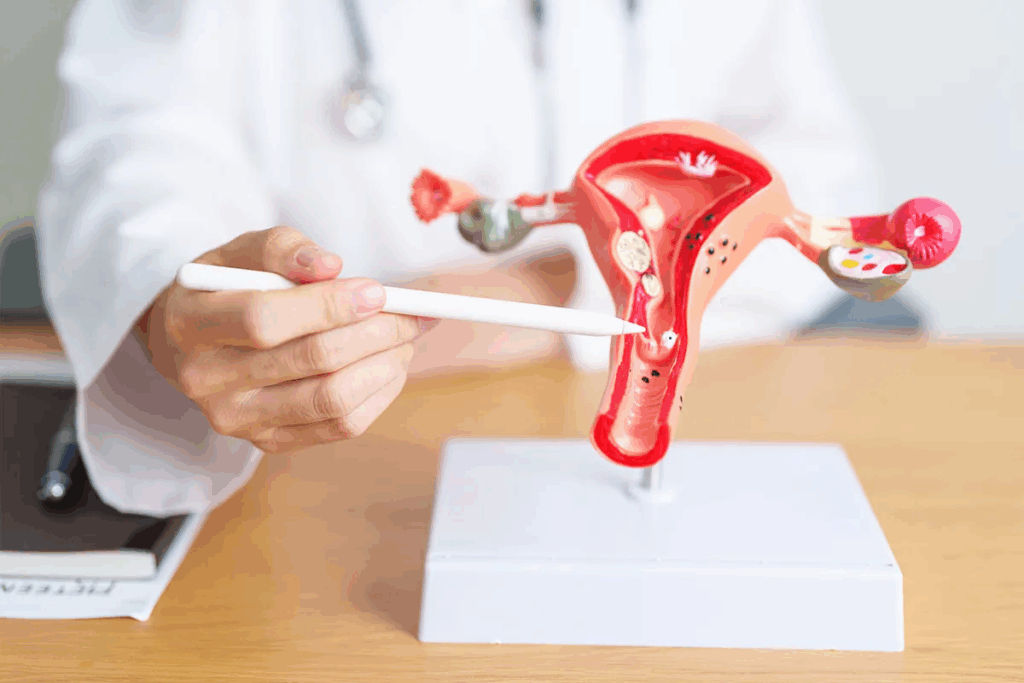
Knowing how your cervical position changes during your menstrual cycle is key to understanding your reproductive health. The cervix links the vagina to the uterus. It’s important for menstruation, fertility, and pregnancy. Get the ultimate high cervix meaning guide. We reveal the surprising, essential facts about what this position means for your health and fertility.
Learning to check your cervical position helps you understand your body’s fertility signals. At Liv Hospital, we teach you how to do self-exams and understand your cycle. This way, you can make smart choices about your reproductive health.
Key Takeaways
- Understanding cervical position changes enhances reproductive health awareness.
- Checking cervical position provides insights into fertility and overall health.
- Liv Hospital offers comprehensive guidance on self-examination techniques.
- Cycle literacy supports informed decision-making about reproductive health.
- Empowering individuals with knowledge about their body’s natural fertility signals.
Understanding the Cervix and Its Function

Women should know about the cervix and its role in reproductive health. The cervix is a key part of the female body. It changes and plays a big role in the reproductive system.
What Is the Cervix?
The cervix is the lower part of the uterus that opens into the vagina. It’s important because it produces cervical mucus. This mucus protects and helps sperm move during ovulation. The cervix is about 2-3 centimeters long and has a small canal that connects the uterus to the vagina.
The Role of the Cervix in Reproductive Health
The cervix has many roles in reproductive health. It changes subtly throughout the menstrual cycle. It becomes softer and more open during ovulation. This helps sperm move through more easily.
It also supports pregnancy by staying closed and firm. During childbirth, it opens to let the baby pass through. The cervix’s position changes throughout the cycle. This affects cervical position and ovulation.
Why Tracking Cervical Position Is Important

Tracking cervical position gives a special look into your menstrual cycle and fertility. It helps you understand your reproductive health better.
Fertility Awareness Benefits
Tracking cervical position boosts your fertility awareness. It shows how hormones change in your cycle. A high cervix means you’re likely fertile, while a low cervix means you’re not.
Key benefits of fertility awareness through cervical position tracking include:
- Identifying peak fertility windows for conception
- Understanding hormonal changes throughout the cycle
- Making informed decisions about reproductive health
Menstrual Cycle Insights
Tracking cervical position also gives insights into your menstrual cycle. It helps you understand your cycle’s rhythm and patterns. This is great for those with irregular cycles or wanting to know their body’s natural rhythms.
Some key insights gained from tracking cervical position include:
- Understanding the timing and duration of fertile windows
- Recognizing patterns in menstrual cycle length and regularity
- Gaining a deeper understanding of how hormonal changes affect overall reproductive health
Personal Health Monitoring
Tracking cervical position is also a way to monitor your health. Changes in cervical position can signal health issues or hormonal imbalances. This way, you can spot health concerns early.
Benefits of personal health monitoring through cervical position tracking include:
- Early detection of reproductive health issues
- A better understanding of how lifestyle factors influence reproductive health
- Enhanced overall well-being through increased body awareness
The Science Behind Cervical Changes
Learning about cervical changes can help us understand fertility and reproductive health better. The cervix, a key part of the female body, changes with the menstrual cycle. These changes are linked to hormonal shifts.
Hormonal Influences on Cervical Position
Hormones greatly affect the cervix’s position in the menstrual cycle. Estrogen and progesterone levels are key. When estrogen goes up, the cervix becomes higher, softer, and more open. On the other hand, as progesterone increases, the cervix becomes lower, firmer, and more closed.
- Estrogen makes the cervix higher and softer, helping sperm get in.
- Progesterone makes the cervix lower and firmer, getting ready for a baby.
Research on Cervical Position and Fertility
Studies show that cervical position changes with hormone levels, affecting fertility. Watching cervical position can help women know when they’re most fertile. This method helps track the fertile window.
Some important research findings are:
- The cervix is higher and softer when you’re most fertile.
- Using cervical position with other signs can improve fertility awareness.
- Knowing your own cervical patterns can help find the best time to conceive.
Normal Anatomical Variations
It’s important to remember that cervical positions vary among women. Age, how many times you’ve given birth, and body differences can affect the cervix. Knowing these variations helps understand cervical changes better.
Some normal variations include:
- Differences in cervical height and firmness.
- Varied degrees of cervical opening.
- How each woman’s cervix reacts to hormones differently.
High Cervix Meaning: What It Indicates About Your Cycle
Knowing where your cervix is can tell you a lot about your menstrual cycle and fertility. The cervix changes a lot during your cycle. Its position shows these changes.
Characteristics of a High Cervix
A high cervix means it’s higher up in the vagina. When you’re ovulating, it’s soft, high, and more open. This helps sperm move through.
- Height: It’s higher in the vagina than usual.
- Texture: It feels softer.
- Openness: It opens a bit to let sperm through.
When to Expect a High Cervix
You’ll usually see a high cervix around ovulation time. Hormones make it rise and get ready for sperm. This happens about 14 days before your next period in a 28-day cycle.
Connection to Ovulation and Fertility
A high cervix is linked to ovulation, which is your fertile time. The high, soft, and open cervix helps sperm get to the egg. Knowing this helps track when you might get pregnant.
Spotting a high cervix and its link to ovulation helps you understand your cycle and fertility. This is great for those trying to conceive or wanting to know more about their reproductive health.
Low Cervix Meaning: Understanding Non-Fertile Phases
A low cervix is linked to times when you can’t get pregnant. During these times, the cervix is lower, firmer, and closed. This makes it less likely to conceive.
Identifying a Low Cervix
To spot a low cervix, know what it feels like. It’s closer to the vaginal opening and feels firmer. The cervix’s opening, or os, is usually shut during these phases.
Key signs of a low cervix are:
- It’s lower, near the vaginal opening
- It feels firmer
- The os is closed
Timing of Low Cervical Position
The cervix’s position changes over the menstrual cycle. It’s usually lower and firmer after ovulation, in the luteal phase.
“The cervix changes its position and texture in response to hormonal fluctuations throughout the menstrual cycle, providing valuable clues about fertility.” — Fertility Awareness Expert
What It Means for Your Fertility
Knowing about a low cervix helps with fertility awareness. Spotting when the cervix is low, firm, and closed helps understand when you’re not fertile.
This info is great for those using fertility awareness to plan or avoid pregnancy.
By checking the cervix and other signs like basal body temperature and cervical mucus, you can understand your cycle better. This helps with fertility.
Cervical Position Throughout Your Menstrual Cycle
The cervix changes a lot during the menstrual cycle, thanks to hormones. These changes help us understand our fertility and health.
During Menstruation
When you’re menstruating, your cervix is low and hard. This is because of the hormone changes happening then. The low position is because estrogen levels go down.
Follicular Phase Changes
As the cycle moves into the follicular phase, your cervix starts to rise and get softer. This is because estrogen levels go up. It gets ready for ovulation.
Ovulation Position
At ovulation, your cervix is at its highest and most open. This makes it easier for sperm to get into the uterus. The cervical mucus also helps sperm move better during this time.
Luteal Phase Position
After ovulation, in the luteal phase, your cervix goes back down and gets firmer. This is because progesterone levels go up. It gets ready for a possible pregnancy.
Knowing about these changes helps women track their fertility and health better. By paying attention to their cervical position, women can learn more about their reproductive health.
Preparing to Check Your Cervical Position
To check your cervical position, you need to get ready properly. This means focusing on keeping clean and feeling comfortable. This step is key for getting accurate results and staying healthy.
Hygiene Considerations
Keeping clean is very important when checking your cervical position. Wash your hands thoroughly with soap and water before you start. Try not to check during or right after sex to avoid infections.
Best Time of Day
The best time to check your cervical position can change. It depends on your daily routine and what feels right. Many people find it easier to check at the same time every day. Some like to do it in the evening when they’re more relaxed.
Comfortable Positions for Checking
It’s important to find a comfortable way to check your cervical position. You can try squatting, sitting on the toilet, or standing with one leg up on a chair. See what feels best for you.
Safety Precautions
When you check your cervical position, be gentle. This helps avoid any pain or injury. If you feel any discomfort, stop right away. Using a lubricant can help if you’re feeling dry.
Preparation Aspect | Description | Importance Level |
Hygiene | Washing hands before checking | High |
Timing | Choosing a consistent time of day | Medium |
Positioning | Finding a comfortable checking position | High |
Safety | Being gentle and using lubricant if needed | High |
Step-by-Step Guide to Checking Your Cervical Position
Checking your cervical position is easy and can tell you a lot about your health. You just need to know the steps and what to look for.
Finding Your Cervix
To start, find your cervix by putting a finger in your vagina. It’s important to be comfy and calm. You can do this while sitting, standing with one leg up, or squatting.
After inserting your finger, look for the cervix at the end of the canal. It feels like a small, round bump.
Assessing Height (High vs. Low)
The height of your cervix changes during your cycle. To check, see if it feels high or low in your vagina. A high cervix is up higher, and a low cervix is closer to the opening.
- A high cervix might mean you’re in a fertile time.
- A low cervix could mean you’re not as fertile.
Checking Firmness (Soft vs. Firm)
The firmness of your cervix also changes. You can feel it with your finger.
A soft cervix feels like your lips. A firm cervix feels like your nose tip.
Determining Openness (Open vs. Closed)
Checking if your cervix is open is key. Feel around the os, the cervix opening.
- An open os means you might be more fertile.
- A closed os means you might be less fertile.
By following these steps and noticing your cervix’s height, firmness, and openness, you can understand your fertility better.
Common Challenges When Checking Cervical Position
Checking cervical position can be tough for many women. It often leads to confusion and frustration. But, with the right help, you can get past these challenges.
Why Can’t I Feel My Cervix?
Many women struggle to feel their cervix. This can be because of body differences or not knowing their body well. It’s important to be patient and practice often. Relaxation techniques can also help, as tension makes it harder to feel the cervix.
Here are some tips to help you find your cervix:
- Make sure you’re comfortable, whether squatting, sitting on the toilet, or standing with one leg up.
- Use your longest finger to find the cervix, which feels like a small, round bump.
- Be gentle and take your time, as rushing can cause discomfort.
Distinguishing Between Cervical Features
Finding out what your cervix feels like can be hard, even for beginners. The cervix changes in height, firmness, and openness during your cycle. Knowing these changes is key for good fertility awareness.
Cervical Feature | Fertile Phase | Non-Fertile Phase |
Height | Higher | Lower |
Firmness | Soft | Firm |
Openness | More open | Closed |
Overcoming Difficulties
Getting past the challenges of checking cervical position takes patience, practice, and creativity. If you can’t feel your cervix, try different positions or times of day. Some women find it easier at certain times in their cycle.
Consistency is key. Regularly checking and recording your cervical position helps you get to know your body’s patterns and changes.
When to Consult a Healthcare Provider
If you’re having trouble or have concerns about your cervical position or reproductive health, see a healthcare provider. They can give you personalized advice, address any issues, and offer reassurance.
Take an active role in your reproductive health. Understanding your cervical position and other fertility signs can give you valuable insights into your body’s natural rhythms. This helps you make informed decisions about your health.
Combining Cervical Position with Other Fertility Signs
To really understand your fertility, it’s key to mix cervical position with other signs. Fertility awareness is about tracking different body signs to know your cycle and health well.
Cervical Position and Cervical Mucus
Cervical mucus is a big fertility sign that, when checked with cervical position, gives a clearer view of when you’re fertile. Cervical mucus changes with your cycle, showing hormone shifts. When estrogen goes up, mucus gets more, clear, and stretchy, helping sperm move.
Watching these changes with cervical position helps spot your most fertile days better.
“Watching cervical mucus and position together is a strong tool for knowing when you’re fertile,” says Dr. [Last Name], a fertility expert. “It helps women understand their cycle and make smart choices about their health.”
Basal Body Temperature and Cervical Position
Basal body temperature (BBT) is another key sign to use with cervical position. BBT goes up after ovulation, showing when you ovulated. Tracking BBT with cervical position helps understand your cycle better, showing when ovulation happened and the luteal phase.
- Track your BBT every morning before getting out of bed.
- Observe changes in cervical position throughout your cycle.
- Combine these observations to identify patterns and understand your fertility.
Creating a Complete Fertility Awareness Picture
Using cervical position with other signs like cervical mucus and basal body temperature makes a strong fertility awareness system. This way, women can deeply understand their cycle, helping them get or avoid pregnancy naturally. Knowing these signs well lets women control their reproductive health, making smart choices based on their body’s signals.
As fertility awareness gets more popular, it’s clear that a mix of signs gives the best insights into reproductive health. By using different fertility signs, women can move through their cycles with confidence and clarity.
Tracking and Recording Your Cervical Position
To understand your fertility, tracking your cervical position is key. This helps you spot patterns and changes in your cycle. It’s important for knowing your fertility and reproductive health.
Creating a Tracking System
It’s important to have a consistent way to track your cervical position. Spend a few minutes each day to check and record it. You can use a journal or a digital tool. Consistency is key for reliable data.
When setting up your tracking system, think about these:
- Choose a method that works for you, whether it’s a physical journal or a mobile app.
- Decide on a specific time of day to check your cervical position.
- Be consistent in your observations and recordings.
Apps and Tools for Monitoring
There are many apps and tools to help track your cervical position and other signs. These apps let you log your cervical position, basal body temperature, and cervical mucus. These tools can simplify the tracking process and give insights into your cycle.
When picking an app or tool, consider these factors:
Feature | Description | Importance |
Ease of Use | How user-friendly is the app? | High |
Data Security | How secure is your personal data? | High |
Customization | Can you tailor the app to your needs? | Medium |
Identifying Your Personal Patterns
As you track your cervical position, you’ll notice your own patterns. These patterns can show you your fertility and menstrual cycle. Pay attention to changes in your cervical position throughout your cycle. These can show different phases of your fertility.
By finding your personal patterns, you can:
- Better understand your fertility window.
- Recognize any irregularities in your cycle.
- Make informed decisions about your reproductive health.
Interpreting Your Tracking Data
Understanding your tracking data is key to knowing your fertility. Look for links between your cervical position and other signs like basal body temperature and cervical mucus. This approach gives a clearer view of your reproductive health.
When looking at your data, consider:
- Changes in cervical position during different cycle phases.
- Correlations with other fertility signs.
- Any patterns or irregularities that may indicate underlying health issues.
Conclusion
Knowing about cervical position is key to understanding reproductive health and tracking fertility. It helps people understand their body’s cycles better. This is by combining cervical position with other fertility signs.
In this guide, we’ve looked at why cervical position matters for fertility awareness. We’ve also covered the science behind these changes and how to check them. We talked about using this info to understand your menstrual cycle and reproductive health better.
Being aware of your cervical position helps you understand your body’s unique patterns. This knowledge is powerful for managing your reproductive health. It’s useful whether you’re trying to conceive or just want to know your body better.
We suggest you keep learning about your reproductive health. Use what you’ve learned about cervical position to make smart choices about your body and well-being.
FAQ
What does it mean if my cervix is low?
A low cervix usually means you’re not in your fertile time. During non-fertile times, your cervix is lower, firmer, and more closed.
What is a high cervix, and what does it mean for fertility?
A high cervix is linked to your fertile time. When you’re ovulating, your cervix is higher, softer, and more open. This helps sperm get in.
How do I know if my cervix is open or closed?
To see if your cervix is open or closed, gently put a finger in your vagina. An open cervix feels like a dimple. A closed cervix feels solid.
Is the cervix open during menstruation?
Yes, the cervix is a bit open during menstruation to let blood out. But how open it is can vary.
Can a cervix move, and what does it indicate?
Yes, the cervix can move during your cycle. Its position, firmness, and openness change with hormones, showing different fertility phases.
How do I check my cervical position?
To check your cervical position, start by washing your hands. Then, put one or two fingers in your vagina to find the cervix. Note its height, firmness, and openness.
Why can’t I feel my cervix?
Some people can’t feel their cervix for many reasons. This includes vaginal anatomy or discomfort. Relaxation and a comfortable position can help.
What does a firm cervix mean?
A firm cervix usually means you’re not fertile. During fertile times, your cervix is softer.
How does cervical position relate to ovulation and fertility?
Cervical position changes with your cycle. A higher, softer, and more open cervix often means you’re fertile around ovulation.
Can tracking cervical position help with fertility awareness?
Yes, tracking cervical position with other signs like cervical mucus and basal body temperature can improve fertility awareness. It helps understand your cycle better.
What is the best time of day to check cervical position?
The best time to check cervical position is in the evening. You’re more relaxed, making it easier to feel the cervix accurately.
Are there any safety precautions to consider when checking cervical position?
Yes, wash your hands before checking, be gentle to avoid discomfort or injury, and stop if you feel pain.
References
National Center for Biotechnology Information. Cervical Position Changes: Guide to Reproductive Health. Retrieved from https://pubmed.ncbi.nlm.nih.gov/2902020/