
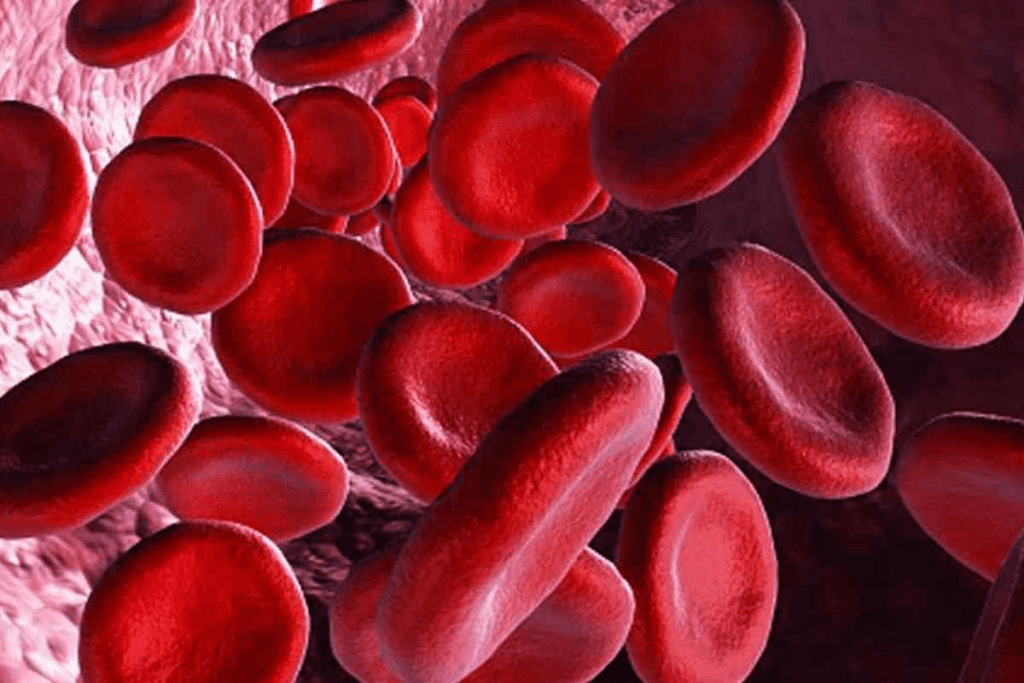
Abnormally high hemoglobin levels may signal an underlying health issue. Hemoglobin is a protein in red blood cells that carries oxygen, and high hemoglobin levels can point to several health problems.
It’s important to understand what elevated hemoglobin means for your health. We’ll look into the reasons, signs, and how to manage high hemoglobin. This will help you grasp the condition and its importance.
Key Takeaways
- High hemoglobin levels can indicate an underlying health condition.
- Understanding the causes and symptoms is key for the right diagnosis.
- Managing high hemoglobin means treating the root cause.
- Knowing the normal hemoglobin range is vital for diagnosis.
- Elevated hemoglobin levels can have serious health effects.
Understanding Hemoglobin and Hematology Basics
Hemoglobin is a protein in red blood cells that carries oxygen. It’s vital for the body’s health. We’ll look at what hemoglobin does and the normal ranges for different people.
What is Hemoglobin and Its Function in the Body
Hemoglobin is a protein in red blood cells that carries oxygen. It helps the body get oxygen and get rid of carbon dioxide. The average level of hemoglobin in the blood is a key sign of health. It shows how well the body can transport oxygen.
Normal Hemoglobin Ranges for Different Demographics
Hemoglobin ranges change with age, sex, and other factors. For adult men, it’s usually between 13.8 and 17.2 grams per deciliter (g/dL). For adult women, it’s between 12.1 and 15.1 g/dL. These ranges can vary slightly by lab standards.
| Demographic | Normal Hemoglobin Range (g/dL) |
| Adult Men | 13.8 – 17.2 |
| Adult Women | 12.1 – 15.1 |
| Pregnant Women | 11 – 14 |
| Children (varies by age) | 11 – 16 |
Knowing these ranges is key for diagnosing and treating health issues. We’ll explore what high hemoglobin levels mean next.
What Constitutes High Hemoglobin Levels?
Knowing what high hemoglobin levels mean is key to spotting and treating health problems. Hemoglobin is a protein in red blood cells that carries oxygen. High levels can signal different health issues.
Defining Elevated Hemoglobin Values
High hemoglobin levels are above what’s normal for someone’s age, sex, and other factors. For adult men, it’s over 17.5 g/dL. For women, it’s over 15.5 g/dL. It’s vital to talk to a doctor to know what’s high for you.
Many things can affect hemoglobin levels, like:
- Dehydration
- High altitude
- Certain medical conditions, such as polycythemia vera
- Chronic smoking
The Relationship Between Hemoglobin and Hematocrit
Hemoglobin and hematocrit are related but different. Hematocrit is the red blood cell part of blood. When hemoglobin is high, so is hematocrit. This link is key because both can show blood thickening risks and heart problems.
The connection between hemoglobin and hematocrit is as follows:
| Measure | Description | Normal Range |
| Hemoglobin | Protein in red blood cells that carries oxygen | 13.8-17.2 g/dL (men), 12.1-15.1 g/dL (women) |
| Hematocrit | Proportion of red blood cells in blood | 40.7-50.3% (men), 36.1-44.3% (women) |
Grasping the link between hemoglobin and hematocrit is essential for diagnosing and treating high levels. We’ll dive deeper into causes, symptoms, and treatments next.
Common Causes of High Hemoglobin
It’s important to know why hemoglobin levels go up. High hemoglobin can be caused by many health problems. These can be divided into primary and secondary causes.
Primary Causes (Polycythemia Vera)
Polycythemia vera is a main reason for high hemoglobin. It’s a rare blood cancer that makes too many red blood cells. This leads to high hemoglobin levels.
It’s a genetic disorder that can really affect someone’s life. If not treated, it can cause big problems.
Secondary Causes
Secondary causes of high hemoglobin are more varied. For example, chronic hypoxia is common in people with COPD or those living high up. It’s when the body doesn’t get enough oxygen.
Some tumors can also cause high hemoglobin. This is because they make more of a hormone that helps make red blood cells.
Other factors like kidney disease or certain medicines can also raise hemoglobin levels. It’s key to find and treat these causes to avoid serious issues.
Recognizing Symptoms of High Hemoglobin
It’s important to know the signs of high hemoglobin to get help quickly. High hemoglobin can cause health problems. Spotting early signs helps manage the condition better.
Early Warning Signs
The first signs of high hemoglobin might be small but important. They include:
- Headaches and dizziness from blood getting thicker.
- Itching after a warm bath or shower, possibly from histamine release.
- A fullness or bloating in the belly from an enlarged spleen.
These signs can also mean other things, so seeing a doctor is key for a right diagnosis.
Advanced Symptoms
When high hemoglobin gets worse, symptoms get more serious. These include:
| Symptom | Description |
| Vision disturbances | Blurred vision or double vision from blood getting too thick for the eyes. |
| Fatigue and weakness | Even with high hemoglobin, the body might not get enough oxygen, leading to tiredness. |
| Bleeding complications | Easy bruising or bleeding from an imbalance in blood components. |
Seeing a doctor is vital if these symptoms don’t go away or get worse. Early treatment can greatly improve life for those with high hemoglobin.
“Understanding the symptoms of high hemoglobin is key for managing and treating it. If you notice any unusual or ongoing symptoms, get medical help.”
Diagnosing High Hemoglobin
Understanding high hemoglobin starts with accurate diagnosis through lab tests. These tests help find the cause of high hemoglobin levels.
Blood Tests and Laboratory Findings
Blood tests are key for spotting high hemoglobin levels. They measure hemoglobin, hematocrit, and red blood cell count.
Key blood tests include:
- Complete Blood Count (CBC): Measures hemoglobin, hematocrit, and red blood cell count.
- Erythropoietin (EPO) level test: Helps identify the cause of elevated hemoglobin.
- Arterial Blood Gas (ABG) test: Assesses oxygen levels in the blood.
These tests help doctors understand the condition’s severity. They guide further tests.
Additional Diagnostic Procedures
After blood tests, more tests might be needed. These help find the cause of high hemoglobin.
Imaging tests: Like ultrasound or CT scans. They check for tumors or other issues.
Other tests: Include oxygen saturation, bone marrow exams, or genetic tests. These help find conditions like polycythemia vera.
These detailed tests help doctors create a treatment plan. It’s tailored to the individual’s needs.
Understanding the Health Implications of High Hemoglobin
It’s important to know how high hemoglobin affects our health. High levels can make blood thicker, which might harm our heart. We’ll look at how it affects us right away and the long-term risks.
Short-term Effects on the Body
High hemoglobin makes blood thicker and more viscous. This can lead to heart problems. People might feel headaches, dizziness, and fatigue.
Doctors say, “This can reduce blood flow to important organs. Over time, it might damage them.”
“Increased blood viscosity can lead to reduced blood flow to vital organs, potentially causing organ damage over time.”
Some might feel more severe symptoms. These include chest pain, shortness of breath, or even brain problems. It’s key to catch these signs early to avoid worse problems.
Long-term Complications
Long-term, high hemoglobin can be very dangerous. It can cause heart attacks, strokes, and peripheral artery disease. It also raises the chance of blood clots, which can lead to deep vein thrombosis or pulmonary embolism.
It also affects other parts of our body. High hemoglobin can harm our kidneys over time. It’s vital to keep an eye on these levels to avoid these risks.
Some major long-term problems include:
- Cardiovascular disease
- Blood clots and related conditions
- Kidney damage
- Potential for organ damage due to reduced blood flow
Knowing these risks helps us manage high hemoglobin better. This way, we can lower the chance of these serious problems.
Treatment Options for High Hemoglobin
Managing high hemoglobin levels needs a mix of treatments. The main goal is to lower the risk of problems linked to high hemoglobin. It also aims to fix any health issues that might be causing the high levels.
Medical Interventions
Phlebotomy is a key medical treatment for high hemoglobin. It involves taking blood out of the body to lessen red blood cell count. This makes the blood thinner and improves blood flow, lowering the chance of blood clots and stroke.
Phlebotomy is often used for polycythemia vera, a condition where too many red blood cells are made. Regular blood removal helps manage the condition and prevent serious problems.
Treating Underlying Conditions
Along with phlebotomy, treating the root cause of high hemoglobin is vital. This might involve dealing with conditions like chronic obstructive pulmonary disease (COPD), sleep apnea, or other factors that raise hemoglobin levels.
If high hemoglobin is due to a lung issue, treatment will focus on that. This could include medicines, lifestyle changes, or other treatments.
| Treatment Approach | Description | Benefits |
| Phlebotomy | Removal of blood to reduce red blood cell mass | Reduces blood thickness, improves circulation |
| Treating Underlying Conditions | Addressing conditions like COPD or sleep apnea | Manages root cause, reduces hemoglobin levels |
| Lifestyle Modifications | Changes in hydration, exercise, and smoking habits | Supports overall health, can help reduce hemoglobin |
By using medical treatments and addressing the underlying causes, people with high hemoglobin can manage their condition well. This reduces the risk of serious complications.
Lifestyle Modifications to Manage High Hemoglobin

Making some lifestyle changes can help manage high hemoglobin levels. These changes can lower the risks of high hemoglobin and improve health.
Hydration Strategies
Drinking enough water is key for those with high hemoglobin. Drinking plenty of water makes the blood thinner, lowering the chance of blood clots. Aim for 8-10 glasses of water a day, based on your activity and needs.
Check your urine to see if it’s pale yellow or clear. This means you’re drinking enough water. Avoiding diuretics like caffeine and alcohol also helps keep hydration levels right.
| Hydration Tips | Benefits |
| Drink at least 8-10 glasses of water per day | Helps thin the blood, reducing clot risk |
| Monitor urine output | Ensures proper hydration |
| Avoid diuretics like caffeine and alcohol | Maintains optimal hydration levels |
Exercise Considerations
Regular exercise is good for health, but those with high hemoglobin should be careful. Moderate exercise like brisk walking, cycling, or swimming is best. Avoid very intense workouts that can raise hemoglobin levels.
Talk to a healthcare provider to create a workout plan that’s right for you. Watch how your body reacts to exercise and adjust as needed.
Smoking Cessation
Stopping smoking is vital for managing high hemoglobin. Quitting smoking can lower hemoglobin levels and improve heart health. Look for help from doctors, support groups, or smoking cessation programs.
Also, stay away from secondhand smoke and other harmful environmental factors.
By making these lifestyle changes, you can manage high hemoglobin levels better and lower the risk of complications.
Dietary Approaches for High Hemoglobin
A well-planned diet can help manage high hemoglobin levels. Making dietary changes is key. It works alongside other treatments and lifestyle changes.
Foods to Include
Adding certain foods to your diet can help with high hemoglobin. Iron-poor foods are good choices because they don’t raise hemoglobin levels. Here are some suggestions:
- Foods low in iron, such as dairy products and eggs.
- Foods rich in antioxidants, like fruits and vegetables, which boost overall health.
Foods to Limit or Avoid
It’s also important to know which foods to limit or avoid. Iron-rich foods can make high hemoglobin worse. Try to eat less of:
- Red meat and organ meats, which have a lot of iron.
- Fortified cereals and iron supplements, unless a doctor tells you to take them.
Also, watch your intake of caffeine and alcohol. They can mess with your hydration and health.
By choosing the right foods, people with high hemoglobin can manage their condition better. This improves their overall health and well-being.
When to Seek Medical Attention for High Hemoglobin
Knowing when to get medical help for high hemoglobin is key. High hemoglobin can cause serious health problems. Getting help early is important to avoid these issues.
Warning Signs That Require Immediate Care
If you have any of these symptoms, get medical help right away:
- Severe headache that doesn’t get better with medicine
- Dizziness or fainting spells
- Chest pain or trouble breathing
- Numbness or tingling in hands or feet
- Vision changes, like blurred or double vision
These signs mean your high hemoglobin is causing serious health problems. You need quick medical care.
Follow-up Care and Monitoring
Regular check-ups are important for managing high hemoglobin. This includes:
- Regular blood tests to check hemoglobin levels
- Changing treatment plans if needed based on test results
- Managing any underlying conditions that may be causing high hemoglobin
By keeping up with your care, you can avoid complications. This ensures your condition is well-managed.
Working closely with your healthcare provider is also key. They can create a care plan that fits your needs. This plan ensures you get the best care for your high hemoglobin.
Special Considerations for Different Demographics
High hemoglobin affects people in different ways, depending on their age, sex, and health. We’ll look at how it impacts various groups. This helps us understand how to handle high hemoglobin better.
High Hemoglobin in Women
Women can have high hemoglobin due to hormones and medical issues. For example, polycythemia vera can cause dizziness and tiredness. Monitoring hemoglobin levels is key, like during pregnancy, to protect both mom and baby.
High Hemoglobin in Men
Men with high hemoglobin face heart disease risks. Lifestyle choices, like smoking, play a role. Regular check-ups are vital. Men should watch for headaches and shortness of breath and see a doctor if they don’t go away.
High Hemoglobin in Athletes
Athletes, mainly in endurance sports, might see hemoglobin changes. It’s important to tell the difference between normal training effects and health issues. Regular monitoring is key to spotting problems early.
High Hemoglobin in Elderly and Children
In older adults, high hemoglobin might signal chronic diseases like COPD. Kids with it could have heart problems or other issues. Early diagnosis is critical to manage it well and avoid serious problems.
Knowing how high hemoglobin affects different groups is essential for good care. Healthcare providers can offer better treatment by understanding these unique needs.
Living with High Hemoglobin: Impact on Quality of Life
Managing high hemoglobin requires a mix of medical care, lifestyle changes, and regular checks. People with this condition need to take an active role in their care. This helps avoid complications and keeps their quality of life good.
Managing Daily Activities
Adjustments are needed for daily activities to manage high hemoglobin well. Staying hydrated is key, as dehydration can make the condition worse. It’s also wise to avoid too much physical activity, as it can lead to more problems.
Making simple changes, like resting often and drinking enough water, can help a lot. It’s also important to watch for symptoms and tell your doctor about any changes.
| Activity | Recommendation |
| Hydration | Drink at least 8 glasses of water per day |
| Exercise | Avoid high-intensity workouts; opt for gentle exercises like yoga or walking |
| Rest | Take regular breaks to rest and avoid overexertion |
Long-term Outlook and Prognosis
The future for people with high hemoglobin depends on the cause and how well they manage it. With the right care and lifestyle changes, many can live full and active lives.
Regular doctor visits are key to keeping an eye on the condition and adjusting treatments as needed. Working closely with doctors helps manage the condition and lowers the risk of serious problems.
It’s important to understand how high hemoglobin affects quality of life. By making smart lifestyle choices and teaming up with healthcare providers, people can lessen the condition’s impact. This improves their overall health and well-being.
Conclusion
Managing high hemoglobin needs a full plan that includes finding the cause, treating it, and changing your lifestyle. High hemoglobin can come from many reasons, like health issues or other problems. Knowing why it happens is key to fixing it.
High hemoglobin can lead to serious health problems. It’s important to know the signs and get tested early. This way, you can get the right treatment fast.
Handling high hemoglobin well means using medicine, changing your habits, and eating right. These steps help lower the risks and make you feel better. They improve your life quality a lot.
FAQ
What does high hemoglobin mean?
High hemoglobin means your blood has more hemoglobin than it should. Hemoglobin is a protein in red blood cells. It carries oxygen to your body’s parts.
What is the normal range of hemoglobin?
The normal hemoglobin range changes with age, sex, and other factors. For adult men, it’s 13.5 to 17.5 g/dL. For women, it’s 12 to 16 g/dL.
What causes high hemoglobin levels?
High hemoglobin can come from several causes. These include polycythemia vera, where the bone marrow makes too many red blood cells. It can also be due to chronic hypoxia and certain tumors.
What are the symptoms of high hemoglobin?
Symptoms include headaches, dizziness, itching, and fatigue. Severe cases can lead to blood clots and heart problems.
How is high hemoglobin diagnosed?
Doctors use blood tests to check hemoglobin and hematocrit levels. They also look at other lab findings. More tests might be needed to find the cause.
How can high hemoglobin be managed?
Managing it involves medical treatments and lifestyle changes. Stay hydrated, exercise wisely, and quit smoking.
What dietary changes can help manage high hemoglobin?
Eat foods low in iron and avoid dehydration. Also, limit foods that can make the condition worse.
When should I seek medical attention for high hemoglobin?
See a doctor if you have severe headaches, dizziness, or chest pain. Regular check-ups are also important.
How does high hemoglobin affect quality of life?
It can make daily activities harder and affect your well-being. Effective management can improve your life and outlook.
Are there special considerations for different demographics?
Yes, managing high hemoglobin varies by age, sex, and health status. Different causes and health effects need different approaches.
Can exercise decrease hemoglobin levels?
Exercise can change hemoglobin levels. The effect depends on the exercise type, intensity, and your health.
What is the relationship between hemoglobin and hematocrit?
Hemoglobin and hematocrit are related but different. Hematocrit is the red blood cell part of blood volume. Elevated levels of both suggest similar health issues.
What are the long-term complications of high hemoglobin?
Long-term risks include heart disease, blood clots, and serious health problems if not managed or treated well.
References
- Yavorkovsky, L. L. (2021). Elevated hemoglobin and macrocytosis: A neglected clinical challenge. Turkish Journal of Hematology, 38(2), 95“102. https://www.ncbi.nlm.nih.gov/pmc/articles/PMC8817935/
- Lee, G., Mortensen, E. M., & Kesh, S. (2018). Association of hemoglobin concentration and its change with mortality risk in middle-aged adults. Journal of American Heart Association, 7(22), e009583. https://pubmed.ncbi.nlm.nih.gov/29302045/



 Departments
 Related Videos
 Our Doctors
 News
News