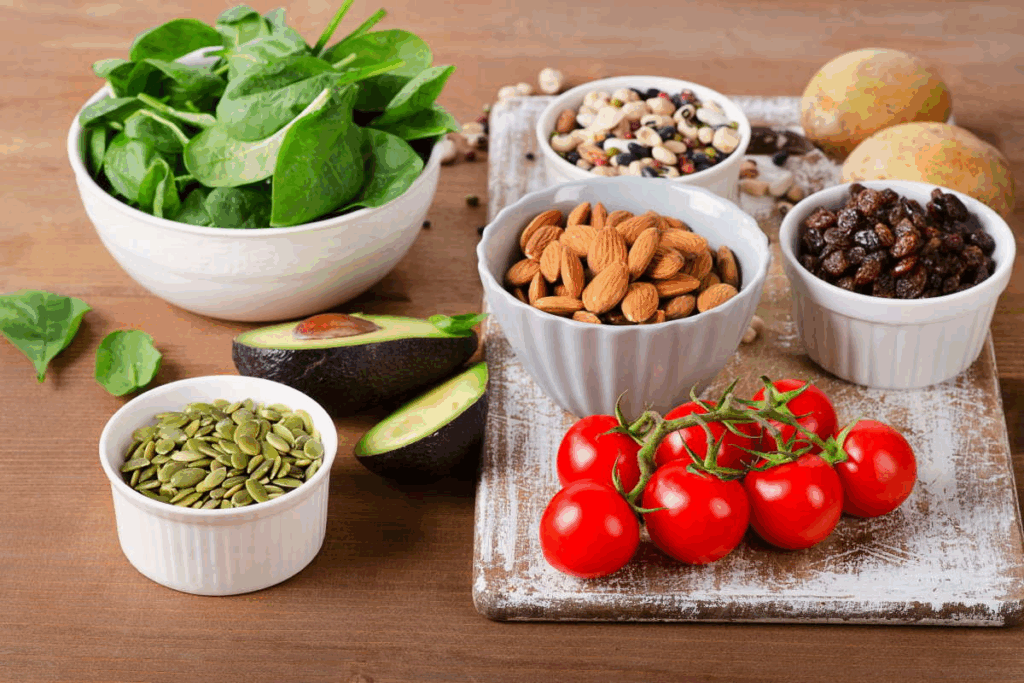
Potassium is an essential mineral that keeps our heart, kidneys, muscles, and nerves working right. Yet, nearly half of Americans don’t get enough of it every day. At Liv Hospital, we believe that knowing what to eat is key to staying healthy.high potassium foods chart10 Foods to Avoid After Coronary Bypass Surgery for a Heart-Healthy Recovery
Eating foods rich in potassium can do a lot of good. It can help lower your blood pressure and keep your blood sugar levels in check. In this article, we’ll give you a detailed chart of high potassium foods to help you make better food choices.
Key Takeaways
- Potassium is vital for heart, kidney, muscle, and nerve health.
- Adequate potassium intake can help lower blood pressure.
- Less than 2% of Americans meet their daily recommended potassium intake.
- Including potassium-rich foods in your diet can regulate blood sugar levels.
- A well-balanced diet with high potassium foods supports overall health.
Why Potassium is Essential for Your Health
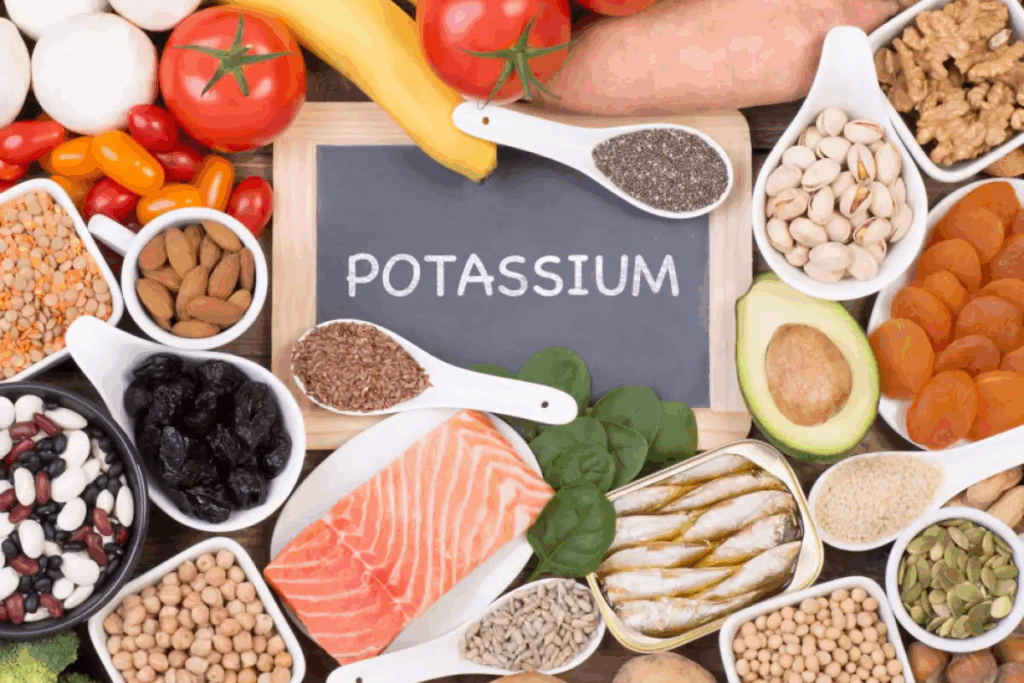
Potassium is a key mineral that helps our bodies work right. It keeps our heart, kidneys, muscles, and nerves healthy. Let’s look at how potassium is vital for our health and what happens if we don’t get enough.
Critical Functions in Heart, Kidney, Muscle, and Nerve Health
Potassium is key for heart health. It helps control our heartbeat and keeps our heart system working well. It also helps prevent kidney stones and supports kidney function, which is important for kidney health.
For muscle health, potassium is essential. It helps our muscles contract and relax, preventing cramps and spasms. Plus, it’s vital for nerve health. It helps our nerves send signals, which is important for many body functions.
Daily Recommended Intake and Deficiency Risks
Adults and kids over 4 need 4,700 milligrams of potassium each day. Not getting enough can cause potassium deficiency. This can lead to high blood pressure, kidney stones, and heart disease risks.
Eating foods rich in potassium is important. It helps keep us healthy and lowers the chance of many health problems.
Complete High Potassium Foods Chart: Understanding the Numbers
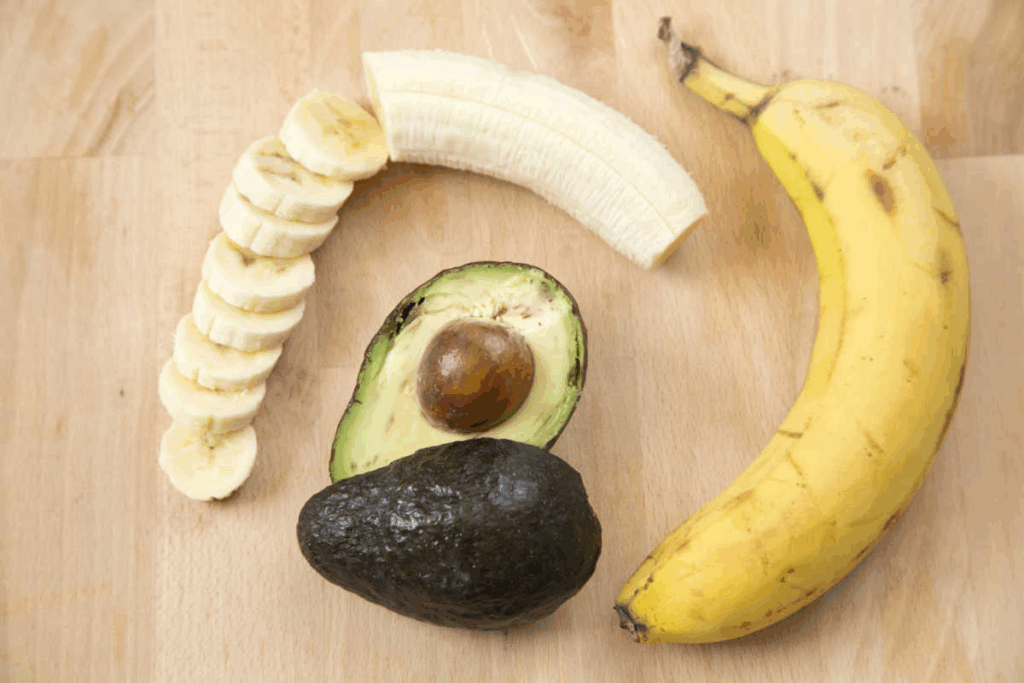
Potassium is a key mineral in many foods. Knowing where it’s found is important for a balanced diet. We’ll look at how to read potassium levels in foods and compare them across different groups.
How to Interpret Potassium Measurements in Foods
Potassium is measured in milligrams (mg) per serving. Knowing the serving size is key to getting the right amount. For example, a medium banana has about 422 mg of potassium.
The daily potassium need for adults is about 4,700 mg. So, eating a variety of foods high in potassium is important.
Comparing Potassium Content Across Food Groups
Various food groups have different potassium levels. Fruits, vegetables, legumes, and fish are among the richest in potassium.
Food Group | Food Item | Potassium Content (mg) |
Fruits | Banana (1 medium) | 422 |
Vegetables | Spinach (1 cup cooked) | 840 |
Legumes | Lentils (1 cup cooked) | 730 |
Fish | Salmon (3 oz cooked) | 534 |
Looking at the table, we see spinach is very high in potassium. It’s a great choice for a diet rich in potassium.
Bananas: The Most Famous Potassium-Rich Fruit
Bananas are known for being a top source of potassium. They are easy to eat and full of good stuff.
Actual Potassium Content in Bananas
One medium banana has about 451 mg of potassium. This makes them great for boosting potassium. Bananas also have vitamin C, fiber, and magnesium. These add to their nutritional value.
Best Ways to Include Bananas in Your Diet
It’s simple to add bananas to your meals. You can eat them as a snack, mix them into cereal, or blend them into smoothies. They’re also good in baking, adding sweetness and moisture to muffins and bread. Eating bananas when they’re ripe is best for getting the most nutrients.
Adding bananas to your daily meals can help you get more potassium. You’ll also get other nutrients they offer.
Potatoes: White and Sweet Varieties Lead the Charts
White and sweet potatoes are great for our health because of their potassium. They are tasty and full of nutrients.
Comparing Potassium Levels in Different Potato Types
A medium baked potato has 929 mg of potassium. A medium sweet potato has 542 mg. These make potatoes a good choice for a diet rich in potassium. The amount of potassium can change based on the potato’s size, type, and how it’s prepared.
Preparation Methods That Preserve Potassium Content
To get more potassium from potatoes, keep the skin on. Baking or boiling potatoes well keeps their potassium. But frying or boiling them too long can reduce this important mineral.
Adding potatoes to your meals and choosing the right cooking methods can increase your potassium. Both white and sweet potatoes are good for a healthy diet.
Dried Beans and Legumes: Plant-Based Potassium Powerhouses
Dried beans and legumes are great for getting potassium from plants. They add nutrition to many meals. These foods are full of fiber, protein, and other nutrients, helping to increase potassium in your diet.
Top Beans for Maximum Potassium Intake
Lima beans, kidney beans, and lentils are high in potassium. For example, cooked lima beans have about 955 mg of potassium per cup. Cooked lentils have about 730 mg per cup. Adding these beans to your meals is easy and tasty.
Cooking Tips to Maximize Nutritional Benefits
Cooking dried beans and legumes right is key to getting the most nutrients. Soaking them before cooking can cut down on phytic acid. This acid can block mineral absorption. Also, cooking with a bit of kombu seaweed makes them easier to digest and more nutritious.
By following these cooking tips, you can increase your potassium intake. This supports your overall health.
Leafy Greens: Spinach, Kale and Other Potassium-Rich Vegetables
Spinach, kale, and other leafy greens are full of potassium. This mineral is key for good health. These veggies also have vitamins and antioxidants, making them perfect for a healthy diet.
Potassium Content Comparison Among Popular Greens
Leafy greens have different amounts of potassium. For example, cooked spinach has about 840 mg of potassium. Cooked kale has around 530 mg. Swiss chard is also high in potassium, with one cup cooked having about 960 mg.
Here’s a comparison of the potassium content in some popular leafy greens per cup cooked:
- Spinach: 840 mg
- Kale: 530 mg
- Swiss Chard: 960 mg
- Collard Greens: 540 mg
Creative Ways to Incorporate More Greens in Meals
It’s easy and tasty to add leafy greens to your meals. You can blend spinach into smoothies or toss kale into salads. Sautéing Swiss chard with garlic makes a great side dish. You can also add these greens to soups, stews, and casseroles to increase your potassium.
Try different cooking methods to find your favorite ways to enjoy these greens. Whether you steam, sauté, or add them raw to salads, they’re a healthy choice.
Top 10 High Potassium Foods Chart: Best Foods & Vegetables
Potassium is an essential mineral that keeps our heart, kidneys, muscles, and nerves working right. At Liv Hospital, we know how key good nutrition is for staying healthy. Sadly, almost half of Americans don’t get enough potassium every day.
Eating potassium-rich foods can do a lot of good. It can help lower blood pressure and keep blood sugar levels steady. Our detailed chart will show you the top 10 foods packed with potassium. This will help you make better choices for your heart and overall health.
Key Takeaways
- Potassium is vital for heart, kidney, muscle, and nerve health.
- Most Americans do not meet their daily recommended potassium intake.
- Consuming potassium-rich foods can lower blood pressure and regulate blood sugar.
- Our chart highlights the top 10 foods richest in potassium.
- Incorporating these foods into your diet can support overall cardiovascular health.
Why Potassium is Essential for Your Health
Potassium is a vital mineral that plays a key role in our body. It helps keep our heart rhythms healthy, supports kidney function, and aids in muscle contractions.
We’ll look at how potassium affects our heart, kidneys, muscles, and nerves. It helps balance fluids, control blood pressure, and aids in nerve signal transmission.
Critical Functions in Heart, Kidney, Muscle, and Nerve Health
Potassium is vital for heart health. It keeps heart rhythms steady and prevents irregular heartbeats. It also helps the kidneys remove waste from the blood.
Potassium is key for muscle function and nerve signals. It helps muscles contract and relax, and it aids in nerve impulse transmission.
As the National Institutes of Health say, “Potassium is a mineral that’s vital for keeping fluid balance in the body.”
“Potassium is a key nutrient for heart health, and a diet rich in potassium can help lower blood pressure.”
Daily Recommended Intake and Deficiency Risks
Adults and kids over 4 need 4,700 milligrams of potassium daily. Not getting enough potassium can cause muscle weakness, fatigue, and heart palpitations. Severe lack can lead to paralysis and breathing problems.
To avoid these risks, eat foods rich in potassium like bananas, leafy greens, and sweet potatoes. Adding these to your diet helps meet your potassium needs.
Complete High Potassium Foods Chart: Understanding the Numbers
To add more potassium-rich foods to your diet, knowing the potassium levels in different foods is key. Potassium helps with heart, kidney, muscle, and nerve health.
Here’s a guide on how to read and compare potassium levels in different foods.
How to Interpret Potassium Measurements in Foods
Potassium is measured in milligrams (mg) per serving. Knowing the serving size is important for tracking potassium intake. For example, a medium banana has about 422 mg of potassium. A cup of cooked spinach has around 840 mg.
Key Foods High in Potassium:
- Bananas: 422 mg per medium-sized fruit
- Spinach: 840 mg per cup cooked
- Potatoes: 748 mg per medium-sized potato
- Salmon: 534 mg per 3 oz serving
- Avocados: 708 mg per medium-sized avocado
Comparing Potassium Content Across Food Groups
Various food groups have different potassium levels. Leafy greens like spinach and kale are high in potassium. So are bananas and avocados. Root veggies like potatoes and sweet potatoes are also good sources.
Here’s a look at potassium levels in different food groups:
Food Group | Example Foods | Potassium Content (mg) |
Fruits | Bananas, Avocados | 422-708 per serving |
Vegetables | Spinach, Potatoes | 748-840 per serving |
Protein | Salmon | 534 per 3 oz serving |
By knowing the potassium levels in various foods, you can make better choices. This helps manage your potassium intake effectively.
Bananas: The Most Famous Potassium-Rich Fruit
Bananas are known for their high potassium content. They are easy to eat and packed with nutrients like potassium, vitamin C, fiber, and magnesium.
Actual Potassium Content in Bananas
One medium banana has about 451 mg of potassium. This makes bananas a great choice for boosting potassium. They help keep your heart, kidneys, muscles, and nerves healthy.
Best Ways to Include Bananas in Your Diet
It’s easy to add bananas to your meals. You can eat them as a quick snack on their own, mix them into cereal or oatmeal, or blend them into smoothies. They also taste great with peanut butter or almond butter.
If you want more potassium, try juices from oranges or apricots. Adding bananas to your daily meals can naturally increase your potassium levels. Plus, you get extra nutritional benefits.
Potatoes: White and Sweet Varieties Lead the Charts
Potatoes, whether white or sweet, are not only versatile but also packed with potassium. They are an excellent addition to a diet focused on maintaining healthy potassium levels.
Comparing Potassium Levels in Different Potato Types
Both white and sweet potatoes are rich in potassium, but their content varies. One medium baked potato has about 929 mg of potassium. On the other hand, one medium sweet potato has around 542 mg. This shows white potatoes have a bit more potassium than sweet ones.
Preparation Methods That Preserve Potassium Content
To get the most potassium from potatoes, choose the right cooking methods. Baking or boiling potatoes is best as it keeps most of the potassium. Avoid frying or processing them, as these methods cut down on potassium.
Here are some tips for keeping potatoes’ potassium:
- Bake or boil potatoes to retain potassium.
- Avoid excessive water when boiling to prevent potassium loss.
- Leave the skin on when possible, as it contains a significant amount of potassium.
Dried Beans and Legumes: Plant-Based Potassium Powerhouses
Looking to up your potassium game? Dried beans and legumes are top picks. They’re not just packed with potassium. They also offer protein and fiber, making them super nutritious.
Top Beans for Maximum Potassium Intake
Some dried beans and legumes are better than others for potassium.
- Lima Beans: One cup of cooked lima beans is a big potassium boost.
- Kidney Beans: High in potassium, kidney beans are great in many dishes.
- Lentils: Lentils, another potassium powerhouse, are easy to add to soups, stews, and salads.
Cooking Tips to Maximize Nutritional Benefits
Getting the most out of dried beans and legumes means cooking them right.
- Soaking dried beans before cooking can cut down on phytic acid. This makes their nutrients easier to use by your body.
- Cooking beans until they’re tender makes them easy to digest. This helps you get the most nutritional benefits.
Adding these potassium-rich foods to your meals and cooking them well can really up your potassium levels.
Leafy Greens: Spinach, Kale and Other Potassium-Rich Vegetables
Leafy greens like spinach and kale are packed with potassium. They also have lots of vitamins and minerals. This makes them great for a healthy diet.
Potassium Content Comparison Among Popular Greens
Leafy greens have different amounts of potassium. For example, cooked spinach has about 830 mg of potassium per cup. Cooked kale has around 530 mg per cup. Swiss chard is also high in potassium, with about 960 mg per cup.
Leafy Green | Potassium Content (mg per cup, cooked) |
Spinach | 830 |
Kale | 530 |
Swiss Chard | 960 |
Creative Ways to Incorporate More Greens in Meals
Adding leafy greens to your meals is easy and tasty. You can put spinach in omelets, kale in smoothies, or Swiss chard with garlic as a side. These greens are also good in salads, soups, and pasta dishes.
Salmon and Fish: Combining Protein with Potassium
Fish, like salmon, is packed with nutrients. It has a lot of protein and potassium. Eating fish can boost your health.
Potassium Content in Popular Fish Varieties
Not all fish has the same amount of potassium. Salmon is a top choice, with 326 milligrams of potassium in a 3-ounce serving. Tuna, halibut, and mackerel are also good options.
Fish Type | Potassium Content (mg per 3-oz serving) |
Salmon | 326 |
Tuna | 284 |
Halibut | 490 |
Mackerel | 314 |
Healthy Preparation Methods for Maximum Benefits
To get the most from fish, cook it healthily. Grilling, baking, or poaching keeps potassium levels high. It also avoids extra calories.
Tips for Preparation: Don’t fry fish to keep calories down. Use herbs and lemon juice for flavor without salt.
Citrus Fruits and Orange Juice: Refreshing Potassium Sources
Citrus fruits, like oranges, are not just refreshing. They are also packed with potassium, a key mineral for our bodies. While bananas are often seen as a top potassium source, citrus fruits and their juices are also important for our daily potassium needs.
Comparing Potassium Levels in Whole Fruits vs. Juices
Whole citrus fruits and their juices both have a lot of potassium. For example, an orange has about 236 mg of potassium. An 8 oz glass of orange juice has around 496 mg. But, whole fruits also give us fiber, which is lost when juiced. It’s best to eat both whole fruits and juices for the most nutritional benefits.
Other Fruit Juices High in Potassium
Orange juice isn’t the only juice high in potassium. Tomato juice, for instance, has about 527 mg per 8 oz serving. Tangerine and prune juices are also good sources. Adding these juices to your diet can help you meet your potassium needs and make your drinks more interesting.
By adding citrus fruits and their juices, along with other fruit juices, we can make a diet that’s both balanced and nutritious. This supports our overall health and well-being.
Unexpected Foods High in Potassium: From Avocados to Pumpkin
While bananas are often credited as a top potassium-rich food, several other unexpected foods can significantly contribute to our daily potassium intake. Incorporating these foods into our diet can be both delicious and nutritious. Let’s explore some of these surprising sources of potassium and how to include them in our meals.
Surprising Sources of Dietary Potassium
Some of the unexpected foods high in potassium include avocados, pumpkin, butternut squash, watermelon, and guava. These foods not only provide potassium but are also rich in other essential nutrients, making them excellent additions to a balanced diet.
For instance, avocados are not only a good source of potassium but also rich in healthy fats. A single medium avocado can provide around 708 mg of potassium. Pumpkin is another versatile food that is rich in potassium, with a cup of cooked pumpkin providing about 448 mg of potassium.
Incorporating These Foods into Everyday Meals
Incorporating these potassium-rich foods into your daily meals can be simple and enjoyable. Here are a few suggestions:
- Add sliced avocado to your toast or salad for a potassium boost.
- Use pumpkin in soups, stews, or as a side dish, roasted with spices.
- Enjoy watermelon as a refreshing snack or add it to fruit salads.
- Include guava in your fruit salads or consume it as juice.
Here’s a comparison of the potassium content in these unexpected foods:
Food | Serving Size | Potassium Content (mg) |
Avocado | 1 medium | 708 |
Pumpkin | 1 cup cooked | 448 |
Butternut Squash | 1 cup cooked | 582 |
Watermelon | 1 cup diced | 170 |
Guava | 1 cup sliced | 688 |
By diversifying our diet with these unexpected potassium-rich foods, we can ensure we’re meeting our daily nutritional needs while enjoying a variety of flavors and textures.
Conclusion: Building Your Daily Diet with Potassium-Rich Foods
Adding potassium-rich foods to your diet is key for good health. Potassium is important for your heart, kidneys, muscles, and nerves. You can get enough potassium by eating fruits, veggies, fish, beans, and dairy.
To boost your potassium intake, try adding bananas, potatoes, leafy greens, and legumes to your meals. These foods are not only rich in potassium but also packed with other nutrients. By choosing these foods, you help support your health.
It’s a good idea to try different ways of preparing these foods to get the most nutritional benefits. This way, you can make a diet that’s both balanced and meets your potassium needs. It’s a step towards better health and well-being.
FAQ
What are the best fruits for potassium?
Bananas, oranges, and avocados are great for potassium. Adding them to your meals can help you get enough potassium.
Are dried beans high in potassium?
Yes, dried beans and legumes are good for potassium. White beans, lentils, and chickpeas are the best choices.
Is there potassium in orange juice?
Yes, orange juice has potassium. But, it’s better to eat whole fruits for more potassium.
What vegetables are high in potassium?
Spinach, kale, potatoes, and pumpkin are rich in potassium. They’re great for your diet.
How much potassium is in potatoes?
White and sweet potatoes have a lot of potassium. A medium potato can give you a lot of potassium, depending on how you cook it.
What are some low-calorie potassium-rich foods?
Leafy greens, citrus fruits, and pumpkin are low in calories but high in potassium. They’re perfect for a healthy diet.
Can fish be a good source of potassium?
Yes, fish like salmon is not only protein-rich but also has a lot of potassium. It’s a great choice for your meals.
How can I incorporate more potassium into my diet?
Eat a variety of foods like fruits, vegetables, legumes, and fish. Use healthy cooking methods to keep potassium levels high.
What are the risks of potassium deficiency?
Not enough potassium can cause high blood pressure, kidney stones, and muscle weakness. It’s important to eat enough potassium for your health.
How can I maximize the nutritional benefits of potassium-rich foods?
Steaming or baking helps keep potassium in foods. Eating different potassium-rich foods ensures you get all the nutrients you need.
References
National Center for Biotechnology Information. Evidence-Based Medical Guidance. Retrieved from https://www.ncbi.nlm.nih.gov/pmc/articles/PMC3661342/