Written by
Şevval T
Şevval T Liv Hospital Content Team
Medically reviewed by

Related Doctors

Spec. MD. Gizem Güvener Liv Hospital Ulus Spec. MD. Gizem Güvener Pediatrics Spec. MD. Osman Karlı Liv Hospital Ulus Spec. MD. Osman Karlı Pediatrics Spec. MD. Tamer Ünver Liv Hospital Ulus Spec. MD. Tamer Ünver Neonatal Intensive Care Unit (NICU) Assoc. Prof. MD. Adem Dursun Liv Hospital Vadistanbul Assoc. Prof. MD. Adem Dursun Pediatrics Psyc. Selenay Yücel Keleş Liv Hospital Vadistanbul Psyc. Selenay Yücel Keleş Pediatric Psychology Spec. MD.  Fatih Aydın Liv Hospital Vadistanbul Spec. MD. Fatih Aydın Pediatrics Spec. MD. Dicle Çelik Liv Hospital Vadistanbul Spec. MD. Dicle Çelik Pediatrics Spec. MD. Elif Erdem Özcan Liv Hospital Vadistanbul Spec. MD. Elif Erdem Özcan Pediatrics Spec. MD. Hilal Kızıldağ Liv Hospital Vadistanbul Spec. MD. Hilal Kızıldağ Pediatrics Spec. MD. Mehmet Kılıç Liv Hospital Vadistanbul Spec. MD. Mehmet Kılıç Pediatrics Spec. MD. Ozan Uzunhan Liv Hospital Vadistanbul Spec. MD. Ozan Uzunhan Neonatology Spec. MD. Selami Bayrakdar Liv Hospital Vadistanbul Spec. MD. Selami Bayrakdar Pediatrics Spec. MD. Semra Akkuş Akman Liv Hospital Vadistanbul Spec. MD. Semra Akkuş Akman Pediatrics Asst. Prof. MD. Doruk Gül Liv Hospital Bahçeşehir Asst. Prof. MD. Doruk Gül Pediatric Health and Diseases Prof. MD. Murat Sütçü Liv Hospital Bahçeşehir Prof. MD. Murat Sütçü Pediatric Health and Diseases Prof. MD. Nihat Demir Liv Hospital Bahçeşehir Prof. MD. Nihat Demir Pediatrics Psyc. (Psychologist) Buse Yağmur Liv Hospital Bahçeşehir Psyc. (Psychologist) Buse Yağmur Pediatric Psychology Spec. MD. Cansu Muluk Liv Hospital Bahçeşehir Spec. MD. Cansu Muluk Pediatrics Spec. MD. Dilek Hatipoğlu Liv Hospital Bahçeşehir Spec. MD. Dilek Hatipoğlu Pediatric Health and Diseases Spec. MD. Duygu Amine Garavi Liv Hospital Bahçeşehir Spec. MD. Duygu Amine Garavi Pediatrics Spec. MD. Fatih Kaya Liv Hospital Bahçeşehir Spec. MD. Fatih Kaya Pediatric Health and Diseases Spec. MD. Günel Nüsretzade Elmar Liv Hospital Bahçeşehir Spec. MD. Günel Nüsretzade Elmar Pediatrics Spec. MD. Mey Talip Liv Hospital Bahçeşehir Spec. MD. Mey Talip Pediatric Intensive Care Spec. MD. Negın Nahanmoghaddam Liv Hospital Bahçeşehir Spec. MD. Negın Nahanmoghaddam Pediatrics Spec. MD. Nushaba Abdullayeva Liv Hospital Bahçeşehir Spec. MD. Nushaba Abdullayeva Pediatric Health and Diseases Spec. MD. Refika İlbakan Hanımeli Liv Hospital Bahçeşehir Spec. MD. Refika İlbakan Hanımeli Pediatrics Spec. MD. Selman Alazab Liv Hospital Bahçeşehir Spec. MD. Selman Alazab Pediatrics Spec. MD. Özden Durmuş Gönültaş Liv Hospital Bahçeşehir Spec. MD. Özden Durmuş Gönültaş Pediatrics Spec. Md. Öznur Ceylan Liv Hospital Bahçeşehir Spec. Md. Öznur Ceylan Pediatric Health and Diseases Assoc. Prof. MD. Aslan Yılmaz Liv Hospital Topkapı Assoc. Prof. MD. Aslan Yılmaz Neonatology Prof. MD. Alpay Çakmak Liv Hospital Topkapı Prof. MD. Alpay Çakmak Pediatrics Spec. MD. Demet Deniz Bilgin Liv Hospital Topkapı Spec. MD. Demet Deniz Bilgin Pediatrics Spec. MD. Nesrin Köseoğlu Liv Hospital Topkapı Spec. MD. Nesrin Köseoğlu Pediatric and Adolescent Psychiatry Spec. MD. Seçil Sözen Liv Hospital Topkapı Spec. MD. Seçil Sözen Pediatrics Spec. MD. Özge Akça Liv Hospital Topkapı Spec. MD. Özge Akça Pediatrics Spec. MD. Şeyma Öz Liv Hospital Topkapı Spec. MD. Şeyma Öz Pediatrics Asst. Prof. MD. Pakize Elif Alkış Liv Hospital Ankara Asst. Prof. MD. Pakize Elif Alkış Pediatrics Prof. MD. Musa Kazım Çağlar Liv Hospital Ankara Prof. MD. Musa Kazım Çağlar Pediatrics Prof. MD. İbrahim Hakan Bucak Liv Hospital Ankara Prof. MD. İbrahim Hakan Bucak Pediatrics Prof.MD. Sevgi Başkan Liv Hospital Ankara Prof.MD. Sevgi Başkan Pediatrics Spec. MD. Büşra Süzen Celbek Liv Hospital Ankara Spec. MD. Büşra Süzen Celbek Pediatrics Spec. MD. Galip Erdem Liv Hospital Ankara Spec. MD. Galip Erdem Pediatrics Spec. MD. Hafsa Uçur Liv Hospital Ankara Spec. MD. Hafsa Uçur Pediatric Health and Diseases Spec. MD. Hidayet Katipoğlu Liv Hospital Ankara Spec. MD. Hidayet Katipoğlu Pediatric Health and Diseases Spec. MD. Hüsniye Altan Liv Hospital Ankara Spec. MD. Hüsniye Altan Pediatrics Spec. MD. Mehmet Turfanda Liv Hospital Ankara Spec. MD. Mehmet Turfanda Pediatric Health and Diseases Spec. MD. Mustafa Yücel Kızıltan Liv Hospital Ankara Spec. MD. Mustafa Yücel Kızıltan Pediatrics Spec. MD.  Seral Navdar Liv Hospital Gaziantep Spec. MD. Seral Navdar Pediatric Health and Diseases Spec. MD. Gül Balyemez Liv Hospital Gaziantep Spec. MD. Gül Balyemez Pediatric Health and Diseases Spec. MD. Hasan Avşar Liv Hospital Gaziantep Spec. MD. Hasan Avşar Neonatology Spec. MD. Mert Çakır Liv Hospital Gaziantep Spec. MD. Mert Çakır Pediatrics Spec. MD. Saltuk Buğra Böke Liv Hospital Gaziantep Spec. MD. Saltuk Buğra Böke Pediatric Health and Diseases Spec. MD. Özlem Karaoğlu Liv Hospital Gaziantep Spec. MD. Özlem Karaoğlu Pediatric Health and Diseases Spec. MD. İsmail Ersan Can Liv Hospital Gaziantep Spec. MD. İsmail Ersan Can Pediatric Health and Diseases Spec. MD. Şekibe Zehra Doğan Liv Hospital Gaziantep Spec. MD. Şekibe Zehra Doğan Pediatric Health and Diseases Spec. MD. Gülsenem Sarı Aracı Liv Hospital Samsun Spec. MD. Gülsenem Sarı Aracı Pediatric Health and Diseases Spec. MD. Nazlı Karakullukcu Çebi Liv Hospital Samsun Spec. MD. Nazlı Karakullukcu Çebi Pediatrics Spec. MD. Nezih Akgün Liv Hospital Samsun Spec. MD. Nezih Akgün Pediatric Health and Diseases Spec. MD. Pelin Aytaç Uras Liv Hospital Samsun Spec. MD. Pelin Aytaç Uras Pediatrics MD. VEFA İSAYEVA Liv Bona Dea Hospital Bakü MD. VEFA İSAYEVA Pediatric Health and Diseases Spec. MD.  Elnur Hüseynov Liv Bona Dea Hospital Bakü Spec. MD. Elnur Hüseynov Pediatrics Spec. MD. INARE ELDAROVA Liv Bona Dea Hospital Bakü Spec. MD. INARE ELDAROVA Pediatrics Spec. MD. SADİQ İSMAYILOV Liv Bona Dea Hospital Bakü Spec. MD. SADİQ İSMAYILOV Pediatric Health and Diseases MD. Dr. Elnur Hüseynov MD. Dr. Elnur Hüseynov Pediatrics Spec. MD. Doğa Sevinçok Spec. MD. Doğa Sevinçok Pediatric and Adolescent Psychiatry Spec. MD. Sadık İsmayılov Pediatrics Assoc. Prof. MD. Muhammet Ali Varkal Liv Hospital Ulus + Liv Hospital Topkapı Assoc. Prof. MD. Muhammet Ali Varkal Pediatrics Spec. MD. Melike Akar Liv Hospital Bahçeşehir + Liv Hospital Topkapı Spec. MD. Melike Akar Pediatrics
...
Views
Read Time
...
views
Read Time
Highest Recurrence Rate for Cancer: Unlucky List
Highest Recurrence Rate for Cancer: Unlucky List 4

Cancer recurrence worries both patients and doctors a lot. When cancer returns after treatment, it’s tough and emotional. Some cancers come back more often than others. For example, bladder cancer has a notably high recurrence rate, with approximately 50% of patients experiencing a return after cystectomy. Moreover, ovarian cancer has one of the highest recurrence rates at around 85%, and glioblastoma nearly always recurs. Other cancers with high recurrence rates include soft tissue sarcomas (about 50%), pancreatic cancer (36-46%), and certain aggressive breast cancer types like triple-negative breast cancer. Knowing which cancers have the highest recurrence rate for cancer  helps doctors create better treatment plans and offer tailored supportive care. Understanding these recurrence risks is essential for managing treatment options and improving patient outcomes.

Key Takeaways

  • Cancer recurrence affects patients and caregivers significantly.
  • Bladder cancer has a high recurrence rate, with up to 70% of patients experiencing recurrence within five years.
  • Understanding recurrence rates helps in developing effective treatment plans.
  • Factors influencing recurrence include the type of cancer and treatment options.
  • Supportive care is important for patients facing cancer recurrence.

Understanding Cancer Recurrence and Its Impact

Cancer recurrence is when cancer comes back after treatment. It’s a big worry for patients and their families. We know it’s tough to face the chance of cancer returning.
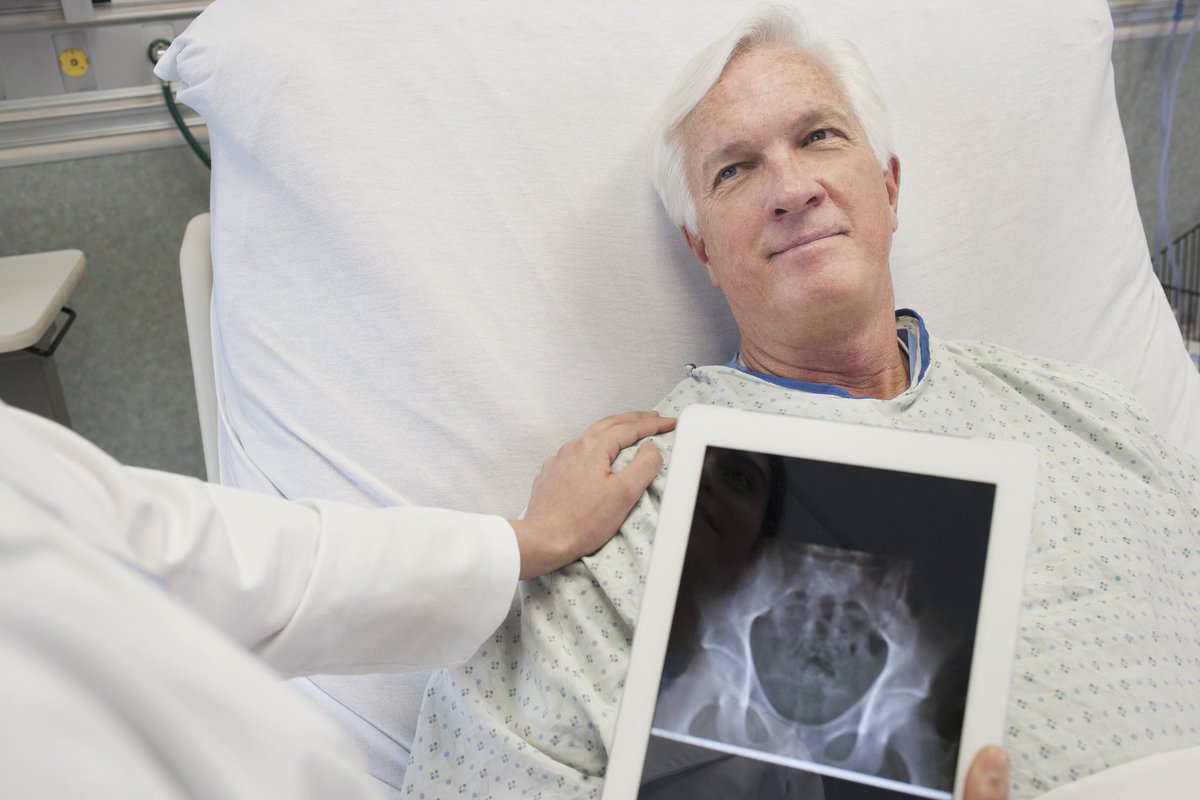
Highest Recurrence Rate for Cancer: Unlucky List

What Defines Cancer Recurrence

Cancer recurrence happens when leftover cancer cells start growing again. This can be close by, in the same area, or far away. Knowing what cancer recurrence is helps doctors plan better treatments and support patients. Some cancers, especially those with the highest recurrence rate for cancer, require more aggressive follow-up care.

Difference Between Recurrence and Progression

It’s important to tell the difference between recurrence and progression. Recurrence is when cancer comes back after being in remission. Progression means the cancer keeps growing or spreading, even with treatment. Patients diagnosed with cancers that have the highest recurrence rate for cancer must stay alert to signs of both recurrence and progression.

The Psychological and Physical Impact of Recurring Cancer

Recurring cancer affects patients’ minds and bodies a lot. They might feel scared, anxious, or depressed. We focus on helping with these feelings and managing symptoms, too.

For people with cancers known to have the highest recurrence rate for cancer, the emotional toll can be especially high. These patients often face long-term anxiety even after successful treatment.

Bladder Cancer: Leading the Highest Recurrence Rate for Cancer

Bladder cancer is a big challenge for patients and doctors. It’s one of the cancers with the highest recurrence rate for cancer. It affects many people worldwide and comes back in a large percentage of cases.

Highest Recurrence Rate for Cancer: Unlucky List

Statistics on 70% Five-Year Recurrence Rate

The numbers on bladder cancer recurrence are scary. Studies show that up to 70% of patients see their cancer come back within five years. This high rate shows we need better follow-up care and ways to stop cancer from coming back.

It’s important to know why bladder cancer comes back so often. The first tumour’s size, type, and the patient’s health all play a part. These factors help decide if cancer will come back.

Risk Stratification in Bladder Cancer

Managing bladder cancer means figuring out who’s at highest risk. Doctors use tumour size, grade, and other factors to sort patients. This helps tailor treatments to each person’s needs.

Those at high risk might get more intense treatments like intravesical therapy or radical cystectomy. This can lower the chance of cancer coming back. But those at lower risk might get less aggressive treatments. This helps avoid over-treatment.

Treatment Approaches to Prevent Recurrence

Stopping cancer from coming back is a main goal in treating bladder cancer. Doctors use surgery, chemotherapy, and immunotherapy to try to prevent this. The treatment plan depends on the tumour’s stage, grade, and the patient’s health.

For early-stage bladder cancer, intravesical therapy is often used. This involves putting medicine directly into the bladder to kill any cancer cells left behind. For more serious cases, radical cystectomy might be needed. This involves removing the bladder and nearby tissues.

We’re always looking for ways to improve treatment for bladder cancer patients. By understanding why cancer comes back and finding better treatments, we hope to lower the recurrence rate.

Glioblastoma Multiforme: Aggressive Brain Cancer Recurrence

Glioblastoma multiforme is a tough cancer to beat because it often comes back. It grows fast and is hard to treat. We need to know how it works to find better ways to fight it.

Understanding the High Relapse Rate

This cancer comes back almost 90% of the time within two years. It’s a big problem in brain cancer treatment. The tumour grows fast and spreads into the brain, making it hard to remove completely.

Key statistics on glioblastoma multiforme recurrence include:

  • Nearly 90% of patients experience recurrence within two years.
  • The median survival rate remains approximately 15 months post-diagnosis.
  • Less than 10% of patients survive beyond five years.

Molecular Mechanisms Behind Recurrence

The reasons for glioblastoma multiforme coming back are complex. It involves changes in genes and how the tumour interacts with its environment. We’re learning that some genes and pathways are key to its return.

Current Treatment Protocols for Recurrent Glioblastoma

Doctors use a mix of treatments for this cancer, like surgery, radiation, and chemo. They’re also looking into new ways, like targeted therapy and immunotherapy, to help patients.

The aim is to not just live longer but also to keep patients’ quality of life good. By understanding why it comes back and finding better treatments, we hope to help more patients with glioblastoma multiforme.

Non-Melanoma Skin Cancers: Patterns of Recurrence

Non-melanoma skin cancers, like basal cell and squamous cell carcinoma, have specific recurrence patterns. Knowing these patterns helps doctors plan treatments better. This approach aims to lower the chance of cancer coming back and improve patient outcomes.

Basal Cell Carcinoma Recurrence Rates

Basal cell carcinoma (BCC) is the most common skin cancer. It rarely spreads but can come back if not treated properly. The rate of BCC coming back depends on how it’s treated and its characteristics.

Research shows that Mohs surgery for BCC leads to fewer recurrences than traditional excision.

Squamous Cell Carcinoma Recurrence Patterns

Squamous cell carcinoma (SCC) is another common skin cancer. It has a higher chance of spreading than BCC. The likelihood of SCC coming back depends on its size, depth, and how it looks under a microscope.

SCCs that are at high risk of coming back and spreading need aggressive treatment. They also need close monitoring.

Impact of Excision Quality and Margins

The quality of the excision and how well the margins are done are key. If the cancer isn’t fully removed or if the margins are not clear, the risk of it coming back goes up. Making sure the margins are clear during surgery is very important to lower the chance of recurrence.

High-Risk Features for Recurrence

Some features make non-melanoma skin cancers more likely to come back. These include big tumours, poor cell structure, spreading to nerves, and being in people who are immunosuppressed. Spotting these early allows for more intense treatment and watchful waiting. This can help lower the risk of it coming back.

By knowing how these cancers come back and what affects it, we can make better treatment plans. This leads to better results for patients and a lower chance of cancer coming back.

Breast Cancer Recurrence: Variation by Subtype

Breast cancer is a complex disease with different types. Each type has its own risk of coming back. Knowing this helps doctors plan better treatments.

30% Recurrence Rate in Triple-Negative Breast Cancer

Triple-negative breast cancer (TNBC) is very aggressive and has a high chance of coming back. Research shows that TNBC has a 30% recurrence rate. This is much higher than other types of breast cancer.

Its aggressive nature is because it lacks estrogen and progesterone receptors. It also has too much HER2 protein.

Patterns in Hormone Receptor-Positive Breast Cancer

Hormone receptor-positive (HR+) breast cancer is more common and has a better outlook. But, its chance of coming back can change based on several factors. These include the size and grade of the tumour, and how well it responds to hormone therapy.

Generally, HR+ breast cancer has a lower recurrence rate than TNBC.

HER2-Positive Breast Cancer Recurrence Statistics

HER2-positive breast cancer has too much HER2 protein. Thanks to new treatments like trastuzumab, its outlook has improved a lot. The chance of it coming back is lower than TNBC.

But it can depend on how well the treatment works.

Considerations for Local vs. Distant Recurrence

Recurrence can happen in the same breast or in other parts of the body. Knowing the risk for each type is key for follow-up care. For example, TNBC patients are more likely to have recurrence in distant organs.

Other Cancers with High Recurrence Rates

Other cancers like ovarian, acute myeloid leukemia, colorectal, and melanoma also have high recurrence rates. It’s important to know about these cancers and their patterns. This knowledge helps in creating better treatment plans.

Ovarian Cancer Recurrence Patterns

Ovarian cancer often comes back because it’s often diagnosed late. Up to 70% of patients with advanced ovarian cancer experience recurrence within two years after treatment. The cancer’s stage, leftover disease after surgery, and the patient’s health play big roles.

“The high recurrence rate in ovarian cancer shows we need better ways to diagnose and treat it.”

Acute Myeloid Leukemia Relapse Rates

AML is tough to beat because it often comes back. About 50% of AML patients relapse, often in the first year after treatment. The cancer’s genetic makeup, the patient’s age, and how well they respond to treatment all matter.

“The prognosis for patients with relapsed AML remains poor, highlighting the need for novel therapeutic approaches.”

Colorectal Cancer Recurrence Statistics

How often colorectal cancer comes back depends on its stage and treatment. Recurrence rates range from 5% to 30% for stages II and III. Things like lymph node involvement, tumour grade, and how well the surgery went affect the chance of it coming back.

  • Lymph node involvement
  • Tumor grade
  • Surgical margins

Melanoma Recurrence Risk Factors

Melanoma’s return is tied to several factors. These include the tumour’s thickness, if it’s ulcerated, and if lymph nodes are involved. Patients with stage III melanoma have a recurrence rate of about 50%. Catching it early and treating it quickly are key to managing its return.

Knowing how these cancers come back is key to better patient care. By spotting risk factors and tailoring treatments, we can aim to lower these cancers’ recurrence rates.

Factors Influencing Cancer Recurrence

Cancer recurrence is influenced by genetics, molecular factors, and lifestyle. Knowing these factors helps in creating better treatment plans. This knowledge is key to improving patient outcomes.

Genetic and Molecular Determinants

Genetics and molecular factors are very important in cancer recurrence. Certain mutations and gene expressions can make cancer more aggressive. This increases the chance of it coming back.

Key genetic determinants include:

  • Mutations in tumour suppressor genes
  • Oncogene activation
  • DNA repair gene mutations

Initial Tumour Stage and Characteristics

The stage and characteristics of the tumour at first are also important. Tumours diagnosed later or with aggressive traits are more likely to come back. Knowing the tumour’s biology early helps in making treatment plans that reduce this risk.

For more detailed statistics on cancer recurrence, we can refer to resources such as Cancer Therapy Advisor. It provides detailed data on recurrence rates and what influences them.

Treatment Response and Resistance Mechanisms

How a cancer responds to treatment and develops resistance is a big factor in recurrence. Cancers that don’t respond well to treatment are more likely to come back. So, understanding and beating resistance is a major focus in cancer research.

Factors influencing treatment response include:

  • Tumor heterogeneity
  • Expression of drug transporters
  • Activation of survival pathways

Lifestyle and Environmental Factors

Lifestyle and environmental factors also affect cancer recurrence. Diet, exercise, smoking, and exposure to harmful substances can all play a role. Encouraging healthy lifestyles and reducing harmful exposures is vital in cancer care.

Recommendations for reducing recurrence risk through lifestyle changes include:

  1. Maintaining a healthy diet rich in fruits, vegetables, and whole grains
  2. Engaging in regular physical activity
  3. Avoiding tobacco and limiting alcohol consumption

By understanding and addressing these factors, we can develop better ways to prevent cancer recurrence. This will help improve patient outcomes.

Understanding Remission in the Context of Recurrence

The journey through cancer treatment often leads to a state of remission. This term holds significant hope for patients. Remission means the absence or reduction of cancer symptoms and signs.

It’s a critical concept in cancer treatment. Understanding remission is essential for both patients and healthcare providers. It shows if the treatment is working and guides further management.

What Remission Means in Cancer Treatment

Remission in cancer treatment means the disease is under control. There are no signs or symptoms. It doesn’t mean the cancer is cured, but it’s being managed well.

We use the term “remission” because cancer can sometimes return. This is called recurrence.

Complete vs. Partial Remission Definitions

There are two types of remission: complete and partial. Complete remission means all signs and symptoms of cancer have disappeared. But, it doesn’t mean the cancer is cured, as microscopic cancer cells might be present.

Partial remission means the cancer has responded to treatment. The tumour size has decreased, but some cancer is detectable.

Monitoring During Remission Periods

Monitoring during remission is key for early detection of recurrence. Regular follow-ups are recommended. This includes physical exams, imaging tests, and sometimes blood tests.

The frequency of these tests depends on the type of cancer, the stage at diagnosis, and the treatment received.

Warning Signs of Potential Recurrence

While in remission, it’s important to be aware of warning signs. These can vary depending on the type of cancer. They often include new lumps or masses, persistent pain, changes in bowel or bladder habits, or unexplained weight loss.

If any of these symptoms occur, patients should contact their healthcare provider immediately.

Understanding remission and its implications is vital for navigating the cancer journey. Recognizing the signs of remission and the importance of ongoing monitoring is key. Patients can work closely with their healthcare team to manage their condition effectively and address any concerns promptly.

Conclusion: Advances in Reducing Cancer Recurrence Rates

Recent advances in cancer treatment have greatly improved outcomes. They have also lowered recurrence rates for many cancers. Immunotherapy and targeted therapy have played key roles in this.

Understanding what causes cancer to come back is key. This includes genetic and molecular factors, the initial tumour stage, and how well the treatment works. With this knowledge, doctors can create better treatment plans.

These plans not only help patients live longer but also improve their quality of life. As we keep pushing forward in cancer treatment, it’s vital to watch patients closely during remission. This way, we can catch any signs of cancer coming back early.

The progress in reducing cancer recurrence rates shows the hard work in cancer research and treatment. We’re dedicated to providing top-notch healthcare. Our goal is to make patients’ lives better and their outcomes more positive.

FAQ

What is cancer recurrence?

Cancer recurrence happens when cancer comes back after treatment. It can be near the original site, in nearby areas, or far away.

What is the difference between cancer recurrence and progression?

Recurrence means cancer comes back after treatment. Progression is when cancer grows or spreads while being treated.

What are the types of cancer with the highest recurrence rates?

Cancers like bladder, glioblastoma multiforme, non-melanoma skin cancers, and breast cancer have high recurrence rates. Ovarian cancer, acute myeloid leukemia, colorectal cancer, and melanoma also have high rates.

What is remission in cancer treatment?

Remission means there are no signs or symptoms of cancer. It can be complete or partial.

What is the difference between complete and partial remission?

Complete remission means no cancer is found. Partial remission means cancer is present but smaller or less severe.

What are the warning signs of cancer recurrence?

Warning signs vary by cancer type. They include new symptoms, changes in old symptoms, or abnormal test results.

How is cancer recurrence influenced by genetic and molecular factors?

Genetic and molecular factors, like mutations and gene expression, greatly affect recurrence risk.

What lifestyle and environmental factors influence cancer recurrence?

Lifestyle and environmental factors, such as diet, exercise, and carcinogen exposure, can affect recurrence risk.

How can cancer recurrence be prevented or managed?

Recurrence can be prevented or managed with effective treatment, follow-up care, and lifestyle changes.

What is the significance of monitoring during remission periods?

Monitoring during remission is key to catch recurrence early. Early detection makes treatment more effective.

What are the latest advances in reducing cancer recurrence rates?

New treatments like immunotherapy and targeted therapy have improved outcomes and lowered recurrence rates.

What defines remission for cancer?

Remission means cancer is controlled, with no signs or symptoms.

What is cancer remission?

Remission is when cancer is no longer detectable or is under control.

What does recurrence mean in cancer?

Recurrence in cancer means it comes back after treatment.

Reference

  1. National Cancer Institute. (2023). Glioblastoma: Treatment and prognosis. Retrieved from https://www.cancer.gov/types/brain/glioblastoma-treatment

i

Medical Disclaimer

The content on this page is for informational purposes only and is not a substitute for professional medical advice, diagnosis or treatment. Always consult a qualified healthcare provider regarding any medical conditions.

Get a Free Quote

Response within 2 hours during business hours

Clinics/branches
GDPR

Related Doctors

Spec. MD. Gizem Güvener Liv Hospital Ulus Spec. MD. Gizem Güvener Pediatrics Spec. MD. Osman Karlı Liv Hospital Ulus Spec. MD. Osman Karlı Pediatrics Spec. MD. Tamer Ünver Liv Hospital Ulus Spec. MD. Tamer Ünver Neonatal Intensive Care Unit (NICU) Assoc. Prof. MD. Adem Dursun Liv Hospital Vadistanbul Assoc. Prof. MD. Adem Dursun Pediatrics Psyc. Selenay Yücel Keleş Liv Hospital Vadistanbul Psyc. Selenay Yücel Keleş Pediatric Psychology Spec. MD.  Fatih Aydın Liv Hospital Vadistanbul Spec. MD. Fatih Aydın Pediatrics Spec. MD. Dicle Çelik Liv Hospital Vadistanbul Spec. MD. Dicle Çelik Pediatrics Spec. MD. Elif Erdem Özcan Liv Hospital Vadistanbul Spec. MD. Elif Erdem Özcan Pediatrics Spec. MD. Hilal Kızıldağ Liv Hospital Vadistanbul Spec. MD. Hilal Kızıldağ Pediatrics Spec. MD. Mehmet Kılıç Liv Hospital Vadistanbul Spec. MD. Mehmet Kılıç Pediatrics Spec. MD. Ozan Uzunhan Liv Hospital Vadistanbul Spec. MD. Ozan Uzunhan Neonatology Spec. MD. Selami Bayrakdar Liv Hospital Vadistanbul Spec. MD. Selami Bayrakdar Pediatrics Spec. MD. Semra Akkuş Akman Liv Hospital Vadistanbul Spec. MD. Semra Akkuş Akman Pediatrics Asst. Prof. MD. Doruk Gül Liv Hospital Bahçeşehir Asst. Prof. MD. Doruk Gül Pediatric Health and Diseases Prof. MD. Murat Sütçü Liv Hospital Bahçeşehir Prof. MD. Murat Sütçü Pediatric Health and Diseases Prof. MD. Nihat Demir Liv Hospital Bahçeşehir Prof. MD. Nihat Demir Pediatrics Psyc. (Psychologist) Buse Yağmur Liv Hospital Bahçeşehir Psyc. (Psychologist) Buse Yağmur Pediatric Psychology Spec. MD. Cansu Muluk Liv Hospital Bahçeşehir Spec. MD. Cansu Muluk Pediatrics Spec. MD. Dilek Hatipoğlu Liv Hospital Bahçeşehir Spec. MD. Dilek Hatipoğlu Pediatric Health and Diseases Spec. MD. Duygu Amine Garavi Liv Hospital Bahçeşehir Spec. MD. Duygu Amine Garavi Pediatrics Spec. MD. Fatih Kaya Liv Hospital Bahçeşehir Spec. MD. Fatih Kaya Pediatric Health and Diseases Spec. MD. Günel Nüsretzade Elmar Liv Hospital Bahçeşehir Spec. MD. Günel Nüsretzade Elmar Pediatrics Spec. MD. Mey Talip Liv Hospital Bahçeşehir Spec. MD. Mey Talip Pediatric Intensive Care Spec. MD. Negın Nahanmoghaddam Liv Hospital Bahçeşehir Spec. MD. Negın Nahanmoghaddam Pediatrics Spec. MD. Nushaba Abdullayeva Liv Hospital Bahçeşehir Spec. MD. Nushaba Abdullayeva Pediatric Health and Diseases Spec. MD. Refika İlbakan Hanımeli Liv Hospital Bahçeşehir Spec. MD. Refika İlbakan Hanımeli Pediatrics Spec. MD. Selman Alazab Liv Hospital Bahçeşehir Spec. MD. Selman Alazab Pediatrics Spec. MD. Özden Durmuş Gönültaş Liv Hospital Bahçeşehir Spec. MD. Özden Durmuş Gönültaş Pediatrics Spec. Md. Öznur Ceylan Liv Hospital Bahçeşehir Spec. Md. Öznur Ceylan Pediatric Health and Diseases Assoc. Prof. MD. Aslan Yılmaz Liv Hospital Topkapı Assoc. Prof. MD. Aslan Yılmaz Neonatology Prof. MD. Alpay Çakmak Liv Hospital Topkapı Prof. MD. Alpay Çakmak Pediatrics Spec. MD. Demet Deniz Bilgin Liv Hospital Topkapı Spec. MD. Demet Deniz Bilgin Pediatrics Spec. MD. Nesrin Köseoğlu Liv Hospital Topkapı Spec. MD. Nesrin Köseoğlu Pediatric and Adolescent Psychiatry Spec. MD. Seçil Sözen Liv Hospital Topkapı Spec. MD. Seçil Sözen Pediatrics Spec. MD. Özge Akça Liv Hospital Topkapı Spec. MD. Özge Akça Pediatrics Spec. MD. Şeyma Öz Liv Hospital Topkapı Spec. MD. Şeyma Öz Pediatrics Asst. Prof. MD. Pakize Elif Alkış Liv Hospital Ankara Asst. Prof. MD. Pakize Elif Alkış Pediatrics Prof. MD. Musa Kazım Çağlar Liv Hospital Ankara Prof. MD. Musa Kazım Çağlar Pediatrics Prof. MD. İbrahim Hakan Bucak Liv Hospital Ankara Prof. MD. İbrahim Hakan Bucak Pediatrics Prof.MD. Sevgi Başkan Liv Hospital Ankara Prof.MD. Sevgi Başkan Pediatrics Spec. MD. Büşra Süzen Celbek Liv Hospital Ankara Spec. MD. Büşra Süzen Celbek Pediatrics Spec. MD. Galip Erdem Liv Hospital Ankara Spec. MD. Galip Erdem Pediatrics Spec. MD. Hafsa Uçur Liv Hospital Ankara Spec. MD. Hafsa Uçur Pediatric Health and Diseases Spec. MD. Hidayet Katipoğlu Liv Hospital Ankara Spec. MD. Hidayet Katipoğlu Pediatric Health and Diseases Spec. MD. Hüsniye Altan Liv Hospital Ankara Spec. MD. Hüsniye Altan Pediatrics Spec. MD. Mehmet Turfanda Liv Hospital Ankara Spec. MD. Mehmet Turfanda Pediatric Health and Diseases Spec. MD. Mustafa Yücel Kızıltan Liv Hospital Ankara Spec. MD. Mustafa Yücel Kızıltan Pediatrics Spec. MD.  Seral Navdar Liv Hospital Gaziantep Spec. MD. Seral Navdar Pediatric Health and Diseases Spec. MD. Gül Balyemez Liv Hospital Gaziantep Spec. MD. Gül Balyemez Pediatric Health and Diseases Spec. MD. Hasan Avşar Liv Hospital Gaziantep Spec. MD. Hasan Avşar Neonatology Spec. MD. Mert Çakır Liv Hospital Gaziantep Spec. MD. Mert Çakır Pediatrics Spec. MD. Saltuk Buğra Böke Liv Hospital Gaziantep Spec. MD. Saltuk Buğra Böke Pediatric Health and Diseases Spec. MD. Özlem Karaoğlu Liv Hospital Gaziantep Spec. MD. Özlem Karaoğlu Pediatric Health and Diseases Spec. MD. İsmail Ersan Can Liv Hospital Gaziantep Spec. MD. İsmail Ersan Can Pediatric Health and Diseases Spec. MD. Şekibe Zehra Doğan Liv Hospital Gaziantep Spec. MD. Şekibe Zehra Doğan Pediatric Health and Diseases Spec. MD. Gülsenem Sarı Aracı Liv Hospital Samsun Spec. MD. Gülsenem Sarı Aracı Pediatric Health and Diseases Spec. MD. Nazlı Karakullukcu Çebi Liv Hospital Samsun Spec. MD. Nazlı Karakullukcu Çebi Pediatrics Spec. MD. Nezih Akgün Liv Hospital Samsun Spec. MD. Nezih Akgün Pediatric Health and Diseases Spec. MD. Pelin Aytaç Uras Liv Hospital Samsun Spec. MD. Pelin Aytaç Uras Pediatrics MD. VEFA İSAYEVA Liv Bona Dea Hospital Bakü MD. VEFA İSAYEVA Pediatric Health and Diseases Spec. MD.  Elnur Hüseynov Liv Bona Dea Hospital Bakü Spec. MD. Elnur Hüseynov Pediatrics Spec. MD. INARE ELDAROVA Liv Bona Dea Hospital Bakü Spec. MD. INARE ELDAROVA Pediatrics Spec. MD. SADİQ İSMAYILOV Liv Bona Dea Hospital Bakü Spec. MD. SADİQ İSMAYILOV Pediatric Health and Diseases MD. Dr. Elnur Hüseynov MD. Dr. Elnur Hüseynov Pediatrics Spec. MD. Doğa Sevinçok Spec. MD. Doğa Sevinçok Pediatric and Adolescent Psychiatry Spec. MD. Sadık İsmayılov Pediatrics Assoc. Prof. MD. Muhammet Ali Varkal Liv Hospital Ulus + Liv Hospital Topkapı Assoc. Prof. MD. Muhammet Ali Varkal Pediatrics Spec. MD. Melike Akar Liv Hospital Bahçeşehir + Liv Hospital Topkapı Spec. MD. Melike Akar Pediatrics
Trusted Worldwide
30
Years of
Experience
30 Years Badge
Health Türkiye Accreditation

Trusted Worldwide

30 Years of Experience

Patient Reviews
Reviews from 9,651
4,9
Was this content helpful?
Your feedback helps us improve.
What did you like?
Share more details about your experience.
You must give consent to continue.

Thank you!

Your feedback has been submitted successfully. Your input is valuable in helping us improve.

Book a Free Certified Online
Doctor Consultation

Clinics/branches
GDPR

We're Here to Help.
Get in Touch

Send us all your questions or requests, and our
expert team will assist you.

Our Doctors

Assoc. Prof. MD. Muhammet Ali Varkal Pediatrics

Assoc. Prof. MD. Muhammet Ali Varkal

Liv Hospital Ulus
Liv Hospital Topkapı
Spec. MD. Gizem Güvener Pediatrics

Spec. MD. Gizem Güvener

Liv Hospital Ulus
Spec. MD. Osman Karlı Pediatrics

Spec. MD. Osman Karlı

Liv Hospital Ulus
Spec. MD. Tamer Ünver Neonatal Intensive Care Unit (NICU)

Spec. MD. Tamer Ünver

Liv Hospital Ulus
Assoc. Prof. MD. Adem Dursun Pediatrics

Assoc. Prof. MD. Adem Dursun

Liv Hospital Vadistanbul
Psyc. Selenay Yücel Keleş Pediatric Psychology

Psyc. Selenay Yücel Keleş

Liv Hospital Vadistanbul
Spec. MD.  Fatih Aydın Pediatrics

Spec. MD. Fatih Aydın

Liv Hospital Vadistanbul
Spec. MD. Dicle Çelik Pediatrics

Spec. MD. Dicle Çelik

Liv Hospital Vadistanbul
Spec. MD. Elif Erdem Özcan Pediatrics

Spec. MD. Elif Erdem Özcan

Liv Hospital Vadistanbul
Spec. MD. Hilal Kızıldağ Pediatrics

Spec. MD. Hilal Kızıldağ

Liv Hospital Vadistanbul
Spec. MD. Mehmet Kılıç Pediatrics

Spec. MD. Mehmet Kılıç

Liv Hospital Vadistanbul
Spec. MD. Ozan Uzunhan Neonatology

Spec. MD. Ozan Uzunhan

Liv Hospital Vadistanbul
Spec. MD. Selami Bayrakdar Pediatrics

Spec. MD. Selami Bayrakdar

Liv Hospital Vadistanbul
Spec. MD. Semra Akkuş Akman Pediatrics

Spec. MD. Semra Akkuş Akman

Liv Hospital Vadistanbul
Asst. Prof. MD. Doruk Gül Pediatric Health and Diseases

Asst. Prof. MD. Doruk Gül

Liv Hospital Bahçeşehir
Prof. MD. Murat Sütçü Pediatric Health and Diseases

Prof. MD. Murat Sütçü

Liv Hospital Bahçeşehir
Prof. MD. Nihat Demir Pediatrics

Prof. MD. Nihat Demir

Liv Hospital Bahçeşehir
Psyc. (Psychologist) Buse Yağmur Pediatric Psychology

Psyc. (Psychologist) Buse Yağmur

Liv Hospital Bahçeşehir
Spec. MD. Cansu Muluk Pediatrics

Spec. MD. Cansu Muluk

Liv Hospital Bahçeşehir
Spec. MD. Dilek Hatipoğlu Pediatric Health and Diseases

Spec. MD. Dilek Hatipoğlu

Liv Hospital Bahçeşehir
Spec. MD. Duygu Amine Garavi Pediatrics

Spec. MD. Duygu Amine Garavi

Liv Hospital Bahçeşehir
Spec. MD. Fatih Kaya Pediatric Health and Diseases

Spec. MD. Fatih Kaya

Liv Hospital Bahçeşehir
Spec. MD. Günel Nüsretzade Elmar Pediatrics

Spec. MD. Günel Nüsretzade Elmar

Liv Hospital Bahçeşehir
Spec. MD. Melike Akar Pediatrics

Spec. MD. Melike Akar

Liv Hospital Bahçeşehir
Liv Hospital Topkapı
Spec. MD. Mey Talip Pediatric Intensive Care

Spec. MD. Mey Talip

Liv Hospital Bahçeşehir
Spec. MD. Negın Nahanmoghaddam Pediatrics

Spec. MD. Negın Nahanmoghaddam

Liv Hospital Bahçeşehir
Spec. MD. Nushaba Abdullayeva Pediatric Health and Diseases

Spec. MD. Nushaba Abdullayeva

Liv Hospital Bahçeşehir
Spec. MD. Refika İlbakan Hanımeli Pediatrics

Spec. MD. Refika İlbakan Hanımeli

Liv Hospital Bahçeşehir
Spec. MD. Selman Alazab Pediatrics

Spec. MD. Selman Alazab

Liv Hospital Bahçeşehir
Spec. MD. Özden Durmuş Gönültaş Pediatrics

Spec. MD. Özden Durmuş Gönültaş

Liv Hospital Bahçeşehir
Spec. Md. Öznur Ceylan Pediatric Health and Diseases

Spec. Md. Öznur Ceylan

Liv Hospital Bahçeşehir
Assoc. Prof. MD. Aslan Yılmaz Neonatology

Assoc. Prof. MD. Aslan Yılmaz

Liv Hospital Topkapı
Prof. MD. Alpay Çakmak Pediatrics

Prof. MD. Alpay Çakmak

Liv Hospital Topkapı
Spec. MD. Demet Deniz Bilgin Pediatrics

Spec. MD. Demet Deniz Bilgin

Liv Hospital Topkapı
Spec. MD. Nesrin Köseoğlu Pediatric and Adolescent Psychiatry

Spec. MD. Nesrin Köseoğlu

Liv Hospital Topkapı
Spec. MD. Seçil Sözen Pediatrics

Spec. MD. Seçil Sözen

Liv Hospital Topkapı
Spec. MD. Özge Akça Pediatrics

Spec. MD. Özge Akça

Liv Hospital Topkapı
Spec. MD. Şeyma Öz Pediatrics

Spec. MD. Şeyma Öz

Liv Hospital Topkapı
Asst. Prof. MD. Pakize Elif Alkış Pediatrics

Asst. Prof. MD. Pakize Elif Alkış

Liv Hospital Ankara
Prof. MD. Musa Kazım Çağlar Pediatrics

Prof. MD. Musa Kazım Çağlar

Liv Hospital Ankara
Prof. MD. İbrahim Hakan Bucak Pediatrics

Prof. MD. İbrahim Hakan Bucak

Liv Hospital Ankara
Prof.MD. Sevgi Başkan Pediatrics

Prof.MD. Sevgi Başkan

Liv Hospital Ankara
Spec. MD. Büşra Süzen Celbek Pediatrics

Spec. MD. Büşra Süzen Celbek

Liv Hospital Ankara
Spec. MD. Galip Erdem Pediatrics

Spec. MD. Galip Erdem

Liv Hospital Ankara
Spec. MD. Hafsa Uçur Pediatric Health and Diseases

Spec. MD. Hafsa Uçur

Liv Hospital Ankara
Spec. MD. Hidayet Katipoğlu Pediatric Health and Diseases

Spec. MD. Hidayet Katipoğlu

Liv Hospital Ankara
Spec. MD. Hüsniye Altan Pediatrics

Spec. MD. Hüsniye Altan

Liv Hospital Ankara
Spec. MD. Mehmet Turfanda Pediatric Health and Diseases

Spec. MD. Mehmet Turfanda

Liv Hospital Ankara
Spec. MD. Mustafa Yücel Kızıltan Pediatrics

Spec. MD. Mustafa Yücel Kızıltan

Liv Hospital Ankara
Spec. MD.  Seral Navdar Pediatric Health and Diseases

Spec. MD. Seral Navdar

Liv Hospital Gaziantep
Spec. MD. Gül Balyemez Pediatric Health and Diseases

Spec. MD. Gül Balyemez

Liv Hospital Gaziantep
Spec. MD. Hasan Avşar Neonatology

Spec. MD. Hasan Avşar

Liv Hospital Gaziantep
Spec. MD. Mert Çakır Pediatrics

Spec. MD. Mert Çakır

Liv Hospital Gaziantep
Spec. MD. Saltuk Buğra Böke Pediatric Health and Diseases

Spec. MD. Saltuk Buğra Böke

Liv Hospital Gaziantep
Spec. MD. Özlem Karaoğlu Pediatric Health and Diseases

Spec. MD. Özlem Karaoğlu

Liv Hospital Gaziantep
Spec. MD. İsmail Ersan Can Pediatric Health and Diseases

Spec. MD. İsmail Ersan Can

Liv Hospital Gaziantep
Spec. MD. Şekibe Zehra Doğan Pediatric Health and Diseases

Spec. MD. Şekibe Zehra Doğan

Liv Hospital Gaziantep
Spec. MD. Gülsenem Sarı Aracı Pediatric Health and Diseases

Spec. MD. Gülsenem Sarı Aracı

Liv Hospital Samsun
Spec. MD. Nazlı Karakullukcu Çebi Pediatrics

Spec. MD. Nazlı Karakullukcu Çebi

Liv Hospital Samsun
Spec. MD. Nezih Akgün Pediatric Health and Diseases

Spec. MD. Nezih Akgün

Liv Hospital Samsun
Spec. MD. Pelin Aytaç Uras Pediatrics

Spec. MD. Pelin Aytaç Uras

Liv Hospital Samsun
MD. VEFA İSAYEVA Pediatric Health and Diseases

MD. VEFA İSAYEVA

Liv Bona Dea Hospital Bakü
Spec. MD.  Elnur Hüseynov Pediatrics

Spec. MD. Elnur Hüseynov

Liv Bona Dea Hospital Bakü
Spec. MD. INARE ELDAROVA Pediatrics

Spec. MD. INARE ELDAROVA

Liv Bona Dea Hospital Bakü
Spec. MD. SADİQ İSMAYILOV Pediatric Health and Diseases

Spec. MD. SADİQ İSMAYILOV

Liv Bona Dea Hospital Bakü
MD. Dr. Elnur Hüseynov Pediatrics

MD. Dr. Elnur Hüseynov

Spec. MD. Doğa Sevinçok Pediatric and Adolescent Psychiatry

Spec. MD. Doğa Sevinçok

Pediatrics

Spec. MD. Sadık İsmayılov

Related Videos

Need Help? Chat with our medical team

Let's Talk on WhatsApp

📌

Get instant answers from our medical team. No forms, no waiting — just tap below to start chatting now.

or call us at +90 530 174 42 01