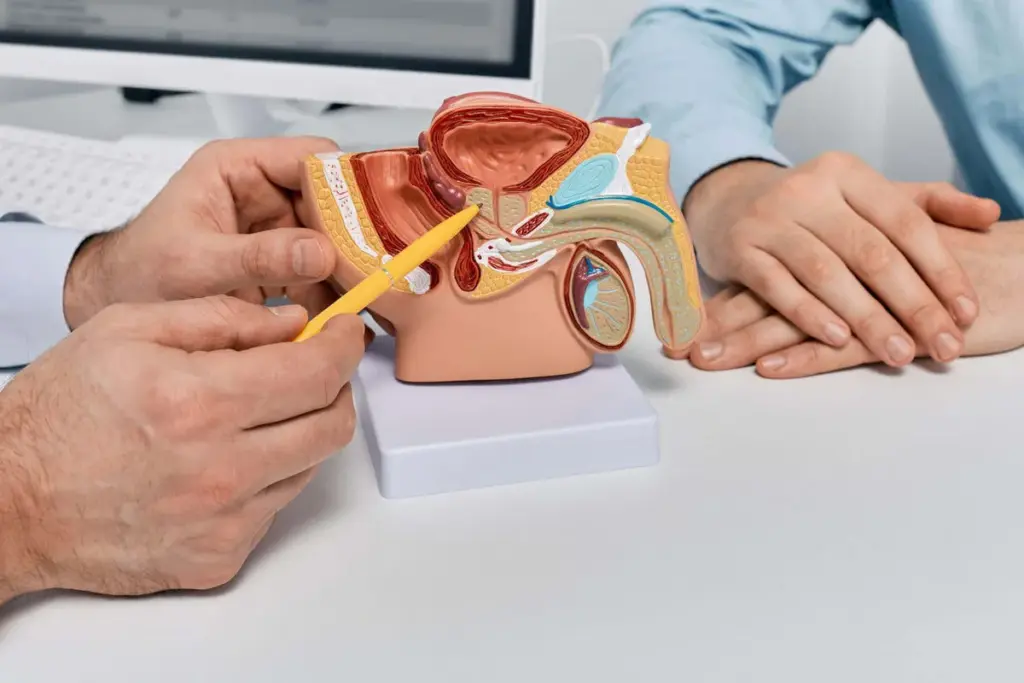
Did you know that about 15% of couples worldwide face infertility issues? Male factors are behind nearly half of these cases. A big worry is low sperm count, which can really hurt fertility hip pain at night cancer.
A healthy lifestyle is key to better male fertility. What you eat, how much you drink, and chemicals you’re exposed to matter a lot. Making smart food choices and living healthier can boost your fertility naturally.
In this guide, we’ll look at natural ways to boost testosterone and increase sperm count. You’ll learn how to improve your reproductive health.
Key Takeaways
- Knowing what affects sperm count is vital for tackling male infertility.
- Changing your diet can greatly improve sperm quality and count.
- Living healthier, including drinking more water and avoiding chemicals, can help your fertility.
- There are natural ways to increase testosterone levels.
- It takes a complete approach to really boost sperm count and male fertility.
Understanding Sperm Count
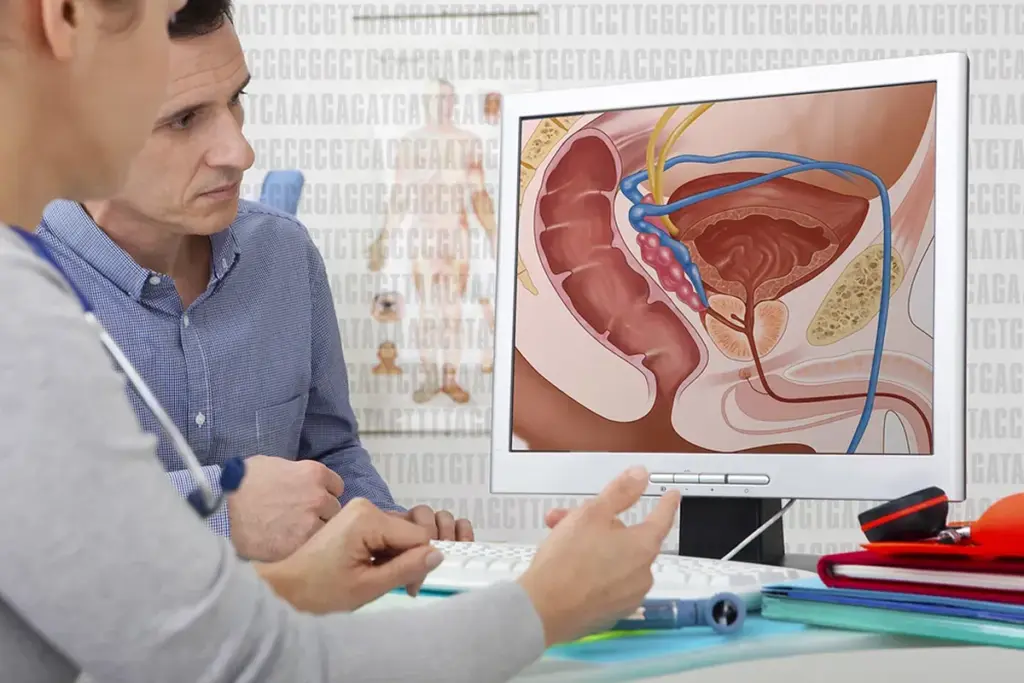
Sperm count is a key factor in male fertility. We will look into what sperm count is, why it matters, and what affects it.
Definition and Importance
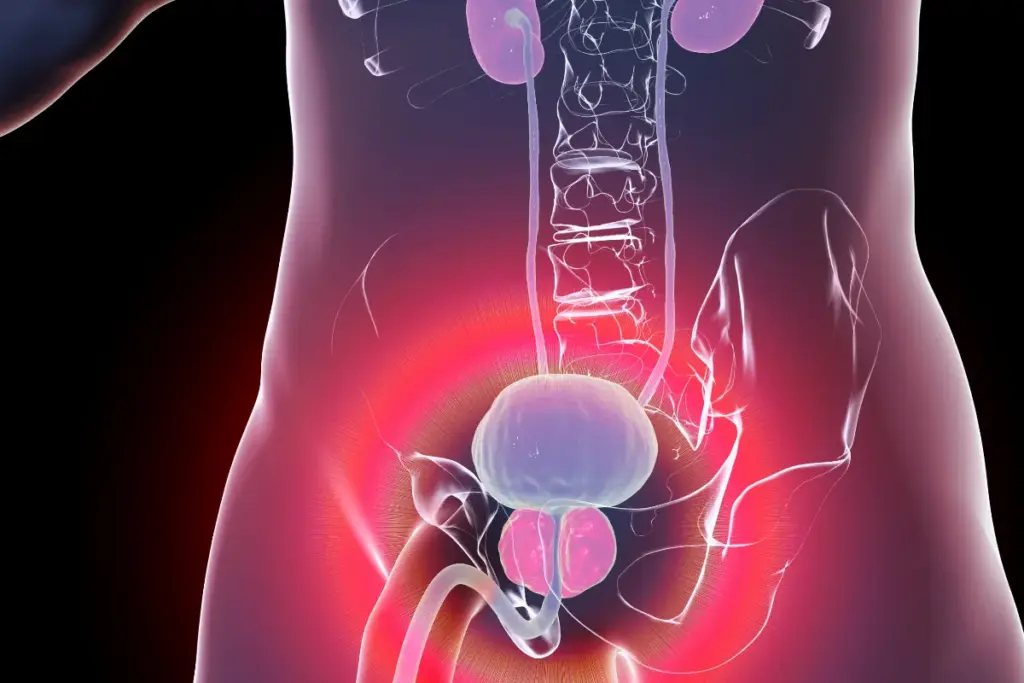
Sperm count is the number of sperm in a man’s semen. A healthy count is vital for fertility. A normal count is at least 15 million sperm per milliliter of semen. A lower count makes it harder to conceive.
The role of sperm count in fertility is huge. Issues with low count can make it tough to get pregnant. Knowing about sperm count and its factors can help men improve their fertility.
Factors Affecting Sperm Count
Many things can change sperm count. These include lifestyle choices, environmental exposures, and medical conditions. Some key factors are:
- Lifestyle Factors: Diet, exercise, smoking, and drinking can all affect sperm count.
- Environmental Exposures: Toxins, pesticides, and heavy metals can harm sperm production.
- Medical Conditions: Conditions like varicocele, infections, and hormonal imbalances can also impact sperm count.
Stress, sleep, and overall health also matter for sperm production. Testosterone, important for sperm, is influenced by these factors. Managing these can help keep sperm count healthy.
Dietary Changes to Boost Sperm Count
A well-balanced diet is key to better sperm production and fertility. The foods we eat give sperm the needed building blocks for health.
Essential Nutrients for Sperm Production
Certain nutrients are great for sperm production. Zinc is one such mineral that’s vital for sperm health. It helps with sperm count, motility, and shape.
Other important nutrients include antioxidants, vitamin D, and omega-3 fatty acids. These help protect sperm from damage and support reproductive health.
Foods to Include in Your Diet
Eating foods rich in these nutrients can boost sperm count. Foods high in zinc include:
- Oysters
- Beef
- Chicken
- Pumpkin seeds
- Cashews
Also, eating a variety of fruits, vegetables, whole grains, and lean proteins is good. For example, berries are full of antioxidants. Fatty fish are a great source of omega-3 fatty acids.
The Role of Hydration
Hydration is key for sperm production and semen quality. It’s a big part of male fertility. We’ll look at how staying hydrated affects reproductive health and give tips on daily water intake.
Impact on Sperm Production
Water is vital for all body systems, including the reproductive one. Adequate hydration keeps sperm healthy and moving well. Without enough water, semen volume and sperm count can drop, hurting fertility.
Dehydration makes the body focus on other organs first. This can hurt the reproductive system. It leads to lower semen quality and sperm production. So, staying hydrated is key for sperm health.
Recommended Daily Water Intake
The daily water intake varies, but the “8×8 rule” is common. It suggests drinking eight 8-ounce glasses a day. But, needs can change based on climate, activity, and health.
Activity Level | Recommended Water Intake |
|---|---|
Sedentary | 8 cups (64 oz) |
Moderately Active | 10 cups (80 oz) |
Very Active | 12 cups (96 oz) |
Hydration can come from water, other fluids, and foods with lots of water, like fruits and veggies.
By drinking enough water and following daily intake guidelines, men can boost their reproductive health. This may help improve sperm count and semen quality.
Alcohol Consumption and Sperm Count
Alcohol’s impact on sperm count is key to male fertility. Drinking can lower sperm quality and count, making it harder to get pregnant.
Effects of Alcohol on Reproductive Health
Drinking can harm male fertility by reducing sperm count and quality. Chronic alcohol use can also lower testosterone levels. This hormone is vital for making sperm.
A study in the Journal of Clinical Endocrinology and Metabolism found that too much drinking can lower sperm count and how well they move.
“Alcohol abuse is associated with impaired testicular function and reduced fertility in men.”
Journal of Clinical Endocrinology and Metabolism
Here are some key effects of alcohol on reproductive health:
- Reduced testosterone levels
- Decreased sperm count and motility
- Impaired sperm morphology
- Hormonal imbalances
Alcohol Consumption Level | Impact on Sperm Count |
|---|---|
Moderate | Minimal impact, but a risk |
Excessive | Significant reduction in sperm count and quality |
Chronic | Severe impact, including hormonal imbalances |
Alternatives to Alcoholic Beverages
Looking to cut down on drinking? There are many alternatives. Mocktails and virgin cocktails are fun and tasty. Herbal teas and infused water keep you hydrated.
Some popular choices include:
- Sparkling water with a splash of fruit juice
- Herbal teas like peppermint or chamomile
- Virgin mojitos made with lime, mint, and soda water
By picking these options, you can drink less and possibly boost your sperm count and fertility.
Impact of Caffeine on Sperm Quality
Caffeine is a common stimulant found in many products like coffee, tea, and chocolate. It’s also in some medicines. While it’s safe in small amounts, its effect on sperm quality is a topic of ongoing research.
Caffeine Consumption Guidelines
Knowing how much caffeine is safe is important for sperm health. The American Academy of Sleep Medicine says adults should not have more than 400 milligrams of caffeine daily. This is about three to four cups of brewed coffee. But, how much caffeine affects you can vary a lot.
Here’s a look at how much caffeine is in common drinks:
Beverage | Average Caffeine Content (mg) |
|---|---|
Cup of brewed coffee (8 oz) | 95-200 |
Teaspoon of instant coffee | 30-90 |
Cup of tea (8 oz) | 25-40 |
Can of cola (12 oz) | 30-40 |
Effects of Coffee on Sperm Count
Coffee is a big source of caffeine for many. Studies on coffee and sperm count have had mixed results. Some say too much caffeine can lower sperm count and motility. Others found no big link.
Many things can affect how caffeine impacts sperm quality. Diet, lifestyle, and health are important. For example, eating foods high in antioxidants might help counteract caffeine’s negative effects on sperm.
Key Considerations:
- Moderation is key: Consuming caffeine within recommended daily limits is advisable.
- Individual variability: People’s sensitivity to caffeine can vary significantly.
- Lifestyle factors: Overall diet and health status can influence the impact of caffeine on sperm quality.
Exercise and Sperm Count Improvement
Regular exercise boosts health and can improve sperm count and fertility. A healthy lifestyle is key for reproductive well-being. Physical activity is a big part of this.
Exercise affects sperm count in several ways. It helps keep a healthy weight, lowers stress, and boosts reproductive health. Some exercises are better than others for fertility.
Best Types of Exercises for Fertility
Not all exercises are good for sperm count. Mix these types into your routine:
- Aerobic Exercises: Brisk walking, cycling, and swimming improve heart health. This supports reproductive health.
- Strength Training: Building muscle boosts hormone levels, including testosterone. This is key for sperm production.
- Yoga and Stretching: These reduce stress and improve flexibility. High stress can harm sperm count.
Exercises that boost overall health, like cardio and strength training, also improve sperm quality.
Recommended Exercise Frequency
How often and how long you exercise matters. Aim for 150 minutes of moderate exercise or 75 minutes of vigorous exercise weekly. Break it into 30 minutes a day, five days a week.
Finding a balance is key. Too much exercise can harm your body, including reproductive health. Rest days and listening to your body are important.
In summary, a balanced exercise routine with aerobic, strength training, and stress-reducing activities can boost sperm count and fertility. By understanding the role of physical activity, you can improve your reproductive health.
Managing Stress for Better Sperm Health
Chronic stress can harm reproductive health, including sperm count and quality. It’s key to manage stress for healthy sperm production and fertility. We’ll look at how stress affects sperm health and share ways to lower stress levels.
Techniques to Reduce Stress Levels
Reducing stress is vital for sperm health. Many methods can help lower stress, such as:
- Meditation and mindfulness practices
- Yoga and other forms of exercise
- Deep breathing exercises
- Progressive muscle relaxation
These methods not only manage stress but also boost overall well-being.
The Connection Between Stress and Fertility
High stress levels can harm fertility by altering hormone production, like testosterone. This hormone is key for sperm production. Chronic stress can lower sperm count, reduce motility, and change sperm shape.
Stress Level | Impact on Sperm Health |
|---|---|
Low | Minimal impact on sperm count and quality |
Moderate | Potential decrease in sperm count and motility |
High | Significant negative impact on sperm health, including count, motility, and morphology |
Managing stress well is essential for healthy sperm production. By adding stress-reducing activities to daily life, people can support their reproductive health and overall well-being.
Sleep and Its Role in Sperm Production
Sleep is key for sperm production and reproductive health. It helps our body fix tissues, build bones and muscles, and boost our immune system. This is vital for healthy sperm.
Importance of Sleep Quality
Good sleep quality is essential for hormonal balance, which is vital for sperm production. Hormones such as testosterone are important for sperm development. Sleep deprivation can upset these hormone levels. Research shows poor sleep can lower testosterone, affecting sperm count and quality.
“Sleep is a critical factor in the regulation of hormones that are necessary for reproductive health,” says a reproductive health specialist. Ensuring good sleep quality can help maintain the delicate hormonal balance required for healthy sperm production.
Sleep Recommendations for Optimal Health
To support sperm health and overall reproductive well-being, we recommend the following sleep guidelines:
- Aim for 7-9 hours of sleep per night.
- Establish a consistent sleep schedule.
- Create a sleep-conducive environment, such as keeping the bedroom cool, dark, and quiet.
- Avoid caffeine and electronic devices before bedtime.
By prioritizing sleep and maintaining good sleep hygiene, individuals can support their reproductive health and potentially improve sperm production.
Supplements That May Help Increase Sperm Count
Certain supplements may help boost sperm count. A balanced diet is key, but supplements can fill nutritional gaps. These gaps can affect sperm health.
Popular Fertility Supplements
Many supplements support sperm health and fertility. Here are some popular ones:
- Mucuna: Known for improving sperm quality and count.
- Antioxidants (e.g., Vitamin C, Vitamin E): Reduce oxidative stress, protecting sperm.
- Zinc: Crucial for testosterone and sperm development.
- Folic Acid: Important for DNA repair and synthesis.
- Selenium: Acts as an antioxidant, safeguarding sperm from damage.
These supplements are part of fertility support formulas. But, results can vary. The effectiveness depends on the fertility issue’s cause.
Supplement | Potential Benefits |
|---|---|
Mucuna | Improves sperm quality and count |
Antioxidants (Vitamin C, E) | Reduces oxidative stress |
Zinc | Supports testosterone production and sperm development |
Folic Acid | Essential for DNA synthesis and repair |
Selenium | Protects sperm from oxidative damage |
Consultation with Healthcare Providers
Before starting supplements, talk to a healthcare provider. They can guide you based on your health and fertility goals.
Discuss these with your healthcare provider:
- Your current health status and any underlying conditions.
- The possible interactions between supplements and medications.
- The right dosages for the supplements you’re thinking about.
Working with a healthcare provider ensures you make informed choices. This helps support your fertility and sperm health.
Natural Remedies to Consider
We look into natural ways to boost sperm health, focusing on herbal remedies and traditional foods. These options can help but should not replace medical care. They can support sperm health alongside medical treatments.
Herbal Remedies for Sperm Health
Herbs have been used for ages to help with fertility. Some herbs might help make more sperm, improve their quality, or fix fertility problems. For example, maca might increase sperm count and how well they move. Ashwagandha could help by reducing stress, which is good for sperm health.
But, we must be careful with herbal remedies. Their quality and how well they work can differ a lot. This is because of how they are made and the lack of strict rules. So, it’s smart to talk to a doctor before trying any herbal supplements.
Foods with Traditional Fertility Claims
Some foods are thought to help with fertility and sperm health. These are foods full of antioxidants, vitamins, and minerals that are good for the reproductive system. For instance, foods with a lot of zinc, like oysters and pumpkin seeds, might help make more sperm. Foods with omega-3 fatty acids, like salmon, could make sperm better.
To see how these foods might help, let’s look at a list of traditional fertility foods and what they’re believed to do:
Food | Traditional Fertility Claim | Nutritional Benefit |
|---|---|---|
Oysters | Enhance sperm production | High in zinc |
Salmon | Improve sperm quality | Rich in omega-3 fatty acids |
Pumpkin Seeds | Support sperm health | Good source of zinc and antioxidants |
Spinach | Boost fertility | Rich in folate and antioxidants |
Even though these foods are good for fertility, it’s key to eat a balanced diet and live a healthy lifestyle. A healthy lifestyle supports fertility and overall well-being.
When to Seek Medical Advice
Knowing when to get medical help is key for dealing with fertility issues. We’ve talked about lifestyle changes and natural remedies to boost sperm count. But, it’s important to know when you need a doctor’s help.
Identifying Signs of Low Sperm Count
Low sperm count can really affect your ability to have kids. Signs include trouble getting pregnant, low sex drive, or trouble getting an erection. If you or your partner is showing these signs, see a doctor for a full check-up.
The Importance of Professional Fertility Evaluation
A fertility check can find problems that affect sperm count. If you’ve been trying to get pregnant for over a year, get medical advice. A doctor can give you specific advice and treatment to help with low sperm count.
Getting medical advice and a fertility check is the first step to tackle fertility issues. It can also increase your chances of getting pregnant.
FAQ
What is a normal sperm count, and how is it measured?
A normal sperm count is at least 15 million per milliliter of semen. It’s checked through a semen analysis. This test looks at sperm health, including count, motility, and shape.
How can dietary changes help improve sperm count?
Dietary changes can boost sperm count by adding nutrients like zinc and vitamin D. Foods like oysters, leafy greens, and nuts are good choices.
Can hydration levels affect sperm production?
Yes, staying hydrated is key for sperm production. Drinking enough water helps keep semen quality good. Aim for eight glasses of water a day.
How does alcohol consumption impact sperm count?
Too much alcohol can harm sperm count and male fertility. It changes hormone levels and damages sperm DNA. Cutting down or avoiding alcohol helps.
Is caffeine consumption safe for men trying to conceive?
Most men can safely have a little caffeine. But too much can hurt sperm quality. Stick to 200-300 milligrams a day, like in one to two cups of coffee.
What types of exercises are best for improving sperm count?
Exercising regularly, like jogging or swimming, boosts fertility. It improves health and reduces stress. Try to exercise for 30 minutes daily.
How does stress affect sperm health, and what can be done to manage it?
Stress can harm sperm health by changing hormone levels and lowering sperm count. Try meditation, yoga, or deep breathing to manage stress.
How important is sleep for sperm production?
Good sleep is vital for sperm production and reproductive health. Aim for 7-9 hours of sleep each night to support sperm health.
Are there any supplements that can help increase sperm count?
Supplements like zinc and vitamin D might help sperm health. But talk to a doctor before taking them to make sure they’re safe and work well.
What are some natural remedies that may support sperm health?
Herbs like maca and ashwagandha, and foods like oysters and pumpkin seeds, might help. But more research is needed to confirm their benefits.
When should I seek medical advice for fertility issues?
If you’re having trouble conceiving or worry about your sperm count, see a doctor. Signs like low ejaculate volume or poor sperm motility may mean you need a fertility check.
What foods are rich in zinc, and how can they support sperm health?
Foods like oysters, beef, chicken, and pumpkin seeds are full of zinc. Zinc is important for sperm production and testosterone. Eating these foods can help with fertility.
Can dogs eat chia seeds, and is there a link to human sperm health?
Chia seeds are safe for dogs in small amounts. Their link to human sperm health is through their nutrients, like omega-3s and antioxidants, which support overall health.
How can I increase sperm volume overnight, and is it possible?
Increasing sperm volume overnight is unlikely. Sperm health depends on long-term lifestyle and diet. Staying hydrated, avoiding too much alcohol, and eating well can help sperm health.
What are some effective ways to produce more semen?
To make more semen, stay hydrated, eat a healthy diet, and avoid bad habits like too much alcohol and smoking.
References
World Health Organization. Evidence-Based Medical Insight. Retrieved from https://www.who.int/news/item/27-07-2021-who-issues-new-guidance-on-infertility-care-who-recommends-earlier-and-improved-diagnosis-and-treatment-for-people-facing-fertility-problems[who.int