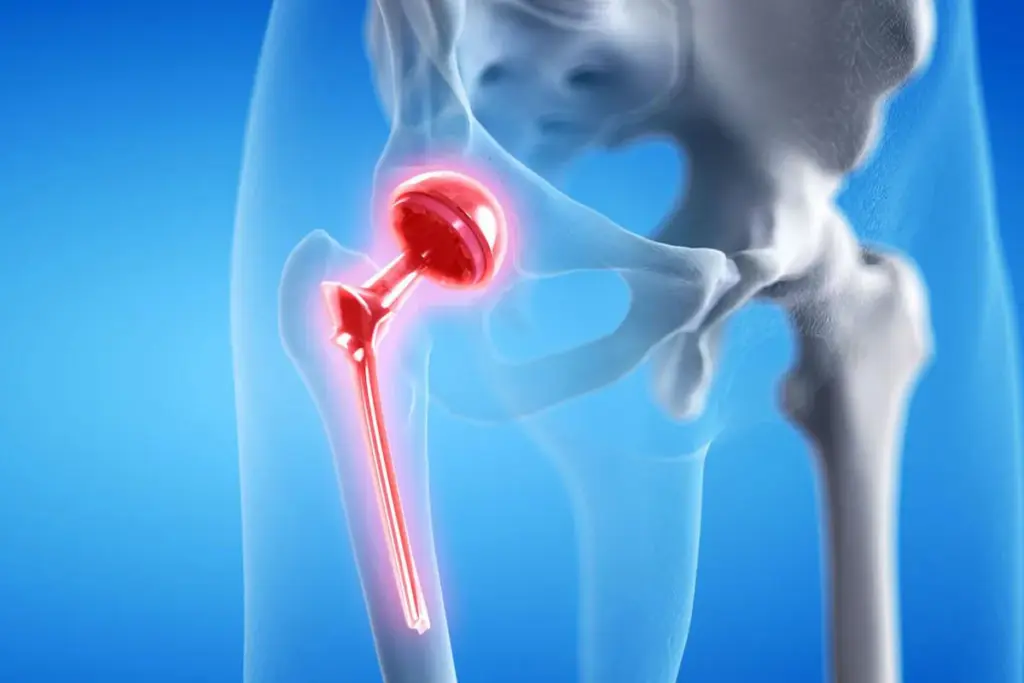
If your doctor has suggested a hip replacement but you’re hesitant, you’re not alone.
Discover the hip replacement recovery time 70 year-old patients can expect. Learn essential tips for an amazing and healthy recovery process.
Many people need this procedure to find relief from pain. But, they are reluctant to undergo surgery.
Delaying surgery can lead to further complications. It can also decrease your quality of life.
Understanding the risks of delaying hip replacement surgery is key. It helps you make an informed decision.
Key Takeaways
- Delaying surgery can lead to further complications.
- Understanding the risks is key for making an informed decision.
- Hesitation is common among those who need hip replacement.
- Surgery can significantly improve your quality of life.
- Consulting with a doctor is essential for determining the best course of action.
Understanding Hip Deterioration and Its Progression

It’s important to know why hips can get worse and when surgery might be needed. Many things can cause hip problems, leading to the need for a replacement if not treated.
Common Causes of Hip Joint Damage
Hip joints can get damaged in several ways. Osteoarthritis, or degenerative joint disease, is the top reason. It happens when the cartilage and bone wear out. Other causes include rheumatoid arthritis, injuries, and genetics.
Osteoarthritis makes the cartilage wear down, causing pain and stiffness. When the cartilage is gone, the bone underneath can get damaged too, making things worse.
Natural Progression of Hip Arthritis
Hip arthritis can get worse over time if not treated. At first, symptoms might be mild. But as it gets worse, pain can get stronger, and moving around can become harder.
The disease goes through stages, like cartilage loss, inflammation, and bone rubbing against bone. Knowing these stages helps figure out when surgery is needed.
- Cartilage degradation
- Inflammation and pain
- Bone-on-bone contact
Immediate Consequences of Delaying Hip Replacement

Delaying hip replacement surgery can lead to many immediate problems. These issues can greatly affect a person’s quality of life. Postponing the surgery can cause more pain, less mobility, and make daily tasks harder.
Increasing Pain and Discomfort
One big problem of delaying hip replacement is more pain and discomfort. As the hip joint gets worse, pain levels go up. This pain is not just in the hip but also in other areas because of how we move.
This pain can really hurt, not just our mobility but our overall health too.
Reduced Mobility and Function
Delayed hip replacement also means less mobility and function. As the hip joint gets more damaged, moving becomes harder. Doing everyday tasks becomes a big challenge.
This makes it tough to do things we used to enjoy.
The table below shows how delayed hip replacement can affect mobility and function:
|
Activity |
Pre-Delay |
Post-Delay |
|---|---|---|
|
Walking Distance |
500 meters |
100 meters |
|
Climbing Stairs |
Easy |
Difficult |
|
Standing for Long Periods |
Comfortable |
Painful |
Impact on Daily Activities
Delaying hip replacement surgery affects daily life a lot. Simple tasks like getting dressed or cooking become hard because of pain and less mobility. This can make us lose our independence, affecting our quality of life.
It’s important to think about these effects when deciding when to have hip replacement surgery. Knowing what delaying the surgery can do helps us make better choices about our health.
Long-term Physical Effects of Untreated Hip Problems
Untreated hip problems can have serious long-term effects. They can cause a range of issues that affect not just the hip but the whole body.
Progressive Joint Deformity
Progressive joint deformity is a major concern. As the hip joint gets worse, its shape and alignment can change. This leads to more wear and tear on the bone and cartilage. It causes chronic pain and limits how well you can move.
Muscle Atrophy and Weakness
Muscle atrophy and weakness are also big problems. If the hip hurts or is hard to move, people might not use it as much. This can cause the muscles around the hip to shrink. Losing muscle mass can make recovery from hip replacement surgery longer and weaker.
Compensatory Movement Patterns
Untreated hip problems can also lead to compensatory movement patterns. People might change how they walk or move to avoid pain. This puts extra stress on other parts of the body, like the lower back, knees, or ankles. These changes can cause more problems and make recovery harder when hip replacement is done.
In summary, untreated hip problems can have serious long-term effects. They can greatly affect a person’s quality of life. It’s important to seek medical help early to avoid these issues.
How Postponing Surgery Affects Quality of Life
Choosing to delay hip replacement surgery can change many parts of life. It affects sleep and how we interact with others. Hip pain can make moving hard and hurt our overall happiness.
Sleep Disturbances and Chronic Fatigue
Hip damage can mess up our sleep. Chronic pain from hip problems makes it hard to sleep well. This can lead to feeling tired all the time, making life less enjoyable.
As hip issues get worse, pain doesn’t go away. This makes it hard to sleep well. It affects not just the person but also their family and friends.
Social Isolation and Psychological Impact
When we can’t move as well and feel more pain, we might stay away from social events. This social isolation can hurt our mental health. It can cause depression and anxiety.
It’s important to remember the mental side effects. They can make it harder to move and hurt our mental health even more.
Loss of Independence
Waiting too long for surgery can make us lose our independence. Simple things become hard, and we need help more. Losing our freedom is hard, as we value being able to do things on our own.
Getting surgery can help us move better and feel more independent. It’s important to think about the long-term effects of waiting for surgery.
Secondary Health Issues from Untreated Hip Problems
Ignoring hip problems can lead to many other health issues. When we don’t treat hip problems, our body finds ways to compensate. This can cause a variety of secondary health problems.
Back, Knee, and Ankle Problems
Untreated hip problems often cause or worsen issues in the back, knee, and ankle. Altered gait patterns from hip pain can stress these areas. This leads to pain and discomfort.
Increased Fall Risk
Hip problems can make it hard to move and balance. This increases the risk of falls. Falls are a big worry for older adults, as they can cause serious injuries like fractures.
Cardiovascular Deconditioning
Reduced mobility from hip issues can also harm the heart. As people move less to avoid pain, their heart health can decline. This can lead to serious health problems.
In conclusion, ignoring hip problems can harm our overall health. It affects not just the hip but also other important areas.
Hip Replacement Recovery Time 70 Year-Old Patients
The journey to recovery after hip replacement surgery for 70-year-olds is complex. It includes immediate care, physical therapy, and getting back to daily life. Knowing this helps patients prepare for what’s ahead.
Hospital Stay and Immediate Post-Op Period
Hospital stays for hip replacement surgery usually last 1 to 3 days. This depends on the patient’s health and the surgery’s complexity. During this time, patients are watched for any issues, and managing pain is key.
The stronger you are before surgery, the stronger you’ll be right after. This shows how important staying active before surgery is.
Right after surgery, patients are encouraged to move gently and breathe deeply. This helps avoid blood clots and pneumonia. They also learn how to safely move around, like getting out of bed.
Physical Therapy Timeline
Physical therapy starts soon after surgery, usually within a few days. For 70-year-olds, therapy is customized based on their progress and health. At first, it focuses on basic movements like walking with help. Then, it moves to more challenging exercises to build strength and flexibility.
Physical therapy for hip replacement patients can last several months. They usually go 2 to 3 times a week. Sticking to the therapy plan is key for the best results.
Return to Normal Activities
Getting back to normal after hip replacement surgery takes time for 70-year-olds. It’s common to start with light activities in 6 to 8 weeks. But, full recovery can take 3 to 6 months.
What affects recovery includes the patient’s health before surgery, following physical therapy, and overall health. Patients should avoid high-impact activities and slowly increase their activity level. With the right care and rehab, many 70-year-olds see big improvements in their quality of life after surgery.
Comparing Recovery Times Across Age Groups
Recovery from hip replacement surgery depends on several factors, including the patient’s age. Most surgeries are done on people between 60 and 80 years old. It’s important to know how age affects recovery.
Younger patients usually recover faster than older ones. This is because they often have fewer health problems and are more physically fit. But, recovery times can vary a lot from person to person.
Recovery for 60 Year-Olds
For a 60-year-old, the hip replacement recovery time is generally shorter. These patients usually have fewer health issues and are more active. This helps them recover faster.
A 60-year-old can usually get back to normal activities in 6 to 8 weeks. Full recovery might take up to 3 months.
Recovery for 75 Year-Olds
Patients aged 75 might take a bit longer to recover. They often have more health problems and are less physically strong. This can make recovery slower.
A 75-year-old’s recovery time can be from 8 to 12 weeks. Some might need more time to get back to full strength and mobility.
Recovery for 80 Year-Olds
At 80 years old, patients face more health challenges. This can make recovery longer. The hip replacement recovery time for 80 year-olds can be up to 4 months or more.
It’s vital for older patients to have a strong support system. They should also follow a tailored rehabilitation plan for the best results.
Recovery for 50 Year-Olds
Patients aged 50 tend to recover faster. Being younger, they usually have fewer health problems and are more physically fit. This makes it easier for them to get back to normal activities.
The hip replacement recovery time for 50 year-olds is usually 6 to 8 weeks for initial recovery. Full strength and mobility can return in 2 to 3 months.
In conclusion, while age is a big factor in hip replacement recovery, health and rehabilitation are also key. Knowing these factors helps patients and healthcare providers set realistic goals. It also helps in creating effective recovery plans.
How to Know When You Need Hip Replacement
If you’re dealing with ongoing hip pain, figuring out if hip replacement is right for you is key. It’s a big decision that needs careful thought and a full check-up of your health.
Key Symptoms Indicating Surgical Necessity
There are a few main signs that might mean you need hip replacement surgery. These include:
- Chronic hip pain that makes daily tasks hard
- Stiffness and a limited range of motion
- Pain that doesn’t go away, even when you’re resting
- When other treatments don’t help
They can check how serious your condition is and suggest the best course of action.
Diagnostic Tests and Evaluations
To figure out if you need hip replacement, several tests and checks are done. These might include:
- X-rays to see how much damage there is to the joint
- MRI or CT scans to look at the soft tissues around the joint
- A physical exam to check how you move and how much pain you’re in
These tests help doctors understand how bad the hip damage is. They then decide if hip replacement surgery is needed.
By knowing the main symptoms and getting the right tests, patients can make smart choices about their treatment. This is the first step to getting back your mobility and improving your life.
Why Do People Need Hip Replacements?
People need hip replacements due to hip joint damage. This surgery is a last resort for those with severe hip problems. These problems greatly affect their daily life.
The main reason for hip replacement is osteoarthritis. This disease wears down the cartilage in the hip joint. It causes pain, stiffness, and makes moving hard.
Osteoarthritis and Age-Related Degeneration
Osteoarthritis is a common part of aging. But, it can also be sped up by genetics, being overweight, and injuries. As the cartilage wears out, bones rub against each other, causing pain and limiting movement.
Rheumatoid Arthritis and Inflammatory Conditions
Rheumatoid arthritis is another big reason for hip damage. This disease makes the joints inflamed, leading to cartilage and bone loss. Other inflammatory diseases can also lead to the need for hip surgery.
The ongoing inflammation from rheumatoid arthritis harms the hip and overall health. Getting medical help early is very important.
Traumatic Injuries and Fractures
Traumatic injuries, like fractures, can also require hip replacement. Severe damage from accidents or falls may need surgery to fix. This surgery helps restore function and ease pain.
In some cases, a fracture can cause avascular necrosis. This is when bone tissue dies because it doesn’t get enough blood. This makes hip replacement even more necessary.
Understanding these causes helps people see why hip replacement surgery is needed. It shows how it can improve mobility and quality of life.
Average Age for Hip Replacement Surgery
Knowing the average age for hip replacement surgery helps us understand the health of older people. This surgery is common for those with severe hip arthritis or other conditions. The choice to have surgery depends on how bad the symptoms are, overall health, and lifestyle.
Current Trends in Hip Replacement Demographics
Recent data shows interesting trends in hip replacement. Women aged 75–79 years get the most hip replacements. This shows hip issues are common in older adults, mainly women. The average age for this surgery is usually between 65 to 80 years.
Women are more likely to get hip replacements because they live longer and have more osteoporosis. Knowing this helps healthcare providers plan better for this group.
Average Age of Female Hip Replacement Patients
The average age of women getting hip replacements is important. Studies show women are more likely to have surgery at an older age. The most common age range for women is 75 to 79 years, as recent data shows.
This info is key for orthopedic surgeons and healthcare providers. It helps them prepare for the needs of their patients. By understanding these trends, providers can better meet the demands of hip replacement surgeries and care after.
Key Takeaways:
- The average age for hip replacement surgery is generally between 65 to 80 years.
- Women aged 75–79 years are the most common demographic for hip replacement.
- Understanding demographic trends can help in planning healthcare services.
Hip Surgery Recovery Time for Elderly Patients
Hip surgery recovery for the elderly needs careful thought. Their physical state and post-operative care are key. Elderly patients often face a longer and more challenging recovery. This is due to comorbidities and decreased physical reserve.
As people age, their bodies change. Older adults may have less muscle, bone density, and heart health. These changes can affect their recovery.
Special Considerations for Seniors
Seniors need personalized care plans for hip surgery. This includes managing chronic conditions like diabetes or heart disease. These conditions can make recovery harder.
Pre-operative preparation is key. It involves optimizing their health, improving nutrition, and planning for care after surgery.
- Assessing and managing chronic health conditions
- Improving nutritional status to support healing
- Planning for post-operative care and rehabilitation
Support Systems and Care Requirements
A strong support system is essential for elderly patients after hip surgery. This includes family, professional caregivers, and home modifications. These help ensure a safe recovery environment.
|
Support System |
Description |
Benefits |
|---|---|---|
|
Family Support |
Assistance from family members with daily activities and medication management. |
Emotional support, reduced burden on caregivers. |
|
Professional Caregivers |
Trained caregivers providing medical and personal care. |
Expertise in managing post-operative needs, flexibility in care scheduling. |
|
Home Modifications |
Adjustments to the home environment to prevent falls and improve mobility. |
Enhanced safety, reduced risk of complications. |
Understanding the special needs and support systems helps healthcare providers tailor care. This improves recovery outcomes for elderly patients.
Hip Replacement Success Rates and Outcomes
Every year, over 450,000 hip replacement surgeries are done in the U.S. This makes it one of the most successful orthopedic surgeries. The success comes from better surgery techniques, better prosthetics, and better care after surgery.
Hip replacement surgery greatly improves life for those with severe hip arthritis or damage. It’s measured by how much pain it reduces, how much it improves mobility, and how well patients can do daily activities.
Statistical Success Rates by Age Group
Research shows hip replacement surgery works well for many ages. A study in a top orthopedic journal found those 60-70 years old do best. But, success rates are high for all ages, with some differences.
- Patients under 60: High success rates, with most returning to active lifestyles.
- Patients between 60-75: Very high success rates, with significant pain reduction and improved mobility.
- Patients over 75: High success rates, though with slightly more complications due to comorbidities.
Factors Affecting Successful Outcomes
Many things affect how well hip replacement surgery works. These include the patient’s health, any other health issues, the surgeon’s skill, and how well the patient recovers after surgery.
Key factors influencing successful outcomes:
- Surgeon Experience: More experienced surgeons usually get better results.
- Patient Selection: Choosing the right patients based on their health and if they’re good candidates for surgery.
- Rehabilitation Protocols: Good care after surgery is key for getting strong and mobile again.
- Prosthetic Quality: The quality and type of prosthetic used can affect how long it lasts and how well it works.
Knowing these factors and success rates by age helps patients and doctors make better choices about hip replacement surgery.
Hip Replacement Complications Years Later
Hip replacement surgery can greatly improve your life. But, it’s important to know about long-term complications. A new hip implant usually lasts 10 to 15 years, depending on care.
Potential Long-term Complications
Years after surgery, patients may face several complications. These include:
- Wear and tear of the implant, leading to loosening or failure
- Infection, which can be deep or superficial
- Dislocation of the hip replacement
- Fracture around the implant
- Adverse reactions to the materials used in the implant
It’s vital for patients to know about these complications to stay healthy. Regular visits to healthcare providers are key for early detection and management.
Monitoring and Managing Late Complications
Managing late complications involves regular check-ups, education, and sometimes, more surgery. Patients should tell their healthcare provider about any new or worsening symptoms.
As a study found, “Regular follow-up is key for catching complications early and keeping the hip replacement working well.” Regular checks can spot issues before they get worse.
“The key to managing long-term complications lies in a proactive approach, including regular check-ups and patient education.”
By knowing about long-term complications and taking action, patients can enjoy their hip replacement for many years.
Non-Surgical Alternatives to Hip Replacement
If you’re not ready for hip replacement surgery, there are other ways to feel better. These options help manage symptoms and improve how you move without surgery.
First, let’s talk about conservative treatments. These are often the first step in dealing with hip issues. They include:
- Lifestyle Modifications: Losing weight can ease the pressure on your hip. This might help with pain and make moving easier.
- Medications: You can try over-the-counter pain relievers and anti-inflammatory drugs. They can help with pain and swelling.
- Physical Therapy: A physical therapist can create a workout plan. This plan will strengthen your hip muscles, improve flexibility, and make your joint more stable.
- Steroid Injections: These injections can give you temporary relief from pain and swelling.
Conservative Treatment Options
Conservative treatments aim to lessen symptoms and boost function. They are often used together for the best results.
Physical therapy is key in conservative care. A physical therapist will create a workout plan. This plan will include:
- Exercises to strengthen the hip joint
- Flexibility exercises to increase range of motion
- Low-impact exercises to improve heart health without harming the hip
Effectiveness and Limitations of Non-Surgical Approaches
Non-surgical methods can help a lot, but they work differently for everyone. It’s important to know they might not get rid of all symptoms. But, they can make life better.
The downsides of non-surgical methods are:
- Temporary relief: Some treatments, like steroid injections, only last a short time.
- Variable response: People react differently to the same treatment.
- Lack of addressing underlying issues: These treatments might not fix the real cause of hip problems.
In summary, non-surgical options can help manage symptoms and improve life quality. But, it’s important to talk to healthcare experts to find the best treatment for you.
Conclusion: Making an Informed Decision About Hip Replacement
Deciding to undergo hip replacement surgery is a significant and impactful choice that requires careful consideration. It’s important to understand how hip problems get worse, what happens if you wait too long, and what recovery is like. Knowing these things helps you make a smart choice about hip replacement.
We’ve looked at how untreated hip issues affect you now and later. We’ve also talked about how hip replacement can improve your life. By thinking about these points and talking to doctors, you can decide what’s best for you.
Deciding on hip replacement means looking at your own situation, how bad the damage is, and your health. This way, you can get the best results and live better.
FAQ
What is the average age for hip replacement surgery?
The average age for hip replacement surgery is about 65 years old. But, it can happen to people of different ages. It depends on their health and condition.
How long is the recovery time for hip replacement surgery?
Recovery time varies. It depends on age, health, and other factors. Most people recover in 3-6 months. Some might take up to a year.
What are the common causes of hip joint damage that may require hip replacement?
Osteoarthritis, rheumatoid arthritis, injuries, and fractures are common causes. These can cause a lot of pain and make it hard to move.
What are the immediate consequences of delaying hip replacement surgery?
Delaying surgery can make pain worse and mobility harder. It can also lower your quality of life. You might face other health problems and have a higher risk of falls.
How does hip arthritis naturally progress, and what are the possible consequences of not addressing it?
Hip arthritis can slowly damage the joint. If not treated, it can cause a lot of pain and make moving hard. Surgery can help improve your life.
What are the long-term physical effects of untreated hip problems?
Untreated hip problems can cause joint damage and muscle loss. They can also lead to bad movement patterns. This can make recovery harder and affect your health.
How does postponing hip replacement surgery affect quality of life?
Waiting too long can lead to sleep problems, feeling isolated, and losing independence. Chronic hip issues can also affect your mental health, lowering your overall well-being.
What are the secondary health issues that can arise from untreated hip problems?
Untreated hip problems can cause back, knee, and ankle issues. They can also increase the risk of falls and affect your heart health. These problems can make your overall health worse.
What is the success rate of hip replacement surgery?
Hip replacement surgery is usually very successful. Most people feel less pain and can move better. Success rates vary by age, but it’s a good treatment option.
What are the possible complications that can arise years after hip replacement surgery?
Long-term complications include implant loosening, wear, and infection. Regular check-ups can help manage these issues and ensure the best results.
Are there non-surgical alternatives to hip replacement?
Yes, there are non-surgical options like physical therapy and pain management. But, surgery might be needed in some cases.
How can I determine if I need hip replacement surgery?
Talk to an orthopedic specialist to see if you need surgery. They will check your condition, discuss your symptoms, and suggest tests. If you have a lot of pain, can’t move well, or your quality of life is low, surgery might be necessary.
Reference
National Center for Biotechnology Information. Evidence-Based Medical Insight. Retrieved from https://pmc.ncbi.nlm.nih.gov/articles/PMC1905934/