
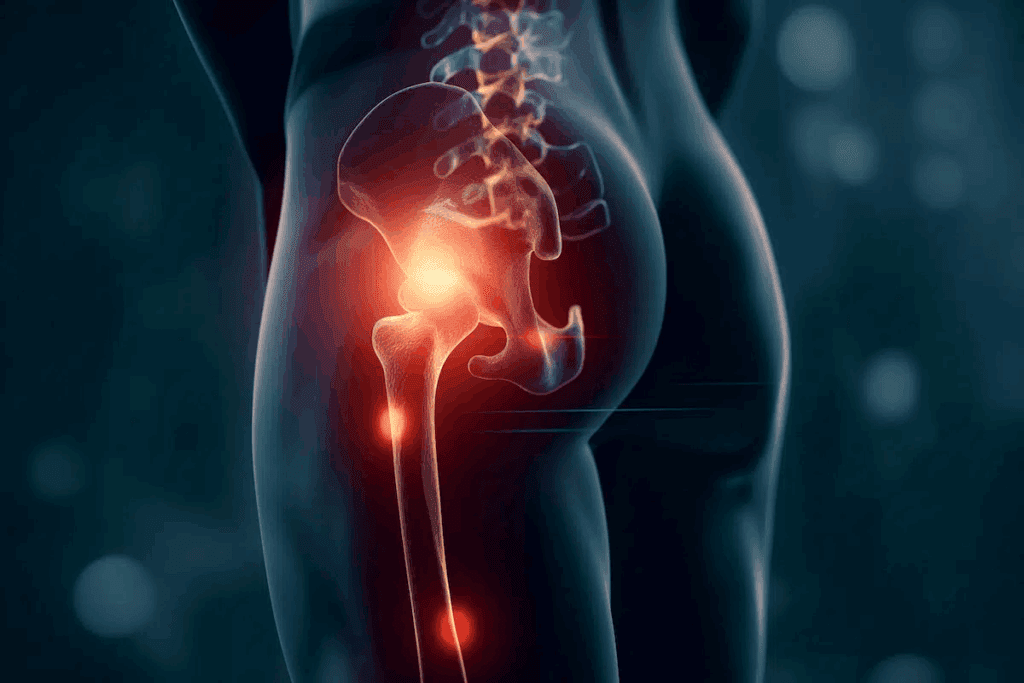
For those with chronic hip pain, a new hope exists: Hip RFA, or hip nerve ablation. This treatment has shown great promise, with over 75% of patients feeling much better. Dr. Jason Billinghurst says, “Radiofrequency ablation offers powerful, long-lasting relief for chronic pain by targeting the source and disrupting pain signals.”
At Liv Hospital, we focus on top-notch healthcare that puts patients first. We know how important it is to explore new treatments like Hip RFA for lasting pain relief. As we share the seven key facts about this procedure, we want to help patients make informed choices about their health.
Key Takeaways
- Hip RFA is a minimally invasive procedure for chronic hip pain.
- Over 75% of patients report significant pain relief after the treatment.
- Radiofrequency ablation targets the source of pain, disrupting pain signals.
- Liv Hospital is dedicated to patient-centered, innovative care.
- Understanding Hip RFA is key for those seeking lasting relief.
What You Need to Know About Hip Pain Management
Managing hip pain is key to a good quality of life. Chronic hip pain can really affect your daily life, sleep, and happiness. It’s important to know about the challenges of hip pain and the treatment options available.
The Challenge of Chronic Hip Pain
Chronic hip pain is a long-term issue that can come from many sources. This can greatly reduce your quality of life, making it hard to move and causing more pain. We understand how serious this problem is and aim to tackle it fully.
The reasons for chronic hip pain can be complex. They include:
- Degenerative conditions like osteoarthritis
- Trauma or injury
- Overuse or repetitive strain
When Traditional Treatments Fall Short
Traditional treatments for hip pain include medicine, physical therapy, and changes in lifestyle. But these may not work well enough for severe or long-term cases. In these situations, Hip RFA can be a good alternative.
Hip RFA is a small procedure that targets the nerves causing pain. It can cut off these nerves, giving lasting pain relief. We’ll look into this treatment more in the next sections.
Hip RFA: The Science Behind This Advanced Pain Relief Technique
Hip RFA targets specific nerves that send pain signals. It’s a minimally invasive method that’s getting a lot of attention for treating chronic hip pain.
How Radiofrequency Ablation Works
Radiofrequency ablation heats up a small nerve area with electrical currents. This stops pain signals from reaching the brain. A special device sends radiofrequency waves to the nerve, guided by images.
This method focuses on the femoral and obturator nerves. It helps with pain in the groin, thigh, and glutes.
Hip RFA is precise, which is a big plus. It targets the right nerves without harming other tissues. This makes the treatment more effective and speeds up recovery.
Evolution of Hip Nerve Ablation Technology
Hip Nerve Ablation technology has come a long way. The early versions were not as precise and had mixed results. But, new imaging tech and better ablation devices have made Hip RFA much more accurate and effective.
Today’s Hip RFA uses advanced imaging like ultrasound and fluoroscopy. These tools help doctors see the nerves clearly. Also, the radiofrequency technology has improved, allowing for more controlled energy delivery.
- Enhanced precision through advanced imaging
- Improved efficacy due to better technology
- Increased safety with more controlled energy delivery
Key Fact #1: Impressive Success Rates of Hip Nerve Ablation
Hip nerve ablation is a highly effective treatment for chronic hip pain. It has shown impressive success rates in clinical studies. This procedure offers lasting pain relief to patients who have tried other treatments without success.
Clinical Studies and Evidence-Based Results
Many clinical studies have looked into hip RFA’s effectiveness. The results show it can significantly reduce pain for many patients. Over 75 percent of patients reported more than 50 percent pain relief at 12 months.
One major advantage of hip RFA is it can greatly reduce the need for pain medication. Studies found that pain medication use dropped significantly after the procedure. This is good news for those trying to cut down on medication.
Patient-Reported Outcomes and Satisfaction
Patients have reported very positive outcomes, with high satisfaction rates. The big drop in pain levels has helped them move better and live better lives.
| Outcome Measure | Pre-Procedure | Post-Procedure (12 months) |
| Pain Relief | Minimal | >50% in 75% of patients |
| Pain Medication Use | High | Significantly reduced |
| Patient Satisfaction | N/A | High |
The table above shows the positive results of hip RFA. It highlights the procedure’s success in reducing pain and boosting patient satisfaction.
Key Fact #2: Targeted Nerve Pathways in Hip Ablation Procedures
In hip ablation, knowing the nerve pathways is key for pain relief. Hip nerve ablation, or Radiofrequency Ablation (RFA), targets nerves to block pain signals to the brain.
Femoral and Obturator Nerves: Anatomy and Function
The femoral and obturator nerves are important for hip pain. The femoral nerve covers the front of the thigh and lower leg. The obturator nerve is for the inner thigh. These nerves are main targets in hip RFA.
The nerves have complex anatomy with many branches. Knowing this is vital for the procedure’s success.
| Nerve | Function | Area of Sensation |
| Femoral Nerve | Sensation and Motor Control | Front of Thigh, Parts of Lower Leg |
| Obturator Nerve | Sensation | Inner Thigh |
How Precision Targeting Maximizes Relief
Targeting the femoral and obturator nerves precisely is key for pain relief in hip RFA. Advanced imaging helps healthcare providers find these nerves accurately.
Precision targeting makes the procedure more effective. It also reduces side effects by avoiding damage to nearby tissues. This makes the treatment safe and effective.
The success of hip RFA depends on finding and targeting the right nerves. Focusing on the femoral and obturator nerves helps patients with chronic hip pain find relief.
Key Fact #3: Ideal Candidates for Hip RFA Treatment
Chronic hip pain from osteoarthritis is tough to handle. Hip RFA might offer a lasting solution. It’s clear that some people can greatly benefit from this treatment.
Osteoarthritis Patients and Hip Pain Patterns
Osteoarthritis causes a lot of pain and discomfort in the hip. Hip RFA has shown promise in managing this type of pain. It targets the nerves that send pain signals to the brain.
Patients with osteoarthritis often have pain that Hip RFA can help with. This pain makes daily activities hard and lowers quality of life. Hip RFA can block these pain signals, improving function and well-being.
Non-Surgical Candidates and Alternative Options
For those not good candidates for hip replacement surgery, Hip RFA offers a valuable alternative. It’s a minimally invasive way to get pain relief without major surgery.
Hip RFA is great for non-surgical candidates because it’s low-risk. It can be done on an outpatient basis, so patients can go home the same day. This is good for those at risk for surgical complications.
Understanding who is a good fit for Hip RFA helps us find the right patients. As research and technology improve, Hip RFA could help more people with chronic hip pain.
Key Fact #4: The Femoral Obturator Nerve Block Technique
The femoral obturator nerve block technique is key in Hip RFA procedures. It ensures nerves are targeted accurately. This method has changed pain management, giving lasting relief.
Step-by-Step Procedure Overview
The technique starts with advanced imaging to find the nerves. Then, a block is done to check the target area. After that, the RFA procedure ablates the nerves for pain relief.
The procedure uses fluoroscopy for safe and effective needle placement. This allows for real-time visualization.
Advanced Imaging for Precise Nerve Localization
Advanced imaging is essential for the technique’s success. We use fluoroscopy and ultrasound to find nerves accurately. This ensures precise targeting and reduces risks.
It also makes pain management more personalized. Tailoring the procedure to each patient’s anatomy leads to better results.
| Imaging Modality | Benefits | Role in Femoral Obturator Nerve Block |
| Fluoroscopy | Real-time visualization, precise needle placement | Guiding needle to target nerves |
| Ultrasound | Soft tissue visualization, nerve identification | Identifying nerve anatomy, confirming needle placement |
Combining the femoral obturator nerve block with advanced imaging leads to precise Hip RFA procedures. This results in better pain relief and outcomes for patients.
Key Fact #5: Long-Term Effectiveness of Hip Ablation
It’s important to know how long Hip Ablation lasts for those thinking about it. The time pain relief lasts can differ a lot. We need to look at what affects how long it lasts.
Duration of Pain Relief: What to Expect
Long-term relief lasting 6-12 months is common, studies say. Some people even get relief for years. A study in the Journal of Pain Research showed pain reduction for up to 12 months after the procedure. But, results can change based on many things.
Why does relief time vary? It depends on the cause of hip pain, how well the procedure was done, and the patient’s health. We’ll dive into these details next.
Factors Affecting Treatment Longevity
Several things can change how long Hip Ablation works. These include:
- The severity of the underlying condition causing hip pain
- The accuracy of nerve targeting during the procedure
- Patient lifestyle factors, such as activity level and overall health
- The presence of any comorbid conditions that may affect pain perception or treatment response
To understand how these factors affect treatment longevity, let’s look at the data in the table below:
| Factor | Impact on Treatment Longevity | Example |
| Underlying Condition Severity | More severe conditions may result in shorter relief duration | Advanced osteoarthritis |
| Precision of Nerve Targeting | Higher precision generally leads to longer relief | Use of advanced imaging techniques |
| Patient Lifestyle | Active lifestyle may contribute to longer relief | Regular exercise and healthy weight |
In conclusion, Hip Ablation can offer lasting pain relief for many. Knowing what affects how long it lasts helps us better help our patients. This way, we can make sure they get the best results from their treatment.
Key Fact #6: Recovery and Post-Procedure Experience
Understanding the recovery process is key for those thinking about Hip RFA. We explain what to expect right after and in the long run.
Immediate Post-Procedure Effects
After Hip RFA, most patients feel little pain. “The procedure is generally well-tolerated,” doctors say. Some might feel numbness or weakness, but these side effects go away in a few days.
We note that most patients can get back to normal in 24-48 hours. This shows how quick the recovery is.
Long-Term Recovery Timeline
The recovery time for Hip RFA varies, but big improvements come in a few weeks. It’s vital to follow the doctor’s instructions for the best recovery.
Gradual improvement is expected as nerves heal. Patients often see better mobility and less pain over time.
Results can differ for everyone. We suggest talking to your doctor about what to expect. They can give you advice tailored to you.
Conclusion: Making an Informed Decision About Hip Nerve Ablation
Hip RFA is a good option for those looking for lasting pain relief. It works by targeting specific nerves. This helps people understand if it’s right for them.
If you’re thinking about Hip RFA, talk to your doctor. Our team offers top-notch care and support for patients worldwide. Together, you can create a treatment plan that fits your needs.
Choosing hip nerve ablation means looking at all the facts and talking to your doctor. This step can lead to better pain management and a better life.
FAQ
What is Hip RFA, and how does it work?
Hip RFA, or Hip Radiofrequency Ablation, is a minimally invasive procedure. It uses radiofrequency energy to “turn off” specific nerves. These nerves send pain signals from the hip to the brain. It provides lasting pain relief for patients with chronic hip pain.
Are nerve ablations worth it for chronic hip pain?
For many patients, nerve ablations like Hip RFA are a good option. They offer significant pain relief and improve quality of life. This is true for those who haven’t responded to traditional treatments or are not good candidates for surgery.
What are the success rates of Hip Nerve Ablation?
Studies show Hip Nerve Ablation has high success rates. A lot of patients experience a lot of pain relief. They also see improvements in their ability to function and need less pain medication.
How long does pain relief from Hip Ablation last?
Pain relief from Hip Ablation varies. But many patients feel relief for months to years. Some studies suggest the benefits can last up to 2 years or more.
What is the femoral obturator nerve block technique?
The femoral obturator nerve block technique is used in Hip RFA. It targets the femoral and obturator nerves, which cause hip pain. Advanced imaging guides the ablation probe for accurate placement.
Who is a good candidate for Hip RFA treatment?
Good candidates for Hip RFA have chronic hip pain from osteoarthritis or other degenerative conditions. They should have tried conservative treatments without success. Or they might be looking for an alternative to ongoing pain medication.
What is the recovery process like after Hip RFA?
Recovery after Hip RFA is usually easy. Patients might feel sore or uncomfortable at the procedure site, but this usually goes away in a few days. They can gradually return to normal activities over weeks.
Is Hip RFA performed at 500 Ray C Hunt Dr?
We don’t have information on the specific location for Hip RFA. But it’s usually done in a medical facility or clinic. These places have advanced imaging like fluoroscopy or ultrasound to guide the procedure.
How does radiofrequency ablation work in Hip RFA?
Radiofrequency ablation in Hip RFA heats up the targeted nerve tissue. This disrupts its ability to send pain signals to the brain. This provides pain relief.
Are there any risks or complications associated with Hip RFA?
Like any medical procedure, Hip RFA has risks and complications. These include infection, nerve damage, and temporary discomfort. But these are rare. They can be minimized with proper technique and patient selection.
References
- Kamboj, S., & Dvorak, M. F. (2025). Radiofrequency Ablation for Chronic Hip Pain. Pain Practice. https://pmc.ncbi.nlm.nih.gov/articles/PMC12007922/