
<image1>
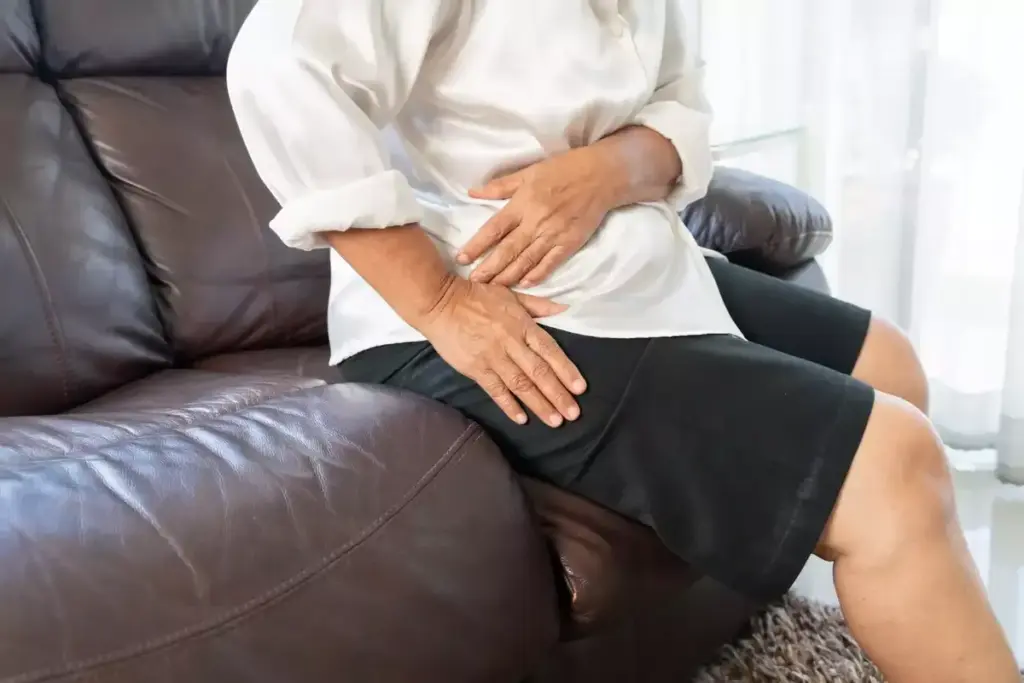
Hip arthroscopy is a minimally invasive surgical procedure used to diagnose and treat problems within the hip joint. As with any surgical intervention, complications can arise. It’s important for both patients and healthcare providers to understand these complications.
Get the most from your hip scope with amazing tips to avoid failures and ensure a powerful, complication-free recovery for your joints.
Recent studies have shown that the most common complication of arthroscopic hip surgery is nerve injuries and temporary neuropraxia. We will dive into this complication, discussing its causes, symptoms, and how to manage them.
Key Takeaways
- The most common complication of hip arthroscopy is related to nerve injuries.
- Understanding the risks and complications is key for patients and healthcare providers.
- Minimally invasive hip surgery needs careful patient selection and skilled technique.
- Nerve injuries and temporary neuropraxia are major concerns.
- Proper management strategies can reduce the risk of complications.
Understanding Hip Arthroscopy
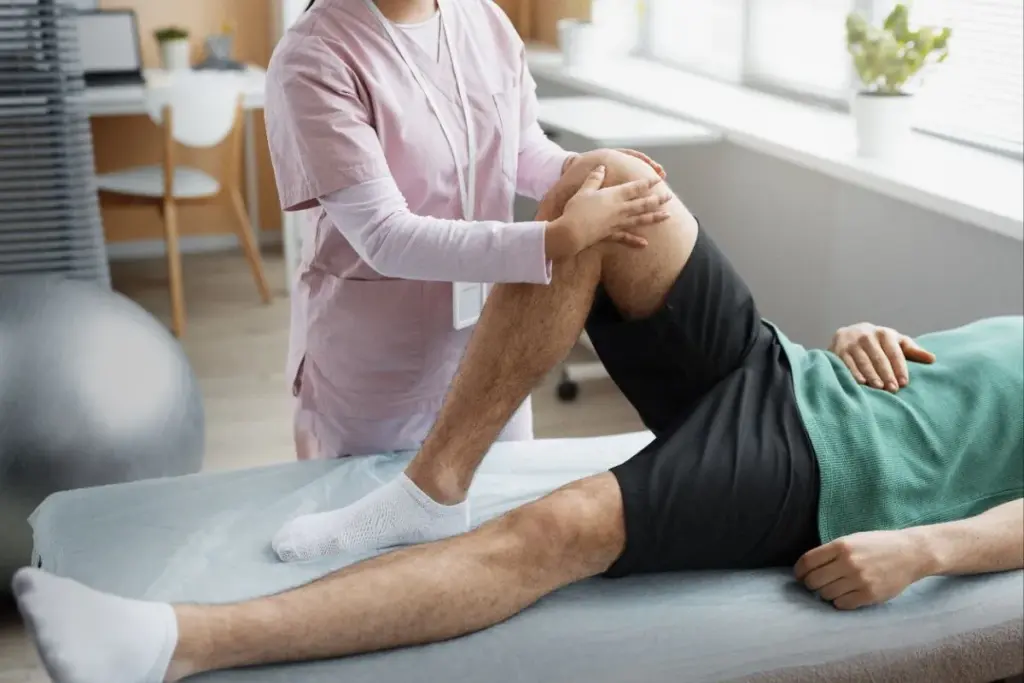
Hip arthroscopy is a key procedure in orthopedic surgery. It offers a less invasive way to treat hip problems. Knowing about hip arthroscopy is vital for doctors and patients.
Definition and Purpose of Hip Arthroscopy
Hip arthroscopy uses a special tool called an arthroscope. It helps diagnose and treat hip issues. The arthroscope goes through small cuts, letting surgeons see the hip joint on a screen.
This minimally invasive method treats hip problems without a big cut. It cuts down on recovery time and scarring.
The main goal of hip arthroscopy is to fix hip joint problems. This includes labral tears, femoroacetabular impingement (FAI), and chondral lesions. It makes repairs that were once only possible with open surgery.
Common Conditions Treated with Hip Arthroscopy
Hip arthroscopy treats many hip issues. Here are some common ones:
- Hip Labral Tears: Tears in the labrum cause pain and stiffness. Hip arthroscopy can fix or clean up these tears.
- Femoroacetabular Impingement (FAI): FAI happens when the femoral head and acetabulum don’t fit right. Hip arthroscopy can reshape the bone and remove damaged tissue.
- Chondral Lesions: Damage to the cartilage in the hip joint can be fixed with hip arthroscopy. It can smooth out the area or use advanced techniques to restore cartilage.
Growth in Popularity of Minimally Invasive Hip Surgery
Hip arthroscopy has become more popular over the years. This is thanks to better surgical tools and techniques. It offers less pain, shorter hospital stays, and quicker recovery.
Because of these benefits, hip arthroscopy is now a top choice for treating hip problems. It provides effective treatment with minimal impact on the patient’s life.
The Hip Scope Procedure: A Step-by-Step Overview
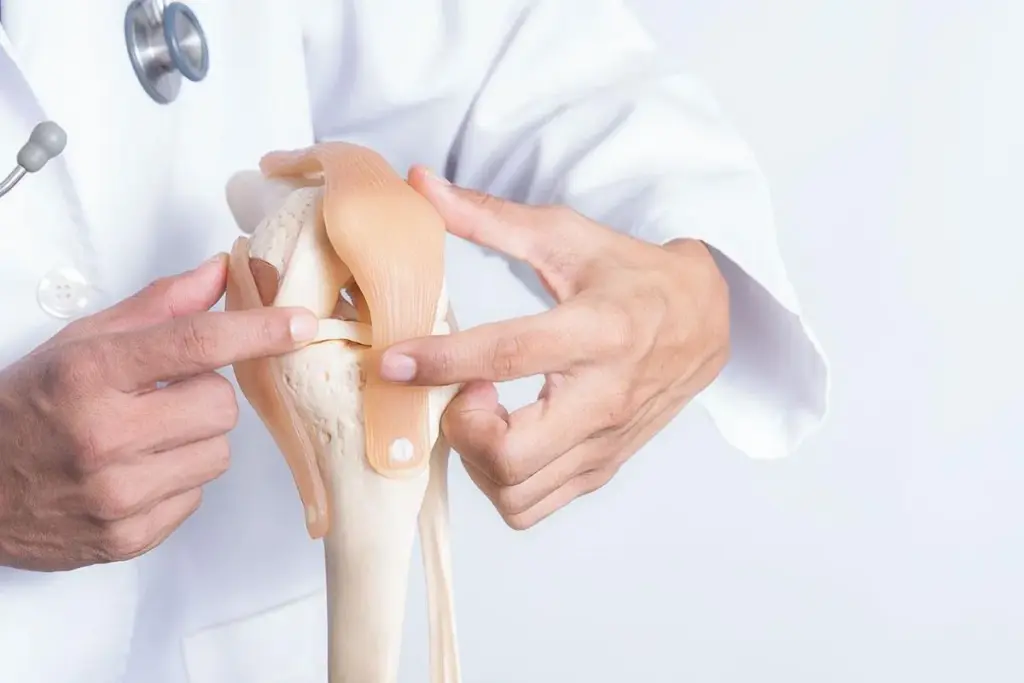
The success of hip arthroscopy relies on careful patient setup, precise portal placement, and clear visualization. We’ll walk you through the main steps of this procedure. We’ll highlight the key aspects that lead to a successful outcome.
Patient Positioning and Anesthesia
Getting the patient positioned right is key for hip arthroscopy success. We place the patient on the table in a way that works best for the surgery. This could be on their back or side, depending on the surgery needs.
We also use anesthesia to make sure the patient feels little to no pain. Our team, including the hip scope surgeon, makes sure everything is ready for the surgery.
Portal Placement and Visualization
Choosing the right spot for the portals is vital for seeing and working on the hip joint. We use landmarks and X-rays to find the best spots. Then, we use a detailed arthroscope to see inside the joint.
This lets us check the joint for any problems and fix them if needed.
Common Interventions During Hip Arthroscopy
During the surgery, we do different things to fix the hip. We might repair tears, remove damaged cartilage, or handle femoroacetabular impingement (FAI). We tailor each treatment to the patient’s specific needs.
|
Procedure |
Description |
Benefits |
|---|---|---|
|
Labral Repair |
Repairing tears in the labrum |
Reduces pain, improves joint stability |
|
Cartilage Removal |
Removing damaged cartilage |
Relieves pain, prevents further damage |
|
FAI Management |
Managing femoroacetabular impingement |
Reduces pain, improves joint mobility |
Understanding hip arthroscopy helps us see why the hip arthroscopic technique is so important. Our use of the latest orthopedic hip procedures ensures our patients get top-notch care.
Overview of Hip Arthroscopy Complications
It’s important for patients to know about the risks of hip arthroscopy. This surgery is usually safe but can have complications. Knowing about these risks helps you make informed decisions about your health.
General Complication Rates
Research shows that hip arthroscopy complications are rare, happening in 1.6% to 6.4% of cases. The risk can change based on the surgery’s complexity and the surgeon’s skill. We’ll look into these factors more later.
Understanding these complication rates is crucial as it highlights the importance of selecting the appropriate patients and employing careful surgical techniques.
Classification of Complications
There are different types of complications from hip arthroscopy. These include:
- Nerve injuries
- Iatrogenic cartilage and labral damage
- Traction-related complications
- Fluid extravasation
- Vascular complications
- Infection
Each type of complication is serious. Knowing about them helps surgeons and patients. This way, we can work to lower the chances of these problems happening.
Factors Influencing Complication Risk
Several things can affect the risk of complications during hip arthroscopy. These include:
- Patient-related factors, such as age, overall health, and the presence of underlying conditions
- Surgeon experience and the learning curve associated with hip arthroscopy
- The complexity of the procedure being performed
Knowing these factors helps us take steps to reduce risks. For example, choosing the right patients and educating them can make a big difference. Surgeons also need to keep learning and following best practices.
By understanding the complications of hip arthroscopy and what affects them, we can improve care. This leads to better outcomes for patients.
Nerve Injuries: The Most Common Hip Arthroscopy Complication
Nerve injuries are a common problem after hip arthroscopy. These injuries can affect how well the procedure works and how the patient recovers. We will look at the types of nerve injuries, how often they happen, and the statistics.
Pudendal Nerve Injuries
The pudendal nerve is at risk during hip arthroscopy because of where it is. Pudendal nerve injuries can cause numbness, pain, or changes in feeling in the genital area. This happens when the nerve is pulled or pressed during the surgery.
Lateral Femoral Cutaneous Nerve Injuries
The lateral femoral cutaneous nerve is also at risk. Lateral femoral cutaneous nerve injuries can cause numbness, tingling, or burning pain on the outer thigh. How often this happens can vary, but it’s a known risk.
Sciatic Nerve Complications
Sciatic nerve complications are a worry in hip arthroscopy too. The sciatic nerve can get hurt from pulling, pressing, or direct damage during the surgery. Injuries to this nerve can lead to a lot of pain, weakness, or even paralysis of the leg.
Incidence Rates and Statistics
Research shows nerve injuries happen at different rates during hip arthroscopy. Pudendal nerve injuries are seen in 1.3% to 5.2% of cases. Lateral femoral cutaneous nerve injuries occur in about 0.5% to 6.3% of cases. Sciatic nerve injuries are less common but can have big effects.
It’s important to know about nerve injury risks to manage patient hopes and improve results in hip arthroscopy. By understanding these risks, doctors can work to lower them and better care for their patients.
Traction-Related Complications
Traction in hip arthroscopy has both benefits and risks. It helps doctors see better but can cause problems if not handled right.
Perineal Injuries and Pressure Necrosis
Perineal injuries are a big risk with traction in hip arthroscopy. Long use can lead to pressure necrosis, causing pain and serious issues. It’s key to watch the traction time and pressure closely to avoid these problems.
It’s important to check the patient’s perineal area often during the surgery. Changing the traction device and using proper padding can lower injury risks.
Genital and Scrotal Injuries
Genital and scrotal injuries are also a worry with traction in hip arthroscopy. The pressure can be very uncomfortable and might cause lasting problems. Doctors need to keep a close eye on the patient’s genital area and adjust the traction as needed.
Using padded traction devices and finding the right balance between seeing well and applying minimal pressure can help. Teaching patients about these risks is also vital.
Traction Time Considerations
How long traction is used is very important. Keeping traction time short helps avoid injuries to the perineum and genitals. Surgeons should aim to finish the surgery quickly.
Setting time limits and checking the patient’s condition often is a good plan. This way, doctors can lower the chance of complications from traction.
Iatrogenic Cartilage and Labral Damage
During hip arthroscopy, surgeons must watch out for iatrogenic injuries to the cartilage and labrum. These injuries can affect the procedure’s success, leading to longer recovery times or more surgeries.
Instrument-Related Injuries
Instrument-related injuries are a big cause of damage during hip arthroscopy. These happen when surgical tools are put into the joint. It’s important to handle tools carefully and control them precisely to lower this risk. Using tools with soft tips or those made to protect cartilage can help.
A study showed the following about instrument-related problems in hip arthroscopy:
Portal Placement Issues
Wrong portal placement can also cause damage. It’s key to place portals correctly for safe access and to avoid damage. Surgeons need to know the hip’s anatomy well to place portals right.
A leading orthopedic surgeon said, “Getting portal placement right is key in hip arthroscopy. It helps avoid damage to tissues and ensures a clear view for the procedure.”
“The key to successful hip arthroscopy lies in the precise placement of portals and the gentle handling of instruments to avoid iatrogenic damage.”—Orthopedic Surgeon
Visualization Challenges
Seeing clearly during hip arthroscopy can be hard due to bleeding, synovitis, or complex anatomy. Clear vision is vital for spotting and treating hip problems while avoiding damage. Better fluid flow, hemostatic agents, or advanced imaging can help see better.
Here are ways to improve seeing during hip arthroscopy:
- Optimizing fluid management
- Using advanced imaging technologies
- Employing hemostatic agents to control bleeding
Understanding and tackling the causes of iatrogenic cartilage and labral damage can make hip arthroscopy better.
Fluid Extravasation During Hip Scope Procedures
Fluid extravasation is a serious issue during hip arthroscopy. It happens when fluid leaks into the tissues around the hip. This can lead to serious health problems.
Abdominal Compartment Syndrome
One big risk is abdominal compartment syndrome (ACS). ACS happens when fluid builds up in the belly. This can hurt the organs in the belly.
Key factors that contribute to ACS include:
- Large volumes of fluid used during the procedure
- Prolonged operative time
- High fluid pressure
Retroperitoneal Fluid Collections
Fluid can also collect in the retroperitoneal space. This can cause serious problems and may need to be drained.
The symptoms may include:
- Abdominal pain
- Nausea and vomiting
- Decreased urine output
Recognition and Management
It’s important to catch fluid extravasation early. Watching the patient’s health closely during and after the surgery is key.
Management strategies include:
- Limiting fluid pressure and volume
- Monitoring for signs of fluid extravasation
- Prompt intervention in case of complications
In conclusion, fluid extravasation during hip arthroscopy is a serious issue. Knowing the risks and acting fast can prevent big problems.
Vascular Complications of Hip Arthroscopy
Hip arthroscopy is a minimally invasive procedure but comes with risks. Vascular injuries are a serious concern. They can lead to significant problems if not treated quickly.
Femoral Vessel Injuries
Femoral vessel injuries are a major risk with hip arthroscopy. These can happen during the procedure or because of the vessels’ close location to the surgery area. The risk is higher for patients with unusual anatomy or those having complex surgeries.
Prevention Strategies: To lower the risk, careful planning before surgery is key. Precise placement of portals and understanding the patient’s blood vessel layout are also important.
Bleeding Complications
Bleeding during hip arthroscopy can vary from minor to severe. Though rare, serious bleeding might need blood transfusions or more surgery. Bleeding risks include patient health issues and technical challenges during the procedure.
Management: It’s vital to quickly spot and handle bleeding. This might include using local treatments, adjusting blood-thinning medications, or sometimes switching to open surgery.
Deep Vein Thrombosis Risk
Deep vein thrombosis (DVT) is a risk after hip arthroscopy, though less common than with open surgery. Risks include being immobile for a long time, being older, and having a history of blood clots.
- Using mechanical devices and blood-thinning medications can help prevent DVT, depending on the patient’s risk.
- Starting to move and use rehabilitation early can also help lower DVT risk.
Knowing about these vascular risks and how to prevent them is key to better outcomes in hip arthroscopy.
Infection After Hip Arthroscopy Surgery
The risk of infection after hip arthroscopy is a big worry. It’s important to know how to prevent and treat these infections. Hip arthroscopy is usually safe, but infections can happen. They can range from simple skin infections to serious deep joint infections.
Types of Infections
Infections after hip arthroscopy fall into two main types: superficial and deep joint infections. Superficial infections affect the skin and tissue around the incision. These are usually not too serious and can be treated with antibiotics and local care.
Deep joint infections are more serious. They affect the hip joint itself. These infections can cause a lot of harm, including damage to the cartilage. They might even need more surgery.
Prevention Strategies
Preventing infections after hip arthroscopy is key. We use several ways to lower the risk:
- Give antibiotics before the surgery
- Use clean equipment and keep the area sterile during surgery
- Make sure the wound is properly cared for after surgery
Treatment Options
Treating infections after hip arthroscopy depends on the type and severity. Superficial infections might just need oral antibiotics and wound care. But deep joint infections need more serious treatment, like:
- Cleaning the joint with irrigation and debridement
- Using intravenous antibiotics
- In some cases, more surgery might be needed
It’s important to understand the risks and take steps to prevent infections. This helps ensure the best results for patients having hip arthroscopy.
Post-Operative Pain and Persistent Symptoms
After hip arthroscopy, some patients face ongoing pain or symptoms. This discomfort can come from how the body reacts to surgery and conditions not fully treated.
Heterotopic Ossification
Heterotopic ossification (HO) is when bone forms outside the skeleton. This can cause pain and limit movement. HO is a known issue after hip arthroscopy, though its frequency varies. Risks include trauma during surgery, genetic factors, and staying immobile for too long.
“The formation of heterotopic bone can greatly affect hip arthroscopy results,” say orthopedic surgery experts. Managing HO might involve medication to stop bone growth and sometimes surgery to remove the extra bone.
Adhesive Capsulitis
Adhesive capsulitis, or frozen hip syndrome, can also cause pain and stiffness after surgery. It’s when the hip joint capsule gets inflamed and scarred, leading to less mobility and pain. Spotting and treating it early is key to avoiding long-term stiffness and disability.
Managing adhesive capsulitis involves physical therapy, pain meds, and sometimes more to help the joint move better.
Failed Hip Arthroscopy Syndrome
Failed hip arthroscopy syndrome is when hip pain persists or comes back after surgery. It can be due to not fully treating the problem, new injuries, or complex hip issues that arthroscopy can’t fix alone.
When to Seek Medical Attention
If you have severe pain, numbness or tingling, or swelling after hip arthroscopy, get medical help. Quick action can help manage complications better.
“Prompt recognition and treatment of complications can significantly improve outcomes for patients undergoing hip arthroscopy.”— Orthopedic Surgery Expert
It’s important for patients to know about possible complications and talk openly with their doctors. This way, any concerns or symptoms after surgery can be addressed.
How Complications Affect Hip Scope Recovery
Hip arthroscopy complications can change how recovery goes. When problems happen, the healing process gets harder. We might need to change the recovery plan and it could take longer.
Modified Rehabilitation Protocols
When complications show up, we adjust the recovery plan. For example, if nerves are hurt, we change the physical therapy to avoid making it worse.
Extended Recovery Timelines
Complications can make recovery take longer. For instance, if fluid leaks out, we might need to drain it. This adds to the recovery time.
|
Complication Type |
Average Recovery Time Extension |
|---|---|
|
Nerve Injuries |
6-8 weeks |
|
Fluid Extravasation |
4-6 weeks |
|
Infection |
8-12 weeks |
Long-term Functional Outcomes
Complications can also affect how well you function long-term after hip arthroscopy. Studies show that patients with complications might have lower scores and be less satisfied than those without issues.
We focus on choosing the right patients, doing precise surgery, and giving thorough care after surgery. This helps lower the chance of problems and improves recovery results.
Risk Factors for Hip Arthroscopy Complications
It’s important to know the risks of hip arthroscopy complications to improve patient care. Many factors can affect the chance of problems. Knowing these helps make the procedure safer and more effective.
Patient-Related Factors
Things about the patient can affect the risk of complications. These include:
- Age: Older patients might face more risks because of less flexible tissues and health issues.
- Comorbidities: Conditions like diabetes, obesity, and vascular disease can raise the risk of problems.
- Anatomical Variations: Patients with unusual anatomy, like dysplasia or femoroacetabular impingement, might need more complex surgeries. This can increase the risk of complications.
Surgeon Experience and Learning Curve
The surgeon’s experience is key to reducing complications in hip arthroscopy. More experienced surgeons usually have better results. They know the procedure well and can handle any issues that come up.
The learning curve for hip arthroscopy is steep. Surgeons need a lot of training to get good at it. Studies show that surgeons who do more procedures have fewer complications.
Procedural Complexity
The complexity of the surgery also affects the risk of complications. More complex surgeries, like labral reconstruction or osteotomy, have a higher risk than simpler ones like diagnostic arthroscopy.
Understanding these risk factors helps us take steps to reduce them. Proper patient selection, surgeon training, and careful planning are key. They help minimize complications and ensure the success of hip arthroscopy.
Preventing Complications in Hip Arthroscopy
It’s key to prevent complications in hip arthroscopy for the best results. We keep improving our methods to lower risks. This makes the procedure safer and more effective.
Proper Patient Selection and Education
Choosing the right patients is a big step in avoiding problems. We check their health and if they’re good candidates for the surgery. Telling patients about the surgery, risks, and what to expect is also vital. It helps them understand and follow instructions after surgery.
Technical Considerations
Being skilled in hip arthroscopy is important. Doctors need to know the newest techniques and tools. This helps them work well in the hip area. They must place portals correctly, use instruments carefully, and see everything clearly.
Advances in Equipment and Techniques
Keeping up with new hip arthroscopy tools and methods is essential. New imaging, instruments, and ways of doing surgery make it safer and work better. We always use the latest to help our patients.
Importance of Informed Consent
Getting informed consent is very important. It makes sure patients know the risks and benefits. This respects their choices and builds trust.
By focusing on these areas, we can lower the chance of problems in hip arthroscopy. This leads to better results and happier patients.
Conclusion
It’s key to know about hip arthroscopy complications to improve patient results. We’ve talked about issues like nerve damage, problems from traction, and infection risks. It’s vital to handle these risks well for successful hip scope surgeries.
To avoid complications, we need a full plan. This includes choosing the right patients, using the latest techniques, and improving equipment. Knowing the risks and how to reduce them helps doctors and patients a lot.
Handling risks in hip arthroscopy means using many strategies. This includes special rehab plans, longer recovery times, and checking how well patients do long-term. By being proactive, we make hip arthroscopy safer and more effective.
FAQ
What is hip arthroscopy?
Hip arthroscopy is a minimally invasive surgery. It lets orthopedic surgeons diagnose and treat hip problems. They use a small camera and special tools.
What conditions are commonly treated with hip arthroscopy?
Hip arthroscopy treats many hip issues. These include femoroacetabular impingement (FAI), labral tears, cartilage damage, and hip impingement syndrome.
What are the most common complications of hip arthroscopy?
Nerve injuries are common. This includes pudendal and lateral femoral cutaneous nerve injuries.
How can nerve injuries be minimized during hip arthroscopy?
To avoid nerve injuries, surgeons use careful positioning and precise portal placement. They also limit traction time.
What is fluid extravasation, and how is it managed?
Fluid extravasation is when irrigation fluid leaks into tissues. It’s managed by monitoring fluid pressure and using adequate outflow. Knowing the risk factors is also important.
Can hip arthroscopy cause infection?
Yes, there’s a risk of infection with hip arthroscopy. This risk is lowered with proper sterile technique, antibiotics, and post-operative care.
How do complications affect the recovery process after hip arthroscopy?
Complications can make recovery longer. They may need extra treatment and can affect long-term results.
What are the risk factors for complications during hip arthroscopy?
Risks include patient factors, surgeon experience, and the complexity of the procedure.
How can the risk of complications be minimized during hip arthroscopy?
Minimizing risks involves proper patient selection and technical considerations. Advances in equipment and techniques also help.
What should I do if I experience persistent symptoms or pain after hip arthroscopy?
If you have ongoing symptoms or pain, contact your surgeon. They can discuss further evaluation and management options with you.
National Center for Biotechnology Information. Evidence-Based Medical Insight. Retrieved from https://pmc.ncbi.nlm.nih.gov/articles/PMC3445109/[3