Hirschsprungs Disease is a rare condition that affects a child’s bowel. It happens when the nerves in the intestine don’t form properly during fetal development.

Certain genetic mutations may also play a role in this condition. This leads to problems with intestinal movement. It causes chronic constipation and other gut issues.
We will look into how to diagnose, treat, and manage Hirschsprung Disease. Our medical experts will share their knowledge with you.
Key Takeaways
- Hirschsprung Disease is a congenital disorder affecting the bowel nerves.
- It leads to impaired intestinal movement and chronic constipation.
- Genetic mutations may contribute to the development of the condition.
- Early diagnosis and treatment are key to long-term health.
- Our experts provide insights on diagnosis, treatment, and management.
1. Understanding Hirschsprung’s Disease: Definition and Causes
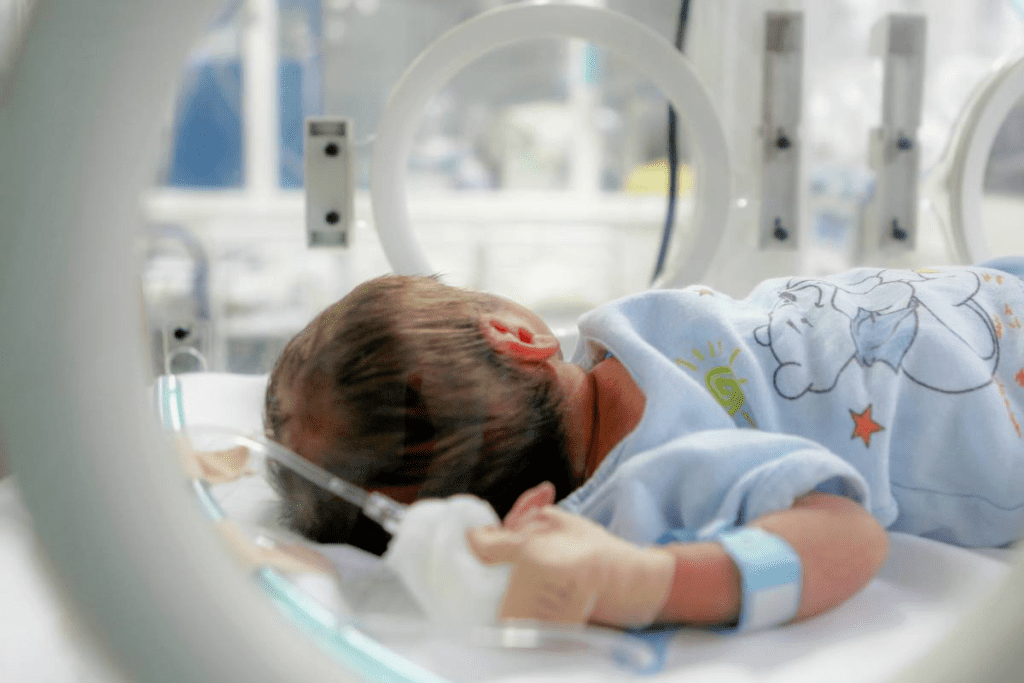
Hirschsprung’s disease is a condition that affects the large intestine. It happens when there are no ganglion cells in the intestine. This leads to serious problems with digestion.
The Absence of Ganglion Cells
The main problem with Hirschsprung’s disease is the lack of ganglion cells in the bowel. These cells are important for the intestine to work right. Without them, the intestine can’t move stool properly.
This lack of cells causes a blockage in the intestine. It leads to a buildup of stool. This can be very dangerous if not treated quickly. It’s something a baby is born with.
Impaired Intestinal Movement
Without ganglion cells, the intestine can’t move properly. The part of the bowel without these cells stays tight. This stops stool from moving through.
Children with Hirschsprung’s disease often have trouble with bowel movements. They might have severe constipation or blockages. Sometimes, this can cause enterocolitis, a serious condition that needs quick medical help.
Genetic Factors
Genetics plays a big role in Hirschsprung’s disease. The condition is linked to certain gene mutations.
About 5% of cases are connected to Trisomy 21, or Down syndrome. This shows a strong link between genetic conditions and Hirschsprung’s disease. It affects about 1 in 5,000 babies worldwide, with more boys than girls having it.
2. Key Statistics and Epidemiology
Knowing the stats on Hirschsprung’s disease is key for doctors and researchers. This condition, where some bowel cells are missing, has important numbers to remember. Hirschsprung’s disease affects the large intestine, causing severe constipation and blockage. Early diagnosis of Hirschsprung’s disease is crucial for effective treatment and healthy bowel function.
Global Incidence
Hirschsprung disease is rare, happening in about 1 in 5,000 births worldwide. It’s not common, but it affects families a lot.

Gender Distribution
More boys than girls get Hirschsprung’s disease. The ratio is usually 3:1 to 4:1 boys to girls. This means boys are more likely to be diagnosed.
“The male predominance in Hirschsprung’s disease is a well-documented phenomenon, though the reasons are not fully understood.”
Association with Down Syndrome
There’s a strong link between Hirschsprung’s disease and Down syndrome. Kids with Down syndrome are 3-10% more likely to have it. Doctors need to know this for better care.
There are different types of Hirschsprung’s disease. About 80% have the short-segment type. 15-20% have a longer segment, and 5% have no ganglion cells in their colon. Knowing these details helps doctors help kids better.
Key facts about Hirschsprung’s disease include:
- It happens in 1 in 5,000 births worldwide.
- More boys than girls are affected, with a 3:1 to 4:1 ratio.
- Kids with Down syndrome are at higher risk.
- The length of the affected bowel segment varies.
3. Types of Hirschsprung Disease
It’s important to know the different types of Hirschsprung’s disease for proper treatment. This disease is mainly split into types based on how long the part without ganglion cells is. Knowing the type helps doctors figure out how serious it is and what surgery is needed.
Short-Segment Form (80% of Cases)
The short-segment form is the most common, making up about 80% of cases. It affects the rectosigmoid area only. People with this type usually do better because it’s not as widespread.
Long-Segment Form (15-20% of Cases)
The long-segment form affects a bigger part of the colon, sometimes even the upper parts. It makes up about 15-20% of cases. This type is harder to fix surgically because of its larger size.
Total Colonic Aganglionosis (5% of Cases)
Total colonic aganglionosis is a rare but serious form, affecting the whole colon. It’s about 5% of cases and is very challenging to treat. It often needs special surgery and a lot of care after.
Also, about 7% of cases run in families, and kids with Down syndrome are more likely to get it. Knowing these risks helps doctors catch it early and treat it sooner.
In summary, Hirschsprung’s disease comes in different forms, each with its own level of complexity. Understanding these differences is key to creating the right treatment plan for each person.
4. Common Symptoms of Hirschsprung’s Disease
It’s important to know the symptoms of Hirschsprung’s disease early. This helps in getting the right treatment quickly. Most kids are diagnosed in the first year of life. Hirschsprung’s disease is a big reason for bowel problems in newborns, making up to 20% of cases.
Newborn Signs and Symptoms
Newborns with Hirschsprung’s disease show clear signs. They might not pass meconium in the first 48 hours, have a big tummy, and throw up. Not passing stool in the first 48 hours is a big warning sign that needs checking.
They might also have a swollen belly and not want to eat. Sometimes, you can feel a hard lump in their belly. These signs are scary for the baby and the family, so they need to see a doctor fast.
Symptoms in Older Children
Older kids with Hirschsprung’s disease might have different symptoms. They often have trouble going to the bathroom, tummy pain, and don’t want to eat. They might also have diarrhea or throw up, which can make them dehydrated if not treated properly.
They could also look malnourished because of constipation and not absorbing nutrients well. It’s key for parents and caregivers to watch for these signs and get medical help.
Warning Signs Requiring Immediate Attention
Some symptoms need urgent care. Look out for severe tummy pain, throwing up blood, or dehydration signs. If a child is very sick or symptoms get worse, they need to go to the emergency room right away.
Parents should keep a close eye on their child’s health and symptoms. Spotting warning signs early can make a big difference and prevent serious problems.
5. Diagnostic Methods for Hirschsprung Disease
Diagnosing Hirschsprung’s Disease requires a mix of clinical checks, imaging, and biopsies. Getting the diagnosis right is key to finding the best Hirschsprung disease treatment.
Clinical Evaluation
First, doctors check the child’s symptoms and medical history. They also do a physical exam. “A detailed clinical check is vital to spot Hirschsprung’s Disease signs,” a pediatric expert notes.
They look for signs like belly swelling, constipation, or blockages. They also check the child’s overall health.
Imaging Studies
Imaging tests are important for diagnosing Hirschsprung’s Disease. Doctors use X-rays and contrast enemas to see the intestines. These tests help spot any issues.
These studies help doctors understand how far the disease has spread. This info helps them choose the right Hirschsprung’s disease treatments.
Biopsy Procedures
A rectal biopsy is the top way to diagnose Hirschsprung’s Disease. It involves taking a small tissue sample from the rectum. This sample is then checked for ganglion cells.
The biopsy results are key to confirming the diagnosis. They also show how far the disease has spread. This info helps doctors plan the treatment.
In summary, diagnosing Hirschsprung’s Disease involves several steps. These include clinical checks, imaging, and biopsies. By using all these methods, doctors can create a treatment plan that fits the child’s needs.
6. Treatment Approaches and Surgical Options
Managing Hirschsprung’s disease needs a detailed plan. This includes pre-surgery care, surgery, and recovery. At LivHospital, we aim to give top-notch healthcare. We follow the latest clinical guidelines and focus on quality, ethics, and patient care.
Preoperative Management
Before surgery, managing symptoms is key to avoiding serious issues. This includes:
- Proper bowel irrigation is necessary to prevent enterocolitis, a serious condition.
- Nutritional support to improve the child’s health before surgery.
- Watch for signs of intestinal blockage or other urgent problems.
Our care is customized for each child. We work closely with families to prepare them for surgery.
Surgical Interventions
Surgery is the main treatment for Hirschsprung’s disease. It aims to remove the affected part of the intestine and fix bowel function. Common surgeries are:
- The pull-through procedure, which removes the bad part and connects the good part to the anus.
- Laparoscopic surgery is a less invasive method that cuts down recovery time and scarring.
Our surgeons choose the best surgery for each child based on their health and condition.
Postoperative Care and Recovery
After surgery, careful care is vital for a smooth recovery. This includes:
- Watching for signs of infection or other problems.
- Managing pain to keep the child comfortable.
- Slowly introducing normal eating to meet nutritional needs.
Regular check-ups are key to tracking the child’s progress and solving any issues. We support families from diagnosis to recovery.
7. Long-Term Outlook and Possible Complications
It’s important to know the long-term effects of Hirschsprung’s disease. Kids with this condition may face many challenges as they grow. These include ongoing gut problems and a higher risk of serious issues.
Persistent Gastrointestinal Issues
Children with Hirschsprung’s often deal with ongoing gut problems. These can be constipation, bloating, and trouble with bowel movements. Managing these symptoms well is vital for a better life. We help families find ways to handle these issues. This might include changing diets, using medicine, and other treatments.
Risk of Enterocolitis
Enterocolitis is a serious problem that can happen with Hirschsprung’s disease. It’s very important to catch and treat it quickly. Signs include fever, belly pain, and changes in stool or vomiting. We teach families how to spot enterocolitis and why they should get help fast if they see these signs.
Growth and Development
Kids with Hirschsprung’s might have trouble growing and developing. This can be because of not getting enough nutrients and being sick a lot. It’s key to watch their growth and help with nutrition to make sure they develop normally.
Quality of Life Considerations
The quality of life for kids with Hirschsprung’s can be affected a lot. We focus on more than just the medical side. We also care about their emotional and social well-being.
“The care and support provided to children with Hirschsprung’s disease play a critical role in their long-term outcomes and quality of life.”
We aim to help these kids live happy and active lives. By caring for them in a complete way, we hope to make a big difference.
Conclusion
Children with Hirschsprung’s disease need quick and effective treatment. We’ve talked about what it is, why it happens, its symptoms, how it’s diagnosed, and how it’s treated.
Thanks to surgery and ongoing care, most kids with Hirschsprung’s can have normal bowel movements. This care helps them live happy and healthy lives.
Understanding Hirschsprung’s disease and giving thorough care can greatly help these children. It’s key to managing the disease well for the best results.
FAQ’s:
What is Hirschsprung’s disease?
Hirschsprung’s disease is a rare condition that affects a child’s bowel. It happens when the nerves in the intestine don’t form properly during fetal development.
What causes Hirschsprung’s disease?
The exact cause is not known, but it’s thought to be linked to missing ganglion cells in the intestine. It also involves impaired intestinal movement and genetic mutations.
What are the symptoms of Hirschsprung’s disease?
Symptoms include not passing meconium in the first 48 hours and abdominal distension. Vomiting, constipation, and diarrhea are also common. Older kids might have chronic constipation, pain, and poor appetite.
How is Hirschsprung’s disease diagnosed?
Doctors use clinical evaluation, X-rays, and contrast enemas. They also do biopsies to check for ganglion cells in the intestine.
What are the treatment options for Hirschsprung’s disease?
Treatment usually involves surgery to remove the affected part of the intestine. This helps restore normal bowel function. Care before and after surgery is also key to the best results.
What is the long-term outlook for children with Hirschsprung’s disease?
With the right treatment, most kids can live healthy lives. But some might face ongoing bowel issues or other complications that need ongoing care.
Is Hirschsprung’s disease associated with other conditions?
Yes, it’s linked to a higher risk of Down syndrome. Some kids might also face other bowel or developmental problems.
How common is Hirschsprung’s disease?
It affects about 1 in 5,000 babies, with more boys than girls. Its frequency varies in different populations.
Can Hirschsprung’s disease be cured?
Surgery can treat it, but some kids might need ongoing care. This is to manage complications and ensure good bowel function.
What are the possible complications of Hirschsprung’s disease?
Complications include enterocolitis, ongoing bowel issues, and growth problems. This shows why close monitoring and follow-up care are important.
How can I support a child with Hirschsprung’s disease?
Offer emotional support, follow treatment plans, and make sure they see their healthcare providers regularly. This helps ensure the best life for kids with Hirschsprung’s disease.
References
- Amiel, J., & Sproat-Emison, E. (2018). Hirschsprung disease. GeneReviews ® [Internet]. University of Washington, Seattle. Retrieved fromhttps://www.ncbi.nlm.nih.gov/books/NBK1400/
- Centers for Disease Control and Prevention. (2022). Facts about Hirschsprung Disease. Retrieved fromhttps://www.cdc.gov/ncbddd/birthdefects/hirschsprung.html
- National Institute of Diabetes and Digestive and Kidney Diseases. (2018). Hirschsprung Disease. Retrieved fromhttps://www.niddk.nih.gov/health-information/digestive-diseases/hirschsprungs-disease



 Departments
 Related Videos
 Our Doctors
 News
News