
The root? Hoarseness underlying causes? Best facts: usually hearing loss or noise exposure triggers the ring. Learn the true cause.
Hoarseness affects millions of people each year in the United States with a primary complaint of voice disorders each year? Hoarseness is a common symptom that can significantly impact an individual’s quality of life. It is often associated with various underlying causes, ranging from benign vocal cord lesions to more serious conditions.
The prevalence of hoarseness highlights the importance of understanding its underlying causes and symptoms. This article will explore the various factors that contribute to hoarseness, providing insights into its diagnosis and treatment.
Key Takeaways
- Hoarseness affects millions of people in the United States each year.
- Understanding the underlying causes is key for effective diagnosis and treatment.
- Various factors contribute to hoarseness, including vocal cord lesions and other conditions.
- Recognizing the symptoms is the first step towards addressing the issue.
- Hoarseness can significantly impact an individual’s quality of life.
Understanding Hoarseness: Definition and Symptoms
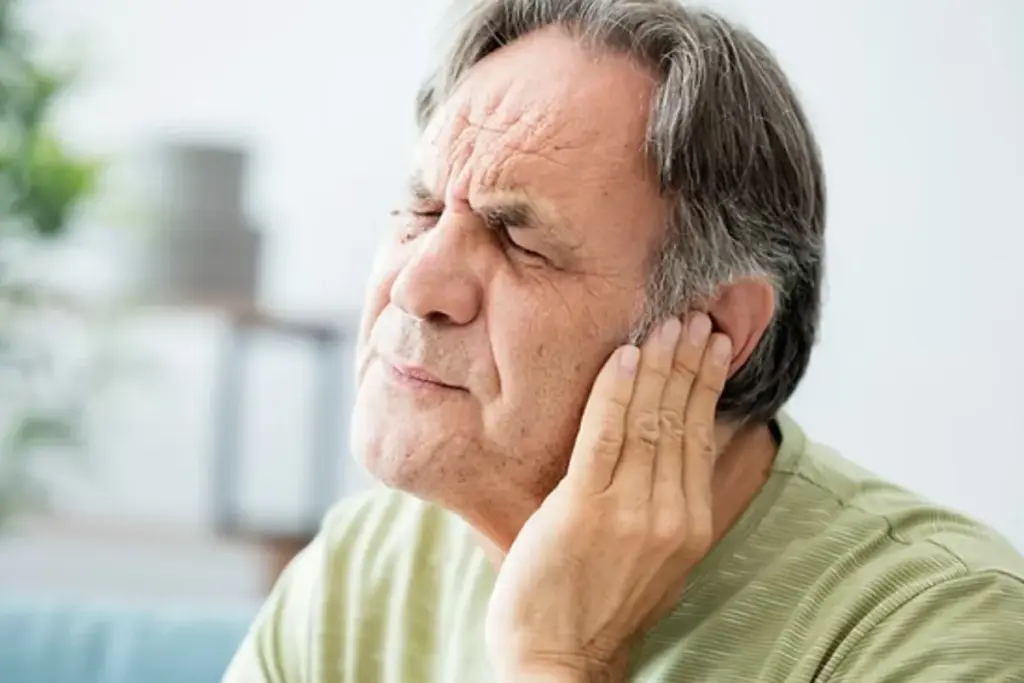
Hoarseness is a change in how your voice sounds. It can make your voice sound raspy, strained, or breathy. This can really affect how well you can talk or communicate.
What Exactly is Hoarseness
Hoarseness means your voice sounds different from usual. It often happens because of vocal cord issues. These can be due to infections, irritants, or using your voice too much. Your voice might sound weak, husky, or strained, showing there’s a problem.
Common Symptoms Associated with Hoarseness
Some common signs include:
- A raspy or strained voice
- Breathy voice quality
- Voice fatigue
- Difficulty speaking or singing
These signs can be different in how bad they are. They often point to voice disorder reasons like inflammation or lesions on the vocal cords. Knowing these signs helps find the cause and get the right treatment.
The Anatomy of Voice Production

The human voice is made through a complex process. It involves the lungs, vocal cords, and mouth working together.
How Your Voice Works
The sound starts with the lungs. They push air out, which goes through the vocal cords. This makes them vibrate.
The shape of our mouth and lips changes these vibrations. This is how we make different sounds and speech patterns.
The Role of Vocal Cords in Speech
Vocal cords are key in making speech. When we talk or sing, they vibrate. This creates sound waves.
The tension and thickness of the vocal cords change the sound’s pitch and volume.
Vocal Cord Vibration Mechanics
The way vocal cords vibrate is complex. It depends on lung airflow and cord tension. Knowing this helps us understand how vocal strain factors and speech pattern influences affect our voice.
Acute vs. Chronic Hoarseness: Key Differences
It’s important to know the difference between acute and chronic hoarseness. This helps doctors find and treat the cause. Hoarseness can be short-term or long-lasting, depending on the cause and how long it lasts.
Acute hoarseness is usually caused by short-term issues like laryngitis, vocal strain, or colds. These problems often get better with little treatment and your voice returns to normal.
Temporary Voice Changes
Many people experience temporary voice changes. These can happen from shouting, misuse of the voice, or infections like laryngitis. These issues usually fix themselves once the problem is solved.
When Hoarseness Becomes a Chronic Condition
Chronic hoarseness, on the other hand, lasts a long time and might signal a bigger problem. It could be from long-term exposure to irritants, ongoing inflammation, or damage to the vocal cords. If you have persistent hoarseness, you should see a doctor to find out why and how to treat it.
Knowing the difference between acute and chronic hoarseness is key to managing it right. If your voice keeps changing, getting medical help is important. This way, you can avoid serious problems.
Hoarseness Underlying Causes: A Comprehensive Overview
Hoarseness can come from many sources. It’s important to know what causes it to treat it well.
Primary Physiological Factors
Issues with the vocal cords are a big part of hoarseness. Vocal cord lesions like nodules or polyps can change how your voice sounds. These problems often happen when you use your voice too much.
Secondary Contributing Elements
Other things can make hoarseness worse or cause it. Age-related voice changes and things in the environment can play a role. Pollutants and allergens are examples.
Age-Related Voice Changes
As we get older, our voice changes. This can lead to hoarseness. It’s because the vocal cords get worn out over time.
Knowing what causes hoarseness helps doctors create better treatment plans. They can focus on what’s specific to each person.
Vocal Cord Inflammation and Irritation
It’s important to know what causes vocal cord inflammation to keep your voice healthy. Many things can lead to vocal cord problems, like infections, irritants, and misuse.
Laryngitis: Types and Triggers
Laryngitis makes your voice sound different because it inflames the larynx. There are two kinds: acute and chronic. Acute laryngitis usually comes from viruses. Chronic laryngitis happens when you’re exposed to irritants or strain your voice too much.
- Acute Laryngitis: Often caused by viruses, it can also come from vocal strain or bacterial infections.
- Chronic Laryngitis: Caused by long-term exposure to irritants like smoke or dust, or from constant vocal strain.
Chemical and Environmental Irritants
Chemicals and environmental irritants can also cause vocal cord inflammation. Pollutants, smoke, and some chemicals can irritate your vocal cords, causing inflammation.
Workplace Hazards for Voice Health
Some jobs are riskier for your voice because of dust, chemicals, or loud noises. People in these jobs should take steps to protect their voice.
To prevent vocal cord inflammation, stay away from irritants and keep your voice clean. Also, manage any conditions that could lead to laryngitis. Knowing the causes and taking action can help keep your voice healthy.
Vocal Misuse and Overuse Syndromes
It’s important to know why vocal misuse and overuse happen. These issues can lead to voice problems. We need to tackle these problems to prevent voice disorders.
Professional Voice Users at Risk
People who use their voice a lot, like singers and teachers, face big risks. Their jobs put a lot of strain on their vocal cords. This can cause problems like vocal nodules and polyps.
Vocal Nodules, Polyps, and Cysts
Vocal nodules, polyps, and cysts are common voice problems. They can make your voice sound hoarse or breathy. These issues affect how well you can speak or sing.
- Vocal Nodules: These are like callous-like growths on the vocal cords from too much strain.
- Vocal Polyps: Bigger than nodules, these can be fluid-filled or solid and usually appear on one cord.
- Vocal Cysts: These are fluid-filled sacs that can grow on the vocal cords.
Prevention Strategies for Voice Professionals
There are ways to prevent voice problems for those who use their voice a lot:
- Vocal Warm-ups: Doing exercises to get your voice ready before using it a lot.
- Proper Breathing: Using good breathing to help your voice.
- Avoiding Strain: Learning to speak or sing in a way that doesn’t hurt your vocal cords.
- Regular Rest: Making sure to give your voice enough time to rest and recover.
By knowing the risks and using these strategies, you can lower your chance of getting voice disorders.
Medical Conditions That Cause Voice Changes
Voice changes can signal serious health issues that need attention. Many health problems can affect how we sound, from small changes to big ones.
Gastroesophageal Reflux Disease (GERD)
GERD happens when stomach acid goes back up into the esophagus. This can irritate the throat and change how we sound. Symptoms include:
- Hoarseness
- Sore throat
- Difficulty swallowing
Thyroid Disorders and Hoarseness
Thyroid problems can also change how we sound. Issues like hypothyroidism and hyperthyroidism can swell the vocal cords. This leads to hoarseness. Thyroid function tests help find these problems.
Neurological Conditions Affecting the Voice
Neurological issues can really mess with how we speak. Diseases in the brain and nervous system can change our voice’s quality, pitch, and volume.
Parkinson’s Disease and Voice Tremors
Parkinson’s disease can make our voice softer, more monotone, and shaky. Treatment options include speech therapy and medicines to manage symptoms.
It’s key to know why our voice changes. This helps doctors create the right treatment plans for voice issues.
Respiratory Infections and Their Impact on Voice
Respiratory infections can harm our voice more than we think. They can cause vocal strain and affect how we communicate. This can also impact our quality of life.
Upper Respiratory Tract Infections
Common colds or flu can hurt the throat and vocal cords. Inflammation from these infections can make our voice sound raspy or strained. It can also make it harder to speak clearly or loudly.
Chronic Cough and Voice Strain
A chronic cough can strain the vocal cords even more. Coughing repeatedly can irritate the vocal cords, causing long-term hoarseness. It’s important to manage a chronic cough to avoid voice damage.
Post-Viral Voice Changes
Some people may have voice changes that last after the infection goes away. These changes can be due to lingering inflammation or vocal cord lesions. Knowing the cause is key to treating and recovering from these changes.
Understanding how respiratory infections affect our voice is important. We can reduce these effects by practicing good vocal hygiene, staying hydrated, and seeking medical help if hoarseness lasts.
Lifestyle Factors Contributing to Hoarseness
Certain lifestyle choices can irritate the vocal cords and lead to hoarseness. This is a condition where your voice sounds raspy or strained. Knowing these factors is key to preventing and managing hoarseness.
Smoking and Alcohol Consumption
Smoking is a big risk for hoarseness. It irritates the vocal cords and can cause chronic inflammation. Drinking too much alcohol can also dry out the mucous membranes, including those in the throat, leading to vocal strain.
Smoking cessation and drinking less alcohol are good steps. Quitting smoking can greatly improve your vocal health. Drinking less can help keep the mucous membranes healthy.
Hydration and Dietary Influences
Drinking enough water is key for healthy vocal cords. It keeps them lubricated, reducing irritation and strain. A diet lacking essential nutrients can also harm your vocal health.
Foods rich in antioxidants, like fruits and vegetables, protect the vocal cords. Also, avoid spicy or acidic foods to reduce throat irritation.
|
Lifestyle Factor |
Impact on Vocal Health |
Recommendation |
|---|---|---|
|
Smoking |
Irritates vocal cords, leads to chronic inflammation |
Quit smoking |
|
Alcohol Consumption |
Dries out mucous membranes, contributes to vocal strain |
Moderate alcohol intake |
|
Hydration |
Lubricates vocal cords, reduces irritation risk |
Drink plenty of water |
|
Diet |
Impacts overall vocal health |
Consume antioxidant-rich foods, avoid irritants |
Stress and Its Effect on Voice Quality
Stress can greatly affect your voice quality, causing tension in the throat and vocal cords. This tension can make your voice sound hoarse or strained.
Managing stress through relaxation techniques can help. Try deep breathing exercises or yoga. Regular practice can improve your vocal health.
When Hoarseness Signals Something Serious
Persistent hoarseness is not just a minor issue. It can warn of serious health problems. While many cases are due to colds or voice overuse, some hint at severe conditions. It’s key to know when hoarseness might signal something serious.
Warning Signs That Require Medical Attention
Certain symptoms with hoarseness mean you should see a doctor. These include:
- Persistent hoarseness lasting more than two weeks
- Severe pain when speaking or swallowing
- Blood in the saliva or phlegm
- Difficulty breathing or swallowing
- A lump in the neck or throat
If you notice any of these, get medical help right away.
Potential Serious Underlying Conditions
Hoarseness can signal serious health issues. Knowing these conditions helps identify when to seek medical help.
Vocal Cord Paralysis
Vocal cord paralysis happens when nerves damage vocal cords. This leads to hoarseness, swallowing, or breathing trouble. Treatment often involves voice therapy, and in some cases, surgery may be required to improve vocal cord function.
Laryngeal Cancer
Laryngeal cancer can cause hoarseness, affecting vocal cords. Symptoms include a neck lump, swallowing, or breathing issues. Early detection is key for effective treatment, which may include surgery, radiation, or chemotherapy.
Diagnostic Approaches for Persistent Hoarseness
Figuring out why you have persistent hoarseness is key to getting better. Doctors use a detailed check-up that starts with your medical history and a physical exam. Then, they use advanced tests to find the cause.
Medical History and Physical Examination
First, doctors ask you about your hoarseness. They want to know when it started, how long it lasts, and what makes it better or worse. They also check your throat and neck during a physical exam.
Advanced Diagnostic Techniques
For ongoing hoarseness, more tests are needed. These can include:
Laryngoscopy
Laryngoscopy lets doctors see your vocal cords and larynx up close. It helps spot problems like nodules, polyps, or cancer.
Imaging Studies
CT or MRI scans might be used to look at your larynx and nearby areas. They help find tumors or other issues.
Voice Analysis
Voice analysis checks how your voice sounds. It looks at quality, pitch, and volume. This info helps doctors understand your hoarseness better.
|
Diagnostic Technique |
Description |
Potential Findings |
|---|---|---|
|
Laryngoscopy |
Direct visualization of vocal cords and larynx |
Nodules, polyps, cancer |
|
Imaging Studies |
Evaluation of larynx and surrounding structures |
Tumors, structural defects |
|
Voice Analysis |
Assessment of voice quality, pitch, and volume |
Characteristics of dysphonia |
By using these methods, doctors can find out what’s causing your hoarseness. Then, they can create a treatment plan to help you.
Conclusion: Managing and Preventing Hoarseness
Knowing why we get hoarseness is key to handling it well. Things like inflammation, misuse, and health issues can hurt our voice. How we speak also affects our voice quality.
To manage hoarseness, we should keep our voice healthy. This means avoiding harmful things like smoke and drinking plenty of water. If hoarseness lasts or gets worse, seeing a doctor is important to find the cause.
Being mindful of what causes hoarseness helps us avoid voice problems. Taking care of our voice and managing it well keeps it healthy. This improves our life quality and how we communicate.
FAQ
What is hoarseness, and how is it defined?
Hoarseness is when your voice sounds different, often raspy or strained. It can affect how well you talk or sing.
What are the common symptoms associated with hoarseness?
Symptoms include a raspy voice, feeling tired when speaking, and trouble singing or talking.
How is the voice produced, and what role do vocal cords play?
Your voice comes from air passing through your vocal cords. This makes them vibrate, creating sound. Your mouth and lips then shape this sound.
What is the difference between acute and chronic hoarseness?
Acute hoarseness is short-term, often from infections or strain. Chronic hoarseness lasts longer and might mean a serious issue.
What are some primary physiological factors that contribute to hoarseness?
Factors include damage to vocal cords, inflammation, and irritation. Conditions like laryngitis also play a role.
How do lifestyle factors like smoking and alcohol consumption affect vocal health?
Smoking and drinking can dry out your vocal cords. They irritate your throat and raise the risk of damage and hoarseness.
What are some warning signs that indicate a need for medical attention due to hoarseness?
Signs include lasting hoarseness, pain in your vocal cords, trouble swallowing, and voice changes.
How is persistent hoarseness diagnosed?
Doctors use your medical history, a physical check, and tests like laryngoscopy and voice analysis to diagnose.
Can hoarseness be prevented, and if so, how?
Yes, you can prevent hoarseness by using your voice wisely, staying hydrated, avoiding irritants, and managing health issues.
What are some common medical conditions that can cause voice changes?
Conditions like GERD, thyroid problems, and neurological issues like Parkinson’s can change your voice.
How do respiratory infections affect the voice?
Infections can irritate and inflame your vocal cords. This leads to hoarseness and strain when speaking.
References
National Institutes of Health. Evidence-Based Medical Insight. Retrieved from https://www.nidcd.nih.gov/health/voice-hoarseness-and-vocal-cord-disorders