
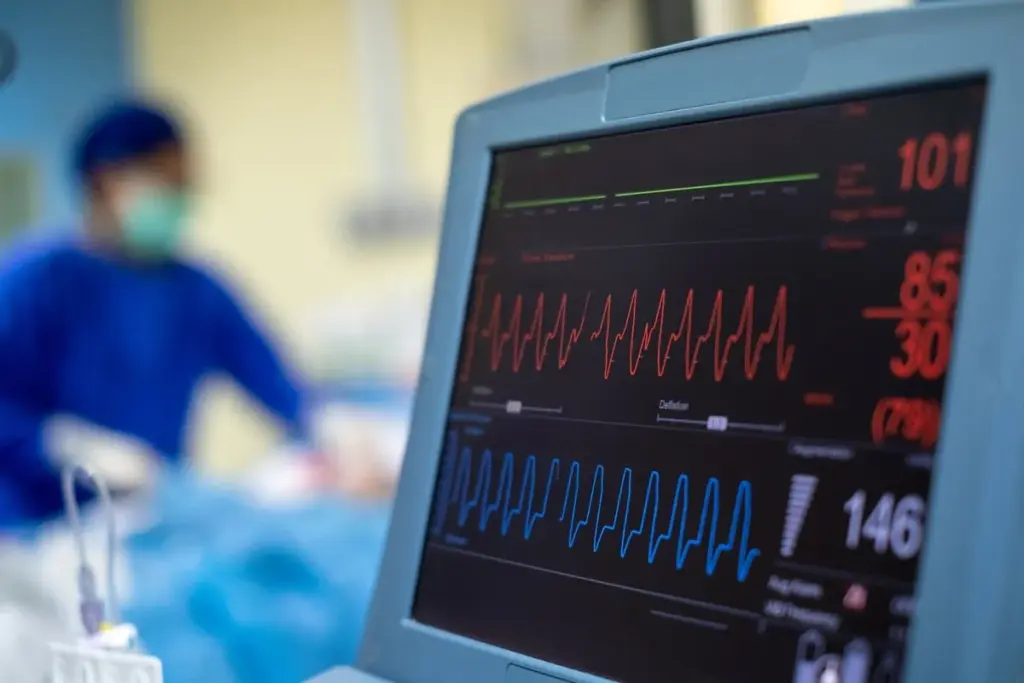
Atrial fibrillation (AFib) is a common heart rhythm disorder that affects millions. It causes an irregular and often rapid heart rate. This can lead to serious complications if not treated. Can a holter monitor catch AFib? Detect dangerous irregular rhythms early. This essential test is your best tool for spotting heart risks.
Detecting AFib is key. A Holter monitor, a portable device, records the heart’s rhythm over time. We’ll see if AFib can be found with a Holter monitor. This will help us understand how to diagnose and manage this condition.
Key Takeaways
- AFib is a common heart rhythm disorder that can lead to serious complications.
- A Holter monitor is a portable device that continuously records the heart’s rhythm.
- Detecting AFib is critical for preventing complications and improving patient outcomes.
- A Holter monitor can effectively detect AFib, providing valuable diagnostic information.
- Understanding AFib and its diagnosis is essential for effective management and treatment.
Understanding AFib: What You Need to Know
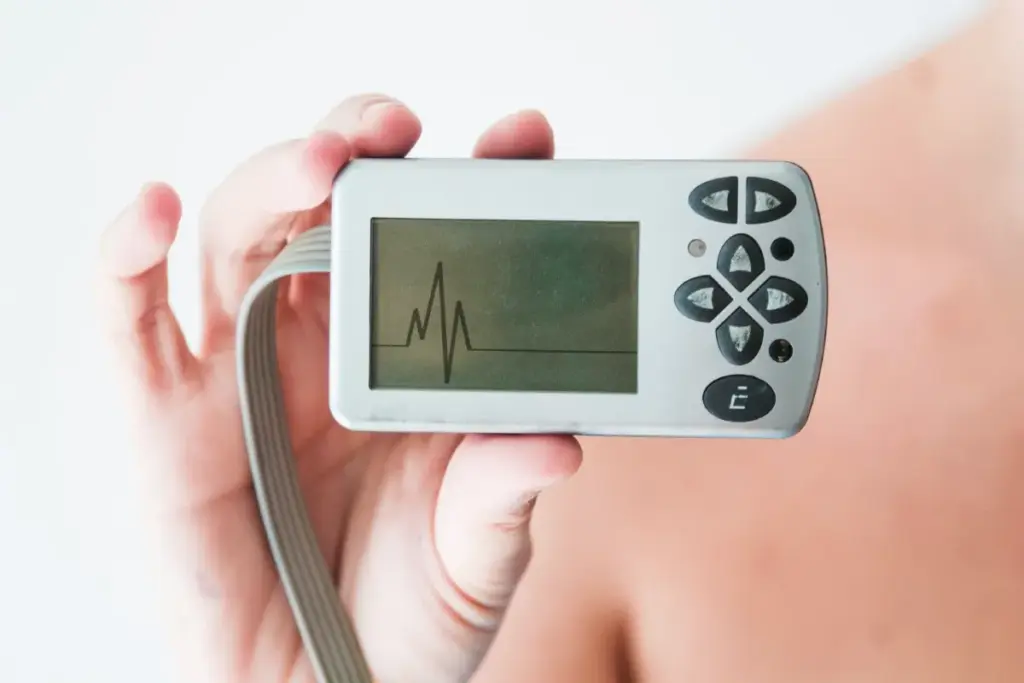
Atrial fibrillation, or AFib, is a heart condition that affects millions. It causes irregular heartbeats and can lead to serious problems. Knowing about AFib is key to managing its effects on heart health.
Definition of Atrial Fibrillation
Atrial fibrillation is when the heart’s upper chambers beat chaotically. This is different from the lower chambers. It disrupts blood flow, leading to complications.
AFib can be classified into several types. These include paroxysmal AFib (intermittent), persistent AFib (continuous), and permanent AFib. Each type has its own treatment needs.
Common Symptoms of AFib
AFib symptoms vary from person to person. Common signs include:
- Palpitations or an irregular heartbeat
- Shortness of breath
- Fatigue or weakness
- Dizziness or lightheadedness
- Chest pain or discomfort
Some people may not show symptoms at all. It’s important for those at risk to get regular check-ups.
Risk Factors and Complications
Several factors can increase the risk of AFib. These include:
- Age: The risk goes up after 65
- High blood pressure
- Heart disease or heart valve problems
- Obesity
- Diabetes
- Thyroid problems
- Family history of AFib
If AFib is not treated, it can cause serious problems. Early detection and proper management are vital to avoid these risks.
What is a Holter Monitor?
A Holter monitor is a small, portable device. It records the heart’s electrical activity for 24 to 48 hours. This device is key for diagnosing and managing heart rhythm disorders.
How It Works
The Holter monitor uses electrodes on the chest to capture the heart’s electrical activity. This info is recorded onto a digital device. It allows for continuous monitoring of the heart’s rhythm.
Key components of a Holter monitor include:
- Electrodes that are attached to the chest
- A recording device that stores the heart’s electrical activity
- Software that analyzes the recorded data
We use this technology to gather detailed info about the heart’s function over time. It gives valuable insights into heart rhythm disorders.
Typical Uses of Holter Monitors
Holter monitors are used to diagnose and monitor conditions like atrial fibrillation (AFib) and palpitations. They are great for catching symptoms that don’t show up on a standard ECG test.
Duration of Monitoring
The time a Holter monitor is worn can vary. It’s usually used for 24 to 48 hours. Sometimes, the monitoring period is longer based on the patient’s condition and the doctor’s advice.
|
Monitoring Duration |
Typical Use |
|---|---|
|
24 hours |
Standard monitoring for most heart rhythm disorders |
|
48 hours |
Extended monitoring for patients with intermittent symptoms |
|
Longer periods |
Special cases as determined by a healthcare provider |
Understanding how Holter monitors work and their typical uses helps us see their importance. They play a big role in diagnosing and managing heart rhythm disorders.
Importance of Monitoring Heart Rhythm
Learning about heart rhythm monitoring can change how we care for our hearts. Keeping our heart rhythm healthy is key for our heart’s well-being. By monitoring heart rhythm, we can spot problems early and act fast to help our patients.
Why Regular Monitoring is Essential
Regular heart rhythm checks are important. They help find irregularities that might not show up on their own. This is how we catch atrial fibrillation (AFib) early, which is vital to avoid strokes and heart failure. Early detection through regular monitoring can lead to more effective management and treatment of heart rhythm disorders.
Benefits of Early Detection
Early detection through heart rhythm monitoring has many benefits. It lets us start medical treatments early to stop heart disease from getting worse. It also helps patients make lifestyle changes that are good for their heart. Lastly, it helps us take steps to prevent heart problems.
Understanding the importance of heart rhythm monitoring helps us take care of our hearts better. Regular checks and the right medical care can improve our health and quality of life.
How Holter Monitors Detect AFib
Holter monitors are key in finding atrial fibrillation (AFib) by recording the heart’s rhythm. They do this through continuous electrocardiogram (ECG) recording. This method checks the heart’s rhythm over a long time, usually 24 to 48 hours or more.
Continuous ECG Recording
A Holter monitor’s main job is to record the heart’s electrical activity all the time. Continuous ECG recording tracks every heartbeat. This gives a detailed look at the heart’s rhythm, helping spot irregularities.
While wearing the Holter device, patients can do their daily activities. The device records their heart’s activity. This data is very helpful for diagnosing AFib, showing how the heart acts under different conditions.
Identifying Irregular Heartbeats
Holter monitors find AFib by identifying irregular heartbeats. AFib causes fast and irregular heart rhythms. These can be hard to catch with just one ECG reading. But, with continuous monitoring, it’s easier to spot these irregularities.
Doctors then look at the recorded data for signs of AFib. They check for irregular RR intervals and missing P waves. This careful analysis is key for a correct diagnosis.
Comparing with Other Tests
There are many tests for diagnosing AFib, like standard ECG, event monitors, and implantable loop recorders. Holter monitors stand out because they record continuously. This gives a fuller picture of heart activity than a standard ECG.
- Standard ECG: Shows heart activity at one moment in time.
- Event Monitors: Record heart activity for a longer time but need patient activation.
- Holter Monitors: Record heart activity for 24 to 48 hours, giving a detailed look at rhythm.
By comparing these tests, doctors can pick the best one for each patient. This ensures an accurate diagnosis and the right treatment plan.
Would AFib Show Up on a Holter Monitor?
Atrial fibrillation (AFib) is a common heart rhythm disorder that affects millions. Many people with AFib don’t know they have it until an ECG recording shows it.
A Holter monitor is a tool used to find AFib. It’s a portable device that tracks the heart’s rhythm for a long time. We’ll see if it can spot AFib and what it means for those with a stent in heart or who’ve had an angioplasty procedure.
Key Takeaways
- AFib is a common heart rhythm disorder that can be detected using a Holter monitor.
- A Holter monitor records the heart’s activity over a prolonged period.
- ECG recording is key in diagnosing AFib.
- Patients with a stent in heart or those who have undergone an angioplasty procedure may benefit from Holter monitoring.
- Early detection of AFib can significantly impact treatment and patient outcomes.
Understanding AFib: What You Need to Know
To understand AFib, it’s key to know its definition, symptoms, and risks. Atrial fibrillation, or AFib, is a heart issue where the heart beats irregularly and fast.
Definition of Atrial Fibrillation
Atrial fibrillation happens when the heart’s upper chambers (atria) beat in a chaotic way. This is different from the lower chambers (ventricles). This irregular heartbeat can cause serious problems like stroke and heart failure. AFib is the most common serious arrhythmia and can greatly affect your life if not treated.
Common Symptoms of AFib
AFib symptoms can differ from person to person. Some might not feel any symptoms, while others might have severe ones. Common symptoms include:
- Heart palpitations or irregular heartbeat
- Shortness of breath
- Fatigue or weakness
- Dizziness or lightheadedness
- Chest pain or discomfort
It’s important to recognize these symptoms early for timely treatment.
Risk Factors and Complications
Several factors can raise your risk of getting AFib. These include age, high blood pressure, heart disease, obesity, diabetes, and a family history of AFib. AFib complications can be serious, like stroke and heart failure. Knowing these risk factors is vital for prevention and management.
|
Risk Factors |
Complications |
|---|---|
|
Age |
Stroke |
|
High Blood Pressure |
Heart Failure |
|
Heart Disease |
Other Heart-Related Issues |
|
Obesity | |
|
Diabetes | |
|
Family History of AFib |
In summary, knowing about AFib means understanding its definition, symptoms, risk factors, and complications. Being informed helps individuals manage their condition better and work with healthcare providers to avoid serious outcomes.
What is a Holter Monitor?
A Holter monitor is a small, portable device. It records the heart’s activity for 24 to 48 hours. It’s a non-invasive tool used to find and track heart rhythm problems.
How It Works
The Holter monitor uses electrodes on the chest to record the heart’s electrical signals. This data is stored in the device. The patient wears it while doing daily activities.
Key features of a Holter monitor include:
- Continuous ECG recording over 24 to 48 hours
- Ability to detect irregular heartbeats and other heart rhythm disorders
- Portable design, allowing patients to go about their daily activities
Typical Uses of Holter Monitors
Holter monitors are used for several reasons, including:
- Diagnosing atrial fibrillation (AFib) and other heart rhythm disorders
- Monitoring the effectiveness of treatments for heart conditions
- Detecting episodes of irregular heartbeats or palpitations
They give a detailed look at the heart’s activity over time. This helps doctors make better decisions for patient care.
Duration of Monitoring
The time a patient wears a Holter monitor varies. It’s usually 24 to 48 hours. Sometimes, it can last up to 7-14 days, depending on symptoms and diagnostic needs.
It’s important for patients to keep a diary or log of their activities and symptoms. This helps match the data from the Holter monitor.
Importance of Monitoring Heart Rhythm
Monitoring heart rhythm is key to catching heart problems early. It helps spot issues before they get worse. This is important for keeping your heart healthy and avoiding problems with irregular heartbeats.
Why Regular Monitoring is Essential
Monitoring heart rhythm regularly is important for many reasons. It helps find conditions like atrial fibrillation (AFib) early. This can lower the risk of stroke and other heart problems.
It also shows how well treatments like heart stent procedures or medicines work. This information helps make better choices for preventive care and treatment plans.
For people who have had stent placement, regular monitoring is very helpful. It lets them catch any problems right away. This ensures they get the help they need quickly.
Benefits of Early Detection
Early detection through heart rhythm monitoring has many benefits. It leads to timely treatments, which can greatly improve outcomes. For example, finding AFib early can start anticoagulant therapy. This can lower the risk of stroke.
Early detection also helps manage symptoms better. This improves life quality for those with heart conditions. It also helps in preventive care by spotting risk factors. This allows for lifestyle changes or treatments to prevent heart disease.
How Holter Monitors Detect AFib
Healthcare providers use Holter monitors to find atrial fibrillation (AFib) and plan treatments. These devices record the heart’s electrical activity for 24 to 48 hours. They are portable and easy to use.
Continuous ECG Recording
Holter monitors record the heart’s activity all the time. This means they catch both short and long AFib episodes. It gives a full picture of the heart’s rhythm during daily life.
The data from Holter monitors shows patterns and irregularities. These might not show up in short ECG tests.
Identifying Irregular Heartbeats
Holter monitors find irregular heartbeats linked to AFib. They look at the ECG data to spot the heart rhythm changes that show AFib.
This skill is key for diagnosing AFib. The condition can be on and off, not always caught by a standard ECG.
Comparing with Other Tests
Comparing Holter monitoring with other tests shows each has its own strengths. Holter monitors are great for long-term monitoring, which helps find AFib.
Using Holter monitors with other tests can give a deeper look at heart health. It helps doctors create better treatment plans.
Who Should Get a Holter Monitor?
Figuring out who needs a Holter monitor is key for spotting and treating heart issues. These monitors are great for people with symptoms that might mean their heart rhythm is off, like those with atrial fibrillation (AFib).
Patients with Heart Conditions
Those with heart problems, like AFib, can really benefit from a Holter monitor. It shows how often and for how long the heart beats irregularly. This info is vital for making a good treatment plan.
For example, someone who often feels their heart skipping beats might get a Holter monitor. It helps figure out if it’s AFib or something else causing it.
|
Heart Condition |
Benefit of Holter Monitoring |
|---|---|
|
Atrial Fibrillation (AFib) |
Helps determine the frequency and duration of irregular heartbeats. |
|
Heart Palpitations |
Aids in diagnosing the cause of palpitations. |
|
Post-Stent Placement (e.g., stent in leg) |
Monitors heart rhythm during the recovery period, such as after a heart stent recovery. |
Individuals with Symptoms
People with symptoms like dizziness, shortness of breath, or chest pain might get a Holter monitor. These signs can point to heart rhythm problems that a Holter can spot.
For instance, someone who often feels dizzy might get a Holter to see if their heart rhythm is off.
High-Risk Populations
Some groups are more likely to get heart problems and might need a Holter monitor. This includes people with a family history of heart disease, older folks, or those with conditions like high blood pressure or diabetes.
By finding out who should get a Holter, we can catch heart issues early. This helps us give better care and improve health outcomes.
The Procedure: What to Expect
A Holter monitor test is easy and gives important insights into your heart. We know it might feel a bit scary, but knowing what to expect can help. It’s a simple way to learn about your heart’s activity.
Preparing for the Test
Before the test, you’ll need to get ready in a few simple ways. Make sure to shower or bathe before the electrodes are put on, as you won’t be able to get the device wet during the test. Our team will show you how to get your skin ready for the electrodes, so they stick well.
On the day of the test, wear loose, comfy clothes that let you easily reach your chest. We’ll put the electrodes on your chest and connect them to the Holter monitor. The device will be on a belt or in your pocket.
During the Monitoring Period
The test lasts between 24 to 48 hours. You’ll do your usual daily activities. Keep a diary of what you do and any symptoms you have. This info is key for understanding the Holter monitor’s data.
|
Activity |
Recommended Action |
|---|---|
|
Showering/Bathing |
Avoid getting the device wet |
|
Exercise |
Continue with normal activities |
|
Symptoms |
Record in diary |
After the Monitoring Ends
When the test is over, you’ll come back to us to have the Holter monitor and electrodes removed. Our team will then look at the data. A healthcare professional will check for any heart rhythm issues or other important findings.
If you’re getting a Holter monitor as part of more tests, you might also have a stress test or echocardiogram. Sometimes, the results might show you need a stent procedure. Knowing what a stent is used for can help you understand your treatment options.
After the test, you’ll have a meeting with your healthcare provider to talk about the results. This is your chance to ask questions and understand what the findings mean for your heart health.
Interpreting Holter Monitor Results
Understanding Holter monitor results is key. It involves looking at the heart rhythms recorded over time. This helps spot irregularities or patterns that might show Atrial Fibrillation (AFib).
Analyzing the Data
Looking at Holter monitor data is a careful job. Our team of experts checks for irregular heartbeats. They note how often and long these happen, and if they match the patient’s activities. This helps see how AFib affects the heart.
Common Findings Related to AFib
Holter monitors can spot AFib by its fast and irregular heartbeats. They also catch other heart rhythm issues. This gives a full picture of the heart’s work. Knowing how often and long AFib happens is key for treatment.
|
Finding |
Description |
Clinical Significance |
|---|---|---|
|
AFib Episodes |
Irregular, rapid heart rhythms |
Indicative of Atrial Fibrillation |
|
Arrhythmia Variability |
Variations in heart rhythm |
Helps in understanding heart health |
|
Episode Duration |
Length of AFib episodes |
Crucial for treatment planning |
Follow-Up Consultations
After checking the data, a follow-up meeting is set. We explain the results in detail. This is a chance to answer any questions and talk about treatment and lifestyle changes for AFib.
Getting to know Holter monitor results is vital for heart health. By looking at the data and talking to a doctor, patients learn a lot about their condition. This helps them manage and treat AFib effectively.
Limitations of Holter Monitoring
Holter monitoring is a useful tool for checking heart rhythms. But, it has its limits. Knowing these helps us make sure we get accurate diagnoses and treatments.
False Positives and Negatives
One big issue with Holter monitoring is false positives and negatives. False positives can cause worry and extra tests. False negatives might mean we miss important diagnoses. We need to think about these when we look at Holter monitor data.
Things like technical problems during the test can lead to false results. This includes electrodes coming loose or outside devices causing trouble. Making sure the equipment works right and patients follow instructions can help avoid these problems.
Duration Sensitivity
The length of time Holter monitoring is done can affect how accurate it is. Intermittent symptoms might not show up if the monitoring is too short. On the other hand, longer times can catch more irregular heart rhythms.
We usually suggest a 24 to 48-hour monitoring period. This length often gives a good look at heart activity. But, some patients might need longer or shorter times based on their health.
Factors That May Affect Results
Many things can change how good Holter monitoring results are. Patient activity and environmental factors can affect heart rhythm recordings. For example, too much exercise or being near certain electromagnetic fields can mess with the data.
Also, having other medical devices like pacemakers or ICDs can interfere with the recordings. We must think about these things when we look at the results. They help us make better decisions about diagnoses.
Knowing the limits of Holter monitoring helps us use it better. We can pair it with other tests and doctor’s opinions for the best care for our patients.
The Role of Technology in Heart Health
Technology has changed how we watch over and care for heart health. New tech makes monitoring the heart more precise and easy to get. This change is big in how we find and treat heart problems.
Advances in Holter Monitor Technology
Holter monitors are key in spotting and handling heart issues. New tech has made them better and more accurate. Some big improvements include:
- Improved Data Storage: Now, Holter monitors can hold lots of data for longer times.
- Enhanced Signal Processing: New algorithms clean up the data, giving clearer heart signals.
- Wireless Connectivity: Many Holter monitors can send data wirelessly, making it easier to check and understand.
- Miniaturization: They’re now smaller and more comfy to wear, helping patients stick to their monitoring.
Future Trends in Heart Monitoring
Looking to the future, we see big changes in heart monitoring. These include:
- Artificial Intelligence (AI) Integration: AI will help analyze heart data, predict issues, and tailor treatments.
- Wearable Technology: Wearable devices will keep getting better, giving constant updates and feedback.
- Telehealth Integration: Heart monitoring will link up more with telehealth, making remote care and checks easier.
These new tech trends show how important technology is for heart health. As we keep making these tools better, we’ll see better care for heart patients.
Combining Holter Monitoring with Other Tests
Healthcare providers often use Holter monitoring with other tests to understand the heart better. This helps in making accurate diagnoses and effective treatment plans for heart rhythm disorders.
Stress Tests and Echocardiograms
Stress tests and echocardiograms are used with Holter monitoring to check heart function. Stress tests see how the heart works during exercise. Echocardiograms use sound waves to show the heart’s structure, spotting any issues.
These tests, along with Holter monitoring, give a full view of heart health. For example, a stress test can check blood flow to the heart. Holter monitoring looks at heart rhythm during daily life.
Blood Tests and Other Monitoring Devices
Blood tests are key when used with Holter monitoring. They help find conditions that might cause heart rhythm problems, like thyroid issues or imbalances in electrolytes. Electrolyte levels are very important for heart function, and problems can cause arrhythmias.
Other devices, like event monitors or implantable loop recorders, can also be used with Holter monitoring. This combined approach is great for patients with symptoms that don’t show up on a standard Holter monitoring.
We suggest talking to your healthcare provider about what tests you need. By using Holter monitoring with other tests, you can get a precise diagnosis and treatment plan that fits your situation.
Conclusion: The Value of Holter Monitoring
Holter monitoring is key in finding and managing Atrial Fibrillation (AFib). It helps patients understand their heart health better. This knowledge empowers them to take charge of their condition.
Empowering Patients
We think patient empowerment is vital for managing AFib well. Holter monitoring gives patients insights into their heart rhythm. This helps them make better choices about their treatment.
After Holter monitoring, knowing what to do next is important. We suggest patients get medical advice. This way, they can understand their results and how to manage their AFib.
Seeking Medical Advice
Doctors can offer personalized advice on managing AFib. They might suggest a heart stent operation. By using Holter monitoring with other tests, doctors can create a treatment plan that fits the patient’s needs.
Using Holter monitoring’s value can lead to better patient outcomes. It improves the lives of those with AFib.
FAQ
What is Atrial Fibrillation (AFib) and how does it affect the heart?
Atrial Fibrillation (AFib) is a heart rhythm disorder. It can cause heart failure, stroke, and other issues. The upper heart chambers beat irregularly, not in sync with the lower chambers.
How does a Holter monitor work?
A Holter monitor is a small device that records your heart’s rhythm for 24 to 48 hours. It uses chest electrodes to track your heart’s activity continuously. This gives valuable data on your heart’s rhythm and function.
Can AFib be detected using a Holter monitor?
Yes, a Holter monitor can detect AFib. It records your heart’s rhythm continuously. This helps catch irregular heartbeats, including AFib, making it a key tool for diagnosis.
What are the benefits of using a Holter monitor for AFib detection?
Using a Holter monitor has many benefits. It can monitor your heart rhythm for a longer time. This captures AFib episodes that might not show up in shorter tests. It also gives detailed info on AFib frequency and duration.
How accurate are Holter monitors in detecting AFib?
Holter monitors are very accurate in detecting AFib. Their continuous recording is key. But, accuracy can depend on recording quality, other heart conditions, and monitoring duration.
What should I expect during a Holter monitoring test?
During the test, you’ll wear a small device with chest electrodes. You’ll do your usual activities while it records your heart’s activity. This is over the monitoring period.
Are there any limitations to Holter monitoring for AFib?
Yes, there are limitations. False positives or negatives can happen. Monitoring duration and factors like electrode placement and activity level can also affect results.
Can technology advancements improve Holter monitoring for AFib?
Yes, technology advancements are making Holter monitoring better. Improved electrodes, better software, and longer battery life are all helping. These advancements improve detection of AFib and other heart rhythm disorders.
What are the next steps after AFib is detected using a Holter monitor?
After detection, your doctor will discuss the findings with you. They might recommend more tests or a treatment plan. This could include medication, lifestyle changes, or other interventions.
National Center for Biotechnology Information. Evidence-Based Medical Insight. Retrieved from https://pmc.ncbi.nlm.nih.gov/articles/PMC3437373/