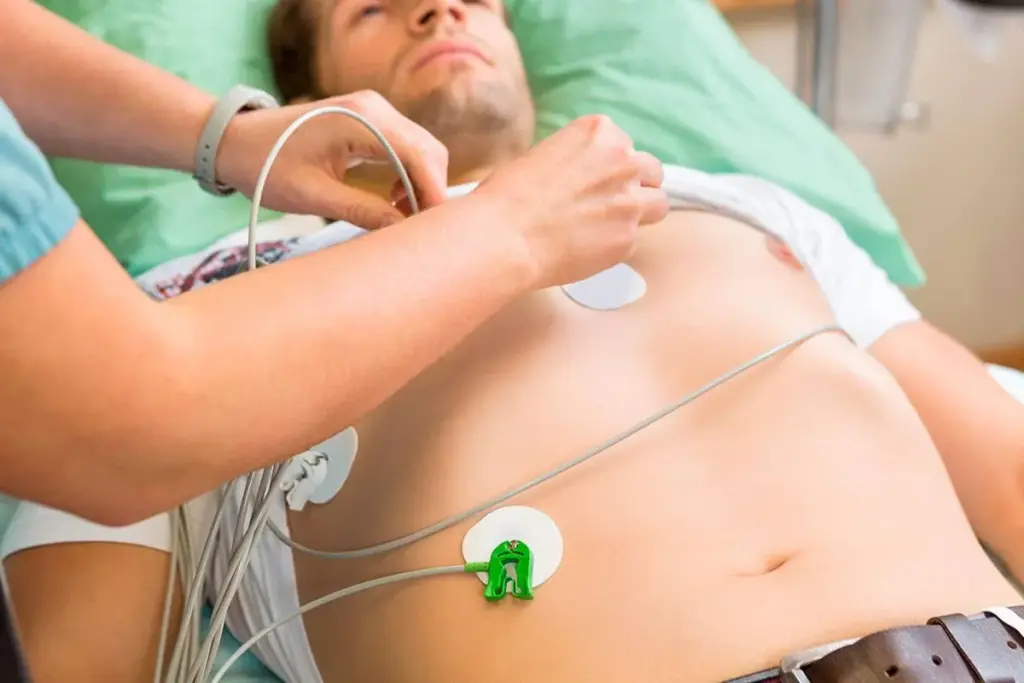
Nearly 1 in 5 adults in the United States will develop heart failure at some point. Many get tested with a Holter monitor to find heart rhythm issues.
The time to get Holter monitor results can change a lot. It depends on how complex the test is and how busy the doctor is. Waiting for these results can be really hard for patients.
We work hard to give timely and accurate diagnoses at our place. We help patients understand their heart health better. Our guide will tell you what to expect during this time.
Key Takeaways
- Holter monitor results timeframe varies based on test complexity and physician workload.
- Understanding heart failure symptoms is key for early diagnosis.
- Diagnosing CHF often needs more than one test.
- Patients get detailed info about their heart health from the results.
- Getting accurate diagnoses quickly is what we focus on.
What is a Holter Monitor?
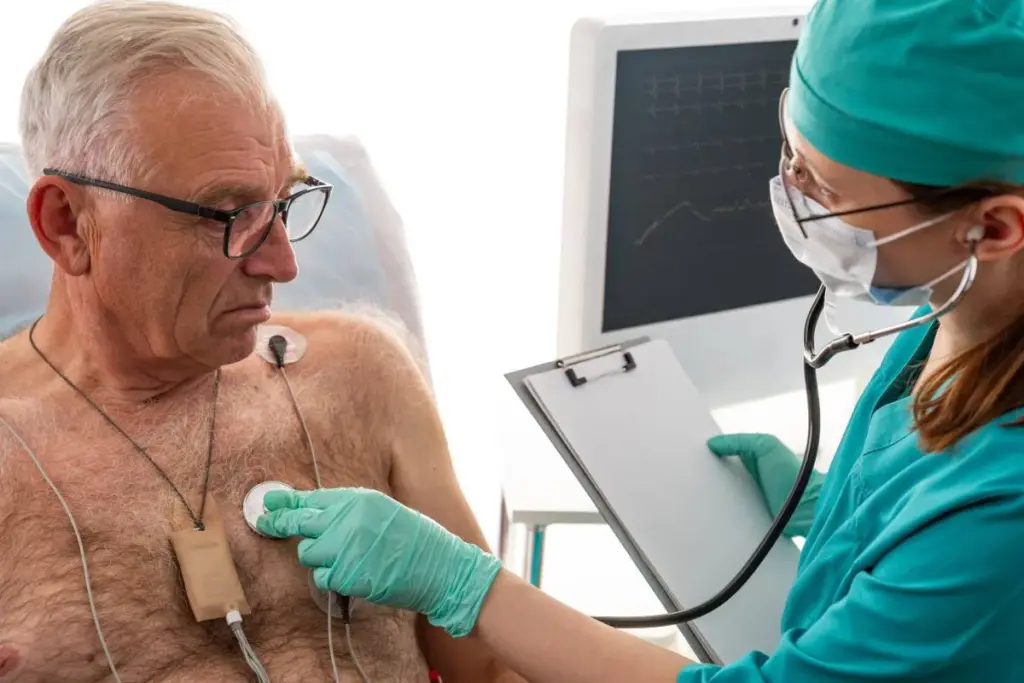
A Holter monitor is a small device that tracks the heart’s activity for 24 to 48 hours. It’s key for diagnosing and monitoring heart conditions. It gives insights into the heart’s rhythm and function.
Definition and Purpose
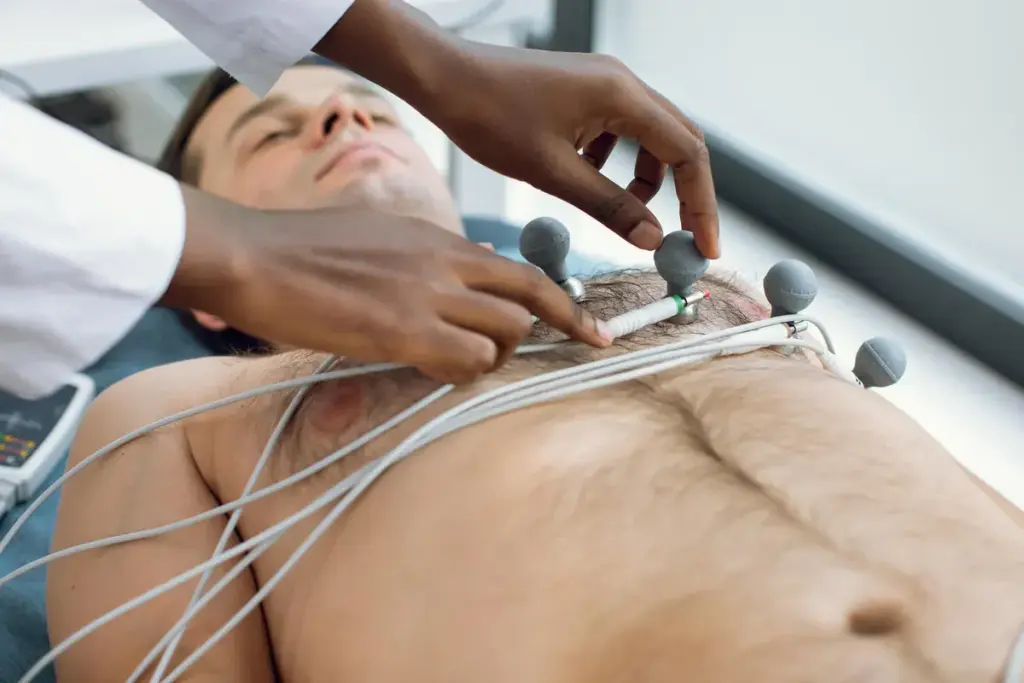
A Holter monitor is a small, wearable device that records the heart’s electrical activity all the time. Its main goal is to help find heart-related problems by showing how the heart acts over a long time. It’s great for spotting issues with heart failure and cardiac muscle.
How it Works
The Holter monitor uses chest electrodes to record the heart’s electrical signals. This data is stored in the device for doctors to analyze later. It helps understand the heart’s function and find heart disease.
Common Uses
Holter monitors are often used to find conditions like arrhythmias and palpitations. They’re very helpful for people who have symptoms not seen on a standard ECG test.
|
Feature |
Description |
Benefit |
|---|---|---|
|
Portability |
Small and wearable |
Allows for normal activity during monitoring |
|
Recording Duration |
Typically 24 to 48 hours |
Captures heart activity over an extended period |
|
Data Analysis |
Stored data analyzed by professionals |
Provides detailed insights into heart health, aiding in the diagnosis of conditions like cardiac failure |
The Process of Getting a Holter Monitor
Getting a Holter monitor involves several steps, starting with a consultation with your healthcare provider. We know it can seem scary, but knowing what to expect can help. It makes the experience less overwhelming.
Initial Consultation with Your Doctor
The first step is talking to your doctor about your symptoms and medical history. This meeting decides if you need a Holter monitor test. It’s used for diagnosing or managing heart conditions like congestive heart failure (CHF).
This is a key part of the process.
Preparing for the Test
Before the test, you’ll learn how to wear the device and what to do during the monitoring period. You’ll get instructions on attaching the monitor and keeping a diary of your activities and symptoms. It’s important to follow these instructions well to get accurate results.
Conducting the Holter Monitor Test
The test involves wearing the device for 24 to 48 hours. During this time, the monitor records your heart’s activity. This data helps diagnose heart issues.
It’s important to act normally during the test. This way, the monitor captures a true picture of your heart’s function.
|
Step |
Description |
|---|---|
|
Initial Consultation |
Discuss symptoms and medical history with your doctor to determine the need for a Holter monitor test. |
|
Preparing for the Test |
Understand how to wear the Holter monitor and keep a diary of activities and symptoms. |
|
Conducting the Test |
Wear the Holter monitor for the specified duration, usually 24 to 48 hours, and continue with daily activities as usual. |
By understanding the process and following your healthcare provider’s instructions, you can make sure the test is done right. It gives valuable insights into your heart health. This helps in diagnosing and treating heart conditions like heart failure.
Duration of Holter Monitoring
Holter monitoring helps diagnose heart conditions. The time a patient wears a Holter monitor varies. It depends on the heart condition and the doctor’s needs.
Typical Monitoring Period
A Holter monitor is usually worn for 24 to 48 hours. This lets doctors record heart activity over time. Patients are asked to go about their day as usual to get accurate data.
Factors Influencing Duration
Several things can change how long a Holter monitor is worn. The severity of heart failure symptoms or symptoms of heart failure matters. Also, the need to record heart activity during both active and rest periods is important. For those with CHF symptoms or other heart disease manifestations, longer monitoring might be needed.
Wearing a Holter monitor for a long time can be a hassle. But, the data it collects is key for diagnosing and treating heart issues. Our medical team ensures patients are comfortable and well-informed during the monitoring.
Interpreting Holter Monitor Results
When we look at Holter monitor results, we dive deep into heart rhythm and other important metrics. This helps us spot any heart problems. We check for patterns or oddities in heart activity that might show a heart issue.
Key Metrics Analyzed
The Holter monitor tracks several key heart health metrics. These are:
- Heart Rate: It shows how the heart rate changes with different activities.
- Heart Rhythm: It finds any heart rhythm problems, like arrhythmias.
- ECG Data: It records electrocardiogram (ECG) data, giving a detailed look at the heart’s electrical activity.
By looking at these metrics, doctors can really understand a patient’s heart health.
What the Results Indicate
The Holter monitor results can show different heart problems, like:
|
Condition |
Description |
Possible Symptoms |
|---|---|---|
|
Arrhythmia |
Irregular heart rhythm |
Palpitations, dizziness |
|
Cardiac Ischemia |
Reduced blood flow to the heart |
Chest pain, shortness of breath |
|
Heart Failure |
The heart’s inability to pump enough blood |
Fatigue, swelling in legs |
It’s key to understand these results to diagnose heart failure. This helps identify symptoms and the heart failure stage. It could be related to congestive heart failure or other heart issues.
Timeline for Receiving Results
After a Holter monitor test, patients often wonder when they’ll get their results. These results are key for diagnosing and managing heart issues, like heart failure with preserved ejection fraction (HFpEF).
When to Expect Results
Patients usually get their Holter monitor results a few days to a week after the test. But, this time can change based on the data’s complexity and the doctor’s workload.
Factors Affecting Processing Time
Several things can affect how long it takes to get Holter monitor results. These include:
- The complexity of the heart rhythm data recorded during the test
- The workload of the cardiologist or technician interpreting the results
- The need for additional analysis or consultation with other medical professionals
For patients with heart failure, getting results quickly is important. Knowing if they have HFref (heart failure with reduced ejection fraction) or HFpEF can greatly affect their treatment.
|
Factor |
Impact on Processing Time |
|---|---|
|
Complexity of Data |
More complex data requires longer analysis time |
|
Interpreter’s Workload |
Higher workload can delay results |
|
Need for Additional Analysis |
Consultation with other professionals can extend processing time |
Understanding Your Holter Monitor Report
It’s important to understand your Holter monitor report to spot heart issues early. Your report shows how well your heart is working. It has key details that doctors use to find and treat heart problems.
Key Terminology to Know
To get the most from your Holter monitor report, learn some key terms. Ejection fraction shows how well your heart pumps blood. A normal ejection fraction is between 55% and 70%. Knowing what’s normal for your heart can help you understand your report better.
Other terms like arrhythmia, bradycardia, and tachycardia are also important. They describe different heart rhythms. Knowing these terms helps you talk about your report with your doctor.
What to Look For in the Report
When you look at your Holter monitor report, find sections about your heart’s activity. Check for any signs of heart trouble, like palpitations or dizziness. See how these signs match up with your heart’s rhythm.
The report should also show how your heart is doing overall. It will highlight any problems it finds. This info is key to making good choices about your health with your doctor.
Who Analyzes Holter Monitor Data?
Cardiologists and other healthcare experts look at Holter monitor data. They are key in finding and treating heart problems, like heart failure. This is important for getting the right heart failure treatment quickly.
Roles of Medical Professionals
Cardiologists, with their deep training, analyze Holter monitor data. They spot heart rhythm issues that might mean problems like arrhythmias or congestive heart failure. This could mean they need to use treatment for congestive heart failure.
These experts work with other doctors to give the best care. For example, if a Holter monitor shows heart failure risk, they might suggest cardiac failure drugs for treatment.
|
Medical Professional |
Role in Holter Monitor Data Analysis |
|---|---|
|
Cardiologists |
Interpret Holter monitor data to diagnose heart conditions. |
|
Trained Technicians |
Assist in the initial processing and preparation of Holter monitor recordings. |
|
Primary Care Physicians |
Receive and act upon the findings from Holter monitor analyses, coordinating further treatment as needed. |
Importance of Specialized Training
Looking at Holter monitor data is not easy. It needs specialized training and a deep understanding of heart rhythms. Cardiologists must be good at spotting small changes in heart rhythm that could mean big problems.
“The accurate interpretation of Holter monitor recordings is critical for diagnosing and managing cardiac conditions effectively.”
Because of the complexity of analyzing Holter monitor data, doctors must keep learning. They need to stay up-to-date with new methods and tools.
Potential Follow-Up Actions
After getting your Holter monitor results, your healthcare provider will tell you what to do next. It’s important to talk about the results with your doctor. This is just the start of understanding your heart health.
Discussing Results with Your Doctor
Talking about your Holter monitor results with your doctor is key. They will explain any unusual findings. This is your chance to learn about any heart problems, like heart failure symptoms in women or left sided heart failure.
Doctors say knowing your diagnosis is vital for managing your health. They might also talk about what could have caused what causes heart failure. This helps you understand your health better.
Possible Further Testing
Your doctor might suggest more tests based on your Holter monitor results. These could be more monitoring, stress tests, or echocardiograms. Knowing why you need these tests helps you get ready.
- More monitoring to watch your heart rhythm over time.
- Stress tests to see how your heart works when stressed.
- Echocardiograms to check your heart’s structure and function.
By following your doctor’s advice, you can learn more about your heart health. This helps you manage any health issues you might have.
Patient Experiences
Every patient’s journey with Holter monitoring is unique. They share different experiences and outcomes. Understanding these can give us insights into the process and its effects on patients.
Anecdotes about Monitoring Duration
Patients talk about the length of their Holter monitoring. Some find it easy, while others face challenges. For example, a patient might remember wearing it during daily tasks.
One patient forgot they were wearing it, while another worried about alarms. These stories show how varied experiences can be. Some feel no disruption, while others are bothered by the device.
The length of monitoring also affects comfort. Longer times might cause more irritation or discomfort.
Receiving Results and Next Steps
Getting Holter monitor results is a big moment for patients. They often feel anxious or hopeful. If the results show CHF exacerbation or heart problems symptoms, they must discuss CHF treatment with their doctor.
Reactions to results vary. Some are relieved if everything looks normal. Others might feel overwhelmed by the need for more tests or treatment. It’s important for patients to understand what their results mean and what comes next.
|
Aspect of Care |
Patient Experience |
Healthcare Provider Role |
|---|---|---|
|
Monitoring Duration |
Varied comfort levels with the device |
Guiding patients on managing the monitor |
|
Receiving Results |
Range of emotional responses |
Interpreting results and explaining next steps |
|
Treatment Planning |
Understanding treatment options |
Discussing CHF treatment and other relevant therapies |
Looking at these aspects helps us understand patient experiences better. Healthcare providers play a key role in supporting patients. They help address heart problems symptoms and guide through CHF treatment plans. A thorough approach to care is vital.
Insurance and Holter Monitor Testing
Insurance is key to making Holter monitor testing available. Knowing your insurance well can help with the costs of this test.
Coverage Overview
Many insurance plans cover Holter monitor tests when they’re needed. This usually happens when a doctor suggests it for heart issues. You’ll need to check your policy or talk to your insurance to see what’s covered.
What affects coverage includes your insurance type, your medical condition, and if the test is done by an in-network doctor. Some plans need pre-approval or specific criteria to cover the test.
Cost Considerations
Even with insurance, you might have to pay for Holter monitor testing. Costs can include deductibles, copays, or coinsurance. The price can change based on the provider, location, and services.
If you don’t have insurance or have limited coverage, talk to your doctor about costs. Some places offer financial help or payment plans to make testing more affordable.
Being informed about costs and seeking assistance can reduce the stress associated with Holter monitor testing. Being informed lets patients focus on their health without worrying about money.
Conclusion
Knowing about Holter monitor results can help patients get ready for the test. It’s important for managing heart health. We’ve looked at Holter monitoring, its purpose, and how long it takes.
Key Takeaways
Holter monitoring is a key tool for finding heart disease. It usually lasts 24 to 48 hours. But, it can change based on the patient’s needs.
Getting Holter monitor results means doctors analyze the data. The time it takes can depend on how complex the data is. It also depends on how fast the lab works.
Future Directions
For patients with Holter monitoring, understanding their results is vital. It helps them talk about treatments for heart failure or other conditions with their doctor. Being informed helps patients manage their heart health better.
FAQ
What is a Holter monitor used for?
A Holter monitor helps diagnose and monitor heart conditions. It gives insights into heart rhythm and function over time.
How long does Holter monitoring typically last?
The length of Holter monitoring varies. It depends on symptoms and the need for detailed heart activity recording. It usually lasts from 24 to 48 hours.
How long does it take to receive Holter monitor results?
Results from a Holter monitor test come in a few days to a week. The exact time can vary.
Who interprets Holter monitor results?
Cardiologists or healthcare professionals with specialized training analyze Holter monitor data. They have the expertise needed.
What happens after receiving Holter monitor results?
After getting the results, patients talk to their doctor. The doctor might suggest more tests or treatment based on the findings.
How can I understand my Holter monitor report?
Patients should know the terms in their report. Understanding what it says about their heart health is key. Talking to a healthcare professional can help clarify things.
Is Holter monitor testing covered by insurance?
It’s important to know if insurance covers Holter monitor testing. Out-of-pocket costs can vary. Coverage depends on the provider and policy.
What are the next steps if my Holter monitor results indicate a heart condition?
The doctor might suggest more tests, treatment, or lifestyle changes. This depends on the findings.
Can I expect my heart condition to be treated after Holter monitoring?
Treatment plans vary based on the diagnosis and condition severity. The doctor will discuss the best options after reviewing the Holter monitor results.
How does a Holter monitor work?
A Holter monitor records the heart’s activity over a set time. It provides data on heart rhythm and function for analysis.
References
National Center for Biotechnology Information. Holter Monitor. Retrieved from https://www.ncbi.nlm.nih.gov/books/NBK538203/



 Departments
 Related Videos
 Our Doctors
 News
News