
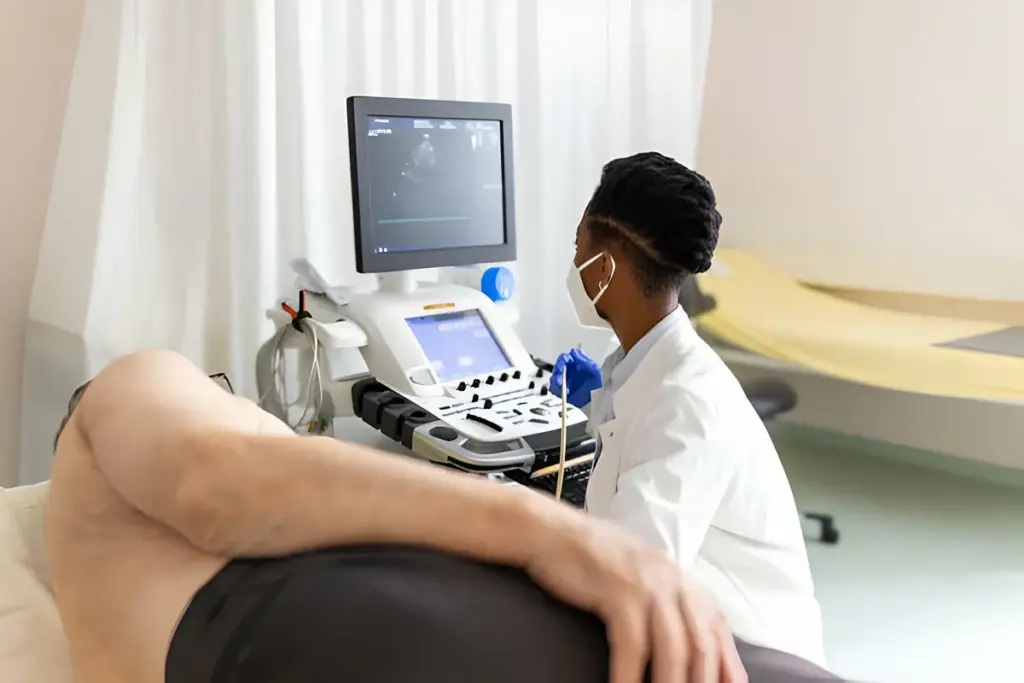
Heart failure is a big problem worldwide. Doctors use a Holter monitor to check heart activity. But can it spot heart failure?
Can a holter monitor detect heart failure? Discover how this device reveals dangerous patterns. Get the vital answers for your health today.
We look into what a Holter monitor can do for heart health. It tracks heart rhythm and activity, which is key for heart care. Even though it’s mainly for arrhythmias, it can also show signs of heart failure.
Key Takeaways
- Holter monitors track heart activity and can indicate signs of heart failure.
- Heart failure diagnosis involves multiple tests, including Holter monitoring.
- Early detection is key to managing heart failure effectively.
- A Holter monitor provides valuable data on heart rhythm, including the frequency and patterns of heartbeats.
- Percutaneous coronary intervention (PCI) is a treatment option for certain heart conditions.
What is a Holter Monitor?
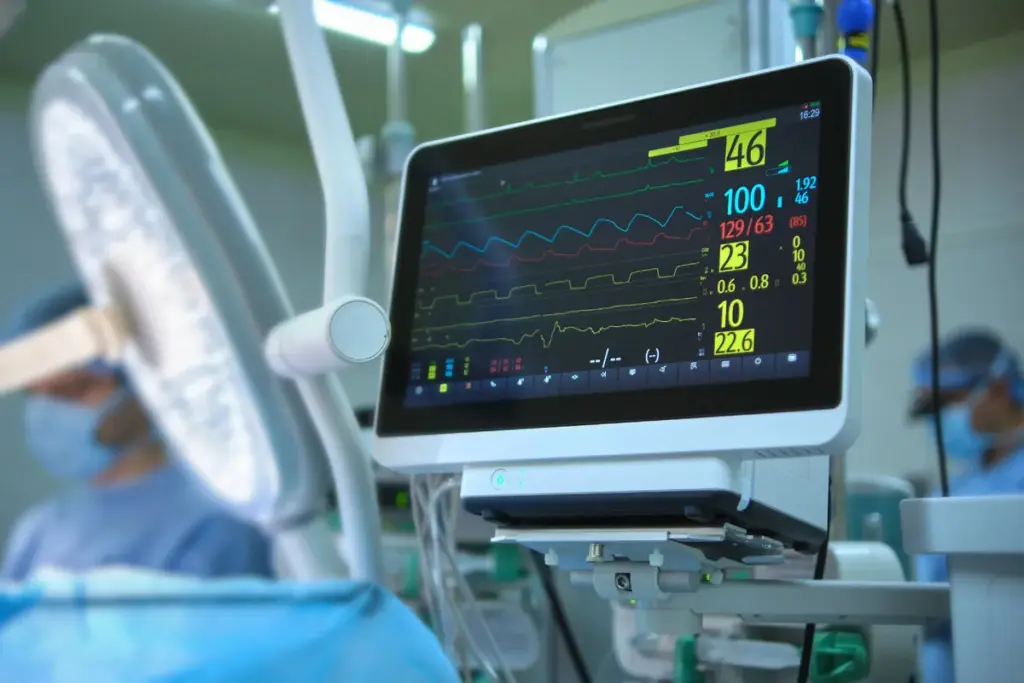
It is essential to understand how a Holter monitor functions for those undergoing heart evaluations. It’s a small, wearable device that records your heart’s activity for 24 to 48 hours. This helps doctors see how your heart works over time.
Definition and Purpose
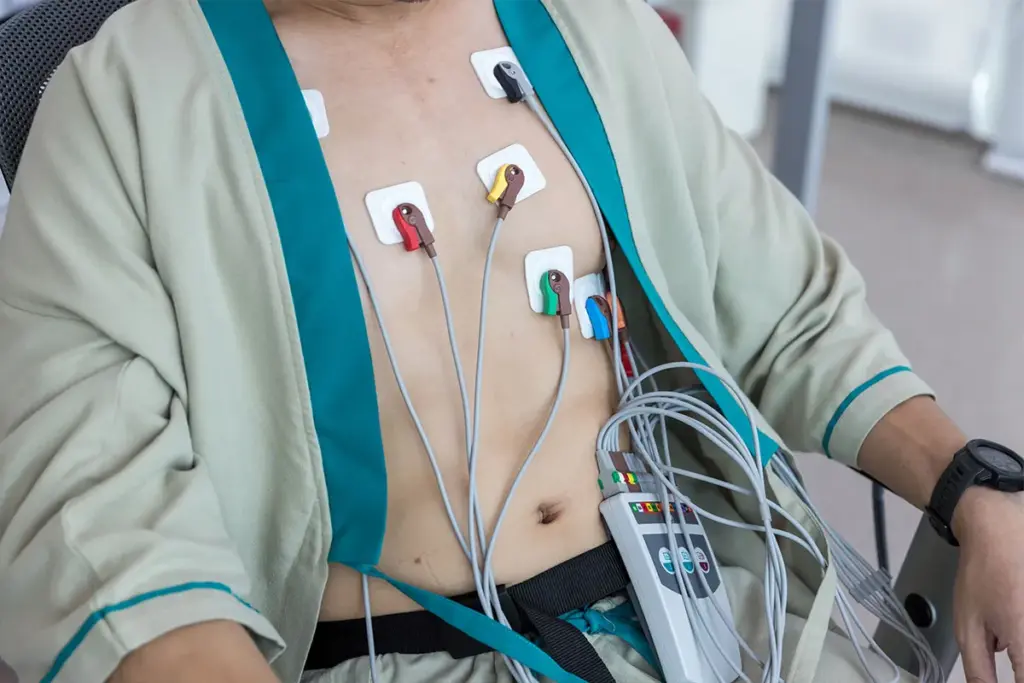
A Holter monitor is a portable ECG device that tracks your heart’s electrical activity for hours. It helps find heart rhythm problems and other heart issues that a short ECG might miss. It’s great for catching irregular heart rhythms that don’t show up on short tests.
How It Works
The Holter monitor uses chest electrodes to record your heart’s electrical signals. These electrodes connect to the monitor, which records your heart’s activity non-stop. Doctors then look at this data to spot any heart rhythm problems or other heart issues. It gives a detailed look at how your heart works during different activities.
Typical Monitoring Period
Patients usually wear the Holter monitor for 24 to 48 hours. Sometimes, they might need to wear it longer, depending on their health and the doctor’s advice. While wearing it, they keep a diary of their activities and any symptoms. This helps doctors understand the data better and manage heart conditions more effectively.
Conditions Detected by a Holter Monitor
The Holter monitor catches many heart issues, from arrhythmias to ischemia episodes.
It watches the heart all the time. This helps find problems that might not show up in a quick doctor’s visit. It’s a key tool for finding and treating heart problems.
Arrhythmias
A Holter monitor is great for finding arrhythmias. These are heartbeats that are not regular. They can be too fast, too slow, or irregular.
These irregular heartbeats can cause symptoms like palpitations, dizziness, or even fainting. Doctors use Holter monitors to figure out the best treatment for arrhythmias.
Lack of Blood Flow
Holter monitors also spot lack of blood flow to the heart. This is called ischemia. It happens when the heart muscle doesn’t get enough oxygen and nutrients.
This can lead to serious heart issues. So, catching it early is very important.
Other Heart Issues
Besides arrhythmias and ischemia, Holter monitors find other heart issues. They can help diagnose problems that might need a stent in the heart or percutaneous coronary intervention (PCI).
These treatments help get blood flowing to the heart again. This lowers the risk of heart attacks and other serious problems.
Overall, Holter monitors give doctors important info about the heart. This helps them make better choices for patient care.
Heart Failure Overview
Understanding heart failure is key to managing it well. It happens when the heart can’t pump enough blood. This leads to many problems. We’ll look at what heart failure is, its symptoms, and risk factors.
Definition of Heart Failure
Heart failure means the heart doesn’t pump blood as it should. This can cause fatigue, swelling, and shortness of breath. It’s not a sudden stop of the heart but a slow decline in pumping.
Symptoms of Heart Failure
Signs of heart failure include shortness of breath, fatigue, and swelling in the legs and feet. These happen because the heart can’t pump enough blood. Spotting these symptoms early is key for quick action.
Risk Factors for Heart Failure
Many things can lead to heart failure, like high blood pressure, diabetes, and heart valve issues. PCI (Percutaneous Coronary Intervention) can help prevent heart failure in some cases. Knowing these risks helps prevent and manage heart failure early.
|
Risk Factors |
Common Symptoms |
|---|---|
|
High Blood Pressure |
Shortness of Breath |
|
Diabetes |
Fatigue |
|
Heart Valve Problems |
Swelling in Legs and Feet |
By understanding heart failure, its symptoms, and risk factors, people can get help early. Procedures like PCI and angioplasty are important for heart health.
How a Holter Monitor Can Aid in Heart Failure Detection
We use Holter monitors to get detailed insights into heart activity. This helps us detect heart failure. It’s a key tool for ongoing monitoring, letting doctors link symptoms with heart activity over time.
Continuous Monitoring Benefits
Using a Holter monitor for continuous monitoring has big benefits for heart failure detection. Unlike short checks, Holter monitors track heart activity for 24 to 48 hours. This gives a full picture of how the heart works under different conditions.
This long monitoring time catches symptoms that might not show up in short visits. It’s great for patients with symptoms that pop up at random times.
Correlating Symptoms and Heart Activity
Doctors use Holter monitors to link symptoms with heart activity. Patients keep a diary of their activities and symptoms during monitoring. This helps doctors understand if symptoms are linked to heart problems.
This link is key to spotting heart failure signs like arrhythmias or low heart rate variability. These signs can mean heart failure.
Information Gained from Holter Readings
The data from a Holter monitor gives important insights. It shows heart rate variability, arrhythmias, and other heart issues. This info is vital for diagnosing heart failure and figuring out how serious it is.
|
Heart Activity Parameter |
Normal Range |
Abnormal Indication |
|---|---|---|
|
Heart Rate Variability |
High variability |
Low variability (possible heart failure) |
|
Arrhythmias |
Occasional, mild arrhythmias |
Frequent or severe arrhythmias |
|
Average Heart Rate |
60-100 bpm |
Always outside this range |
Looking at these details helps doctors decide on next steps. This might include more tests or treatments like coronary angioplasty or a stent.
Interpreting Holter Monitor Results
Understanding Holter monitor data means knowing normal and abnormal heart rhythms. We look at the recordings for patterns that show heart problems.
Normal Range Considerations
A normal Holter monitor shows a heart rate of 60 to 100 beats per minute. This can change with activity or stress. Important factors include arrhythmias, ischemic episodes, and other issues.
- Normal sinus rhythm
- Occasional premature atrial or ventricular contractions
- Heart rate response to activity and rest
Abnormal Findings and Implications
Abnormal Holter monitor results can point to heart conditions like arrhythmias or ischemia. The seriousness of these findings depends on the type and severity.
- Arrhythmias, such as atrial fibrillation or ventricular tachycardia
- Ischemic episodes, which may suggest coronary artery disease
- Other abnormalities, such as pauses or heart block
In some cases, we might need more tests, like a stress test or percutaneous coronary intervention (PCI) evaluation. We look at these results with the patient’s health and history in mind.
Next Steps After Abnormal Results
After getting abnormal Holter monitor results, we suggest more tests to confirm the diagnosis. These might include echocardiograms, stress tests, or other cardiac checks.
Treatment plans are made based on the individual’s condition. They might include medication, lifestyle changes, or PCI medical procedures. We help patients manage their condition and improve their heart health.
Limitations of Holter Monitors in Detecting Heart Failure
Holter monitors give us important insights into heart function. But, they can’t fully detect heart failure. It’s key to know their limits to use them well in medical care.
Diagnostic Constraints
Holter monitors are not a complete diagnosis tool by themselves. They track heart activity for 24 to 48 hours. They might miss symptoms or heart function changes that happen outside this time.
This shows why we must use Holter monitor data with other tests and doctor’s checks. This way, we get a full view of a patient’s heart health.
False Positives and Negatives
Another big issue is false positives and negatives. False positives can cause worry and extra tests. False negatives might make us think everything is okay when it’s not.
We need to think about these risks when we look at Holter monitor results. We should also check other tests to make sure we’re right.
Importance of Additional Tests
Because of Holter monitor limits, more tests are usually needed to confirm heart failure. These might include echocardiograms, stress tests, or even more detailed procedures like cardiac catheterization. This is true if we’re thinking about putting in a stent.
By using Holter monitor data with these extra tests, we can make better choices for patient care. This helps us not miss important diagnoses or treatments.
When to Use a Holter Monitor
Deciding to use a Holter monitor depends on a patient’s symptoms and the need for ongoing heart monitoring. These devices help us collect detailed heart activity data over time. This information is key in diagnosing and managing heart conditions.
Recommended Situations for Monitoring
Holter monitors are great for certain situations. They’re useful when patients show signs of arrhythmias or ischemia. Symptoms like palpitations, dizziness, or heart rhythm disorders are good reasons to use one.
Also, patients who have had heart stent surgery or other cardiac procedures might need monitoring. It helps us check their heart’s function and spot any early signs of trouble.
Duration of Monitoring
The length of time a Holter monitor is used varies. It usually lasts from 24 to 48 hours. This lets us see how the heart works during daily life and when at rest.
In some cases, we might need to monitor for longer. This is to catch symptoms or arrhythmias that only happen sometimes.
Follow-Up Consultations
After the monitoring, we schedule a follow-up to talk about the results. We look at the data from the Holter monitor to decide on treatment. This could mean changing medications, doing more tests, or other actions.
This ensures patients get care that’s right for them. It’s all about tailoring treatment to their unique needs.
Patient Experience with Holter Monitoring
Knowing what to expect from Holter monitoring can make a big difference. We get that medical tests can be scary. So, we’re here to help you know what to expect during your Holter monitoring.
What to Expect During Monitoring
You’ll wear a small, portable device that records your heart’s activity for 24 to 48 hours. This device is connected to electrodes on your chest. They might feel a bit uncomfortable at first but usually don’t hurt much.
We suggest you keep doing your usual daily activities unless your doctor tells you not to. It’s also important to keep a diary of your activities and any symptoms. This helps match the data from the Holter monitor with your experiences.
Tips for Effective Use
To make the most of your Holter monitoring, here are some tips:
- Keep the device dry; avoid bathing or swimming during the monitoring period unless you’ve been advised it’s safe to do so.
- Maintain a detailed log of your activities, including the time you experience any symptoms.
- Avoid tight clothing that might dislodge the electrodes.
By following these tips, you can help ensure the data collected is accurate and helpful for your healthcare provider.
Common Patient Concerns
Many patients worry about the comfort and impact of Holter monitoring on their daily life. We want to reassure you that the device is designed to be as unobtrusive as possible. It lets you go about your daily routine with little disruption.
If you have any issues, like skin irritation or discomfort, tell your healthcare provider. They can help and make any necessary changes.
Conclusion
Holter monitors are key in finding and managing heart problems, like heart failure. They give important data on heart activity. This helps doctors make better treatment plans and helps people keep their hearts healthy.
Maintaining Heart Health
It’s important to check your heart often to catch problems early. If you think you might have a heart issue, see a doctor right away. This can lead to better heart health.
Role of PCI Cardiology
PCI (Percutaneous Coronary Intervention) is a big deal in cardiology for treating heart artery disease. Knowing how Holter monitors work is key for good heart care.
Knowing the good and bad of Holter monitors helps people manage their heart health better. We suggest regular checks and seeing a doctor when needed for the best heart health.
FAQ
What is a Holter monitor used for?
A Holter monitor is a small, wearable device. It records the heart’s activity for 24 to 48 hours. This helps diagnose and manage heart issues.
Can a Holter monitor detect heart failure?
A Holter monitor can show heart activity but can’t diagnose heart failure alone. It can spot conditions like arrhythmias and ischemia that might lead to heart failure.
How does a Holter monitor work?
It records the heart’s electrical activity through chest electrodes. This gives continuous data on heart rhythm and activity.
What are the symptoms of heart failure?
Heart failure symptoms include shortness of breath and fatigue. Swelling in the legs and feet is also common. These happen when the heart can’t pump enough blood.
What are the risk factors for heart failure?
Heart failure risks include high blood pressure and diabetes. Heart valve problems and other heart strains also increase risk.
How can a Holter monitor aid in detecting heart failure?
It helps by linking symptoms with heart activity. This gives insights into heart function. It guides treatment decisions.
What are the limitations of Holter monitors in detecting heart failure?
Holter monitors aren’t a full diagnosis for heart failure. They can give false positives or negatives. More tests and evaluations are needed.
When is a Holter monitor typically used?
It’s used when symptoms suggest arrhythmias or ischemia. Monitoring time varies with the condition being diagnosed.
What should patients expect during Holter monitoring?
Patients wear the device for 24 to 48 hours. They record symptoms and follow care instructions. This ensures quality data.
How are Holter monitor results interpreted?
Results are understood by knowing normal heart activity. Abnormal patterns indicate arrhythmias, ischemia, or other conditions. This guides further testing or treatment.
What are the next steps after abnormal Holter monitor results?
After abnormal results, further testing, medication, or interventions may follow. This depends on the findings and clinical evaluation.
Reference
National Center for Biotechnology Information. Evidence-Based Medical Insight. Retrieved from https://pubmed.ncbi.nlm.nih.gov/26636660/



 Departments
 Related Videos
 Our Doctors
 News
News