

Did you know walking can change your heart rate in big ways? This is key for people in cardiac rehab with a Holter monitor on their chest.
Can you walk with a holter monitor? Yes, but follow best safe activity tips. Ensure your exercise doesn’t cause bad interference or data loss.
For those with heart issues, knowing how walking affects their heart is vital. We’ll look into how exercise, like walking, impacts heart health with a Holter monitor on.
Key Takeaways
- Understand the purpose of a Holter monitor in cardiac rehabilitation.
- Learn how physical activity, like walking, affects heart rate variability.
- Discover the importance of monitoring heart activity during daily activities.
- Find out how to safely continue your rehabilitation program with a Holter monitor.
- Get insights into the role of cardiac rehabilitation in overall heart health.
Understanding What a Holter Monitor Is
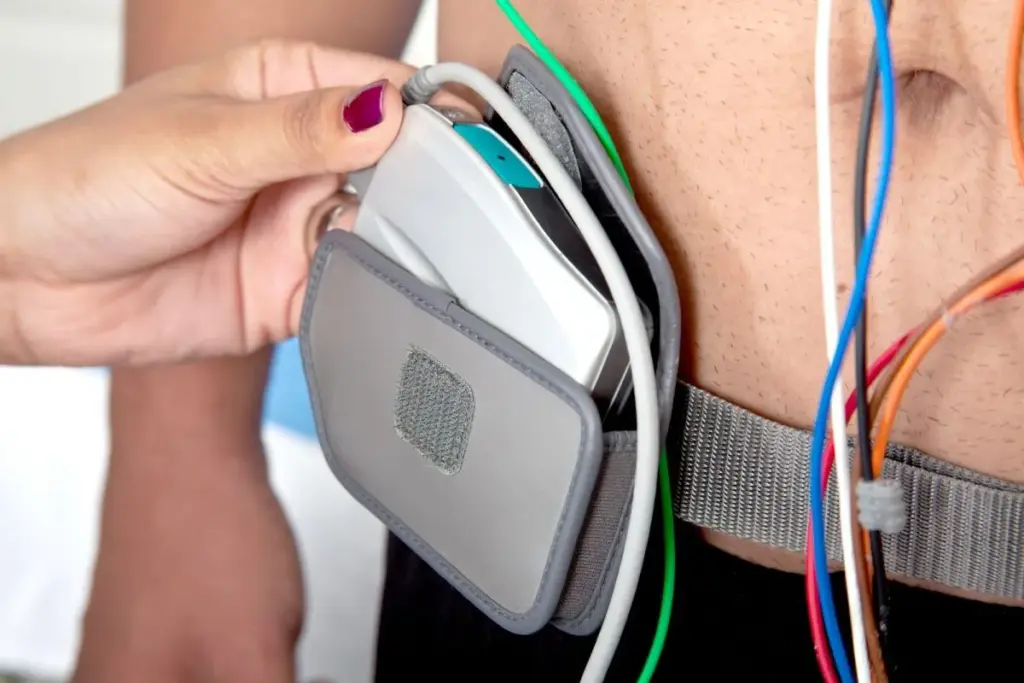
A Holter monitor is a small, portable device. It records the heart’s electrical activity for 24 to 48 hours. This tool is key for checking heart health over time.
Definition and Purpose
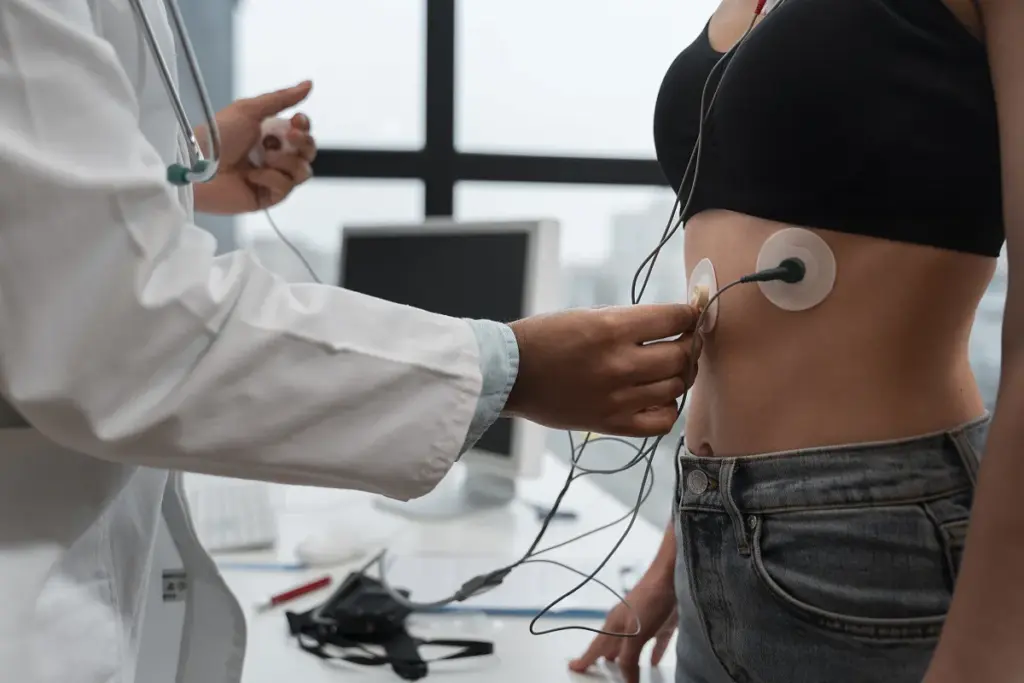
This device captures the heart’s rhythm and electrical activity all the time. It’s main goal is to spot irregular heartbeats or arrhythmias during daily life. It helps cardiac rehab specialists diagnose and manage heart issues better.
How It Works
The device has electrodes on the chest connected to a small recorder. The recorder saves the heart’s electrical activity data. Doctors then analyze this data to find heart rhythm patterns or irregularities not seen in a standard ECG test.
Typical Wear Time
Patients wear the Holter monitor for 24 to 48 hours. They should keep up with their usual activities, including exercise. It is important to maintain a diary of your activities and symptoms to ensure accurate monitoring. This helps match the data from the Holter monitor.
Knowing how a Holter monitor works and its role in heart health services helps patients understand its value. It’s a key tool in managing heart health.
Activities You Can Do While Wearing a Holter Monitor
You can keep up with most daily activities while wearing a Holter monitor. Just remember to take some precautions. The monitor captures your heart’s activity during your usual day. This data is key for diagnosing and treating heart issues.
Walking and Light Exercise
Walking and light exercise are okay while wearing a Holter monitor. They are part of your everyday life. Walking is a top cardiac rehab exercise that boosts heart health and aids in recovery. But, avoid hard activities that might harm the monitor or mess up its recordings.
Doing light activities like walking gives a clear view of your heart’s function in daily life. This info is super helpful for doctors at a heart rehabilitation clinic. They can make treatment plans that fit your needs better.
Daily Routine Considerations
Keeping up with your daily routine is key while wearing a Holter monitor. Take your usual meds, eat as you normally do, and do your daily tasks. This ensures the data collected is a true reflection of your heart’s activity.
It’s also wise to keep a diary of your activities and any symptoms you notice. This diary can give your healthcare team more insight, which is really helpful for post-heart attack care. It shows how your heart reacts to different activities.
Avoiding High-Impact Activities
Even though a Holter monitor is tough, it’s not invincible. So, steer clear of high-impact activities that could damage it. Avoid contact sports, heavy lifting, or any sudden, intense movements.
|
Activity Type |
Recommended |
Not Recommended |
|---|---|---|
|
Exercise |
Walking, Light Stretching |
High-Intensity Running, Contact Sports |
|
Daily Activities |
Cooking, Desk Work |
Heavy Lifting, Bending |
By being careful with your activities and following these tips, you can make sure your Holter monitor experience is safe and useful. It will give you important insights into your heart health.
Benefits of Walking While Monitoring Your Heart
Walking with a Holter monitor helps keep your heart healthy. It’s great for your heart to stay in good shape. Wearing a Holter monitor while walking gives doctors important data on your heart’s activity.
Cardiovascular Health
Walking is good for your cardiovascular health. It improves blood flow, lowers blood pressure, and boosts heart health. With a Holter monitor, doctors can see how your heart reacts to walking. This helps them diagnose and manage heart conditions better.
Stress Relief
Walking also helps with stress relief. Exercise releases endorphins, which make you feel happy. Doctors can see how stress impacts your heart rate and overall heart function while you walk.
Enhanced Monitoring Data
Walking with a Holter monitor gives enhanced monitoring data. The monitor records your heart’s behavior during activity. This data helps doctors understand your heart health better. It aids in making accurate diagnoses and treatment plans, which is key in heart rehabilitation.
Precautions to Take When Walking
When walking with a Holter monitor, it’s key to follow some steps. This ensures the device works right and gives accurate heart activity data.
Wearing a Holter monitor while walking might seem tricky. But, by paying attention to a few things, you can make sure it works well.
Avoiding Water and Moisture
Keeping the Holter monitor dry is very important. Water can harm the device and mess up the recordings. Avoid walking in the rain or doing activities with water, like swimming or showers, while wearing it.
If it rains, use an umbrella or wear a raincoat. This will help keep the device dry.
Keeping the Monitor Secure
To stop the Holter monitor from coming off or getting damaged, make sure it’s tightly attached. Check the device often to see if it’s in place and working right.
Wear clothes that are comfy and won’t catch on the monitor or its leads. This helps avoid it getting pulled off.
Being Mindful of Leads and Wires
The leads and wires of the Holter monitor are delicate. So, be careful with them while walking. Avoid tangling or pulling on the wires, as it could harm the device or be uncomfortable.
To avoid lead displacement, be careful with your movements. Try not to make sudden jerks or twists.
How to Prepare for a Walk with a Holter Monitor
To get the most out of your walk with a Holter monitor, preparation is key. At our heart rehabilitation clinic, we stress the importance of being ready. This ensures your monitoring is safe and effective.
Dress Comfortably
Wearing comfortable clothes is vital for a good walk. Choose loose, breathable clothes that let you move freely. Tight clothes can be uncomfortable and limit your movement.
Also, think about the weather when picking your outfit. Wear light colors and lightweight fabrics in hot weather to stay cool. In cold weather, wear layers to keep warm. Don’t forget to wear comfortable shoes that support your feet.
Check Your Monitor
Before you start walking, make sure your Holter monitor is working right. Check the device and its leads to ensure everything is in place and working. A quick check can avoid problems during your walk.
It’s also good to know what the monitor’s indicators mean. These can signal if there’s a problem. If you see any issues, reach out to your cardiac rehab specialists for help.
Plan Your Route
Planning your walk route in advance is important for safety and enjoyment. Choose routes that are well-lit and familiar. Avoid busy or dangerous areas. Opt for smooth paths to prevent monitor damage.
Think about the distance and how long you’ll walk. Start with short walks and gradually increase them. Keeping a record of your walks helps your post-heart attack care team track your progress and offer better advice.
|
Preparation Tip |
Description |
Benefit |
|---|---|---|
|
Dress Comfortably |
Wear loose, breathable clothing and suitable shoes. |
Enhances walking comfort and safety. |
|
Check Your Monitor |
Ensure the Holter monitor and its leads are working correctly. |
Ensures accurate monitoring and prevents issues. |
|
Plan Your Route |
Choose well-lit, familiar routes with minimal hazards. |
Improves safety and walking experience. |
By following these tips, you can have a safe and productive walk with a Holter monitor. Our cardiac rehab specialists are here to support you on your heart rehabilitation journey.
What to Expect After Your Walk
Your walk with a Holter monitor is just the start. The real insights come from analyzing the data afterwards. After your walk, several important steps happen to make sure the data is correctly analyzed and understood.
Heart Rate Variability
One key metric analyzed is heart rate variability (HRV). HRV is the time difference between each heartbeat. It shows how well your heart adapts to different situations, like exercise. A higher HRV means better heart health.
During your walk, the Holter monitor tracks your heart rate’s response to exercise. This data is vital for understanding your heart’s performance under stress and how it recovers. By looking at HRV, doctors can better understand your heart health and spot any problems early.
Reviewing Data with Your Doctor
Once the monitoring is done, your doctor will review the data. They’ll analyze your heart activity during your walk and other activities. They’ll look for any signs of heart issues.
Talking about your experiences and any symptoms you had during monitoring is key. This, along with the Holter monitor data, helps your doctor understand your heart health fully. You can then discuss the benefits of heart rehab and if it’s right for you.
When to Report Concerns
If you felt any discomfort, pain, or unusual symptoms during or after your walk, tell your doctor. Even though the monitor is safe and comfy, sometimes you might need to see a doctor.
Your doctor will also tell you what to expect during data analysis. They’ll explain how to get ready for any follow-up talks or discussions about heart rehabilitation programs that could help you.
Common Questions About Holter Monitors
Wearing a Holter monitor might make you wonder about exercising. It’s normal to have questions about your daily activities and workouts.
Can I Exercise with a Holter Monitor?
Exercising with a Holter monitor is usually okay. But, it’s important to follow your doctor’s advice. They can tell you which cardiac rehab exercises are safe for you.
Walking is often a good choice because it’s easy on your body. It’s also a chance to talk to your doctor about your workout plans. This helps make sure you’re getting the most out of your monitoring time.
What Activities Should I Avoid?
It’s best to avoid activities that could harm your Holter monitor. This includes high-impact sports and getting the monitor wet. Stick to low-impact activities like walking or yoga, unless your doctor says it’s okay.
|
Activity |
Recommended |
Not Recommended |
|---|---|---|
|
Walking |
Yes | |
|
High-Impact Running |
Yes | |
|
Swimming |
Yes (unless waterproof cover is used) | |
|
Yoga |
Yes (most forms) |
How Will This Affect My Monitoring?
The activities you do while wearing a Holter monitor are important. They help your healthcare team understand your heart better. This is key for diagnosing and managing heart conditions.
After your monitoring, your doctor will look at the data. They might find patterns or issues that help with your heart health. This is a big part of the heart health services you get, helping tailor future care to you.
Tips for Making the Most of Your Holter Monitor Experience
To get the most from your Holter monitor, it’s not just about wearing it. There are a few important steps to follow. These will help you get the best results from this tool.
Keep a Diary of Symptoms
Writing down your symptoms and activities while wearing the Holter monitor is very helpful. Note any dizziness, chest pain, or palpitations. This helps your doctor match these symptoms with the monitor’s data.
Keep your diary simple or detailed, based on what feels right to you.
Follow Your Doctor’s Instructions
It’s key to follow your doctor’s advice on using and caring for your Holter monitor. This means keeping it dry, avoiding certain activities, and making sure the leads are on right. Following these steps helps make sure the data is accurate and useful for your care.
Share Your Observations
When your monitoring is done, share what you’ve noticed with your doctor. Include any symptoms you’ve written down. This, along with the Holter monitor data, gives a clearer picture of your heart health.
This teamwork can lead to better care after a heart attack. It might also help you join a heart rehab program. There, you can learn more about heart health and recovery.
By following these tips, you can make the most of your Holter monitor. Your active role in your care is very important. We’re here to support you every step of the way.
Conclusion: Staying Active while Monitoring Your Heart Health
Wearing a Holter monitor during activities like walking is key to good heart health. It lets people see how their heart works during daily life. This includes activities in cardiac and heart rehabilitation programs.
Movement and Heart Health
Walking regularly is important for heart health. We suggest people keep doing their usual activities with the Holter monitor. This gives a clearer view of heart function in everyday life.
Safety First
It’s vital to follow safety tips for a safe monitoring experience. Avoid water and moisture, keep the monitor in place, and watch out for leads and wires. These steps help avoid risks and get the most from Holter monitoring.
Looking Ahead
After the monitoring, the data will be checked by a healthcare professional. This will offer insights into heart health and guide future care plans. By staying active and safe, people can actively manage their heart care and rehabilitation.
FAQ
Can I exercise with a Holter monitor?
Yes, you can do light exercises like walking with a Holter monitor. But, always follow your doctor’s advice. Avoid high-impact activities.
What activities should I avoid while wearing a Holter monitor?
Stay away from activities that make you sweat a lot. Don’t submerge the device in water. Also, avoid anything that could harm the monitor or its leads.
How will wearing a Holter monitor during walking affect my monitoring?
Walking with a Holter monitor can give you insights into your heart’s activity. It might help in getting a more accurate diagnosis and treatment plan.
Can I go for a walk with a Holter monitor if I’m in a cardiac rehabilitation program?
Yes, walking with a Holter monitor is okay for cardiac rehab. It helps monitor your heart health while staying active.
What should I do if I experience symptoms while wearing a Holter monitor?
Keep a diary of your symptoms and what you’re doing. Tell your doctor about it. This info is key for analyzing your Holter monitor data.
How long do I need to wear a Holter monitor?
You usually wear a Holter monitor for 24 to 48 hours. But, your doctor might give you different instructions based on your condition.
Can I shower or bathe with a Holter monitor?
It’s best to avoid getting the Holter monitor wet. So, you might not shower or bathe during the monitoring period. Or, you might need to take special precautions as your healthcare provider advises.
How do I ensure the Holter monitor stays secure during walking?
Make sure the device is attached correctly to your body. Wear comfortable, secure clothing to keep the monitor and its leads in place.
Reference
National Center for Biotechnology Information. Evidence-Based Medical Insight. Retrieved from https://www.ncbi.nlm.nih.gov/books/NBK538326/



 Departments
 Related Videos
 Our Doctors
 News
News