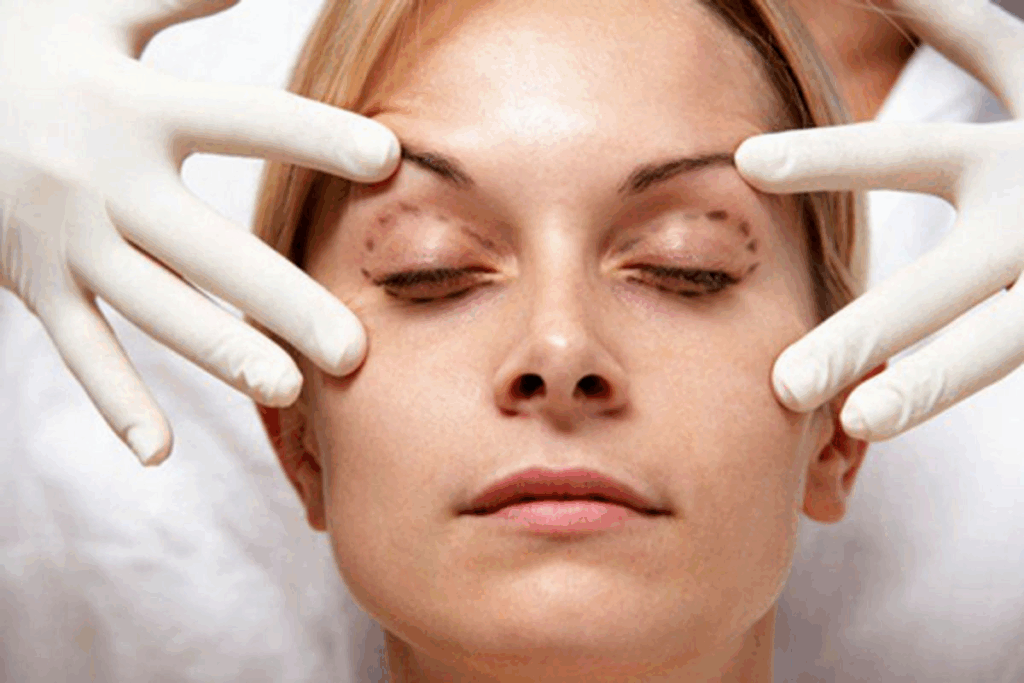
Upper blepharoplasty is a surgery that fixes drooping upper eyelids. It’s caused by aging, loose skin, and lost elastic tissue. We’ve seen amazing changes thanks to this cosmetic and functional surgery.See 15 amazing hooded eyelid surgery before and after photos. Witness the stunning, rejuvenating results of this transformative procedure.
Photos show the big changes that can happen with blepharoplasty. At Liv Hospital, we aim to give top-notch care. We also support international patients fully.
Key Takeaways
- Upper blepharoplasty addresses drooping upper eyelids caused by aging and skin laxity.
- The procedure offers both cosmetic and functional benefits.
- Before and after photos demonstrate the natural-looking improvements possible through blepharoplasty.
- Liv Hospital provides extensive support for international patients undergoing upper blepharoplasty.
- Patient satisfaction rates are high, with minimal recovery time and lasting outcomes.
The Science Behind Upper Blepharoplasty

Understanding the upper eyelid’s anatomy and aging is key to seeing the benefits of upper blepharoplasty. As we age, changes in the upper eyelid area lead to hooded eyelids.
What Causes Hooded Eyelids
Hooded eyelids are mainly due to aging factors. These include:
- Excess skin: The upper eyelid skin becomes loose and redundant, causing the hooded look.
- Orbital fat prolapse: The fat pads around the eye bulge, making the hooding worse.
- Weakened eyelid muscles: The muscles that hold up the eyelid weaken, causing it to droop.
These changes can make a person look tired or older. Upper blepharoplasty fixes these problems by removing extra skin, adjusting fat, and tightening muscles.
How Upper Blepharoplasty Addresses Aging Changes
Upper blepharoplasty tackles the aging changes that cause hooded eyelids. It does this by:
- Removing extra skin and fat
- Tightening the eyelid muscles
- Adjusting or removing orbital fat
This improves the look of the eyes and can also clear up vision blocked by extra skin.
Studies show big improvements in patient satisfaction. Satisfaction with eyes, face, and surgery results goes up at 3 and 6 months after surgery. The American Society of Plastic Surgeons says 92% of patients are happy with their eyelid surgery results.
Ideal Candidates for the Procedure
Not everyone is right for upper blepharoplasty. The best candidates are those who:
- Have a lot of hooding in their upper eyelids
- Are in good health
- Have clear expectations about the results
- Are non-smokers or willing to stop smoking before surgery
Talking to a skilled surgeon is important to see if upper blepharoplasty is right for you.
Evolution of Eyelid Surgery Techniques
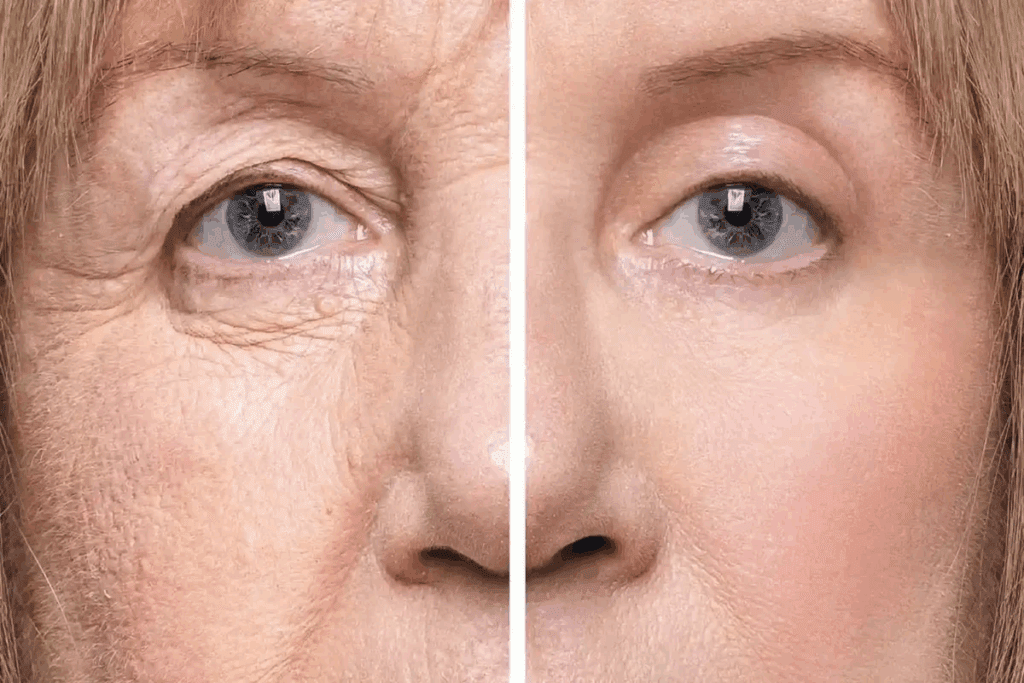
The way we do eyelid surgery has changed a lot. Now, we aim for results that look more natural. This change has made a big difference in how we rejuvenate eyelids.
Traditional Tissue Removal Approaches
Old methods of blepharoplasty removed too much skin, muscle, and fat. This sometimes made eyelids look unnatural. Many before and after photos of blepharoplasty show these old results.
These old methods had their limits. So, new techniques were developed. Now, surgeons focus on keeping volume and getting better results.
Modern Volume Preservation Methods
Today, blepharoplasty focuses on keeping volume while removing tissue. This means moving or adding fat to look younger naturally. The results are much better, as seen in upper bleph results.
Keeping volume helps achieve subtle and lasting rejuvenation. This method is popular because it avoids a “done” look.
Fat Transposition and Grafting Innovations
Fat transposition and grafting are big steps forward in eyelid surgery. They move fat to where it’s lost, making eyelids smoother and younger.
Technique | Description | Benefits |
Traditional Tissue Removal | Removal of excess skin, muscle, and fat | Effective for addressing hooded eyelids, but may result in a hollow appearance |
Modern Volume Preservation | Repositioning or grafting fat to maintain volume | More natural-looking results, reduced risk of hollowing |
Fat Transposition and Grafting | Repositioning or transplanting fat to restore lost volume | Smoother, more youthful contour, enhanced rejuvenation |
These new methods have greatly improved blepharoplasty. They give patients results that are more natural and satisfying. We’re excited to share blepharoplasty pics that show the latest in eyelid surgery.
The Upper Blepharoplasty Procedure Explained
The journey to rejuvenated eyes starts with a detailed consultation for upper blepharoplasty. This is a key step in understanding the procedure and achieving the desired results.
Consultation and Surgical Planning
In the initial consultation, we examine the patient’s eyelid anatomy. We also discuss their concerns and what they hope to achieve. This approach helps us create a surgical plan that meets the patient’s unique needs.
Key aspects of the consultation include:
- Evaluating the extent of eyelid hooding
- Assessing skin elasticity and muscle tone
- Discussing patient goals and expectations
- Reviewing before and after eyelid surgery hooded eyes examples to set realistic expectations
Step-by-Step Surgical Process
The upper blepharoplasty procedure involves several precise steps for the best results. We start by giving the chosen anesthesia. Then, we make incisions along the natural creases of the upper eyelid.
The surgical process typically includes:
- Removing excess skin and fat
- Tightening or repositioning the eyelid muscles as needed
- Closing the incisions with fine sutures
Anesthesia Options and Procedure Duration
We provide different anesthesia options to ensure patient comfort. The choice between local anesthesia with sedation or general anesthesia depends on the patient’s preference and the surgery’s complexity.
The procedure usually takes between 45 minutes to 2 hours. Understanding the procedure helps patients prepare for their upper eye surgery before after journey.
Hooded Eyelid Surgery Before and After: Dramatic Transformations
For those with hooded eyelids, surgery is a ray of hope. It brings not just beauty but also function, greatly improving life quality. We’ve seen many patients get amazing results from this surgery.
Severe Hooding Correction Results
Those with severe hooding see big changes in their eyelids. Severe hooding correction results in a look that’s more open and youthful. It reduces the tired or aged look from too much eyelid skin.
Our patients are very happy with their results. They say it’s not just about looks but also about feeling more confident and better overall.
Asymmetry Correction Outcomes
Eyelid asymmetry worries many. We use precise surgery to fix it, making eyelids more balanced and harmonious. Asymmetry correction outcomes show how the surgery improves not just looks but also face balance.
Combined Functional and Cosmetic Improvements
Hooded eyelid surgery tackles both looks and function. It removes extra skin and fat, improving vision and eyelid looks. This combined approach is both medically and aesthetically beneficial.
Patients often see a big life quality boost after surgery. They enjoy better vision and a more youthful look.
Age-Specific Blepharoplasty Results
Blepharoplasty works for people of all ages, leading to amazing changes. No matter the age, patients see big improvements in how they look. Each person gets results that fit their own needs.
Results in Patients 30-45 Years Old
People between 30 and 45 get blepharoplasty for early aging signs or genetic issues. They see a gentle refresh, keeping them looking young. This helps stop further aging.
Key benefits for this age group include:
- Prevention of future eyelid aging
- Correction of early signs of hooding
- Minimal downtime, allowing for quick return to daily activities
Transformations in Patients 46-60 Years Old
Those in their late 40s to early 60s get blepharoplasty for more obvious aging signs. They see big changes, fixing both looks and function.
For this group, upper blepharoplasty before and after results show less aging. Many feel more confident.
Outcomes in Patients Over 60
Over 60, blepharoplasty can change lives, fixing deep aging and sometimes helping with eyelid problems. Results are often stunning, improving looks and function.
Research shows all ages can be happy with blepharoplasty. Younger ones might see longer-lasting results. But older patients can also see big changes. This shows blepharoplasty works for everyone.
Knowing how blepharoplasty affects different ages helps us tailor treatments. This ensures the best results for everyone, no matter their age.
The Recovery Journey: Week by Week Results
The path to full recovery after upper blepharoplasty takes time. It unfolds over weeks. Knowing what to expect each week can ease worries and set realistic goals.
Initial Healing in the First Week
In the first week, swelling, bruising, and eye discomfort are common. Following post-operative instructions closely is key to avoiding problems and aiding healing. Most can go back to their usual activities in 7-10 days, but should avoid hard work.
Diminishing Swelling and Bruising in Weeks 2-4
As healing progresses, swelling and bruising lessen. By week 2, many see big improvements. Using cold compresses and keeping the head up helps with swelling. By week 4, most bruising is gone, and the first signs of surgery’s effects are visible.
Emergence of Final Results in Months 1-3
While noticeable changes happen in the first month, the full effects take longer. Being patient is important as the body fully recovers. By month 3, most see their final results, looking more refreshed and youthful.
It’s important for patients to talk openly with their surgeon about any issues or changes. By understanding the healing process and following care instructions, patients can get the best results from their surgery.
Patient Satisfaction Research and Outcomes
The success of upper blepharoplasty goes beyond looks. It’s about making patients happy and improving their life quality. Research shows the procedure greatly boosts patients’ well-being.
3-Month Follow-Up Satisfaction Rates
Studies reveal high patient satisfaction at the 3-month mark. Most patients are very pleased with their results. They see improvements in looks and function.
A study in the Journal of Plastic and Reconstructive Surgery found over 90% of patients were satisfied at this time.
6-Month Patient Reported Outcomes
By the 6-month mark, patients see big improvements. They’re very happy with their surgery results. They feel better about themselves and look younger.
A study in the Ophthalmic Plastic and Reconstructive Surgery journal showed patients felt much better about themselves.
Long-Term Result Stability Studies
Long-term studies show patient satisfaction stays high. The good results seen early on last for years. A study in the Aesthetic Surgery Journal found patient satisfaction stayed strong for 5 years.
Follow-Up Period | Patient Satisfaction Rate | Reported Improvements |
3 Months | 90% | Aesthetic and functional improvements |
6 Months | 95% | Enhanced self-esteem and confidence |
Long-Term (5 Years) | 92% | Stable and enduring results |
In conclusion, the research on upper blepharoplasty is very positive. High satisfaction rates at different times show the procedure’s lasting benefits. It greatly improves patients’ lives.
Scarring and Visibility After Upper Blepharoplasty
Scarring is a big worry for those thinking about upper blepharoplasty. It can really change how you look. We want to tell you all about what to expect with scarring after this surgery.
Typical Scar Appearance Timeline
Scars from upper blepharoplasty change over time. At first, they might look red and raised. It usually takes 6-12 months for scars to fade and look less obvious. As they heal, scars will get flatter and blend in better with your skin.
Everyone heals differently. Things like your skin type, age, and health can affect how fast scars heal.
Techniques for Minimizing Visible Scarring
Doctors use special ways to make scars less visible. They make incisions in the natural folds of your eyelid to hide them better.
- Careful handling of tissue to minimize trauma
- Use of fine sutures to close incisions
- Meticulous post-operative wound care
These methods help make scars less noticeable.
Scar Management Strategies for Optimal Results
Managing scars well is key to great results after upper blepharoplasty. We suggest a few things to our patients:
Strategy | Description | Benefits |
Silicone gel or sheeting | Applied to the scar to hydrate and flatten it | Reduces scar thickness and visibility |
Massage | Gentle massage techniques to soften the scar tissue | Improves scar texture and flexibility |
Sun protection | Using sunscreen to protect the scar from UV damage | Prevents darkening of the scar |
By using these strategies and advanced surgery, we can make scars less noticeable. This helps patients get the best results from their upper blepharoplasty.
Safety Profile and Complications
Upper blepharoplasty is mostly safe, but knowing about possible complications is key. Patients looking into this surgery want to know it works well and is safe.
Common Minor Complications and Management
Most people do well after upper blepharoplasty, but some minor problems can happen. These might be swelling, bruising, or dry eyes. Good management is important to lessen these issues.
Using cold compresses can help with swelling, and artificial tears can ease dry eyes. We also stress the importance of following post-operative care to avoid infection and ensure healing.
Rare Serious Complications
Though rare, serious problems like infection, vision changes, or scarring can happen. It’s vital for patients to know about these risks. Quick medical help is needed if severe symptoms show up after surgery.
We do everything we can to avoid these risks. This includes careful surgery and thorough patient checks. Our skilled surgeons are ready to handle any problems that might come up.
Resident vs. Attending Surgeon Outcome Comparison
Research shows that blepharoplasty results can differ based on the surgeon’s experience. While both residents and attending surgeons get good results, attending surgeons usually have fewer complications. This is because they have more experience and use better techniques.
We’re open about who will be doing your surgery. Our clinic makes sure all surgeons, no matter their experience, work under close supervision. They follow strict safety rules.
Complementary Procedures for Enhanced Results
Getting the best results often means combining upper blepharoplasty with other treatments. Patients who choose these combinations often see more impressive results. This approach can lead to a more complete rejuvenation.
Brow Lift and Upper Blepharoplasty Combinations
Pairing a brow lift with upper blepharoplasty tackles aging in the upper face. This mix is great for those with droopy brows. It offers a deeper rejuvenation of the upper face.
The benefits include:
- Enhanced upper face look
- Better correction of hooded eyelids
- More youthful and alert look
Lower Eyelid Surgery with Upper Blepharoplasty
For a full eye area refresh, combining lower eyelid surgery with upper blepharoplasty is smart. This approach fixes both upper and lower eyelid issues at once. It tackles under-eye bags and sagging skin.
The perks are:
- One recovery time for both
- More balanced and harmonious results
- Could be cheaper than separate surgeries
Non-Surgical Adjuncts for Complete Rejuvenation
Non-surgical options can also boost upper blepharoplasty results. Botulinum toxin injections or dermal fillers can smooth out lines and add volume. They’re great for fine lines, wrinkles, and volume loss.
Benefits include:
- Less invasive with quick recovery
- Flexibility to adjust results later
- Can make surgical results last longer
Exploring these options can lead to a more complete facial rejuvenation. We help patients find the perfect mix of treatments. This is based on their unique needs and goals.
Conclusion: The Life-Changing Impact of Upper Blepharoplasty
Upper blepharoplasty can change a person’s life by making them look and feel younger. It helps fix issues with hooded eyelids and signs of aging around the eyes. This surgery can make a big difference in how someone looks and feels.
Many people who get this surgery are very happy with the results. They say it greatly improves their life. It fixes both how the eyelids look and how they work, boosting overall happiness.
The changes from blepharoplasty can be amazing. People look more awake and youthful. Thanks to new surgical methods and skilled doctors, many get the look they want.
In the end, upper blepharoplasty is more than just a surgery. It’s a chance to boost confidence and feel alive again. Knowing how it works and what it can do helps people make smart choices. They can look and feel younger and more vibrant.
FAQ
What is upper blepharoplasty, and how does it address hooded eyelids?
Upper blepharoplasty is a surgery that removes extra skin, fat, and muscle from the upper eyelids. It fixes hooded eyelids caused by aging, genetics, or other reasons.
What are the benefits of modern volume preservation methods in upper blepharoplasty?
Modern methods in upper blepharoplasty keep the eye’s natural shape. This reduces the chance of looking hollow or unnatural after surgery.
How long does the upper blepharoplasty procedure typically take?
The surgery usually takes 1-2 hours. This depends on how complex the case is and the surgeon’s methods.
What can I expect during the recovery journey after upper blepharoplasty?
After surgery, you might see swelling, bruising, and feel some discomfort for a week. As time goes on, these signs will get better, and you’ll see the final results.
How long do the results of upper blepharoplasty last?
The effects of upper blepharoplasty can last many years. Some people enjoy the benefits for 10-15 years or more, based on their age and lifestyle.
Will I have visible scarring after upper blepharoplasty?
Some scarring is normal after upper blepharoplasty. But, surgeons use special techniques to make scars less visible. Scars usually fade over time.
Can upper blepharoplasty be combined with other procedures for enhanced results?
Yes, you can get upper blepharoplasty with other surgeries like a brow lift or lower eyelid surgery. This can lead to more complete rejuvenation and better results.
What are the possible complications of upper blepharoplasty, and how can they be managed?
Rare complications include infection, bleeding, and vision issues. These can be handled with quick medical care and proper aftercare.
How do I choose the right surgeon for my upper blepharoplasty procedure?
Look for a surgeon with the right qualifications, experience, and patient feedback. They should also understand and meet your specific needs and worries.
What are the age-specific results of blepharoplasty, and how do they vary across different age groups?
Results of blepharoplasty vary by age. Younger people might see slight improvements, while older ones might see more dramatic changes.
Can I undergo upper blepharoplasty if I have a history of eye problems or other medical conditions?
If you have eye issues or other health problems, talk to your surgeon first. They can tell if you’re a good candidate and what precautions you need.
How do I prepare for upper blepharoplasty surgery, and what are the necessary steps to follow?
To get ready for surgery, follow your surgeon’s advice. This might include stopping certain meds, quitting smoking, and making plans for aftercare.
References
National Center for Biotechnology Information. Upper Blepharoplasty: Correcting Drooping Eyelids for Aesthetic and Functional Improvement. Retrieved from https://www.ncbi.nlm.nih.gov/pmc/articles/PMC12130937/