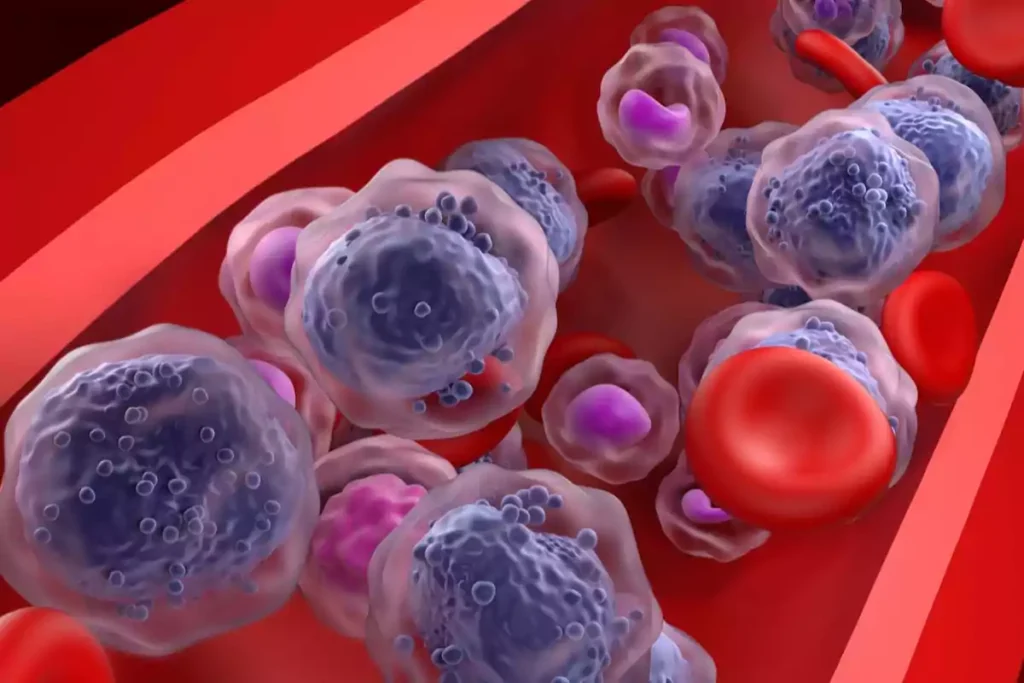
Chemotherapy is a main treatment for many with acute myeloid leukemia (AML). But, if it doesn’t work, patients have few choices. They often need more advanced treatments. For those who can’t handle tough treatments, alternative regimens might help. These can lead to complete remission, with patients living about 13.2 months on average. The longest AML survivor cases show that even after chemo failure, some patients can experience extended survival. If the first chemo doesn’t work, doctors might suggest another type, such as high-dose chemo as part of a stem cell transplant.
Key Takeaways
- Chemotherapy failure in leukemia treatment limits patient options.
- Advanced therapies, such as targeted drugs and immunotherapy, may be required.
- Alternative regimens can offer a chance of complete remission for unfit patients.
- Overall survival rates vary depending on the treatment and patient condition.
- Stem cell transplantation is a possible treatment option for some patients.
Understanding Chemotherapy Resistance in Leukemia
It’s important to know why chemotherapy sometimes fails for leukemia patients. This failure is a big problem in treating leukemia. It makes the first treatments less effective and can lead to relapse.
Why Initial Treatment Can Fail
Leukemia treatment can fail for many reasons. Genetic mutations in leukemia cells are one cause. Another is cancer stem cells that resist chemotherapy. Also, some proteins can push chemotherapy drugs out of cells. These factors lead to refractory AML, where leukemia doesn’t respond to treatment.
Biological Mechanisms of Resistance
Chemotherapy resistance comes from complex cell processes. Key factors include:
- Genetic mutations that change drug targets or DNA repair
- Overexpression of drug efflux pumps, like P-glycoprotein
- Changes in cell metabolism that make drugs less effective
- Leukemia stem cells that naturally resist chemotherapy
Knowing these mechanisms helps in creating targeted treatments to beat resistance.
Differences Between Primary and Secondary AML Resistance
Primary resistance means leukemia cells are always resistant to chemotherapy. Secondary resistance happens when cells adapt to treatment over time. Secondary AML resistance often comes from new genetic or epigenetic changes during treatment. It’s key to understand these differences to tailor treatments.
Recognizing Treatment Failure and Relapse Signs
It’s key for leukemia patients to know the signs of treatment failure. Keeping an eye on symptoms and test results can help manage the disease better.
Clinical Indicators of Chemotherapy Resistance
Leukemia treatment resistance shows in different ways. Symptoms like tiredness, weight loss, or frequent infections are signs. Also, abnormal blood counts or leukemic cells in the bone marrow or blood are important.
Watching these signs closely helps doctors see if treatment is working. Patients should tell their doctors about any new or worsening symptoms right away.
Monitoring Blood Counts and Bone Marrow
Checking blood counts and bone marrow often is key. Blood tests show if white, red, or platelet counts are off, which means leukemia might be active. Bone marrow biopsies show how well treatment is working and if leukemia is back.
Regular checks help find problems early. This is important for controlling leukemia well.
Signs of Relapse After Bone Marrow Transplant
Leukemia patients who have had a bone marrow transplant need to watch for relapse signs. These include symptoms coming back, abnormal blood counts, or leukemic cells in the bone marrow. Regular check-ups and tests are vital for catching relapse early.
Knowing the chances of relapse and its signs helps patients and doctors act fast. This might mean changing treatment or trying new options.
Alternative Treatment Options for Refractory Leukemia
There are new treatments for refractory leukemia that offer hope. When first treatments don’t work, patients with refractory AML can try other options.
Targeted Therapy Approaches
Targeted therapy is a promising option for refractory leukemia. It specifically targets cancer cells, protecting healthy cells. For AML patients with the FLT3 mutation, FLT3 inhibitors are used. IDH1/2 inhibitors are for those with IDH1/2 mutations.
These therapies can be used alone or with other treatments. They offer a more tailored approach, leading to better results and longer survival.
Immunotherapy Innovations
Immunotherapy is also making strides in treating refractory leukemia. CAR-T cell therapy is a standout, where T cells are engineered to attack leukemia cells.
Other immunotherapies include checkpoint inhibitors and bispecific antibodies. They use the immune system to fight leukemia, giving new hope to those who didn’t respond to traditional treatments.
Salvage Chemotherapy Regimens
Salvage chemotherapy is an option for some patients. It uses different drugs or combinations to try to get a response.
These regimens are often intensive and used as a bridge to other treatments, like stem cell transplantation. They need careful thought and monitoring because of possible side effects and the risk of further resistance.
Stem Cell Transplantation for Chemotherapy-Resistant Leukemia
When chemotherapy doesn’t work for leukemia, stem cell transplantation can help. This method replaces bad stem cells with good ones. It might lead to a long-term cure or remission.

Success Rates of AML BMT After Failed Chemotherapy
The success of AML BMT (Bone Marrow Transplant) after chemotherapy failure depends on many things. These include the patient’s health, the donor match, and the leukemia type. Allogeneic transplantation can cure some patients with refractory AML.
Success rates have improved with better transplant techniques and care. It’s important for patients to talk to their doctors about their chances.
Allogeneic vs. Autologous Transplantation
There are two main types of stem cell transplantation: allogeneic and autologous. Allogeneic uses a donor’s stem cells, often a sibling or unrelated donor. This can help fight leukemia.
Autologous uses the patient’s own stem cells. It avoids graft-versus-host disease but might not work for all patients, mainly those with certain leukemias.
Preparing for Transplantation
Getting ready for stem cell transplantation involves several steps:
- Comprehensive medical evaluation to assess the patient’s overall health.
- Identifying a suitable donor, if necessary.
- Undergoing conditioning chemotherapy or radiation to prepare the body for the transplant.
Patients should also be ready for the transplant’s side effects and complications.
Post-Transplant Monitoring and Care
After the transplant, it’s vital to watch for complications or disease return. This includes regular blood tests, bone marrow biopsies, and follow-up appointments.
Post-transplant care is key to managing side effects and ensuring the best outcome. Patients are also advised on how to stay healthy and avoid infections during recovery.
The Journey of the Longest AML Survivor Cases
Surviving AML for a long time is a mix of good treatments, lucky genes, and care that goes beyond just medicine. This topic has really caught the eye of doctors and researchers.
Documented Cases of Extended Survival
There are many stories of AML patients living longer than expected. These stories often have a few things in common. They have good genes, respond well to treatment, and can handle tough treatments. A study on PubMed Central shows how genes play a big role in AML survival.
Factors Contributing to Becoming a Long-Term Survivor
Several important things help AML patients live longer. These include:
- Favorable Genetic Profiles: Some genetic changes mean better chances of survival.
- Effective Treatment Strategies: Getting the right treatment quickly is key.
- Comprehensive Supportive Care: Taking care of side effects and other needs is vital.
Quality of Life Among Long-Term Survivors
The life quality of long-term AML survivors can differ a lot. Some get back to how they were before, but others face lasting effects like tiredness or brain problems. It’s important to tackle these issues to improve their quality.
Survivors need ongoing care to deal with treatment side effects and watch for signs of the disease coming back. Their stories highlight the need for a care plan that looks at the whole person, not just the disease.
Managing Different Types of Leukemia After Chemotherapy Failure
When chemotherapy fails, it’s important to understand the specific type of leukemia. Each type needs a different treatment plan. This makes it key to tailor care to each patient’s needs.
Refractory AML Treatment Approaches
Refractory Acute Myeloid Leukemia (AML) is tough because it doesn’t respond well to standard treatments. Treatment approaches for refractory AML often include new therapies and clinical trials. These might target specific genetic changes in leukemia cells.
Using FLT3 inhibitors is a promising option for AML patients with FLT3 mutations. Other treatments like hypomethylating agents and venetoclax have also shown promise.
CLL Treatment Evolution and Improved Outcomes
Chronic Lymphocytic Leukemia (CLL) treatment has made big strides, even after chemotherapy fails. Targeted therapies like BTK inhibitors and BCL-2 inhibitors have changed CLL treatment.
These treatments can be used alone or together, giving patients more options. The right treatment depends on the patient’s health, CLL genetics, and past treatments.
Secondary AML Challenges and Solutions
Secondary AML is a complex disease that arises from previous conditions or chemotherapy. Treatment strategies for secondary AML are often more aggressive. This is because the disease is harder to treat and has a worse outlook.
For some, allogeneic stem cell transplantation might be a cure. For others, clinical trials and new therapies offer hope for better results.
Acute Lymphoblastic Leukemia Salvage Options
Acute Lymphoblastic Leukemia (ALL) salvage therapy includes various treatments for those who didn’t respond to the first treatments. Salvage chemotherapy regimens are often stronger and might include drugs like clofarabine or nelarabine.
Immunotherapy, including CAR-T cell therapy, is a new and effective option for ALL. These treatments have shown great success in patients who didn’t respond to other treatments.
Life Expectancy and Prognosis Considerations
The life expectancy of leukemia patients can change a lot. This depends on how well the treatment works, the type of leukemia, and the patient’s health.
AML Life Expectancy Without Further Treatment
Acute Myeloid Leukemia (AML) is a fast-growing leukemia. Without treatment or after chemotherapy fails, the outlook is poor. AML life expectancy without treatment is usually short, from weeks to months. This depends on the patient’s health and the type.
Survival Statistics for Different Leukemia Types
Survival rates differ for each type of leukemia. For example:
- AML has a tough prognosis, with a 5-year survival rate that changes based on age and genetic mutations.
- Chronic Lymphocytic Leukemia (CLL) often has a better outlook, with many patients living for years after diagnosis.
- Acute Lymphoblastic Leukemia (ALL) has seen better survival rates, mainly in children.
Factors That Influence Prognosis After Treatment Failure
Several things affect the prognosis after treatment fails, including:
- The leukemia’s specific traits, like genetic mutations.
- The patient’s age and overall health.
- How well the patient responded to previous treatments.
- The availability and fit of other treatments, like targeted therapy or stem cell transplantation.
Is Myeloid Leukemia Terminal When Chemotherapy Fails?
Myeloid leukemia, like AML, isn’t always a death sentence when chemotherapy fails. Even with a poor prognosis, there are other treatment options. These include targeted therapies or clinical trials, which might improve outcomes.
It’s key for patients and doctors to understand these factors and survival statistics. This helps make informed care decisions.
Symptom Management and Palliative Care
Palliative care is key in treating leukemia, focusing on easing symptoms and supporting patients. As leukemia gets worse, managing symptoms well is vital to keep patients’ quality of life good.
Managing Pain and Discomfort
Pain management is a big part of palliative care for leukemia patients. Using medications, alternative therapies, and lifestyle changes helps a lot. This mix can greatly improve a patient’s comfort and happiness.
“Pain is what the patient says it is,” doctors say. This shows how important it is to make a pain plan that fits each patient’s needs.
Is Dying from AML Painful? Addressing End-of-Life Concerns
Talking about end-of-life care is very important for leukemia patients. While it can differ for each person, good palliative care can lessen pain and discomfort from advanced AML.
A study found that with the right care, many patients can die peacefully, with their loved ones by their side.
“The goal of palliative care is to improve the quality of life for both the patient and the family,”
helping them through tough times with serious illnesses.
Maintaining Quality of Life During Advanced Disease
Keeping quality of life high is key for patients with advanced leukemia. It’s not just about physical symptoms but also emotional and psychological needs. Supportive care services, like counselling and social support, are very important here.
- Symptom management
- Emotional and psychological support
- Social support services
When to Consider Hospice Care
Hospice care is for when treatments no longer work or are not wanted anymore. It’s about giving comfort and support to patients and their families at the end. Knowing when to start hospice care is key to making good choices.
Healthcare experts say, “Hospice care is not about giving up, but about living the rest of life with dignity and comfort.” This care helps patients stay in their homes or in special facilities, making sure they get the support they need.
Clinical Trials and Emerging Therapies
Clinical trials are key to improving leukemia treatment. They offer new ways for patients to get help. These trials give access to cutting-edge therapies not found in standard treatments.
Finding Appropriate Clinical Trials
Finding the right clinical trial can be tough. Patients should talk to their doctor to find trials that fit their needs. This ensures the trial matches their condition and treatment history.
- Search online databases such as ClinicalTrials.gov
- Contact leukemia support groups for information on ongoing trials
- Discuss with your oncologist to get recommendations
Promising Research Directions
New therapies like targeted therapy and immunotherapy are showing great promise. They aim to work better and cause fewer side effects.
Questions to Ask Your Doctor About Experimental Treatments
When thinking about experimental treatments, it’s vital to ask the right questions. Patients should ask about the benefits, risks, and what to expect during the trial.
- What are the eligibility criteria for the trial?
- How will the treatment be administered?
- What are the possible side effects?
The Impact of Drug Quality on Treatment Outcomes
The quality of drugs in clinical trials greatly affects treatment results. Medications must be made to high standards. This ensures they work well and are safe.
High-quality drugs are more likely to help patients as intended. To maintain quality, manufacturers must follow strict rules set by regulators.
Conclusion: Navigating the Path Forward
Understanding leukemia treatment is key. It includes chemotherapy, targeted therapy, stem cell transplantation, and clinical trials. Knowing about refractory AML and AML relapse is vital for those who fail chemotherapy.
The main goal is to achieve leukemia remission. But when treatments don’t work, other options must be looked into. The stories of the longest AML survivors give hope and show what can lead to a longer life.
For those with refractory AML or AML relapse, new treatments like targeted therapy and immunotherapy are available. Clinical trials offer access to new therapies that could help.
Knowing about treatment options and what to do when chemotherapy fails helps patients make better choices. Moving forward in treatment requires teamwork. Patients, doctors, and support groups all play a role.
FAQ’s:
What happens if chemotherapy doesn’t work for leukemia?
If chemotherapy fails, doctors might try other treatments. These include targeted therapy, immunotherapy, and stem cell transplantation. The right treatment depends on the leukemia type, the patient’s health, and more.
What is refractory AML?
Refractory AML is a tough type of leukemia. It doesn’t respond to first treatments like chemotherapy. Finding new ways to treat it is often needed.
Can leukemia go into remission after chemotherapy failure?
Yes, with the right treatments, leukemia can go into remission even after chemotherapy fails. Treatments like stem cell transplantation, targeted therapy, or immunotherapy can help.
What are the signs of relapse after a bone marrow transplant?
Signs of relapse include changes in blood counts and bone marrow biopsy results. Symptoms like fatigue, weight loss, or bone pain can also indicate a relapse.
Is myeloid leukemia terminal?
Myeloid leukemia isn’t always a death sentence. Many patients can achieve remission or live long with the right treatment.
What is the life expectancy for AML patients without treatment?
Without treatment, AML patients’ life expectancy is short. It can range from weeks to months, based on health and other factors.
Can secondary AML be treated?
Yes, secondary AML can be treated. Options include chemotherapy, targeted therapy, and stem cell transplantation. Treatment choice depends on the patient’s health and more.
Is dying from AML painful?
AML death can be painful if not managed well. Palliative care and symptom management can help reduce pain and discomfort.
What is the role of stem cell transplant in treating chemotherapy-resistant leukemia?
Stem cell transplantation is a possible cure for resistant leukemia. It replaces the patient’s bone marrow with healthy stem cells.
How can I find clinical trials for leukemia treatment?
Look for leukemia trials online, like the National Cancer Institute’s Clinical Trials Database. You can also ask your doctor about trials.
What are the benefits of participating in clinical trials for leukemia?
Clinical trials offer new treatments that might improve outcomes and quality of life. They provide access to innovative therapies.
Will leukemia go away?
Leukemia can be treated and go into remission or be cured. But, success depends on the leukemia type, patient health, and more.
What is the prognosis for leukemia patients after treatment failure?
Prognosis after treatment failure varies. It depends on leukemia type, patient health, and how well new treatments work.
References
- American Cancer Society. (2023). Key statistics for acute myeloid leukemia (AML) .