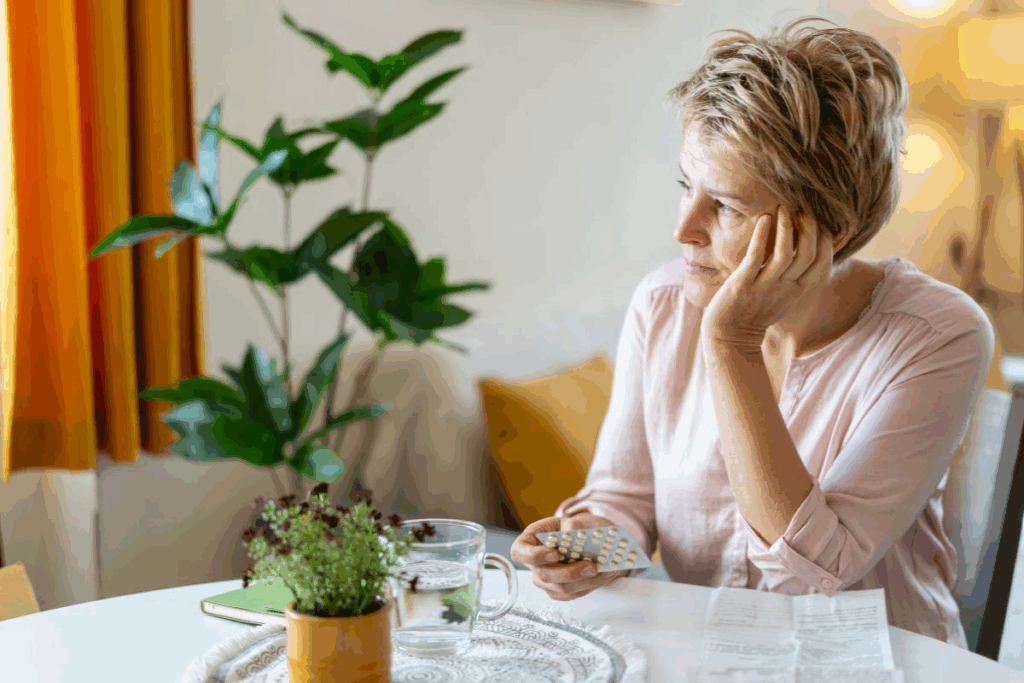
Are you feeling anxiety or constant nervousness in your 40s or 50s? You might not know that these feelings could be linked to perimenopause.
Perimenopause is the time before menopause when hormone levels change a lot. This change can make women feel anxious.
Perimenopause anxiety affects millions of women around the world. It’s often not understood. By looking into how perimenopause and anxiety during perimenopause are connected, we can find ways to handle these feelings.
Key Takeaways
- Perimenopause is a transitional period before menopause when hormone levels fluctuate.
- These hormonal changes can make women more vulnerable to anxiety.
- Understanding the link between perimenopause and anxiety is key to managing it.
- Many women feel anxious during perimenopause, making it a common issue.
- There are resources available to help manage perimenopause anxiety.
Understanding Perimenopause: The Transitional Phase

The journey through perimenopause is complex, with big changes in hormone levels. These changes can affect both body and mind. Women may feel a range of symptoms due to the ups and downs in estrogen and progesterone.
What Happens During Perimenopause
Perimenopause brings big hormonal shifts. These changes can mess with how we feel, including mood and anxiety. Studies show 15-50 percent of women in this phase feel anxious, with some rates hitting 58 percent among 45-54-year-olds.
The hormone swings can cause many symptoms. It’s key to understand these changes to manage anxiety and other symptoms.
Age Range and Duration
Perimenopause usually starts in a woman’s 40s. But it can begin as early as the mid-30s or as late as the 50s. How long it lasts varies, from a few months to over a decade. The average is about four to seven years, but it depends on lifestyle, genetics, and health.
Common Physical Symptoms
Women in perimenopause may feel hot flashes, night sweats, and changes in their menstrual cycle. They might also have trouble sleeping. These symptoms can make them feel anxious.
Along with physical symptoms, the hormonal shifts can cause emotional and psychological issues. This makes perimenopause even more challenging.
The Prevalence of Anxiety During Perimenopause

Perimenopausal anxiety is a big health issue that needs attention. Women going through perimenopause often feel anxious because of hormone changes.
Studies show that many women feel anxious during this time. This affects a big number of them. We’ll look at the numbers, what increases the risk, and how it compares to others.
Statistical Overview
About 4 in 10 women feel mood swings like PMS symptoms during perimenopause. These can include feeling anxious, depressed, or moody.
Study | Prevalence of Anxiety | Sample Size |
Smith et al. (2020) | 42% | 1,000 women |
Johnson et al. (2019) | 38% | 500 women |
Risk Factors for Developing Perimenopausal Anxiety
Some things make it more likely for women to feel anxious during perimenopause. Women who have felt anxious before are more likely to feel it again.
- History of anxiety or depression
- Hormonal changes
- Stressful events
- Not sleeping well
A study in the Journal of Women’s Health found that women with anxiety or depression history are more likely to feel anxious during perimenopause.
“The perimenopausal period is a critical time for women’s mental health, and healthcare providers should be aware of the risk factors for anxiety and depression during this phase.”Medical Expert, Journal of Women’s Health
Comparison to General Population Anxiety Rates
Research shows that anxiety is more common in perimenopause than in the general population. A study found that perimenopausal women are more likely to feel anxious than others.
Knowing how common and what increases the risk of perimenopausal anxiety helps doctors find better ways to help women manage their anxiety during this important time.
Hormonal Anxiety Symptoms: Recognizing the Signs
Hormonal changes in perimenopause can cause anxiety. This shows in physical and emotional ways. It’s key to spot these signs to manage and treat them well.
Physical Manifestations of Hormonal Anxiety
Physical signs of hormonal anxiety include tremors, palpitations, and sweating. These can be scary and mess up your day. Hot flashes and night sweats, common in perimenopause, also add to anxiety.
Women with these symptoms often feel overwhelmed and anxious. It’s important to tackle these symptoms to better their lives.
Psychological and Emotional Symptoms
Psychological and emotional signs of hormonal anxiety are irritability, mood swings, and feelings of dread. These can be strong and affect relationships at work and home.
“The hormonal changes during perimenopause can lead to significant emotional turmoil, making it challenging for women to cope with daily stressors.”
Knowing these symptoms are due to hormonal shifts helps women find the right support and treatment.
Distinguishing Perimenopausal Anxiety from Other Types
It’s important to tell perimenopausal anxiety apart from other anxiety disorders. Perimenopausal anxiety is caused by hormonal changes during this time.
Symptom | Perimenopausal Anxiety | Generalized Anxiety Disorder |
Triggers | Hormonal fluctuations | Various stressors |
Common Symptoms | Hot flashes, night sweats, irritability | Persistent worry, restlessness |
Treatment Approach | Hormone therapy, lifestyle changes | Cognitive-behavioral therapy, medication |
When estrogen and progesterone levels drop in perimenopause, serotonin levels fall too. This leads to more irritability, nervousness, and anxiety. Spotting these signs is the first step to getting the right treatment.
The Hormonal Connection: Why Fluctuations Trigger Anxiety
During perimenopause, hormonal changes can deeply affect a woman’s mental health, causing anxiety. It’s key to grasp how changes in hormones lead to anxiety symptoms.
Estrogen’s Role in Mood Regulation
Estrogen is vital for mood control. It helps make serotonin, a chemical that makes us feel good. When estrogen levels change, it can mess with serotonin, causing anxiety.
Estrogen affects mood in several ways:
- It helps make serotonin and controls how long it stays in the body.
- It regulates other mood-related chemicals.
- It keeps neurons healthy.
Progesterone Decline and Anxiety
Progesterone levels also change a lot during perimenopause. Its decrease can make us feel more anxious. This is because it helps balance our nervous system.
“The decline in progesterone during perimenopause can lead to increased anxiety as its calming effects on the nervous system diminish.”
The Cortisol Factor
Cortisol, known as the “stress hormone,” is linked to anxiety. Hormonal shifts in perimenopause can affect cortisol levels. High cortisol can make us feel anxious, starting a cycle of stress and anxiety.
Things that can change cortisol levels during perimenopause include:
- Changes in how we respond to stress.
- Hormonal shifts that affect cortisol.
- Our lifestyle, like diet and exercise.
Knowing how hormones link to anxiety in perimenopause is key to managing it. By understanding estrogen, progesterone, and cortisol, women can handle this phase better. They can also find the right support.
Neurotransmitter Changes During Perimenopause
Women going through perimenopause see big changes in their brain’s chemical messengers. These messengers, called neurotransmitters, help control mood, appetite, and sleep. The ups and downs in estrogen and progesterone can mess with these chemicals.
Serotonin Fluctuations and Mood
Serotonin is key for mood. Studies link estrogen changes in perimenopause to serotonin shifts. This can lead to more anxiety and depression.
Estrogen affects serotonin levels. When estrogen goes up and down, serotonin levels change too. This can mess with mood and anxiety.
GABA and Anxiety Regulation
GABA is a calming neurotransmitter. Progesterone, which changes in perimenopause, helps GABA work. When progesterone drops, GABA’s calming effect weakens, causing more anxiety.
Changes in progesterone affect GABA’s calming power. Without it, anxiety and unwanted thoughts can grow. Knowing this helps find ways to fight anxiety.
The Brain’s Response to Hormonal Shifts
The brain reacts in complex ways to perimenopause hormones. Stress hormone cortisol increases with age, adding to anxiety. Hormone changes and neurotransmitters work together to cause anxiety.
Here’s a table showing how neurotransmitters and anxiety link in perimenopause:
Neurotransmitter | Function | Impact of Perimenopause |
Serotonin | Regulates mood | Fluctuations in estrogen levels can affect serotonin production, potentially leading to increased anxiety. |
GABA | Inhibits neuronal activity, promoting calmness | Decline in progesterone can reduce GABA’s calming effects, increasing anxiety. |
Cortisol | Stress response hormone | Increased levels with age can contribute to feelings of anxiety. |
Knowing about neurotransmitter changes in perimenopause helps manage anxiety. This info helps create personal plans to fight anxiety and improve well-being during this time.
When Anxiety Becomes Severe: Panic Attacks and Anxiety Disorders
Perimenopause is more than just hormonal changes. It can also lead to serious anxiety issues. Understanding the severity of anxiety symptoms is key to managing them well.
Perimenopause and Panic Attack Triggers
Panic attacks can happen suddenly, without warning. They are marked by intense fear or discomfort. Hormonal shifts in perimenopause can trigger these attacks.
Symptoms include a racing heart, shortness of breath, and feeling detached. Spotting these signs as panic attacks is the first step to managing them.
Signs of Generalized Anxiety Disorder During Perimenopause
Generalized Anxiety Disorder (GAD) is about constant worry about everyday things. In perimenopause, GAD can make anxiety worse. This makes daily tasks hard.
If anxiety is too much and gets in the way of daily life, it might be GAD.
Some common signs of GAD during perimenopause include:
- Restlessness or feeling on edge
- Difficulty concentrating or the feeling that your mind is “going blank”
- Irritability
- Muscle tension
- Sleep disturbances
When to Seek Professional Help
If anxiety, including panic attacks or GAD signs, gets severe or disrupts your life, get help. A healthcare provider can help manage symptoms. They might suggest therapy or other treatments.
Seeking help is a sign of strength, not weakness. If anxiety is overwhelming, don’t wait to get support from a healthcare professional.
Medical Approaches to Managing Perimenopausal Anxiety
Medical treatments can greatly help women with perimenopausal anxiety. It’s important to look at the different options available.
Hormone Replacement Therapy Considerations
Hormone Replacement Therapy (HRT) is a common treatment for perimenopausal symptoms. It adds estrogen and progesterone to balance out hormonal changes that can cause anxiety.
But, starting HRT should be a careful decision. Your medical history, age, and how severe your symptoms are all matter. Talk to a healthcare provider before starting.
Benefits of HRT | Considerations |
Reduces hot flashes and night sweats | Increased risk of blood clots |
Improves sleep quality | Potential impact on breast density |
Enhances overall well-being | Individual response to hormones varies |
Anti-Anxiety Medications
Anti-anxiety medications might be given to some women. They can quickly help with anxiety symptoms.
It’s important to talk to a healthcare provider about the right medication and how much to take. They want to help manage symptoms without too many side effects.
Working with Healthcare Providers
Managing perimenopausal anxiety needs teamwork with healthcare providers. Together, you can create a plan that fits your needs.
Regular visits with your healthcare provider help adjust the plan as needed. This ensures your anxiety symptoms are well-managed.
Key aspects of working with healthcare providers include:
- Open communication about symptoms and concerns
- Regular monitoring of treatment effectiveness
- Adjustments to the treatment plan as necessary
By working together, women can find relief from anxiety and improve their life quality.
Natural Remedies and Supplements for Anxiety Relief
Natural remedies and supplements can help manage anxiety during perimenopause. Women often look for alternative ways to ease symptoms during this time.
Evidence-Based Herbal Supplements
Some herbal supplements may reduce anxiety. Ashwagandha is known for its stress-reducing effects. Studies show it can help control cortisol levels.
Lavender is also used for its calming effects. Research suggests lavender oil may help with anxiety, but more studies are needed.
- L-theanine: Found in green tea, L-theanine promotes relaxation without causing drowsiness.
- Passionflower: Traditionally used for anxiety and insomnia, passionflower may have a calming effect on the nervous system.
Essential Nutrients for Hormonal Balance
Nutritional supplements are important for managing anxiety during perimenopause. Omega-3 fatty acids in fatty fish like salmon may reduce anxiety symptoms.
Magnesium is key for anxiety regulation. Many women lack magnesium, which can worsen anxiety. Taking magnesium can help relax and improve sleep.
- Vitamin B complex: B vitamins, like B6 and B12, help make neurotransmitters and may improve mood.
- Probiotics: They support gut health and may reduce anxiety through the gut-brain axis.
Safety Considerations and Possible Interactions
It’s important to consider the safety of natural remedies and supplements. Always talk to a healthcare provider before starting any new supplements, even if you’re already on medication.
Some supplements can affect medications like hormone replacement therapy (HRT). For example, St. John’s Wort can interact with antidepressants and blood thinners.
- Check the quality and purity of supplements, as regulation can vary.
- Start with low doses and watch how your body reacts.
- Keep a record of your supplements to discuss with your healthcare provider.
Lifestyle Modifications to Reduce Perimenopausal Anxiety
Managing perimenopausal anxiety can be done through lifestyle changes and self-care. These adjustments can help women feel better and reduce anxiety. They can also improve overall well-being.
Nutrition Strategies for Hormone Balance
Eating well is key to managing anxiety during perimenopause. Try to cut down on caffeine, added sugar, and alcohol. Instead, eat more vegetables, fruits, lean proteins, and whole grains.
- Eat foods rich in omega-3 fatty acids, like salmon and walnuts, for brain health.
- Choose whole grains for complex carbs, which help keep blood sugar stable.
- Include lean proteins like poultry, fish, and legumes to support neurotransmitters.
Exercise Approaches for Anxiety Management
Exercise is a great way to manage anxiety during perimenopause. It releases endorphins, improves sleep, and boosts physical health.
- Do aerobic exercises like walking, jogging, or cycling for 30 minutes daily.
- Add strength training to build muscle and strengthen bones.
- Try mind-body exercises like yoga or tai chi for flexibility and stress relief.
Sleep Optimization Techniques
Good sleep is vital for anxiety management. A consistent sleep schedule and a calming bedtime routine can greatly improve sleep.
Stress Reduction Practices
Stress reduction techniques can ease anxiety symptoms. Meditation, deep breathing exercises, and progressive muscle relaxation are very effective.
- Begin with short mindfulness meditation sessions to lower stress.
- Use deep breathing exercises to calm your nervous system.
- Try progressive muscle relaxation to release tension.
Psychological Approaches and Mind-Body Techniques
Women going through perimenopause can find relief with psychological and mind-body techniques. These methods offer quick relief and teach women how to manage anxiety over time.
Cognitive Behavioral Therapy for Hormonal Anxiety
Cognitive-behavioral therapy (CBT) is top for treating anxiety, including perimenopause-related anxiety. It helps people change negative thoughts to positive ones. This is key in dealing with the mental changes that come with hormonal shifts.
CBT Techniques for Perimenopausal Anxiety:
- Cognitive restructuring
- Exposure therapy
- Mindfulness-based CBT
Mindfulness and Meditation Benefits
Mindfulness meditation helps people watch their feelings without judgment, lowering anxiety. It also cuts down stress hormones, making you feel calmer. Mindfulness is great for managing mood swings and anxiety during perimenopause.
“Mindfulness is the practice of being fully present and engaged in the current moment, without judgment or distraction.”
Mindfulness Technique | Benefits |
Meditation | Reduces stress, improves mood |
Deep Breathing | Calms the nervous system |
Body Scan | Enhances body awareness, reduces tension |
Breathing Exercises for Immediate Relief
Breathing exercises are simple but effective for anxiety. Techniques like diaphragmatic breathing slow down your heart and relax you. Doing it regularly can help you feel more in control of your emotions.
Steps for Diaphragmatic Breathing:
- Lie on your back with knees bent
- Place one hand on your belly and the other on your chest
- Inhale deeply through your nose, allowing your belly to rise
- Exhale slowly through your mouth
Conclusion: Creating Your Personalized Anxiety Management Plan
Women can tackle perimenopausal anxiety by understanding its causes and trying different strategies. A mix of medical, natural, and lifestyle changes can help manage anxiety well.
To beat perimenopause anxiety, tackling physical, emotional, and mental symptoms is key. This might mean hormone therapy, anti-anxiety meds, or natural options like herbs and vitamins. Making healthy lifestyle choices, like eating right, exercising, and sleeping well, also helps.
It’s smart to work with doctors to make a plan that fits you. Combining medical advice with self-care can help manage anxiety and enhance life during perimenopause.
FAQ
What is perimenopause and how does it relate to anxiety?
Perimenopause is a time when hormone levels change a lot. This can cause physical and emotional symptoms, like anxiety. Knowing about these changes helps manage anxiety better.
How common is anxiety during perimenopause?
Anxiety in perimenopause is quite common. Many women feel anxious during this time. It’s more common than in the general population.
What are the signs of hormonal anxiety during perimenopause?
Knowing the signs of hormonal anxiety is key. Symptoms include panic attacks and mood changes. These can affect a woman’s emotional state.
How do hormonal fluctuations trigger anxiety during perimenopause?
Hormones like estrogen and progesterone play a big role. Changes in these hormones can affect mood. This can lead to anxiety.
Can perimenopause cause panic attacks?
Yes, it can. Understanding panic attacks during perimenopause is important. It helps manage anxiety better.
What are the medical approaches to managing perimenopausal anxiety?
Doctors use hormone therapy and anti-anxiety meds. They also help create a treatment plan for each woman.
Are there natural remedies and supplements that can help alleviate perimenopausal anxiety?
Yes, there are. Natural remedies and supplements can help. But, it’s important to talk to a doctor first.
How can lifestyle modifications help reduce perimenopausal anxiety?
Changes in lifestyle can help. Good nutrition, exercise, and sleep are important. They can also reduce stress.
What psychological approaches and mind-body techniques can help manage perimenopausal anxiety?
Techniques like cognitive behavioral therapy and mindfulness help. They can be used along with other methods to manage anxiety.
Does perimenopause anxiety go away after menopause?
Not always. Some women feel better after menopause. But, others may not. It’s different for everyone.
Can anxiety during perimenopause be a sign of an underlying anxiety disorder?
Yes, it can. Anxiety during perimenopause might mean there’s an anxiety disorder. It’s important to seek help if needed.
How can I get rid of perimenopause anxiety?
To manage anxiety, create a plan. Understand the anxiety, try different approaches, and make lifestyle changes. This can improve your life.
References
National Center for Biotechnology Information. Reproductive hormone sensitivity and risk for depression across the female life cycle: a continuum of vulnerability? Retrieved from https://pmc.ncbi.nlm.nih.gov/articles/PMC2440795/