
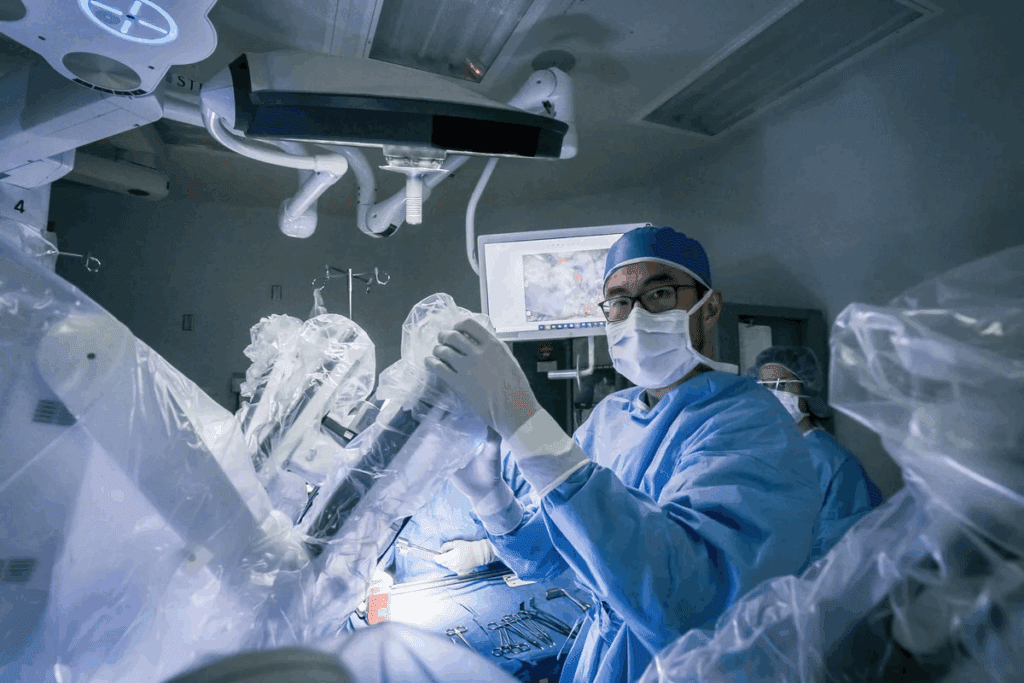
Robotic-assisted laparoscopic prostatectomy has changed how we treat prostate cancer. It’s a less invasive method that brings many benefits. These include less pain and faster recovery times.
Most patients stay in the hospital for just one to two days after robotic prostate surgery, reflecting the minimally invasive nature of the procedure and its faster recovery. We aim to help you feel prepared and supported during this time.
Key Takeaways
- Robotic-assisted laparoscopic prostatectomy is a minimally invasive procedure.
- The typical hospital stay after robotic prostate surgery is one to two days.
- This surgical technique offers several benefits, including less pain and quicker recovery.
- Patients can expect a relatively short recovery period.
- Advanced surgical techniques like robotic prostate surgery are revolutionizing cancer treatment.
Understanding Robotic Prostate Surgery
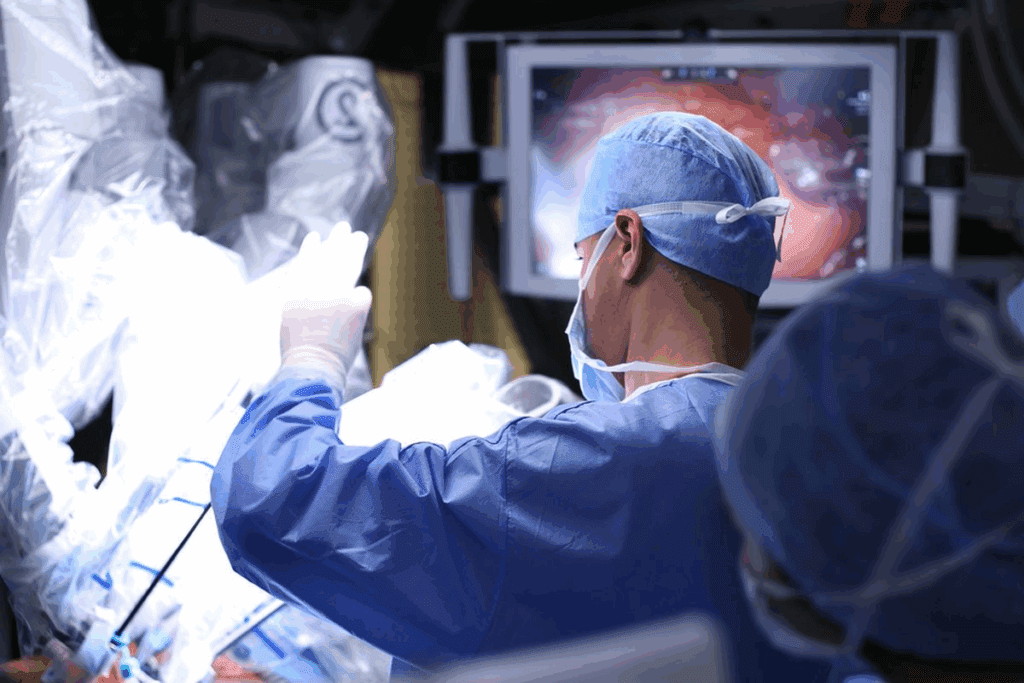
Robotic prostate surgery is a key option for treating prostate cancer. It’s called robotic-assisted laparoscopic prostatectomy (RALP). This method has become a big step forward in prostate cancer surgery.
What is Robotic-Assisted Laparoscopic Prostatectomy (RALP)?
RALP is a surgery that uses a robot to remove the prostate gland. The da Vinci Surgical System is a common robot used for this. It helps surgeons be more precise and in control. This surgery is less invasive, with smaller cuts and less blood loss.
How Robotic Surgery Differs from Traditional Methods
Robotic surgery is different from old-fashioned open prostatectomy. It has smaller cuts, which means less damage to the body. It also offers a clear 3D view of the area being operated on. This clear view and the robot’s precision can lead to better results and fewer problems.
The da Vinci Surgical System Explained
The da Vinci Surgical System is a top-notch robot for complex surgeries. It has a surgeon’s console, a robot arm cart, and a high-definition vision system. Surgeons can move the robot’s arms with their hands, making it easier to do precise work.
Benefits and Risks of Robotic Prostate Surgery
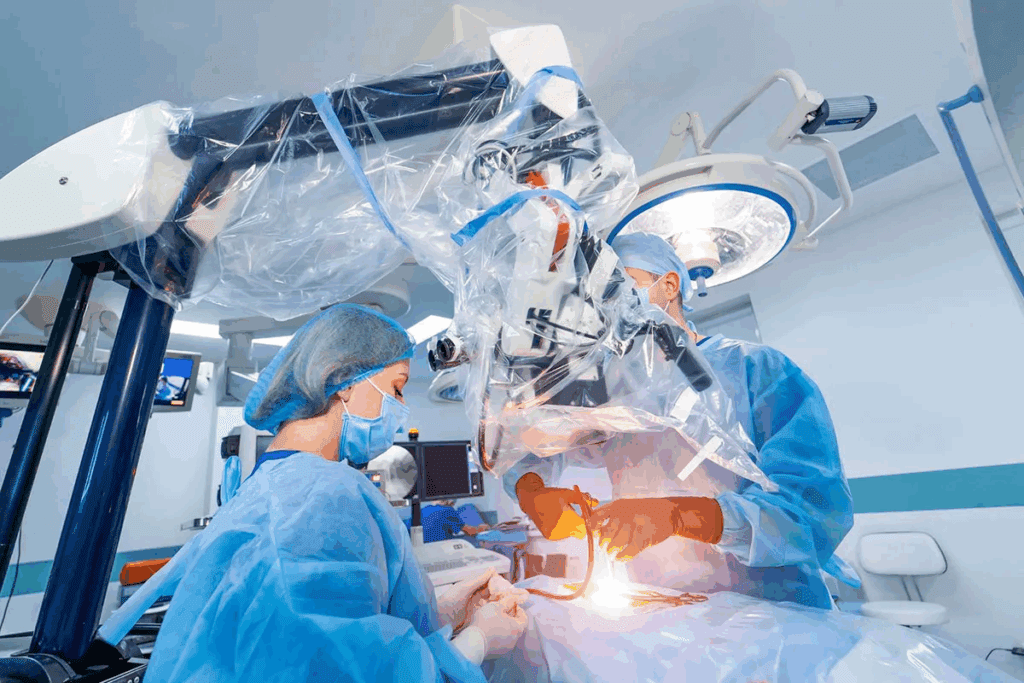
Robotic prostate surgery has changed how we treat prostate cancer. It offers many benefits over old methods. It’s key to know the good and bad sides of this new surgery.
Advantages Over Traditional Prostatectomy
Robotic-assisted laparoscopic prostatectomy (RALP) has many benefits. It leads to less blood loss, less pain after surgery, and shorter hospital stays. Studies show it has fewer complications and faster recovery than open prostatectomy.
The robotic system’s precision helps in nerve-sparing techniques. This can lower urinary incontinence and erectile dysfunction rates. The robotic system’s better view and control make complex surgeries easier and more accurate.
Key Benefits:
- Less blood loss and fewer transfusions
- Minimal postoperative pain
- Shorter hospital stays
- Quicker return to normal activities
- Improved precision in nerve-sparing techniques
Potential Complications and Risks
Robotic prostate surgery has many benefits but also risks. Possible complications include infection, urinary retention, and reactions to anesthesia. There’s also a chance of erectile dysfunction and urinary incontinence, though lower with robotic surgery.
| Complication | Robotic Prostatectomy | Open Prostatectomy |
| Infection | Low | Moderate |
| Urinary Retention | Low | Moderate |
| Erectile Dysfunction | Lower | Higher |
| Urinary Incontinence | Lower | Higher |
Success Rates and Outcomes
The success of robotic prostate surgery is high. Many patients see good results in cancer control and recovery of urinary and sexual function. Success depends on the surgeon’s skill, patient selection, and postoperative care.
With the right patient and skilled surgery, robotic prostatectomy can have great results. Ongoing research and new robotic technology keep making the procedure better and safer.
Typical Hospital Stay Duration After Robotic Prostate Surgery
Robotic prostate surgery is known for its short hospital stay. Most patients go home within 24 to 48 hours after surgery.
Average Length of Stay
The average stay after robotic prostate surgery is one to two days. This is because the surgery is minimally invasive. It causes less damage and leads to quicker healing than open surgery.
Factors That May Extend Your Hospital Stay
While most stays are short, some factors can make them longer. These include:
- Complications during or after surgery
- Pre-existing medical conditions that may slow recovery
- Infection or excessive bleeding
- Urinary retention issues
Following pre-operative instructions carefully can help avoid complications. This can prevent a longer hospital stay.
Comparison with Traditional Open Prostatectomy
Robotic prostate surgery usually means a shorter hospital stay than open prostatectomy. Here’s a comparison:
| Characteristics | Robotic Prostate Surgery | Traditional Open Prostatectomy |
| Average Hospital Stay | 1-2 days | 2-4 days or more |
| Recovery Time | Faster recovery due to minimally invasive technique | Slower recovery due to larger incision |
| Post-operative Pain | Generally less pain | More pain due to larger incision |
The table shows robotic prostate surgery has many benefits. These include a shorter hospital stay and faster recovery compared to open prostatectomy.
Choosing the Right Surgeon and Hospital for Your Prostate Surgery
The success of your robotic prostate surgery depends on a skilled surgeon and a reputable hospital. It’s not just about the surgery. It’s also about the care you get before, during, and after.
Qualifications to Look For in a Prostate Surgeon
When picking a surgeon for your robotic prostatectomy, look for certain qualifications. Experience is key; a surgeon with lots of robotic surgeries done is likely to do better. Make sure your surgeon is:
- Board-certified in urology
- Fellowship-trained in urologic oncology or a related field
- Up-to-date with the latest robotic surgery techniques and technologies
Also, ask about their success and complication rates with robotic prostatectomy. This can tell you a lot about their skill.
Questions to Ask Before Scheduling Surgery
Before your robotic prostatectomy, have a detailed talk with your surgeon. Ask important questions like:
- What experience do you have with robotic prostate surgery?
- What are the possible risks and complications?
- How will you manage pain after surgery?
- What’s the typical recovery time for robotic prostatectomy?
- Are there any specific post-operative instructions I need to follow?
These questions help you know what to expect and make a good choice for your care.
The Importance of Hospital Experience with Robotic Procedures
The hospital for your robotic prostate surgery is also key. Choose hospitals with lots of robotic surgeries. They have a strong robotic surgery program and experienced staff. Also, think about the hospital’s:
- Accreditation status
- Quality of post-operative care
- Availability of support services, like physical therapy and counseling
By picking a skilled surgeon and a top hospital for robotic prostate surgery, you boost your chances of a good outcome and easy recovery.
Preparing for Your Robotic Prostatectomy
To get the best results from your robotic prostatectomy, you need to prepare well. This means taking several steps to reduce risks and speed up your recovery.
Pre-Surgery Consultations and Tests
You’ll have many consultations and tests before surgery. These might include blood work, imaging, and a look at your medical history. Our team will help you get ready for the surgery.
Make sure to go to all your scheduled meetings and ask any questions you have. This is your chance to learn about the surgery, what to expect, and any possible risks.
Dietary and Medication Guidelines
Changing your diet and medications before surgery can help your recovery. You might need to stop some medications that could affect the surgery or your healing. You might also need to change your diet to be as healthy as possible for the surgery.
Our healthcare team will tell you what to eat and avoid before your surgery. It’s very important to follow these instructions carefully for a smooth surgery.
What to Pack for Your Hospital Stay
Having the right things packed for your hospital stay can make your recovery easier. You’ll need comfortable clothes, personal care items, and any necessary documents or devices.
- Comfortable clothing and a robe
- Personal care items such as toiletries
- Any prescribed medications or devices
- Insurance cards and identification
It’s also a good idea to have a list of emergency contacts and any relevant medical information ready.
Remember, our team is here to support you as you prepare for your robotic prostatectomy. By following the guidelines and instructions, you can help make your surgery successful and your recovery smooth.
“The key to a successful robotic prostatectomy lies not just in the surgical technique, but in the complete care given before, during, and after the procedure.”
The Day of Your Prostate Surgery: What to Expect
Getting ready for your robotic prostatectomy can make you feel nervous. We’re here to walk you through each step. This way, you’ll feel well-informed and supported.
Arrival and Pre-Op Procedures
You’ll arrive at the hospital a few hours before your surgery. Our staff will welcome you and take you to the pre-op area. There, you’ll change into a hospital gown and get an IV line for medication and fluids.
The anesthesiologist will talk to you about anesthesia for prostate surgery. They’ll answer any questions you have. This is key to making sure you’re comfortable and ready for the surgery.
Anesthesia Process
The anesthesia process for robotic prostate surgery usually means general anesthesia. You’ll be asleep during the procedure. Our anesthesiologists will watch your vital signs closely to keep you safe.
Duration of the Surgical Procedure
The surgical duration for robotic prostatectomy varies but is usually several hours. Our skilled surgical team uses the da Vinci Surgical System. This allows for precise and minimally invasive surgery.
Family Communication During Surgery
While you’re in surgery, our staff will update your family. We know this is a tough time for them. We’re committed to supporting them with updates and care.
Knowing what to expect on the day of prostate surgery helps prepare you. Our team is dedicated to giving you the best care and support during your treatment.
Immediate Post-Operative Care in the Hospital
The time right after robotic prostatectomy surgery is very important. It sets the stage for a good recovery. During this time, a team of healthcare professionals closely watch and care for patients.
Recovery Room Monitoring
Patients go to the recovery room after surgery. There, they are watched closely for any problems. The team checks vital signs like heart rate and blood pressure to make sure they are okay.
Monitoring in the recovery room is key. It helps spot and fix any issues fast, like bleeding or bad reactions to anesthesia.
Pain Management Protocols
Managing pain well is a big part of care after surgery. We use medicines and other methods to keep patients comfortable. We aim to reduce pain without giving too much medicine.
Our pain management protocols are made just for each patient. We consider their medical history, how big the surgery was, and what they prefer.
Catheter Management
A urinary catheter is used during surgery to help with urine. Catheter care is very important to avoid infections and make sure urine flows right.
Our team will teach patients how to care for their catheter. They also watch for any problems with the catheter.
Initial Mobility Expectations
Moving around early is good to prevent blood clots and help healing. Patients are usually told to get out of bed and move soon after surgery. Our team helps guide them.
Initial mobility helps avoid problems and speeds up recovery. Our team helps patients slowly increase their activity.
Criteria for Hospital Discharge After Prostate Surgery
Knowing what it takes to leave the hospital after prostate surgery is key. We’ll cover the main points healthcare teams look at before letting you go.
Physical Milestones That Must Be Met
Before you can go home, you need to show you can walk and do basic self-care. You also need to be able to handle your pain well. Reaching these physical goals is important for a good recovery.
Pain Control Assessment
Managing pain is a big part of getting better. Doctors check how well you can handle pain with medicine before you leave. You’ll get instructions on managing pain at home.
Urinary Function Considerations
Being able to pee is a big factor in when you can go home. You must show you can pee normally or handle any issues with a catheter. Our team will teach you how to care for your catheter.
Discharge Instructions and Follow-up Appointments
Before you leave, you’ll get clear instructions and a schedule for follow-up visits. It’s vital to follow these steps closely to recover well at home.
By knowing what it takes to leave the hospital after prostate surgery, you can prepare better for your recovery. This helps you understand what to expect on your healing path.
Common Complications That May Extend Hospital Stay
Some complications can happen after robotic prostate surgery, making the hospital stay longer. It’s important for patients to know about these risks. This helps them prepare and recover better.
Excessive Bleeding
Excessive bleeding is a possible issue during or after robotic prostate surgery. Even with precise robotic surgery, bleeding can occur. Close monitoring is key to quickly handle any bleeding.
- Bleeding might need extra procedures or blood transfusions.
- Doctors watch for signs like low blood pressure or a fast heart rate.
Infection Concerns
Infection is another risk after robotic prostate surgery. While robotic surgery reduces this risk, it’s not eliminated. Antibiotics are given to lower the chance of infection.
- Look out for fever, chills, or redness around the incision.
- Antibiotics usually work well to treat infections.
Urinary Retention Issues
Urinary retention is common after prostate surgery, including robotic prostatectomy. It can make the hospital stay longer until it’s fixed.
- Managing the catheter is key to solving urinary retention.
- Patients learn how to care for their catheter at home.
Adverse Reactions to Anesthesia
Some people might have bad reactions to anesthesia, from mild to severe. Close monitoring during and after surgery helps manage these reactions.
- Reactions can include nausea, vomiting, or breathing problems.
- Anesthesia teams are ready to handle these reactions quickly.
Knowing about these possible complications helps patients and their families get ready for recovery. While these issues can happen, most people recover well without major problems.
The First Week at Home After Discharge
The first week after you get home is very important. You need to take care of your body after robotic prostate surgery. Make sure your home is set up for a good recovery.
Setting Up Your Recovery Space
Turning your home into a recovery area can help a lot. You should create a cozy spot with:
- A comfortable bed or place to rest
- Water, medicine, and a phone nearby
- A recliner or comfy chair for relaxing
Managing Pain and Discomfort
Managing pain is key in the first few days. Always follow your doctor’s advice on pain meds. This might include:
- Sticking to the pain medicine schedule
- Telling your doctor if the pain changes
- Trying relaxation methods like deep breathing
It’s also important to talk to your doctor about any side effects from pain meds.
Catheter Care at Home
Looking after your catheter is very important. To keep things clean and avoid problems:
| Care Aspect | Guideline |
| Cleaning | Gently clean the catheter site with soap and water daily |
| Drainage Bag | Empty the drainage bag regularly and keep it below bladder level |
| Securing | Secure the catheter to your leg to prevent tugging |
By following these steps, you can lower the risk of infection and make your recovery easier.
Warning Signs That Require Medical Attention
While at home, watch out for signs that mean you need to see a doctor. These include:
- More pain or swelling
- Fever or feeling cold
- Bleeding or discharge from the surgery site
- Hard time urinating or catheter problems
If you notice any of these, call your doctor right away for advice.
The Complete Recovery Timeline After Prostate Surgery
The journey to full recovery after robotic prostate surgery is long. But knowing what to expect can make it easier. Each patient’s experience is different, so it’s important to understand that.
Week 1-2: Initial Recovery Phase
In the first two weeks, rest and recovery are key. You might feel some discomfort, fatigue, and trouble with urination. But these symptoms usually get better in a few days.
- Manage pain with prescribed medication
- Follow a balanced diet to aid healing
- Gradually increase physical activity as advised by your healthcare provider
Weeks 3-6: Progressive Improvement
By weeks 3-6, you’ll likely see big improvements. Your energy should come back, and you might start to control your urination better.
Key milestones during this period include:
- Increased mobility and reduced fatigue
- Improved urinary continence
- Potential return to light work or daily activities
Months 2-6: Returning to Normal Activities
By the second month, many feel much better. You might start doing more strenuous activities, like exercise, with your doctor’s okay.
It’s important to listen to your body and not rush the recovery process. Full recovery can take several months, and patience is key.
Long-term Recovery Expectations
Most patients can get back to normal in 2-6 months. But, it can take up to a year or more for full recovery. This includes getting back to sexual function and complete urinary control.
- Continue pelvic floor exercises to improve urinary control
- Discuss any concerns or issues with your healthcare provider
- Attend follow-up appointments as scheduled
Managing Urinary Function After Robotic Prostatectomy
Learning how to manage urinary function after robotic prostatectomy is key for a smooth recovery. Urinary incontinence is a common side effect of prostate surgery. But, with the right approach, patients can improve their quality of life during recovery.
Catheter Removal Timeline
The catheter is usually removed in 1-2 weeks after surgery. The exact time depends on the surgeon’s assessment of healing. It’s important to follow the doctor’s instructions for catheter care to avoid complications.
Key considerations for catheter removal:
- Follow the surgeon’s schedule for removal
- Monitor for any signs of infection or discomfort
- Be prepared for possible urinary leakage after removal
Incontinence: What to Expect and How to Manage
Urinary incontinence is common after prostate surgery. Patients may experience leakage, mainly in the first stages after catheter removal. Managing incontinence well is key to regaining control and confidence.
Strategies for managing incontinence include:
- Using absorbent products to handle leakage
- Performing pelvic floor exercises to strengthen urinary control muscles
- Maintaining a healthy weight to reduce pressure on the bladder
Pelvic Floor Exercises for Urinary Control
Pelvic floor exercises, or Kegel exercises, are vital for strengthening the muscles that control urination. Regular practice can greatly improve urinary continence.
To perform Kegel exercises effectively:
- Identify the correct muscles by stopping the flow of urine mid-stream
- Contract these muscles for 5-10 seconds, then release
- Repeat the exercise 10-15 times, several times a day
When to Seek Additional Medical Help
While some urinary incontinence is normal after prostate surgery, sometimes more medical help is needed. If you have persistent leakage, pain, or trouble urinating, you should see your healthcare provider.
Understanding the catheter removal timeline, managing incontinence, doing pelvic floor exercises, and knowing when to seek help can help patients deal with urinary function after robotic prostatectomy more effectively.
Sexual Function and PSA Monitoring After Prostate Removal
Prostate removal can change how you feel about sex. It’s also important to keep an eye on PSA levels. This helps with recovery after robotic prostate surgery.
Timeline for Sexual Recovery
Recovering from prostate removal can take time. It can take months for sexual health to get better. Nerve-sparing techniques used in surgery can help a lot.
Talking to your doctor about your recovery is key. They can tell you what to expect.
Nerve-Sparing Techniques and Outcomes
Nerve-sparing surgery tries to keep nerves around the prostate intact. This is important for sex. Success depends on age, health, and the surgeon’s skill.
| Factor | Influence on Nerve-Sparing Techniques |
| Patient Age | Younger patients tend to have better outcomes |
| Surgeon Expertise | Experienced surgeons achieve higher success rates |
| Overall Health | Patients with fewer comorbidities tend to recover better |
Treatment Options for Erectile Dysfunction
If you have erectile dysfunction after surgery, there are treatments. You can try oral medications, vacuum erection devices, or penile implants. The right choice depends on how bad it is and your health.
It’s best to talk to your doctor about what’s best for you.
PSA Testing Schedule and What Levels to Expect
PSA tests are key after prostate removal. They check for cancer coming back. PSA levels should be very low or not detectable after surgery. You’ll likely have tests every 3-6 months at first, then once a year if levels stay low.
Knowing about PSA tests and what to expect helps you stay informed. It helps you make good choices for your health.
Conclusion: Embracing Life After Robotic Prostate Surgery
Robotic prostate surgery is a hopeful solution for those with prostate problems. With the right care, patients can fully recover and get back to their usual lives.
Knowing how to recover is key to a good outcome. We’ve looked at how long you might stay in the hospital and what affects it. We’ve also talked about how to prepare for surgery and recovery. Choosing the right surgeon and hospital, preparing well, and following care instructions can make your recovery better.
Life after robotic prostate surgery is more than just getting better from the surgery. It’s about starting a new chapter with better health. Stay positive and active in your recovery. Use the benefits of robotic prostate surgery to smoothly get back to your daily life.
FAQ
What is robotic-assisted laparoscopic prostatectomy (RALP)?
Robotic-assisted laparoscopic prostatectomy (RALP) is a modern surgery. It uses the da Vinci Surgical System to remove the prostate gland. This method is less invasive, leading to less pain, shorter hospital stays, and quicker recovery.
How long does robotic prostate surgery take?
Robotic prostate surgery usually takes 2-3 hours. The exact time can vary based on the case’s complexity and the surgeon’s experience.
What are the benefits of robotic prostate surgery over traditional methods?
Robotic surgery has many benefits. It results in less blood loss, less pain, and shorter hospital stays. Patients also recover faster. It also lowers the risk of urinary problems and erectile dysfunction compared to older methods.
How long do you stay in the hospital after robotic prostate surgery?
Most patients stay in the hospital for 1-2 days after surgery. This can change based on the patient’s health and any complications.
What are the possible complications of robotic prostate surgery?
Possible complications include bleeding, infection, and urinary issues. Knowing these risks helps patients seek help early if they notice symptoms.
How do I prepare for robotic prostatectomy?
To prepare, attend preoperative consultations and follow dietary and medication guidelines. Packing essential items for your hospital stay is also important. Proper preparation helps ensure a smooth surgery and recovery.
What can I expect on the day of my prostate surgery?
On surgery day, arrive at the hospital a few hours early. You’ll go through preoperative preparations and receive anesthesia. The surgical team will also keep your family updated during the procedure.
How is pain managed after robotic prostate surgery?
Pain management is a key part of recovery. Patients receive pain medication and other treatments, like epidural anesthesia, to manage pain.
How long does it take to recover from robotic prostate surgery?
Recovery time varies, but most patients return to normal activities in 2-6 months. The first week or two are the hardest, but improvement comes gradually after that.
What is the timeline for catheter removal after robotic prostatectomy?
The catheter is removed in 1-2 weeks. The exact time depends on your health and the surgeon’s preference.
How can I manage urinary incontinence after robotic prostatectomy?
Kegel exercises can help manage incontinence. Using absorbent products and practicing good bladder habits also helps.
What are the treatment options for erectile dysfunction after prostate removal?
Treatments include medications and therapies like penile implants. The best option depends on your health and the severity of your erectile dysfunction.
What is the PSA testing schedule after prostate removal?
Regular PSA tests are part of follow-up care. The frequency depends on your health and the risk of cancer recurrence.
Reference:
Cambridge University Hospitals. Bladder Care and Management
https://www.cuh.nhs.uk/patient-information/bladder-care-and-management
Medical News Today. A guide to double voiding and bladder-emptying techniques
https://www.medicalnewstoday.com/articles/316706