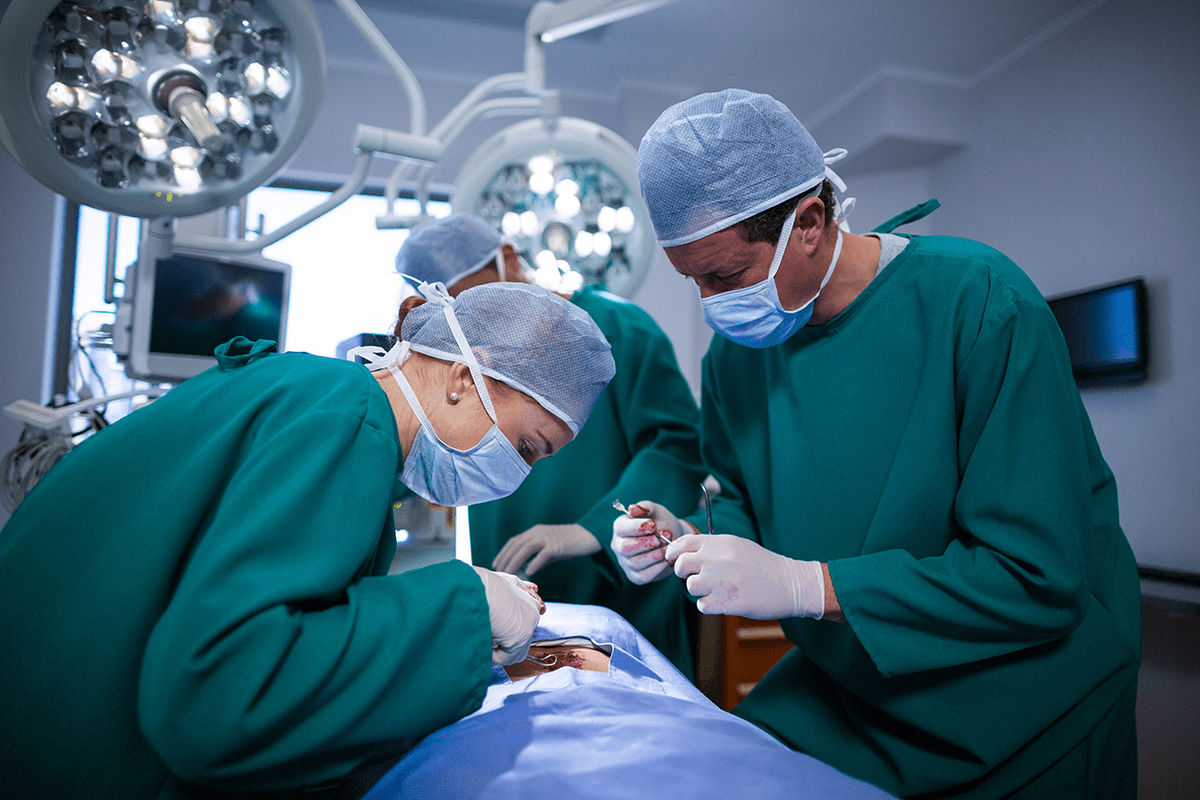
Having colorectal surgery can be scary, and knowing how long you’ll stay in the hospital is a big worry. The time you spend in the hospital after colorectal surgery depends on a few things. These include the surgery type and your health. Find out the typical hospital stay colorectal surgery requires and what recovery steps follow discharge.
People who have minimally invasive surgery usually stay in the hospital for 3 to 5 days. This is shorter than those who have open surgery. Knowing what affects how long you’ll stay in the hospital can help you get ready for your recovery.
Key Takeaways
- The average hospital stay after colorectal surgery is 3-5 days for minimally invasive surgery.
- The type of surgery and patient’s overall health influence the length of hospital stay.
- Patients who undergo minimally invasive surgery tend to have shorter hospital stays.
- Understanding the factors that influence hospital stay length can help patients prepare for their recovery.
- Patients should plan according to their individual needs and surgery type.
Understanding Colorectal Surgery: Types and Procedures
Colorectal surgery covers many techniques for the colon and rectum. The right surgery depends on the condition, the patient’s health, and the surgeon’s skill.
Common Types of Colorectal Surgeries
There are colectomies, anterior resections, and abdominoperineal resections among others. These surgeries treat cancer, diverticulitis, and inflammatory bowel disease. They aim to remove the sick part and fix bowel function.
Open vs. Laparoscopic vs. Robotic Approaches
There are open surgery, laparoscopic surgery, and robotic surgery for colorectal issues. Laparoscopic and robotic surgeries are less invasive. They lead to quicker recovery and less pain than open surgery.
Recent data shows laparoscopic surgery is now the main choice for many cases. It went from 13.8% in 2007 to 42.6% in 2009.
Indications for Different Surgical Approaches
The choice between open, laparoscopic, and robotic surgery varies. It depends on the patient’s condition and the surgeon’s experience. For example, laparoscopic surgery is often used for early cancer or benign conditions.
Open surgery might be needed for more complex cases. This is when less invasive methods are not possible.
Understanding different surgeries helps patients make better choices. “The shift towards minimally invasive surgery reflects a broader trend towards reducing recovery time and improving patient outcomes,” says a healthcare trend. It’s key to talk about options with a healthcare provider.
Average Hospital Stay Colorectal Surgery Duration
The time you spend in the hospital after colorectal surgery can change a lot. It depends on the surgery type and your health. Knowing what affects your stay is key for both patients and doctors.
Typical Length of Stay by Procedure Type
The time in the hospital changes with the surgery type. Laparoscopic surgeries usually mean a shorter stay than open surgeries.
- Laparoscopic surgeries: 3-5 days
- Open surgeries: 5-7 days or more
- Robotic surgeries: 3-5 days
A study found that the median hospital stay was 3 days. There were no deaths after surgery. This shows how modern surgery can lead to quick recoveries.
Statistical Data on Hospital Stays in the United States
In the United States, hospital stays for colorectal surgery have been getting shorter. This change comes from better surgery methods and care after surgery.
| Year | Average Hospital Stay |
| 2010 | 7 days |
| 2015 | 5.5 days |
| 2020 | 4.2 days |
Comparing Hospital Stays: Past vs. Present
Looking at hospital stays for colorectal surgery over time shows big improvements. New surgery methods and better care after surgery have led to shorter stays.
Key factors contributing to shorter hospital stays include:
- Improved surgical techniques
- Enhanced postoperative care
- ERAS protocols
Factors Affecting Hospital Stay Colorectal Surgery Length
Many things can affect how long someone stays in the hospital after colorectal surgery. Knowing these can help both patients and doctors get ready for recovery.
Patient-Related Factors
Things about the patient can really affect how long they stay in the hospital. Age, overall health, and any other health issues are key. Older people or those with health problems might need more time to get better.
For example, people with diabetes or heart disease might need extra care. Studies show that health problems can make recovery harder, leading to a longer hospital stay.
Surgical Complexity and Technique
The type of surgery and how it’s done also matter a lot. Surgical methods can range from open surgery to laparoscopy or robotic surgery. Less invasive surgeries usually mean a shorter stay because they cause less damage and heal faster.
But, if a surgery needs to be changed to an open procedure, it can take longer. Research shows that complications after surgery can also make a stay longer.
Hospital Protocols and Enhanced Recovery Programs
How the hospital runs things and if they use Enhanced Recovery After Surgery (ERAS) programs can also affect stay length. ERAS programs focus on making care better before, during, and after surgery. They include things like better nutrition and pain management.
These programs help by making care smoother and reducing problems. This can lead to shorter hospital stays and better results for patients.
In short, how long someone stays in the hospital after colorectal surgery depends on many things. These include the patient’s health, the surgery itself, and the hospital’s care plans. Knowing these can help manage expectations and maybe even shorten recovery time.
Pre-Surgery Preparation and Its Impact on Hospital Time
Getting ready for surgery is key to avoiding problems and cutting down hospital time after colorectal surgery. A patient who is well-prepared tends to recover faster and leave the hospital sooner.
Physical Preparation
Physical prep is a big part of getting ready for surgery. This includes cleaning the bowel and changing what you eat. Cleaning the bowel lowers the chance of infection during and after surgery. Eating the right foods, like more fiber, also helps get the body ready.
Medical Optimization Before Surgery
It’s important to get your health in check before surgery. This means managing health issues like diabetes or high blood pressure. It also means stopping some medicines that could mess with surgery or healing. By getting your health right, you can lower your risk of problems and maybe leave the hospital sooner.
Mental Preparation and Expectations Setting
Being mentally ready and knowing what to expect is also key. Patients who are mentally prepared feel less stressed and anxious. This makes recovery easier. Knowing what to expect helps patients follow instructions better and heal faster.
| Preparation Aspect | Description | Benefit |
| Physical Preparation | Bowel prep and dietary adjustments | Reduced risk of infection |
| Medical Optimization | Managing comorbidities and adjusting medications | Minimized risk of complications |
| Mental Preparation | Setting realistic expectations and reducing anxiety | Smoother recovery |
As one source notes, “Patients are encouraged to get out of bed and walk within one day, but they should limit stair climbing for about a week and avoid heavy lifting for six weeks.” This shows how important pre-surgery prep is for a smooth recovery.
The Hospital Experience: Day-by-Day After Colorectal Surgery
After colorectal surgery, patients usually stay in the hospital for a few days. The time they stay depends on the surgery type, their health, and any complications.
Immediate Post-Operative Period (Days 1-2)
The first days after surgery are very important. Doctors watch for any problems like infections or bleeding. They also help manage pain with medicine.
Patients start moving around and drinking fluids to help with recovery.
Early Recovery Phase (Days 3-5)
In the early recovery phase, patients keep moving and eating normally. The healthcare team checks on them and adjusts treatments as needed.
Those who had laparoscopic or robotic surgery might recover faster than those with open surgery.
Preparing for Discharge (Days 5+)
Getting ready to go home means managing pain, eating well, and having support at home. The healthcare team teaches patients how to care for their wound and manage any issues.
Studies show that open colectomy patients might stay longer, 1-4 days more than others.
Knowing what to expect in the hospital helps patients and their families. It makes the recovery journey easier to understand and prepare for.
Enhanced Recovery After Surgery (ERAS) Protocols
ERAS protocols are special care plans for patients having major surgery, like colorectal procedures. They use many evidence-based practices. These aim to reduce stress from surgery, improve recovery, and lower the chance of complications.
Components of ERAS Programs
ERAS programs have many parts. They include preoperative counseling, improving nutrition, and using specific pain and anesthesia plans. Preoperative counseling helps set patient expectations and lowers anxiety. Good nutrition before surgery can also improve outcomes.
Standard pain and anesthesia plans help manage pain well. Early movement helps prevent issues like blood clots.
How ERAS Reduces Hospital Stay Duration
ERAS protocols help hospitals cut down on how long patients stay after colorectal surgery. Early oral feeding and active mobilization are key. Early eating keeps the gut working and lowers complication risks. Moving early prevents muscle loss and speeds up recovery.
Studies show patients on ERAS have fewer problems and get better faster. This means they can leave the hospital sooner.
Implementation of ERAS in U.S. Hospitals
ERAS protocols are becoming more common in U.S. hospitals. They are seen as a key part of care for colorectal surgery patients. Data shows hospitals using ERAS see shorter stays and better patient results.
This move towards ERAS shows a shift towards better, more focused care. It aims to provide high-quality care while using resources wisely.
Discharge Criteria Following Colorectal Surgery
Deciding when to send a patient home after colorectal surgery is complex. Doctors look at many physical and medical signs. They make sure patients are ready to recover safely at home.
Physical Milestones for Discharge
Being able to do daily tasks and move around is key. Patients should be able to walk, sit, and stand on their own. They also need to be able to take care of themselves.
Key physical milestones include:
- Ability to walk without assistance
- Stable vital signs
- Adequate pain management with oral medication
Pain Management Considerations
Managing pain well is important for discharge. Patients should be able to handle their pain with pills. This shows their pain is under control at home.
Nutritional and Elimination Requirements
Patients must be able to eat solid foods and have regular bowel movements. This is a sign they are recovering well and ready to go home.
Recent studies show most patients can eat solid foods a few days after surgery. This is a big step towards being discharged.
| Discharge Criteria | Description | Importance |
| Physical Mobilization | Ability to walk and perform daily activities | Ensures patient independence |
| Pain Management | Effective pain control with oral medication | Reduces discomfort and promotes recovery |
| Nutritional Tolerance | Ability to eat solid food and stay hydrated | Supports healing and overall health |
Meeting these criteria means patients can safely go home to finish their recovery. It’s a big step towards getting back to full health.
Complications That May Extend Your Hospital Stay
Complications after colorectal surgery are rare but can affect how long you stay in the hospital. It’s important for patients to know about these possible issues to understand their recovery better.
Common Post-Operative Complications
Complications after surgery can vary in how serious they are and how they affect your recovery. Issues like wound infections, postoperative ileus, and anastomotic leaks can happen. Studies show that 15.6% of patients face complications, with 68% having minor ones.
Warning Signs to Monitor
It’s important to watch how your body reacts to surgery. Look out for fever, abdominal pain, vomiting, and changes in bowel habits. Catching these signs early can help get the right treatment quickly.
Medical Interventions for Complications
When complications happen, quick action is needed. Treatments can include antibiotics for infections or more surgery for serious issues like anastomotic leaks. Handling complications well is key to a shorter hospital stay and faster recovery.
Knowing about possible complications and their warning signs helps patients manage their recovery from colorectal surgery. This can lead to a smoother and possibly shorter hospital stay.
Conclusion: Preparing for Your Colorectal Surgery Journey
Understanding colorectal surgery is key for patients. The time spent in the hospital after surgery varies. For example, average hospital time colon resection is a big concern.
Patients who have minimally invasive surgery tend to recover faster. This means they spend less time in the hospital. It’s important to follow all instructions before and after surgery.
Talking to your healthcare provider about your situation helps. This way, you can get the best care. Being informed helps you handle your hospital stay better.
FAQ
How long is the typical hospital stay after colorectal surgery?
The time you stay in the hospital after colorectal surgery varies. It depends on the surgery type and your health. For laparoscopic surgeries, you usually stay 3-5 days.
What factors can affect the length of hospital stay for colorectal surgery patients?
Several things can change how long you stay in the hospital. Your health before surgery, the surgery’s complexity, and hospital rules are key. If you have health issues or face complications, you might stay longer.
How can pre-surgery preparation impact hospital stay duration?
Getting ready for surgery before it happens is very important. It helps you recover faster and might shorten your hospital stay. Being physically and mentally prepared can reduce risks and complications.
What is the Enhanced Recovery After Surgery (ERAS) protocol, and how does it impact hospital stay?
ERAS protocols are special care plans for surgery. They aim to reduce stress and improve recovery. Using ERAS can make your hospital stay shorter and improve your health outcomes.
What are the discharge criteria after colorectal surgery?
To leave the hospital, you need to meet certain criteria. You must be able to move around, eat, manage pain, and have good nutrition and bowel function.
What are some common postoperative complications that may extend hospital stay?
Complications like wound infections, bowel blockage, and leaks at the surgery site can happen. Knowing the signs and getting help early is important.
How can patients prepare for their colorectal surgery journey?
To prepare, learn about your surgery, expected hospital time, and recovery. Following instructions before and after surgery helps you recover faster and stay in the hospital less.
What is the average hospital stay for open colorectal surgery compared to laparoscopic surgery?
Minimally invasive surgeries, like laparoscopic or robotic, usually mean shorter hospital stays. Open surgeries tend to have longer stays.
How do hospital protocols impact the length of stay for colorectal surgery patients?
Hospital rules, like Enhanced Recovery Programs, can make your stay shorter and better. They standardize care before, during, and after surgery.
How long is the typical hospital stay after colorectal surgery?
The time you stay in the hospital after colorectal surgery varies. It depends on the surgery type and your health. For laparoscopic surgeries, you usually stay 3-5 days.
What factors can affect the length of hospital stay for colorectal surgery patients?
Several things can change how long you stay in the hospital. Your health before surgery, the surgery’s complexity, and hospital rules are key. If you have health issues or face complications, you might stay longer.
How can pre-surgery preparation impact hospital stay duration?
Getting ready for surgery before it happens is very important. It helps you recover faster and might shorten your hospital stay. Being physically and mentally prepared can reduce risks and complications.
What is the Enhanced Recovery After Surgery (ERAS) protocol, and how does it impact hospital stay?
ERAS protocols are special care plans for surgery. They aim to reduce stress and improve recovery. Using ERAS can make your hospital stay shorter and improve your health outcomes.
What are the discharge criteria after colorectal surgery?
To leave the hospital, you need to meet certain criteria. You must be able to move around, eat, manage pain, and have good nutrition and bowel function.
What are some common postoperative complications that may extend hospital stay?
Complications like wound infections, bowel blockage, and leaks at the surgery site can happen. Knowing the signs and getting help early is important.
How can patients prepare for their colorectal surgery journey?
To prepare, learn about your surgery, expected hospital time, and recovery. Following instructions before and after surgery helps you recover faster and stay in the hospital less.
What is the average hospital stay for open colorectal surgery compared to laparoscopic surgery?
Minimally invasive surgeries, like laparoscopic or robotic, usually mean shorter hospital stays. Open surgeries tend to have longer stays.
How do hospital protocols impact the length of stay for colorectal surgery patients?
Hospital rules, like Enhanced Recovery Programs, can make your stay shorter and better. They standardize care before, during, and after surgery.
References
National Center for Biotechnology Information. Evidence-Based Medical Insight. Retrieved from https://www.ncbi.nlm.nih.gov/pmc/articles/PMC11415119/