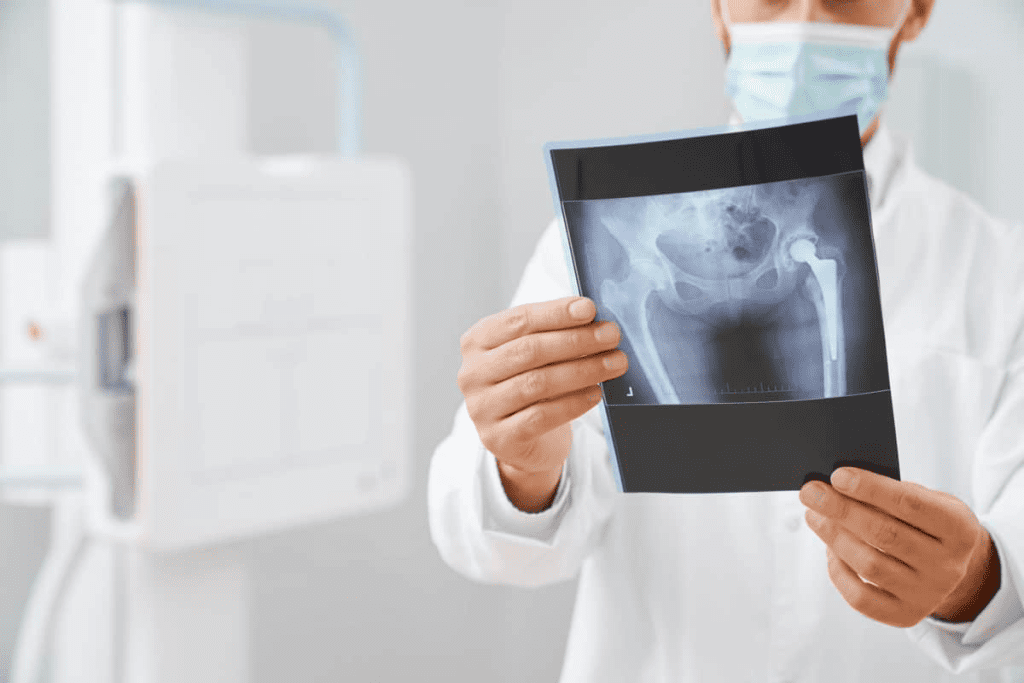
At leading medical institutions like Liv Hospital, we use bone scans to find bone problems. A bone scan is a test that shows us where bones might be different. This helps us find issues like fractures, infections, and cancer spreading to bones.
When we do a bone scan procedure, we follow a careful plan. First, we give the patient a tiny bit of radioactive material. This material goes to the bones and shows up on a special camera. This helps us see any problems. Learn how a bone scan is done with our step-by-step guide. This essential procedure reveals cancer and other bone conditions.
Key Takeaways
- Understand the purpose and benefits of a bone scan
- Learn about the step-by-step bone scan procedure
- Discover what to expect during a bone scan
- Find out how a bone scan helps diagnose bone-related conditions
- Learn about the role of leading medical institutions like Liv Hospital in providing accurate detection and patient-centered care
Understanding Bone Scans: Purpose and Function
Bone scans are key for diagnosing and managing bone diseases. They are a diagnostic imaging test that checks bone health. Doctors use them to find different conditions.
What Is a Bone Scan?
Abone scan, or bone scintigraphy, is a nuclear medicine test. It uses a small amount of radioactive material to diagnose bone conditions. The tracer is injected into a vein and shows up in bones, highlighting abnormal areas.
The scan starts with a radioactive tracer injection. This tracer goes to areas with high bone activity, like fractures or tumors. These areas show up during the scan.
How Does a Bone Scan Work?
A bone scan uses a gamma camera to detect the tracer’s radiation. This creates images of the bones. A radiologist then interprets these images to find abnormal bone activity.
Key aspects of how a bone scan works include:
- The use of a radioactive tracer to highlight bone activity
- Detection of the tracer by a gamma camera
- Creation of detailed images of the bones for diagnostic purposes
When Bone Scans Are Recommended
Bone scans are used for many medical conditions. This includes bone cancer, fractures, infections, and arthritis. They are helpful when X-rays don’t give enough information.
Common reasons for undergoing a bone scan include:
- Diagnosing bone cancer or metastasis
- Detecting fractures not visible on X-rays
- Monitoring the progression of certain bone diseases
- Evaluating the extent of bone infection or inflammation
Knowing when and how bone scans are used helps patients prepare. It also helps healthcare providers make better decisions.
Medical Conditions Detected by Bone Scans
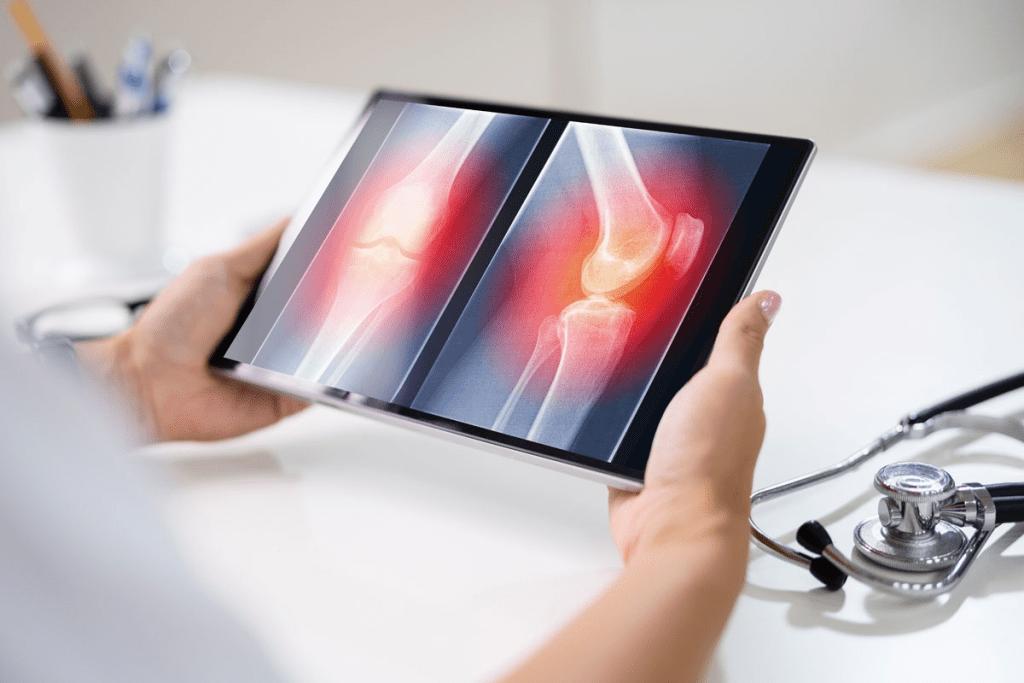
Healthcare professionals use bone scans to diagnose and monitor bone health issues. These scans are a key tool for understanding skeletal problems.
Bone Fractures and Trauma
Bone scans are great for finding fractures that X-rays can’t see. This includes stress fractures, common in athletes. Stress fractures can be spotted early, helping athletes get the right treatment.
They also help with trauma-related fractures. In cases of many injuries, bone scans show all fractures. This helps doctors plan better treatment.
Bone Infections and Osteomyelitis
Bone infections, like osteomyelitis, are hard to diagnose. Bone scans are key in finding these infections. They show where the bone is active, which means infection or inflammation.
Osteomyelitis, a bone infection, can be acute or chronic. Bone scans show how big the infection is. This is important for choosing the right treatment.
Arthritis and Joint Abnormalities
Arthritis and joint problems can really affect your life. Bone scans help see how much damage there is. They also help tell what kind of arthritis you have.
By looking at bone activity, doctors can understand joint problems better. This helps them make a good treatment plan.
Bone scans can also find cancer spread to the bones. Finding these spots is key to cancer treatment planning.
| Condition | Description | Role of Bone Scan |
| Bone Fractures | Fractures not visible on X-rays, stress fractures | Early detection, assessment of multiple fractures |
| Osteomyelitis | Bone infection, usually bacterial | Diagnosis, determining the extent of infection |
| Arthritis | Joint damage, various types | Assessing joint damage, monitoring progression |
| Cancer Metastases | Skeletal metastases from primary cancers | Detection, staging of cancer |
Preparing for Your Bone Scan
Getting ready for a bone scan involves several steps. These steps help make the process smooth and successful. We know medical tests can be stressful. Being prepared can really help.
Days Before Your Appointment
Start planning early for your bone scan. Remove any jewelry or metal objects you’re wearing. They can get in the way of the scan. Also, avoid applying lotions or creams on the day of the scan.
Some medical sources say to be ready to share your medical history and current medications.
What to Wear and Bring
Wear loose, comfy clothes for your bone scan. You might need to change into a gown. Bring any medical records or previous scan results to your appointment.
Dietary and Medication Guidelines
There’s usually no special diet needed before a bone scan. But drinking plenty of water is important. It helps your body get rid of the tracer used in the scan. Keep taking your medications as you normally do, unless your doctor tells you otherwise.
“Proper hydration is key to helping your body process the radioactive tracer used in bone scans.” “ A nuclear medicine specialist
By following these tips, your bone scan will go well. If you have questions or concerns, talk to your healthcare provider. They can give you specific advice.
How a Bone Scan Is Done: The Complete Procedure
Getting a bone scan involves a few steps. First, there’s an initial check-up. Then, a special dye is injected into your vein. Finally, you go through a scanning process. We’ll walk you through each step so you know what to expect.
Arrival and Initial Assessment
When you arrive, our medical team will welcome you. They’ll review your medical history and prepare you for the test. They’ll also answer any questions you might have.
Radiotracer Injection Process
The next step is the radiotracer injection. A small amount of radioactive dye is injected into your arm. This dye helps the scan find active bone areas. The injection might feel a bit pinched.
The radiotracer is safe and leaves your body in a couple of days. After the injection, you’ll wait a few hours for the dye to spread through your bones.
The Scanning Process
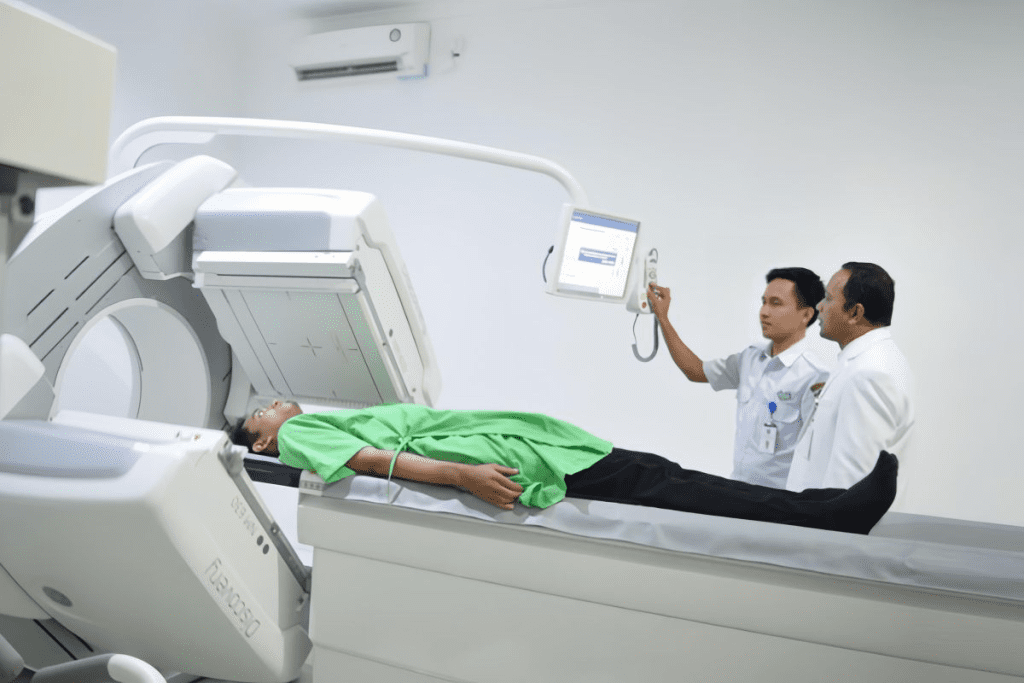
Then, it’s time for the scanning process. You’ll lie on a table that slides into a gamma camera. This machine detects the dye in your bones. The scan is painless and takes about 30 to 60 minutes.
While you’re being scanned, the camera moves around you. Our technicians make sure the images are clear. You might need to stay still or hold your breath for a bit.
The Technology Behind Bone Scans
Bone scan technology uses gamma cameras and radioactive tracers. These tools work together to show detailed images of bone health.
Gamma Cameras and Detection Equipment
Gamma cameras detect the radiation from radioactive tracers in bones. They create pictures of bones, showing where the tracer is most active.
The equipment is very sensitive. It can spot small changes in bone activity. This helps doctors find bone fractures, infections, and cancer.
Radioactive Tracers: How They Work
Radioactive tracers, like technetium-99m, are injected into the blood. They build up in bones, showing how active they are. More tracer goes to areas with more activity, like diseased or injured bones.
The tracers send out gamma radiation. The gamma camera catches this radiation. This lets doctors see how bones are working and what they look like.
| Tracer Characteristics | Description |
| Technetium-99m | Most commonly used tracer due to its suitable half-life and gamma energy |
| Half-life | 6 hours, allowing sufficient time for imaging while minimizing radiation exposure |
| Gamma Energy | 140 keV, optimal for detection by gamma cameras |
Radiation Exposure and Safety Concerns
Bone scans do involve some radiation, but the amount is small. It’s similar to what you get from other imaging tests.
We make sure to use the least amount of tracer needed. We also check that the gamma camera is working right.
Radiation Safety Measures
- Using the minimum necessary dose of radioactive tracer
- Ensuring proper calibration of the gamma camera
- Following strict protocols for handling and disposing of radioactive materials
Interpreting Bone Scan Results
Understanding bone scan results is key. They show patterns and abnormalities. Bone scans help diagnose bone-related issues.
Understanding “Hot Spots” and “Cold Spots”
Bone scans use a radioactive tracer. Where it collects, it’s called a “hot spot“. Hot spots can mean tumors, fractures, or infections.
“Cold spots” mean less tracer. They might show bone lesions or where bone activity is low.
Hot spots or cold spots don’t mean you have a specific disease. They’re just clues. Doctors look at your medical history and symptoms too.
Bone Scan Arthritis vs. Cancer: Differentiation Patterns
Distinguishing between arthritis and cancer is tough. Both can show up on bone scans. But there are clues.
Arthritis usually shows up all around a joint. Cancer is a single, intense spot. Knowing this helps doctors make a better guess.
For example, a single intense spot might mean a tumor. Widespread uptake could mean arthritis. Doctors use this info to decide what to do next.
Remember, bone scans are very good but not perfect. More tests might be needed to be sure.
Special Types of Bone Scans
Different bone scans are used for different health issues. A standard bone scan shows bone health. But special scans give more detailed info on specific conditions.
Three-Phase Bone Scans
A three-phase bone scan takes images at three times after a radioactive tracer is injected. It’s great for finding bone infections and seeing how much damage there is. The scan has three parts: blood flow, blood pool, and delayed phases, each showing something different about the bone.
SPECT Bone Scans
SPECT (Single Photon Emission Computed Tomography) bone scans mix bone scan info with cross-sectional images. This gives a clearer and more accurate diagnosis. SPECT scans are good for finding where and how big bone problems are, like fractures or tumors. They’re often used with other tests.
PET Bone Scans
PET (Positron Emission Tomography) bone scans use a special radioactive tracer. They’re very good at finding bone issues, like cancer spreading. PET scans show how active bone tissue is, helping tell if it’s normal or not.
Each special bone scan has its own benefits. They’re used in different situations. By picking the right scan, doctors can get the info they need to plan the best treatment.
After Your Bone Scan: Next Steps
After your bone scan, you might wonder what’s next. You’re curious about the results and how they’ll be shared with you. Understanding what happens after the scan is key.
Immediate Post-Scan Care
Staying hydrated is crucial after a bone scan. Drinking water helps remove the tracer from your body. Keep drinking fluids all day to help.
Unless your doctor says otherwise, you can go back to your usual activities right away. Most people can resume their daily routines after the scan.
Getting Your Results
Getting your results is a big step. The time to get them varies by facility and the doctor’s schedule. Usually, your doctor will call you within a few days.
Your doctor will look at your results for “hot spots” or “cold spots.” These can mean different things, like fractures or cancer.
| Result Type | Possible Indications |
| Hot Spots | Bone fractures, cancer, and infection |
| Cold Spots | Certain types of bone disease, lack of blood supply |
Follow-Up Testing and Procedures
Depending on your results, you might need more tests or procedures. This could include more imaging, biopsies, or other tests to check for abnormalities.
Your doctor will talk to you about what’s next. They’ll discuss any needed tests or treatment plans. It’s important to follow their advice for the best care.
Conclusion: The Value of Bone Scans in Modern Medicine
Bone scans are key in modern medicine. They help find and manage bone problems. This includes spotting fractures, infections, and some cancers.
These scans show bone activity clearly. This helps doctors find issues that other tests miss. It’s crucial for diagnosing many conditions.
Bone scans are also great at finding cancers that have spread to the bones. Knowing what cancers they can spot helps doctors plan better treatments. They are a big part of helping patients get better.
As medical technology gets better, bone scans will keep being important. They help doctors make accurate diagnoses and choose the right treatments. Their role in patient care is vital and will only grow.
FAQ
What is a bone scan used for?
A bone scan helps find and track bone problems like fractures, infections, and cancer. It spots active bone areas, showing different health issues.
How is a bone scan performed?
A bone scan uses a radioactive tracer injected into your body. This tracer goes to active bones. A gamma camera then takes pictures of your bones.
What does a bone scan reveal?
A bone scan can show many health issues. It finds fractures, infections, and joint problems. It also spots cancer in bones and tells arthritis from cancer.
How do I prepare for a bone scan?
To get ready for a bone scan, remove metal items and drink water. Follow your doctor’s diet and medicine advice. Wear comfy clothes and arrive early.
What happens during a bone scan procedure?
During a bone scan, you get a radioactive tracer injection. Then, you wait before the scan. The scan takes 30-60 minutes, and you must stay still.
What are “hot spots” and “cold spots” on a bone scan?
“Hot spots” show active bones, which might mean cancer or infection. “Cold spots” show less activity, like bone infarction.
Can a bone scan detect cancer in organs?
A bone scan mainly looks at bones. It can find cancer in bones but not in organs.
What are the different types of bone scans?
There are many bone scans, like three-phase and SPECT scans. Each has its own use and features.
How long does it take to get the results of a bone scan?
Getting bone scan results takes a few days to a week. It depends on your doctor and the situation.
What should I do after a bone scan?
Stay hydrated after a bone scan to get rid of the tracer. Follow your doctor’s care and follow-up advice.
References
- Van den Wyngaert, T., et al. (2016). The EANM practice guidelines for bone scintigraphy. European Journal of Nuclear Medicine and Molecular Imaging, 43(11), 2328-2340. https://www.ncbi.nlm.nih.gov/pmc/articles/PMC4932135/
- Adams, C., & Messina, C. R. (2023). Bone Scans. In StatPearls. StatPearls Publishing. https://www.ncbi.nlm.nih.gov/books/NBK531486/
- Brenner, A. I. (2012). The bone scan. Seminars in Nuclear Medicine, 42(4), 250-261. https://www.sciencedirect.com/science/article/abs/pii/S0001299811000961