
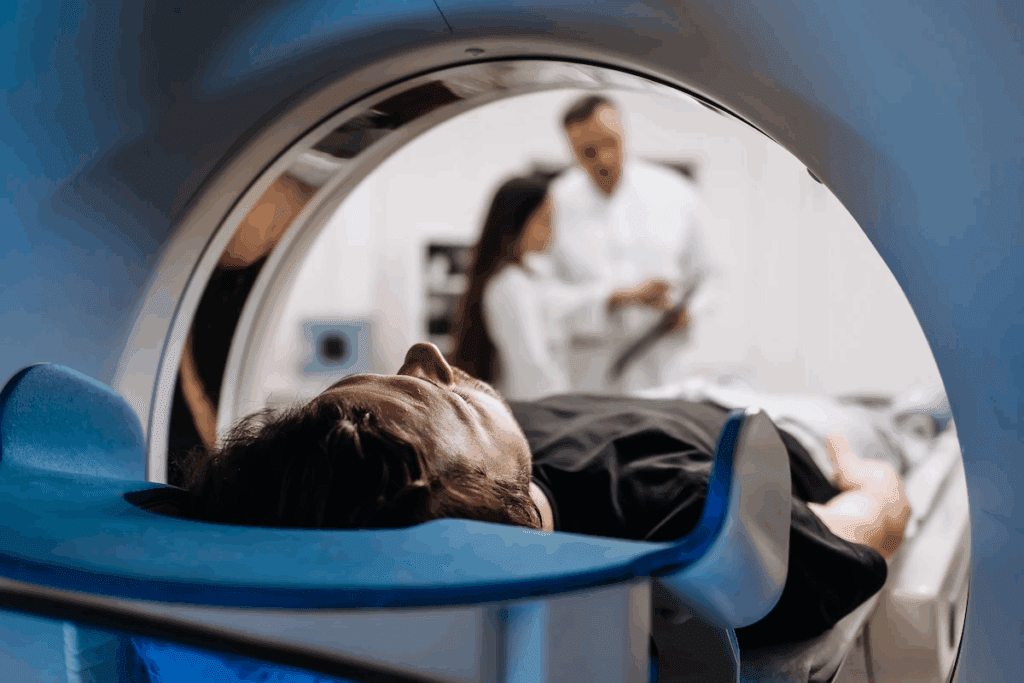
Lung cancer is a major killer worldwide. Early detection is key for treatment success. Positron Emission Tomography (PET) scans are now a key tool in finding lung cancer. Many patients and doctors ask how accurate is a pet scan for lung cancer, as its precision impacts diagnosis and treatment decisions. The market for PET radioactive tracers is growing fast, thanks to more cancer cases.
PET scans are showing great promise in spotting lung cancer. The accuracy of PET scans in finding cancer cells is critical for treatment plans. It’s important for both patients and doctors to know how PET scans work and what they mean.
Key Takeaways
- PET scans are a vital tool for finding lung cancer.
- The accuracy of PET scans is key in understanding lung cancer’s stage and spread.
- Grasping PET scan results is essential for planning treatment.
- Lung cancer detection with PET scans is more important than ever, due to rising cancer rates.
- PET scans help spot cancer cells and guide treatment choices.
Understanding PET Scan Technology
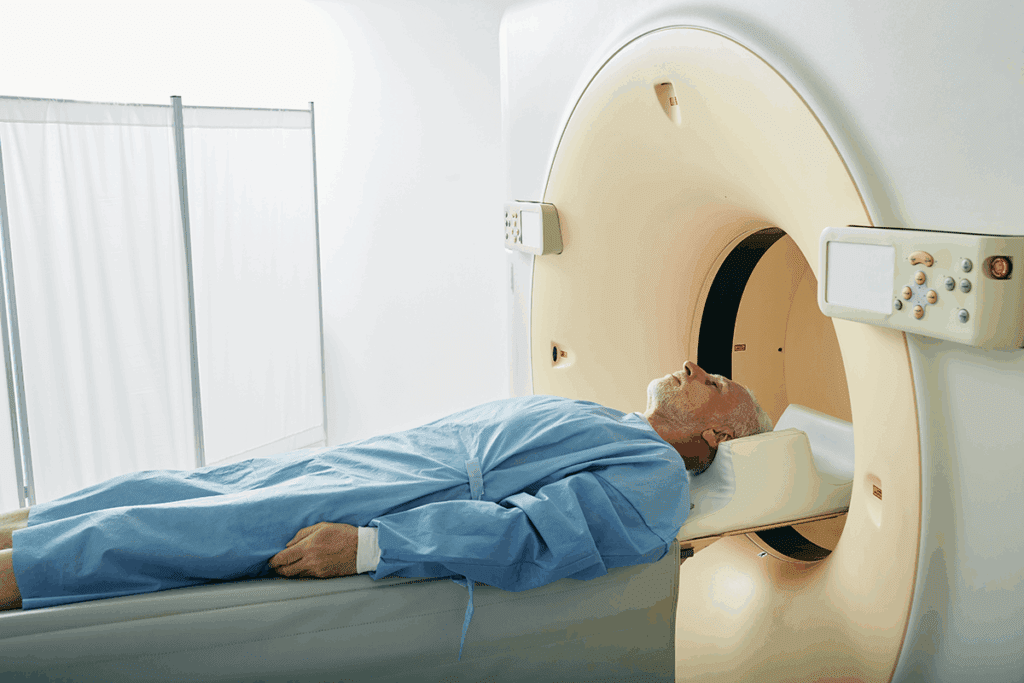
PET scan technology is key in finding and treating cancer. It uses radioactive tracers to see how active body tissues are.
How PET Scans Work
PET scans find energy from tracers in active areas, like cancer. The main tracer is Fluorodeoxyglucose (FDG), a sugar molecule with a radioactive tag. Cancer cells, with their fast metabolism, grab more FDG, showing up clearly on scans.
The Role of FDG in Cancer Detection
FDG is vital for spotting cancer because it goes to cells that use a lot of sugar. This helps doctors see how active tumors are. It helps in diagnosing, planning treatment, and checking how well treatment is working.
Basic Principles of Metabolic Imaging
PET scans show cancer by looking at how cells use energy. They highlight areas that use more energy than usual. This helps doctors find cancer and see how it changes over time, guiding treatment plans.
To understand PET scans for lung cancer, you need to know how they work and the role of FDG. How well PET scans find lung cancer depends on the tumor’s size, where it is, and how active it is.
Visualizing Cancer on PET Scans: The Color Spectrum
Understanding the color spectrum in PET scans is key to spotting cancer in lung patients. PET scans use colors to show how active different parts of the body are.
Standard Color Schemes Used in PET Imaging
PET imaging uses a color scale to show metabolic activity. Cool colors like blue and green mean lower activity. Warm colors like yellow and red show higher activity.
Standardized color scales help doctors understand PET scan results better. This makes lung cancer diagnosis more reliable.
What Colors Represent Higher Metabolic Activity
In PET scans, colors representing higher metabolic activity are key to finding cancer. Red and yellow mean high glucose uptake, often seen in tumors.
“The use of color-coded PET images allows for the quick identification of ‘hot spots’ that may indicate cancerous activity, improving lung cancer detection accuracy.”
Interpreting “Hot Spots” on PET Images
“Hot spots” on PET scans show high metabolic activity, looking bright yellow or red. These spots are important because they might show cancer cells.
- High metabolic activity is often linked to malignant tumors.
- The intensity of the “hot spot” can tell us about the cancer’s aggressiveness.
- Correctly understanding “hot spots” is vital for planning treatment.
By grasping the color spectrum and accurately reading “hot spots,” doctors can make PET scans more effective in lung cancer screening and diagnosis.
How Accurate Is A PET Scan For Lung Cancer?
Understanding the accuracy of PET scans for lung cancer is crucial. They help doctors diagnose and stage lung cancer. But, their accuracy can change based on different things.
Sensitivity Rates in Detecting Lung Malignancies
PET scans are highly effective in detecting lung cancer. They work best when the cancer is more advanced. This is because they can spot cancer cells by how active they are.
- PET scans can detect cancerous cells based on their metabolic activity.
- High sensitivity rates are key for catching cancer early and planning treatment.
- How big and where the tumor is can affect sensitivity.
Specificity in Distinguishing Cancer from Benign Conditions
PET scans are good at finding cancer, but not always. They can sometimes mistake inflammation or infections for cancer. This is called a false positive.
Improving specificity is important. It helps avoid unnecessary tests and reduces patient worry. Doctors often use other tests to confirm what the PET scan shows.
Statistical Evidence from Clinical Studies
Many studies have looked at how well PET scans work for lung cancer. A study in the Journal of Clinical Oncology found PET scans were 90% sensitive and 80% specific. This means they were very good at finding lung cancer but not perfect.
“PET-CT has become an essential tool in the diagnosis and staging of lung cancer, with high sensitivity and reasonable specificity.”
– Journal of Clinical Oncology
Another study showed that using PET scans with other tests can make them even more accurate.
These studies show PET scans are very useful for lung cancer diagnosis. But, they also point out areas where they can get better.
Factors Affecting PET Scan Accuracy in Lung Cancer Detection
The accuracy of PET scans in finding lung cancer depends on several important factors. Knowing these factors helps us understand how well PET scans work. This is key for evaluating PET scan precision in lung cancer diagnosis and making sense of the results.
Tumor Size and Location Considerations
The size and where tumors are in the lungs affect how well PET scans can find them. Tumors smaller than 8-10 mm are hard to spot because of the scanner’s limits. Tumors near the heart or diaphragm are also tricky to see because of movement or nearby active areas.
Impact of Cancer Type and Metabolic Activity
The type of lung cancer and how active it is also matter. Tumors that grow fast and are very active are easier to see because they take up more FDG. But, some cancers, like bronchoalveolar carcinoma, are harder to spot because they don’t take up as much FDG.
Patient-Related Factors Influencing Results
Things about the patient can also change how accurate a PET scan is. For example, high blood sugar levels can make it harder for cells to take up FDG. Also, if the patient moves during the scan, it can mess up the images. It’s important to prepare patients well and use the right scan settings to get the best results for interpreting PET scan results for lung cancer.
By thinking about these factors, doctors can better evaluate PET scan performance in detecting lung cancer. This helps them make better choices for their patients’ care.
Common False Positives in Lung Cancer PET Scans
It’s important to know why PET scans sometimes show false positives. These scans are great for finding cancer, but they’re not perfect. Many conditions can make PET scans show false positives, making diagnosis harder.
Inflammatory Conditions Mimicking Cancer
Inflammatory conditions often cause false positives in PET scans. Conditions like pneumonia, sarcoidosis, and tuberculosis can look like cancer because they use a lot of energy. This can confuse doctors when they read PET scan results.
- Pneumonia: An infection in the lungs that can cause inflammation and increased glucose uptake, mimicking cancer.
- Sarcoidosis: A condition characterized by the formation of granulomas in various parts of the body, including the lungs, which can be mistaken for tumors.
- Tuberculosis: A bacterial infection that can cause inflammation and metabolic activity similar to cancer.
Doctors need to think about these conditions when they look at PET scan results. This helps avoid false positives.
Post-Treatment Changes vs. Recurrence
After treatment, the body changes in ways that can affect PET scan results. Post-treatment inflammation or scarring can look like cancer coming back. It’s key to tell these apart for accurate diagnosis and treatment.
“The challenge lies in differentiating between post-treatment changes and actual recurrence, requiring careful correlation with clinical history and other imaging modalities.”
Infection and Granulomatous Disease Patterns
Infections and granulomatous diseases can also cause false positives in PET scans. These conditions can show up as cancer because they use a lot of energy. Granulomatous diseases, such as histoplasmosis or coccidioidomycosis, are tricky because they can look like cancer on PET scans.
Knowing about these false positives helps doctors improve lung cancer diagnosis and treatment. It’s a complex task that needs careful thought and use of other diagnostic tools.
False Negatives: When PET Scans Miss Lung Cancer
PET scans are great for finding lung cancer, but they’re not perfect. Sometimes, they miss lung cancer, which is called a false negative. This happens when the scan doesn’t show the cancer, even if it’s there.
It’s important to know the limits of PET scans in finding lung cancer. False negatives can change how doctors plan treatment and affect patient results.
Small Nodule Detection Limitations
One big challenge with PET scans is finding small nodules. Tumors smaller than 8-10 mm can be hard to spot. This is because the scan’s resolution and sensitivity aren’t perfect.
- Small tumors might not take up enough FDG to be seen clearly.
- The partial volume effect can make it seem like small lesions have less FDG than they do.
- Moving due to breathing can also make it tough to find small nodules.
Low Metabolic Tumors and Detection Challenges
Not all lung cancers use a lot of glucose. Tumors that use less glucose might not show up well on PET scans. This is because they don’t take up enough FDG to be seen against the background.
Examples include:
- Carcinoid tumors, which use less glucose.
- Mucinous adenocarcinomas, which might not take up much FDG.
- Bronchoalveolar carcinoma, a type of adenocarcinoma that might not show up well on PET scans.
Bronchoalveolar Carcinoma and Other Exceptions
Some lung cancers, like bronchoalveolar carcinoma, are hard to find with PET scans. These tumors grow along the alveolar septa without harming the lung. This can lead to false negatives on PET scans.
Doctors need to know about these exceptions when they look at PET scan results.
In summary, PET scans are very useful for lung cancer diagnosis and staging. But, they’re not perfect. Knowing about the chance of false negatives is key for accurate diagnosis and good treatment plans.
Comparing PET Scan Reliability to Other Diagnostic Methods
PET scans are key in finding and checking lung cancer. But how do they compare to CT scans and MRI? Let’s dive into their reliability.
PET vs. CT Scans for Lung Cancer
CT scans are common for lung cancer detection. They show detailed body pictures. Yet, they can’t always tell if a spot is cancer or not.
PET scans, though, show how active tumors are. This helps spot cancerous spots.
- PET scans are better at finding cancer spread than CT scans alone.
- CT scans give better body pictures, key for surgery plans.
- PET-CT combines both, making diagnosis more accurate.
PET vs. MRI in Lung Cancer Assessment
MRI isn’t the first choice for lung cancer. But it’s good for certain things. MRI shows soft tissue details well, like in some tumor cases.
- MRI beats CT for soft tissue checks.
- PET scans find lymph node cancer better than MRI.
- MRI is extra help, used when more detail is needed.
The Value of Integrated PET-CT Imaging
PET-CT scanners mix PET and CT tech. This mix boosts lung cancer diagnosis. PET-CT gives tumor location and type details with PET’s metabolic info and CT’s body pictures.
- PET-CT spots small cancer in lymph nodes better.
- It makes tumor staging more accurate.
- PET-CT helps plan biopsies and treatments.
In summary, each method has its own strengths. PET with CT makes diagnosis better. Knowing each method’s good points is key for lung cancer care.
Interpreting PET Scan Results for Lung Cancer Staging
Understanding PET scan results is key to knowing how far lung cancer has spread. PET scans show how active tumors are, which helps in planning treatment.
TNM Staging and PET Scan Correlation
The TNM system is used to classify lung cancer. It looks at the tumor size, lymph node involvement, and if cancer has spread. PET scans help find the main tumor, check lymph nodes, and spot distant cancer. This helps doctors pick the best treatment.
Assessing Metastatic Disease with PET Imaging
PET imaging is great for finding cancer spread. It spots high activity in the body. PET scans can find cancer in lymph nodes, bones, and other organs, giving a full picture of the disease.
Treatment Planning Based on PET Findings
PET scan results shape lung cancer treatment plans. They help doctors choose the right treatment, like surgery or chemotherapy. PET scan results help tailor treatment to each patient, improving their life and treatment success.
In summary, reading PET scan results is vital for lung cancer care. It helps doctors make better treatment plans, leading to better patient outcomes.
The Patient Experience During a PET Scan
For many patients, the PET scan is a big step in their health journey. Knowing what to expect can help reduce anxiety. It’s important to understand the process, from start to finish, for a smooth experience.
Preparation Requirements Before the Scan
Before a PET scan, patients must follow certain steps. Fasting for several hours is usually needed to get accurate results. Food and drink can mess with the radiotracer’s spread. Diabetic patients might need to change their medicine with their doctor’s help. Also, avoid hard exercise and wear clothes without metal.
What to Expect During the Procedure
During the PET scan, a radiotracer, like FDG, is injected. It goes to areas that are very active. Then, you lie on a table that slides into a PET scanner. This is painless and usually takes about 30 minutes.
It’s important to stay very quiet during the scan to get clear pictures. Doctors and nurses watch over you to make sure you’re comfortable and safe.
Radiation Exposure Considerations
PET scans use a small amount of radiation from the radiotracer. While it’s safe for most, it’s something to think about. Healthcare providers carefully weigh the benefits and risks and try to keep exposure low while getting the needed info.
Knowing what to expect from a PET scan can make the experience better. It can make the whole process less scary and more manageable.
Recent Advances Improving PET Scan Accuracy for Lung Cancer
New technologies are changing how we use PET scans for lung cancer. These changes help doctors find lung cancer better, leading to better care for patients.
New Radiotracers Beyond FDG
The old PET scan tracer, Fluorodeoxyglucose (FDG), has its limits. New radiotracers are being made to fix these issues. They target specific cancer cell traits, which could help find lung cancer when FDG can’t.
AI and Machine Learning Applications
Artificial Intelligence (AI) and Machine Learning (ML) are now part of PET scan analysis. AI finds patterns in images that people might miss. This is seen in studies on ovarian tumors, which could help with lung cancer too.
Higher Resolution PET Technology
New PET tech means higher resolution images. This lets doctors spot smaller tumors and see how far cancer has spread. It’s key for making good treatment plans.
In short, new PET scan tech, including new tracers, AI, and better images, is making lung cancer detection better. These changes could lead to better patient care by helping doctors diagnose earlier and more accurately.
Conclusion: The Future of PET Scanning in Lung Cancer Diagnosis
The future of PET scanning in lung cancer looks bright. This is thanks to new tech and more cases of cancer. As the market for PET tracers grows, we’ll see better ways to find lung cancer early.
Improving PET scan accuracy for lung cancer is a big goal. Scientists are working hard to make this tech even better. They’re exploring new tracers and using AI to help diagnose lung cancer more accurately.
PET scanning will keep getting better, helping find lung cancer sooner. This means doctors can plan treatments more effectively. PET scans will keep being a key tool in fighting lung cancer, helping patients get better care and results.
FAQ
How accurate is a PET scan for lung cancer?
PET scans are very good at finding lung cancer. They have a sensitivity rate of 85% to 95%. Their specificity rate is 80% to 90%.
What factors affect PET scan accuracy in lung cancer detection?
Several things can change how accurate a PET scan is. These include the size and location of the tumor. Also, the type of cancer and how active it is. Patient factors like blood sugar and body mass index matter too.
What are common false positives in lung cancer PET scans?
False positives can happen. They include inflammatory conditions, changes after treatment, and infections. These can look like cancer on a PET scan.
Can PET scans miss lung cancer?
Yes, PET scans can miss lung cancer. This is more likely for small tumors or those that don’t use much energy.
How do PET scans compare to other diagnostic methods for lung cancer?
PET scans are better than CT scans and MRI for finding lung cancer. But, they might not be as specific. Using PET-CT together can give more accurate results.
How are PET scan results used for lung cancer staging?
PET scans help with staging lung cancer. They check for metastasis and guide treatment plans.
What is the patient experience like during a PET scan?
Before the scan, patients must fast and avoid exercise. They might feel some discomfort during the scan. But, the radiation is usually safe.
Are there any recent advances improving PET scan accuracy for lung cancer?
Yes, there are new things helping PET scans. These include better radiotracers, AI, and higher resolution technology. They make scans more accurate and better at finding cancer.
What is the role of FDG in cancer detection on PET scans?
FDG is a glucose-like substance that cancer cells take up. This lets PET scans spot cancer by its energy use.
How do PET scans visualize cancer?
PET scans show cancer as “hot spots” on images. This is because cancer cells use more energy than normal cells.
What are the limitations of PET scans in detecting lung cancer?
PET scans can miss small tumors or those that don’t use much energy. They also might not find certain types of lung cancer, like bronchoalveolar carcinoma.
Can PET scans detect lung cancer at an early stage?
Yes, PET scans can find lung cancer early. But, they might not catch very small or slow-growing tumors.
Reference
- Marcus, C. S., Gould, K. L., Levine, S. J., & McCormack, S. (2018). False Positive and False Negative FDG-PET Scans in Various Diseases. Journal of Nuclear Medicine, 59(10), 1600-1604. https://www.ncbi.nlm.nih.gov/pmc/articles/PMC2667579/
- Pelosi, E., Zanderigo, F. et al. (2019). Causes and imaging features of false positives and false negatives in 18F-FDG PET/CT. Insights into Imaging, 10, 12. https://www.ncbi.nlm.nih.gov/pmc/articles/PMC3259390/