
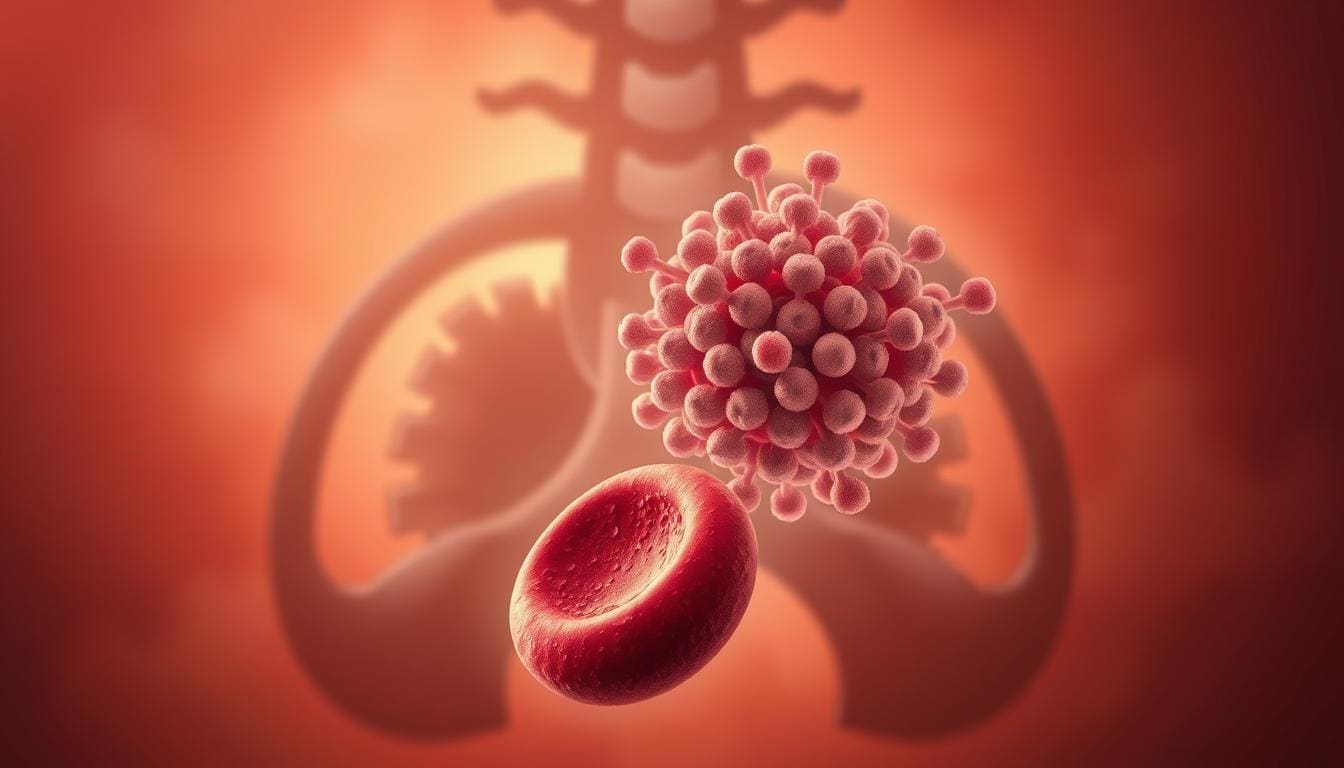
At Liv Hospital, we know you might worry about anemia turning into leukemia. Or maybe you’re curious about their connection. Anemia and leukemia are two different health issues. They both affect how the bone marrow makes blood cells.
Anemia means you don’t have enough red blood cells or hemoglobin. This can make you feel tired, look pale, and feel weak. Leukemia, on the other hand, is a blood cancer. It happens when white blood cells grow too much and crowd out healthy cells, leading to anemia.
We want to clear up a common misunderstanding. Anemia doesn’t directly turn into leukemia. But, leukemia can cause anemia because it messes with how blood cells are made.
Key Takeaways
- Anemia and leukemia are two separate conditions affecting blood cell production.
- Anemia is characterized by a deficiency of red blood cells or hemoglobin.
- Leukemia is a type of blood cancer that can lead to anemia.
- There is no direct evidence that anemia causes leukemia.
- Leukemia can disrupt normal blood cell production, leading to anemia.
Understanding Anemia: Causes, Symptoms, and Types
Anemia is a condition where the body lacks enough red blood cells or hemoglobin. It can cause mild fatigue to severe health problems. We will look into what anemia is, its causes, symptoms, and types.
What Defines Anemia as a Medical Condition
Anemia happens when there are not enough red blood cells or when these cells lack hemoglobin. Hemoglobin carries oxygen to the body’s tissues and organs. Without enough, the body’s tissues and organs don’t get enough oxygen, causing symptoms.
Common Causes of Anemia
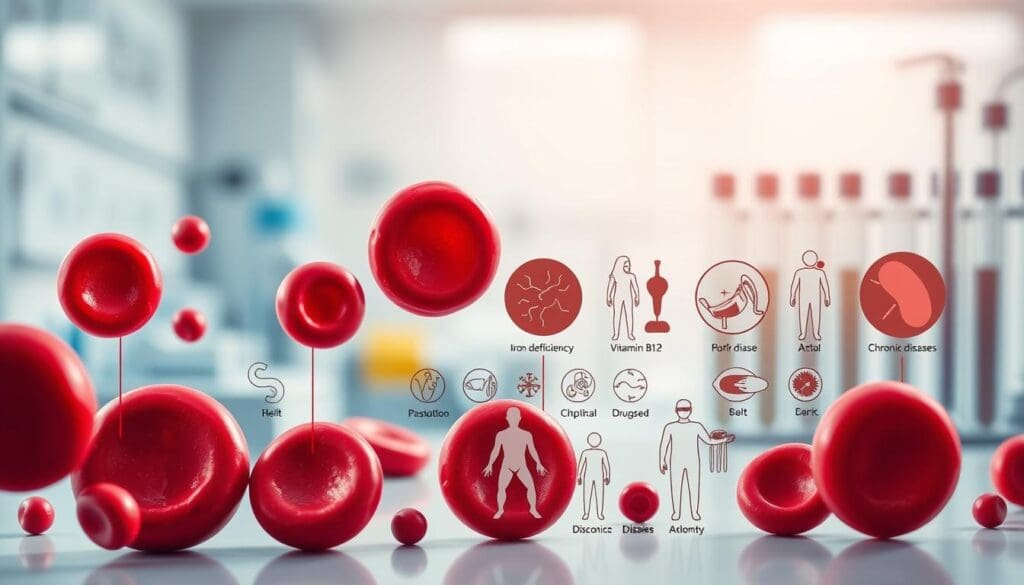
Anemia can be caused by several factors. These include decreased red blood cell production, increased destruction, and blood loss. Iron deficiency is a common cause, often seen in women. Other causes include vitamin deficiencies, chronic diseases, and genetic disorders.
Recognizing Anemia Symptoms
Anemia symptoms vary based on the cause and severity. Common signs include fatigue, shortness of breath, dizziness, and pale skin. Severe cases can lead to chest pain, rapid heartbeat, and poor circulation.
Different Types of Anemia and Their Characteristics
There are many types of anemia, each with its own traits. Iron-deficiency anemia is common and often linked to diet or blood loss. Vitamin deficiency anemia happens when the body lacks vitamins for red blood cell production. Sickle cell anemia is a genetic disorder that affects red blood cell shape and function. Knowing the type of anemia is key for proper treatment.
Leukemia Explained: A Type of Blood Cancer
Leukemia is a group of blood cancers. It happens when blood cells grow too much. This affects the blood and bone marrow, causing health problems.

What Is Leukemia and How Does It Develop
Leukemia is when white blood cells, which fight infections, grow too much. It starts with genetic changes that mess up blood cell making. This leads to bad cells growing.
“The exact cause of leukemia is not fully understood, but it is believed to result from a combination of genetic and environmental factors,” as noted in medical research. This understanding is key for finding good treatments.
Major Types of Leukemia
Leukemia is split into acute and chronic types. Acute leukemia grows fast and needs quick treatment. Chronic leukemia grows slower.
- Acute Myeloid Leukemia (AML)
- Chronic Myeloid Leukemia (CML)
- Acute Lymphocytic Leukemia (ALL)
- Chronic Lymphocytic Leukemia (CLL)
Knowing the types helps doctors choose the right treatment. For more info on leukemia and anemia, check Medical News Today.
Common Symptoms and Warning Signs
Leukemia symptoms vary by type and stage. Common signs are tiredness, weight loss, frequent infections, and easy bruising. Spotting these signs early helps get treatment sooner.
Risk Factors for Developing Leukemia
Several things increase leukemia risk. These include radiation, chemicals, and family history. Knowing these can help prevent and catch it early.
People with a family history or risk factors should see doctors often. Early detection can greatly improve treatment chances.
The Bone Marrow Connection: How Both Conditions Affect Blood Production
The bone marrow is key in making blood cells. Both anemia and leukemia mess with this process. Knowing how they affect blood cell production is important.
Normal Blood Cell Production in Bone Marrow
Bone marrow is inside bones like hips and thighbones. It makes blood cells. Healthy bone marrow creates red blood cells, white blood cells, and platelets from stem cells.
This process is vital for oxygen delivery, fighting infections, and stopping bleeding. Any problem here can cause health issues.
How Anemia Disrupts Red Blood Cell Production
Anemia means not enough red blood cells or hemoglobin. It can be due to iron or vitamin lack, or chronic diseases. Anemia messes with red blood cell making, causing fatigue, weakness, and shortness of breath.
The table below shows why anemia happens and how it affects red blood cells.
| Cause | Effect on Red Blood Cell Production |
|---|---|
| Iron deficiency | Reduced hemoglobin production |
| Vitamin deficiency (e.g., B12) | Impaired red blood cell formation |
| Chronic diseases | Inflammation affecting red blood cell production |
How Leukemia Affects Bone Marrow Function
Leukemia is cancer in the blood and bone marrow. It makes too many bad white blood cells. Leukemia fills up healthy blood cells in the bone marrow, causing anemia, infections, and bleeding problems.
Leukemic cells in the bone marrow mess up its job. This affects making red blood cells, white blood cells, and platelets. This can lead to anemia, a big problem for leukemia patients.
Can Anemia Turn Into Leukemia? Addressing the Common Misconception
Many people think anemia can turn into leukemia. This idea worries a lot of patients. We’re here to clear up the confusion and offer reassurance based on science.
The Origin of This Medical Myth
The idea that anemia leads to leukemia comes from not fully understanding these conditions. Both affect the blood, causing confusion. But they are different diseases with different causes and effects.
Anemia means not enough red blood cells or hemoglobin. This makes it hard for tissues to get enough oxygen. Leukemia, a blood cancer, makes too many white blood cells.
Scientific Evidence Against Anemia Developing Into Leukemia
Medical News Today says anemia can’t turn into leukemia. Doctors agree: these are two separate diseases.
Research shows anemia can be a sign of many health problems, including leukemia. But it’s not a sign that leukemia will come. Leukemia’s causes are complex and not linked to anemia.
Key points to consider:
- Anemia is not a risk factor for developing leukemia.
- Leukemia is a distinct medical condition with its own set of causes and risk factors.
- While anemia can be associated with various health issues, it does not transform into leukemia.
Why These Conditions Are Fundamentally Different
It’s important to know anemia and leukemia are different. Anemia deals with red blood cells, while leukemia is a cancer of white blood cells.
Treatment for these conditions also shows they are different. Anemia treatment aims to fix the cause, like iron or vitamin deficiency. Leukemia treatment is more complex, involving chemotherapy, radiation, and bone marrow transplants.
By understanding these differences, patients can better grasp their diagnosis and treatment options.
Does Chronic Anemia Increase the Risk of Developing Leukemia?
It’s important to know if chronic anemia can lead to leukemia. Chronic anemia means not having enough red blood cells or hemoglobin. This can really affect a person’s life. Anemia itself isn’t cancer, but it might be linked to serious blood problems like leukemia.
Research on Long-term Anemia and Cancer Risk
Many studies have looked into anemia and leukemia. They found that anemia might not directly cause leukemia. But, it could be a sign of problems in the bone marrow that could lead to leukemia. For example, some conditions that cause anemia can increase the risk of a type of leukemia called AML.
It’s key to remember that anemia is often a sign of a bigger health issue. Regular checks and diagnosis are vital to find and treat the real cause of anemia. Studies say people with chronic anemia need to be watched closely for signs of bone marrow failure or other cancers.
Genetic Factors vs. Blood Conditions
Genetics play a big role in both anemia and leukemia. Some genetic changes can cause anemia and also increase the risk of leukemia. For example, some genetic disorders can make people more likely to get AML.
Also, some blood problems can raise the risk of leukemia. Blood tests are important for diagnosing and keeping an eye on these conditions. They help doctors spot any signs that might mean a person is at risk for leukemia.
What Medical Science Currently Tells Us
Research shows that chronic anemia might not directly cause leukemia. But, there are connections between different blood problems and the risk of leukemia. Early diagnosis and treatment are important to avoid serious problems and improve health outcomes.
In summary, chronic anemia itself might not directly raise the risk of leukemia. But, it can point to underlying issues that need careful medical care. People with chronic anemia should work closely with their doctors to manage their condition and watch for signs of more serious blood disorders.
How Leukemia Causes Anemia: The Actual Relationship
To understand how leukemia causes anemia, we need to look at how leukemic cells affect the bone marrow. Leukemia is a blood cancer that messes with blood cell production. This can lead to anemia among other issues.
Crowding Out of Healthy Blood Cells
Leukemia can cause anemia by pushing out healthy red blood cells in the bone marrow. The bone marrow makes red blood cells, white blood cells, and platelets. When leukemia cells fill the bone marrow, they take over the space and resources needed for healthy cells.
Bone Marrow Infiltration by Leukemic Cells
Leukemic cells take over the bone marrow, messing with its function. This takeover reduces red blood cell production. As a result, leukemia patients often have anemia because they don’t make enough red blood cells.
The Impact on Hemoglobin Levels
Anemia from leukemia means low hemoglobin levels. Hemoglobin is a protein in red blood cells that carries oxygen. With fewer healthy red blood cells, hemoglobin levels fall. This leads to fatigue, weakness, and shortness of breath.
| Condition | Effect on Red Blood Cells | Impact on Hemoglobin Levels |
|---|---|---|
| Leukemia | Crowds out healthy red blood cells in the bone marrow | Reduces hemoglobin levels due to decreased red blood cell production |
| Anemia | Characterized by a deficiency of red blood cells or hemoglobin | Low hemoglobin levels lead to inadequate oxygen delivery |
Understanding how leukemia causes anemia helps us see the complex link between these two conditions. This knowledge is key for finding effective treatments that tackle both leukemia and anemia.
Leukemia vs. Anemia: Key Differences in Symptoms and Progression
Understanding the differences between leukemia and anemia is key. Both affect the blood but in different ways. Their symptoms, how they progress, and treatments vary.
Distinguishing Symptoms Between the Two Conditions
Anemia and leukemia share some symptoms like fatigue and weakness. But they also have unique signs. Anemia is mainly about not having enough red blood cells or hemoglobin. This leads to pale skin, shortness of breath, and dizziness.
Leukemia, a blood and bone marrow cancer, causes fever, night sweats, and swollen lymph nodes. These symptoms help tell the two apart.
To show the differences, here’s a comparison:
| Symptom | Anemia | Leukemia |
|---|---|---|
| Fatigue | Common due to lack of red blood cells | Common, often accompanied by other symptoms |
| Pale Skin | Frequent due to reduced hemoglobin | Possible, but not as common as in anemia |
| Fever | Rare, unless there’s an underlying infection | Common, often indicating disease activity |
| Swollen Lymph Nodes | Rare | Common, due to cancerous cell accumulation |
Disease Progression Patterns
Anemia’s progression varies based on its cause. Leukemia, a blood cancer, progresses faster and is divided into stages. These stages are based on the number of cancer cells in the blood and bone marrow.
Key differences in disease progression include:
- Anemia can be managed with treatment of the underlying cause, whereas leukemia often requires more intensive treatments like chemotherapy.
- Leukemia can progress rapidly if left untreated, while anemia’s progression is typically more gradual.
When Symptoms Overlap and Cause Confusion
Sometimes, symptoms of leukemia and anemia can look the same. Both can cause fatigue and weakness. But, leukemia’s symptoms like night sweats, fever, or swollen lymph nodes can help tell it apart from anemia.
While leukemia and anemia share some symptoms, their differences are clear in progression and treatment. Getting the right diagnosis is key to managing both conditions effectively.
Diagnostic Approaches: How Doctors Distinguish Between Anemia and Leukemia
Doctors use advanced tests to tell anemia from leukemia. It’s key for the right treatment.
Blood Tests and What They Reveal
Blood tests start the diagnosis for both anemia and leukemia. They show if blood cells are normal or not.
- Complete Blood Count (CBC): Checks the numbers of red, white blood cells, and platelets.
- Peripheral Blood Smear: Looks at blood cell shapes for any oddities.
Anemia shows up as low red blood cell counts. Leukemia has odd white blood cell numbers.
Bone Marrow Biopsy: When and Why It’s Needed
A bone marrow biopsy is key for leukemia. It takes a bone marrow sample for study.
This test helps in:
- Seeing how far leukemia cells have spread.
- Checking if blood cells are being made right.
- Finding out the leukemia type.
Advanced Diagnostic Techniques
Modern tests are important for a clear diagnosis. They help understand the condition’s details.
These include:
- Flow Cytometry: Finds specific cell markers.
- Cytogenetic Analysis: Looks at chromosome changes.
- Molecular Testing: Finds leukemia-linked genetic changes.
By using these tests, doctors can accurately diagnose and treat anemia or leukemia.
Treatment-Induced Anemia in Leukemia Patients
Leukemia treatment, like chemotherapy and radiation, can harm the body’s red blood cell making. This leads to anemia. It makes life harder for patients and adds to treatment challenges.
Effects of Chemotherapy on Red Blood Cell Production
Chemotherapy is key in fighting leukemia. But, it has its downsides. It can hurt the bone marrow, where red blood cells are made. This can cause anemia.
Chemotherapy’s impact on red blood cells is big. It can lead to:
- Less red blood cells
- Lower hemoglobin
- More fatigue and weakness
Knowing these effects helps manage anemia in leukemia patients getting chemotherapy.
Impact of Radiation Therapy on Bone Marrow
Radiation therapy is used in leukemia, mainly for bone marrow issues. Like chemotherapy, it can harm the bone marrow. This might cause anemia.
How much it affects depends on:
- The radiation dose and time
- The treated body area
- The patient’s health and bone marrow
Managing Treatment-Related Anemia
Dealing with anemia in leukemia patients needs a detailed plan. This includes checking blood counts often, adjusting treatments, and using supportive care.
Supportive care for anemia might include:
- Iron supplements or other meds to boost red blood cells
- Blood transfusions to quickly raise red blood cell count
- Eating right to get enough iron, vitamin B12, and folate
Understanding anemia’s causes and using good management can help leukemia patients. Healthcare teams play a big role in this.
When to Seek Medical Attention: Red Flags and Warning Signs
Knowing when to get medical help is key for people with anemia or leukemia. It’s important to spot the red flags that mean you need to see a doctor right away.
Symptoms That Warrant Immediate Medical Care
Some symptoms are a clear sign you need to see a doctor fast. These include feeling very tired, having trouble breathing, skin that looks pale or yellow, and feeling dizzy. If you have any of these, and they’re bad or getting worse, get help quickly.
- Severe fatigue that interferes with daily activities
- Shortness of breath even at rest
- Pale or yellowish skin
- Dizziness or lightheadedness
Distinguishing Between Anemia and More Serious Conditions
Anemia can be uncomfortable, but it’s often a sign of something else. To tell if it’s just anemia or something more serious like leukemia, you need a doctor’s check-up. Signs like losing weight without trying, sweating a lot at night, and getting sick often can mean something serious.
Anemia by itself can be a problem, but it can also mean there’s something else going on. So, getting a full check-up is important. This way, doctors can figure out what’s causing the anemia and check for other serious issues.
The Importance of Regular Check-ups for At-Risk Individuals
People at risk for anemia and leukemia should see their doctor regularly. This includes those with a family history, people who have been exposed to harmful chemicals or radiation, and those with other health problems. Regular visits can help catch these conditions early.
At these check-ups, doctors can do blood tests and other tests to find any problems. Finding anemia or leukemia early can make treatment much more effective.
Conclusion: Understanding the True Connection Between Anemia and Leukemia
We’ve looked into how anemia and leukemia, two different health issues, affect blood cell production in the bone marrow. Anemia means not enough red blood cells or hemoglobin. Leukemia, on the other hand, is a blood cancer that messes with white blood cell production.
Leukemia can lead to anemia by pushing out healthy red blood cells. This results in lower hemoglobin levels. But, anemia doesn’t turn into leukemia.
It’s key to know the difference between these conditions for the right diagnosis and treatment. Blood tests and bone marrow biopsies help tell anemia apart from leukemia.
By understanding these conditions, patients can get the right treatment. We stress the need to see a doctor if symptoms don’t go away or get worse. This ensures patients get the care they need for their specific health issue.
Does anemia turn into leukemia?
No, anemia and leukemia are not the same. They are two different health issues with different causes and effects.
Can anemia lead to leukemia?
No, anemia does not lead to leukemia. Anemia is when you don’t have enough red blood cells. Leukemia is a blood cancer that starts in the bone marrow.
Can leukemia cause anemia?
Yes, leukemia can cause anemia. Leukemic cells can take over the bone marrow. This can lower red blood cell production and cause anemia.
What is the difference between anemia and leukemia?
Anemia means you don’t have enough red blood cells. Leukemia is a blood cancer that affects the bone marrow. It can cause too many abnormal white blood cells.
How are anemia and leukemia diagnosed?
Doctors use blood tests and bone marrow biopsies to diagnose both. Blood tests show if there are problems with blood cells. Bone marrow biopsies check for cancer cells or other issues.
Can chronic anemia increase the risk of developing leukemia?
Research doesn’t show a direct link between chronic anemia and leukemia. But, some conditions that cause anemia might also increase leukemia risk.
How does leukemia treatment affect anemia?
Leukemia treatments can harm the bone marrow’s ability to make red blood cells. This can lead to anemia. It’s important to manage anemia in leukemia patients for their health.
What are the symptoms of anemia and leukemia?
Anemia symptoms include feeling tired, weak, and short of breath. Leukemia symptoms are fever, weight loss, and bone pain. Sometimes, symptoms can be similar, making diagnosis harder.
When should I seek medical attention for anemia or leukemia symptoms?
If you have ongoing or severe symptoms like fatigue, weakness, or bone pain, see a doctor. Regular check-ups can help catch and manage these conditions early.
Can anemia become leukemia?
No, anemia and leukemia are two separate conditions. They need different diagnoses and treatments.
Is there a connection between anemia, leukemia, and bone marrow?
Yes, both anemia and leukemia can affect the bone marrow. Anemia is due to a lack of red blood cells. Leukemia causes too many abnormal white blood cells in the bone marrow.
References Links:
- Healthline – “Is There a Link Between Anemia and Leukemia?”
https://www.healthline.com/health/leukemia-and-anemia Healthline - PatientPower – “Anemia and Leukemia: How Are They Linked?”
https://www.patientpower.info/leukemia/anemia-and-leukemia Patient Power - PMC / “Understanding the Continuum between High‑Risk Myelodysplastic Syndrome and Acute Myeloid Leukemia”
https://pmc.ncbi.nlm.nih.gov/articles/PMC10002503/ PMC - New England Journal of Medicine – “Myelodysplastic Syndromes”
https://www.nejm.org/doi/full/10.1056/nejmra0902908 New England Journal of Medicine - PubMed / Case Report – “A rare combination of acute myeloid leukemia with Vit B12 deficiency”
https://ncbi.nlm.nih.gov/pmc/articles/PMC9486749/ NCBI



 Departments
 Related Videos
 Our Doctors
 News
News