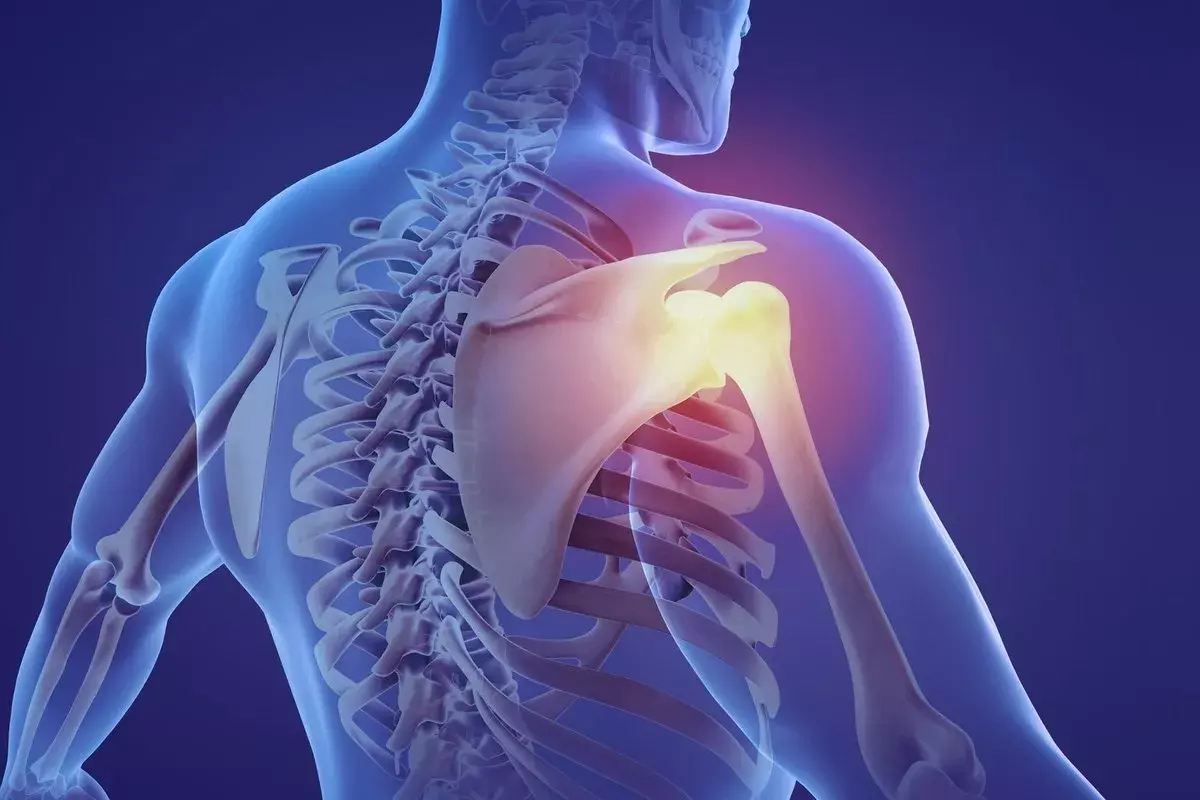
ACL injuries are a big worry for football players. They happen a lot and can really hurt an athlete’s career. The anterior cruciate ligament is key for knee stability. This is important when players are moving fast and changing direction quickly.
Understanding the severity of ACL tears is vital for athletes, coaches, and doctors. At top hospitals like Liv Hospital, patients get full care. This care is based on solid evidence to help them get back to playing.
We’ll look into ACL injuries in football players. We’ll cover how common they are, how they’re diagnosed, and treatment options. We’ll also talk about how they affect a player’s career. Treatment usually means surgery and at least 9 months of recovery. Sadly, some players never get back to playing.
Key Takeaways
- ACL injuries are a common and serious issue in football players.
- The anterior cruciate ligament is key for knee stability.
- Understanding ACL injuries is vital for athletes, coaches, and doctors.
- Treatment for ACL tears usually needs surgery and a long recovery.
- The impact of ACL injuries on a player’s career can be big.
Understanding the ACL and Its Function in Football
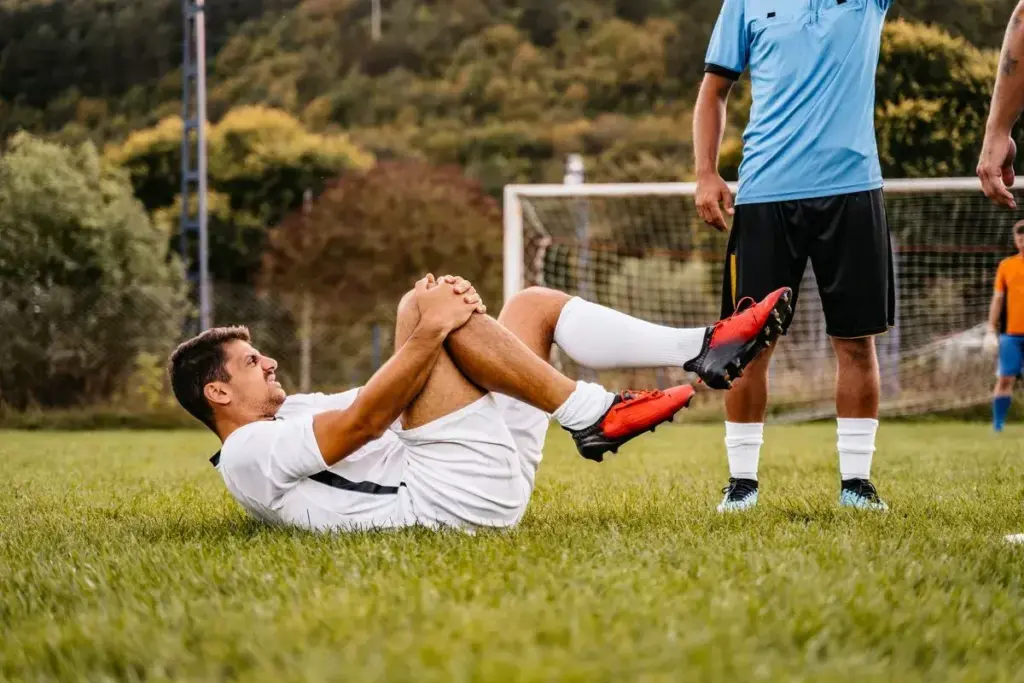
The ACL is a key ligament that keeps the knee stable. It controls movement and stops the knee from rotating too much during football. Football players need their ACL to do complex moves, making ACL injuries a big worry.
What Is the Anterior Cruciate Ligament?
The anterior cruciate ligament, or ACL, is a vital ligament for the knee. It’s in the front of the knee and looks like a cross. The ACL helps control the knee’s movement and stops it from rotating too much.
Medical experts say, “The ACL is key for knee stability. It lets players make sharp turns and quick changes in direction.”
The ACL’s Critical Role During Football Movements
The ACL faces a lot of stress during football. It keeps the knee stable during running, cutting, and pivoting. A tear can happen when the knee bends awkwardly during a tackle or when making quick moves.
For more on ACL injuries in football players, check out this resource.
Experts say,
This shows how important the ACL is in football. Quick changes in direction are common. Knowing how the ACL works helps us understand the seriousness of ACL injuries and the recovery challenges.
The Severity of Footballers ACL Injury: Mechanisms and Diagnosis
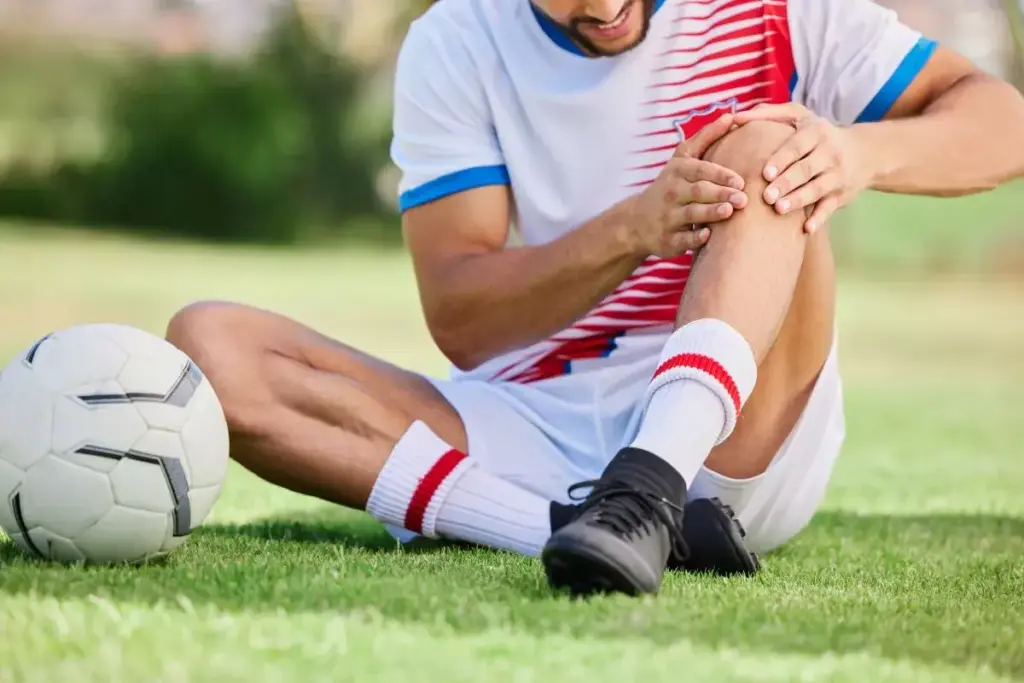
Football players face a high risk of ACL injuries. These injuries can happen in many ways on the field. The ACL is key for knee stability, making injuries a big worry for players and teams.
How ACL Injuries Occur on the Field
ACL injuries in football can come from contact or non-contact situations. Non-contact ACL tears often happen during quick stops, sharp turns, or pivoting. Contact injuries occur when the knee is hit directly, usually during tackles or collisions.
Knowing how these injuries happen helps in preventing them. Common scenarios include sudden stops, awkward landings, and direct hits to the knee.
Prevalence and Risk Statistics in Football
ACL injuries are very common in football, affecting both pros and amateurs. Risk factors include the player’s position, the level of play, and past injuries.
| Risk Factor | Description | Relative Risk |
| Player Position | Certain positions like midfielder and defender are at higher risk due to frequent cutting and pivoting. | 2.5 |
| Level of Competition | Higher levels of competition increase the risk due to faster game pace and more aggressive play. | 1.8 |
| Previous Injury | Players with a history of ACL or other knee injuries are more susceptible to re-injury. | 3.2 |
Recognizing an ACL Tear: Symptoms and Diagnosis
Spotting ACL tear symptoms early is key for quick treatment. Symptoms include sudden pain, swelling, and feeling unstable in the knee. Doctors use a mix of exams, patient history, and MRI scans to diagnose.
Early diagnosis is vital for managing and rehabbing the injury. It helps avoid further harm and sets up a clear recovery plan.
Diagnosing involves checking the injury’s severity and ruling out other knee pain causes. A sports medicine expert’s thorough evaluation is needed to decide the best treatment.
Recovery Journey and Career Impact
The road to recovery after an ACL injury is long and tough. It greatly affects a football player’s career. Knowing the recovery process, including typical timelines and factors that influence return to play, is key. It helps manage expectations and improve rehabilitation.
Return to play timelines usually range from 6.6 to 9 months for training and competition. Recent trends show a more delayed return, at least 7-9 months. ACL research shows that younger age and higher activity levels increase the risk of re-injury.
Return to play criteria include symptoms, athlete confidence, strength, and functional and football-specific testing. For a real-life example, Sierra’s story shows how she regained her performance after ACL reconstruction.
Understanding the severity of a torn ACL and its impact on footballers is vital. Athletes, coaches, and medical professionals must focus on a structured recovery timeline. This way, football players can successfully return to play and regain their performance level.