

Kidney stones are hard objects made of minerals and salts in urine. They form inside the kidneys. These stones can be very small, less than 1 millimeter, or quite large, up to several centimeters in diameter. Explore how big are kidney stones and what to expect based on size.
Knowing how big kidney stones are is key to figuring out the right treatment. At Liv Hospital, we focus on each patient’s needs. We consider the size and where the stones are located when treating them.
Key Takeaways
- Kidney stones vary significantly in size, from tiny crystals to large stones.
- The size of kidney stones influences symptoms, treatment options, and recovery timeline.
- Accurate diagnosis and evidence-based care are essential for effective treatment.
- Liv Hospital’s patient-centered approach ensures tailored care for international patients.
- Understanding kidney stone size is key to finding the best treatment plan.
Understanding Kidney Stones and Their Formation
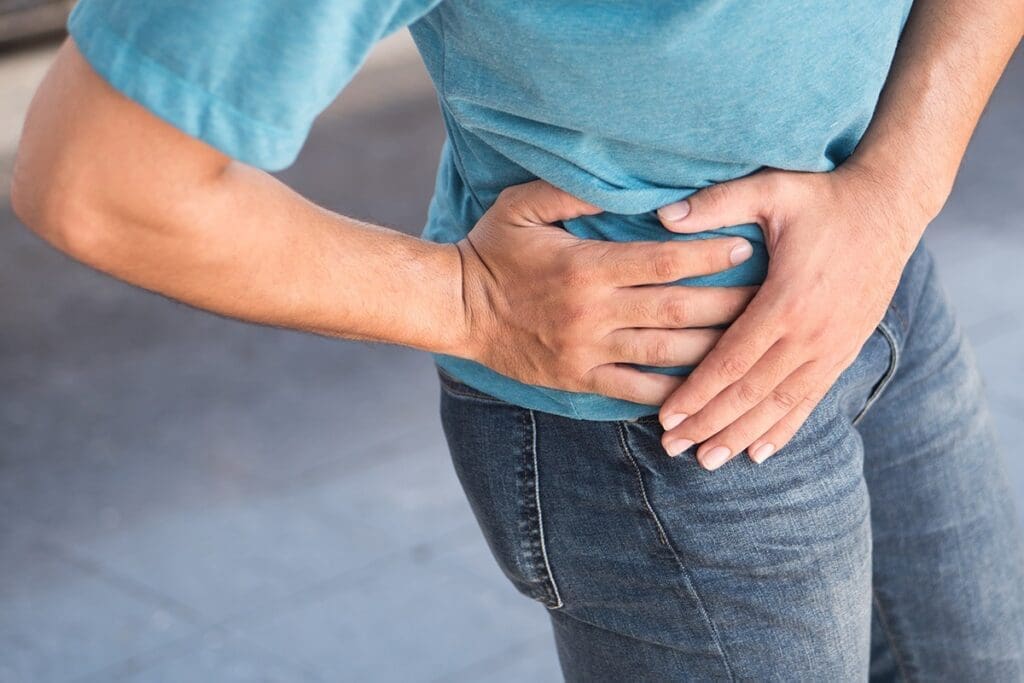
Kidney stones are hard deposits made of minerals and salts that form inside the kidneys. Their formation is influenced by many factors. These stones can cause severe pain, nausea, and vomiting. In some cases, they may lead to complications such as infection or kidney damage.
What Are Kidney Stones?
Kidney stones, also known as renal calculi, are solid masses of crystals that form in the urine. Most kidney stones are smaller than 4 millimeters and can pass naturally through the urinary system. Larger stones can cause significant discomfort and may require medical treatment.
How Kidney Stones Form
Kidney stones form when the urine contains more crystal-forming substances than it can dilute. This concentration leads to the crystallization of minerals like calcium, oxalate, and uric acid. Factors that contribute to their formation include inadequate hydration, dietary habits, and genetic predisposition.
The process of stone formation involves several steps. These include supersaturation of the urine, crystallization, and aggregation of crystals. Understanding these processes is key to developing effective prevention strategies.
Common Causes of Kidney Stone Development
Several factors contribute to the development of kidney stones. These include:
- Inadequate hydration, leading to concentrated urine
- Dietary factors, such as high intake of oxalate-rich foods or excessive salt consumption
- Genetic predisposition to forming certain types of stones
- Medical conditions, such as hyperparathyroidism or urinary tract infections
The majority of kidney stones are composed of calcium oxalate. Other types include uric acid stones, struvite stones, and cystine stones. Each type has different underlying causes.
| Type of Stone | Common Causes | Characteristics |
| Calcium Oxalate | High oxalate intake, dehydration | Most common type, often associated with dietary factors |
| Uric Acid | Low urine pH, excessive animal protein intake | More common in men, associated with conditions like gout |
| Struvite | Urinary tract infections | Often associated with infections, can grow quickly and become large |
How Big Are Kidney Stones? Size Classification System

Kidney stones come in all sizes, and their size is very important. It helps doctors decide if they can pass on their own or if they need help.
Microscopic Crystals (Less Than 1mm)
The smallest kidney stones are tiny crystals, smaller than 1mm. These tiny stones are hard to see and might not cause problems until they grow bigger.
Small Stones (1-4mm)
Stones between 1 and 4mm are small. They have a good chance of passing on their own. Stones in this size range have about an 80 percent chance of passing naturally, but it depends on the person.
Medium Stones (4-6mm)
Medium stones are 4 to 6mm big. Stones in this size have about a 60 percent chance of passing naturally. The chance of passing on its own goes down as the stone gets bigger.
Large Stones (6-9mm)
Large stones are 6 to 9mm. At this size, they are less likely to pass on their own. Stones bigger than 6mm have less than a 20 percent chance of passing without help. Doctors might use treatments like ESWL or ureteroscopy for these big stones.
The size of a kidney stone is very important for treatment. Knowing the size helps doctors choose the right treatment. It’s either to wait and see or to use more serious treatments.
“The size of the stone is a key factor in determining the treatment approach,” says Medical Expert, a leading urologist. “Accurate measurement and classification of kidney stone size are essential for effective management.”
Measuring Kidney Stones: Methods and Techniques
Accurately measuring kidney stones is key in managing kidney stone disease. Healthcare providers need to know the size and location of the stones to plan treatment.
Diagnostic Imaging Techniques
Diagnostic imaging is essential for measuring kidney stones. The main methods include:
- Ultrasound: A non-invasive method that uses sound waves to create images of the kidneys and urinary tract.
- CT Scans (Computed Tomography): Provides detailed cross-sectional images of the kidneys, helping to measure stone size and identify any complications.
How Medical Professionals Measure Stone Size
Doctors use images from diagnostic imaging to measure kidney stone size. They measure in millimeters or centimeters. This is important for choosing the right treatment.
Understanding Your Kidney Stone Measurement Reports
When you get your kidney stone measurement reports, it’s important to understand them. The reports will tell you about the size, location, and number of stones. Here’s a simple table to help you understand your reports:
| Measurement Detail | Description | Implication |
| Stone Size | Measured in mm or cm | Determines treatment approach |
| Stone Location | Identifies where the stone is located in the urinary tract | Affects treatment complexity |
| Number of Stones | Indicates if there are multiple stones | Influences overall treatment plan |
Understanding your kidney stone measurements is vital for informed care decisions. Always talk to your healthcare provider to understand your situation and the recommended treatment.
Small Kidney Stones (1-4mm): What to Expect
Small kidney stones, between 1 to 4 millimeters, can be quite painful. But, knowing what to expect can ease your worries. Most kidney stones are under 4 millimeters and can move through your system on their own.
Typical Symptoms
Small kidney stones often cause pain and discomfort. The pain can be intense and may spread to your lower abdomen, groin, or back. You might also experience:
- Nausea and vomiting
- Fever and chills
- Blood in the urine
- Frequent urination
- Painful urination
It’s vital to recognize these symptoms to get the right medical care.
Natural Passage Timeline
Small kidney stones usually take about 31 days to pass on their own. But, this time can change based on the stone’s size, where it is, and your health.
Knowing the natural passage timeline can help you manage your expectations and calm your nerves.
Self-Care Strategies
While waiting for the stone to pass, there are ways to ease your symptoms:
- Drink lots of water to stay hydrated
- Use over-the-counter pain relievers to manage pain
- Apply heat to the affected area
Using these self-care strategies can help you cope with your symptoms and possibly help the stone pass faster.
Medium-Sized Kidney Stones (4-6mm): Passage Rates and Timeline
Kidney stones that are 4 to 6 millimeters in size often raise questions about passing them naturally. These stones pose a challenge as they don’t always pass on their own. We will look into the passage rates, expected timeline, and management options for these stones.
60% Chance of Natural Passage
Stones in the 4 to 6 millimeter range have about a 60 percent chance of passing naturally. This figure comes from studies and clinical observations. It’s important to note that factors like stone composition, location, and individual anatomy can affect passage.
Expected Timeline (Average 45 Days)
The time it takes for a medium-sized stone to pass can vary. On average, it’s about 45 days. But, this time can change based on hydration, physical activity, and any urinary tract obstructions.
When to Seek Medical Intervention
While many medium-sized stones pass naturally, some need medical help. Seek medical attention for severe pain, fever, vomiting, or blood in your urine. Also, if the stone doesn’t pass in the expected time, you should get checked out.
Pain Management Options
Managing pain is key when dealing with kidney stones. For medium-sized stones, pain relief might include over-the-counter meds, staying hydrated, and sometimes prescription drugs. We’ll discuss common pain relief strategies in the table below.
| Pain Management Strategy | Description | Benefits |
| Hydration | Drinking plenty of water to help flush out the stone | Helps in passing the stone, reduces pain |
| Over-the-counter pain relievers | Medications like ibuprofen or acetaminophen | Eases pain and inflammation |
| Prescription pain medications | Stronger medications for severe pain | Effective for managing severe pain |
Knowing about passage rates and timelines for medium-sized kidney stones helps both patients and doctors make better treatment choices. While many pass naturally, knowing when to seek medical help is key to avoiding complications.
Large Kidney Stones (6mm and Above): Treatment Necessities
Kidney stones over 6mm are tough to pass on their own. The size of a stone is key in deciding if it can pass naturally or if medical help is needed.
Stones bigger than 6mm often need more than just home remedies. We’ll look at why these stones don’t pass naturally, the risks of not treating them, and the treatment choices.
Why Large Stones Rarely Pass Naturally
Big stones can’t pass naturally because of their size. They might get stuck in the urinary tract. This can block urine flow, causing a lot of pain and possibly infections or kidney damage.
The chance of a stone passing naturally drops as it gets bigger. Stones over 6mm rarely pass on their own. So, medical treatment is usually needed.
Potential Complications of Untreated Large Stones
Untreated big stones can cause serious problems. These include a lot of pain, infections, and damage to the kidney or urinary tract.
- Severe pain: Big stones can cause intense pain as they move through the urinary tract.
- Infection: Blocked urine flow can lead to infection, which can be serious if not treated quickly.
- Kidney damage: Long-term blockage can harm the kidney, leading to long-term issues.
Treatment Options Overview
There are many ways to treat big kidney stones. The right treatment depends on the stone’s size, where it is, and the patient’s health.
Some common treatments are:
- Extracorporeal Shock Wave Lithotripsy (ESWL): A non-invasive method that breaks the stone into smaller pieces with shock waves.
- Ureteroscopy with Laser Lithotripsy: A minimally invasive procedure that uses a small scope and laser to break the stone.
- Surgical intervention: Sometimes, surgery is needed to remove the stone.
We’ll go into more detail about these treatments in the next sections.
Treatment Options Based on Kidney Stone Size
Kidney stone size is key in choosing treatment. It can range from simple care to surgery. The stone’s size, where it is, and the patient’s health help doctors pick the best treatment.
Conservative Management for Small Stones
Small stones (less than 4mm) usually get treated first without surgery. Doctors watch the stone, manage pain, and make sure the patient drinks enough water. Most small stones pass without needing invasive procedures.
Medication Options to Facilitate Passage
Some medicines help small stones move. Alpha-blockers relax the ureter muscles, making it easier for the stone to pass. We also give pain meds to ease discomfort.
Extracorporeal Shock Wave Lithotripsy (ESWL)
ESWL is a non-surgical method that breaks stones into smaller pieces. These pieces then pass in urine. It works for stones 6mm to 2cm in size, in the kidney or upper ureter.
Ureteroscopy with Laser Lithotripsy
For bigger stones or those not good for ESWL, ureteroscopy with laser lithotripsy is used. A small scope goes through the urethra and bladder to see the stone. A laser then breaks it into smaller pieces that can be removed or passed out.
| Stone Size | Typical Treatment Approach | Success Rate |
| Less than 4mm | Conservative Management | High |
| 4mm-6mm | Medication, possible ESWL | Moderate to High |
| 6mm-2cm | ESWL or Ureteroscopy | High |
Moderately Large Stones (1.5cm): Special Considerations
Kidney stones that are 1.5cm in size need extra care. They can cause a lot of pain and problems. But, they can often be treated with medical help.
Characteristics of 1.5cm Kidney Stones
A 1.5cm kidney stone is quite big. It can get stuck in the urinary tract. This can cause a lot of pain and blockages.
The type of stone and where it is matter a lot. They help doctors decide how to treat it.
Typical Symptoms and Complications
People with 1.5cm kidney stones feel a lot of pain, nausea, and vomiting. If the stone blocks the urinary tract, it can lead to infections or damage to the kidney.
It’s very important to see a doctor if you have fever, severe pain, or trouble urinating.
Recommended Treatment Approaches
For 1.5cm kidney stones, treatment is not just waiting it out. Ureteroscopic lithotripsy is often used. It breaks down the stone with laser energy.
Other options might include Extracorporeal Shock Wave Lithotripsy (ESWL). This depends on the stone’s location and what it’s made of.
Recovery Expectations After Treatment
After treatment, patients may feel some pain. Pain management is key. Drinking lots of water helps get rid of any stone bits left behind.
It’s important to follow up with doctors. This makes sure the urinary tract is clear and there are no more problems.
Dealing with kidney stones is tough. We want to give the best care. Knowing about 1.5cm kidney stones helps patients understand their treatment better.
Factors Affecting Kidney Stone Passage Beyond Size
Kidney stone passage is influenced by more than just size. While size matters, other factors are also important.
Location of the Stone in the Urinary Tract
The stone’s location in the urinary tract is key. Stones near the bladder are more likely to pass than those higher up.
Key locations that affect stone passage include:
- The junction between the kidney and the ureter
- The mid-ureter
- The junction between the ureter and the bladder
Stone Composition and Hardness
The stone’s composition and hardness matter too. Harder stones are less likely to pass on their own and might need medical help.
Common types of kidney stones include:
- Calcium oxalate stones
- Uric acid stones
- Cystine stones
- Struvite stones
Individual Anatomy Variations
Everyone’s body is different, and this can affect stone passage. Narrow ureters or other issues can make it harder for stones to move.
Hydration Status and Urine Flow
Staying hydrated is key for passing stones. Drinking enough water helps with urine flow, which can push the stone out.
Tips for maintaining good hydration include:
- Drinking at least 8-10 glasses of water per day
- Avoiding sugary and caffeinated beverages that can dehydrate
- Monitoring urine color to ensure it’s pale yellow or clear
Prevention Strategies to Avoid Recurrent Kidney Stones
To prevent kidney stones from coming back, you need to make changes in your diet, drink enough water, and sometimes take medicine. We know how painful and uncomfortable kidney stones can be. So, we want to help you avoid that.
Dietary Modifications Based on Stone Type
The kind of kidney stone you had tells you what diet changes to make. For example, if you had calcium oxalate stones, eat less foods high in oxalate like spinach and beets. If you had uric acid stones, cut down on foods rich in purines, like organ meats and some seafood.
- Limit sodium intake to reduce calcium in the urine
- Increase consumption of dietary calcium to bind with oxalate in the gut
- Avoid excessive intake of vitamin C, as it can be converted to oxalate
Hydration Requirements
Drinking enough water is key to preventing kidney stones from coming back. Try to drink enough to make at least 2 liters of urine a day. This helps keep your urine diluted and lowers the chance of minerals forming stones.
Monitoring urine color is a simple way to check if you’re drinking enough water. It should be pale yellow. If it’s dark yellow or amber, you might need to drink more.
Medication Options for Prevention
In some cases, you might need medicine to prevent kidney stones from coming back. For example, thiazide diuretics can help lower calcium in your urine. Allopurinol might be given if you have high uric acid levels.
| Medication | Purpose |
| Thiazide diuretics | Reduce calcium in urine |
| Allopurinol | Lower uric acid levels |
| Potassium citrate | Reduce acidity of urine |
Lifestyle Changes That Reduce Risk
Along with diet and hydration, making lifestyle changes can also help prevent kidney stones. Keeping a healthy weight, managing stress, and eating less animal protein can all help.
By following these prevention strategies, you can greatly lower your risk of getting kidney stones again. We’re here to help you understand and manage your kidney health.
Conclusion: Understanding Your Kidney Stone Journey
Knowing about kidney stones is key to managing them. We’ve looked at different stone sizes, how they form, and treatment options. This helps you understand your situation better.
Small stones might go away on their own with simple steps. But bigger stones might need doctor help. The stone’s size, where it is, and your body shape also matter.
Understanding your journey with kidney stones helps you make better choices. The right treatment depends on the stone’s size, location, and your health. It’s all about finding the best way to help you.
With the right knowledge, you can handle kidney stones well. This lowers the chance of problems and boosts your health. We hope this info helps you manage your kidney stone journey better.
FAQ
What is the average size of a kidney stone?
Kidney stones can be different sizes. They usually range from 1-9mm. Some can be as big as 1.5cm or more.
How big are kidney stones usually?
Most kidney stones are between 1-4mm. This is considered small. Stones larger than 6mm are bigger.
What are the different sizes of kidney stones?
Kidney stones come in various sizes. There are microscopic crystals (less than 1mm), small stones (1-4mm), medium stones (4-6mm), and large stones (6-9mm or larger).
How is the size of a kidney stone measured?
Doctors use CT scans or ultrasounds to measure kidney stones. They report sizes in millimeters or centimeters.
Can a 1.5cm kidney stone pass naturally?
A 1.5cm kidney stone is considered large. It rarely passes on its own. Often, it needs medical help like ESWL or ureteroscopy.
What are the treatment options for large kidney stones?
For large stones, treatments include ESWL, ureteroscopy with laser lithotripsy, and surgery. The choice depends on the stone’s size and location.
How can I prevent recurrent kidney stones?
To prevent kidney stones, try dietary changes, stay hydrated, and consider medication. Making lifestyle changes can also help.
What factors affect the passage of kidney stones beyond their size?
Beyond size, passage is affected by the stone’s location, composition, and your anatomy. Hydration also plays a role.
What are the symptoms of small kidney stones?
Small stones might cause pain, discomfort, or trouble urinating. But, some small stones don’t cause symptoms at all.
How long does it take for a kidney stone to pass?
Passing time varies by stone size. Small stones usually pass in 31 days. Larger stones may take longer or need medical help.
References
National Center for Biotechnology Information. (2025). How Big Are Kidney Stones Size Guide. Retrieved from https://www.ncbi.nlm.nih.gov/pmc/articles/PMC2930196/