
Breast cancer spreading to lymph nodes is a complex process. It depends on the tumor’s biology, size, and molecular subtype. Knowing this timeline is key for early diagnosis and treatment.
The speed at which breast cancer reaches lymph nodes varies a lot. Studies show that lymph node metastasis rates differ among breast cancer types. For example, a big study found rates of about 30.9% for ER+/HER2−, 34.0% for triple-negative, and 40.3% for HER2+ breast cancer.
Early detection and tailored treatment are essential in fighting breast cancer. We will look at what affects the spread to lymph nodes and its impact on patients.
Key Takeaways
- Breast cancer’s spread to the lymph nodes is influenced by tumor characteristics.
- The prevalence of lymph node metastasis varies among breast cancer subtypes.
- Early detection is key for effective treatment.
- Tailored treatment approaches are needed based on cancer subtype.
- Understanding the timeline for breast cancer spread is vital for patients and healthcare providers.
The Basics of Breast Cancer Spread

It’s important to know how breast cancer spreads to make treatment plans better. Breast cancer moves from the original tumor to other parts of the body. This is a complex process that involves many biological pathways.
How Cancer Cells Travel Through the Body
Cancer cells can move through the body in different ways. They often go through the lymphatic system, but also through the bloodstream. Metastasis happens when cells break away, invade nearby tissues, and then go to distant places.
The Role of Lymphatic System in Cancer Spread
The lymphatic system is key in how breast cancer spreads. Cancer cells usually first go to nearby lymph nodes. These are part of the body’s lymphatic system. Then, they can spread to other parts of the body. Knowing this helps in making better treatment plans.
|
Pathway |
Description |
|---|---|
|
Lymphatic System |
Cancer cells invade nearby lymph nodes and then spread to other parts of the body. |
|
Bloodstream |
Cancer cells enter the bloodstream and travel to distant sites. |
Experts say, “The lymphatic system is a key pathway for breast cancer metastasis.” Knowing these pathways is important for creating targeted therapies.
Typical Timeframes for Lymph Node Metastasis
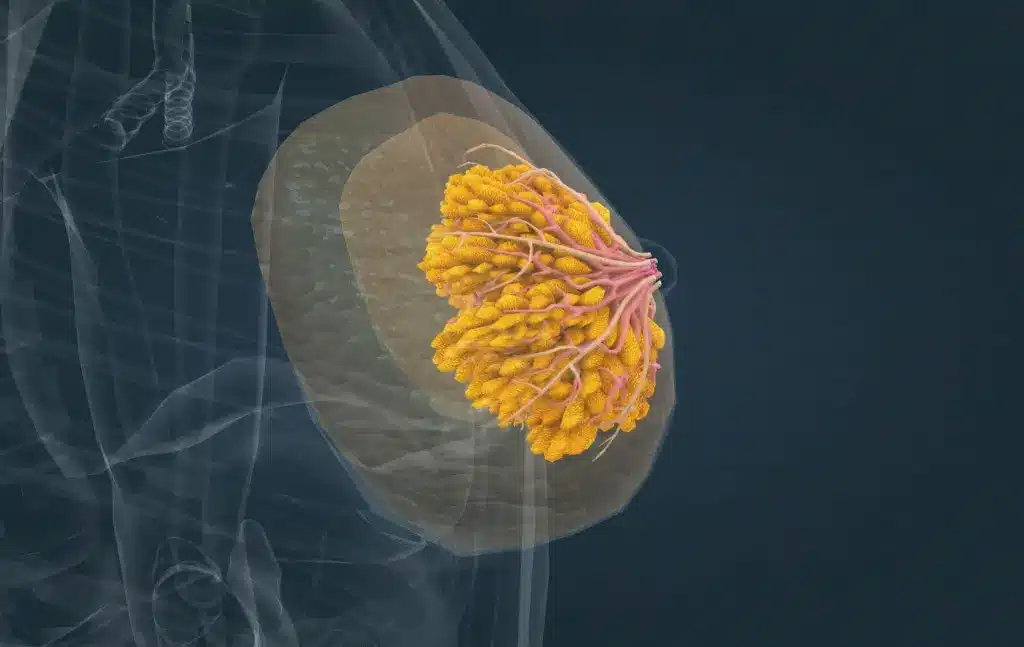
Breast cancer can spread to lymph nodes at different speeds. This depends on many factors. Knowing these timeframes helps doctors plan the best treatment. It also helps patients understand their situation.
Early-Stage Spread: What Research Shows
Early breast cancer can reach lymph nodes quickly. Studies show that how fast cancer grows affects this. The cancer’s aggressiveness is key.
Advanced Cancer Progression Patterns
Advanced cancer spreads differently. The cancer’s type and how fast it grows matter. These factors decide how long it takes to reach lymph nodes.
Months vs. Years: Understanding Variable Timelines
The time it takes for breast cancer to spread varies. It can be a few months or several years. This depends on the cancer type and the patient’s health.
|
Cancer Stage |
Typical Timeframe for Lymph Node Metastasis |
Influencing Factors |
|---|---|---|
|
Early-Stage |
Several months to a year |
Cancer aggressiveness, tumor biology |
|
Advanced Stage |
Variable, potentially years |
Growth rate, molecular subtype, patient health |
Understanding these factors helps doctors create better treatment plans. This improves patient outcomes.
How Big Is a 2 cm Tumor? Understanding Tumor Size
The size of a breast tumor is very important for cancer staging and treatment. Knowing the size helps both patients and doctors a lot.
Visual References for Tumor Measurements
A 2 cm tumor is about the size of a peanut or a small marble. Using everyday objects can help people understand tumor sizes better. For example:
- A 1 cm tumor is about the size of a small pea.
- A 2 cm tumor is like a peanut or a marble.
- A 5 cm tumor is about the size of a golf ball.
Clinical Significance of Different Tumor Sizes
The size of a tumor greatly affects breast cancer staging and how well a patient might do. Smaller tumors usually have a better outlook than bigger ones.
What Doctors Mean by “Small” vs. “Large” Tumors
Doctors use size to classify tumors. Tumors under 2 cm are seen as small, and those over 5 cm are large. The size of a tumor is very important because it tells us about the chance of cancer spreading.
|
Tumor Size |
Common Object Comparison |
Clinical Significance |
|---|---|---|
|
1 cm |
Small pea |
Early-stage cancer, often with better prognosis |
|
2 cm |
Peanut or small marble |
Small, but treatment plans may vary |
|
5 cm |
Golf ball |
Larger tumors, possibly with higher risk of cancer spreading |
Knowing about tumor size and its importance helps everyone involved make better choices about treatment.
The Critical Growth Phase: 1 cm to 8 cm
The time when breast tumors grow from 1 cm to 8 cm is very important. It helps figure out if cancer can spread. During this time, the tumor grows fast, and the chance of cancer going to lymph nodes gets higher.
When Tumors Are Most Likely to Spread
Studies show most lymph node metastases happen when tumors grow from 1 cm to about 8 cm. This is because tumor cells are more likely to get into the lymphatic system. They then spread to nearby lymph nodes.
The Plateau Effect After 8 cm
Interestingly, research finds that after a tumor hits about 8 cm, the rate of lymph node metastasis levels off. This means bigger tumors are a worry, but they don’t spread to lymph nodes as fast as they did before.
Why Metastasis Rates Stabilize at Larger Sizes
Several things might help explain why metastasis rates don’t keep going up in bigger tumors. One reason could be the tumor’s environment changes, making it harder to spread. The body’s immune system might also help stop further spread.
Knowing about the critical growth phase of breast tumors is key for making good treatment plans. By understanding how tumors grow and spread, doctors can give better care to each patient.
Breast Cancer Growth Rates Explained
It’s key to know how fast breast cancer grows to create the right treatment plan. The growth rate of breast cancer varies a lot among people. Some tumors grow fast, while others grow slowly.
Tumor Volume Doubling Time Variations
The time it takes for a tumor to double in size is a key measure. Studies show this time can differ a lot among breast cancer patients. Some aggressive types can double in size in just 1.2 months. On the other hand, slower-growing tumors might take over 6 years to double.
Fast-Growing vs. Slow-Growing Cancers
Knowing if a cancer grows fast or slow is important for treatment. Fast-growing cancers are often aggressive and need quick action. Slow-growing cancers might allow for a more careful treatment plan.
Can a Tumor Grow Overnight?
It might seem scary to think a tumor could grow overnight. But, tumor growth is a complex process. Tumors don’t usually grow overnight in a sudden way. Yet, some aggressive tumors can grow quickly over a short time.
Understanding a breast cancer tumor’s growth rate is essential for doctors to plan treatment. By looking at how fast a tumor doubles in size and other factors, doctors can pick the best treatment. This helps in fighting the cancer more effectively.
Metastasis Rates by Molecular Subtype
The rate of lymph node metastasis at diagnosis varies among breast cancer subtypes. This shows the need for treatment plans tailored to each subtype. Understanding these differences is key to developing effective treatments for each patient’s cancer.
ER+/HER2− Breast Cancers
ER+/HER2− breast cancers, which are estrogen receptor-positive and HER2-negative, have a 30.9% lymph node metastasis rate at diagnosis. This subtype is generally considered to have a relatively favorable prognosis. Yet, lymph node metastasis indicates a more aggressive disease, requiring careful treatment planning.
We must consider the tumor’s hormonal receptor status and the patient’s overall health when determining the best course of action.
Triple-Negative Breast Cancers
Triple-negative breast cancers, lacking estrogen receptors, progesterone receptors, and HER2, have a 34.0% lymph node metastasis rate. This subtype is known for its aggressive nature and limited treatment options. The higher rate of lymph node involvement at diagnosis reflects the typically more aggressive behavior of triple-negative breast cancers.
This emphasizes the need for prompt and effective treatment strategies.
HER2+ Breast Cancers
HER2+ breast cancers, characterized by the overexpression of the HER2 protein, exhibit the highest lymph node metastasis rate at 40.3%. The aggressive nature of HER2-positive cancers is well-documented. The high rate of lymph node involvement at diagnosis highlights the importance of early detection and targeted therapy.
The development of HER2-targeted treatments has significantly improved outcomes for these patients. This shows the critical role of molecular subtype in guiding treatment decisions.
Can Breast Cancer Develop and Spread Between Mammograms?
Mammograms are key in finding breast cancer early. But, the disease can grow fast between screenings. This makes people wonder if they should get checked more often.
Interval Cancers: Definition and Frequency
Interval cancers are found between mammograms. These cancers can grow quickly and are often caught late. Research shows they make up a big part of breast cancer cases. This means we need to watch for them more and check high-risk people more often.
How Quickly Aggressive Cancers Can Progress
Aggressive breast cancers can grow fast, sometimes before the next mammogram. How fast they grow depends on the cancer itself and genetics. Knowing this helps us find who’s at higher risk and check them more often.
Implications for Screening Schedules
The risk of cancer growing between mammograms changes how often we should get checked. People at high risk might need more frequent mammograms. Knowing the signs of breast cancer is also important for catching it early.
- Risk assessment to identify individuals who may benefit from more frequent screenings
- Awareness of the signs and symptoms of breast cancer to facilitate early detection
- Personalized screening plans based on individual risk factors and medical history
Factors That Accelerate or Slow Cancer Spread
It’s important to know what affects how fast breast cancer spreads. This knowledge helps doctors create better treatment plans. The speed of cancer spread depends on many things, like biology, genetics, and hormones.
Tumor Biology and Genetic Factors
The type of tumor is key in how fast breast cancer moves. Aggressive tumor types, like triple-negative breast cancer, grow and spread quickly. Genes like BRCA1 and BRCA2 also play a role in how fast cancer spreads.
Hormonal Influences on Cancer Growth
Hormones also play a big part in how breast cancer grows. Hormone receptor-positive cancers can be slowed or sped up by hormones in the body. For example, estrogen can affect estrogen receptor-positive cancers.
Patient-Specific Risk Factors
Each patient’s risk factors are different. Age, health, and lifestyle can all affect how fast cancer spreads. Younger patients might have more aggressive cancers, while older patients might face more health challenges.
Here are some main factors that can change how fast cancer spreads:
- Tumor size and grade at diagnosis
- Presence of hormone receptors
- Genetic mutations
- Patient’s overall health and age
Direct Metastasis: When Cancer Bypasses Lymph Nodes
Recent studies have shown that breast cancer can spread directly to distant sites. It does this without going through lymph nodes first. This finding changes how we think about how cancer spreads.
New Research on Alternative Spread Pathways
Some breast cancers can spread in ways not involving the lymphatic system. This direct spread happens for different reasons. These include the type of tumor and genetic changes.
Implications for Cancer Staging and Treatment
This new discovery affects how we stage and treat cancer. Knowing about these different ways cancer spreads helps us create better treatment plans.
|
Spread Pathway |
Characteristics |
Implications |
|---|---|---|
|
Lymphatic Spread |
Involves lymph nodes |
Traditional staging and treatment |
|
Direct Metastasis |
Bypasses lymph nodes |
Requires alternative treatment strategies |
Understanding direct metastasis helps us better diagnose and treat cancer. This leads to better outcomes for patients.
Detecting Lymph Node Metastasis
There are several ways to find out if cancer has spread to lymph nodes. We use physical checks, imaging tests, and biopsies. This helps us see if cancer has moved to the lymph nodes.
Physical Signs That May Indicate Spread
At first, lymph node metastasis might not show any symptoms. But, we can sometimes find swollen or big lymph nodes. These are usually in the armpit, neck, or chest area.
These nodes might feel sore or not hurt at all. It depends on the cancer and the person’s health.
Diagnostic Methods for Confirming Lymph Node Involvement
To make sure cancer has spread to lymph nodes, we use different tests. These include:
- Physical checks to see if lymph nodes are big or sore
- Imaging tests like ultrasound, CT scans, MRI, or PET scans to see if nodes are enlarged or look different
- Biopsy, like fine-needle aspiration or core needle biopsy, to get tissue for lab tests
From Self-Examination to Advanced Imaging
We start with self-checks and doctor visits. Then, we use more detailed imaging if needed. Early detection of lymph node metastasis is key for the right treatment plan. Advanced imaging like PET scans help see how active lymph nodes are, helping us understand cancer spread.
By using these tests together, we can find out if cancer has spread to lymph nodes. Then, we can make a treatment plan that fits the patient’s needs.
What This Means for Your Treatment Timeline
The speed at which breast cancer spreads to lymph nodes affects treatment choices. Knowing this is key to creating a good treatment plan.
The Importance of Early Detection
Finding cancer early and accurately is vital for the right treatment. Early detection means starting treatment sooner, which can lead to better results. We stress the need for regular check-ups and screenings to find cancer early.
Treatment Approaches Based on Spread Patterns
Treatment plans change based on how and when cancer spreads to lymph nodes. Fast-spreading cancers might need stronger treatments. Slower cancers might allow for gentler options.
Questions to Ask Your Healthcare Provider
To grasp your treatment timeline, ask the right questions. Talk to your healthcare provider about your cancer’s stage, spread chances, and treatment options. Some important questions are:
- What stage is my breast cancer, and what does this mean for my treatment?
- How quickly can we start treatment, and what are the recommended options?
- Are there any clinical trials or new treatments available that might be beneficial?
Understanding your cancer and treatment options helps you make informed decisions about your care.
Conclusion: Understanding the Variable Nature of Breast Cancer Spread
Breast cancer spread is complex, influenced by many factors. These include tumor biology, size, and molecular subtype. Research shows that when cancer spreads can vary a lot. Some cancers spread early, while others stay in one place for a long time.
Studies found that even in early-stage cancer, cancer cells can be in the bone marrow. This suggests that cancer can start spreading early. In HR+ breast cancer, a study found that up to 25% of cases have a common origin for lymph node and distant metastases.
It’s key to understand how breast cancer spreads to improve treatment. By knowing what affects cancer spread, doctors can make treatments more personal. This approach can lower the chance of cancer coming back and improve survival rates.
FAQ
How long does it take for breast cancer to spread to the lymph nodes?
The time it takes for breast cancer to spread to lymph nodes varies. It can happen in months or even years. The growth rate and biology of the tumor play big roles in this.
What is considered a large tumor in breast cancer?
Tumors over 2 cm are seen as large. The presence of lymph node metastasis affects treatment plans. Tumors can be small or quite large.
How fast does breast cancer grow?
Growth rates of breast cancer vary. Some tumors grow fast, while others grow slowly. Knowing this helps doctors plan better treatments.
Can breast cancer develop and spread between mammograms?
Yes, breast cancer can grow and spread between mammograms. This is more common in aggressive cancers. It’s important for regular screening to catch it early.
What are the metastasis rates for different breast cancer subtypes?
Metastasis rates vary by breast cancer subtype. For example, ER+/HER2− has a 30.9% rate, while HER2+ has a 40.3% rate. Knowing these rates helps tailor treatments.
How is lymph node metastasis detected?
Detecting lymph node metastasis is key for treatment planning. Various methods, from physical exams to advanced imaging, are used to confirm it.
What factors influence the rate of breast cancer spread?
Several factors affect how fast breast cancer spreads. These include tumor biology, genetics, and hormones. Understanding these helps in creating effective treatments.
Is a 7mm breast tumor considered large?
No, a 7mm tumor is small. Size is a key factor in determining cancer stage and prognosis.
Can a tumor grow overnight?
No, tumors don’t grow overnight. Growth rates vary, and knowing this is important for treatment planning.
How quickly can breast cancer spread?
Spread times vary among patients. Understanding what influences this is key for effective treatments.
References
- PMC: https://pmc.ncbi.nlm.nih.gov/articles/PMC6022519/
- PubMed: https://pubmed.ncbi.nlm.nih.gov/29480816/
- Nature: https://www.nature.com/articles/s41416-020-01161-4
- American Cancer Society: https://www.cancer.org/cancer/types/breast-cancer/about/how-does-breast-cancer-spread.html
- Breastcancer.org: https://www.breastcancer.org/research-news/new-understanding-of-metastasis-gene
- ACS Journals: https://acsjournals.onlinelibrary.wiley.com/doi/full/10.1002/cncr.32765