
At 9 weeks, your fetus is about the size of a grape. It’s important for parents-to-be to know about their baby’s growth. We’ll show you the key milestones your fetus is reaching.how big is a 9 week fetusBad News at 20 Week Ultrasound: How Common Is It?
Your fetus is now 0.9 inches (22 to 23 millimeters) long from head to bottom. It weighs 0.07 to 0.2 ounces (2 to 7 grams). This is a time of fast growth inside and out.
As you move through your pregnancy, knowing about your baby’s growth is key. At 9 weeks, you’re about 2 months along. Liv Hospital focuses on you, giving you the care and advice you need.
Key Takeaways
- At 9 weeks, a fetus is approximately 0.9 inches (22-23 mm) in length.
- The weight of a 9-week fetus is around 0.07 to 0.2 ounces (2-7 grams).
- Understanding fetal development at 9 weeks is important for expectant parents.
- Nine weeks of pregnancy is about 2 months.
- Liv Hospital offers detailed care and advice during pregnancy.
Understanding the 9-Week Milestone in Pregnancy
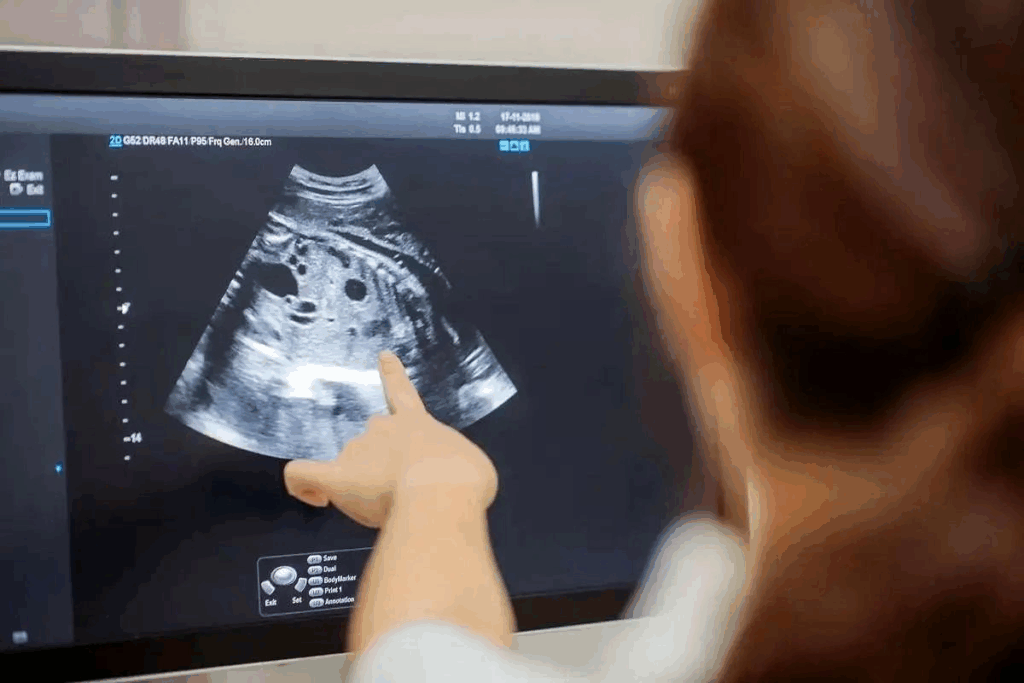
The ninth week of pregnancy is a key time. It marks the shift from embryo to fetus and important growth milestones. At this point, the fetus starts to grow and develop fast.
Transitioning from Embryo to Fetus
By 9 weeks, the embryo stage ends, and the fetus stage starts. This change is big because it’s when organs and body systems really start to take shape. The term “fetus” means the baby’s major organs and systems are formed, but they’re not fully grown yet.
Key developments during this transition include:
- Formation of major organs and body systems
- Refinement of facial features
- Growth and development of limbs
The Significance of Week 9 in Fetal Development
Week 9 is a time of fast growth and change for the fetus. It’s about the size of a plum, measuring about 0.9 inches (2.3 cm) from head to bottom. This week, the fetus’s internal organs and outer features start to take shape.
The developmental milestones at 9 weeks include:
Developmental Feature | Description |
Facial Features | Eyes, nose, and mouth continue to form and become more defined. |
Internal Organs | Major organs like the heart, lungs, and liver continue to develop and start functioning. |
Limbs and Digits | Arms and legs grow, and fingers and toes become more distinct. |
Knowing about these changes helps parents understand how fast their baby is growing. As we move through pregnancy, these early developments will keep growing. This will lead to a fully formed baby by birth.
How Big Is a 9 Week Fetus? Exact Measurements

Learning about a 9-week fetus’s size is exciting for moms-to-be. At this time, the fetus grows a lot and can be measured in different ways.
Crown-to-Rump Length Explained
The crown-to-rump length (CRL) is key for checking how a fetus grows. It’s the distance from the top of the head to the bottom. By 9 weeks, the CRL is about 0.9 inches (22 to 23 millimeters).
Weight Development at 9 Weeks
The fetus’s weight is also important. By 9 weeks, it usually weighs 0.07 to 0.2 ounces (2 to 7 grams). This shows how fast the fetus is growing.
Size Comparisons to Everyday Objects
Comparing a 9-week fetus to everyday things helps us understand its size. It’s about the size of a cherry or grape. These comparisons make it easier to picture the fetus’s size.
Measurement | Average Value | Comparable Object |
Crown-to-Rump Length | 0.9 inches (22-23 mm) | Cherry or Grape |
Weight | 0.07-0.2 ounces (2-7 grams) | Small fruit or berry |
9 Weeks Pregnant: Months Conversion and Timeline
Pregnancy is often measured in weeks and months. But, this can be confusing for moms-to-be. Each month is about 4 weeks, but months can vary in length.
At 9 weeks, your baby is growing fast. Knowing how weeks turn into months helps you understand your pregnancy better.
Is 9 Weeks Considered 2 or 3 Months?
To figure out if 9 weeks is 2 or 3 months, let’s do some math. A month is about 4 weeks. So, 9 weeks is roughly 2.25 months. But, doctors often round this to the nearest month.
So, at 9 weeks, you’re in your third month of pregnancy.
Here’s a simple breakdown to illustrate this:
- 1 month pregnant: 1-4 weeks
- 2 months pregnant: 5-8 weeks
- 3 months pregnant: 9-12 weeks
Placement in the First Trimester Timeline
The first trimester is weeks 1 through 12. At 9 weeks, you’re almost done with your first trimester. This is a key time for your baby’s growth.
Here’s a quick overview:
- Weeks 1-4: Conception and implantation
- Weeks 5-8: Organogenesis and initial growth
- Weeks 9-12: Continued growth and development, with more pronounced fetal movements
At 9 weeks, you’re in a critical part of your pregnancy. Knowing you’re in your third month and almost at the end of the first trimester helps you understand your journey.
Facial Development at 9 Weeks
At 9 weeks, the fetus’s face starts to form. This is a key time for facial features to develop. They will keep changing until birth.
Formation of Eyes, Nose, and Mouth
The eyes start to form at 9 weeks, with the retina beginning to develop. Even though the eyelids are closed, the eyes are getting clearer. The nose and mouth are also becoming more defined, with the nasal passages and mouth cavity forming. The development of these features is critical for the fetus’s future sensory capabilities.
Development of Taste Buds and Other Sensory Features
Taste buds start to form on the tongue, marking the beginning of the fetus’s ability to taste. Other sensory features, such as the development of the inner ear, are also progressing. This sensory development is essential for the fetus’s interaction with its environment after birth.
Facial Feature | Developmental Stage at 9 Weeks |
Eyes | Retina development, eyelids fused shut |
Nose | Nasal passages forming |
Mouth | Mouth cavity forming, taste buds developing |
The development of facial features and sensory organs at 9 weeks is a complex and highly coordinated process. Understanding these developments can provide valuable insights into fetal growth and preparation for life outside the womb.
Internal Organ Development
At 9 weeks, the fetus’s organs are growing fast. This is key for their future health. It’s a time when important systems start to form.
Heart and Circulatory System Progress
The heart starts early and is pumping blood. The circulatory system is getting more complex. It’s making blood vessels for oxygen and nutrients.
The heart’s growth is detailed. It divides into four chambers and forms a septum. By the 9th week, it pumps blood well, and the system works.
Brain and Nervous System Formation
The brain is growing fast. It’s making different parts for body functions. The neural tube, which will become the brain and spinal cord, is closing. This is a big step for the nervous system.
- The cerebral cortex is starting to form. It will control thought, action, and perception.
- The brainstem is forming. It connects the cerebrum to the spinal cord. It regulates basic functions like breathing and heart rate.
Other Major Organs: Lungs, Kidneys, and Liver
Other vital organs are also growing. The lungs are starting to produce surfactant. This helps them expand after birth. The kidneys are making urine, which goes into the amniotic fluid. The liver is making bile and doing other important jobs.
These developments are essential for the fetus’s survival and growth. As organs mature, the fetus gets ready for life outside the womb.
Skeletal and Muscular Development
As the fetus grows, its skeletal and muscular systems start to develop rapidly around the 9th week. This period is key for the fetus’s structure and movement.
Bone Formation Process at 9 Weeks
At 9 weeks, bone formation, or ossification, starts. Ossification turns soft cartilage into bone. This complex process involves many cell types and growth factors.
The bones start to form, and cartilage that will become bones begins to ossify. This is important for the fetus’s skeletal structure. The initial bones formed are mainly cartilage, which gradually turns into bone. This process keeps going through fetal development and after birth.
First Movements and Muscle Development
By the 9th week, the fetus starts making its first movements. These movements are not yet detectable by the mother. They are key for muscle development, helping to strengthen muscles and improve coordination.
- The muscles start to contract and relax, aiding in the development of motor skills.
- The nervous system begins to coordinate with the muscular system, enabling more complex movements.
- As the fetus moves, it exercises its developing muscles, which is vital for overall development.
These early movements show rapid progress in muscle development. They set the stage for more coordinated and complex actions later in pregnancy.
Digestive System Formation
The 9-week fetus is going through key changes in its digestive system. At this point, important parts are forming. These parts will help the fetus digest nutrients later on.
Development of the Intestines and Stomach
The intestines and stomach are key to digestion. By the 9th week, the intestines start to become different sections. The stomach also starts making digestive enzymes. This is vital for the fetus to digest nutrients in the future.
As the fetus grows, the stomach gets bigger and takes shape. It’s getting ready to digest food after birth. The intestines also start to loop, fitting inside the abdominal cavity.
Formation of the Anus and Other Digestive Structures
The anus forming is a big deal at this stage. By the 9th week, the anus starts to form, finishing the digestive tract. This is important for waste elimination after birth.
Other parts like the pancreas and bile ducts are also growing. The pancreas starts making insulin, a hormone for glucose control. The bile ducts help with fat digestion.
The digestive system’s growth at 9 weeks is complex and well-coordinated. Key points include:
- The growth and differentiation of the intestines and stomach
- The anus forming and the digestive tract being complete
- The pancreas and bile ducts starting to develop
These developments are essential for the fetus’s health and nutrient processing.
Reproductive System Beginnings
At 9 weeks, the fetus’s reproductive system starts to show signs of being male or female. It’s a very early stage in development.
Formation of Reproductive Organs
The reproductive system forms through the creation of gonads. These will become either testes or ovaries. This step is key for the fetus’s sexual development.
Development of Testes in Male Fetuses
In male fetuses, the gonads turn into testes around the 9th week. The testes start making testosterone. This hormone is vital for male reproductive organ growth.
Development of Ovaries in Female Fetuses
In female fetuses, the gonads become ovaries. Even though they’re not making eggs yet, their formation is essential for the female reproductive system.
To understand reproductive organ development better, let’s look at the differences:
Feature | Male Fetuses | Female Fetuses |
Gonad Differentiation | Testes | Ovaries |
Primary Hormone | Testosterone | Estrogen |
Reproductive Organs | Epididymis, Vas Deferens | Fallopian Tubes, Uterus |
The start of the reproductive system is a big deal in fetal growth. Knowing about these early stages helps us understand how sexual differences come about.
Maternal Changes and Symptoms at 9 Weeks
At 9 weeks pregnant, women go through many physical and emotional changes. Their body adjusts to the growing fetus. Knowing what to expect can make this time easier.
Common Physical Symptoms
Physical symptoms at 9 weeks differ for each woman. But, many feel fatigue, breast tenderness, and need to pee a lot. The hormone progesterone causes these feelings, making you tired and sore breasts. Peeing a lot is because the growing uterus presses on the bladder.
Other symptoms include mild cramps, which mean the uterus is growing. Some women also see light spotting. This can worry you, but it’s usually okay if it’s light and not painful.
Symptom | Cause | Management Tip |
Fatigue | Increased progesterone levels | Rest when needed, maintain a balanced diet |
Breast Tenderness | Hormonal changes | Wear a supportive bra, avoid tight clothing |
Frequent Urination | Expanding uterus | Limit fluids before bedtime, practice good bladder habits |
Emotional Well-being and Mental Health
Emotional changes are common at 9 weeks pregnant. Hormonal shifts can cause mood swings, making you feel more emotional. It’s key to focus on your emotional health during this time.
“Pregnancy is a time of significant emotional and physical change. Supporting women’s mental health during this period is critical for their overall well-being.”— Medical Expert, OB-GYN Specialist
To keep your emotional well-being up, try relaxation techniques like deep breathing, meditation, or prenatal yoga. Talking to healthcare providers and loved ones can also offer support.
As your body changes, knowing what to expect and how to handle symptoms is helpful. Understanding the common physical and emotional changes at 9 weeks can help you navigate this part of your pregnancy journey.
Conclusion: The Journey from Week 9 Forward
By week 9 of pregnancy, the fetus is growing fast. It’s about 0.9 inches long and weighs 0.07 ounces. This is a key time for the fetus’s organs and systems to start forming.
Week 9 is packed with important milestones. The fetus’s face, organs, and bones are all developing. It’s vital to keep up with prenatal care to ensure the health of both mom and baby.
As we move into the next weeks, the fetus will grow even more. It will become more active and its features will become clearer. Understanding what happens in week 9 helps us see the amazing journey ahead. We look forward to the rest of pregnancy and welcoming a healthy baby.
FAQ
How big is a 9-week fetus?
A 9-week fetus is about 0.9 inches (2.3 cm) long. It weighs around 0.07 ounces (2 grams).
What is the significance of 9 weeks in fetal development?
At 9 weeks, the embryo turns into a fetus. This is a big step in growth. Organs and body systems get better, and facial features start to show.
Is 9 weeks pregnant considered 2 or 3 months?
Being 9 weeks pregnant means you are about 2 months along. Pregnancy is counted in weeks, with each month being 4 weeks.
How far along is 9 weeks pregnant?
At 9 weeks, you are in your first trimester. You have about 27 weeks left until the baby is fully developed.
What are the common symptoms at 9 weeks pregnant?
Symptoms at 9 weeks include feeling very tired, sore breasts, mood swings, and mild cramps.
How does the fetus develop at 9 weeks?
At 9 weeks, the fetus’s heart, lungs, and liver are growing. Its face, including eyes, nose, and mouth, is getting clearer. The digestive system is also practicing contractions.
What is the size of a 9-week fetus comparable to?
A 9-week fetus is as small as a small olive or a cherry. This makes it easier to picture its size.
How many months is 9 weeks pregnant?
Being 9 weeks pregnant is like being about 2 months pregnant. A month is 4 weeks, so 9 weeks is 2.25 months.
What are the developments in the reproductive system at 9 weeks?
At 9 weeks, the reproductive system starts to change. Testes form in boys and ovaries in girls. This is the start of sexual differences.
How does the skeletal and muscular development progress at 9 weeks?
At 9 weeks, bones start to harden, and muscles grow. This allows for the first movements, even though the mother can’t feel them yet.
References
World Health Organization. Fetal Development: Size and Milestones at 9 Weeks. Retrieved from https://www.who.int/publications/i/item/9789241547047