Discovering a breast lump can be scary, but most are non-cancerous. Medical experts like Irene Kang, MD, say lumps often come from hormonal changes, cysts, injuries, or infections.
About 80% of biopsied breast lumps are benign. But some types might turn malignant. At Liv Hospital, we focus on knowing what breast lumps are and why they form.
It’s hard to tell if a lump is benign or malignant. This uncertainty worries many. Our approach is to help you understand and feel at ease.
Key Takeaways
- Most breast lumps are non-cancerous.
- Certain benign breast lumps may have the potential to become malignant.
- Understanding the characteristics of breast lumps is key.
- Hormonal changes, cysts, injuries, or infections can cause breast lumps.
- Liv Hospital’s protocols aim to give you clarity and peace of mind.
Understanding Breast Lumps: Benign vs. Malignant
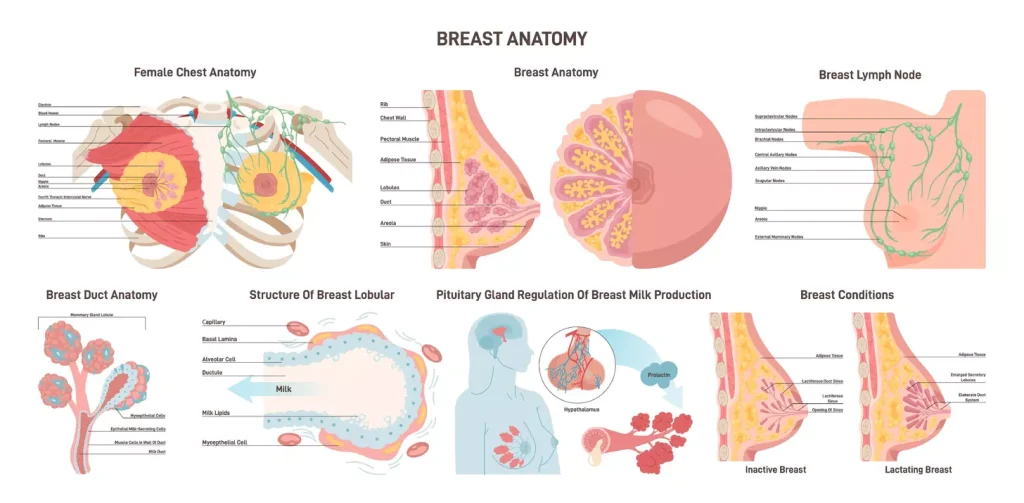
Many patients worry about breast lumps. Most of these lumps are not cancerous. It’s important to know the difference between benign and malignant lumps for the right treatment.
The Prevalence of Breast Lumps in Women
Breast lumps are common in women. About 90% of women develop lumps from benign fibrocystic breast changes at some point. These changes often happen due to hormonal changes during the menstrual cycle.
Distinguishing Between Benign and Malignant Masses
It’s key to tell benign from malignant lumps. Benign lumps are soft, mobile, and painless, but some can be tender. Malignant lumps are hard, irregular, and fixed to the surrounding tissue. Only a doctor’s exam and tests can confirm a lump’s nature.
The 80% Rule: Most Breast Lumps Are Non-Cancerous
The “80% rule” says most breast lumps are benign. This rule helps ease worries about breast lumps. But, don’t rely only on this rule. The remaining 20% could be cancerous. So, any new or changing lump should be checked by a doctor.
Types of Benign Breast Conditions
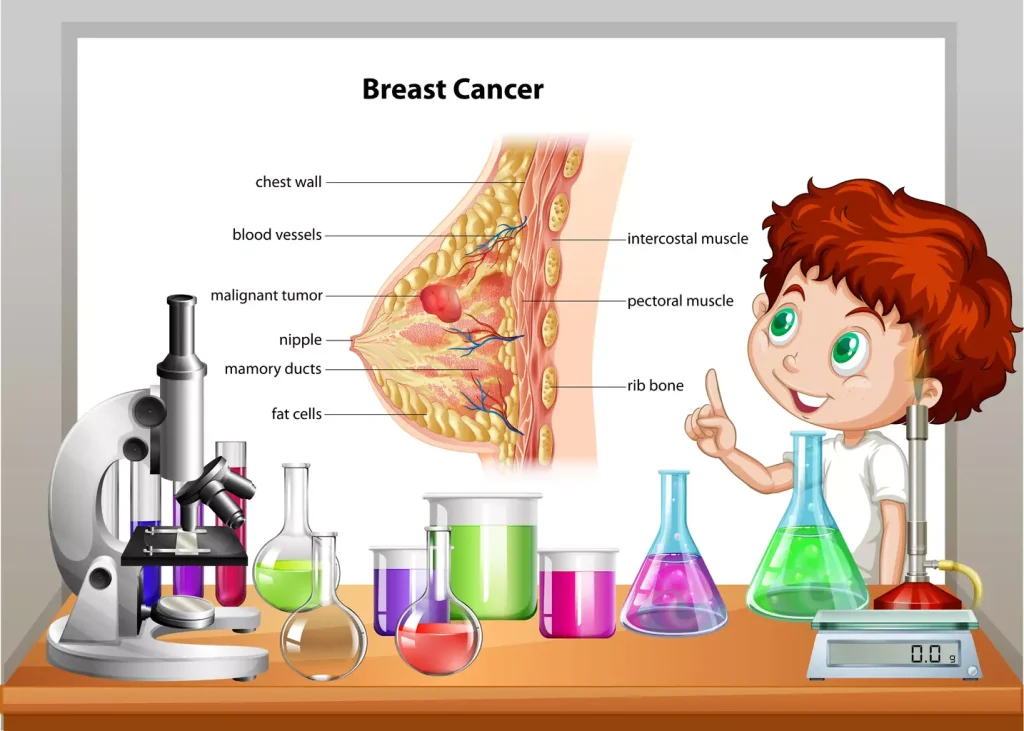
The breast can face several benign conditions, each with its own traits. Knowing these conditions helps us understand their risks and how to handle them.
Fibroadenomas: Common in Young Women
Fibroadenomas are common benign tumors in young women. They are usually painless, firm, and can move around. We often find them during exams or scans.
These tumors are non-cancerous and rarely lead to breast cancer. But, it’s important to watch them for any changes.
Breast Cysts: Fluid-Filled Sacs
Breast cysts are fluid-filled sacs in the breast. Simple cysts are benign and common, while complex cysts may need more checks.
Most breast cysts are benign and can be treated without surgery. Sometimes, we drain them to ease symptoms.
Phyllodes Tumors: Rare but Concerning
Phyllodes tumors are rare benign tumors that grow fast. They are usually benign but can turn malignant. Surgery is often needed because of their growth and the challenge in telling them apart from cancer.
Fibrocystic Changes and Breast Nodules
Fibrocystic changes are common benign conditions in the breast. They include lumps, cysts, and pain, often linked to hormones. Breast nodules can be part of these changes or occur alone.
For more info on benign breast conditions, check out Susan G. Komen’s resource on benign breast.
| Condition | Characteristics | Cancer Risk |
|---|---|---|
| Fibroadenoma | Painless, firm, mobile | Low |
| Breast Cysts | Fluid-filled sacs | Low to Moderate |
| Phyllodes Tumors | Rapidly growing, rare | Moderate to High |
| Fibrocystic Changes | Lumps, cysts, pain | Low |
Can a Benign Mass Become Cancerous?
We look into whether benign breast masses can turn into cancer. We also explore what makes this happen. Knowing this helps us understand the risks of benign breast masses.
The Process of Malignant Transformation
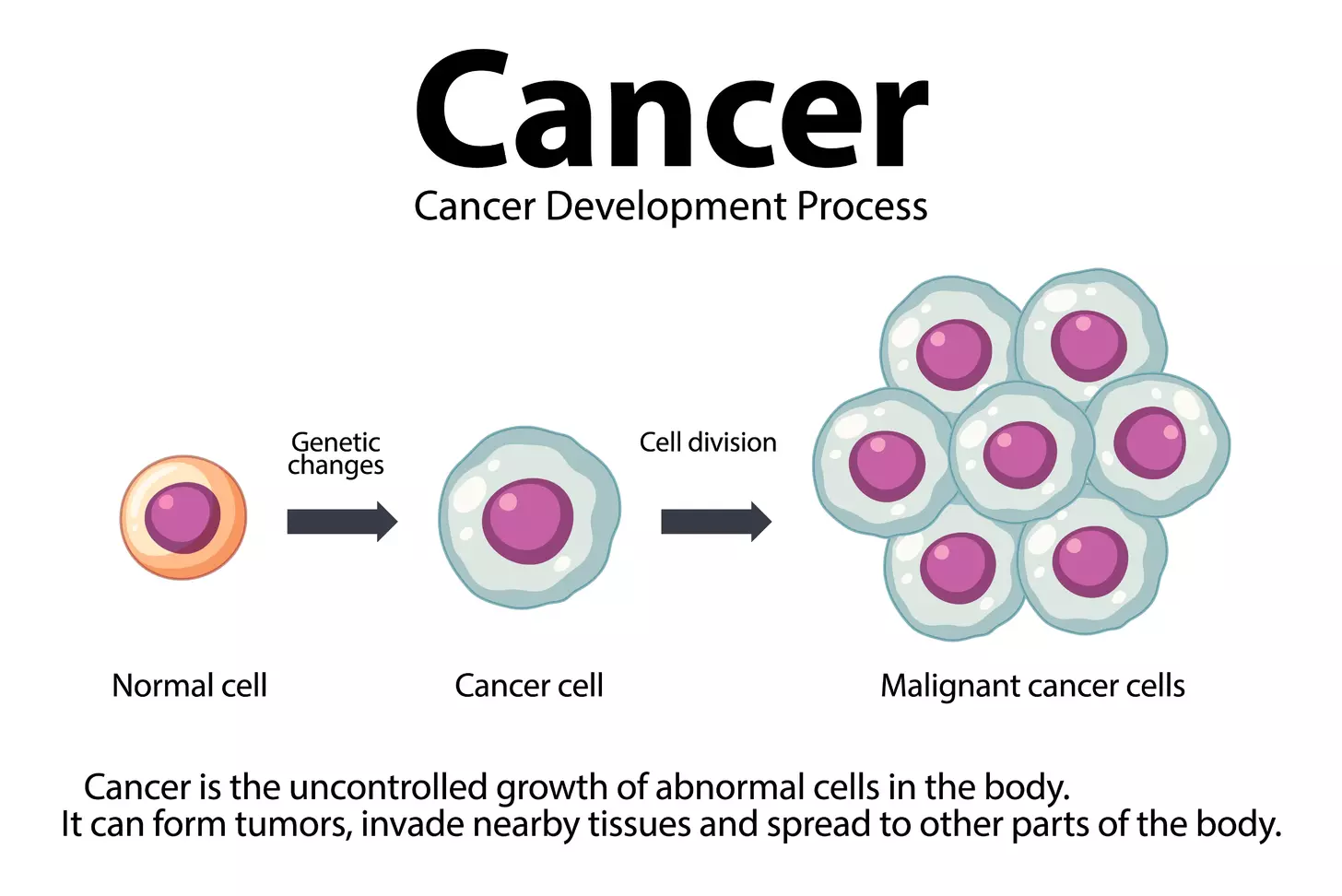
Malignant transformation is when normal or benign cells start acting like cancer cells. This involves many genetic and epigenetic changes.
Genetic mutations are key in this change. These can come from many sources, like the environment and family history.
Genetic Mutations and Their Role
Genetic mutations are changes in DNA. In breast cancer, some mutations raise the risk of turning malignant.
For example, BRCA1 and BRCA2 gene mutations increase breast cancer risk. These genes help fix DNA damage, and mutations can cause more damage.
Proliferative Tissue Changes and Cancer Risk
Proliferative tissue changes mean more cell division in breast tissue. These changes can raise the risk of breast cancer.
| Condition | Cancer Risk |
|---|---|
| Usual Ductal Hyperplasia | Minimally increased |
| Atypical Ductal Hyperplasia | Moderately increased |
| Ductal Carcinoma In Situ | Significantly increased |
Rarity of Transformation in Most Benign Conditions
Most benign breast conditions rarely turn into cancer. Simple fibroadenomas and cysts usually don’t increase cancer risk.
But, some complex or atypical benign conditions might have a higher risk. It’s important to monitor and manage these cases properly.
Risk Factors for Malignant Transformation
It’s important to know what can turn a benign breast mass into cancer. We’ll look at the factors that raise this risk. This knowledge helps in early detection and managing the condition effectively.
Family History and Genetic Predisposition
A family history of breast cancer is a big risk factor. Women with a first-degree relative (mother, sister, or daughter) diagnosed with breast cancer are at higher risk. Genetic predisposition, like mutations in BRCA1 and BRCA2 genes, also plays a key role. These mutations can greatly increase the risk of breast cancer.
Genetic testing can find these mutations. This allows for early intervention and monitoring. Women with a family history of breast cancer should talk to their healthcare provider about their risk.
Previous Breast Conditions with Atypical Cells
Having had breast conditions with atypical cells, like atypical ductal hyperplasia (ADH) or atypical lobular hyperplasia (ALH), raises the risk. These conditions have abnormal cell growth that’s not yet cancer but could become it.
Women with atypical hyperplasia need close monitoring. Their healthcare providers might suggest more frequent screenings or preventive measures.
Age and Hormonal Factors
Age is a big risk factor for breast cancer. The risk goes up after 50. Hormonal factors, like hormone replacement therapy (HRT) and certain hormonal contraceptives, also affect the risk.
We suggest women talk to their healthcare providers about the risks and benefits of HRT and hormonal contraceptives. This is important if they have other risk factors for breast cancer.
Environmental and Lifestyle Influences
Environmental and lifestyle factors, like diet, physical activity, and exposure to certain chemicals, can also impact breast cancer risk. A diet full of processed foods and lacking in fruits and vegetables, a sedentary lifestyle, and exposure to endocrine disruptors may increase the risk.
Choosing a healthy lifestyle can help reduce breast cancer risk. This includes eating a balanced diet, staying active, and avoiding harmful chemicals.
How Fast Can Breast Lumps Appear and Grow?
It’s important to know how fast breast lumps can show up. This helps spot any serious problems early. Lumps can grow at different speeds, depending on things like hormones, injury, and health issues.
Normal Growth Patterns in Benign Conditions
Benign lumps, like fibroadenomas and cysts, grow in certain ways. Fibroadenomas, common in young women, grow slowly. But, cysts can change size fast because of hormones.
Benign lumps usually grow in a way we can track. For example, fibroadenomas grow slowly, while cysts can change size a lot.
Concerning Growth Patterns That Suggest Malignancy
Malignant lumps grow fast or have odd shapes. These signs mean you need to see a doctor right away.
Watch for lumps that grow quickly, are hard, or don’t move. Also, look out for symptoms like nipple discharge or skin changes.
Hormonal Influences on Breast Tissue Growth
Hormones can make breast tissue change, leading to new lumps or changes in old ones. For example, some women get more cysts during their period because of hormone changes.
Knowing how hormones affect breast tissue helps in keeping an eye on your health. Be aware of any changes linked to your menstrual cycle or menopause.
Impact of Trauma and Infection on Lump Formation
Getting hurt in the breast can sometimes cause a lump, but it’s rare. Infection can also make lumps, along with pain, redness, and swelling.
If a new lump shows up after an injury or you think you have an infection, see a doctor. These need proper care to avoid serious problems.
| Factor | Influence on Breast Lump Growth |
|---|---|
| Hormonal Changes | Can cause fluctuations in size, particular in cysts |
| Trauma | Rarely causes lump formation, but may lead to fat necrosis |
| Infection | Can cause lump formation, often with pain and inflammation |
| Benign Conditions | Typically grow slowly, such as fibroadenomas |
Fibroadenomas: Understanding Their Cancer Risk
Fibroadenomas are common in young women and are usually not cancerous. But, some features can change their risk. It’s important to understand this.
Typical Characteristics of Simple Fibroadenomas
Simple fibroadenomas are the most common type. They are benign and usually well-defined. They are also mobile and painless.
These tumors are made of glandular and fibrous tissues. Their size can vary. Simple fibroadenomas are not linked to a higher risk of breast cancer.
Complex Fibroadenomas and Increased Cancer Risk
Complex fibroadenomas have features that may raise cancer risk. These include cysts over 3 mm, sclerosing adenosis, and more. Research shows they have a slightly higher risk of breast cancer than simple ones.
Talking to a healthcare provider about complex fibroadenomas is important.
Documented Cases of Carcinoma Within Fibroadenomas
Though rare, carcinoma can develop in fibroadenomas. The chance is very low. But, knowing this is key.
Monitoring and Management Approaches
Managing fibroadenomas means regular checks and sometimes surgery. It’s vital to see a healthcare provider often. This helps track the size and type of fibroadenomas.
For complex or suspicious fibroadenomas, more tests might be needed.
In summary, fibroadenomas are mostly harmless but knowing their risk is key. By staying informed and working with healthcare providers, you can manage your fibroadenomas well.
Breast Cysts and Their Relationship to Cancer
Breast cysts are usually not cancerous but can make people worry about cancer. We will look at the different kinds of breast cysts, what they are like, and how risky they are.
Simple vs. Complex Cysts: Understanding the Difference
Breast cysts are divided into simple and complex types. Simple cysts are harmless, fluid-filled sacs. They are not linked to a higher cancer risk.
Complex cysts might have solid parts or other signs that need more checking.
When Cysts Raise Concern: Red Flags
Some breast cysts can make doctors worry and need more tests. This includes cysts that are complex, have solid parts, or show other odd signs on scans. For more on breast cancer signs, check out Liv Hospital’s guide on seven warning signs of breast.
The Extremely Rare Occurrence of Malignant Transformation
It’s very rare for a benign breast cyst to turn into cancer. But, it’s important to watch for any changes in the cysts and tell a doctor.
Follow-up Recommendations for Different Types of Cysts
How often to check on breast cysts depends on their type. Simple cysts usually don’t need follow-up unless they cause problems. Complex cysts might need more tests, like a biopsy.
| Characteristics | Simple Cysts | Complex Cysts |
|---|---|---|
| Composition | Fluid-filled | May contain solid components |
| Cancer Risk | Not associated with increased cancer risk | May be associated with increased cancer risk |
| Follow-up | Typically no follow-up needed unless symptomatic | Further evaluation recommended, potentially including biopsy |
Warning Signs That a Breast Lump May Be Cancerous
It’s important to know the signs of a possibly cancerous breast lump. This knowledge helps in catching problems early. We’ll look at these signs to help you know when to see a doctor.
Physical Characteristics of Concerning Lumps
Some breast lumps might look different and could be cancer. Look out for:
- A hard or firm texture
- An irregular or jagged shape
- Attachment to surrounding tissue
- A lump that is fixed in place and does not move
Only a doctor can really tell if a lump is concerning through a check-up.
Associated Symptoms That Suggest Malignancy
Some symptoms with a lump might mean it’s cancer. Watch for:
- Nipple discharge, specially if it’s spontaneous, one-sided, or bloody
- Changes in the nipple, like inversion or retraction
- Skin changes over the lump, like redness, dimpling, or thickening
- Swollen lymph nodes in the underarm or around the collarbone
These signs don’t always mean cancer, but they need a doctor’s check.
Changes in Existing Lumps That Warrant Immediate Attention
If you already have a breast lump, watch for changes. Any of these should get you to the doctor fast:
- An increase in size
- A change in texture or consistency
- New symptoms such as pain or nipple discharge
- Changes in the surrounding breast tissue
| Change | Potential Concern |
|---|---|
| Increase in lump size | Possible malignancy or rapid growth |
| Change in lump texture | Potential malignant transformation |
| New pain or discomfort | May indicate growth or inflammation |
| Nipple discharge or changes | Could be associated with underlying malignancy |
Keep an eye on your lumps and tell your doctor about any changes. This is key for catching problems early.
Diagnostic Approaches for Evaluating Breast Lumps
To figure out if breast lumps are benign or malignant, a detailed diagnostic approach is needed. Accurate diagnosis is key to understanding the nature of the lumps and choosing the right treatment.
Clinical Breast Examination Techniques
A clinical breast examination (CBE) is a first step in checking breast lumps. A healthcare provider thoroughly examines the breasts for any oddities. They look for lumps, size or shape changes, or nipple discharge.
The CBE involves both looking and feeling. The provider checks the breasts for any visual signs of trouble. Then, they feel the breasts to find any lumps or tenderness.
Imaging Tests for Breast Evaluation
Imaging tests are essential for diagnosing breast lumps. Mammography and ultrasound are the most common tests used.
- Mammography: This X-ray imaging is made for breast tissue. It’s great for finding small issues that can’t be felt. Mammography can spot breast cancer early, often before symptoms show.
- Ultrasound: Ultrasound uses sound waves to create images of the breast. It’s good for telling solid from cystic masses. It also helps guide biopsy needles.
Biopsy Procedures: The Gold Standard for Diagnosis
Biopsy procedures are the top choice for diagnosing breast lumps. A biopsy takes a tissue or cell sample from the lump for microscopic examination.
- Fine-needle aspiration biopsy: This uses a thin needle to suck out cells from the lump.
- Core needle biopsy: This method uses a bigger needle to take a tissue core, giving more tissue for study.
- Surgical biopsy: Sometimes, a surgical biopsy is needed. This involves removing a bigger part of the lump for study.
Biopsy results give clear information about the lump’s nature. They help tell if it’s benign or malignant, guiding further treatment.
Management and Monitoring of Benign Breast Conditions
Benign breast conditions are not cancerous but need careful watching. This ensures breast health. Good management can ease worries, lower complication risks, and boost overall health.
Observation and Follow-up Protocols
Watching and following up on benign breast conditions is key. Regular visits and imaging tests track breast lump size and type. This helps spot any changes early.
Key components of observation protocols include:
- Regular clinical breast examinations
- Imaging tests such as ultrasound or mammography
- Patient education on self-examination techniques
Surgical Options for Concerning Benign Masses
Surgery might be needed for certain benign breast masses. It can give a clear diagnosis and ease symptoms.
The decision to proceed with surgery is typically based on:
- The size and location of the lump
- Patient preference and anxiety levels
- Clinical judgment regarding the risk of malignancy
Lifestyle Modifications to Promote Breast Health
Changing your lifestyle can help manage benign breast conditions. This includes diet, exercise, and avoiding harmful environmental factors.
Recommended lifestyle changes include:
- Maintaining a healthy weight
- Eating a balanced diet rich in fruits and vegetables
- Limiting alcohol consumption
Psychological Aspects of Living with Breast Lumps
Having benign breast lumps can affect your mind, causing anxiety and fear of cancer. It’s important to address these feelings through education, support, and counseling.
Conclusion: Maintaining Breast Health and When to Seek Help
Keeping your breasts healthy is key to your overall well-being. Knowing when to get help for breast lumps is important. Regular self-exams and staying aware of your breast health can spot problems early.
Being proactive about breast health is vital. Knowing the difference between benign and malignant lumps helps you make smart health choices. Tips for breast health include watching for changes in your breast tissue. Also, understand the normal changes that happen during your menstrual cycle. And know when a lump or change needs a doctor’s attention.
Wondering when to get help for breast lumps is common. If you find a new lump or notice changes in an existing one, see a doctor. Early detection and diagnosis are key to solving problems.
By staying informed and alert, you can manage your breast health. We urge everyone to make regular check-ups and screenings a part of their health routine.
Can a benign breast lump become cancerous?
Most benign breast lumps are not cancerous. But, some can turn into cancer. We’ll look at the risk factors and signs that might lead to this.
How fast can a breast lump appear?
Lumps can grow quickly or slowly, depending on the cause. Hormonal changes can cause fast growth. Fibroadenomas grow slower over time.
Can fibroadenomas turn into cancer?
Simple fibroadenomas rarely turn into cancer. But, complex ones might have a higher risk. We’ll explore the differences and risks.
Can breast cysts become cancerous?
Simple cysts are usually not cancerous. But, complex cysts might need more checks because of cancer risk.
What are the warning signs that a breast lump may be cancerous?
Signs include hard or irregular shape, pain, and changes in size. Also, look out for nipple discharge or skin changes.
How are breast lumps diagnosed?
Doctors use exams, mammograms, and ultrasounds. Biopsies help figure out what the lump is.
Can a benign tumor turn into cancer?
Yes, but it’s rare. The chance depends on the tumor type and your risk factors.
What are the risk factors for malignant transformation of benign breast masses?
Risk factors include family history, genetics, age, and hormones. Lifestyle and environment also play a part.
How are benign breast conditions managed and monitored?
Doctors watch them closely and might need surgery. Lifestyle changes and support are also key.
Can a cyst in the breast turn into cancer?
Simple cysts are usually safe. But, complex ones might need more checks for cancer risk.
Do fibroadenomas become cancerous?
Simple ones are rarely cancerous. Complex ones might have a small chance, but it’s rare.
Can a benign mass become cancerous?
Most benign masses don’t turn cancerous. But, some can. We’ll talk about the risks and signs.
Are breast nodules and cancer related?
Yes, some nodules are cancerous. Most are not, but it’s important to check. We’ll look at the differences.
Can benign tissue transform into cancerous tissue?
It’s rare, but yes. The chance depends on your risk factors and the type of tissue.