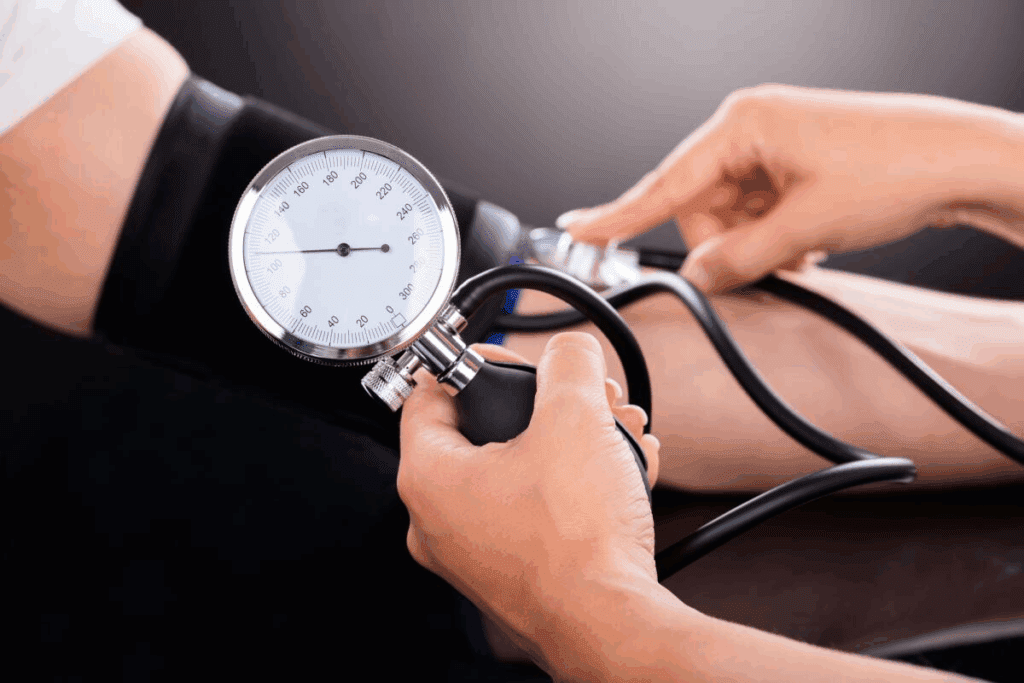
Feeling palpitations or trouble breathing with elevated blood pressure can worry you.can high blood pressure cause palpitationsCan Cortisone Injections Cause Hot Flashes? At Liv Hospital, we focus on linking heart and lung health. Our care is designed to help you understand these connections.
High blood pressure can mess with the heart’s electrical system. It can also make the heart work harder, leading to palpitations and breathing issues. Pulmonary hypertension adds to this problem by affecting lung arteries and the heart’s right side.
It’s key to know how hypertension impacts the heart and lungs. This knowledge helps in managing and treating these issues. We aim to offer top-notch healthcare and support for patients from around the world.
Key Takeaways
- Hypertension can increase the risk of palpitations and breathing problems.
- Pulmonary hypertension affects the arteries in the lungs and the right side of the heart.
- Understanding the link between hypertension and cardiovascular health is critical for effective management.
- Liv Hospital provides expert, patient-centered care for international patients.
- Comprehensive support is available for managing hypertension and related conditions.
The Connection Between Blood Pressure and Cardiovascular Health

It’s important to know how blood pressure affects our heart health. Blood pressure is the force blood pushes against artery walls. It shows how well our heart and blood vessels are working.
Understanding Normal Blood Pressure Values
Normal blood pressure is when the top number is under 120 and the bottom number is under 80. If these numbers are higher, it might mean you have prehypertension or hypertension. These conditions need attention to avoid heart problems.
How Hypertension Affects the Heart and Blood Vessels
Hypertension makes the heart work too hard. This can make the heart muscle thick, which is bad for the heart. It can also damage blood vessels, making them more likely to get blocked or burst.
The Cardiovascular System Under Pressure
The heart, blood vessels, and blood work together to keep us alive. When blood pressure is too high, they have to work even harder. This can lead to serious heart issues like heart disease and stroke.
Knowing how blood pressure affects our heart health helps us take care of it. We can manage our blood pressure to lower the risk of heart problems.
Can High Blood Pressure Cause Palpitations?

It’s important to know how high blood pressure affects the heart. High blood pressure, or hypertension, can cause heart problems like palpitations. We’ll look into how hypertension and palpitations are connected.
Defining Heart Palpitations
Palpitations are when your heart beats irregularly or feels forceful. You might feel it in your chest, throat, or neck. They can happen for many reasons, like stress, caffeine, or heart issues. Palpitations can be unsettling, but they’re not always a cause for concern. But, if you have high blood pressure and palpitations, it might mean you need to see a doctor.
Mechanisms Linking Hypertension to Irregular Heartbeats
Hypertension can change the heart’s structure and function. This can lead to irregular heartbeats or palpitations. The heart has to work harder, which can make the heart muscle thicker. This is called left ventricular hypertrophy.
This condition can mess with the heart’s electrical activity. This can cause irregular heartbeats.
Common Types of Palpitations in Hypertensive Patients
People with high blood pressure might feel different types of palpitations. These can include:
- Premature atrial contractions (PACs)
- Premature ventricular contractions (PVCs)
- Atrial fibrillation
These irregular heartbeats are linked to the heart changes caused by hypertension. Knowing the type of palpitation is key to finding the right treatment.
We’ll keep looking into how hypertension and palpitations are connected. We’ll also talk about how to diagnose and treat them in the next sections.
Atrial Fibrillation and Other Arrhythmias Related to Hypertension
High blood pressure is linked to heart rhythm problems, like atrial fibrillation. This can harm your heart’s health.
How High Blood Pressure Contributes to Atrial Fibrillation
Atrial fibrillation makes your heart beat fast and irregularly. High blood pressure increases this risk. It puts extra pressure on the heart, changing its shape and how it works.
Key factors linking hypertension to atrial fibrillation include:
- Left atrial enlargement due to increased pressure
- Changes in the heart’s electrical pathways
- Inflammation and fibrosis in the heart tissue
Ventricular Arrhythmias in Hypertensive Patients
Ventricular arrhythmias start in the heart’s ventricles and can be deadly. High blood pressure makes the left ventricle thick and changes how the heart beats.
Recognizing the signs of ventricular arrhythmias is key:
- Palpitations or irregular heartbeats
- Dizziness or lightheadedness
- Chest pain or discomfort
Recognizing Dangerous vs. Benign Palpitations
Not all palpitations are serious. But, it’s important to tell the difference between harmless and dangerous ones. Dangerous palpitations often mean there’s a heart problem, like arrhythmias caused by high blood pressure.
Symptoms indicating potentially dangerous palpitations include:
- Persistent or recurring palpitations
- Palpitations with chest pain or shortness of breath
- Dizziness or fainting spells
Respiratory Complications of Hypertension
Unmanaged hypertension often leads to respiratory problems. High blood pressure can harm the lungs, causing several issues.
The Heart-Lung Connection
The heart and lungs work together closely. High blood pressure can upset this balance. It makes the heart work harder, affecting lung function.
The Mechanism: High pressure can cause fluid to build up in the lungs. This makes it hard for the lungs to expand and contract.
Shortness of Breath as a Symptom of High Blood Pressure
People with hypertension often feel short of breath. This is more noticeable when they’re active.
Shortness of breath in hypertensive patients usually stems from the heart’s struggle to pump blood. This struggle can cause fluid to build up in the lungs.
High BP and Breathlessness: Understanding the Mechanism
Breathlessness in hypertensive patients comes from complex changes. High blood pressure can make the heart’s left ventricle muscle thicker.
This thickening can make it hard for the heart to relax and fill with blood. This can lead to fluid buildup in the lungs and shortness of breath.
| Condition | Effect on Breathing | Common Symptoms |
| Pulmonary Congestion | Reduced lung expansion | Dyspnea, Orthopnea |
| Left Ventricular Hypertrophy | Impaired diastolic function | Shortness of breath, Fatigue |
| Hypertension | Increased cardiac workload | Breathlessness, Chest pain |
It’s important to understand these mechanisms to manage respiratory issues in hypertension patients. Healthcare providers can then offer specific treatments to help symptoms and improve life quality.
Pulmonary Hypertension: When Pressure Affects the Lungs
Pulmonary hypertension is a condition where blood pressure in the lungs’ arteries is too high. This puts strain on the heart’s right side, leading to serious issues.
Defining Pulmonary Hypertension
Pulmonary hypertension means high blood pressure in the arteries that carry blood to the lungs. These arteries are key for oxygenating the blood. Normally, this pressure is around 14 mmHg when you’re resting. But in pulmonary hypertension, it’s often over 20 mmHg at rest or 30 mmHg when you exercise.
Elevated Pulmonary Artery Pressure: Causes and Effects
Many things can cause pulmonary hypertension, like heart disease or lung conditions like COPD. The high pressure can make the right side of the heart thick. This can lead to right heart failure if not treated.
The condition also affects the lungs and blood vessels. Symptoms include shortness of breath, fatigue, and chest pain. These symptoms can really lower your quality of life.
Differences Between Systemic and Pulmonary Hypertension
Systemic and pulmonary hypertension are different because they affect different parts of the body. Systemic hypertension is high blood pressure in arteries that supply the body. Pulmonary hypertension is high blood pressure in the arteries that go to the lungs.
Knowing the difference is key for proper treatment. Medications for one might not work for the other. A doctor needs to evaluate you to find the right treatment.
Recognizing Symptoms: When to Be Concerned
Knowing the signs of high blood pressure is key to getting help quickly. We’ll look at the warning signs that show high blood pressure might be causing problems.
Warning Signs of High Blood Pressure and Heart Palpitations
High blood pressure can show itself in many ways. Heart palpitations are one sign, feeling like your heart is beating irregularly. Other signs include:
- Chest pain or discomfort, which can be a sign of cardiac complications.
- Dizziness or lightheadedness, potentially indicating reduced blood flow to the brain.
- Shortness of breath, which can signal that the heart is not pumping efficiently.
These symptoms can be scary and need medical help if they happen a lot or are very bad.
Breathing Problems Associated with Hypertension
Breathing troubles can be a problem with high blood pressure, leading to heart failure or pulmonary hypertension. Watch for these symptoms:
- Orthopnea: Shortness of breath when lying down.
- Paroxysmal nocturnal dyspnea: Waking up with shortness of breath.
- Exertional dyspnea: Shortness of breath during physical activity.
These signs mean the heart is having trouble meeting the body’s needs, possibly because of high blood pressure.
Differentiating Between Cardiac and Pulmonary Symptoms
It’s important to tell the difference between heart and lung problems. Both can cause shortness of breath, but they need different treatments.
Heart problems usually mean the heart can’t pump blood well. Lung problems, like COPD, affect the lungs themselves.
Knowing the difference helps manage high blood pressure better. If you’re feeling these symptoms, see a doctor for the right diagnosis and treatment.
Diagnostic Approaches for Hypertension-Related Palpitations and Breathing Issues
To diagnose hypertension-related palpitations and breathing issues, a detailed approach is needed. This includes various medical tests and evaluations. Accurate diagnosis is key to managing these complications well.
Essential Medical Tests and Evaluations
Several medical tests are key for patients with these issues. These include:
- Electrocardiogram (ECG) to check heart rhythm and find arrhythmias
- Echocardiogram to look at heart structure and function
- Stress test to see how the heart works under stress
- Blood tests to find conditions like anemia or thyroid disorders
The American Heart Association says, “An electrocardiogram (ECG) is a key test for finding heart rhythm problems. These can show signs of heart disease.”
Monitoring Blood Pressure and Heart Rhythm
It’s important to keep an eye on blood pressure and heart rhythm. This can be done through:
| Monitoring Method | Description | Benefits |
| Ambulatory Blood Pressure Monitoring (ABPM) | Measures blood pressure over 24 hours | Gives a full view of blood pressure patterns |
| Holter Monitoring | Records heart rhythm for 24-48 hours | Finds arrhythmias and palpitations that happen sometimes |
Assessing Pulmonary Function in Hypertensive Patients
Checking how well the lungs work is very important for patients with hypertension. Tests like spirometry and lung volume measurements help find breathing problems.
In summary, a detailed diagnostic approach is vital for managing hypertension-related palpitations and breathing issues. By using a variety of medical tests and evaluations, doctors can accurately diagnose and treat these problems.
Treatment Strategies for Managing Symptoms
Effective treatment strategies are key to controlling hypertension-related symptoms. These include palpitations and breathing problems. Managing these symptoms is vital for improving patients’ quality of life.
Medications for Controlling High Blood Pressure
Medications are essential in managing high blood pressure. Beta-blockers and anti-arrhythmic drugs are often used. They help by reducing heart rate and the force of heart contractions, lowering blood pressure.
We often suggest a mix of medications for the best blood pressure control. This might include diuretics, ACE inhibitors, or calcium channel blockers, based on the patient’s needs and history.
Addressing Arrhythmias and Palpitations
For arrhythmias and palpitations, anti-arrhythmic medications are very effective. These drugs help keep the heart’s rhythm regular, reducing irregular heartbeats.
In some cases, procedures like cardioversion or ablation may be needed. These are considered when medication alone can’t control symptoms.
Therapies for Pulmonary Hypertension (PHTN)
Pulmonary hypertension needs special treatment. Vasodilators and phosphodiesterase-5 inhibitors are used to manage it. These therapies relax lung blood vessels, improving blood flow and reducing pressure.
We also recommend lifestyle changes and oxygen therapy for PHTN treatment.
Integrated Approaches for Cardiopulmonary Symptoms
Managing cardiopulmonary symptoms often requires a mix of treatments. Cardiac rehabilitation programs are helpful. They offer exercise, education, and support.
By using a holistic treatment approach, we can help patients with hypertension and related symptoms. This leads to better health outcomes and a better quality of life.
Lifestyle Modifications to Improve Cardiovascular and Respiratory Health
Improving heart and lung health needs a few changes in our daily life. Making smart choices in our habits can lower the risk of heart problems. This is true for those with high blood pressure and its symptoms.
Dietary Approaches to Reduce Hypertension
Eating right is key to managing high blood pressure. Eat more fruits, veggies, and whole grains to help lower blood pressure. The DASH diet, full of potassium, calcium, and fiber, is very effective.
- Reduce sodium intake to less than 2,300 mg per day.
- Increase potassium-rich foods like bananas, leafy greens, and sweet potatoes.
- Choose whole grains over refined grains.
A study in the Journal of the American Heart Association found the DASH diet lowers blood pressure. It also improves heart health.
“A healthy diet is a cornerstone of cardiovascular health. By making informed food choices, individuals can significantly reduce their risk of heart disease.”
Exercise Recommendations for Patients with High Blood Pressure
Staying active is vital for heart health. Aim for 150 minutes of moderate exercise, or 75 minutes of vigorous exercise, or a mix of both, each week.
- Engage in brisk walking, cycling, or swimming.
- Incorporate strength training exercises at least twice a week.
- Increase daily physical activity by taking the stairs or walking to work.
Stress Management Techniques
Too much stress can make high blood pressure worse. Try stress-reducing activities like meditation, deep breathing, or yoga.
- Engage in mindfulness meditation for at least 10 minutes daily.
- Practice deep breathing exercises.
- Participate in yoga or tai chi classes.
Sleep Quality and Its Impact on Blood Pressure
Good sleep is essential for heart health. Get 7-8 hours of sleep each night to help control blood pressure and lower health risks.
| Sleep Duration | Impact on Blood Pressure |
| Less than 6 hours | Increased risk of hypertension |
| 7-8 hours | Optimal for blood pressure regulation |
| More than 9 hours | Potential risk of cardiovascular disease |
By making these lifestyle changes, people can greatly improve their heart and lung health. This reduces the risk of heart problems linked to high blood pressure.
Conclusion: Managing the Dual Challenges of Palpitations and Breathing Problems
Managing palpitations and breathing problems needs a full approach. This includes looking at both heart and lung health. High blood pressure can cause these issues, affecting both areas deeply.
Knowing the causes and using the right treatments can greatly improve life quality. Changes in diet and exercise are key. So are medical steps to control blood pressure and manage heart rhythm problems.
It’s vital to have care that combines heart and lung specialists. This way, people can better handle palpitations and breathing issues. With the right care, they can see big improvements in their health.
FAQ
What is the connection between high blood pressure and heart palpitations?
High blood pressure can strain the heart, causing irregular heartbeats. We’ll dive deeper into this connection.
Can high blood pressure cause breathing problems?
Yes, it can lead to breathing issues. This is true if it causes pulmonary hypertension or affects the heart’s pumping ability.
What is pulmonary hypertension, and how is it related to high blood pressure?
Pulmonary hypertension is high blood pressure in the pulmonary arteries. It’s a complication of systemic high blood pressure. We’ll look at the differences between the two.
How can I recognize the warning signs of high blood pressure and its associated symptoms?
Look out for heart palpitations, shortness of breath, and breathing troubles. We’ll help you tell apart cardiac and pulmonary symptoms.
What diagnostic approaches are used to evaluate hypertension-related palpitations and breathing issues?
Doctors use blood pressure monitoring, heart rhythm checks, and pulmonary function tests. We’ll explain why these are key.
What treatment strategies are available for managing hypertension-related symptoms?
Treatments include medications, lifestyle changes, and therapies. These aim to control blood pressure, address arrhythmias, and manage pulmonary hypertension.
What lifestyle changes can help improve cardiovascular and respiratory health?
Eating right, exercising, managing stress, and getting enough sleep are all beneficial. They help manage high blood pressure and related symptoms.
Can atrial fibrillation be related to high blood pressure?
Yes, high blood pressure increases the risk of atrial fibrillation. We’ll explore this connection further.
How does high blood pressure affect the heart and blood vessels?
Hypertension can change the heart’s structure and function. It can also damage blood vessels, raising the risk of heart problems.
What is the role of medications in controlling high blood pressure and addressing arrhythmias?
Medications are key in managing hypertension and symptoms like arrhythmias and palpitations. We’ll discuss the various medications used.
References:
- Verma, A., & Calkins, H. (2013). Discerning the incidence of symptomatic and asymptomatic atrial fibrillation episodes: Implications for patient care. JAMA Internal Medicine, 173(2), 149–156. https://jamanetwork.com/journals/jamainternalmedicine/fullarticle/1485989



 Departments
 Related Videos
 Our Doctors
 News
News