
Gastric bypass surgery is a major weight loss procedure. It requires patients to meet certain medical criteria to qualify. Severe obesity is a key factor, with a BMI of 40 or higher needed. Or, a BMI of 35 to 39.9 with obesity-related health issues. learn how can i qualify for gastric bypass surgery
To become a candidate, individuals must go through a detailed evaluation. We will look at the qualification criteria, including BMI thresholds and weight-related health issues. This will help you understand what’s needed for gastric bypass surgery.
Key Takeaways
- Specific BMI thresholds are required to qualify for gastric bypass surgery.
- Obesity-related health conditions are considered in the evaluation process.
- A thorough evaluation is needed to determine eligibility.
- Gastric bypass surgery is for those with severe obesity.
- Weight-related health issues are a key factor in qualifying for the procedure.
Understanding Gastric Bypass Surgery

Gastric bypass surgery, also known as Roux-en-Y gastric bypass, is a weight loss surgery. It’s for people who are very overweight and haven’t lost weight with other methods.
What Is Gastric Bypass Surgery?
This surgery makes a small stomach pouch and changes the small intestine. It limits food intake and reduces calorie absorption. This leads to a lot of weight loss and better health.
How the Procedure Works
The surgery limits food intake and reduces nutrient absorption. It does this by making two stomach pouches and changing the small intestine’s path.
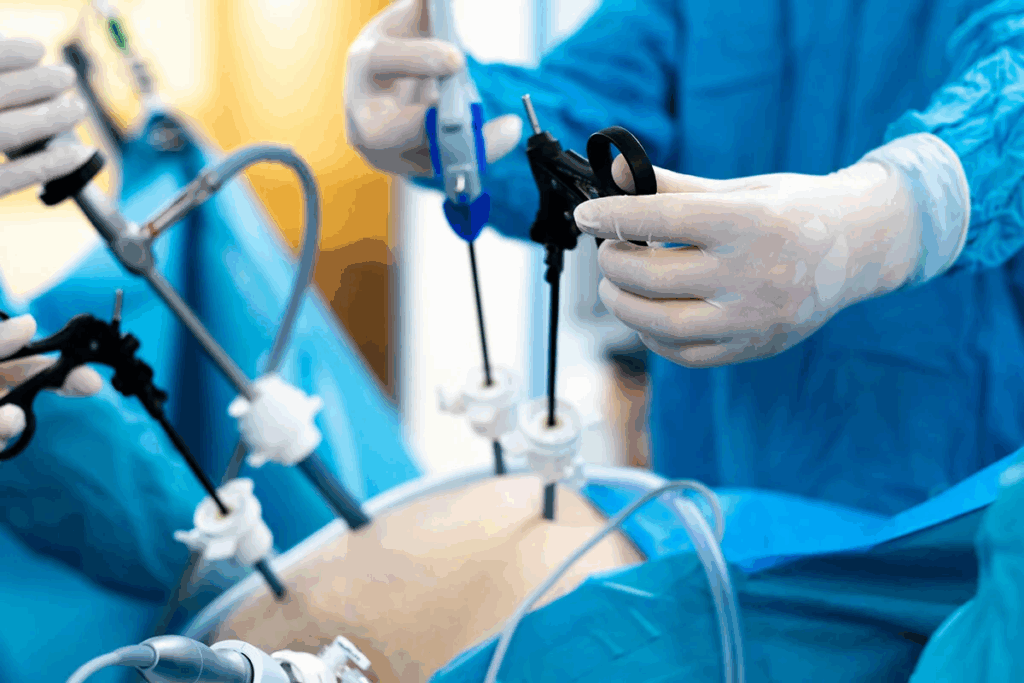
The surgery is done laparoscopically. This means small incisions and a camera guide the tools. It reduces recovery time and minimizes scarring.
Benefits and Potencial Risks
The surgery’s benefits include a lot of weight loss and better health. It can also improve quality of life. But, like any surgery, there are risks. These include infection, bleeding, and nutritional problems.
- Significant weight loss
- Improvement in obesity-related health conditions
- Enhanced overall quality of life
- Potential risks include infection, bleeding, and nutritional deficiencies
People thinking about gastric bypass surgery need to know the benefits and risks. This helps them make a good choice.
BMI Requirements for Gastric Bypass Surgery
The body mass index (BMI) is key in deciding if you’re right for gastric bypass surgery. It’s a simple way to check if your weight is healthy. To qualify for the surgery, you must meet certain BMI criteria.
BMI of 40 or Higher (Class III Obesity)
People with a BMI of 40 or more might be good candidates for gastric bypass surgery. This is known as Class III obesity, showing severe obesity. They face a higher risk of health problems linked to obesity and could greatly benefit from the surgery.
“Gastric bypass surgery can change lives, improving or fixing many health issues related to obesity,” says Medical Expert, a top bariatric surgeon. “For those with a BMI of 40 or more, it’s a big step towards a healthier life.”
BMI of 35-39.9 with Comorbidities (Class II Obesity)
Those with a BMI of 35 to 39.9 might qualify if they have obesity-related health problems. These can include type 2 diabetes, high blood pressure, and sleep apnea. These issues can really affect your life and health risks.
Patients in this group need to show proof of these health problems and how they’re impacting their life. Our team helps evaluate your health to see if you’re a good candidate for surgery.
How to Calculate Your BMI
Figuring out your BMI is easy. It’s your weight in kilograms divided by your height in meters squared (kg/m). For example, if you weigh 70 kg and are 1.75 meters tall, your BMI is 22.86 (70 kg / (1.75 m)).
- Measure your weight in kilograms.
- Measure your height in meters.
- Square your height (multiply it by itself).
- Divide your weight by the squared height.
Knowing your BMI is important to see if you qualify for gastric bypass surgery. If you’re thinking about this surgery, talk to a healthcare expert. They can check if you’re eligible and talk about the surgery’s benefits and risks.
Weight-Related Qualification Criteria
Being significantly overweight is a key factor in qualifying for gastric bypass surgery. To be considered eligible, patients must meet specific weight-related criteria. These criteria show the need for surgical intervention.
Being 100+ Pounds Over Ideal Body Weight
One of the primary weight-related criteria for gastric bypass surgery is being at least 100 pounds over your ideal body weight. This requirement ensures the surgery is for those who are significantly overweight. It also shows they have likely tried other weight loss methods without success.
For example, if your ideal body weight is 150 pounds, you would need to be at least 250 pounds to meet this criterion. Being this significantly overweight often indicates a higher level of obesity-related health risks. This makes surgical intervention a potentially beneficial option.
Determining Your Ideal Body Weight
Determining your ideal body weight is a key step in assessing your eligibility for gastric bypass surgery. Ideal body weight is calculated based on your height and gender. Healthcare professionals use formulas like the Devine formula or the Broca Index to estimate it.
For men, the Devine formula calculates ideal body weight as 50 kg (or 110 pounds) plus 0.9 kg (or 2 pounds) for every centimeter (or inch) over 152 cm (or 60 inches). For women, it’s 45.5 kg (or 100 pounds) plus 0.9 kg (or 2 pounds) for every centimeter (or inch) over 152 cm (or 60 inches). Your healthcare provider will assess your ideal body weight as part of your overall evaluation.
Documentation of Previous Weight Loss Attempts
Another critical requirement is the documentation of previous weight loss attempts. Patients are expected to have tried and failed at various weight loss methods before being considered for gastric bypass surgery. This documentation helps healthcare providers understand your weight loss history and the challenges you’ve faced.
Documentation should include details of diets, exercise programs, and any other weight loss interventions you’ve tried. This information is vital in demonstrating that surgical intervention is necessary. It shows you’ve taken steps to address your weight through other means.
By understanding these weight-related qualification criteria, you can better assess your eligibility for gastric bypass surgery. You can also prepare for the evaluation process.
Obesity-Related Health Conditions That Support Qualification
Some health issues linked to obesity can make you qualify for gastric bypass surgery. These problems show how serious obesity is. They also show how much weight loss surgery can help.
Type 2 Diabetes
Type 2 diabetes often goes with obesity. Gastric bypass surgery can make blood sugar control better. Sometimes, it can even make diabetes go away. This makes type 2 diabetes a reason to consider surgery.
Hypertension (High Blood Pressure)
Hypertension is common in obese people. Losing weight with surgery can lower blood pressure. This reduces heart disease risks. So, people with high blood pressure might get surgery as part of their treatment.
Sleep Apnea
Sleep apnea is a serious sleep problem linked to obesity. Losing weight with surgery can make sleep apnea less severe. Doctors often look at sleep apnea when deciding if someone can have surgery.
Heart Disease
Heart disease includes many problems that affect the heart. Being obese increases heart disease risk. Surgery can help by losing a lot of weight. This improves heart health.
The table below shows health issues that can make you qualify for gastric bypass surgery:
Health Condition | Impact of Gastric Bypass Surgery |
Type 2 Diabetes | Improves glycemic control, possible remission |
Hypertension | Reduces blood pressure, lowers heart disease risk |
Sleep Apnea | Lessens severity with weight loss |
Heart Disease | Boosts heart health with weight loss |
Knowing how these health issues can improve with surgery helps doctors. They can then decide if surgery is right for you. This leads to better treatment plans.
The Complete Medical Check-Up
Getting a complete medical check-up is key before you can have gastric bypass surgery. This detailed check is to see if you’re healthy enough for the surgery. It looks at your overall health and finds any risks.
Required Blood Tests and Lab Work
Blood tests and lab work are big parts of the check-up. They check your health by looking at things like blood sugar, liver function, and blood cell counts.
The tests you’ll likely have include:
- Complete Blood Count (CBC)
- Blood Chemistry Tests
- Lipid Profile
- Hemoglobin A1c (HbA1c)
Imaging Studies (X-rays, Ultrasounds, etc.)
Imaging studies give us important info about your inside health. For gastric bypass, we might need X-rays, ultrasounds, or other tests to see your abdominal organs.
Cardiac and Pulmonary Assessments
Checking your heart and lungs is very important before surgery. These tests might include ECGs, stress tests, and lung function tests.
Assessment Type | Purpose |
Electrocardiogram (ECG) | To assess heart function |
Stress Test | To evaluate heart performance under stress |
Pulmonary Function Test | To assess lung capacity and function |
Gastrointestinal Evaluations
Checking your digestive system is also important. This might include endoscopy, colonoscopy, or other tests to find any problems.
With these detailed checks, we can make sure you’re ready for gastric bypass surgery. This helps lower any risks.
Psychological Evaluation Requirements
A detailed psychological assessment is key to check if patients are ready for gastric bypass surgery. This step is vital in the qualification process. It helps us see if the patient is mentally fit, ready for big lifestyle changes, and free from eating disorders or substance abuse.
Mental Health Assessment
We do a deep mental health assessment as part of the evaluation. This checks for any mental health issues that might affect surgery and recovery. We look at the patient’s mental health history, current state, and any past treatments.
Evaluating Readiness for Lifestyle Changes
Gastric bypass surgery means big lifestyle changes. Our evaluation checks if the patient is ready for these changes. We make sure they understand how surgery will change their daily life. We guide them on necessary lifestyle modifications, like diet and exercise.
Addressing Eating Disorders and Food Relationships
Eating disorders and unhealthy food relationships can make surgery harder. Our evaluation tackles these problems. We help patients develop healthier eating habits. We also help them deal with any food-related issues.
Substance Abuse Screening
Substance abuse is a big concern for those getting gastric bypass surgery. We screen for substance abuse in our evaluation. This way, we can offer the right support and guidance to overcome these issues.
The psychological evaluation is a key part of getting ready for gastric bypass surgery. It checks mental health, readiness for lifestyle changes, and food or substance abuse issues. This ensures patients are ready for surgery and the changes that come after.
- Comprehensive mental health assessment
- Evaluation of readiness for lifestyle changes
- Addressing eating disorders and food relationships
- Substance abuse screening
By doing a thorough psychological evaluation, patients can make sure they’re mentally ready for gastric bypass surgery and the big lifestyle changes that come with it.
How Can I Qualify for Gastric Bypass Surgery Through Insurance?
Getting insurance to cover gastric bypass surgery can be tough. But, knowing what’s needed can make it easier. Insurance companies have certain rules that patients must follow to get coverage.
Common Insurance Requirements
Most insurance plans need patients to have a BMI of 40 or more. Or, a BMI of 35 or more with health issues like diabetes or high blood pressure.
Key Insurance Requirements:
- BMI of 40 or higher
- BMI of 35 or higher with comorbidities
- Documentation of previous weight loss attempts
- Completion of a supervised diet program
Documentation Needed for Approval
To get insurance for gastric bypass surgery, patients need to collect certain documents. These include medical records, proof of past weight loss efforts, and records of health issues related to obesity.
Document Type | Description |
Medical Records | Detailed history of patient’s health and previous treatments |
Weight Loss Attempts | Documentation of previous diets and weight loss efforts |
Comorbidity Records | Records of obesity-related health conditions |
The 3-6 Month Supervised Diet Program
Another important step is a 3-6 month supervised diet program. This helps show that patients can follow diet advice before surgery.
“The supervised diet program is not just about losing weight; it’s about demonstrating a commitment to lifestyle changes that are critical for the success of gastric bypass surgery.” – Medical Expert, Bariatric Surgeon
Appealing Insurance Denials
If insurance denies a claim, patients can appeal. This involves providing more information or clarifying any misunderstandings. Knowing why the claim was denied and having the right documents is key to a successful appeal.
Steps to Appeal:
- Review the denial letter and understand the reasons
- Gather additional supportive documentation
- Submit a formal appeal with the new information
Alternative Qualification Pathways
For those who can’t get gastric bypass surgery through insurance, there’s hope. Not everyone can get it through insurance, but there are other ways. These options can help people get the surgery they need.
Self-Pay Options
Patients without insurance can pay for surgery themselves. Many places offer deals that include surgery, hospital stay, and care after. These deals can help make the cost easier to handle.
Self-pay options have many benefits:
- Patients can get surgery right away, without waiting for insurance.
- There are fewer delays because of insurance.
- There are payment plans to fit different budgets.
Medical Financing Programs
Medical financing is another way to get surgery. It lets patients pay over time with monthly payments. These plans often have good interest rates, making them a good choice for those who can’t pay all at once.
“Medical financing lets patients get the care they need while managing their money.” –
A healthcare financing expert
Some well-known medical financing options include:
- CareCredit
- United Medical Credit
- AccessOne MedCard
Clinical Trials and Research Studies
Joining clinical trials or studies is another way to qualify for surgery. These studies often pay for surgery in exchange for data and follow-up care.
Benefits of joining studies include:
- Access to new surgical methods or technologies.
- Close monitoring and care as part of the study.
- A chance to help medical research and improve surgery.
While these paths can lead to surgery, it’s important to understand each option well. Talk to a healthcare provider to find the best choice for you.
The Pre-Surgery Preparation Process
Getting ready for gastric bypass surgery is a big step. It includes changing your diet, losing weight, and making lifestyle changes. This preparation is key to reducing risks and ensuring a good outcome.
Dietary Changes Before Surgery
Before surgery, you’ll need to change your diet a lot. These changes help shrink your liver, making surgery safer and more effective. We suggest eating more protein and fewer carbs, focusing on foods that are good for you.
Avoid sugary drinks and foods with a lot of fat.
A typical pre-surgery diet may include:
- Lean proteins like chicken, fish, and tofu
- Vegetables and fruits
- Whole grains in moderation
- Low-fat dairy products
Required Weight Loss Before Procedure
You’ll need to lose some weight before surgery. This makes the surgery safer and easier. How much weight you need to lose depends on your starting weight and health.
Starting BMI | Required Weight Loss |
40-49.9 | 5-10% of total body weight |
50 or higher | 10-15% of total body weight |
Lifestyle Modifications
Changing your lifestyle is also important. You’ll need to be more active, stop smoking, and drink less alcohol. We also suggest stress-reducing activities like meditation or yoga to help with the emotional side of surgery and recovery.
Medication Adjustments
You might need to change your medications before surgery. This includes stopping some medications that could affect the surgery or recovery. We help you manage your medications to ensure a safe surgery.
Following the pre-surgery preparation closely can greatly improve your surgery outcome and health. We’re here to support you every step of the way.
Special Considerations for Different Patient Groups
When looking at patients for gastric bypass surgery, we must consider many things. Each group has its own needs and requirements. We need to assess these carefully to get the best results.
Adolescents and Young Adults
Gastric bypass surgery for teens and young adults needs careful thought. We look at their physical and mental maturity. We also think about how it might affect their growth and health in the future.
Key considerations for younger patients include:
- Assessment of bone density and growth
- Evaluation of psychological maturity and readiness for lifestyle changes
- Consideration of the long-term effects on reproductive health
Older Adults (65+)
For older adults, gastric bypass surgery is more complex. We check their overall health and how well they can recover. We also look at the risks of surgery.
Important factors for older adults include:
- Comprehensive geriatric assessment
- Evaluation of cardiovascular and pulmonary function
- Assessment of nutritional status and recovery after surgery
Patient Group | Key Considerations | Pre-Surgical Evaluations |
Adolescents and Young Adults | Physical maturity, psychological readiness, long-term health implications | Bone density assessment, psychological evaluation, reproductive health counseling |
Older Adults (65+) | Comorbidities, functional status, surgical risks | Geriatric assessment, cardiovascular and pulmonary evaluation, nutritional status assessment |
Patients with Previous Bariatric Procedures | Previous surgical outcomes, current health status, reasons for revision | Review of previous surgical records, current health assessment, discussion of revision options |
Patients with Complex Medical Histories | Nature of complex conditions, current treatment regimens, surgical risks | Detailed medical history review, current health assessment, consultation with specialists |
Patients with Previous Bariatric Procedures
Patients with past bariatric surgery need special attention. We look at their past surgery, current health, and reasons for a new surgery. A detailed review of their past records and current health is key.
Patients with Complex Medical Histories
Patients with complex medical histories need a tailored approach. We consider their conditions, treatments, and surgery risks. We work with specialists to ensure they get the best care.
By carefully looking at these special considerations, we can tailor care for each patient. This helps ensure the best results for gastric bypass surgery candidates.
Working with Your Healthcare Team
Working with a skilled healthcare team is key for success in gastric bypass surgery. This team offers full care and support from start to finish. They help you through every step, from the first check-up to recovery.
Finding a Qualified Bariatric Surgeon
Finding a good bariatric surgeon is the first step. Choose a surgeon who is board-certified and has lots of experience with gastric bypass. You can find surgeons through professional groups or by asking your primary care doctor for recommendations.
Also, check the surgeon’s hospital or surgical center. Make sure it’s accredited and known for good bariatric surgery results. A good facility with a skilled team is important for a good outcome.
The Role of Your Primary Care Physician
Your primary care doctor is very important in your journey. They keep an eye on your health, handle any health issues, and work with your surgeon. It’s important to talk openly with your primary care doctor throughout your journey.
Healthcare Professional | Role in Gastric Bypass Surgery |
Bariatric Surgeon | Performs the gastric bypass surgery and provides surgical care |
Primary Care Physician | Monitors overall health, manages comorbidities, and coordinates care |
Nutritionist/Dietitian | Provides dietary guidance before and after surgery |
Behavioral Health Specialist | Supports mental health and lifestyle changes |
Nutritionist and Dietitian Support
Nutritionists and dietitians are key for your team. They give important advice on diet before and after surgery. They help you understand how to eat right and avoid nutritional problems.
Working with them, you’ll get a meal plan that fits your needs and helps you lose weight.
Behavioral Health Specialists
Behavioral health specialists are important for your mental health. They help you deal with the emotional changes of surgery. They also help you find ways to cope.
With their help, you can get ready for the emotional parts of your journey. They help you stay positive.
Conclusion: Next Steps After Qualifying for Gastric Bypass Surgery
Qualifying for gastric bypass surgery is just the start. The real journey is about losing weight and getting healthier. Before surgery, you’ll need to make big changes in your diet and lifestyle.
After surgery, following up with your healthcare team is key. This includes visits with nutritionists and behavioral health specialists. They help you recover well and keep the weight off for good.
We’re here to help you every step of the way. From getting qualified for surgery to caring for you after it, we’ve got you covered. Our goal is to help you reach your weight loss goals and live a healthier life.
FAQ
What are the BMI requirements for gastric bypass surgery?
People with a BMI of 40 or higher might qualify. Those with a BMI of 35 to 39.9 and health issues also qualify.
How do I calculate my BMI?
To find your BMI, divide your weight in kilograms by your height in meters squared. Use an online calculator or ask your doctor for help.
What health conditions are considered when qualifying for gastric bypass surgery?
Conditions like type 2 diabetes and heart disease are considered. So are hypertension and sleep apnea.
Do I need to have tried other weight loss methods before qualifying for gastric bypass surgery?
Yes, you need to show you’ve tried to lose weight before. This proves you need surgery.
What is involved in the comprehensive medical evaluation for gastric bypass surgery?
The evaluation includes blood tests and imaging. It also checks your heart, lungs, and stomach health. This ensures you’re a good candidate for surgery.
Is a psychological evaluation required for gastric bypass surgery?
Yes, a psychological evaluation is needed. It checks your mental health and if you’re ready for lifestyle changes.
How can I qualify for gastric bypass surgery through insurance?
You need to meet BMI and weight loss requirements. You also need to show you’ve tried to lose weight before. Sometimes, you must complete a diet program.
What are the alternative options if I don’t qualify for gastric bypass surgery through insurance?
You can pay for surgery yourself. Or, look into medical financing or clinical trials.
What preparations are required before undergoing gastric bypass surgery?
You’ll need to change your diet and lose weight. You’ll also make lifestyle changes and adjust your medications. This reduces risks and helps with recovery.
Are there special considerations for different patient groups undergoing gastric bypass surgery?
Yes, different groups need special care. This includes teens, older adults, and those with past surgeries or complex health issues.
How do I find a qualified healthcare team for gastric bypass surgery?
Look for a bariatric surgeon and a primary care doctor. Also, find nutritionists, dietitians, and behavioral health specialists. They should provide full care throughout your journey.
What are the qualifications for gastric bypass surgery?
You need to meet BMI requirements and have health issues related to your weight. You also need to pass a medical and psychological evaluation.
What are the requirements for weight loss surgery?
You need to meet BMI requirements and have health issues related to obesity. Showing you’ve tried to lose weight before is also required.
References
Government Health Resource. Evidence-Based Medical Guidance. Retrieved from https://www.niddk.nih.gov/health-information/weight-management/bariatric-surgery/potential-candidates