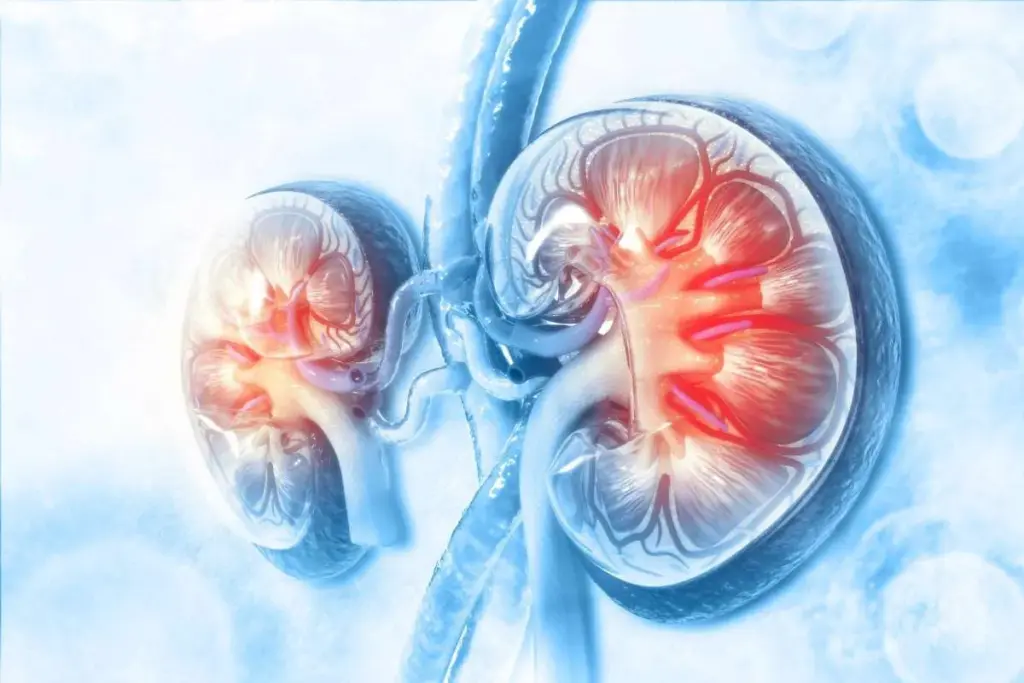
Many people wonder if they can run or jog after knee replacement surgery. At Liv Hospital, we focus on patient care and the latest research. We look into how to safely start running again after Total Knee Replacement (TKR).
Studies show that active patients before surgery and with modern prostheses can run again. We talk about the chances and safety of running after TKR. We stress the role of being active before surgery.
We aim to give a detailed guide for those thinking about knee replacement and running. We mix medical knowledge with care and understanding. Our advice is both helpful and supportive.
Key Takeaways
- Being active before surgery is key to running again after TKR.
- Modern prostheses help more people run or jog after surgery.
- Following a careful rehab plan is vital to safely start running again.
- It’s important to talk to doctors before starting high-impact activities like running.
- We use patient care and the latest research to help you run after TKR.
Understanding Total Knee Replacement and Athletic Activity
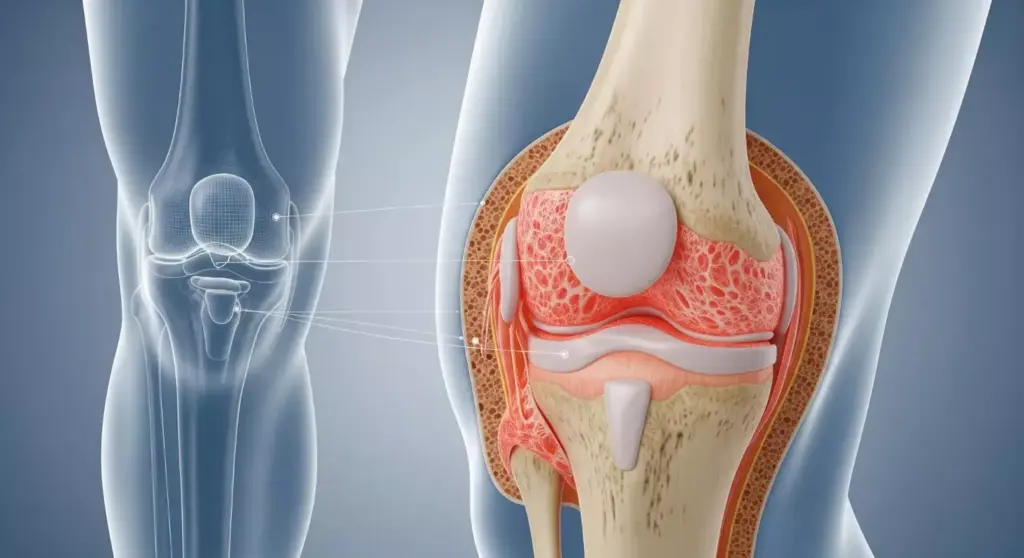
Total knee replacement has seen big changes, thanks to new techniques and technology. These changes let patients do sports again with more confidence. The new TKR technology has made surgery better and allowed for more physical activity after surgery.
Modern Advances in Knee Replacement Technology
New knee replacement technology has brought big improvements. These include better materials and designs that last longer and work better. These implants are made to handle different sports, giving patients more freedom after surgery.
Key advancements include:
- Highly durable materials that reduce wear and tear
- Improved implant designs that mimic natural knee movement
- Enhanced surgical techniques that promote better recovery
Changing Perspectives on Post-TKR Exercise
Before, patients were told to avoid much physical activity after TKR. But now, thanks to new technology, doctors encourage more activity. This change helps patients stay active, which is good for their health.
Exercise post-TKR is now seen as key to getting better. It helps patients get stronger, move better, and live better. So, many can go back to sports they love, like running, with the right help.
Setting Realistic Expectations for Activity Level
Even with new technology, it’s important to know what you can do after surgery. Things like the implant type, your health, and how active you were before surgery matter. We help patients understand what they can do after surgery.
We work with each patient to set goals based on their situation. With the right plan and rehab, many can get back to their sports goals.
Can You Run After TKR? What Research Shows
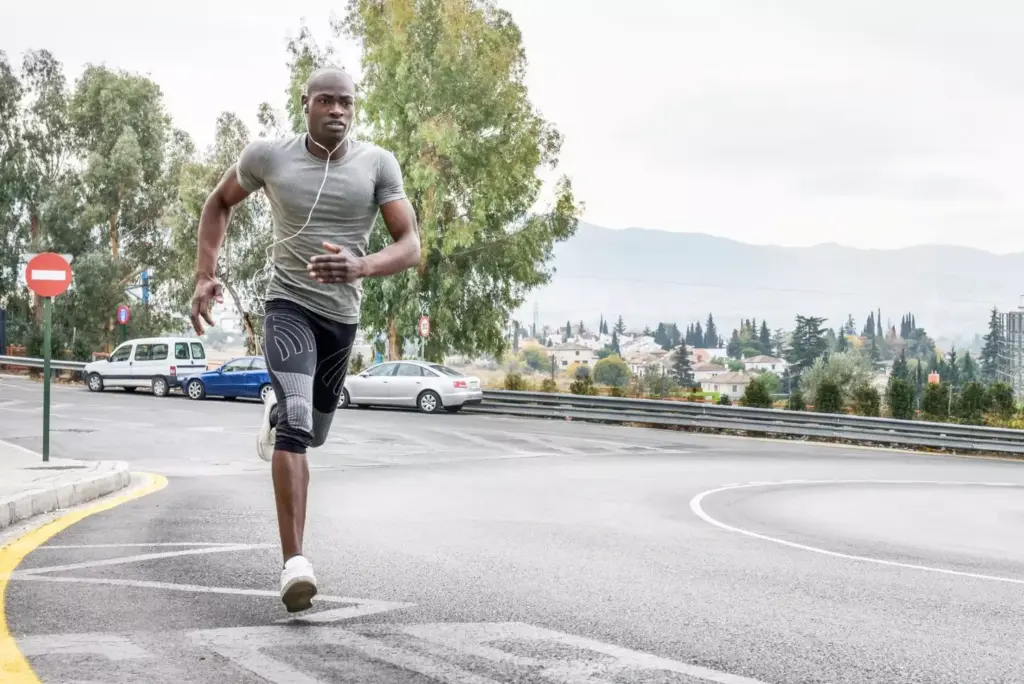
More people are getting total knee replacements and want to run again. This section looks at the latest research on running after TKR. It explores what affects a person’s ability to run after surgery and the long-term results.
Recent Studies on Running Post-Knee Replacement
Recent studies have given us important insights. They show that running after TKR is safe for some people. A study in the Journal of Arthroplasty found that 75% of 90 patients could run again within a year. Most didn’t experience more pain or discomfort.
A study in the American Journal of Sports Medicine followed 100 runners before TKR. It found that 85% could run again, and most kept running for five years.
Factors That Influence Running Capability After Surgery
Several things affect a person’s ability to run after TKR. Being active before surgery, the implant type, and overall health are key. Active runners before surgery are more likely to run again. The implant type also matters, with some being better for running.
- Pre-surgery activity level
- Type of implant used
- Overall health and comorbidities
- Rehabilitation protocol and physical therapy
Implant Durability and Long-Term Outcomes
Implant durability is important for runners after TKR. Modern implants are made to last longer and support various activities. But, the implant’s life can depend on the patient’s weight, activity level, and health conditions.
Long-term outcomes for runners post-TKR are generally positive. Many can keep running without major issues. But, it’s vital for patients to stay in touch with their doctors to watch their condition and address any problems quickly.
Assessing Your Candidacy for Post-TKR Running
Many patients dream of running after knee replacement. But, it’s important to check if it’s right for you. We’ll look at the key things to consider for running after TKR.
Pre-Surgery Activity Level and Its Impact
Your activity level before surgery matters a lot. Those who were active before surgery might be able to run or jog again after TKR. Think about these points:
- Your past running or exercise routine
- The state of your knee before surgery
- Any past knee injuries or conditions
Talking to your surgical team about your activity level can give you insights into running after TKR.
Implant Types and Their Suitability for Runners
The implant used in your surgery can affect your running ability. New implant technologies help active patients more. We’ll explain your implant and its strength.
Medical Considerations and Contraindications
Some medical issues might stop you from running after TKR. Important factors include:
- Your overall health and any other health problems
- Knee stability and strength
- Any past problems or infections with your TKR
Talking to your healthcare provider is key to knowing about risks or things you can’t do.
Consulting With Your Surgical Team About Running Goals
Your surgical team knows best about running after TKR. It’s good to talk openly about your goals. They can give advice based on:
- Details of your surgery
- The type of implant and its limits
- How your rehab is going
By talking to your team and thinking about these points, you can decide if running after knee replacement is for you.
The Recovery Timeline: When Can You Start Running?
Knowing when you can start running after Total Knee Replacement (TKR) surgery is key. The path to running again has several stages, each with its own goals and hurdles. We’ll walk you through the recovery stages and tell you when you can start running.
Initial Recovery Phase (0-3 Months)
The first few months are vital for healing and setting the stage for future activities. This time focuses on managing pain, improving movement, and building basic strength. During this phase, it’s best to avoid high-impact activities like running. Start with gentle exercises and short walks, then gradually increase your activity level.
Intermediate Recovery (3-6 Months)
In the next phase, you’ll see big improvements in your knee’s function and mobility. Here, you might start doing more challenging exercises in your rehab program. But, running is not yet recommended as your knee and surrounding tissues are healing.
Advanced Recovery (6-12 Months)
By the advanced phase, you can start doing more intense activities, including running. Experts suggest waiting 6 to 12 months before jogging or running. This ensures your knee and surrounding tissues have fully healed. Always work with your healthcare provider to create a running plan that’s right for you.
Long-Term Considerations (Beyond 12 Months)
After 12 months, you can continue to improve your running, provided you follow a gradual training plan. It’s vital to keep an eye on how your knee responds to running and adjust your training as needed. Success in the long run depends on balancing your running goals with joint health.
| Recovery Phase | Timeline | Key Activities |
|---|---|---|
| Initial Recovery | 0-3 Months | Gentle exercises, short walks |
| Intermediate Recovery | 3-6 Months | More strenuous activities, strengthening exercises |
| Advanced Recovery | 6-12 Months | Jogging, running, high-impact activities |
| Long-Term | Beyond 12 Months | Continued running, monitoring knee health |
Physical Therapy: The Foundation for Return to Running
Physical therapy is key for those trying to run again after knee surgery. It helps patients get back their strength and confidence. This is important for running.
Essential Exercises for Building Joint Stability
Runners need stable joints, and physical therapy helps with this. Therapists create exercises to strengthen the knee muscles. This improves the knee’s stability.
- Quad sets and straight leg raises to strengthen the quadriceps.
- Hamstring curls to enhance the strength of the back of the leg.
- Leg press and lunges to work multiple muscle groups simultaneously.
Strength Training for Post-TKR Runners
Strength training is important for runners after knee surgery. It builds the muscles needed for running. A good program can prevent injuries and boost performance.
| Exercise | Target Muscle Group | Repetitions |
|---|---|---|
| Leg Press | Quadriceps, Hamstrings, Glutes | 10-15 |
| Lunges | Quadriceps, Hamstrings, Glutes | 10-15 per leg |
| Calf Raises | Calf Muscles | 15-20 |
Range of Motion and Flexibility Work
Good range of motion is essential for runners. It helps them perform well and stay injury-free. Physical therapists help with exercises that improve flexibility and mobility.
Working With Your Physical Therapist on Running Goals
Working with a physical therapist is important for reaching running goals after knee surgery. They create a program that meets the patient’s needs and goals.
By focusing on physical therapy, people can safely and effectively return to running after knee surgery. This ensures a strong foundation for their rehabilitation.
Developing a Safe Running Progression Plan
Creating a good running plan is key for those who want to start running again after knee surgery. It helps build up your endurance and strength safely. This way, you can avoid any problems.
Starting With Walking and Low-Impact Activities
Walking and low-impact exercises are the first steps in a good running plan. Walking is a low-impact exercise that boosts your heart health and strengthens your knee muscles. Start with short walks of 10-15 minutes and increase the time as you get stronger.
Adding activities like cycling or swimming also helps. They improve your heart health without stressing your knee too much. These activities help keep your weight in check, boost your fitness, and get you ready to run again.
Transitioning to Walk-Run Intervals
When you’re comfortable walking for longer, it’s time to try walk-run intervals. This means alternating between walking and running to build up your running stamina. Start with 1-2 minutes of running followed by 3-4 minutes of walking. Repeat this for 20-30 minutes.
Building Distance and Intensity Gradually
As you get better at walk-run intervals, increase the distance and intensity of your runs. You can do this by running for longer and walking less between intervals.
| Week | Walk-Run Interval | Total Duration |
|---|---|---|
| 1 | 2 min run + 4 min walk | 30 minutes |
| 2 | 3 min run + 3 min walk | 30 minutes |
| 3 | 4 min run + 2 min walk | 35 minutes |
Monitoring Joint Response and Adjusting Your Plan
Always watch how your joint reacts to more activity. Look out for pain, swelling, or stiffness that doesn’t go away or gets worse. If you notice these signs, you might need to slow down or take a break.
By making a careful plan and listening to your body, you can safely start running again after knee surgery. Running can bring many benefits to your life.
Proper Running Form and Equipment After Knee Replacement
After knee replacement surgery, it’s key to run right and use the right gear. A good plan for these can make your return to running safe and successful. It can also help you enjoy running more and avoid risks.
Gait Analysis and Biomechanical Considerations
A gait analysis helps check your running form and find biomechanical issues. It shows how you move and where you might need to improve. This helps make your running more efficient and comfortable.
Biomechanics matter too. They affect how your body moves and your knee. Adjusting your foot strike, stride, and posture can help. This can lower injury risk and make running better.
Footwear Selection and Orthotics
Finding the right shoes is critical for runners, even more so after knee surgery. The right shoes support and cushion your knee. Choose shoes that fit your foot and running style.
Orthotics can also help. They offer extra support and fix biomechanical problems. Custom orthotics can improve your form and lower injury risk.
- Think about your foot type when picking shoes.
- Look for shoes with good cushioning and support.
- Get advice on orthotics from a specialist.
Surface Choices and Their Impact on Your Knee
The surface you run on affects your knee. Softer surfaces like trails are easier on your knee than hard ones like concrete. Changing your surface can reduce knee stress.
Also, think about the incline and decline of your route. Running uphill is hard on your knee. So, add it to your plan carefully.
Supportive Gear and Bracing Considerations
Supportive gear like knee braces can offer extra stability and protection. Talk to your healthcare provider about using them. They should match your needs and goals.
Bracing can help when you first start running again. It gives you support and confidence. But, make sure to use it correctly to avoid problems.
Managing Risks and Possible Complications
When you think about running again after TKR, knowing the risks is key. Running after knee surgery can be tough. It’s important to know these risks to make smart choices about your running.
Understanding Implant Wear and Longevity
Runners after TKR often worry about implant wear. Running’s impact can stress the artificial joint more. This might cause it to wear out faster. But, new implant materials and designs might handle running better.
Recognizing Warning Signs and When to Stop
It’s important for TKR runners to watch for warning signs. Pain is a big one. If you feel pain that’s not usual after running, stop and check it out. Swelling, instability, or feeling like your knee is loose are other signs to watch for. If you see these, talk to your doctor right away.
Balancing Running Goals With Joint Preservation
It’s hard to keep running while keeping your knee healthy. You might want to keep running, but your knee’s health is more important. You could run less, try low-impact activities, or find other exercises that are easier on your knee.
Communication With Healthcare Providers
Talking regularly with your healthcare team is key when running after TKR. Your doctor and physical therapist can give you advice based on your situation. Regular visits help check your implant and knee health. This way, you can catch problems early.
By knowing the risks, watching for signs, balancing running with knee care, and talking to your healthcare team, you can run safely. This careful approach lets you enjoy running while keeping your knee safe.
Alternative Activities and Cross-Training Options
After TKR surgery, finding new ways to stay active is key. It helps keep your heart healthy without putting too much stress on your knee. It’s important to pick activities that help you recover and stay fit, while keeping your knee safe.
Low-Impact Cardiovascular Alternatives
If you love running, try cycling or swimming instead. These activities are great for your heart and don’t hurt your knee as much. They help you stay fit without the high-impact stress.
Cycling is good for your knee because you can control how hard you work out. Swimming works your whole body and is easy on your joints. It’s perfect for people after TKR surgery.
Sports to Avoid After Knee Replacement
Some sports, like basketball, are too hard on your knee after TKR. They can cause injuries or wear out your implant. It’s best to avoid these sports.
Talking to your doctor about your sports goals is important. They can help you choose safe activities. This way, you can stay active without risking your knee.
Creating a Balanced Fitness Routine
A good fitness plan after TKR includes cardio, strength training, and stretching. This mix keeps you fit and helps your knee last longer.
- Cardio exercises like cycling or swimming
- Strength training to keep muscles strong
- Stretching to keep your range of motion good
By mixing these activities, you can stay healthy and keep your knee working well. It’s all about finding the right balance.
Adapting Your Athletic Identity Post-Surgery
Your athletic identity is a big part of who you are. After TKR, you might need to change how you see yourself in sports. It’s not about giving up; it’s about finding new ways to be active.
Adapting means finding safe and fun sports to do. You might switch to lower-impact activities or change how you play your favorite sports. It’s all about staying active and enjoying it.
Conclusion: Embracing an Active Lifestyle After Knee Replacement
After Total Knee Replacement (TKR) surgery, you can stay active with the right steps. We talked about the key to a successful return to running. This includes a good rehab plan, the right running form, and the right gear.
Knowing how to run well after TKR is important. It helps manage risks and enjoy an active life. It’s also key to balance running with taking care of your knee.
To live an active life after TKR, you need a mix of fitness, other activities, and cross-training. With the right attitude and support, you can keep running and stay healthy.
Can you run after knee replacement surgery?
Yes, many people can run again after knee surgery. It depends on how active you were before, the type of implant, and your overall health.
How long after knee replacement can you run?
It takes time to get back to running. Usually, you can start with walk-run intervals 3-6 months after surgery. Then, you can slowly increase how far and fast you run.
What type of knee replacement is best for running?
New prostheses, like those made of highly cross-linked polyethylene, are made for active people. They are good for runners.
Can you jog after total knee replacement?
Jogging is possible after total knee replacement. But, start with a good rehab program. Progress slowly and listen to your body to avoid problems.
What are the risks of running after knee replacement?
Running can wear out your implant or cause it to loosen. It’s important to balance your running goals with taking care of your knee. Always watch for any signs of trouble.
Are there alternative activities to running after knee replacement?
Yes, you can try low-impact activities like cycling, swimming, or using an elliptical. These are easier on your knee but keep you fit.
Can you play basketball after knee replacement?
High-impact sports like basketball are risky after knee replacement. But, it depends on your situation and what your doctor says.
How can I create a balanced fitness routine after knee replacement?
A good fitness routine after knee replacement includes low-impact cardio, strength training, and stretching. It should fit your needs and goals.
What role does physical therapy play in returning to running after knee replacement?
Physical therapy is key in getting your knee stable and strong again. A good rehab program is vital for safely starting to run again.
How can I minimize the risks associated with running after knee replacement?
To stay safe, start slowly, listen to your body, and wear the right shoes. Keep a healthy weight and check in with your doctor regularly.