
Ever thought about the cracking sound in your knees? Is it just a normal part of getting older or a sign of arthritis? At Liv Hospital, we get why you might worry about these symptoms.
Many people are unsure if their knee issues are nothing to worry about or a sign of something serious. Knee cracking, known as crepitus, is quite common and usually not a big deal. But if you also feel pain, swelling, or stiffness, it might mean you have knee arthritis.
We want to help our readers understand the early signs of arthritis. If your knee symptoms don’t go away, it’s important to see a doctor.
Key Takeaways
- Crepitus, or knee cracking, is a common phenomenon that is often harmless.
- Persistent cracking accompanied by pain or swelling could be an early sign of knee arthritis.
- Understanding the causes and symptoms of knee arthritis is key for early diagnosis.
- Seeking medical attention is vital if knee symptoms persist or worsen over time.
- Liv Hospital is dedicated to providing top-notch care for knee-related issues.
Understanding Knee Cracking (Crepitus)
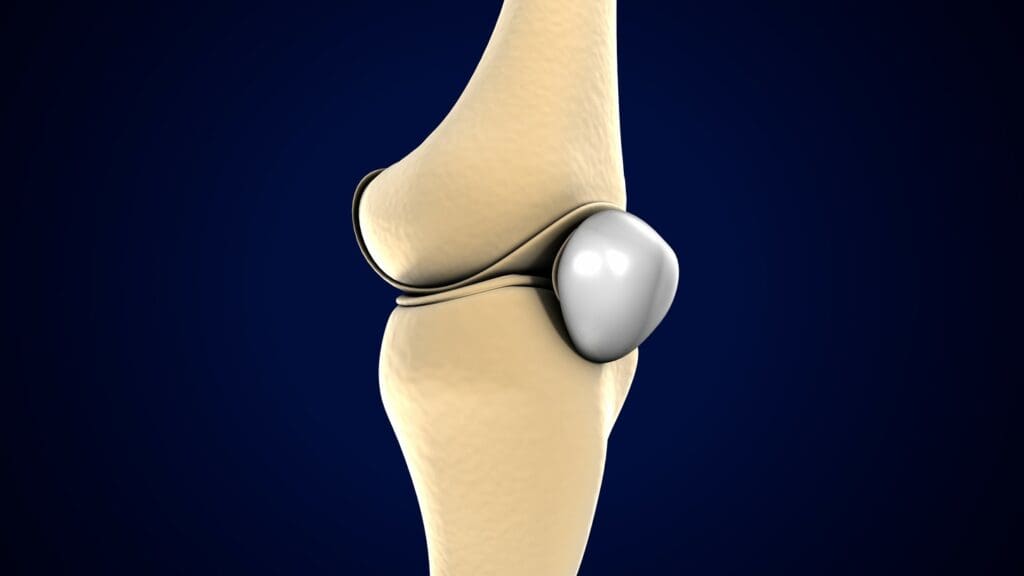
Crepitus, or knee cracking, is common and can have many reasons. Knowing why we hear knee cracking sounds helps us figure out if it’s a big deal.
What Causes Knee Cracking Sounds
Knee cracking sounds, or crepitus, come from a few things. One main reason is gas bubbles in the fluid around joints, called synovial fluid. When these bubbles pop, they make the cracking sound.
Wear and tear on joints, more common in older people, is another cause. As cartilage wears down, bones can rub together, making sounds.
When Knee Cracking Is Normal
Often, knee cracking is nothing to worry about. It can happen when you stand up, squat, or climb stairs. But if it’s painful or swollen, it might mean there’s a problem that needs a doctor’s help.
Different Types of Knee Sounds and What They Mean
Not all knee sounds are the same. Different sounds can mean different things. For example, a grinding sound might mean osteoarthritis, while a click could be from a ligament or tendon issue.
| Type of Sound | Possible Cause |
|---|---|
| Cracking or Popping | Gas bubbles in synovial fluid |
| Grinding | Osteoarthritis, cartilage wear |
| Clicking | Ligament or tendon issues |
Studies suggest that noisy knees, even without pain, might be at risk for osteoarthritis. So, paying attention to knee sounds is key to keeping your knees healthy.
Is Cracking Knees a Sign of Arthritis?
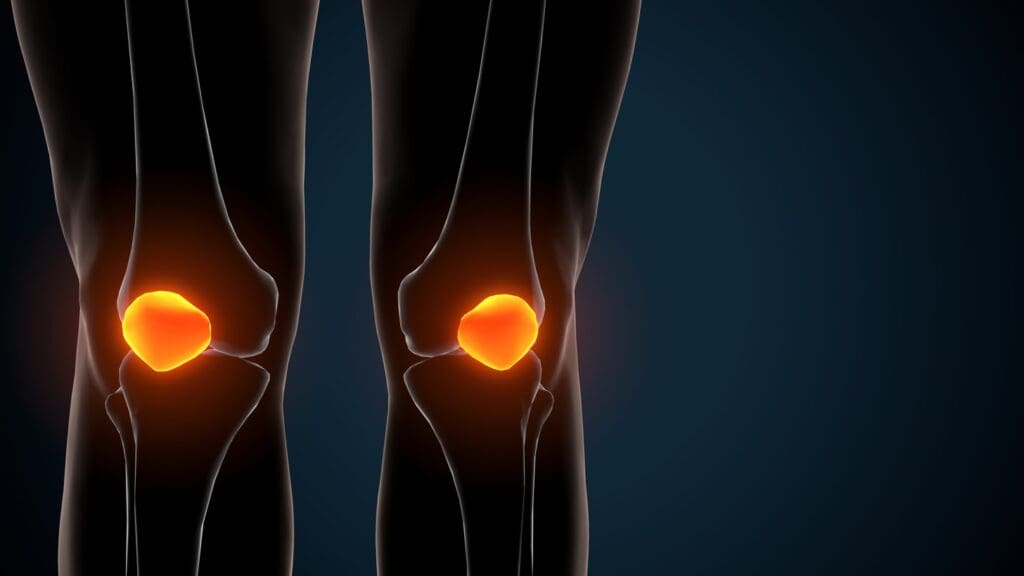
Knee cracking, or crepitus, is a topic of interest in medical research. It’s linked to arthritis, and understanding its causes is key. We need to know why knee cracking sounds happen.
The Relationship Between Crepitus and Arthritis
Crepitus is a symptom that feels like grinding or creaking in joints. It’s common in the knees. Studies show it might be linked to cartilage loss, a sign of osteoarthritis. Knee cracking could be an early sign of arthritis, more so in people with risk factors like age or obesity.
Research on Noisy Knees and Arthritis Risk
Studies have looked into the connection between knee crepitus and osteoarthritis. They found that frequent knee cracking is linked to cartilage loss. This shows why it’s important to watch your knee health and see a doctor if you have pain or stiffness.
| Study | Findings | Implications |
|---|---|---|
| Osteoarthritis Research Society International | Crepitus associated with increased risk of osteoarthritis progression | Early detection and management are key |
| Arthritis & Rheumatism Journal | Knee crepitus linked to cartilage degeneration | Monitoring knee health is essential |
When Cracking Sounds Should Concern You
Occasional knee cracking is usually not a worry. But if it’s constant or severe, and you have other symptoms, see a doctor. Pain, swelling, stiffness, or trouble moving with crepitus could mean arthritis is starting. If you notice these signs, get checked by a healthcare professional.
Knowing how knee cracking relates to arthritis helps catch it early. By spotting the signs and risk factors, you can help keep your knees healthy. This might slow down arthritis from getting worse.
Types of Arthritis That Affect the Knees
Arthritis in the knees can take many forms, each with its own signs and symptoms. Knowing these differences is key for the right diagnosis and treatment.
Osteoarthritis: The Most Common Form
Osteoarthritis (OA) is the most common knee arthritis. It happens when cartilage breaks down, causing bones to rub together. This leads to pain and stiffness. OA is linked to aging, being overweight, and past knee injuries.
Symptoms include pain when moving, stiffness after resting, and a grinding feeling in the knee.
Early Rheumatoid Arthritis in Knees
Early rheumatoid arthritis (RA) in the knees is very disabling. RA is an autoimmune disease that causes joint inflammation. This leads to pain, swelling, and possible serious damage to the joints. Early signs of RA in the knees include morning stiffness lasting over an hour, swelling, and warmth around the knee.
If not treated, RA can cause a lot of disability.
Other Forms of Knee Arthritis
There are other types of arthritis that can affect the knees too. These include:
- Post-traumatic arthritis, which happens after a knee injury.
- Gout, a condition that causes sudden, severe pain and redness.
- Pseudogout, which leads to sudden, severe joint pain and swelling.
- Infectious arthritis, caused by a bacterial or viral infection in the joint.
Each type has its own causes and symptoms, needing different treatments. Early diagnosis is important for managing symptoms and preventing long-term damage.
Early Signs of Knee Arthritis to Watch For
Spotting the early signs of knee arthritis is key for quick medical help. As we get older, our joints naturally wear out. But, some symptoms can mean arthritis is starting. Here are the main signs to watch for early.
Pain Patterns and Characteristics
Pain is often the first symptom of arthritis in knee. It might start as a dull ache after exercise and get worse. The pain can be in one spot or all over, depending on the arthritis type. Paying attention to pain changes is important, as it shows how the condition is getting worse.
Swelling, Tenderness, and Inflammation
Swelling and tenderness around the knee are common early symptoms of arthritis in knees. Inflammation makes the knee feel warm and look swollen. These signs are the body’s way of reacting to joint damage. Watching for these changes is key, as they show how serious the problem is.
Changes in Mobility and Range of Motion
Less mobility and range of motion are big signs of knee arthritis. As it gets worse, doing daily activities like bending or straightening the knee gets harder. Look out for stiffness, which gets worse after rest or sitting for a long time.
Warmth, Redness, and Other Visual Changes
Seeing warmth, redness, or swelling around the knee means inflammation is happening. These signs shouldn’t be ignored, as they mean arthritis is active. Watching for these visual signs helps catch and manage the problem early.
Knowing these early signs of knee arthritis lets us act fast to manage it. If you notice any of these symptoms, see a doctor for a check-up and treatment plan.
How Early the Can Arthritis Start?
Knowing when arthritis starts is key to catching it early. It’s not just for older people; anyone can get it. The timing of arthritis varies, depending on genetics, lifestyle, and past injuries.
Age-Related Onset Patterns
Arthritis can start at any age. Osteoarthritis, the most common type, often shows up after 45. But, joint wear can start much earlier.
Rheumatoid arthritis, an autoimmune type, can happen at any age, even in kids and young adults.
As you get older, the risk of arthritis goes up. This is because of joint wear, injuries, and aging. But, younger people can get it too, if they have a family history or have had joint injuries.
Signs of Early Arthritis in Young Adults
Young adults might not think about arthritis as much. But, early signs can show up even in your 20s. Look out for joint pain, stiffness, and swelling that lasts more than a few weeks.
People who have had joint injuries or do high-impact sports are at higher risk. Catching these signs early can help slow the disease.
Recognizing Arthritis in Different Age Groups
Arthritis looks different in different age groups. Younger people often get it from injuries or autoimmune issues. Older adults usually get it from wear and tear.
In older adults, osteoarthritis is common, and it can be worse because of other health issues. Younger people with arthritis face challenges like losing their active lifestyle and worrying about long-term joint health.
By knowing the signs of arthritis at any age, people can get the right care. Doctors can then give better treatment plans. Early action is important for keeping joints healthy and quality of life, no matter your age.
Can Arthritis Develop Suddenly or Does It Progress Gradually?
It’s important to know if arthritis can start suddenly or if it gets worse slowly. We’ll look at how arthritis usually gets worse, when symptoms can come on fast, and why finding it early is key.
Typical Arthritis Progression Timeline
How arthritis gets worse can differ a lot from person to person. Osteoarthritis, the most common type, gets worse slowly because of wear and tear on the joints. Things like age, genetics, and past injuries can affect how fast it gets worse. Symptoms often get worse, then better, and then worse again.
Inflammatory arthritis, like rheumatoid arthritis, can start quickly. Symptoms can show up in a few weeks or months, leading to serious joint damage if not treated. Finding and treating it early is very important to stop long-term damage.
When Arthritis Symptoms Appear Suddenly
Even though arthritis usually gets worse slowly, it can start suddenly. This can happen because of injury, infection, or an autoimmune flare-up. Sudden arthritis can be very painful and disabling. It’s important to notice early signs like joint pain, stiffness after rest, or feeling unstable to get medical help fast.
Arthritis that starts suddenly needs quick medical check-up to find the cause and start treatment. Quick action can help a lot and prevent lasting damage to the joints.
The Importance of Early Detection
Finding arthritis early is very important for managing it well and improving life quality. Spotting early signs and symptoms means we can act fast, which can slow down the disease and lower the risk of problems. We need to know the early signs of arthritis, like joint pain, stiffness, and mobility changes, to get medical help early.
By knowing how arthritis usually gets worse and being ready for sudden symptoms, we can manage it better. Early detection and treatment are essential to keep joints healthy and overall well-being.
Risk Factors for Developing Knee Arthritis
Knee arthritis can affect anyone, but some factors increase your risk. We’ll look at these factors to help you lower your risk of getting knee arthritis.
Age-Related Factors
Age is a big risk factor for knee arthritis. As we get older, our cartilage wears down. This makes older adults more likely to get osteoarthritis, the most common type of arthritis. The risk of getting knee arthritis goes up a lot after 45, with most cases happening in people over 60.
Previous Injuries and Joint Trauma
Having had injuries or trauma to the knee can raise your risk of arthritis. This includes fractures, sprains, or tears. People who had serious knee injuries, like those needing surgery, are at higher risk of getting arthritis later.
Genetic Predisposition
Genetics also play a big part in knee arthritis risk. If your family has arthritis, you’re more likely to get it. Some genetic markers are linked to a higher risk of osteoarthritis, showing how important genetics are.
Lifestyle and Weight Considerations
Lifestyle factors like weight and activity level also matter. Being overweight puts more stress on your knees, speeding up wear and tear. Eating well and exercising can help keep your weight in check. Jobs or activities that strain your knees a lot can also up your risk.
Key risk factors for knee arthritis include:
- Age over 45
- Previous knee injuries or trauma
- Genetic predisposition
- Excess body weight
- Repetitive knee strain from occupation or activity
Knowing these risk factors can help you take steps to keep your knees healthy. This might lower your chance of getting knee arthritis.
How to Tell If You Have Arthritis in Your Knee
Are you dealing with persistent knee pain? Wondering if it’s arthritis? Figuring out why your knee hurts can be tough. But, there are ways to check if you have arthritis.
Self-Assessment Questions
Start by asking yourself a few questions. Do you see swelling, stiffness, or pain in your knee that lasts? Do you find it hard to walk or climb stairs? Are certain activities making your knee pain worse? These questions can help spot signs of knee arthritis.
Think about your past and lifestyle too. Have you had knee injuries or surgeries before? Are you overweight or have a family history of arthritis? These can raise your risk of getting knee arthritis.
When to Seek Medical Evaluation
If you notice any worrying signs or risk factors, get checked by a doctor. See an orthopedic specialist or your primary care doctor. They can look at your condition and guide you next.
A doctor will do a physical check, look at your medical history, and might do tests. They can figure out if your knee pain is from arthritis or something else.
Diagnostic Tests and Procedures
Doctors might use X-rays, MRI scans, or joint aspiration to check for arthritis. These tests can show joint damage or cartilage loss.
They might also suggest a diagnostic injection. This is when they inject a numbing drug into your knee to see if it helps.
Differentiating Arthritis from Other Knee Conditions
Telling arthritis apart from other knee issues like tendinitis or sprains can be tricky. It’s best to work with a doctor to find out what’s causing your pain.
Getting a clear diagnosis is key to treating your pain. Knowing the cause helps you manage your symptoms and live better.
Conclusion: Managing Knee Health and Arthritis Symptoms
Knowing if knee cracking means you have arthritis is key to keeping your knees healthy. Knee cracking, or crepitus, is often normal. But, it can also signal arthritis early on. Spotting arthritis signs and knowing your risk can help manage your knee health.
Keeping an eye on your knees means watching for arthritis symptoms like pain, swelling, and mobility issues. Catching arthritis early helps stop it from getting worse. It also lets you stay active. We suggest watching for changes and getting a doctor’s check if you think you might have arthritis.
By staying informed and taking steps to prevent problems, you can greatly improve your knee health. Our healthcare team is here to help you manage arthritis symptoms and enhance your life quality.
Is cracking knees a sign of arthritis?
Cracking knees, or crepitus, might be a sign of arthritis. But, it’s not always a reason to worry. We’ll look into how crepitus relates to arthritis and when you should see a doctor.
What causes knee cracking sounds?
Knee cracking sounds come from gas bubbles in joint fluid, wear and tear, and other reasons. Knowing why knees crack can help figure out if it’s a sign of something serious.
What are the early signs of knee arthritis?
Early signs of knee arthritis include pain, swelling, and tenderness. You might also notice changes in how your knee moves and looks. Spotting these signs early can help you get treatment sooner.
Can arthritis start suddenly?
Arthritis usually gets worse slowly, but sometimes symptoms can start quickly. We’ll talk about how arthritis usually progresses and when symptoms might come on fast.
How early can you get arthritis?
Arthritis can start at any age. The risk factors change with age. We’ll look at when arthritis starts in different age groups and how to spot it early in young adults.
What are the risk factors for developing knee arthritis?
Getting knee arthritis can depend on age, past injuries, family history, and lifestyle. Knowing these risk factors can help figure out who might be more likely to get it.
How is knee arthritis diagnosed?
Diagnosing knee arthritis involves checking yourself, a doctor’s evaluation, and tests. We’ll explain how to diagnose knee arthritis and tell it apart from other knee problems.
What are the different types of arthritis that affect the knees?
There are many types of arthritis that can affect the knees, like osteoarthritis and rheumatoid arthritis. We’ll go over the symptoms and characteristics of each.
Can you get arthritis in your knees?
Yes, knee arthritis is a common problem that can cause pain, stiffness, and limited movement. We’ll talk about what causes it, its symptoms, and risk factors.
What are the symptoms of arthritis in the knees?
Symptoms of knee arthritis include pain, swelling, and tenderness. You might also notice changes in how your knee moves and looks. We’ll discuss the early signs and why you should see a doctor if symptoms last.
How can you tell if you have arthritis in your knee?
To know if you have arthritis in your knee, try self-assessment, see a doctor, and get tests. We’ll guide you on how to tell arthritis apart from other knee issues.
REFERENCES
- Shutterstock. (n.d.). Osteoarthritis X‑ray images [Image collection]. Retrieved from https://www.shutterstock.com/search/osteoarthritis‑xray