
Chest pain can be scary, making you wonder if it’s a heart attack or anxiety. At Liv Hospital, we know how important it is to tell these apart. They look similar but have different reasons and effects.
Both heart attack and anxiety can cause chest pain, irregular heartbeats, and trouble breathing. It’s key to figure out the real cause to treat it right.
We aim to give you care that’s based on facts and focused on you. We want to help you understand the differences and make smart choices about your health.
Key Takeaways
- Chest pain can be a symptom of both heart attack and anxiety.
- Understanding the differences between these conditions is key for the right diagnosis and treatment.
- Shared symptoms include palpitations and shortness of breath.
- Liv Hospital is dedicated to providing top-notch healthcare that puts patients first.
- Evidence-based care guides our approach to telling heart attack and anxiety apart.
Understanding Chest Pain: Common Causes and Concerns
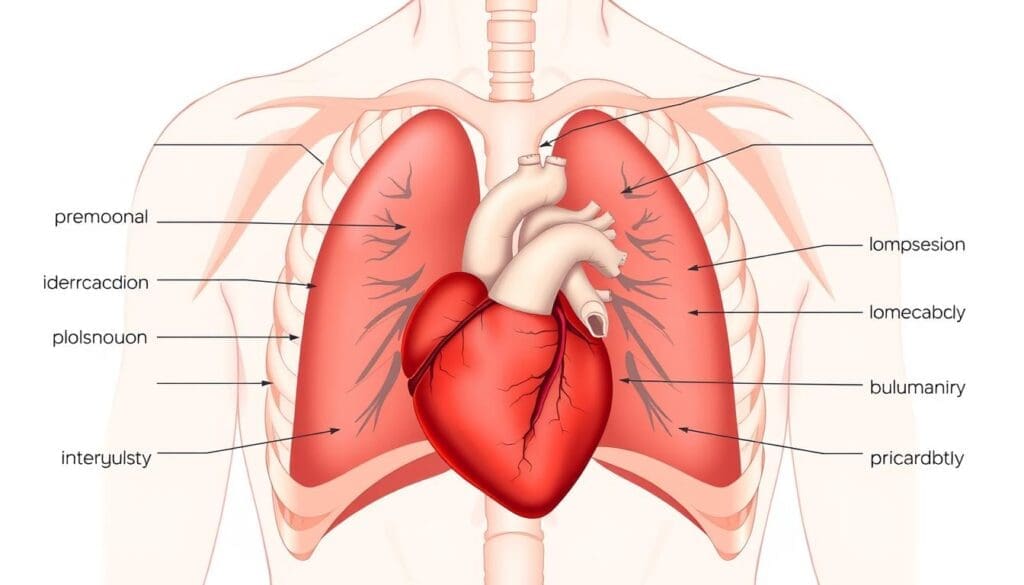
Chest pain can come from many things, like anxiety or serious heart problems. It feels like discomfort, pressure, or pain in the chest. The reasons for it can vary a lot.
Why Chest Pain Triggers Alarm
Chest pain worries people because it might mean a heart attack. The fear of a heart attack or other serious problems makes it a symptom to take seriously right away.
The Prevalence of Both Conditions
Heart attacks and anxiety disorders are big health worries. Heart attacks are a major cause of death worldwide. Anxiety disorders affect millions of people everywhere.
Some important facts are:
- Heart disease is a top cause of death globally.
- Anxiety disorders are very common mental health issues.
- Chest pain is a common reason for emergency visits.
The Importance of Proper Identification
It’s key to figure out why someone has chest pain to treat it right. Tests like ECG and echocardiogram help understand heart health and find out why someone has chest pain.
Knowing about chest pain’s causes and how common it is helps us see why getting a correct diagnosis is so important. This knowledge helps people get the right care and makes healthcare better.
Heart Attack: Symptoms and Mechanisms
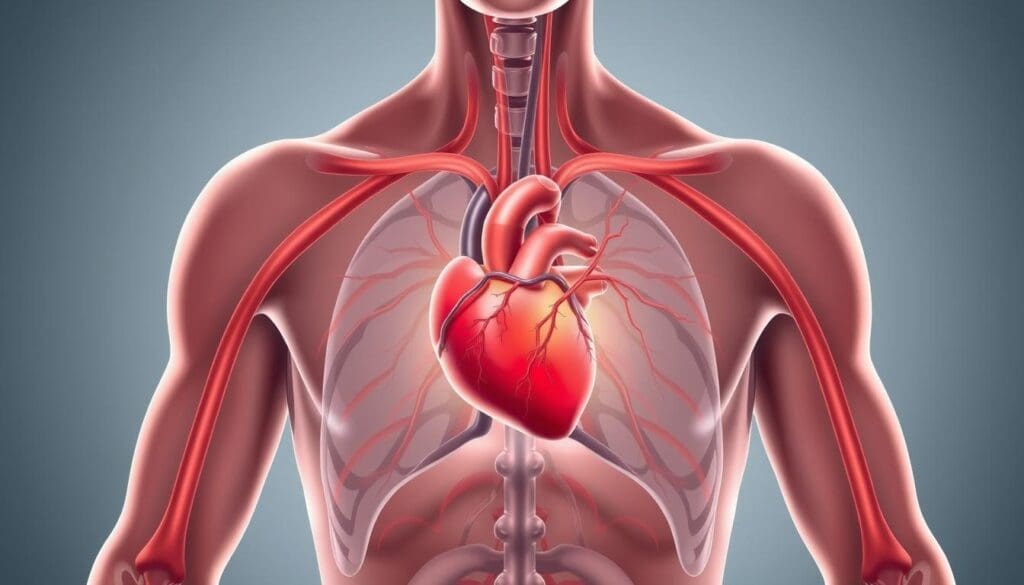
Knowing the signs of a heart attack is key to getting help fast. A heart attack happens when blood flow to the heart stops for too long. This causes damage or death to heart muscle.
What Happens During a Heart Attack
When a heart attack occurs, the heart muscle lacks blood flow. This can lead to serious issues like arrhythmias, heart failure, and even death. We’ll look into how heart attacks work and their effects on the body.
Classic Heart Attack Symptoms
Heart attack symptoms differ from person to person. Yet, there are common signs to watch for. These include:
- Chest pain or discomfort, often described as a squeezing, fullness, or pressure
- Pain or discomfort in one or both arms, the back, neck, jaw, or stomach
- Shortness of breath or difficulty breathing
- Lightheadedness or dizziness
- Nausea or vomiting
How Pain Typically Radiates
Pain from a heart attack can spread to other areas. This is because heart nerves also cover other parts like arms, back, and jaw. The pain can feel like a dull ache or sharp stabbing.
Associated Symptoms Like Nausea and Sweating
Other symptoms can happen during a heart attack, like nausea, sweating, and feeling lightheaded. These come from the body’s stress when the heart muscle is damaged.
| Symptom | Description |
|---|---|
| Chest Pain | Often described as squeezing, pressure, or fullness |
| Radiating Pain | Can spread to arms, back, neck, jaw, or stomach |
| Nausea and Sweating | Common associated symptoms due to stress response |
Anxiety Chest Pain: Symptoms and Mechanisms
Anxiety chest pain is a real concern that needs understanding and the right diagnosis. It’s important to know how anxiety affects the body, the signs of anxiety chest pain, and how it’s different from heart attacks.
Physical Effects of Anxiety
Anxiety can deeply affect our bodies. It triggers the “fight or flight” response, releasing stress hormones like adrenaline. This can cause a fast heartbeat, tight chest, and pain. The physical signs of anxiety can be scary and misunderstood, like chest pain.
Characteristics of Anxiety-Related Chest Pain
Chest pain from anxiety can feel sharp or dull. It usually happens in one spot and might come with other signs like fast breathing or shaking. Knowing these signs helps tell anxiety chest pain apart from other issues.
Duration and Resolution of Panic Attacks
Panic attacks, which can cause chest pain, have a clear start and end. They can reach their peak in minutes and last up to 30 minutes. Knowing when and how long panic attacks last helps manage anxiety chest pain. A doctor said, “Panic attacks are intense but short-lived, and knowing this can help people cope better.”
“Panic attacks are intense but temporary, and knowing this can help individuals cope better.”
Psychological Symptoms Accompanying Anxiety Chest Pain
Anxiety chest pain often comes with feelings of doom, fear of dying, or losing control. These feelings can be very scary and make the physical symptoms worse. It’s key to tackle these psychological symptoms to manage anxiety chest pain.
Understanding anxiety chest pain helps people deal with it better and know when to see a doctor.
The Difference Between Heart Attack and Anxiety Chest Pain
It’s key to know the differences between heart attack and anxiety chest pain. This knowledge helps in getting the right medical help. We’ll look at how to tell if chest pain is from a heart issue or anxiety.
Pain Quality and Location Differences
Heart attack and anxiety chest pain have different pain types and places. Heart attack pain feels like squeezing or pressure in the chest. It might spread to the arms, back, or jaw.
Anxiety chest pain is sharper and stays in one spot. People often say it feels like a stabbing.
Heart attack pain spreads out and doesn’t get better with rest. Anxiety chest pain can change and comes with other anxiety signs.
Onset and Duration Patterns
The way chest pain starts and lasts can tell us what’s causing it. Heart attacks start slowly and last a long time. Panic attacks, which cause anxiety chest pain, start fast and last about 30 minutes.
- Heart attack pain starts slow and lasts long.
- Panic attack pain peaks fast and lasts about 30 minutes.
Accompanying Symptoms That Differentiate the Two
Both heart attacks and anxiety episodes have symptoms beyond chest pain. But these symptoms are different. Heart attacks bring shortness of breath, nausea, and cold sweats. Anxiety or panic attacks might cause dizziness, tingling, or a feeling of doom.
Knowing these symptoms helps tell the two apart.
Triggers and Situational Context
The situation when chest pain happens can give clues. Anxiety chest pain is triggered by certain situations or stress. Heart attack pain isn’t tied to any activity or feeling, but can happen during hard work.
Understanding these differences is key to acting right when chest pain strikes.
When to Seek Emergency Medical Help
Chest pain can be a sign of a serious issue. It’s key to know when to get help fast. The worry about chest pain can be overwhelming. So, it’s important to know the signs that mean you need emergency care.
Red Flags That Warrant Immediate Attention
Some symptoms with chest pain need you to get help right away. These include:
- Severe chest pain or pressure that doesn’t go away
- Pain radiating to the arm, back, neck, jaw, or stomach
- Shortness of breath or trouble breathing
- Cold sweats or feeling lightheaded
- Nausea or vomiting
- Rapid or irregular heartbeat
If you or someone else has these symptoms, call emergency services fast.
Why You Shouldn’t Self-Diagnose Chest Pain
Trying to figure out chest pain yourself can be risky. It’s hard to tell if it’s a heart attack or anxiety without a doctor. Always play it safe with symptoms that could be serious.
Doctors have the skills and tools to check your condition. They can run tests to find out why you’re having chest pain. Then, they can give you the right treatment.
What to Tell Emergency Responders
When you call for emergency help, be ready to share lots of info. This includes:
- Your location and contact details
- A clear description of your symptoms, when they started
- Any health conditions you have
- What medicines you’re taking
Being ready can help emergency responders help you better when they get there.
It’s important to know the difference between a heart attack and anxiety chest pain. But, knowing when to get help is just as vital. If you’re not sure about your symptoms, don’t wait to see a doctor.
Diagnostic Approaches for Both Conditions
To tell apart heart attacks and anxiety chest pain, doctors use many tools and methods. They look at the patient’s medical history, do a physical check, and run tests. This helps figure out what’s really going on.
Medical Tests Used to Identify Heart Attacks
When someone shows signs of a heart attack, doctors run several tests. These tests help confirm if it’s a heart attack.
- Electrocardiogram (ECG or EKG): This test shows the heart’s electrical activity. It can spot signs of a heart attack.
- Blood Tests: Doctors check for heart muscle damage with tests like troponin.
- Echocardiogram: An ultrasound that looks at the heart’s function and finds any problems.
- Stress Test: This test checks how the heart works when it’s stressed, usually through exercise or medicine.
The American Heart Association says quick action is key for heart attack treatment. “Early diagnosis and treatment of heart attack are critical to prevent heart muscle damage.”
“Time is muscle” when it comes to heart attacks, stressing the need for fast medical help.
How Healthcare Providers Diagnose Anxiety Disorders
Doctors diagnose anxiety disorders by doing a detailed assessment. This includes:
- Clinical Interview: A deep talk with the patient to understand their symptoms and history.
- Questionnaires and Rating Scales: Tools like the GAD-7 help measure anxiety levels.
- Psychological Evaluation: This checks the patient’s mental state and rules out other mental health issues.
The Diagnostic and Statistical Manual of Mental Disorders, Fifth Edition (DSM-5) says anxiety disorders are about too much fear and anxiety. They also cause certain behaviors.
The Challenge of Overlapping Symptoms
Heart attacks and anxiety disorders can share symptoms like chest pain and shortness of breath. This makes it hard to tell them apart. A careful and detailed approach is key.
Ruling Out Other Possible Causes
Doctors also look at other reasons for chest pain, like lung problems or muscle issues. A full check helps make sure the right treatment is given.
By using many diagnostic methods and looking at all possible causes, doctors can accurately diagnose and treat both heart attacks and anxiety disorders. This improves patient care.
The Relationship Between Anxiety and Heart Health
Anxiety and heart health are closely linked. Each can affect the other in complex ways. It’s important to understand how anxiety disorders and heart health interact for better care.
Can Panic Attacks Trigger Heart Attacks?
Many wonder if panic attacks can lead to heart attacks. While panic attacks don’t directly cause heart attacks, they can be risky for those with heart conditions. The intense response during a panic attack can strain the heart. But, the risk is higher for those with heart disease.
“The physiological response during a panic attack can mimic the symptoms of a heart attack, making differential diagnosis challenging.”
Long-Term Effects of Chronic Stress on Cardiovascular Health
Chronic stress, linked to anxiety, harms heart health. Stress hormones like cortisol can cause inflammation and damage the heart. People under chronic stress are more likely to get high blood pressure and heart disease.
Risk Factors That Overlap Between Both Conditions
Many risk factors, like smoking and poor diet, affect both anxiety and heart disease. It’s key to tackle these shared risks to manage both conditions well. Anxiety can also make heart risks worse, increasing the chance of heart problems.
The Vicious Cycle of Health Anxiety
Health anxiety, or fear of illness, can harm both mental and heart health. It can lead to more stress and anxiety, worsening heart risks. To break this cycle, we need to tackle both mental and physical health. By managing anxiety and stress, we can reduce heart disease risk and improve overall health.
Prevention and Management Strategies
Managing heart conditions and anxiety requires a mix of medical care, lifestyle changes, and mental health support. By taking a holistic approach, people can lower their risk of heart attacks and handle anxiety better.
Medical Interventions for Heart Conditions
Medical treatments are key for heart health. This includes:
- Medications: Such as beta-blockers, ACE inhibitors, and antiplatelet drugs to manage conditions like hypertension and coronary artery disease.
- Procedures: Like angioplasty and coronary artery bypass grafting (CABG) to restore blood flow to the heart.
- Monitoring: Regular check-ups and diagnostic tests to monitor heart health and adjust treatment plans as necessary.
The American Heart Association says, “Early detection and treatment of heart conditions can significantly improve outcomes” (
Early detection and treatment of heart conditions can significantly improve outcomes, reducing the risk of heart attacks and other cardiovascular events.
).
Effective Approaches for Managing Anxiety and Panic
Handling anxiety and panic needs a variety of strategies. This includes:
- Cognitive Behavioral Therapy (CBT): A helpful therapy in addressing negative thought patterns and behaviors.
- Medications: Such as antidepressants and benzodiazepines, under the guidance of a healthcare provider.
- Relaxation Techniques: Practices like deep breathing, progressive muscle relaxation, and mindfulness meditation.
A study in the Journal of Clinical Psychology found that “CBT significantly reduces symptoms of anxiety and panic in individuals” (
Cognitive Behavioral Therapy (CBT) is a highly effective treatment for anxiety disorders, significantly reducing symptoms in individuals.
).
Lifestyle Modifications That Benefit Both Conditions
Healthy lifestyle choices can help both heart health and anxiety. Key changes include:
| Lifestyle Change | Benefits for Heart Health | Benefits for Anxiety Management |
|---|---|---|
| Regular Exercise | Improves cardiovascular health, reduces blood pressure | Reduces stress, improves mood |
| Healthy Diet | Lowers cholesterol, manages weight | Stabilizes energy levels, improves overall well-being |
| Adequate Sleep | Helps regulate stress hormones, supports heart health | Enhances mental clarity, reduces anxiety symptoms |
These lifestyle changes can greatly improve heart health and anxiety levels.
When to Consider Mental Health Support
It’s important to know when to seek mental health help. Signs that indicate the need for professional assistance include:
- Persistent feelings of anxiety or panic
- Difficulty managing daily life due to anxiety
- Presence of depressive symptoms alongside anxiety
Getting help from a mental health professional can give individuals the tools and support needed to manage their anxiety effectively.
Conclusion
It’s key to know the difference between heart attack and anxiety chest pain. This knowledge helps get the right treatment and feel better. We’ve looked at how each condition shows itself, from the pain’s feel and how long it lasts to other symptoms and what might cause them.
Good heart health means knowing when a heart attack might be happening. If you think you’re having one, get help right away. Managing anxiety also needs understanding its physical signs and finding ways to lessen its effects.
Knowing the difference helps people make smart choices about their health. This knowledge lets them handle their symptoms well. Whether it’s going to the hospital or dealing with anxiety over time, they can do it with confidence.
We stress the need for a full health plan. This includes medical care and changes in lifestyle to improve overall health. By using this approach, people can handle their heart and anxiety better. This leads to better health in the long run.
What are the main differences between anxiety chest pain and heart attack symptoms?
Anxiety chest pain feels sharp and short-lived. Heart attack pain is dull and lasts longer. Heart attack pain also spreads to arms, back, or jaw, while anxiety pain stays in the chest.
Can panic attacks cause heart attacks?
Panic attacks are scary but rare to cause heart attacks in healthy people. But, for those with heart issues, the stress of a panic attack might trigger a heart event.
How can I tell if my chest pain is related to anxiety or a heart attack?
If you have chest pain, get medical help right away. Doctors will check your symptoms, history, and do tests to find out why you’re in pain.
What are the typical characteristics of anxiety-related chest pain?
Anxiety chest pain is sharp and brief. It might come with fast heartbeat, sweating, and shaking.
Can stress and anxiety lead to heart problems?
Yes, long-term stress and anxiety can harm your heart. They can raise your risk of high blood pressure and heart disease.
What should I do if I’m experiencing symptoms that could be either a heart attack or anxiety?
If you’re not sure, it’s safer to get medical help right away.
How do healthcare providers diagnose anxiety disorders?
Doctors use physical checks, medical history, and mental health tests to diagnose anxiety.
What lifestyle modifications can help manage both heart health and anxiety?
Exercise, healthy food, stress control, and sleep help both heart health and anxiety.
Can anxiety be a symptom of an underlying heart condition?
Yes, anxiety can be a sign of heart problems like arrhythmia or heart failure.
How can I manage anxiety and panic attacks?
Managing anxiety and panic includes therapy, relaxation, and medication.
What is the relationship between anxiety and heart health?
Anxiety and heart health are closely connected. Long-term anxiety can lead to heart disease.
When should I consider seeking mental health support for anxiety?
If anxiety is constant and affects your daily life, seek help from a mental health expert.
Reference Links :
Panic Attack vs. Heart Attack: How to Tell the Difference.https://www.heart.org/en/news/2022/07/13/how-to-tell-the-difference-between-a-heart-attack-and-panic-attack (heart.org)
Chest pain and anxiety: Symptoms, causes, and treatment.https://www.medicalnewstoday.com/articles/319496 (medicalnewstoday.com)
Panic disorder and chest pain: mechanisms, morbidity, and treatment.https://pmc.ncbi.nlm.nih.gov/articles/PMC181226/ (pmc.ncbi.nlm.nih.gov)