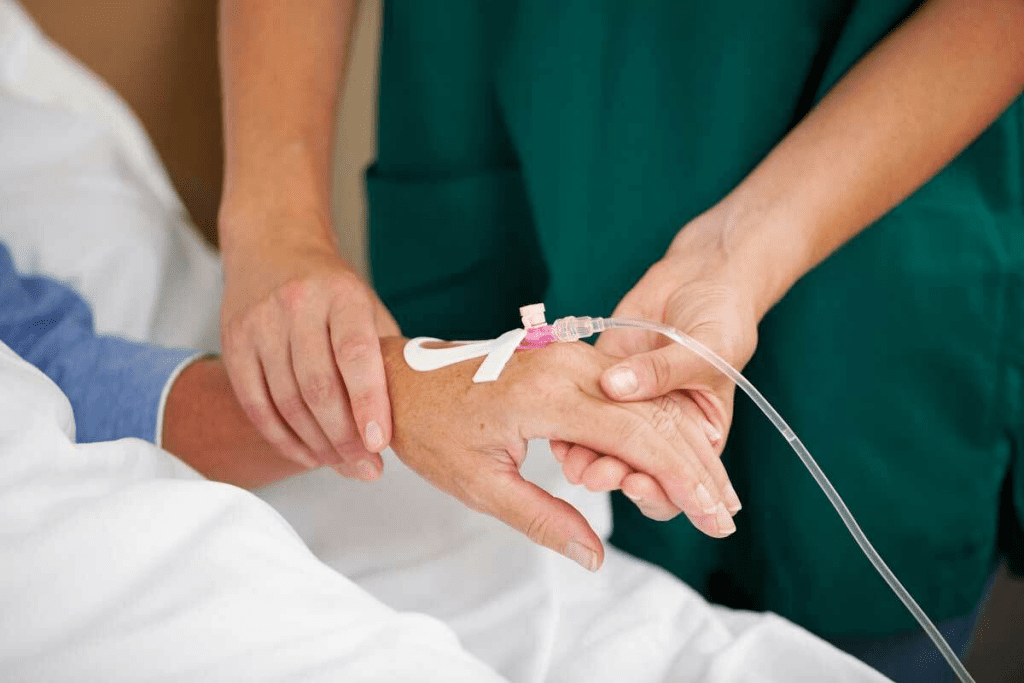
Chemotherapy, or ‘chemo‘ or ‘kemo medicine,’ is a treatment that uses drugs to fight cancer cells. At Liv Hospital, we focus on patient care and medical excellence.
There are many types of chemo, each working differently. Chemo comes in various forms and aims to cure, slow cancer, or improve life quality. How chemotherapy drugs work: understand ‘chemo’ and its medical purpose.
Key Takeaways
- Chemotherapy is a systemic treatment targeting rapidly dividing cells.
- Different types of chemo work in various ways to combat cancer.
- Chemo can be used to cure cancer, slow its progression, or improve quality of life.
- Chemotherapy affects both cancer cells and healthy cells, leading to side effects.
- Most normal cells recover from chemo, but cancer cells are less able to recover.
Defining Chemotherapy: The Science Behind ‘Chemo’ and ‘Kemo’
The word ‘chemo’ comes from ‘chemical therapy,’ showing it uses medicines to treat many conditions. Chemotherapy, or ‘chemo’ or ‘kemo,’ is a treatment that goes through the blood to reach every part of the body.
Etymology and Meaning of Chemotherapy Terms
The term ‘chemotherapy’ comes from ‘chemical’ and ‘therapy.’ It means using chemicals to treat diseases, mainly cancer. Knowing where ‘chemo’ comes from helps us see why it’s linked to cancer, even though it’s used for other diseases too.
We call ‘chemo’ and ‘kemo’ the same thing, but some people use ‘kemo’ more. It’s all about using chemicals or drugs as a treatment.
Chemical Therapy vs. Other Treatment Approaches
Chemotherapy is different from surgery and radiation therapy. Surgery and radiation target specific areas, but chemotherapy goes all over the body. This makes it key in fighting cancer that has spread.
According to cancer research organizations, chemotherapy kills cancer cells or stops them from growing. It’s great for treating cancer that has spread or might spread.
Understanding ‘chemo’ and ‘kemo’ helps us see how important chemotherapy is. It’s not just for cancer; it can treat other diseases too. Chemotherapy’s strength is in its flexibility for different treatments.
How Chemotherapy Drugs Work: The Fundamental Mechanisms
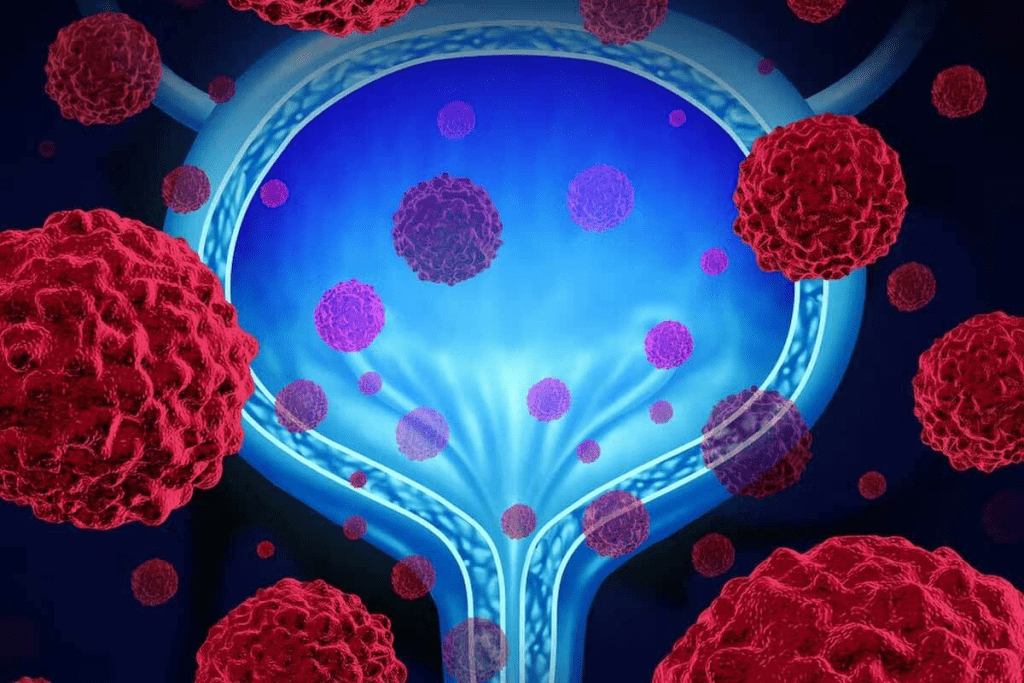
Chemotherapy drugs stop cells from dividing, which slows down tumor growth. They target cells that grow fast, like most cancer cells.
Interrupting the Cell Cycle
Chemotherapy affects cells when they’re growing and dividing. Different drugs work at different times in the cell cycle. Some drugs act during DNA synthesis, while others work during cell division.
By knowing how drugs work, doctors can plan treatments. This helps kill more cancer cells and harm fewer healthy ones.
DNA and RNA Damage Processes
Many drugs damage DNA or RNA in cancer cells, stopping them from making copies. This damage can happen in several ways, like alkylation or blocking topoisomerase enzymes.
| Mechanism of Action | Effect on Cells | Examples of Chemotherapy Drugs |
| DNA Damage | Prevents cell replication | Cisplatin, Doxorubicin |
| Inhibition of Cell Division | Stops cell cycle progression | Paclitaxel, Vinblastine |
| Interference with DNA Synthesis | Prevents DNA replication | 5-Fluorouracil, Methotrexate |
Knowing how chemotherapy works helps us see its benefits and side effects. It’s key to understanding its role in cancer treatment.
Major Classes of Chemotherapy Drugs and Their Actions
It’s important to know about the different types of chemotherapy drugs. They are grouped by how they work and the cancers they treat. The main types are alkylating agents, antimetabolites, topoisomerase inhibitors, and antimicrotubule agents. Each has its own way of fighting cancer and can have different side effects.
Alkylating Agents
Alkylating agents damage the DNA of cancer cells, stopping them from copying. Cyclophosphamide and chlorambucil are examples. They treat many cancers, like leukemia and lymphoma. By damaging DNA, these drugs kill cancer cells.
Antimetabolites
Antimetabolites are fake building blocks that mess with DNA and RNA. 5-fluorouracil and methotrexate are common ones. They work best on fast-growing cancers, like some leukemias and stomach cancers. They kill cells by messing with DNA and RNA.
Topoisomerase Inhibitors
Topoisomerase inhibitors block enzymes needed for DNA replication. Topotecan and irinotecan are topoisomerase I inhibitors, while etoposide targets topoisomerase II. They treat many cancers, like ovarian and lung cancers. By blocking these enzymes, they damage DNA and kill cancer cells.
Antimicrotubule Agents
Antimicrotubule agents mess with microtubules, key for cell division. Taxanes, like paclitaxel, and vinca alkaloids, like vincristine, are examples. They treat cancers like breast and lymphomas. By messing with microtubules, they stop cells from dividing and die.
For more info on chemotherapy drugs, check out studies on PMC.
Chemotherapy Ingredients and Formulations
Chemotherapy is a complex treatment that uses many drugs to fight cancer. The makeup of these medications changes based on the cancer type.
Common Active Compounds in Chemo Drugs
Chemotherapy drugs have various active compounds that target cancer cells. Some common ones include:
- Alkylating agents, which damage cancer cells’ DNA to stop them from growing.
- Antimetabolites, substances that block DNA and RNA production, stopping cancer cell growth.
- Anthracyclines, a class of drugs that insert into DNA strands, stopping topoisomerase II and causing cancer cells to die.
These compounds are often mixed to boost their effectiveness.
Why Combination Chemotherapy Is Often Prescribed
Combination chemotherapy uses many drugs to attack cancer from different angles. It’s used for several reasons:
- To target various pathways in cancer cell growth.
- To lower the chance of drug resistance.
- To make the treatment more effective overall.
By mixing drugs, we can better attack cancer cells, leading to better treatment results.
The Cellular Target: How Chemo Affects Different Cells
It’s important to know how chemotherapy works at the cellular level. This helps us understand its benefits and side effects. Chemotherapy uses drugs to kill cancer cells or stop them from growing.
Why Cancer Cells Are Vulnerable to Chemotherapy
Cancer cells grow and divide quickly. Chemotherapy drugs target these fast-dividing cells, making cancer cells more vulnerable. There are a few reasons for this:
- Cancer cells often have bad DNA repair, making them more likely to be damaged by chemotherapy drugs.
- Because cancer cells divide fast, they are more likely to be in the cell cycle phases targeted by chemotherapy.
- Cancer cells can be more sensitive to disruptions in their metabolic processes, which some chemotherapy drugs exploit.
For more detailed information on how chemotherapy works, you can visit the National Cancer Institute’s page on chemotherapy.
Impact on Healthy Rapidly Dividing Cells
Chemotherapy is most effective against fast-dividing cancer cells. But it also affects healthy cells that divide quickly. This includes cells in the bone marrow, hair follicles, and the digestive tract lining. The impact on these cells can cause common side effects like:
- Hair loss due to the effect on hair follicle cells.
- Nausea and diarrhea resulting from damage to the digestive tract lining.
- Increased risk of infection because of reduced white blood cell production in the bone marrow.
Understanding how chemotherapy affects both cancerous and healthy cells is key. It helps us see the balance between treating cancer and managing side effects. By looking at how different chemotherapy drugs work and their targets, we can better understand the complex effects of treatment.
Side Effects of Chemotherapy: Understanding the Causes
Chemotherapy targets fast-growing cells, including both cancer and healthy cells. This can lead to various side effects. It’s important to know why these side effects happen to manage them better.
Common Side Effects in Chemo Patients
Patients going through chemotherapy often face side effects. These include hair loss and immunosuppression. Hair loss is due to chemotherapy’s effect on hair follicles, which grow quickly. Immunosuppression occurs when chemotherapy weakens the bone marrow, making it hard to fight off infections.
Other common side effects are:
- Fatigue
- Nausea and vomiting
- Diarrhea or constipation
- Mouth sores
- Numbness or tingling in hands and feet
Managing and Minimizing Side Effects
Managing side effects is possible with the right strategies. For example, scalp cooling caps can help with hair loss. Anti-nausea medication can control nausea and vomiting. Eating well, staying hydrated, and resting are also key.
| Side Effect | Management Strategy |
| Hair Loss | Scalp cooling caps, gentle hair care |
| Immunosuppression | Avoiding infections, prophylactic antibiotics |
| Nausea and Vomiting | Anti-nausea medication, dietary changes |
It’s good to know that many side effects go away after chemotherapy ends. By understanding these effects and working with their healthcare team, patients can manage their treatment better. This improves their quality of life during treatment.
Beyond Cancer: Is Chemo Only for Cancer?
Chemotherapy is often linked with cancer treatment. But, it has uses beyond fighting cancer. It’s not just for cancer; it has other medical roles too.
Chemotherapy is used in many medical conditions. It helps control the immune system’s actions. This is true for treating certain autoimmune diseases.
Chemotherapy for Autoimmune Conditions
Autoimmune diseases happen when the immune system attacks the body’s own cells. Chemotherapy can help by reducing the immune system’s activity. This makes the disease less severe.
Drugs like cyclophosphamide are used for severe autoimmune diseases. They help manage symptoms and prevent damage. This is true for conditions like lupus and rheumatoid arthritis.
Treatment of Ectopic Pregnancies and Other Medical Uses
Chemotherapy is also used for ectopic pregnancies. This is when a fertilized egg grows outside the uterus. Methotrexate, a chemotherapy drug, stops the embryo’s growth. This allows the body to absorb the pregnancy tissue.
Chemotherapy has other uses too. It treats certain types of vasculitis and prevents transplant rejection. This shows how versatile chemotherapy is in medicine.
As medical research grows, we might find more uses for chemotherapy. It’s clear that chemotherapy’s benefits go beyond just treating cancer.
Modern Advances in Chemotherapy Administration
The world of chemotherapy is evolving. New ways of giving treatments are making them more effective and precise. These changes are making chemotherapy less harsh on the body.
Targeted Delivery Systems
Targeted delivery systems are a big step forward. They send chemotherapy right to cancer cells, sparing healthy tissues. This means fewer side effects for patients.
- Nanoparticles: Tiny particles that can be engineered to target specific cancer cells.
- Lipid-based delivery systems: Using lipids to encapsulate chemotherapy drugs, improving their delivery and efficacy.
- Antibody-drug conjugates: Combining antibodies with chemotherapy drugs to target cancer cells more precisely.
Personalized Medicine and Genetic Profiling
Personalized medicine and genetic profiling are changing how we treat cancer. By looking at a patient’s genes, we can make treatments that fit them best. This makes treatments work better and side effects less.
- Genetic testing: Identifying genetic mutations that affect how a patient responds to certain chemotherapy drugs.
- Personalized treatment plans: Developing customized chemotherapy regimens based on genetic profiling.
- Monitoring and adjustments: Continuously monitoring patient responses and adjusting treatment plans as needed.
This method makes treatments more effective. It also cuts down on side effects by avoiding treatments that won’t help.
Conclusion: The Evolving Landscape of Chemotherapy Treatment
Chemotherapy treatment has made great strides in fighting cancer. It now offers hope to patients all over the world. Thanks to new advancements, treatments are more effective and have fewer side effects.
Chemotherapy works by stopping cancer cells from growing. It damages their DNA and RNA. This way, it targets cancer cells without harming healthy ones.
The future of chemotherapy looks bright. Scientists are working on better ways to deliver treatments. They aim to make treatments more precise and effective for each patient.
We are dedicated to providing top-notch healthcare. We support patients with international care and guidance. Our goal is to improve the lives of those fighting cancer with chemotherapy.
FAQ
What does ‘chemo’ mean?
‘Chemo’ is short for ‘chemotherapy.’ It’s a treatment that uses chemicals to fight cancer cells. The term ‘kemo’ is also used the same way as ‘chemo.’
How do chemotherapy drugs work?
Chemotherapy drugs stop cancer cells from growing. They damage the cells’ DNA or RNA. This kills the cancer cells.
Is chemo only for cancer?
No, chemo is not just for cancer. It’s also used for autoimmune diseases, ectopic pregnancies, and other conditions.
What are the major classes of chemotherapy drugs?
There are several types of chemotherapy drugs. These include alkylating agents, antimetabolites, topoisomerase inhibitors, and antimicrotubule agents. Each works in a different way.
Why do chemotherapy patients experience side effects?
Side effects happen because chemo drugs target not just cancer cells but also healthy cells. This causes damage and side effects.
How can side effects be managed and minimized?
To manage side effects, several strategies can be used. These include medication, lifestyle changes, and alternative therapies. They help improve life quality during chemo.
What is combination chemotherapy?
Combination chemotherapy uses more than one drug at a time. This approach boosts treatment effects, reduces resistance, and improves outcomes.
How do targeted delivery systems improve chemotherapy?
Targeted delivery systems send drugs straight to cancer cells. This reduces harm to healthy cells and makes treatment more effective.
What is personalized medicine in chemotherapy?
Personalized medicine in chemo tailors treatment to each patient. It considers their genetic makeup, medical history, and other factors to improve treatment results.
Can chemotherapy kill healthy cells?
Yes, chemo can harm healthy cells, too. This can cause side effects like hair loss, nausea, and fatigue.
What are the ingredients used in chemotherapy formulations?
Chemotherapy formulas include various active compounds. These include alkylating agents, antimetabolites, and other drugs. They are often combined to boost treatment effects.
Reference:
Peer, D., Karp, J. M., Hong, S., Farokhzad, O. C., Margalit, R., & Langer, R. (2020). Mechanisms and recent advances in targeted drug delivery. Advanced Drug Delivery Reviews, 176, 113“136. https://www.sciencedirect.com/science/article/abs/pii/S0014299923005253