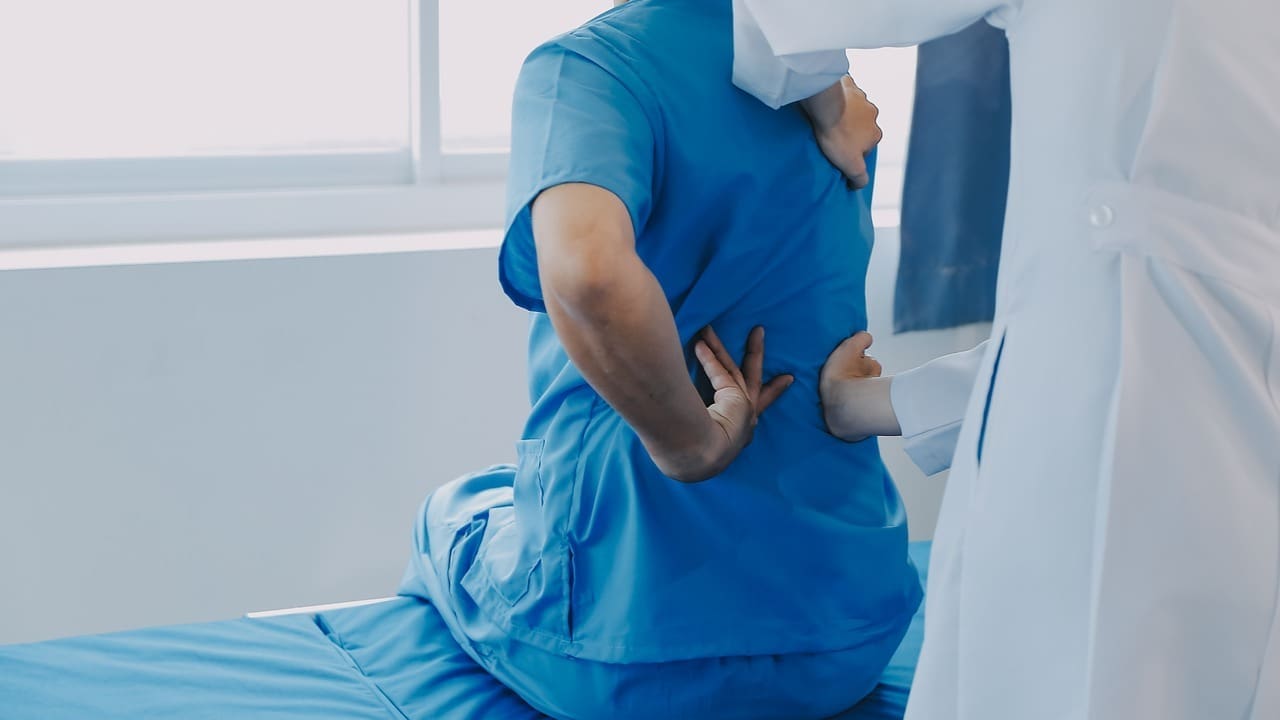
When other treatments don’t work, bulging disc surgery might be an option. It’s important to know the risks and benefits of this surgery.
At Liv Hospital, we put our patients first. We meet international standards for world-class healthcare. Our team supports international patients fully.
It’s key to understand the risks like infection, bleeding, and nerve damage. We use the newest treatments and follow the latest research. This helps us reduce risks and get the best results for our patients.
Key Takeaways
- Understanding the risks and benefits of bulging disc surgery is vital.
- Liv Hospital follows internationally competitive standards for surgical interventions.
- Non-surgical treatments are considered before surgery.
- Potential risks include infection, bleeding, and nerve injury.
- Up-to-date academic protocols are used to minimize risks.
Understanding Bulging Discs and Their Impact
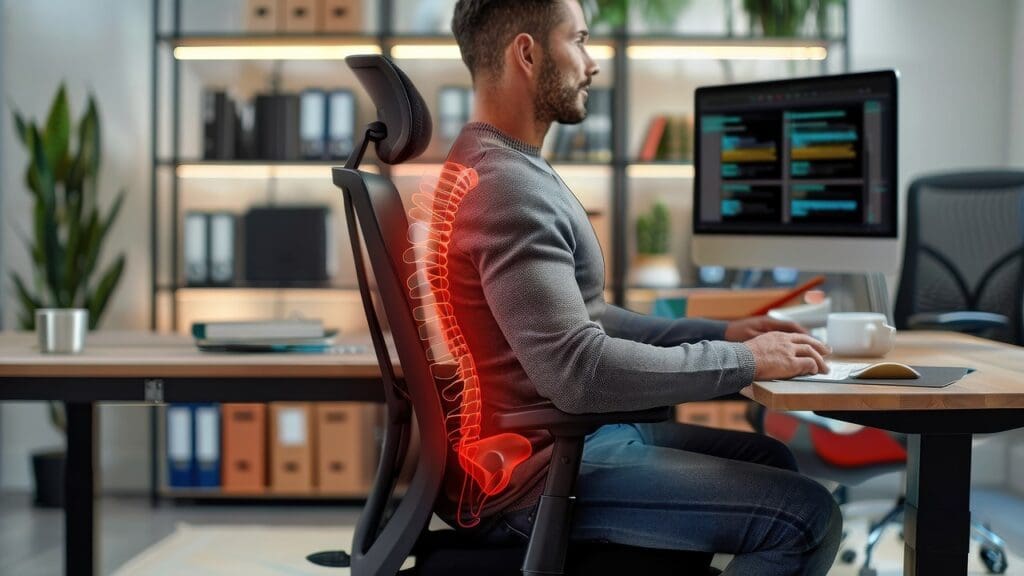
The spine is a complex structure, and bulging discs are one of the conditions that can affect its function. Bulging discs occur when the softer material inside the disc pushes out through a crack in the tougher outside. This can irritate or press on nearby nerves. It can lead to various symptoms and significantly impact an individual’s quality of life.
What Causes Discs to Bulge?
Bulging discs can result from a combination of factors, including disc degeneration and trauma. As we age, the spinal discs lose their water content, becoming drier and more prone to cracking. Trauma or sudden injury can also cause a disc to bulge.
Common Symptoms and Warning Signs
The symptoms of bulging discs can vary but often include back pain, numbness, and tingling sensations in the arms or legs. This depends on the location of the bulging disc. In some cases, it can lead to muscle weakness.
“The most common symptom is pain, which can range from a dull ache to sharp, shooting pains.” –
How Bulging Discs Affect Quality of Life
Bulging discs can significantly affect an individual’s quality of life, making everyday activities challenging. Simple tasks like lifting, bending, or even sitting for long periods can become painful.
| Impact on Daily Life | Common Challenges |
|---|---|
| Physical Activities | Lifting, bending, exercising |
| Daily Tasks | Sitting for long periods, standing |
| Work and Leisure | Reduced productivity, avoiding activities due to pain |
Non-Surgical Treatment Options for Bulging Discs
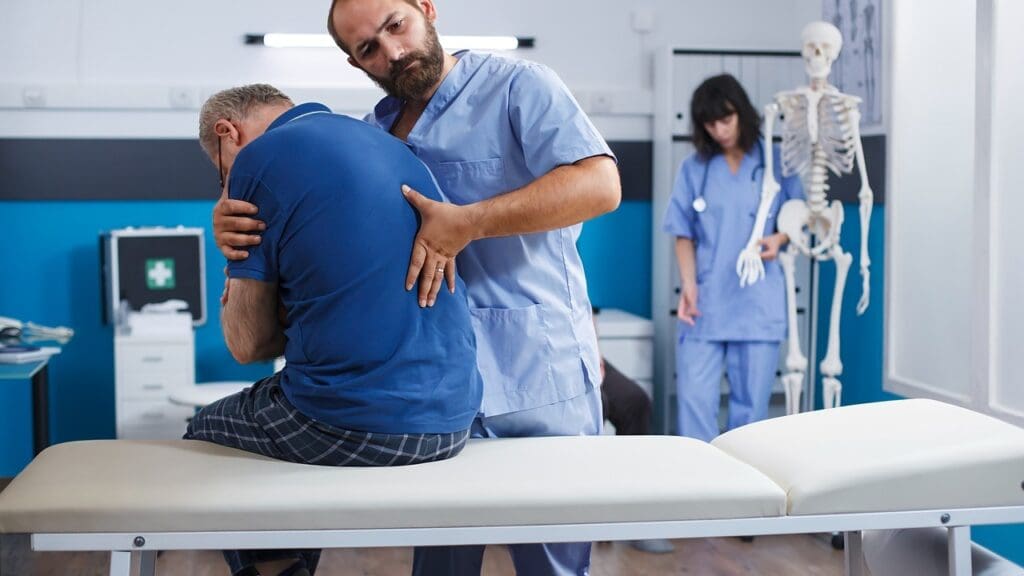
Bulging discs can often be managed without surgery. Many non-surgical treatments are available. They help reduce symptoms, improve function, and enhance quality of life.
Physical Therapy and Exercise Regimens
Physical therapy is key in managing bulging discs. It strengthens back muscles and improves flexibility. A customized exercise program can lessen pain and prevent future problems.
Core strengthening exercises are very helpful. They support the spine and reduce strain on bulging discs.
Medication Management Strategies
Medications can help manage pain and inflammation from bulging discs. Over-the-counter pain relievers and muscle relaxants are commonly used. For severe cases, a healthcare provider might suggest consulting a specialist for further advice.
Alternative and Complementary Therapies
Alternative therapies like chiropractic care and acupuncture can also offer relief. These therapies focus on holistic pain management and overall well-being.
- Chiropractic adjustments can help realign the spine and reduce pressure on bulging discs.
- Acupuncture involves the insertion of fine needles into specific points on the body to alleviate pain.
When to Have Back Surgery for Bulging Disc
Deciding on back surgery for a bulging disc depends on several factors. These include how severe your symptoms are and if other treatments work.
Failed Conservative Treatment Indicators
If treatments like physical therapy, medicine, and lifestyle changes don’t help, surgery might be needed. Failed conservative treatment shows as ongoing pain, less mobility, and a big drop in quality of life.
| Conservative Treatment | Indicators of Failure |
|---|---|
| Physical Therapy | Lack of improvement in mobility and pain |
| Medication Management | Inadequate pain relief or significant side effects |
| Lifestyle Modifications | Continued symptoms despite changes in activity and posture |
Severe Neurological Symptoms Requiring Intervention
When severe neurological symptoms like big numbness, weakness, or tingling in limbs show up, surgery is often needed. This is to stop more harm.
Emergency Situations: Cauda Equina Syndrome
Cauda Equina Syndrome is a serious emergency needing quick surgery. It shows as bad lower back pain, numbness or tingling in legs, and losing control of bladder or bowel.
Loss of Bowel or Bladder Control
One key sign of Cauda Equina Syndrome is losing control of bowel or bladder. This is a serious emergency needing fast help.
Progressive Neurological Deficits
Progressive neurological deficits, like more numbness or weakness in legs, also mean urgent surgery is needed.
Is Bulging Disc Surgery Dangerous? Examining the Risks
Thinking about bulging disc surgery? It’s key to know the possible risks. Like any surgery, there are complications, from simple to serious.
Common Surgical Complications
Bulging disc surgery has its common problems. These include:
Infection Rates and Prevention
Infections at the surgery site are a risk, but rare. To lower this risk, doctors often use antibiotics.
Bleeding and Blood Loss Concerns
Bleeding can happen during or after surgery. Most cases are okay, but too much blood loss can cause more problems.
Dural Tears (1-6.6% of Cases)
A dural tear is a rare issue, affecting a small number of people. It’s a tear in the spinal cord’s membrane. This can cause cerebrospinal fluid to leak, leading to serious problems if not treated right.
Serious Complications
While rare, serious problems can happen with bulging disc surgery.
Nerve Injury Risks and Outcomes
Nerve damage is a big risk. It can cause numbness, weakness, or pain. Some cases get better over time, but others can be permanent.
Rare Cases of Paralysis
Paralysis is a rare but severe risk. It shows how important it is to think carefully and talk to experienced doctors.
In short, bulging disc surgery can be helpful, but knowing the risks is vital. By understanding both common and serious problems, patients can make better choices about their health.
Long-Term Risks of Herniated Disc Surgery
Herniated disc surgery can help many people feel better. But, it’s important to know the long-term risks. We need to look at both the good and the bad sides of surgery.
Persistent Post-Surgical Pain Syndrome
One big risk is persistent pain after surgery. This pain can last a long time and really affect your life. Spine experts say managing this pain is complex and needs a detailed plan.
To deal with this pain, doctors use different treatments. These include medicines, physical therapy, and other methods. It’s key for patients to work with their doctors to find the right pain plan.
Recurrent Disc Herniation
About 10-15% of people who have surgery for a herniated disc face it again. This means the disc bulges out again, often needing more surgery.
Things like age, how big the herniation was, and the surgery type can raise the risk. Knowing these can help decide on the best surgery and care after.
Accelerated Degenerative Disc Disease
Surgery can make the spine wear out faster. This can cause more problems, like narrowing of the spine or more herniations.
a well-known spine surgeon, says surgery helps but we must think about the spine’s long-term health. Patients should talk to their doctors about keeping their spine healthy.
Adjacent Segment Degeneration
Wear and tear in the discs and joints near the surgery site is another risk. This can cause new pain and might need more surgery.
“The spine is a complex structure, and surgery at one level can have implications for adjacent segments,” says
.
It’s important to know about the risks of wear and tear near the surgery site. Patients should watch for signs and keep up with doctor visits.
Surgery Options for Herniated Lumbar Disc
When thinking about surgery for a herniated lumbar disc, patients have several options. These choices depend on the herniation’s severity, the patient’s health, and their symptoms.
Open Discectomy
Open discectomy is a traditional surgery for herniated lumbar discs. It involves making a big incision in the back to reach the affected disc.
Procedure Details and Technique
The surgeon takes out the herniated part of the disc that’s pressing on the nerve. This surgery is done under general anesthesia.
Recovery Timeline and Expectations
Recovery from open discectomy takes several weeks. Patients should avoid heavy lifting and bending during this time.
Microdiscectomy
Microdiscectomy is a less invasive version of open discectomy. It uses a microscope or special tools to remove the herniated disc through a small incision.
Procedure Details and Advantages
This method causes less tissue damage and has quicker recovery times than open discectomy. It’s good for patients with contained disc herniations.
Recovery Timeline and Success Rates
Most patients can get back to normal activities in a few weeks. Microdiscectomy has a high success rate in easing symptoms.
Endoscopic Discectomy Procedures
Endoscopic discectomy is a minimally invasive surgery. It uses an endoscope to see the disc and nerves.
Minimally Invasive Techniques
This procedure makes a small incision and uses special tools to remove the herniated disc. It’s done under local or general anesthesia.
Recovery Advantages and Limitations
Endoscopic discectomy has the advantage of less tissue damage and quicker recovery. But, it’s not for all disc herniations.
Each surgery option has its benefits and risks. Patients should talk to their surgeon to find the best procedure for them.
Advanced Surgical Technologies for Disc Treatment
Advanced surgical technologies are changing how we treat discs. They bring new hope to those suffering from disc problems. These technologies have made treatments better, recovery times shorter, and care quality higher.
Laser Disc Procedures
Laser disc procedures are a new way to treat disc issues. They use laser energy to remove or repair damaged disc tissue. This helps reduce pain and improve function, mainly for those with contained disc herniations.
Artificial Disc Replacement
Artificial disc replacement is a surgery that replaces a bad disc with an artificial one. It tries to keep the spine moving naturally, which might lower the chance of more problems happening. Many patients see better mobility and less pain.
Robotic-Assisted Spine Surgery
Robotic-assisted spine surgery is a big step forward in precision. It uses robots to help surgeons do complex surgeries better. This could lead to better results and fewer problems.
Emerging Techniques and Research
Spine surgery is always getting better, thanks to new research and techniques. Scientists are looking into ways to grow new discs and make better implants. These advancements could lead to even better treatments for disc problems.
Pre-Surgery Considerations to Minimize Risks
Getting ready for bulging disc surgery means thinking about a few key things. It’s important to be well-prepared for a smooth recovery. Surgery can be scary, but being ready helps a lot.
Selecting a Qualified Spine Surgeon
Finding the right surgeon is a big decision. Look for someone who knows a lot about spine surgery and has good results. Check their credentials, read what others say, and ask about their experience with your kind of surgery.
Essential Questions for Your Surgical Consultation
Ask lots of questions during your consultation. Important ones include: What risks are there? What results can I expect? How will pain be managed after surgery? Knowing these things will make you feel more ready.
Lifestyle Modifications to Improve Outcomes
Changing your lifestyle can really help your surgery results. Quit smoking, stay at a healthy weight, and exercise regularly. Eating well is also important for your health.
Setting Realistic Expectations
It’s important to know what to expect from your surgery and recovery. Surgery is just one step; rehab and therapy are also key. We’ll help you set goals and plan your recovery.
By thinking about these things and working with your healthcare team, you can reduce risks and have a good outcome from your surgery.
Post-Surgery Recovery and Rehabilitation Process
Recovering from bulging disc surgery needs a full plan. This includes care after surgery and rehab. We know the recovery is key to good results and avoiding problems.
Immediate Post-Operative Care Protocol
Right after surgery, patients watch over in a recovery room for hours. This checks for any quick issues. It’s vital to follow the care tips from your healthcare team. These might cover pain, wound care, and how active to be.
Physical Therapy and Rehabilitation Timeline
Physical therapy is key in getting back to normal. It starts a few weeks post-surgery and goes on for weeks or months. A physical therapist skilled in post-surgery care can help create a custom exercise plan.
Warning Signs of Post-Surgical Complications
Complications are rare, but knowing the signs is important. Look out for more pain, fever, numbness, and trouble with bowel or bladder. If you notice these, call your doctor right away.
Long-Term Recovery Expectations
Recovery time varies, but most see big improvements in a few months. Staying healthy with exercise and a good diet helps a lot. This supports your spine’s health too.
Understanding the recovery and following care tips helps a lot. Patients can get back to their usual life with little pain.
Does a Slipped Disc Need Surgery? Understanding Conservative Management
A slipped disc doesn’t always need surgery. Many people find that non-surgical treatments can help a lot. These treatments can manage symptoms and aid in recovery.
Natural Healing of Disc Injuries
The body can heal itself, even from disc injuries. Studies show that many slipped discs can heal with the right care.
a renowned orthopedic specialist, says, “A good plan includes physical therapy, lifestyle changes, and sometimes medicine.”
Success Rates of Non-Surgical Approaches
Many patients with slipped discs get better with non-surgical treatments. The success depends on the injury’s severity and the treatment used.
| Treatment Modality | Success Rate |
|---|---|
| Physical Therapy | 70-80% |
| Medication Management | 60-70% |
| Lifestyle Modifications | 50-60% |
Factors That Influence Treatment Decisions
Several things decide if you should try non-surgical methods or surgery. These include how bad your symptoms are, if you have nerve problems, and your overall health.
“Choosing surgery should be after trying non-surgical methods and talking to a doctor.”
When to Reconsider Surgical Options
Even though non-surgical methods work for many, sometimes surgery is needed. This is when other treatments don’t help enough or if you have serious nerve problems.
Knowing about non-surgical options and what affects treatment choices helps patients make better decisions about their care.
Conclusion: Making an Informed Decision About Bulging Disc Surgery
We’ve looked into the details of bulging disc surgery, including its risks and benefits. Deciding on bulging disc surgery needs careful thought. It’s important to talk it over with a skilled spine surgeon.
It’s key for patients to know the surgical risks and benefits. This knowledge helps them make an informed decision. By understanding their options and possible outcomes, they can play a big part in their care.
The main aim is to ease pain, improve function, and enhance life quality. By looking at the risks and benefits and thinking about personal needs, patients can choose what’s best for them.
Does a herniated disc require surgery?
Not always. Many people recover with physical therapy, medication, and alternative therapies. Surgery is considered when these treatments fail or in emergencies.
What are the risks of surgery for a herniated disc?
Surgery risks include infection, bleeding, nerve injury, and paralysis. Serious complications can happen. Always talk about these risks with a spine surgeon.
What are the surgery options for a herniated lumbar disc?
Options include open discectomy, microdiscectomy, and endoscopic discectomy. The choice depends on the case and the surgeon’s advice.
Can bulging discs get better without surgery?
Yes, many improve with physical therapy, medication, and lifestyle changes. It’s important to consider natural healing before surgery.
When should I consider surgery for a bulging disc?
Surgery is considered when treatments fail, severe symptoms are present, or in emergencies. Always consult a spine surgeon for the best treatment.
What are the long-term risks of herniated disc surgery?
Risks include persistent pain, recurrent herniation, and degenerative disease. Knowing these risks helps in making a surgery decision.
How do I prepare for disc surgery?
Prepare by choosing a qualified surgeon, asking questions, and making lifestyle changes. Setting realistic expectations is also key.
What is the recovery process like after disc surgery?
Recovery involves immediate care, physical therapy, and rehabilitation. Knowing warning signs and having realistic expectations is important.
Are there alternative treatments to surgery for a slipped disc?
Yes, options include physical therapy, medication, chiropractic care, and acupuncture. These should be tried before surgery.
Is disc bulge surgery safe?
Surgery carries risks, but many people have successful outcomes. A qualified surgeon and proper care are essential.
What are the advanced surgical technologies available for disc treatment?
Technologies include laser procedures, artificial disc replacement, and robotic-assisted surgery. These are improving treatment options for disc disorders.
References
- NHS (UK): https://www.nhs.uk/tests-and-treatments/lumbar-decompression-surgery/risks/
- National Center for Biotechnology Information (NCBI) / PMC: https://pmc.ncbi.nlm.nih.gov/articles/PMC9547702/
- Advanced Orthopaedic & Sports Medicine (AOSM): https://www.advancedosm.com/possible-complications-of-spinal-surgeries-orthopaedic-sports-medicine-specialist-cypress-houston-tx/