
Undergoing heart valve replacement can be a daunting experience, filled with questions and concerns about the risks involved. At Liv Hospital, we are committed to providing you with the highest level of care and support throughout your treatment journey.
Heart valve surgery is considered a major surgical procedure, but it is often life-saving for individuals with severe valve disease. We want to assure you that our team is dedicated to delivering internationally competitive results and patient-centered excellence.
Our goal is to empower you with the knowledge you need to make informed decisions about your care. We will explore the risks associated with valve replacement and what you can expect during your recovery.
Key Takeaways
- Heart valve surgery is a major procedure, but often life-saving for severe valve disease.
- Liv Hospital is committed to providing the highest level of care and support.
- Understanding the risks and benefits is crucial for informed decision-making.
- Our team delivers internationally competitive results with patient-centered excellence.
- Knowledge about the procedure and recovery process is key to a successful outcome.
Understanding Heart Valve Surgery: A Life-Saving Procedure

Heart valve replacement surgery has become a common and often life-saving treatment for various heart valve disorders. This surgical procedure is performed to repair or replace a diseased heart valve, aiming to restore normal heart function and improve the patient’s quality of life.
The Purpose of Heart Valve Surgery
The primary purpose of heart valve surgery is to treat heart valve disease, which occurs when one or more of the heart’s valves are not functioning correctly. This can lead to symptoms such as shortness of breath, chest pain, and fatigue. By repairing or replacing the affected valve, surgery can alleviate these symptoms and prevent further complications.
We use advanced diagnostic techniques to determine the extent of valve disease and decide on the most appropriate surgical approach. Our experienced team works closely with patients to understand their condition and recommend the best treatment plan.
When Surgery Becomes Necessary
Surgery becomes necessary when the valve disease is severe and significantly impacts daily life. The decision to undergo surgery is typically made when other treatments have been ineffective or when the condition poses a significant risk to the patient’s health.
Some common scenarios where surgery becomes necessary include:
- Severe valve stenosis or regurgitation
- Heart failure due to valve disease
- Valve disease with significant symptoms
- Presence of complications such as arrhythmias or heart enlargement
We evaluate each patient’s condition individually, considering factors such as overall health, the severity of symptoms, and the presence of other medical conditions, to determine the best course of action.
| Condition | Surgical Intervention | Expected Outcome |
|---|---|---|
| Severe Valve Stenosis | Valve Replacement | Improved Heart Function |
| Valve Regurgitation | Valve Repair or Replacement | Reduced Symptoms |
| Heart Failure due to Valve Disease | Urgent Valve Surgery | Stabilization of Heart Function |
Types of Heart Valve Surgeries
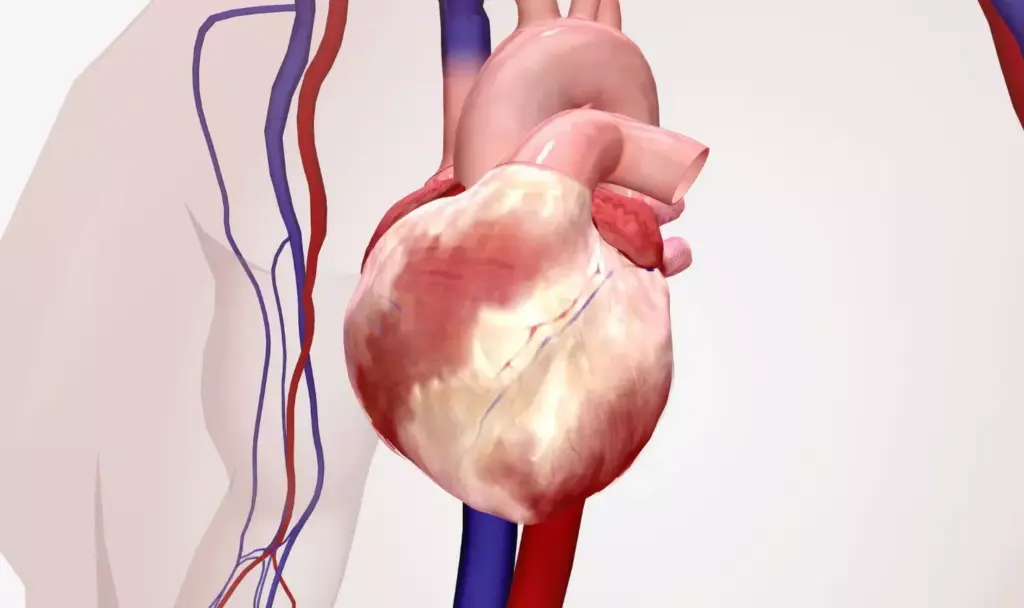
Heart valve surgery is a critical procedure that comes in various forms, each tailored to address specific valve-related issues. The choice of surgery depends on the patient’s overall health, the severity of the valve disease, and other factors.
Traditional Open-Heart Valve Surgery
Traditional open-heart valve surgery involves making an incision in the chest to access the heart. This method allows surgeons to directly visualize and repair or replace the affected valve. Open-heart surgery is often used for complex valve repairs or replacements, especially when multiple valves are involved.
While this traditional approach is effective, it requires a longer recovery time due to the larger incision. Patients typically spend several days in the hospital and may need several weeks to recover fully.
Minimally Invasive Valve Surgery
Minimally invasive valve surgery represents a significant advancement in cardiac surgery. This approach involves smaller incisions, resulting in less tissue damage and trauma to the patient. Surgeons use specialized instruments and techniques to repair or replace the valve through these smaller openings.
The benefits of minimally invasive surgery include reduced pain, shorter hospital stays, and quicker recovery times. However, not all patients are candidates for this type of surgery, as it depends on individual anatomy and the specific valve condition.
Transcatheter Valve Procedures
Transcatheter valve procedures are the most advanced and least invasive form of heart valve surgery. These procedures involve inserting a catheter through an artery in the leg and guiding it to the heart, where the valve is repaired or replaced.
Transcatheter aortic valve replacement (TAVR) is a well-established procedure for treating aortic valve stenosis. It offers a viable option for patients who are at high risk for traditional open-heart surgery. The benefits include a significantly reduced recovery time and the avoidance of open-heart surgery.
Each of these surgical approaches has its own set of benefits and risks. The choice between them depends on various factors, including the patient’s overall health, the specific valve affected, and the severity of the valve disease.
Is Heart Valve Surgery Dangerous? Analyzing the Overall Risk
Heart valve surgery is a significant medical procedure that carries various risks, but understanding these risks is crucial for patients considering this operation. While it’s a major surgery, advances in medical technology and techniques have significantly improved outcomes for patients.
Mortality Rates and Statistics
Mortality rates for heart valve surgery have been a subject of extensive study. According to various medical studies, the overall mortality rate for heart valve surgery ranges from 2% to 5%. However, these rates can vary significantly based on several factors, including the patient’s overall health, age, and the specific valve being operated on.
For instance, a study published in a reputable medical journal found that the mortality rate for aortic valve replacement was around 3.4%, while for mitral valve repair, it was approximately 1.7%. These statistics underscore the importance of individualized risk assessment for each patient.
Factors That Influence Risk Levels
Several factors can influence the risk levels associated with heart valve surgery. These include:
- Age: Older patients generally face higher risks due to potential comorbidities and reduced physiological reserve.
- Overall Health: Patients with multiple health issues, such as diabetes, hypertension, or kidney disease, are at higher risk.
- Type of Valve Surgery: The risk varies depending on whether the surgery involves the aortic, mitral, tricuspid, or pulmonary valve.
- Surgical Technique: Minimally invasive techniques may reduce recovery time and risk compared to traditional open-heart surgery.
Risk-Benefit Analysis
When considering heart valve surgery, it’s crucial to conduct a thorough risk-benefit analysis. While the surgery carries risks, the benefits often outweigh these for many patients. The potential benefits include:
- Improved survival rates for patients with severe valve disease.
- Enhanced quality of life through reduced symptoms and improved heart function.
- Potential for reduced need for medication and other interventions.
By carefully evaluating these factors and discussing them with a healthcare provider, patients can make informed decisions about undergoing heart valve surgery.
Common Complications and Risks of Valve Surgery
Valve surgery, like any major surgical procedure, carries risks that need to be carefully considered. As we explore the common complications associated with heart valve surgery, it’s essential to understand that being informed is a crucial part of the recovery process.
Bleeding Complications
Bleeding is a significant risk during and after heart valve surgery. Excessive bleeding can lead to serious complications, including the need for blood transfusions and additional surgeries. We take every precaution to minimize this risk, including the use of advanced surgical techniques and careful patient monitoring.
Some of the measures we use to manage bleeding complications include:
- Careful surgical planning and technique
- Use of medications to promote clotting
- Close monitoring of the patient’s vital signs
Blood Clots and Thromboembolism
Blood clots are another potential complication of valve surgery. These clots can form on the new valve or in the legs and lungs, potentially leading to thromboembolism or stroke. To mitigate this risk, we often prescribe anticoagulant medications to patients after surgery.
It’s crucial for patients to adhere to their medication regimen and follow our instructions for post-operative care to minimize the risk of blood clots.
Infection Risks
As with any surgery, there is a risk of infection with heart valve surgery. We implement strict infection control measures, including the use of antibiotics and meticulous wound care, to reduce this risk.
Signs of infection that patients should watch for include:
- Fever
- Redness or swelling around the incision site
- Increasing pain
Arrhythmias and Heart Conduction Problems
Heart valve surgery can sometimes disrupt the heart’s normal rhythm, leading to arrhythmias or other conduction problems. While these issues are often temporary, they can occasionally require additional treatment, such as a pacemaker.
We closely monitor patients’ heart rhythms during and after surgery to quickly identify and manage any arrhythmias that may arise.
Serious Complications: Stroke, Heart Failure, and Valve Failure
Heart valve surgery, while life-saving, comes with serious potential complications that patients should be aware of. We understand that undergoing heart valve surgery can be a daunting experience, and it’s essential to be informed about the potential risks involved.
Stroke Risk During and After Surgery
One of the serious complications of heart valve surgery is the risk of stroke. During surgery, the risk of stroke is associated with the manipulation of the heart and the use of cardiopulmonary bypass. We take meticulous precautions to minimize this risk, including careful patient selection and the use of advanced surgical techniques.
The risk of stroke can be categorized into different types, including ischemic and hemorrhagic strokes. Ischemic strokes occur when a blood clot obstructs the blood flow to the brain, while hemorrhagic strokes result from bleeding in or around the brain.
| Type of Stroke | Cause | Risk Factors |
|---|---|---|
| Ischemic Stroke | Blood clot obstructing blood flow | Atrial fibrillation, high blood pressure |
| Hemorrhagic Stroke | Bleeding in or around the brain | High blood pressure, anticoagulant use |
Heart Failure Complications
Heart failure is another potential complication following heart valve surgery. This can occur if the heart is unable to pump efficiently after the surgery. We monitor patients closely for signs of heart failure and implement appropriate management strategies to mitigate this risk.
Heart failure complications can be acute or chronic. Acute heart failure may require immediate intervention, while chronic heart failure necessitates long-term management and lifestyle adjustments.
Key factors influencing heart failure risk include:
- Pre-existing heart failure
- Severity of valve disease
- Presence of other heart conditions
Valve Failure and Dysfunction
Valve failure or dysfunction is a serious complication that can occur after heart valve surgery. This may result from mechanical valve failure, bioprosthetic valve deterioration, or other factors affecting valve function. We emphasize the importance of regular follow-up appointments to monitor valve function and address any issues promptly.
Understanding these serious complications is crucial for patients to make informed decisions about their treatment. We are committed to providing the highest level of care to minimize these risks and ensure the best possible outcomes for our patients.
How Long Does Heart Valve Replacement Surgery Take?
The duration of heart valve replacement surgery can vary significantly based on several factors. We understand that patients and their families are eager to know what to expect during this critical procedure.
Heart valve replacement surgery is a complex operation that requires precision and expertise. The length of the surgery can depend on whether the patient is undergoing a traditional open-heart surgery or a minimally invasive procedure.
Duration of Different Valve Procedures
The time required for heart valve replacement surgery can differ based on the type of valve being replaced. For instance:
- Aortic valve replacement typically takes less time compared to mitral valve replacement.
- Minimally invasive valve surgeries, such as transcatheter aortic valve replacement (TAVR), may have shorter surgery times.
- Complex cases involving multiple valve replacements or combined procedures can extend the surgery duration.
Factors That Can Extend Surgery Time
Several factors can influence the length of heart valve replacement surgery:
- Surgical Complexity: The more complex the case, the longer the surgery may take.
- Patient’s Overall Health: Patients with additional health issues may require more time for anesthesia and monitoring.
- Surgeon’s Experience: More experienced surgeons may complete the procedure more efficiently.
- Unexpected Complications: Any unforeseen issues during surgery can extend the operation time.
Understanding these factors can help patients better prepare for the surgery and manage their expectations regarding the duration of the procedure.
Mechanical vs. Biological Valve Replacements: Risk Comparison
When it comes to heart valve replacement surgery, patients often face a crucial decision: whether to opt for mechanical or biological valves. We understand that this choice can be daunting, and it’s essential to weigh the benefits and risks associated with each type.
Benefits and Risks of Mechanical Valves
Mechanical valves are known for their durability and long lifespan. They are typically made from materials like titanium or carbon, which are designed to last for many years, often for the patient’s lifetime. However, one significant drawback is the need for lifelong anticoagulation therapy to prevent blood clots from forming on the valve. This requires regular monitoring and potentially lifelong medication.
The benefits of mechanical valves include:
- Long durability, often lasting for decades
- Less likely to wear out compared to biological valves
However, the risks include:
- The need for lifelong anticoagulation therapy, which carries its own risks, such as bleeding complications
- A slightly higher risk of complications related to anticoagulation
Benefits and Risks of Biological Valves
Biological valves, on the other hand, are made from animal tissue, typically from cows or pigs. They are treated to be compatible with human tissue and are less likely to cause blood clots, reducing or eliminating the need for anticoagulation therapy. However, biological valves may not last as long as mechanical valves and might require replacement after 10 to 15 years.
The benefits of biological valves include:
- Reduced or no need for anticoagulation therapy, lowering the risk of bleeding complications
- A potentially lower risk of complications related to anticoagulation
However, the risks include:
- A shorter lifespan compared to mechanical valves, potentially requiring future replacement surgeries
- The possibility of valve deterioration over time
We help patients make an informed decision based on their individual needs, taking into account factors such as age, lifestyle, and overall health. By understanding the benefits and risks of both mechanical and biological valve replacements, patients can better navigate this critical aspect of their heart valve replacement journey.
Aortic vs. Mitral Valve Surgery: Risk Differences
When it comes to heart valve surgery, the risks associated with the procedure can vary significantly depending on which valve is being treated. Heart valve replacement or repair is a complex procedure that requires precision and expertise. The type of valve being operated on plays a crucial role in determining the overall risk profile of the surgery.
Aortic Valve Replacement Risks
Aortic valve replacement is one of the most common types of heart valve surgery. The risks associated with this procedure include bleeding complications, infection, and stroke. The mortality rate for aortic valve replacement surgery is generally low, but it can vary depending on factors such as the patient’s age, overall health, and the presence of other medical conditions.
Some of the specific risks associated with aortic valve replacement include:
- Paravalvular leak, where blood leaks around the valve
- Prosthetic valve dysfunction, where the replacement valve does not function properly
- Endocarditis, an infection of the heart valve
Mitral Valve Repair and Replacement Risks
Mitral valve repair or replacement is another common type of heart valve surgery. The risks associated with this procedure are somewhat different from those of aortic valve replacement. Mitral valve surgery can be more complex due to the valve’s location and function.
Some of the specific risks associated with mitral valve repair and replacement include:
- Risk of heart failure or arrhythmias
- Thromboembolism, or the formation of blood clots
- Risk of needing a repeat surgery
Tricuspid and Pulmonary Valve Considerations
While less common than aortic or mitral valve surgery, tricuspid and pulmonary valve procedures are also important considerations. Tricuspid valve repair or replacement is often performed in conjunction with other heart surgeries. Pulmonary valve replacement is typically associated with congenital heart defects.
The risks associated with these procedures can be significant and include:
- Risk of bleeding or hemorrhage
- Infection or endocarditis
- Potential for valve dysfunction or failure
Understanding these risks is crucial for patients and healthcare providers to make informed decisions about heart valve surgery. By considering the specific risks associated with each type of valve procedure, we can better manage patient care and outcomes.
Recovery After Heart Valve Surgery: What to Expect
Heart valve surgery recovery involves several stages, from the immediate post-operative period to long-term healing. Understanding these stages can help patients prepare for the journey ahead and know what to expect during their recovery.
Immediate Post-Operative Period
The immediate post-operative period is a critical phase where patients are closely monitored for any complications. Close monitoring is essential to address any issues promptly, such as bleeding, infection, or arrhythmias. Patients typically spend a few days in the intensive care unit (ICU) or a step-down unit where they are under constant surveillance.
As per a study published in the Journal of Thoracic and Cardiovascular Surgery, “the immediate post-operative care is crucial in determining the outcome of the surgery.” Effective pain management and early mobilization are key components of this phase.
Hospital Stay Duration
The length of hospital stay after heart valve surgery can vary depending on the individual’s condition and the type of surgery performed. Generally, patients can expect to stay in the hospital for about 5 to 7 days. During this time, healthcare professionals will closely monitor the patient’s progress, manage pain, and provide guidance on post-operative care.
| Type of Surgery | Average Hospital Stay |
|---|---|
| Traditional Open-Heart Valve Surgery | 7-10 days |
| Minimally Invasive Valve Surgery | 5-7 days |
| Transcatheter Valve Procedures | 2-5 days |
Long-Term Recovery Timeline
Long-term recovery after heart valve surgery can take several weeks to a few months. Patients are advised to gradually increase their activity levels, starting with short walks and gradually moving to more strenuous activities. It’s essential to follow the specific instructions provided by the healthcare team regarding medication, follow-up appointments, and lifestyle adjustments.
As noted by a cardiac surgeon, “the key to a successful recovery is a combination of adherence to post-operative instructions, a healthy lifestyle, and ongoing monitoring by healthcare professionals.” Patients should also be aware of the signs of potential complications and report them to their healthcare provider promptly.
By understanding the recovery process and adhering to the recommended guidelines, patients can optimize their outcomes and improve their quality of life after heart valve surgery.
How Serious Is Heart Valve Replacement Compared to Bypass Surgery?
Both heart valve replacement and bypass surgery are significant procedures, but they have different levels of complexity and risk. Heart valve replacement involves replacing a diseased valve with a mechanical or biological one, while coronary artery bypass grafting (CABG) involves bypassing blocked coronary arteries to improve blood flow to the heart.
When evaluating the seriousness of these surgeries, it’s essential to consider the patient’s overall health, the specific condition being treated, and the potential risks and benefits associated with each procedure. We will explore these factors in detail to provide a comprehensive understanding.
Comparing Risk Profiles
The risk profiles of heart valve replacement and bypass surgery differ in several key areas. Heart valve replacement is generally associated with a higher risk of bleeding complications and stroke, particularly in the short term. In contrast, CABG carries a higher risk of perioperative myocardial infarction (heart attack) and longer-term risks such as graft occlusion.
Key differences in risk profiles are summarized in the following table:
| Complication | Heart Valve Replacement | Bypass Surgery (CABG) |
|---|---|---|
| Bleeding Complications | Higher Risk | Moderate Risk |
| Stroke | Higher Risk | Moderate Risk |
| Perioperative Myocardial Infarction | Lower Risk | Higher Risk |
| Long-term Graft Occlusion | Not Applicable | Higher Risk |
It’s crucial for patients to discuss these risks with their healthcare provider to understand their individual situation better.
Combined Procedures: Additional Considerations
Some patients may require both heart valve replacement and CABG, known as combined procedures. These surgeries are more complex and carry a higher overall risk compared to either procedure alone. The decision to perform combined procedures is typically made when a patient has significant coronary artery disease alongside valve disease.
Combined procedures require careful planning and execution by the surgical team. While they can be more challenging, advances in surgical techniques and perioperative care have improved outcomes for these patients.
Choosing the Right Medical Center for Valve Surgery
Choosing the right medical center for valve surgery is crucial for minimizing risks and ensuring a successful recovery. At our institution, we understand the importance of providing world-class care and support to international patients undergoing heart valve surgery.
Importance of Experienced Surgical Teams
The expertise of the surgical team plays a significant role in the outcome of heart valve surgery. Experienced surgical teams have a deeper understanding of the complexities involved in valve surgery, which can lead to better patient outcomes. When selecting a medical center, it’s essential to inquire about the qualifications and experience of the surgical team.
According to a study published in the Journal of Thoracic and Cardiovascular Surgery, hospitals with high-volume valve surgery programs tend to have lower mortality rates and fewer complications. This highlights the importance of choosing a medical center with a proven track record in valve surgery.
| Criteria | High-Volume Center | Low-Volume Center |
|---|---|---|
| Mortality Rate | 2% | 5% |
| Complication Rate | 10% | 20% |
| Average Length of Stay | 7 days | 10 days |
Questions to Ask Your Surgeon About Risks
It’s crucial for patients to be informed about the potential risks associated with their surgery. We recommend asking your surgeon about their experience with valve surgery, the specific risks associated with your procedure, and the measures in place to mitigate these risks.
- What experience do you have with valve surgery?
- What are the most common complications associated with my specific procedure?
- How do you manage risks during and after surgery?
Evaluating Hospital Outcomes and Success Rates
Evaluating a hospital’s outcomes and success rates for valve surgery is a critical step in choosing the right medical center. Look for hospitals that publicly report their outcomes and have a track record of success.
By carefully considering these factors and choosing a medical center with experienced surgical teams and a strong track record of success, patients can significantly improve their chances of a successful outcome.
Conclusion: Weighing the Risks and Benefits of Heart Valve Surgery
Heart valve surgery is a complex procedure that can be life-saving for many patients. Throughout this article, we have explored the various aspects of heart valve surgery, including the different types of surgical procedures available, the associated risks, and what to expect during recovery.
When considering heart valve replacement surgery, it is crucial to weigh the risks and benefits carefully. While the surgery carries potential complications, the benefits of improved heart function and overall health can be significant. We have seen that the risks associated with heart valve surgery vary depending on factors such as the type of valve being replaced and the individual patient’s health status.
At our institution, we are committed to providing the highest level of care and support to our patients undergoing heart valve surgery. Our experienced surgical teams work closely with patients to understand their unique needs and develop personalized treatment plans. By choosing a reputable medical center and an experienced surgeon, patients can minimize risks and maximize the benefits of heart valve replacement surgery.
Ultimately, the decision to undergo heart valve surgery should be made after careful consideration of the risks and benefits. We encourage patients to discuss their concerns and questions with their healthcare provider to make an informed decision about their treatment.
Is heart valve surgery dangerous?
Heart valve surgery is considered a major surgical procedure, but it is often life-saving for individuals with severe valve disease. While it carries risks, advances in surgical techniques and technology have significantly improved outcomes.
How long does heart valve replacement surgery take?
The duration of heart valve replacement surgery can vary depending on the type of procedure and individual patient factors. Typically, surgery can take anywhere from 2 to 6 hours.
What are the risks associated with heart valve surgery?
Common complications include bleeding, blood clots, infection, and arrhythmias. Serious complications such as stroke, heart failure, and valve failure can also occur, although they are rare.
What is the difference between mechanical and biological valve replacements?
Mechanical valves are durable but require lifelong anticoagulation, while biological valves have a lower risk of clotting but may deteriorate over time. The choice between the two depends on individual patient needs and factors.
How serious is heart valve replacement compared to bypass surgery?
Both heart valve replacement and coronary artery bypass grafting (CABG) are major cardiac surgeries with their own risk profiles. The severity of the procedure depends on individual patient factors and the complexity of the condition being treated.
What can I expect during recovery after heart valve surgery?
Recovery involves careful monitoring and support during the immediate post-operative period, typically requiring a hospital stay of several days to a week. The long-term recovery timeline can vary, but most patients can expect to return to normal activities within a few weeks to months.
How do I choose the right medical center for valve surgery?
It’s essential to choose a medical center with an experienced surgical team and a track record of successful outcomes. Patients should ask their surgeon about risks, evaluate hospital outcomes, and consider the level of care and support provided.
What are the risks associated with aortic and mitral valve surgery?
Aortic and mitral valve surgeries have different risk profiles, with aortic valve replacement often carrying a higher risk due to the valve’s location and function. Mitral valve repair and replacement also carry risks, and the specific risks depend on individual patient factors.
How long does it take to recover from heart valve surgery?
The recovery time can vary, but most patients can expect to spend several days to a week in the hospital and several weeks to months recovering at home.
What is a valve replacement?
Valve replacement is a surgical procedure where a diseased or damaged heart valve is replaced with a mechanical or biological valve to restore normal heart function.
References:
- Healthline. (n.d.). Heart valve replacement: Surgery, risks, and more. https://www.medicalnewstoday.com/articles/heart-valve-replacement
- Annals of Cardiothoracic Surgery. (n.d.). Complications after aortic valve. https://www.annalscts.com/article/view/1412
- Medtronic. (n.d.). Aortic & mitral valve replacement surgery – benefits & risks. https://www.medtronic.com/en-us/patients/treatments-therapies/surgical-heart-valve-repair-and-replacement/aortic-and-mitral-valve-replacement/benefits-risks.html