
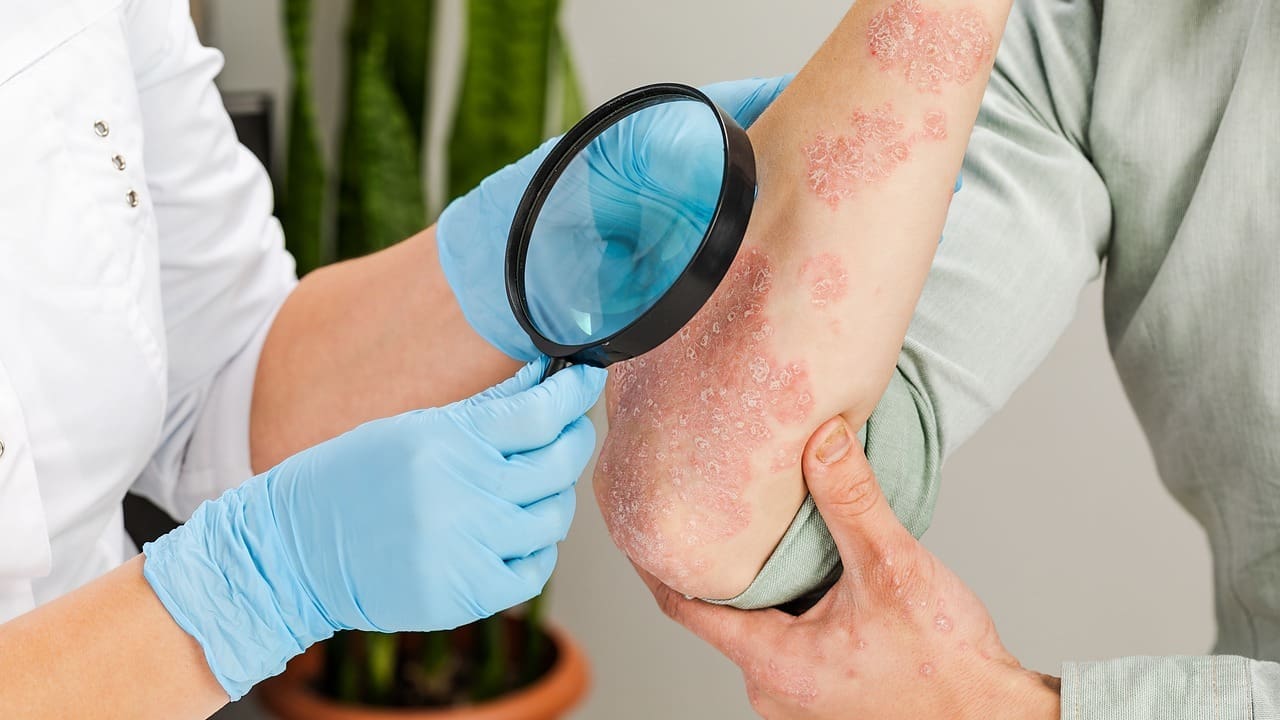
Melanoma is a serious skin cancer that can grow fast and spread early. If not treated, it can move to lymph nodes or distant organs. This makes survival chances much lower. At Liv Hospital, we know how dangerous melanoma is and why catching it early is key.
Early detection is vital to avoid the bad effects of melanoma. We follow the latest academic protocols and focus on each patient. This way, we give top-notch care and support against melanoma’s dangers.
Key Takeaways
- Melanoma is a highly malignant form of skin cancer with a high mortality rate.
- Untreated melanoma can lead to metastasis, significantly lowering survival rates.
- Early detection and treatment are critical in improving survival rates.
- At Liv Hospital, we provide advanced care and support for patients with melanoma.
- Our patient-centered approach ensures personalized care for each patient.
Understanding Melanoma: The Most Dangerous Form of Skin Cancer
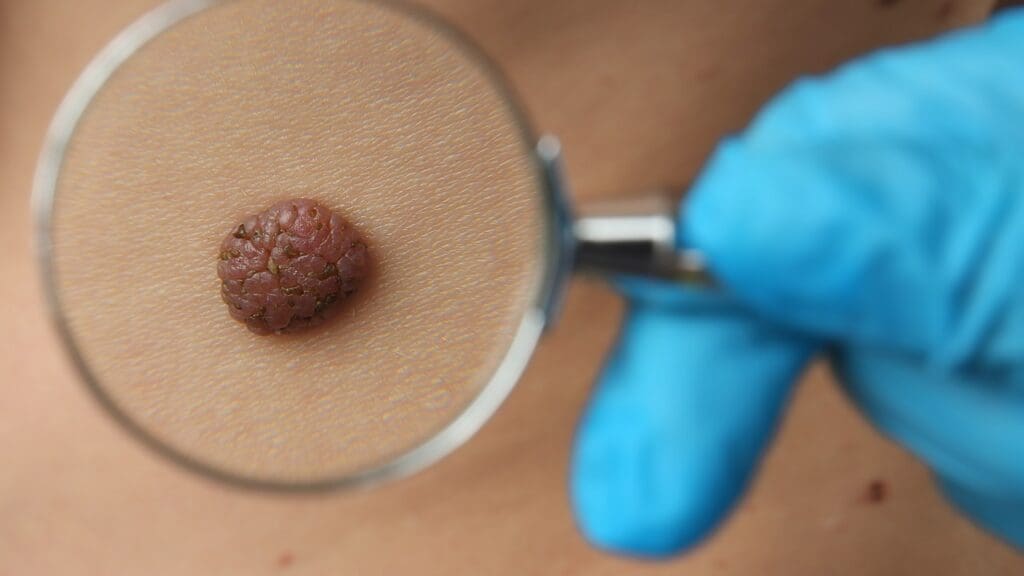
Melanoma is the most dangerous skin cancer because it grows fast and spreads early. It’s important to know what melanoma is and why it’s so risky.
What Defines Melanoma and How It Develops
Melanoma starts in melanocytes, the cells that make pigment. It grows out of control, forming a tumor. Early detection is key because melanoma can spread fast. It often starts from UV radiation, genetics, and risk factors like fair skin and sunburns.
Why Melanoma Is Considered the Most Dangerous Skin Cancer
Melanoma is the deadliest skin cancer if not caught early. It causes most skin cancer deaths, even though it’s not as common. The aggressive nature of melanoma lets it reach deeper skin layers and spread to other parts of the body. Quick treatment is vital.
Knowing how serious melanoma is helps people take steps to prevent it. They should also see a doctor if they notice any unusual skin changes. Being informed about melanoma’s dangers helps protect against this serious condition.
Is Melanoma Bad? The Severity Explained
Melanoma is a serious form of skin cancer. It’s important for both patients and doctors to understand its impact. We’ll look at why melanoma is so severe, compare it to other skin cancers, and discuss its mortality rates and risk factors.
Comparing Melanoma to Other Skin Cancers
Basal cell carcinoma and squamous cell carcinoma are more common. But melanoma causes most skin cancer deaths. Its aggressive nature and quick spread are the reasons. Let’s see how these cancers differ:
| Skin Cancer Type | Malignancy Level | Metastasis Potentia |
|---|---|---|
| Basal Cell Carcinoma | Low | Rare |
| Squamous Cell Carcinoma | Moderate | Occasional |
| Melanoma | High | Frequent |
This table shows the big difference in how dangerous melanoma is compared to other skin cancers.
Mortality Rates and Risk Factors
Melanoma’s death rate is much higher than other skin cancers, mainly if not caught early. Early-stage melanoma has a nearly 100% five-year survival rate. But, untreated or advanced cases can have a survival rate of 35% or lower. Key risk factors include:
- Fair skin and light hair
- History of sunburns or excessive UV exposure
- Family history of melanoma
- Presence of multiple moles or atypical moles
Knowing these risk factors and the severity of melanoma is key for early detection and treatment. Regular skin checks and sun protection are vital to reduce melanoma risks.
How Fast Do Melanomas Grow?
It’s key to know how fast melanomas grow to catch them early. Melanomas can grow quickly, doubling in size in weeks or months. This fast growth makes it vital to watch for skin changes and get medical help fast.
Growth Patterns and Doubling Time
Melanomas grow in different ways. They start by spreading on the skin’s surface and then grow deeper. The time it takes for a melanoma to double in size varies. It can be a few weeks or several months.
Knowing how fast a melanoma doubles helps doctors figure out how serious it is. Tumors that grow faster are usually more aggressive.
Factors That Influence Melanoma Growth Rate
Many things can affect how fast melanoma grows. The type of melanoma, the patient’s age, and genetic mutations are important. For example, nodular melanoma grows faster than others.
Age also plays a role. Melanomas in older people grow faster because their immune system is weaker. Genetic changes, like in the BRAF gene, can make tumors grow more aggressively. Knowing these factors helps doctors create better treatment plans.
Early Detection vs. Late-Stage Diagnosis
The difference between catching melanoma early and diagnosing it late can be deadly. Waiting too long to get a diagnosis can make treatment much harder. It’s vital to spot the signs and symptoms early.
Warning Signs and Symptoms
Melanoma often starts with changes in the skin, like in moles. We need to watch for any new or changing moles. This is because catching it early can greatly improve your chances of survival. Look out for these signs:
- Moles that change in size, shape, or color
- Moles with irregular borders or uneven coloring
- Moles that itch or bleed
The ABCDE Rule for Melanoma Identification
To spot moles that might be cancerous, we use the ABCDE rule. It’s a simple way to check for melanoma. The ABCDE rule means:
| A | B | C | D | E |
|---|---|---|---|---|
| Asymmetry | Border irregularity | Color variation | Diameter > 6mm | Evolving size, shape, or color |
Knowing these warning signs and using the ABCDE rule can help us catch melanoma early. This makes treatment more effective.
What Happens If Melanoma Goes Untreated
If melanoma is left untreated, it can lead to severe and potentially life-threatening consequences. We will explore the progression of untreated melanoma, highlighting the risks and complications that can arise.
Local Progression and Invasion
When melanoma is not treated, it can grow and invade deeper into the skin and surrounding tissues. This local progression can destroy nearby skin structures and cause significant discomfort or pain. As the melanoma grows, it becomes more challenging to treat, stressing the importance of early intervention.
Regional Lymph Node Metastasis
Untreated melanoma can spread to regional lymph nodes. Once in the lymph nodes, melanoma cells can proliferate, leading to further metastasis. This spread complicates treatment and worsens the prognosis. “The presence of lymph node metastasis is a key factor in determining the stage and outcome of melanoma,” highlighting the need for timely medical intervention.
Distant Organ Metastasis and Complications
If melanoma continues to progress without treatment, it can metastasize to distant organs, such as the lungs, liver, or brain. This advanced stage of melanoma is associated with a poorer prognosis and increased risk of life-threatening complications. The spread to distant organs can lead to serious health issues, depending on the organs involved, and stresses the critical importance of early detection and treatment.
Medical professionals emphasize the importance of early intervention in preventing the spread of melanoma and improving survival rates. We stress the importance of regular skin checks and prompt medical attention if any suspicious changes are observed.
Timeline: How Long Does It Take for Untreated Melanoma to Spread?
Melanoma can spread quickly if not treated. It can start spreading in just a few months. It’s important for patients to understand this to see how urgent treatment is.
From Diagnosis to Metastasis: Understanding the Timeline
The time it takes for melanoma to spread can vary. Research shows that not treating it on time can lower survival chances. The exact time depends on the cancer’s type and the patient’s health.
Several factors affect how fast melanoma spreads:
- The thickness and ulceration of the primary tumor
- The presence of genetic mutations, such as BRAF or NRAS
- The patient’s overall health and immune response
How Delays in Treatment Impact Survival
Not treating melanoma quickly can greatly lower survival chances. Early treatment is key to beating the disease. Delayed treatment can make the cancer harder to treat and lower survival rates.
Survival rates drop a lot with delayed treatment. Early-stage melanoma patients have almost a 100% five-year survival rate. But, those diagnosed later have much lower chances of survival.
We stress the need for quick medical care for melanoma patients. Early treatment is vital for better survival rates and less chance of the cancer spreading.
Survival Rates: The Impact of Treatment Timing
How soon melanoma is treated greatly affects survival chances. Early detection is key. If caught early, treatment works well. But, delays can lower survival rates a lot.
Early-Stage Melanoma: Nearly 100% Five-Year Survival Rate
Early-stage melanoma patients have a nearly 100% five-year survival rate. This is because the cancer is usually just in one place. Regular skin checks and knowing the warning signs help a lot. People at high risk should talk to their doctor about screening.
Early treatment is very effective. It often involves removing the melanoma surgically. Sometimes, more treatments are needed to get rid of all cancer cells.
Advanced and Metastatic Melanoma: Declining Survival Rates
But, survival rates drop for advanced and metastatic melanoma. When cancer spreads, treatment gets harder. The five-year survival rate can be as low as 35% or less. This shows how important early detection and treatment are.
Here’s a look at how treatment timing affects survival rates:
| Stage at Diagnosis | Five-Year Survival Rate |
|---|---|
| Early-Stage | Nearly 100% |
| Advanced | 50-70% |
| Metastatic | 35% or lower |
These numbers stress the need for early detection and treatment. Understanding the impact of timing helps patients and doctors improve outcomes together.
Common Misconceptions About Melanoma
Melanoma is a serious skin cancer often misunderstood. This confusion can lead to delayed diagnosis. Many patients have misconceptions about melanoma, affecting their decision to see a doctor. It’s important to clear up these misconceptions to help people understand the risks and act quickly.
Is Melanoma Contagious? Addressing the Myth
Many think melanoma is contagious, but it’s not. Melanoma is not contagious; it can’t spread from person to person. This myth comes from not knowing how melanoma is caused. It involves genetics and environmental factors like UV exposure, not contact.
Other Misunderstandings About Skin Cancer
Some believe melanoma only affects those with fair skin or a family history. But, melanoma can affect anyone, no matter their skin type or family history. Also, people think melanoma is always visible or has symptoms. But, it can hide in places like the soles of the feet or under nails and may not show symptoms early on.
Conclusion: The Critical Importance of Early Detection and Treatment
Early detection and treatment are key to better survival rates in melanoma patients. At Liv Hospital, we offer top-notch healthcare and new treatments for melanoma. This shows how important it is to get medical help quickly to improve patient results.
Melanoma is the most dangerous skin cancer, needing fast action. We’ve talked about how serious melanoma is, its growth patterns, and why early detection is so important. By knowing the warning signs and symptoms, people can get medical help fast. This greatly increases their survival chances.
We are committed to being leaders in international medical care, following the latest research, and focusing on our patients. We want to stop and treat melanoma with the best practices. We urge people to take care of their skin and see a doctor if they notice anything unusual.
How dangerous is melanoma?
Melanoma is the most dangerous skin cancer. It has a high death rate. If not treated, it can spread fast.
What happens if melanoma goes untreated?
Untreated melanoma can grow and spread. It can invade nearby tissues and reach distant organs. This can lead to serious health issues and even death.
Is melanoma fast growing?
Melanoma can grow quickly. Some types can double in size in weeks or months. Early detection and treatment are key.
Is melanoma contagious?
No, melanoma is not contagious. It’s a cancer that grows from pigment cells. It can’t be passed from person to person.
What are the warning signs and symptoms of melanoma?
Look for changes in mole size, shape, or color. New moles or lesions are also signs. The ABCDE rule helps spot suspicious moles: Asymmetry, Border irregularity, Color variation, Diameter > 6mm, and Evolving.
How long does it take for untreated melanoma to spread?
Untreated melanoma’s spread time varies. It depends on tumor thickness and ulceration. It can reach lymph nodes in months to years. Distant organs can be affected in advanced cases.
How do delays in treatment impact survival rates?
Treatment delays harm melanoma patients. Early-stage melanoma has a nearly 100% survival rate. But, advanced melanoma survival rates drop. Quick medical action is vital.
Is malignant melanoma contagious?
No, malignant melanoma is not contagious. It’s a cancer from uncontrolled pigment cells. It can’t be spread from person to person.
What is the most dangerous skin cancer?
Melanoma is the most dangerous skin cancer. It has a high death rate and can spread quickly if untreated.
Does skin cancer grow quickly?
Some skin cancers, like melanoma, grow fast. Others grow slowly. Growth rate depends on cancer type and health.
How serious is melanoma skin cancer?
Melanoma skin cancer is very serious. It can be life-threatening. Early detection and treatment are critical for better outcomes.
References
- SEER Cancer Statistics: https://seer.cancer.gov/statfacts/html/melan.html
- AIM at Melanoma Foundation: https://www.aimatmelanoma.org/melanoma-101/how-melanoma-is-diagnosed/prognosis/
- JAMA Network Open: https://jamanetwork.com/journals/jamanetworkopen/fullarticle/2799216
- American Cancer Society (ACS): https://www.cancer.org/cancer/types/melanoma-skin-cancer/detection-diagnosis-staging/survival-rates-for-melanoma-skin-cancer-by-stage.html