
Antiviral agents play a key role in fighting viral infections. They stop viruses from making more copies inside host cells. This helps lessen the impact of viral diseases.
At Liv Hospital, we focus on giving top-notch care. This includes using the newest antiviral therapies. We make sure to understand how these treatments work. This way, we can offer the best fight against viral infections.
Antiviral drugs target different parts of a virus’s life cycle. They are a vital defense against viral infections. Thanks to these drugs, we can treat many viral diseases better. This has greatly improved patient results.
Key Takeaways
- Antiviral agents are substances or medications that combat viral infections.
- These agents work by inhibiting viral replication within host cells.
- Antiviral drugs target various stages of the viral lifecycle.
- Understanding antiviral agents is key for creating effective treatments.
- Liv Hospital offers the latest antiviral therapies.
Understanding Viruses: The Foundation for Antiviral Development
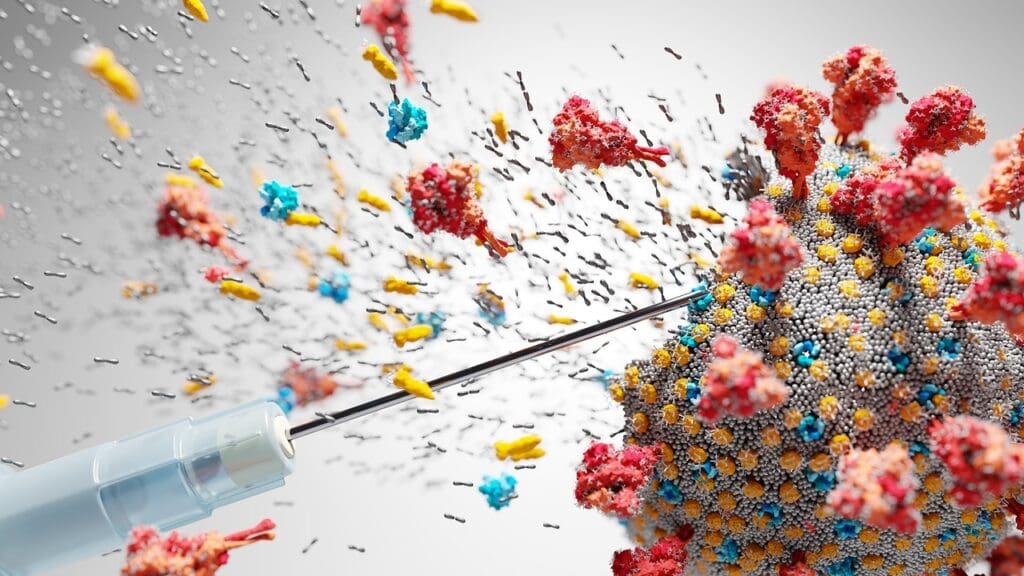
To create effective antiviral strategies, we need to grasp the basics of viruses. Viruses are parasites that need host cells to grow. Knowing how they work is key to making antiviral drugs.
Viral Structure and Components
Viruses have genetic material, like DNA or RNA, wrapped in a protein shell called a capsid. Some have an outer lipid layer too. The design of a virus affects how it infects and evades the immune system. The complexity of viral structure is a key factor in antiviral drug development.
The Viral Replication Cycle
The viral replication cycle has several steps: attaching to and entering host cells, making more viral genetic material, building new viruses, and leaving the host cell. Understanding these steps is vital for finding targets for antiviral drugs.
| Stage | Description | Potential Antiviral Target |
|---|---|---|
| Attachment and Entry | Viruses attach to and enter host cells. | Receptor binding inhibitors |
| Replication | Viral genetic material is replicated. | Nucleoside analogs |
| Assembly and Release | New viral particles are assembled and released. | Protease inhibitors |
Experts say, “Understanding the viral replication cycle is essential for developing targeted antiviral therapies.”
“The development of antiviral agents requires a deep understanding of viral biology and the replication cycle.”
Definition of Antiviral Agents: Core Concepts

Antiviral agents are medicines made to fight viral infections. They are key in treating and stopping viral diseases. These diseases can be anything from the common cold to serious illnesses like HIV/AIDS and hepatitis.
Historical Development of Antivirals
The history of antivirals has seen big steps forward. The first antiviral drugs were found by accident. Now, we make them with a clear plan based on how viruses work.
“The development of antiviral drugs has evolved significantly over the years, with advancements in understanding viral biology and the development of targeted therapies.”
Key Principles in Antiviral Medicine
Antiviral medicine relies on a few main ideas. We need to know how viruses work and find the right targets. Antiviral drugs aim to stop viruses without hurting the host cells.
| Principle | Description |
|---|---|
| Understanding Viral Lifecycle | Crucial for identifying possible targets for antiviral action. |
| Targeted Therapy | Creating drugs that hit specific points in the viral lifecycle. |
| Safety and Efficacy | Making sure antiviral drugs are safe for patients and work well against viruses. |
What Makes Anti Viral Medications Different from Antibiotics?
It’s important to know the difference between antiviral medications and antibiotics. They are made to fight different kinds of infections. This knowledge helps in treating various diseases effectively.
Targeting Mechanisms: Host Cells vs. Bacterial Cells
Antibiotics target bacterial cells by using their unique features. On the other hand, antiviral medications must target viruses. Viruses take over host cells, making it hard to find a target without harming the host.
Viruses use the host cell machinery to multiply. So, antiviral drugs need to be very specific to protect the host cells.
Specificity Challenges in Antiviral Development
Creating antiviral medications is tough because of the need for high specificity. Viruses change quickly, requiring antiviral drugs to adapt or target specific virus parts. Also, viruses and host cells share some functions, making it hard to create safe and effective antivirals.
We’re always trying to find new ways to make antiviral drugs. We aim to target viral infections without harming the host.
How Do Antivirals Work: Fundamental Mechanisms
Antiviral agents are key in fighting viral infections. They target different stages of the virus’s life cycle. “Antiviral drugs have revolutionized the treatment of viral infections, giving hope to millions worldwide,” say experts. We’ll look at how antivirals work, giving a full picture of their action.
Inhibiting Viral Entry into Host Cells
Antivirals mainly work by stopping viruses from entering host cells. They do this by targeting the virus’s envelope proteins or the host cell receptors. This blocks the virus’s first step, preventing infection. For example, entry inhibitors can attach to the virus’s envelope, stopping it from attaching to host cells.
Disrupting Viral Replication Processes
Antivirals also disrupt viral replication. They target the viral enzymes or nucleic acids needed for replication. Nucleoside analogs, for example, get added to viral DNA, stopping replication. This stops new virus particles from being made.
Preventing Viral Assembly and Release
Another key mechanism is stopping viral assembly and release. Antivirals target proteins needed for assembling and budding new virions. Protease inhibitors, for example, block the protease enzyme needed for viral maturation. This prevents new virus particles from leaving infected cells.
In summary, antivirals fight viral infections in several ways. Understanding these mechanisms shows the complexity and effectiveness of antiviral therapy.
Major Classes of Antiviral Drugs and Their Mechanisms
Many types of antiviral drugs have been made to fight viral infections. These medicines help treat viral diseases by stopping the virus from spreading. We will look at the main types of antiviral drugs and how they work.
Nucleoside and Nucleotide Analogs
Nucleoside and nucleotide analogs are key in fighting viruses. They stop viral DNA from being made, which stops the virus from copying itself. For example, acyclovir fights herpes simplex virus, and tenofovir helps with HIV.
These drugs get added to viral DNA, which stops the virus from making more copies.
Protease Inhibitors
Protease inhibitors are vital for treating HIV and hepatitis C. They block the protease enzyme, which is needed for the virus to copy itself. This stops the virus from making new particles.
Drugs like lopinavir and darunavir are used to treat HIV.
Entry and Uncoating Inhibitors
Entry and uncoating inhibitors are newer drugs that target early viral infection stages. They stop the virus from getting into host cells or block the uncoating process. This is needed for the virus to start copying itself.
For example, enfuvirtide blocks the virus from fusing with host cells.
Understanding how antiviral drugs work is key to fighting viral infections. We need to keep making new drugs to tackle viral diseases.
Neuraminidase Inhibitors and Other Anti Viral Innovations
Neuraminidase inhibitors are key in fighting influenza. They target the neuraminidase protein on the virus. This protein is vital for the virus to spread.
How Neuraminidase Inhibitors Combat Influenza
Drugs like oseltamivir and zanamivir block the neuraminidase protein. This stops the virus from spreading. It makes symptoms less severe and shorter.
These drugs help a lot during outbreaks. They improve how patients feel and recover. A study found they work best when taken within 48 hours of symptoms starting.
Polymerase Inhibitors for Herpesviruses
Polymerase inhibitors target herpesviruses. Drugs like acyclovir and valacyclovir stop the virus from making more DNA. This helps manage symptoms and lowers the chance of spreading the virus.
These inhibitors are key in treating herpesvirus infections. A medical expert says they’ve changed how we treat herpes. They offer a reliable and effective way to manage the virus.
Neuraminidase and polymerase inhibitors show big steps forward in fighting viruses. They’re examples of how understanding viruses leads to better treatments.
Targeting Specific Viral Infections
Antiviral treatments have become more advanced. Now, we can target specific viral infections with better precision. This is key in managing diseases caused by different viruses, each needing its own treatment.
Antiviral Treatments for Influenza
Influenza, or the flu, is a big health worry. Antiviral medications for influenza include oseltamivir and zanamivir. They stop the virus from spreading by blocking an enzyme. Starting treatment early is very important.
HIV Antiretroviral Therapy
HIV antiretroviral therapy (ART) uses several drugs to slow the virus. ART usually includes three or more drugs, like NRTIs, NNRTIs, and PIs. Taking these drugs as directed is vital to keep the virus under control and avoid resistance.
Hepatitis Antiviral Medications
Hepatitis B and C are serious viral infections that can harm the liver. Antiviral medications for hepatitis C have improved a lot, with DAAs curing over 90% of some cases. For hepatitis B, drugs like tenofovir and entecavir help reduce liver damage.
Challenges in Antiviral Treatment
Antiviral treatments have made a big difference in fighting viral infections. But, there are big hurdles like resistance and side effects. It’s key to know these issues to make treatments better.
Viral Resistance Development
Viral resistance is a big worry in antiviral treatment. Viruses can change and become less affected by drugs. This means we might need new treatments or to use more than one drug at a time.
| Factors Contributing to Resistance | Description |
|---|---|
| Viral Mutation Rate | High mutation rates increase the likelihood of resistance |
| Drug Pressure | The selective pressure exerted by antiviral drugs can drive resistance |
| Suboptimal Treatment | Inadequate treatment regimens can foster resistance development |
Side Effects and Toxicity Concerns
Antiviral drugs can cause side effects and toxicity. These can be mild or serious, affecting how well patients stick to their treatment. It’s important to watch for these and manage them well.
By tackling these challenges, we can make antiviral treatments better and safer. We need to find ways to fight resistance and reduce side effects. This will help improve how well treatments work for patients.
Can Viruses Be Cured? Understanding Treatment Limitations
It’s key to know what antiviral treatments can and can’t do. This helps set realistic hopes and plan better treatments. Finding a cure for viruses is hard. It depends on the virus type and the treatments we have.
Acute vs. Chronic Viral Infections
Viral infections fall into two main groups: acute and chronic. Acute infections, like the flu, start and end quickly. Chronic infections, like HIV, last a long time. Knowing the difference helps us choose the right treatment.
For acute infections, we focus on treating symptoms and preventing serious problems. Chronic infections might need ongoing treatment to keep the virus under control.
The Concept of Viral Clearance vs. Suppression
Viral clearance means getting rid of the virus completely. Viral suppression means keeping the virus’s numbers low, but not getting rid of it. The treatment goal changes based on the virus and the patient’s situation. Some viruses can be cleared, while others can only be suppressed.
“The goal of antiviral therapy is not always to achieve a cure, but to improve the quality of life for patients living with viral infections.”
Knowing the difference between clearance and suppression helps doctors create better treatment plans. These plans are made to meet each patient’s unique needs.
The Future of Antiviral Medicine
Antiviral treatment is changing fast, thanks to new technologies and ideas. We’re seeing big steps forward in how we fight viral infections.
Emerging Technologies in Antiviral Development
New tools are key in making better antiviral medicines. Recent studies show promise in new ways to treat viruses. This includes CRISPR-Cas9 and RNA interference. These methods help make treatments more precise and powerful.
| Technology | Description | Potential Impact |
|---|---|---|
| CRISPR-Cas9 | Gene editing technology | Precise targeting of viral genomes |
| RNA Interference | mRNA silencing technology | Effective against viral replication |
Broad-Spectrum Antivirals: The Next Frontier
Broad-spectrum antivirals are a big step forward. They could treat many viruses with just one medicine. We’re getting closer to making these medicines, which could make treatment easier and better for patients.
As we keep moving forward in antiviral medicine, we’ll see even better treatments. The future looks bright, with new technologies and broad-spectrum antivirals leading the charge.
Conclusion: The Evolving Landscape of Antiviral Therapy
Antiviral therapy is growing fast, thanks to the need to fight viral infections well. We call these medicines that stop viruses from making more copies. They are key in treating many viral diseases.
The world of antiviral therapy keeps changing. New medicines and ways to fight viruses are being found. This is helping with infections like flu, HIV, and hepatitis.
Research is finding new ways to stop viruses and new targets for treatment. New technologies and medicines that work against many viruses are on the horizon. They will shape the future of fighting viruses.
Understanding how antiviral medicines work is vital in our fight against viruses. As we keep learning, antiviral therapy will keep getting better. It will be driven by new ideas and a focus on helping patients.
What are antiviral agents and how do they work?
Antiviral agents are medicines that stop viruses from making more copies. They target specific steps in the virus’s life cycle. This helps protect the host from harm. We create these drugs to fight different viral diseases.
How do antiviral medications differ from antibiotics?
Antiviral drugs are different from antibiotics because they target viruses, not bacteria. They don’t harm the host cells. This makes it hard to develop effective antivirals.
What are the major classes of antiviral drugs?
There are several main types of antiviral drugs. These include nucleoside and nucleotide analogs, protease inhibitors, and entry and uncoating inhibitors. Each type works on a different step in the virus’s life cycle. They help treat various viral infections.
How do neuraminidase inhibitors combat influenza?
Neuraminidase inhibitors are drugs that target the neuraminidase protein on flu viruses. By blocking this protein, they stop new virus particles from leaving infected cells. This helps slow down the virus’s spread.
Can viruses be cured with antiviral treatment?
Whether antiviral treatment can cure a viral infection varies by virus and infection type. For some infections, like acute flu, treatment can lessen symptoms and duration. For chronic infections, like HIV and hepatitis, treatment can control the virus but curing it is harder.
What are the challenges in antiviral treatment?
Challenges in antiviral treatment include viral resistance, side effects, and toxicity. Viral resistance happens when the virus changes and becomes less affected by the drug. This makes treatment less effective.
What is the future of antiviral medicine?
The future of antiviral medicine looks bright. New technologies and broad-spectrum antivirals are emerging. These could change how we treat viral infections, making treatments more effective and targeted.
How do antiviral agents prevent viral assembly and release?
Antiviral agents stop viral assembly and release by targeting specific steps in the virus’s life cycle. For example, protease inhibitors block the protease enzyme needed for viral assembly. Neuraminidase inhibitors stop new virus particles from leaving infected cells.
What is the difference between viral clearance and suppression?
Viral clearance means removing the virus completely from the body. Viral suppression means reducing viral replication to undetectable levels. While suppression is often possible with treatment, clearance is harder and depends on the virus and treatment effectiveness.
What are broad-spectrum antivirals?
Broad-spectrum antivirals are drugs that work against many types of viruses. They could treat a wide range of viral infections. This area is being researched and developed.
References
- SAGE Journals: https://journals.sagepub.com/doi/abs/10.1177/20587384211002621
- PubMed: https://pubmed.ncbi.nlm.nih.gov/33726557/
- Caltech Science Exchange: https://scienceexchange.caltech.edu/topics/covid-19-coronavirus-sars-cov-2/antiviral-drugs