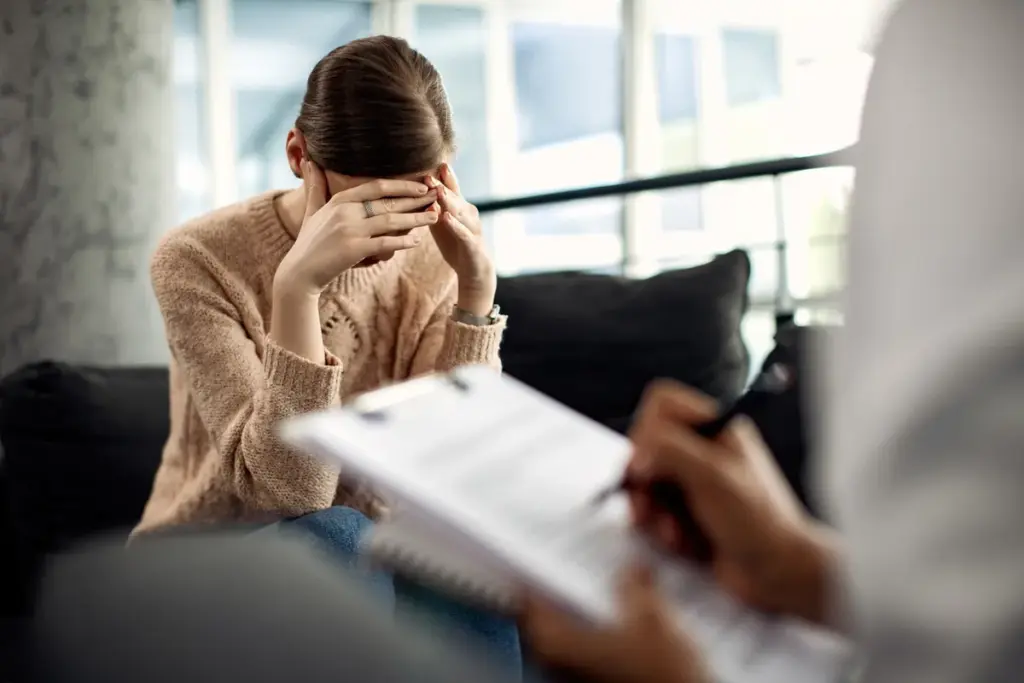
Distinguishing between anxiety and depression can be tough because their symptoms often overlap. Up to 60% of people deal with both at the same time. It’s key to know how they differ.
At Liv Hospital, we are committed to providing compassionate, evidence-based care to help you understand these differences. Anxiety makes you worry too much and feel scared. Depression makes you feel very sad and hopeless for a long time.
It’s important to know the main differences to get the right help. We aim to help you understand your mental health and offer care that fits you.
Key Takeaways
- Anxiety and depression are common psychiatric illnesses with high comorbidity rates.
- Understanding the distinct characteristics of these conditions is essential for getting the right support.
- Anxiety disorders involve excessive and persistent worry and fear.
- Depression is characterized by deep and persistent sadness and hopelessness.
- Recognizing the key differences between anxiety and depression is important for finding the right support.
Understanding Anxiety and Depression

Anxiety and depression are closely linked mental health issues. They are common in the US and need a full understanding. We will look at how often they occur and how they often go together. This shows why treating them together is key.
Prevalence and Statistics in the US
In the US, many adults struggle with anxiety and depression. About 18.2% of U.S. adults experience anxiety symptoms. Also, 21.4% experience depression symptoms. These numbers show how common these issues are.
Women are more likely to face anxiety and depression than men. They are about twice as likely to deal with these issues, mainly during their reproductive years. This highlights the need for specific support and treatment plans for women.
The High Comorbidity Between These Conditions
Many people have both anxiety and depression at the same time. It’s estimated that about 60% of people with anxiety also experience depression symptoms. This shows how often these conditions occur together. Treating one without the other might not be enough.
“The presence of comorbid anxiety and depression can significantly impact an individual’s quality of life, making it essential to develop treatment strategies that address both conditions comprehensively.”
Healthcare providers need to understand the link between anxiety and depression. This knowledge helps them offer better support. By treating both conditions together, we can improve care for those dealing with both.
Do I Have Anxiety or Depression? Key Differences in Symptoms

To tell if you have anxiety or depression, you need to look at the symptoms closely. Both can really affect how you feel about life. But, they show up in different ways.
Anxiety Symptoms: Future-Oriented Worry and Heightened Alertness
Anxiety makes you worry about the future and feel very alert. You might feel restless, irritable, and startle easily. You could have racing thoughts and lots of energy, which might seem like being too active.
Depression Symptoms: Persistent Sadness and Reduced Energy
Depression, on the other hand, brings persistent sadness and hopelessness. You might lose interest in things you used to like. You could also have changes in appetite, sleep disturbances, and feel worthless or guilty. Feeling very tired makes everyday tasks hard.
Gender Differences in Symptom Presentation
Studies show that men and women show anxiety and depression differently. Women often feel more guilty, sleep a lot, and gain weight. Men might feel tired, irritable, and lose interest in work or hobbies without saying they’re feeling hopeless.
| Symptom | Anxiety | Depression |
| Primary Emotional State | Future-oriented worry, heightened alertness | Persistent sadness, hopelessness |
| Energy Levels | High energy, restlessness | Reduced energy, fatigue |
| Common Symptoms | Racing thoughts, irritability, exaggerated startle response | Loss of interest in activities, changes in appetite, sleep disturbances |
| Gender Differences | Women: more likely to experience depression with anxiety; Men: often complain about fatigue, irritability |
Conclusion: Seeking Professional Help and Next Steps
Recognizing the signs of anxiety and depression is the first step towards seeking help. If you’re unsure whether you’re experiencing anxiety or depression, it’s essential to consult a mental health professional for a proper diagnosis. They can help you understand your symptoms and recommend appropriate treatment options, which may include therapy, medication, or a combination of both.
Seeking professional help for anxiety and depression can significantly improve your quality of life. By understanding how to know if you have anxiety and depression, you can take the first step towards a more fulfilling and balanced life. For more information on the signs that indicate it’s time to seek professional support, you can visit ThoughtFull’s resource page, which provides valuable insights and guidance on navigating mental health challenges.
Early intervention is key to managing these conditions effectively. By seeking help, you can regain control over your life and improve your overall well-being. Whether you’re struggling with anxiety, depression, or both, professional help is available to support you.
FAQ
Do I have depression or anxiety?
It can be hard to tell if you have depression or anxiety because their symptoms are similar. Anxiety is about feeling worried and scared all the time. Depression is about feeling very sad and hopeless. It’s best to talk to a mental health expert to figure it out.
Can you have anxiety without depression?
Yes, you can have anxiety without depression. Anxiety is when you worry too much about things that might happen. Even though many people with anxiety also have depression, it’s possible to have anxiety alone.
How do I know if I have depression or anxiety?
The first step is to notice the signs. Anxiety makes you worry about the future and feel alert. Depression makes you feel sad, hopeless, and tired all the time. Knowing these differences can help you understand what you might be feeling.
Is it anxiety or depression?
It’s not always easy to tell the difference between anxiety and depression. Anxiety is about worrying too much, while depression is about feeling sad and losing interest in things. A mental health professional can help figure out what you have and suggest treatment.
How can I tell if I have anxiety and depression?
Many people have both anxiety and depression. If you worry a lot and also feel sad and hopeless, you might have both. It’s important to talk to a mental health expert to get a proper diagnosis.
What are the symptoms of anxiety and depression?
Anxiety makes you worry about the future and feel restless. Depression makes you feel sad, hopeless, and tired. Knowing these symptoms can help you understand what you might be feeling and find the right help.
Are anxiety and depression common?
Yes, anxiety and depression are very common in the U.S. About 18% of adults have anxiety, and 21% have depression. Women are more likely to have both, which is why it’s important to talk to a mental health expert.
Can you have anxiety and depression at the same time?
Yes, many people have both anxiety and depression at the same time. This is why it’s important to get treatment that addresses both conditions.
References
https://www.ncbi.nlm.nih.gov/books/NBK609621