Every year, 2 million PET scans are done in the United States. They help doctors find and treat many health issues.
Getting ready for a PET (Positron Emission Tomography) scan can feel scary. But knowing what to expect can help you feel less nervous.
To have a good experience, it’s important to follow certain rules. This includes what you can and can’t eat, and some medications that might affect the scan’s results.
Knowing how to get ready for a PET scan can really help. It can make the images clearer and help doctors make a more accurate diagnosis.
Key Takeaways
- Understand the importance of staying calm during a PET scan.
- Learn about the necessary dietary preparations before the scan.
- Discover which medications could impact your PET scan results.
- Get insights into the overall PET scan preparation process.
- Find tips on how to prepare for a PET scan effectively.
Understanding PET Scans and Why They Cause Anxiety
PET scans are key in medical diagnosis but can make patients anxious. Knowing how PET scans work can ease some of this worry.
The Science Behind PET Imaging Technology
PET scans use advanced tech to show how the body works. They inject a tiny bit of radioactive tracer into you. This tracer is then picked up by your body’s tissues and organs.
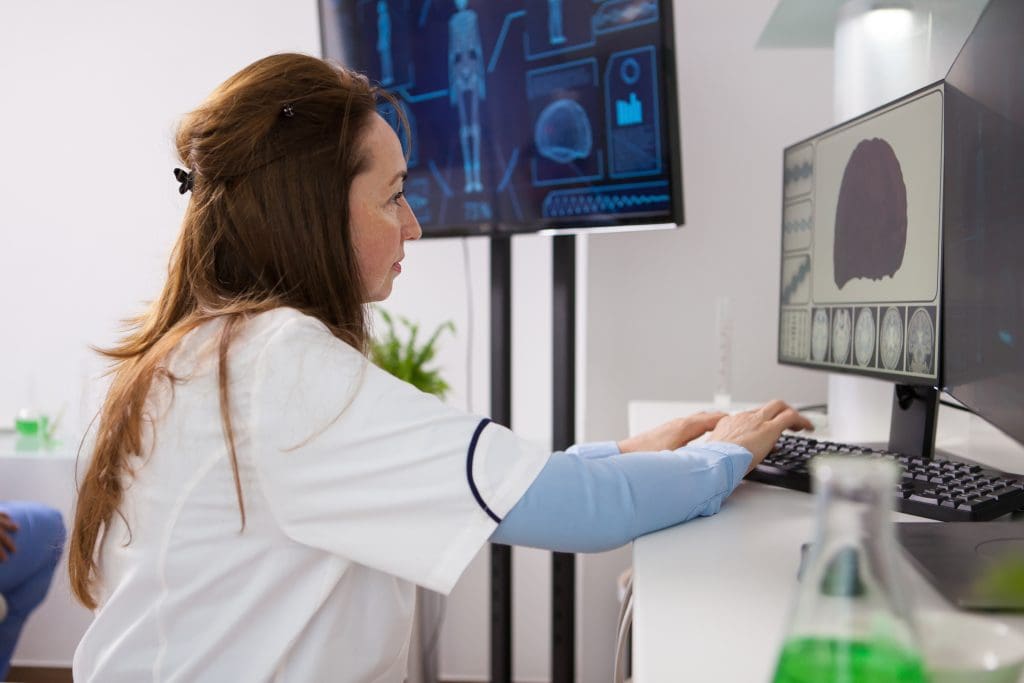
The PET scanner catches the signals from this tracer. It makes detailed images. These images help doctors find and track health issues.
The tech behind PET scans is quite complex. It uses advanced computers and precise tools to make clear images. Knowing PET scans are safe and useful can make patients feel better about them.
Common Reasons for PET Scan Anxiety
Many people get anxious about PET scans for different reasons. One big worry is the fear of the unknown. They might not know what’s happening or what to expect.
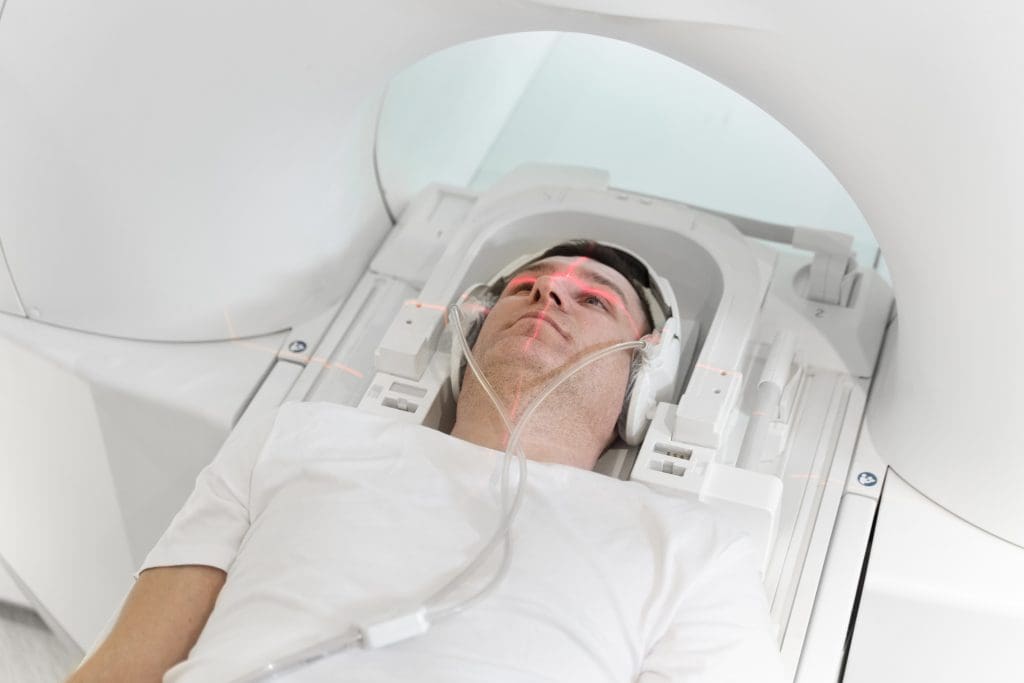
Being in a small space for a long time and getting the tracer can also make people nervous. Plus, the reason for the scan can add to the stress. Patients worry about what the results might mean for their health.
Why Staying Calm Improves Scan Quality

Being calm during a PET scan is important for good images. When you’re relaxed, you’re less likely to move. This means clearer images.
A calm state also helps you follow instructions better. This makes the scan more successful.
Deep breathing, visualization, and muscle relaxation can help manage anxiety. Being prepared and knowing what to expect can also reduce worry and make the experience better.
Mental Preparation Strategies Before Your Appointment
Getting ready mentally for a PET scan can really help lower anxiety. Knowing what to expect makes the process easier to handle.
Education as an Anxiety Reducer
Learning about a PET scan can greatly reduce anxiety. Knowing the scan’s purpose, the steps involved, and what to expect can ease fears. Knowledge is power, and it can fight anxiety well.
- Learn about the PET scan procedure and what it entails.
- Understand the role of the radiotracer and its administration.
- Familiarize yourself with the scanning equipment and environment.
Many imaging centers provide materials like brochures or videos to help. Using these resources can be very helpful.
Setting Realistic Expectations About the Experience
It’s important to have realistic expectations for the PET scan. While it’s not painful, you might feel some discomfort or anxiety.
Here are some tips for setting realistic expectations:
- Understand that the scan itself is typically painless, though you may feel some discomfort from lying for a long time.
- Be aware that the scanning process may take some time, usually around 30 minutes to an hour.
- Know that you will be able to communicate with the technologists during the procedure if needed.
Being informed and prepared can lower anxiety and make the PET scan less scary. Preparation is key to a stress-free experience.
Physical Preparation: Diet and Activity Guidelines

Knowing what to eat and how much to move before a PET scan is key. It helps get the best results from the scan. Getting ready right is important for accurate and reliable data.
PET Scan Diet Requirements and Restrictions
The diet before a PET scan is very important. It affects how the radiotracer spreads in your body. Patients often need to fast before the scan. But, the exact time can change based on the scan type and the place.
It’s best to avoid sugary foods and drinks. They can mess with the radiotracer’s uptake. Drinking water is okay, but check with your doctor about other liquids.
Why Exercise Restrictions Matter Before Imaging
Exercise limits before a PET scan are there for a reason. It can change blood flow and the radiotracer’s spread. Strenuous exercise is usually not allowed for a while before the scan to keep results accurate.
But, it’s not just about stopping exercise. It’s also about keeping a regular routine. Continue with your usual activities unless your doctor says not to.
Medications to Avoid Before PET Scan
Some medicines can change how your PET scan works. Knowing what to avoid is key. This is because certain drugs can mess with the scan’s accuracy.
Prescription Medications That Can Affect Results
Prescription drugs can really impact your PET scan. For example, metformin for diabetes can change how the scan reads. Always tell your doctor about your meds. They might need to change or stop them before the scan.
Over-the-Counter Medications to Pause
OTC drugs can also mess with your scan. Cold meds, allergy meds, and some vitamins can affect it. Stop these a few days before, but check with your doctor first.
When to Consult Your Doctor About Medication Adjustments
Talk to your doctor about your meds before the PET scan. They’ll tell you if you need to change anything. This is your chance to talk about any worries you have.
Knowing what meds to avoid and talking to your doctor can make your scan results better. This way, you can trust the results more.
What to Wear and Bring to Your PET Scan Appointment
Getting ready for a PET scan is more than just knowing the procedure. It’s also about what to wear and bring. Being ready can lower your stress and make the visit more comfortable.
Clothing Recommendations for Maximum Comfort
For a PET scan, wear clothes that are comfy and practical. Choose loose, comfortable clothing that lets you move freely. Stay away from clothes with metal, like zippers or jewelry, as they can mess with the scan.
Some places might give you a gown to wear. But, wearing your own comfy clothes can make you feel better while you wait.
Personal Items That Can Help Reduce Anxiety
Bringing certain items to your PET scan can ease your anxiety. Having a friend or family member with you can be very comforting. You might also want to bring a book or a listening device to keep you occupied while you wait.
Some centers let you listen to music during the scan. So, you could bring a portable music player with headphones. But, always check with the center first to see what’s okay.
The Day Before Your PET Scan: Creating a Calming Routine
Creating a calming routine before your PET scan is key. It helps reduce stress and makes the scan smoother. Focus on relaxation and preparation to enhance your experience.
Evening Preparation Steps for Better Sleep
Good sleep is vital before your PET scan. Here are steps to help you sleep well:
- Limit Screen Time: Stay away from screens for at least an hour before bed to avoid blue light.
- Relaxation Techniques: Try reading, meditation, or deep breathing to calm down.
- Comfortable Environment: Make your bedroom cool, dark, and quiet for better sleep.
These tips can help you sleep better and wake up ready for your PET scan.
Morning of the Scan: A Stress-Reduction Checklist
The morning of your PET scan can be less stressful with a checklist:
- Plan Your Outfit: Pick comfy clothes that fit the scan’s needs.
- Gather Documents: Make sure you have all needed papers and ID.
- Have a Light Meal: Eat as instructed by your healthcare provider.
- Arrive Early: Get to the imaging center early to avoid stress.
Using this checklist can help you feel less stressed and more in control on your way to the PET scan.
Arrival at the Imaging Center: Managing Initial Nervousness
When you arrive at the imaging center, it’s okay to feel a bit nervous. But, there are ways to stay calm. You’ll meet friendly staff who will help you through the process.
What to Do During Wait Times
Waiting is a big part of the imaging center visit. To pass the time, you could read a book, listen to soothing music, or do deep breathing exercises. These can help take your mind off any worries.
It’s also smart to use this time to ask questions. The staff are ready to help and can give you important details about your PET scan.
Questions to Ask Staff to Ease Your Mind
Asking the right questions can really help calm your nerves. Here are some examples:
- What will the PET scan procedure involve?
- How long will I need to stay perfectly steady during the scan?
- Are there any special instructions I should follow before or after the scan?
As, a radiologist, notes, “Knowing what’s going on can really help. Patients should ask all the questions they need to feel at ease.”
“The more you know, the less you’ll worry,” she adds.
Being ready and knowing what to expect can greatly reduce your nervousness. Use the resources available to you and don’t be afraid to ask for help when you need it.
The Injection Process: Staying Calm During Radiotracer Administration
Learning about the PET scan injection can ease your worries. The radiotracer injection is key in the PET scan process. Knowing what to expect can make you feel more at ease.
What to Expect During the Injection
A healthcare professional will give you the radiotracer through a vein in your arm. It’s like getting blood drawn. You might feel a pinch or sting when the needle goes in. But the injection is quick, lasting just a few seconds.
Techniques to Manage Needle Anxiety
Needle anxiety is common. But there are ways to cope:
- Deep Breathing: Take slow, deep breaths to calm down.
- Visualization: Picture yourself in a peaceful place.
- Communication: Tell the healthcare team about your anxiety. They can offer support.
Using these methods can help you deal with needle anxiety. It makes the radiotracer injection less stressful.
Inside the PET Scanner: Coping with Confinement
Knowing what to expect in the PET scanner can help ease your anxiety. The PET scanner is a big, cylindrical machine. You’ll lie down inside it for the scan.
Understanding the Physical Environment
The PET scanner takes detailed images of your body’s inside. It’s a short procedure, lasting 30 to 60 minutes. This depends on the scan type.
The scanner has a movable table that slides into it. You’ll lie on this table. It will move you into the scanner for imaging.
Managing Claustrophobia During the Scan
For those with claustrophobia, the PET scanner’s enclosed space can be tough. Open PET scanners are available for severe claustrophobia. They help reduce feelings of being trapped.
If claustrophobia worries you, talk to your healthcare provider. They can help choose the right scanner for you.
Communication Options with Technologists
You’ll talk to the technologist running the scanner during the scan. You can talk through an intercom system. This lets you share any discomfort or worries.
- Technologists can offer reassurance and adjust the scan if needed.
- They can tell you how much longer the scan will last.
- In some cases, a family member or friend can be there for support.
Understanding the PET scanner and talking to technologists can help you cope. It makes the experience less stressful.
Effective Relaxation Techniques During Your PET Scan
Relaxation techniques can greatly reduce anxiety and make your PET scan better. These methods help ensure a smoother process and clearer images.
Deep Breathing Exercises for Scanner Anxiety

Deep breathing is a simple yet effective way to calm your nerves. It helps slow down your heart rate and reduce tension. To do deep breathing, inhale slowly through your nose, hold for a few seconds, and exhale slowly through your mouth.
Tips for effective deep breathing:
- Find a comfortable position, either sitting or lying down.
- Close your eyes to minimize distractions.
- Use a timer or guided recording if it helps you stay focused.
Progressive Muscle Relaxation Methods
Progressive muscle relaxation involves tensing and relaxing different muscle groups. It helps release physical tension and promotes calm. Start by tensing your toes, holding for a few seconds, and then releasing. Gradually work your way up through the body, tensing and relaxing each muscle group in turn.
Benefits of progressive muscle relaxation include:
- Reduced muscle tension.
- Lowered blood pressure.
- Improved overall sense of well-being.
Visualization and Mental Distraction Strategies
Visualization involves creating a mental image of a peaceful scene. This could be a beach, a forest, or any other calming environment. By immersing yourself in this mental image, you can distract yourself from any anxiety or discomfort associated with the PET scan.
Tips for effective visualization:
- Choose a scene that you find calming.
- Use all your senses to bring the scene to life in your mind.
- Practice visualization regularly to improve your skills.
By using these relaxation techniques before your PET scan, you can reduce anxiety and improve the scan’s quality.
Medical Options for Managing Severe Scan Anxiety
When anxiety gets too much during a PET scan, looking into medical options is key. For many, the thought of a PET scan can cause a lot of worry. This worry can make the procedure harder.
When to Consider Anti-Anxiety Medication
Anti-anxiety medication might be suggested for those with severe anxiety or who have had panic attacks before. It’s important to talk to your doctor about your anxiety. They can decide if medication is right for you.
Consulting with your healthcare provider is a big step. They will look at your health and how bad your anxiety is. This helps them make a good choice for you.
Types of Sedation Available for PET Scans
For some, sedation can help with anxiety during a PET scan. There are different levels of sedation, from mild to deep. This depends on what you need and the scan’s requirements.
- Mild sedation helps patients relax without losing consciousness.
- Moderate sedation may cause drowsiness but allows patients to respond to technologists.
- Deep sedation renders patients largely unresponsive, used in more complex procedures.
Discussing Anxiety Concerns with Your Doctor
Talking openly about your anxiety with your doctor is important. They can help find the best medical solution for you. This could be medication, sedation, or other ways to deal with anxiety during the scan.
Working with your doctor, you can create a plan to manage your anxiety. This way, your PET scan can be less stressful and smoother.
Special Considerations for Different Patient Groups
PET scans are important for diagnosis but can be scary for some patients. Each group has its own needs. We must meet these needs to make the scan experience better and less stressful.
Helping Children Stay Calm During PET Scans
Children need special care during PET scans to avoid anxiety. Preparation is key: explain the scan in simple terms. Bringing a favorite toy or blanket can also help.
A study in the Journal of Nuclear Medicine found that using child-friendly language and environments can reduce anxiety in kids. This approach also comforts parents.
Support Strategies for Elderly Patients
Elderly patients may face extra challenges due to health or mobility issues. Having a companion during the scan can offer emotional support. Facilities might also provide easier access or more comfortable waiting areas.
“Elderly patients benefit greatly from a supportive environment that acknowledges their specific needs, making the PET scan process less intimidating.”
– Expert in Nuclear Medicine
Additional Resources for Patients with Severe Anxiety Disorders
Patients with severe anxiety may need extra help. Consulting with a mental health professional before the scan can be helpful. Some centers may also offer sedation or anti-anxiety medications.
- Consulting with mental health professionals
- Utilizing relaxation techniques such as deep breathing or visualization
- Exploring sedation options with the imaging center
By understanding and meeting the unique needs of each patient group, healthcare providers can make PET scans more compassionate and effective.
After Your PET Scan: Managing Post-Procedure Anxiety
After a PET scan, patients feel a range of emotions. They might feel relieved or anxious about the results. This time is key for managing these feelings and getting ready for what’s next.
Immediate Post-Scan Self-Care
Right after a PET scan, taking care of yourself is important. Staying hydrated is a simple yet effective way to do this. It helps get rid of the radiotracer used in the scan. Drinking lots of water is recommended.
Doing relaxing activities can also help. This could be reading, listening to soothing music, or doing gentle stretches. “Taking time for yourself is not a luxury, it’s a necessity for your mental health,” experts say.
Coping with Scan Result Anxiety
Waiting for scan results can be tough. One good way to handle it is to stay occupied with work, hobbies, or spending time with family. Not overthinking the results can also help.
Building a support system is also helpful. This could be family, friends, or support groups. Talking about your feelings with people who get it can really help. As one group says, “You’re not alone in this journey.”
If the wait is too much, seeking professional help is a smart move. Mental health experts can give you strategies to deal with the anxiety.
By taking care of yourself right away and finding ways to deal with the wait, you can get through the post-PET scan period. It’s okay to feel anxious, and taking steps to manage it shows strength.
Debunking Common Misconceptions About PET Scans
Many people are worried about PET scans because they don’t know much about them. This worry comes from not understanding the procedure and its effects.
PET scans are important for finding and managing many health issues. But, there are myths about them. These myths include concerns about radiation, pain, and discomfort.
Radiation Exposure Facts and Safety
One big worry about PET scans is radiation. It’s true that PET scans use a bit of radiation. But, the scan’s benefits often outweigh the risks, which is important for serious health issues.
Key facts about radiation exposure from PET scans:
- The radiation from a PET scan is low, like other medical images.
- The tracer used in PET scans breaks down fast and leaves the body quickly.
- Doctors and staff work hard to keep exposure low while getting good scan images.
Pain and Discomfort Realities
Some think PET scans are painful or uncomfortable. But, PET scans are usually not painful. You lie on a table that slides into a scanner. This might feel a bit tight, but it’s usually okay.
Tips for managing discomfort during a PET scan:
- Tell the technologist if you’re feeling anxious or uncomfortable.
- Try deep breathing or imagining a calm place to relax.
- If you’re really worried about being in a small space, ask about sedation.
Learning about PET scans can help you feel less scared. Knowing the facts can make the experience better. It’s all about education and understanding.
Conclusion: Empowering Yourself for a Successful PET Scan Experience
Getting a PET scan can feel scary, but you can make it easier. Knowing what to expect and how to prepare can help a lot. You can feel more confident and calm by getting ready mentally and physically.
A good PET scan is not just finishing it. It’s about feeling okay and relaxed while you do it. By using the tips from this article, you can lower your stress and feel more in charge.
Being well-prepared is the secret to a smooth PET scan. By learning about the process and getting ready, you can reduce your worries. This way, your scan will be more effective and less stressful for you.
FAQ
What is a PET scan, and how does it work?
A PET (Positron Emission Tomography) scan is a medical test. It uses a small amount of radioactive material. This helps diagnose and treat health issues like cancer and heart disease.
It works by injecting a radiotracer into the body. This material goes to areas with high activity, like tumors.
What should I do to prepare for a PET scan?
To prepare for a PET scan, follow your doctor’s instructions. You might need to avoid certain foods or medications. Also, arrive early to fill out paperwork.
What are the diet requirements before a PET scan?
The diet before a PET scan depends on the type of scan and the center. Usually, you can only have water for a few hours before. You might also need to follow a specific diet or avoid certain foods.
Can I take my medications before a PET scan?
Always talk to your doctor about your medications before a PET scan. Some medicines, like those with sugar, might need to be changed or avoided.
What should I wear to a PET scan?
Wear comfortable, loose clothes without metal. This includes no zippers, buckles, or jewelry. You might need to change into a hospital gown during the scan.
How long does a PET scan take?
A PET scan’s length varies. The scan itself takes 30-60 minutes. But, you’ll spend several hours at the center.
Is a PET scan painful?
A PET scan is usually not painful. But, you might feel some discomfort during the radiotracer injection or while lying on the table.
Can I drink water before a PET scan?
Drinking water before a PET scan is usually okay. But, always check with your doctor or the center for specific instructions.
What are the benefits of staying calm during a PET scan?
Staying calm improves the scan’s quality and reduces anxiety. Try deep breathing, muscle relaxation, or visualization to relax.
Can I bring someone with me to the PET scan?
Check with the center if you can bring someone with you. Some centers have specific rules.
How will I receive my PET scan results?
Your PET scan results will be reviewed by a radiologist. Your doctor will then discuss them with you. They’ll talk about any needed treatment or tests.
Are there any side effects from a PET scan?
PET scans are safe, but some might have side effects. These include an allergic reaction to the radiotracer or discomfort during the injection.
Can I eat or drink after a PET scan?
Usually, you can eat or drink after a PET scan. But, always check with your doctor or the center for specific instructions.
What is a PET scan, and how does it work?
A PET (Positron Emission Tomography) scan is a medical test. It uses a small amount of radioactive material. This helps diagnose and treat health issues like cancer and heart disease.
It works by injecting a radiotracer into the body. This material goes to areas with high activity, like tumors.
What should I do to prepare for a PET scan?
To prepare for a PET scan, follow your doctor’s instructions. You might need to avoid certain foods or medications. Also, arrive early to fill out paperwork.
What are the diet requirements before a PET scan?
The diet before a PET scan depends on the type of scan and the center. Usually, you can only have water for a few hours before. You might also need to follow a specific diet or avoid certain foods.
Can I take my medications before a PET scan?
Always talk to your doctor about your medications before a PET scan. Some medicines, like those with sugar, might need to be changed or avoided.
What should I wear to a PET scan?
Wear comfortable, loose clothes without metal. This includes no zippers, buckles, or jewelry. You might need to change into a hospital gown during the scan.
How long does a PET scan take?
A PET scan’s length varies. The scan itself takes 30-60 minutes. But, you’ll spend several hours at the center.
Is a PET scan painful?
A PET scan is usually not painful. But, you might feel some discomfort during the radiotracer injection or while lying on the table.
Can I drink water before a PET scan?
Drinking water before a PET scan is usually okay. But, always check with your doctor or the center for specific instructions.
What are the benefits of staying calm during a PET scan?
Staying calm improves the scan’s quality and reduces anxiety. Try deep breathing, muscle relaxation, or visualization to relax.
Can I bring someone with me to the PET scan?
Check with the center if you can bring someone with you. Some centers have specific rules.
How will I receive my PET scan results?
Your PET scan results will be reviewed by a radiologist. Your doctor will then discuss them with you. They’ll talk about any needed treatment or tests.
Are there any side effects from a PET scan?
PET scans are safe, but some might have side effects. These include an allergic reaction to the radiotracer or discomfort during the injection.
Can I eat or drink after a PET scan?
Usually, you can eat or drink after a PET scan. But, always check with your doctor or the center for specific instructions.