


Millions of people worldwide suffer from chronic sinus infections. This condition greatly affects their quality of life. Many turn to natural and holistic approaches instead of traditional treatments like antibiotics.
At Liv Hospital, we aim to offer top-notch, ethical healthcare. We believe chronic sinusitis needs a detailed plan. This plan should tackle the condition’s root causes, not just its symptoms.
We focus on natural ways to treat chronic sinusitis. This includes making lifestyle changes and adjusting your diet. We also use alternative therapies to ease symptoms and improve your health in the long run.
How do you treat chronic sinus infections naturally? Effective home remedies like nasal irrigation, steam, and essential oils.
Key Takeaways
- Chronic sinus infections can be managed naturally.
- Lifestyle changes and dietary modifications play a key role.
- Alternative therapies can help ease symptoms.
- A detailed approach is needed for lasting health.
- Natural treatments can cut down on antibiotic use.
Understanding Chronic Sinus Infections
It’s key to understand chronic sinus infections to find effective treatments. Chronic sinusitis, or chronic rhinosinusitis, is a common issue worldwide.
What is Chronic Rhinosinusitis?
Chronic rhinosinusitis means long-term inflammation in the nasal passages and sinuses. It lasts more than 12 weeks. It’s not just a long version of acute sinusitis but involves deeper changes.
This condition is caused by many factors. These include anatomical issues, immune problems, and environmental factors.
Prevalence and Impact Statistics
About 30.8 million Americans have chronic rhinosinusitis. It greatly affects their quality of life. Symptoms include nasal congestion, facial pain, and loss of smell.
Condition | Prevalence | Impact on Quality of Life |
Chronic Rhinosinusitis | 30.8 million (USA) | Nasal congestion, facial pain, loss of smell |
Acute Sinusitis | Common, but varies | Temporary discomfort, usually resolves with treatment |
Difference Between Acute and Chronic Sinusitis
Knowing the difference between acute and chronic sinusitis is vital. Acute sinusitis is caused by a virus or bacteria and lasts less than 4 weeks. Chronic sinusitis, lasting over 12 weeks, needs a more detailed treatment plan.
“Understanding the distinction between acute and chronic sinusitis is key for proper management and treatment.” –
Medical Expert
Understanding chronic sinus infections helps us find better treatments. This includes chronic rhinosinusitis natural treatment and possibly a permanent cure.
Common Causes of Chronic Sinusitis
Understanding what causes chronic sinusitis is key to finding natural treatments. This condition can stem from many factors, making it hard to diagnose and treat.
Structural Issues in the Nasal Passages
Structural problems in the nasal passages are a main cause of chronic sinusitis. Nasal polyps and a deviated septum can block normal drainage. This leads to ongoing inflammation and infection. ENT specialists say surgery might be needed, but natural treatments can also help.
Allergic Reactions and Environmental Triggers
Allergies and environmental factors are big players in chronic sinusitis. Dust, pollen, and pet dander can cause inflammation. Environmental pollutants and tobacco smoke make symptoms worse. Avoiding these triggers is key to managing the condition naturally.
Fungal and Bacterial Infections
Fungal and bacterial infections also contribute to chronic sinusitis. These infections are tough to treat because of the body’s resistance to antibiotics. Natural treatments that fight fungi and bacteria offer a different way to manage these infections.
Biofilm Formation
Biofilm formation is another big factor in chronic sinusitis. Biofilms are groups of microorganisms that stick to the sinus lining. They make infections hard to treat. Knowing how to tackle biofilm formation is vital for natural treatments.
By tackling these causes, people can create a natural treatment plan that goes to the root of the problem. This approach not only manages symptoms but also boosts overall health and well-being.
Recognizing Symptoms of Chronic Sinus Infections
Spotting chronic sinus infection symptoms early is key to better treatment. This condition affects millions and shows in many ways, affecting daily life. We’ll look at these symptoms to help you know when to see a doctor.
Primary Symptoms
Chronic sinus infections often cause facial pain and pressure, nasal blockage, and less smell and taste. These signs come from the sinuses’ inflammation and infection.
- Facial Pain and Pressure: Feeling full or painful in the cheeks and forehead.
- Nasal Congestion: Trouble breathing through the nose because of swollen passages.
- Reduced Sense of Smell and Taste: Inflammation can hurt the nerves, making it hard to smell and taste.
Secondary Symptoms
People with chronic sinusitis may also have secondary symptoms. These can make life harder.
- Bad breath (halitosis) from the sinus infection’s bacteria.
- Fatigue and feeling unwell, as the body fights the infection.
- Coughing and sore throat, if there’s postnasal drip.
When to Seek Medical Attention
Knowing when to see a doctor is important. If you have severe pain, high fever, or symptoms get worse, get help. Early action can stop problems and help treatment work better.
Understanding symptoms and getting medical help on time are vital for managing chronic sinusitis. We suggest talking to a healthcare provider to find the right treatment for you.
Limitations of Conventional Treatments
Conventional treatments for chronic sinusitis often have big drawbacks. These treatments are usually given but may not work well. They can also cause bad side effects.
Antibiotics: Risks and Concerns
Antibiotics are often given for chronic sinusitis. But, they come with risks like stomach problems, allergic reactions, and making bacteria resistant to antibiotics.
Antibiotic resistance is a big worry worldwide. It makes infections harder to treat and raises the risk of serious problems. We need to think about these risks when looking at treatment options for chronic sinusitis.
Steroid Treatments
Steroids, like nasal sprays and pills, help reduce swelling in the nose. They can give temporary relief. But, long-term use of steroids can cause serious side effects like holes in the nose, eye problems, and weak bones.
Surgical Interventions
Surgeries, like functional endoscopic sinus surgery (FESS), are considered when other treatments don’t work. Surgery can help with drainage and symptoms. But, it comes with risks like bleeding, infection, and complications from anesthesia.
The Problem of Antibiotic Resistance
The overuse and misuse of antibiotics have led to antibiotic resistance. This makes treating chronic sinusitis harder. Infections become tough to manage with standard antibiotics.
Looking for effective treatments for chronic sinusitis, we must consider the limits of traditional treatments. We should also look into natural remedies and other alternative treatments.
How Do You Treat Chronic Sinus Infections: The Natural Approach
Treating chronic sinus infections naturally means looking for long-term solutions, not quick fixes. We’ll see how natural methods can help cure chronic sinus congestion by tackling the root causes.
Benefits of Natural Treatments
Natural treatments have many advantages. They lower the risk of antibiotic resistance and have fewer side effects. They also offer a lasting solution. By using natural remedies, people can find relief from chronic sinusitis without needing drugs.
Addressing Root Causes vs. Symptoms
Natural treatments focus on solving the root causes of chronic sinusitis, not just the symptoms. This might include changing your diet, making lifestyle changes, and trying alternative therapies. These steps help improve your overall sinus health.
Integrative Medicine Perspective
Integrative medicine combines the best of both worlds: conventional and natural treatments. This approach creates a personalized plan for managing chronic sinusitis. It offers a hopeful path to finding a natural cure for chronic sinus infection.
Dietary Modifications for Sinus Health
What we eat greatly affects our sinus health. Making smart food choices can help ease chronic sinusitis. It can also reduce inflammation and aid in healing.
Anti-inflammatory Foods to Include Daily
Eating foods that fight inflammation is key for managing chronic sinusitis. Foods packed with omega-3 fatty acids, like salmon and sardines, are great. They help lower inflammation. Also, foods full of antioxidants, like berries and leafy greens, fight oxidative stress.
- Fatty fish (salmon, sardines)
- Nuts and seeds (walnuts, chia seeds)
- Fruits (berries, oranges)
- Vegetables (leafy greens, tomatoes)
Foods to Eliminate for Symptom Relief
It’s important to know and avoid foods that make symptoms worse. Common offenders include dairy, gluten, and processed foods. Keeping a food diary can help track any bad reactions to certain foods.
- Dairy products
- Gluten-containing foods
- Processed and sugary foods
Hydration Strategies
Drinking enough water is essential for sinus health. It makes mucus thinner, helping it drain better and lowering infection risk. Aim for 8-10 glasses of water a day.
Herbal teas and broths can also help with hydration. They offer extra benefits against inflammation.
Herbal Remedies and Supplements
Exploring natural cures for chronic sinusitis, we find herbal remedies and supplements to be very helpful. They offer relief for those with chronic sinus infections.
Proven Herbs for Sinus Relief
Some herbs are known for their anti-inflammatory effects, easing sinusitis symptoms. Ginger and turmeric are great examples. They contain compounds that fight inflammation and aid in healing.
Fenugreek is also used to ease sinus congestion. Its anti-inflammatory properties help soothe the nasal passages and aid in drainage.
Essential Supplements
Along with herbal remedies, certain supplements support sinus health. Vitamin C is key for immune function and fights infections with its antioxidants.
Probiotics are vital too. They help keep the gut microbiome healthy, boosting the immune system and reducing inflammation.
Proper Dosing and Administration
Knowing how to use herbal remedies and supplements is important. Always talk to a healthcare professional to find the right dosage for you.
Start with small doses of herbal remedies and watch how your body reacts. Take supplements as directed and keep an eye on how they work for you.
Implementing Steam Therapy and Nasal Irrigation
Steam therapy and nasal irrigation are great ways to fight chronic sinusitis. They help loosen mucus and clear your nasal passages. This makes breathing easier and reduces sinus pressure.
Step-by-Step Steam Inhalation Guide
Steam inhalation is a simple yet effective method. It loosens mucus and reduces sinus congestion. Here’s how to do it:
- Boil water in a large pot or use a steam inhaler.
- If using a pot, remove it from the heat and let it cool for a minute or two.
- Cover your head with a towel, lean over the pot, and breathe deeply through your nose.
- Continue for 5-10 minutes, being careful not to burn yourself with the hot steam.
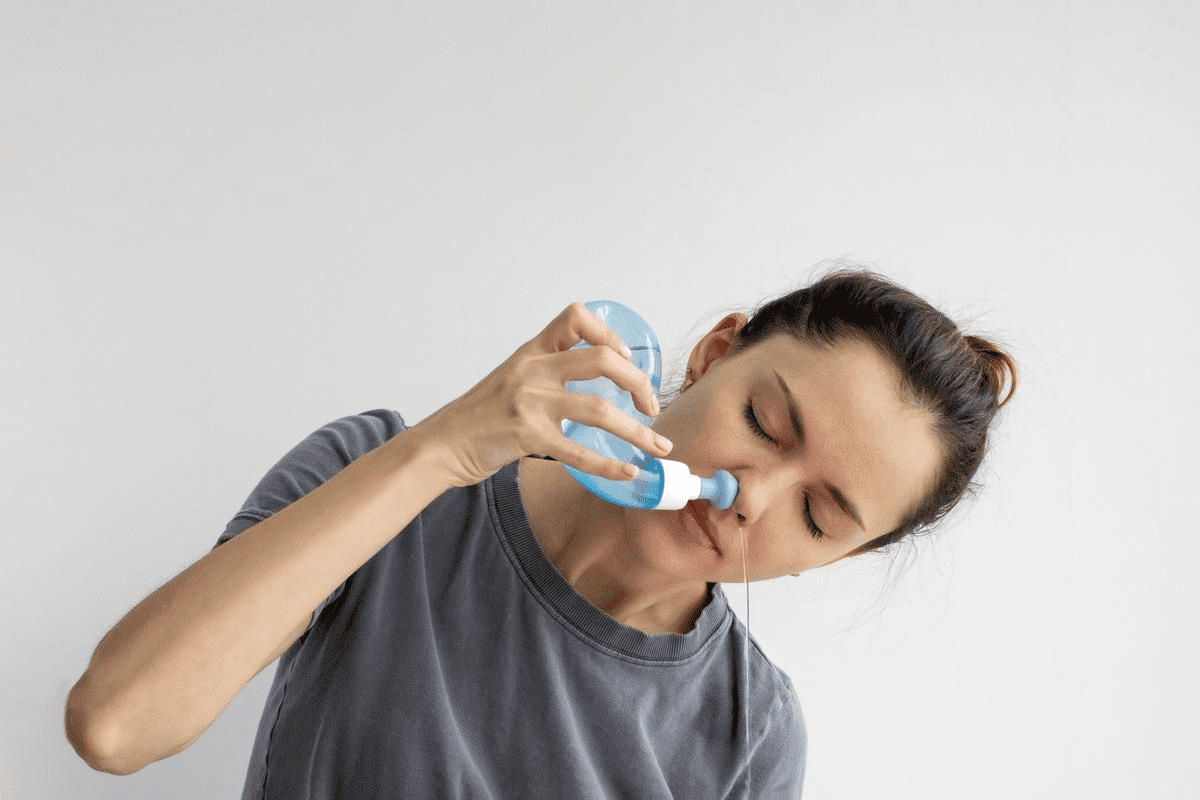
Proper Neti Pot Usage
Nasal irrigation with a neti pot is effective. Here’s how to use it right:
- Rinse the neti pot with distilled or sterile water before each use.
- Fill the neti pot with a saline solution (we’ll discuss how to make this below).
- Tilt your head to one side and insert the spout into the upper nostril.
- Allow the solution to flow through your nasal passages and out the other nostril.
- Repeat on the other side.
Saline Solution Recipes
A saline solution is key for nasal irrigation. You can make your own at home:
Ingredient | Amount |
Distilled water | 1 cup |
Non-iodized salt | 1/4 teaspoon |
Baking soda | 1/4 teaspoon |
Mix the ingredients until the salt and baking soda dissolve. This solution is like your nasal passages’ natural environment.
Safety Considerations
Steam therapy and nasal irrigation are usually safe. But, there are precautions:
- Use distilled or sterile water for nasal irrigation to avoid infections.
- Clean your neti pot thoroughly after each use.
- Be gentle when performing steam inhalation to avoid burns.
By adding these natural treatments to your daily routine, you can manage chronic sinusitis symptoms. This improves your quality of life.
Using Essential Oils for Sinus Relief
Certain essential oils have decongestant and anti-inflammatory properties. They are good for sinus health. These natural remedies can help your sinus relief plan.
Most Effective Oils for Sinus Health
Eucalyptus, peppermint, and tea tree oils are top choices for sinus relief. Eucalyptus oil helps clear nasal passages. Peppermint oil makes breathing easier and lowers sinus pressure. Tea tree oil fights infections with its antimicrobial properties.
Application Methods
There are many ways to use essential oils for sinus relief. Steam inhalation is popular. Add oil to hot water, cover your head, and breathe deeply. You can also use a diffuser to spread the oil particles in the air. For direct use, mix oils with a carrier oil for nasal massage or add them to your saline rinse.
Precautions and Contraindications
It’s important to use essential oils safely. Always dilute essential oils with a carrier oil to avoid skin irritation. Some oils may not be good for people with certain health issues or during pregnancy. Always consult with a healthcare professional before using essential oils, even as an alternative treatment for chronic sinusitis.
Creating Effective Oil Blends
Mixing different essential oils can make them more effective. For example, blending eucalyptus and peppermint oils makes a strong decongestant. Try different blends to find what works best for you. But always start with small amounts and test your sensitivity.
Making Environmental Modifications
Changing our environment can help a lot with chronic sinusitis. We can make the air cleaner, control humidity, and cut down on allergens. This makes our surroundings better for our sinuses.
Air Quality Improvement Strategies
Good air quality is key for healthy sinuses. Using HEPA filters at home is a great start. They catch 99.97% of tiny particles like dust and pollen. Also, avoiding strong chemicals and smoke helps a lot.
- Use HEPA air purifiers in bedrooms and living areas.
- Avoid strong cleaning products and perfumes.
- Prohibit smoking indoors.
Humidity Control Methods
Keeping humidity right is important to stop mold and mildew. We suggest using humidifiers or dehumidifiers to keep it between 30-50%.
- Monitor humidity levels with a hygrometer.
- Use a humidifier in dry environments.
- Employ a dehumidifier in humid areas.
Allergen Reduction in Your Home
It’s also important to cut down on allergens at home. Regular cleaning and using allergen-proof bedding helps. Also, getting rid of carpeting can reduce dust mites and pet dander.
- Wash bedding in hot water weekly.
- Use allergen-proof mattress and pillow covers.
- Remove or reduce carpeting and upholstered furniture.
Mold Prevention and Remediation
Stopping mold is also key. Make sure bathrooms and kitchens have good airflow. Fix leaks fast and clean mold right away.
- Use exhaust fans in bathrooms and kitchens.
- Fix water leaks and dry wet areas within 24-48 hours.
- Clean mold with a solution of water and bleach.
By making these changes, we can lessen sinusitis symptoms and improve our sinus health.
Alternative Therapies with Research Support
Looking into alternative therapies can help with chronic sinusitis symptoms. These methods, backed by studies, add benefits to traditional treatments.
Acupuncture for Sinus Relief
Acupuncture can lessen sinus pain and improve symptoms in chronic sinusitis patients. It works by stimulating certain body points. Studies show it can cut down on sinus infections.
DIY Acupressure Techniques
Acupressure is another way to ease chronic sinusitis symptoms. It involves pressing specific face and body points. Doing it regularly can greatly improve sinus health.
Yoga Poses for Sinus Drainage
Some yoga poses can help with sinus pressure and drainage. Downward-facing dog and child’s pose are good examples. They help by changing body position and improving drainage. Adding these poses to yoga can boost sinus health.
Mindfulness and Stress Reduction Practices
Mindfulness and stress reduction, like meditation and deep breathing, are key. Stress can make sinus symptoms worse. Lowering stress can help ease symptoms. Regular mindfulness can improve well-being and reduce stress related to sinus issues.
Using these alternative therapies in a treatment plan can offer more relief from chronic sinusitis. It can also enhance overall life quality.
Tracking Progress and Adjusting Your Treatment Plan
To treat chronic sinus infections well, we need to track how our natural remedies work. We should also make changes as needed. This helps us fine-tune our treatment to really tackle the sinus problems.
Creating a Symptom Journal
Keeping a symptom journal is a great way to track our progress. We record how bad and often our symptoms are each day. This helps us spot patterns and things that might be causing our symptoms.
For example, we might find that eating certain foods or being in certain places makes our symptoms worse. Knowing this helps us tailor our treatment plan better.
Identifying Trigger Patterns
With data from our symptom journal, we can find patterns of triggers. These could be foods, environmental factors, or stress levels. Knowing these triggers lets us take steps to avoid or lessen their impact.
Signs Your Natural Treatments Are Working
It’s important to know when our natural treatments are helping. We look for signs like less congestion, fewer sinus infections, and feeling better overall.
A table can help us see how we’re doing:
Symptom | Improvement Indicator |
Congestion | Easier breathing, reduced nasal discharge |
Sinus Pain | Decreased pressure and pain in the sinus areas |
Postnasal Drip | Less frequent throat clearing, reduced mucus |
When to Modify Your Approach
If we don’t see big improvements, it might be time to change our treatment plan. This could mean different foods, different herbal remedies, or even new therapies.
By always tracking our progress and adjusting our plan, we can make our natural treatment for chronic sinusitis work better. This leads to better health for us.
Conclusion: Creating Your Personalized Natural Treatment Plan
Treating chronic sinusitis naturally means making big changes. We need to change our diet, use natural remedies, and try alternative therapies. Knowing what causes and shows symptoms of chronic sinusitis helps us make a good treatment plan.
A treatment plan made just for you can work best. It should include foods that fight inflammation, herbal remedies, and steam therapy. These help ease symptoms and fix the root problems. Making smart choices about what we eat, our surroundings, and our lifestyle is key.
To beat chronic sinusitis, we must actively manage symptoms and stop them from coming back. Using the tips from this article, we can control our sinus health. A natural approach, with the right treatments and lifestyle changes, can really help.
FAQ
How can I cure chronic sinusitis naturally?
To cure chronic sinusitis naturally, try changing your diet and lifestyle. Eat foods that fight inflammation and use herbal remedies. Also, steam therapy and nasal irrigation can help.
What are some natural ways to treat chronic sinusitis?
For chronic sinusitis, try changing your diet and using natural remedies. Ginger, turmeric, and essential oils can help. Acupuncture, acupressure, and yoga also offer relief.
Can chronic sinusitis be cured permanently?
There’s no single cure for chronic sinusitis. But a natural treatment plan can help a lot. It involves addressing the root causes and using various therapies.
What is the best natural treatment for chronic rhinosinusitis?
The best treatment for chronic rhinosinusitis is a mix of diet changes, natural remedies, and alternative therapies. Steam inhalation, nasal irrigation, and essential oils are good. Acupuncture and mindfulness also help.
How do I get rid of chronic sinus infection?
To beat a chronic sinus infection, try a few things. Change your diet, use natural remedies, and try alternative therapies. This includes avoiding certain foods, using herbal supplements, and doing steam therapy.
Are there any alternative treatments for chronic sinusitis?
Yes, there are. Acupuncture, acupressure, yoga, and mindfulness can help a lot. They work well with diet changes and natural remedies.
How can I reduce chronic sinus congestion naturally?
To lessen sinus congestion, try steam inhalation, nasal irrigation, and essential oils. Also, eat more omega-3 fatty acids and avoid foods that trigger congestion.
What are some natural remedies for chronic sinusitis?
For sinusitis, try ginger, turmeric, and quercetin. They fight inflammation. Vitamin C and probiotics also boost your immune system.
Can chronic sinusitis be treated without antibiotics?
Yes, you can treat sinusitis without antibiotics. Use diet changes, natural remedies, and alternative therapies. This way, you can feel better without antibiotics.
How do I prevent chronic sinusitis from recurring?
To stop sinusitis from coming back, eat well and stay clean. Use steam therapy and nasal irrigation. Also, avoid foods and allergens that trigger it.
References
National Center for Biotechnology Information. (2025). How to Treat Chronic Sinus Infections Naturally Millions. Retrieved from https://www.ncbi.nlm.nih.gov/books/NBK441934/
























