
Male health issues like infertility and sexual dysfunction often start with a urology exam. Talking about these topics can be hard. But, a urologist’s examination is key to keeping healthy. How does a urologist examine your ejaculation? It’s awkward but safe. Get best facts. This vital test finds dangerous fertility issues.
In a male urology exam, a urologist checks many parts of male health. This includes looking at how you ejaculate. This check is important for finding and treating health problems related to male reproductive health. Knowing what to expect can make you feel more ready and relaxed.
Key Takeaways
- A urology exam is essential for diagnosing and treating male health issues.
- The examination includes an assessment of ejaculation as part of a thorough check.
- Understanding the exam process can help individuals feel more comfortable and prepared.
- A urologist’s examination is a vital part of keeping male health in check.
- The exam is a key part of finding and treating health problems that affect male reproductive health.
Understanding the Role of a Urologist
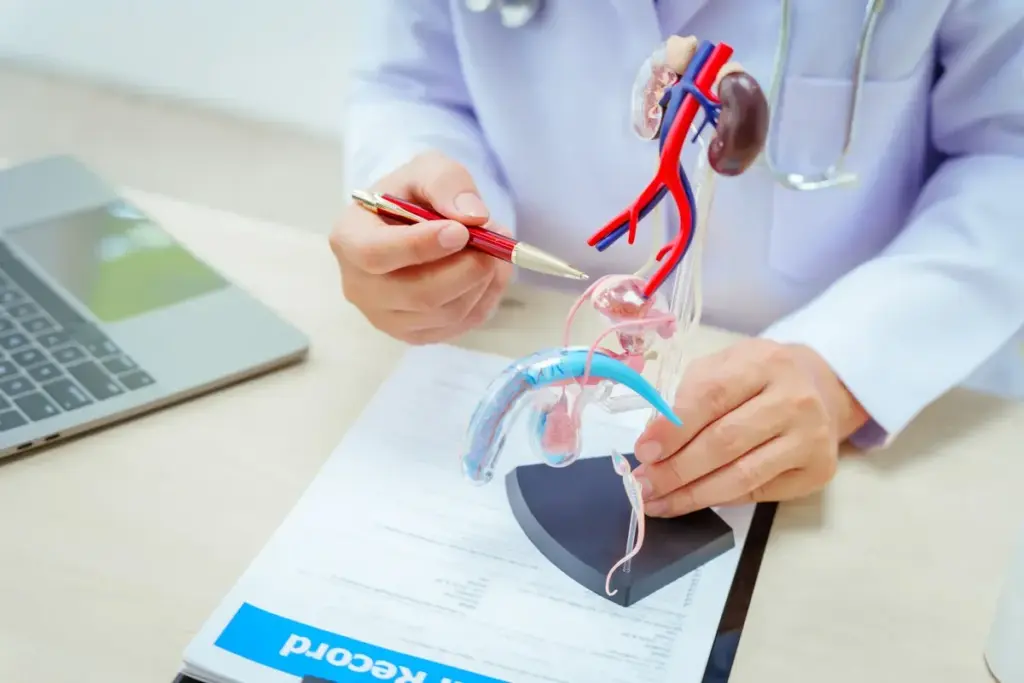
Urology is a branch of medicine that deals with the urinary system in both men and women. It also covers the male reproductive system. This field is key for treating many health issues, from simple infections to serious diseases like prostate cancer.
What is Urology?
Urology is a surgical specialty that focuses on the urinary tract in both males and females. It also deals with the male reproductive system. Urologists are trained to diagnose and treat diseases affecting these systems.
The urinary tract includes the kidneys, bladder, and connecting tubes. The male reproductive system includes the prostate, testes, and penis. Urologists use various tests and treatments, like surgery and medication, to help with issues like incontinence and erectile dysfunction.
Why Visit a Urologist?
Seeing a urologist is important for keeping your urinary and reproductive health in check. You might visit if you have painful urination, need to urinate often, or have erectile dysfunction. Urologists are also key in finding and treating serious issues like prostate cancer and kidney disease early.
For men, urologists can help with fertility, sexual health, and prostate problems. Regular visits can prevent complications and improve your life quality.
Understanding the role of a urologist and the importance of urological care is vital. It helps you stay healthy and address any issues quickly. Whether it’s for a routine check-up or to tackle specific symptoms, seeing a urologist is a key part of your healthcare.
Common Reasons for Ejaculation Examination

Men facing ejaculation problems often turn to a urologist for help. These issues are significantly associated with infertility, sexual dysfunction, and prostate health, highlighting the importance of thorough examination. A detailed examination is essential for diagnosing these problems.
Infertility Concerns
Infertility is a big worry for many couples. A urologist checks how well a man’s body can help conceive. They look at sperm count, how well sperm move, and their shape.
Key factors assessed include:
- Sperm count: The number of sperm in the ejaculate.
- Sperm motility: The ability of sperm to move properly.
- Sperm morphology: The shape and structure of sperm.
These details are important for figuring out if a man can father a child.
Sexual Dysfunction Symptoms
Sexual problems, like erectile dysfunction and premature ejaculation, are common. A urologist can find out why these issues happen.
Common symptoms include:
- Difficulty achieving or maintaining an erection.
- Premature or delayed ejaculation.
- Low libido.
Knowing the cause helps in finding the right treatment.
Prostate Health Monitoring
Prostate health is also checked during an ejaculation exam. Urologists look for signs of problems like prostatitis or cancer. They use tests to find these issues early.
Prostate health monitoring may involve:
- Prostate-specific antigen (PSA) testing.
- Digital rectal examination (DRE).
- Imaging tests like ultrasound or MRI.
Early detection is important for managing prostate health.
The Examination Process Explained
We help our patients through every step of the urological examination. It starts with an initial consultation. This way, we make sure we address all your concerns and understand your urological health well.
Initial Consultation and Medical History
The first step is gathering information about your medical history. This includes any previous conditions or surgeries. We talk about your symptoms and why you’re here. This helps us tailor the examination to your needs.
Physical Examination Overview
A physical examination is a key part of the urology appointment. We check your genitourinary health for any signs of issues. The male physical exam is done with care and respect, making sure you’re comfortable.
Discussing Ejaculation Characteristics
Talking about ejaculation is a big part of the exam. We ask about how often you ejaculate, how much, and if you have any problems. This helps us understand your symptoms and what to do next. It’s a conversation where honesty is key, and we’re here to support you.
By understanding your ejaculation and doing a detailed examination, we can explain your urological health. We’ll also suggest any tests or treatments you might need.
Laboratory Tests and Procedures
Laboratory tests are key in diagnosing and treating urological issues. They help us understand your symptoms and plan the best treatment.
Semen Analysis Explained
A semen analysis is vital for checking male fertility. It looks at the semen for sperm count, motility, and shape. This test can spot issues that might cause infertility.
We check the semen’s physical traits like volume and pH, along with sperm health. This detailed look gives us insights into your reproductive health.
Urinalysis: What to Expect
Urinalysis is a common test for urological conditions. It analyzes urine for infection signs, blood, or other issues. It can find problems like urinary tract infections or kidney stones.
To do urinalysis, you’ll give a urine sample. We’ll examine it in our lab. We might also do a culture to find bacterial growth, helping us find infection causes.
Imaging Tests: When Are They Required?
Imaging tests, like ultrasound or CT scans, are used to see the urinary tract. They help find issues like tumors or cysts and check the urinary system’s health.
The imaging test choice depends on your symptoms and medical history. For example, an ultrasound might look at the kidneys and bladder. A CT scan might be used for more complex cases.
|
Test |
Purpose |
What to Expect |
|---|---|---|
|
Semen Analysis |
Assess male fertility |
Providing a semen sample for examination |
|
Urinalysis |
Diagnose urinary tract conditions |
Providing a urine sample for analysis |
|
Imaging Tests (e.g., Ultrasound, CT Scan) |
Visualize the urinary tract |
Undergoing a scan to visualize internal structures |
“The use of laboratory tests in urology is indispensable for accurate diagnosis and effective treatment planning.”
— Expert in Urology
Preparing for Your Urology Appointment
To get the most from your urology appointment, some prep is key. This prep makes the visit smoother and more beneficial. We’ll show you how to get ready for your appointment.
Pre-appointment Tips
First, collect all your medical records and info. This includes:
- Previous medical reports and test results
- A list of your current medications and dosages
- Any relevant medical history, including allergies
Having this info ready helps your urologist understand your situation better.
Questions to Ask Your Urologist
Write down your questions and concerns before you go. Some common ones are:
- What is causing my symptoms?
- What are my treatment options?
- Are there any lifestyle changes I can make to improve my condition?
Feel free to ask anything; your urologist is there to assist.
What to Expect on the Day of the Exam
On the day of your appointment, you can expect:
- To arrive a few minutes early to complete any necessary paperwork.
- A thorough discussion with your urologist about your medical history and symptoms.
- A physical examination, if necessary, based on your condition.
Knowing what to expect can help ease any anxiety.
|
Preparation Step |
Description |
|---|---|
|
Gather Medical Records |
Collect previous medical reports, test results, and medication lists. |
|
List Questions |
Write down questions and concerns to discuss with your urologist. |
|
Arrive Early |
Plan to arrive a few minutes early to complete any necessary paperwork. |
Is the Examination Painful?
Thinking about a urological exam can be scary. But knowing what to expect can help. We want to tell you that urological exams are usually not painful. But, some people might feel a little discomfort.
Understanding Discomfort Levels
When a urologist checks the male genital area, some might feel a bit uncomfortable. This discomfort is usually mild and short-lived. The amount of discomfort can change based on your health and the exam.
For example, a semen analysis or urinalysis might cause a bit of discomfort. But these tests are important for finding and treating health problems.
Talking openly with your urologist about any worries or discomfort is key. This way, we can make the exam as comfortable as we can. We aim to give care that works well and respects your comfort.
Pain Management Options
We work hard to make urology exams as painless as they can be. For some tests, we might use local anesthesia or other ways to reduce pain. If you’re feeling pain or discomfort, tell your urologist right away.
Our team focuses on making you feel supported and cared for. We know exams can be stressful. We’re here to help you through it, making sure you’re informed and looked after.
After the Examination: Next Steps
After your urology exam, your doctor will share the results with you. They will also tell you what to do next. This is important to know your health status and what actions to take.
Understanding Results and Follow-up Care
Your urologist will look at the test results after the exam. These results help them see your urological health. They will explain everything in a way you can understand.
Getting follow-up care is key to your health. Your doctor might suggest more tests, monitoring, or treatment. It’s important to know why they recommend these steps and how they help your health.
Key aspects of follow-up care include:
- Scheduling additional tests or procedures as needed
- Monitoring your condition to track any changes or developments
- Adjusting treatment plans to optimize your health outcomes
Discussing Treatment Options
If you need treatment, your doctor will talk about your options. They will explain the good and bad of each choice. This helps you make the best decision for your care.
Treatment plans are made just for you. Your doctor will work with you to find the right plan for your needs.
“The goal of treatment is not just to address the immediate issue but to ensure long-term health and well-being.” –
A urologist’s perspective
Treatment might include medicine, lifestyle changes, or surgery. Your doctor will give you all the details to help you decide.
|
Treatment Option |
Description |
Potential Benefits |
|---|---|---|
|
Medication |
Prescribed drugs to manage symptoms or treat conditions |
Effective symptom management, improved quality of life |
|
Lifestyle Changes |
Dietary adjustments, exercise, and other lifestyle modifications |
Improved overall health, reduced risk of complications |
|
Surgical Interventions |
Surgical procedures to address specific urological conditions |
Definitive treatment for certain conditions, improved health outcomes |
By understanding your results and talking about treatment with your doctor, you can take steps to keep or improve your urological health.
When to Schedule a Urology Follow-up
Getting a follow-up with a urologist is key to keeping your urological health in top shape. After a urological exam, it can be hard to know when to book a follow-up.
Regular check-ups are vital for watching your health and fixing any issues fast. We’re here to help you through this and make sure you get the care you need.
Signs that Require Immediate Attention
Some symptoms need quick attention from a urologist. If you notice any of these, book an urgent follow-up:
- Severe pain or discomfort in the genital or pelvic area
- Unusual or persistent symptoms, such as blood in the semen or urine
- Difficulty urinating or painful urination
- Signs of infection, such as fever or chills
If you’re experiencing these symptoms, getting medical help right away is important. We’re dedicated to giving you quick and effective care.
Importance of Regular Check-ups
Regular visits to a urologist are essential for men’s health. These visits help us keep an eye on your urological health, tackle any concerns, and offer tips for staying healthy.
By making regular follow-up appointments, you can:
- Stay informed about your urological health
- Address any issues before they get worse
- Get personalized advice on staying healthy
We urge you to put your health first by making regular check-ups with a urologist. Our aim is to give you all-around care and support.
Conclusion: Your Health is a Priority
Keeping your health in top shape is key, and that includes talking about sensitive topics like ejaculation and men’s health. It’s important to talk openly with a urologist. This way, you can get the care you need.
Effective Urologist Communication
It’s vital to have honest talks with your urologist. This helps them understand your health worries and find the right treatment. Remember, asking for help is a sign of strength, not weakness.
Proactive Men’s Health
Going for regular check-ups and talking about any health issues with your urologist can really boost your health. Urology care is not just about fixing problems. It’s also about staying healthy and preventing future issues.
By being proactive and seeking help when you need it, you’re taking a big step towards taking care of your health. We’re here to help and support you every step of the way.
FAQ
What does a urologist examine during a male genital exam?
A urologist checks the genital area during an exam. This includes the penis, testicles, and prostate. They look for any signs of disease or abnormalities.
What happens during a urology appointment for men?
At a urology appointment, we talk about your medical history. We also do a physical exam. Sometimes, we do lab tests to find and treat urinary and reproductive issues.
How does a urologist examine ejaculation?
We look at how you ejaculate by talking about it. We check the frequency, volume, and any pain. We might also do a semen analysis to find any issues.
What is the purpose of a semen analysis?
Semen analysis checks sperm count, motility, and shape. It helps find out if you’re fertile or if there are fertility issues.
Is a urology exam painful?
Some discomfort might happen during a urology exam. But we try to make it as painless as possible. We offer pain relief if needed.
How to prepare for a urology appointment?
To get ready for a urology appointment, write down your symptoms and medical history. Also, jot down any questions you have. Arrive early to fill out any paperwork.
What to expect on the day of the urology exam?
On exam day, expect a detailed physical check-up and a talk about your health history. You might also have lab tests like urinalysis or semen analysis.
How long does a urology appointment take?
The time for a urology appointment varies. It depends on your condition’s complexity. But it usually takes between 30 minutes to an hour.
Why is follow-up care important after a urology exam?
Follow-up care is key to keep an eye on your health. It helps adjust treatments and prevent further problems.
When should I schedule a follow-up appointment with a urologist?
Book a follow-up if you notice new or worsening symptoms. Or if your urologist suggests it based on your diagnosis and treatment plan.
References
World Health Organization. Evidence-Based Medical Insight. Retrieved from https://www.who.int/publications/i/item/9789241547789[1



 Departments
 Related Videos
 Our Doctors
 News
News