
Bipolar disorder is a serious mental illness that causes big mood swings. Sleep problems are a key part of this condition. People with bipolar disorder often have trouble sleeping more than others do.
Studies show that up to 70 percent of people with bipolar disorder have insomnia even when they’re not in a b<Dec-2672_image_1>ad mood. Sleep paralysis also happens more often in those with bipolar. A study on the link between sleep and bipolar found that sleep is very important for everyone with bipolar.
Key Takeaways
- Bipolar disorder is linked to impaired sleep quality.
- Sleep disturbances are a core symptom of bipolar disorder.
- Insomnia can affect up to 70 percent of individuals with bipolar disorder.
- Sleep paralysis occurs more frequently in bipolar populations.
- Treating sleep issues is essential to alleviate symptoms and reduce relapse risk.
Understanding Bipolar Disorder and Sleep Disturbances

It’s key to know how bipolar disorder and sleep issues are linked. Bipolar disorder causes big mood swings. These include feeling very high (mania or hypomania) and very low (depression).
Sleep problems are common in bipolar disorder. This includes different types like Bipolar I, Bipolar II, and cyclothymic disorder. Each has its own mix of highs and lows.
The Bipolar Disorder Spectrum
The bipolar spectrum includes various conditions with mood swings. Bipolar I disorder has at least one manic episode and often depression. Bipolar II disorder has depression and hypomania, but no full manic episodes.
How Sleep Patterns Change During Mood Episodes
In manic episodes, people often need less sleep. Studies show 69-99 percent of patients feel this way. But, during depressive episodes, insomnia or too much sleep is common, hurting sleep quality and length.
Changes in sleep can also happen between episodes. Some people keep having sleep issues. These problems can make bipolar sleep problems worse and affect overall health.
The Bidirectional Relationship Between Mood and Sleep
The connection between mood and sleep in bipolar disorder is bidirectional. Mood episodes can affect sleep, and sleep issues can trigger or make mood episodes worse. This shows why treating both is important.
Understanding the link between bipolar disorder and sleep helps doctors manage it better. This can lead to better outcomes and a better life for patients.
Manic Depression Insomnia: Patterns and Prevalence
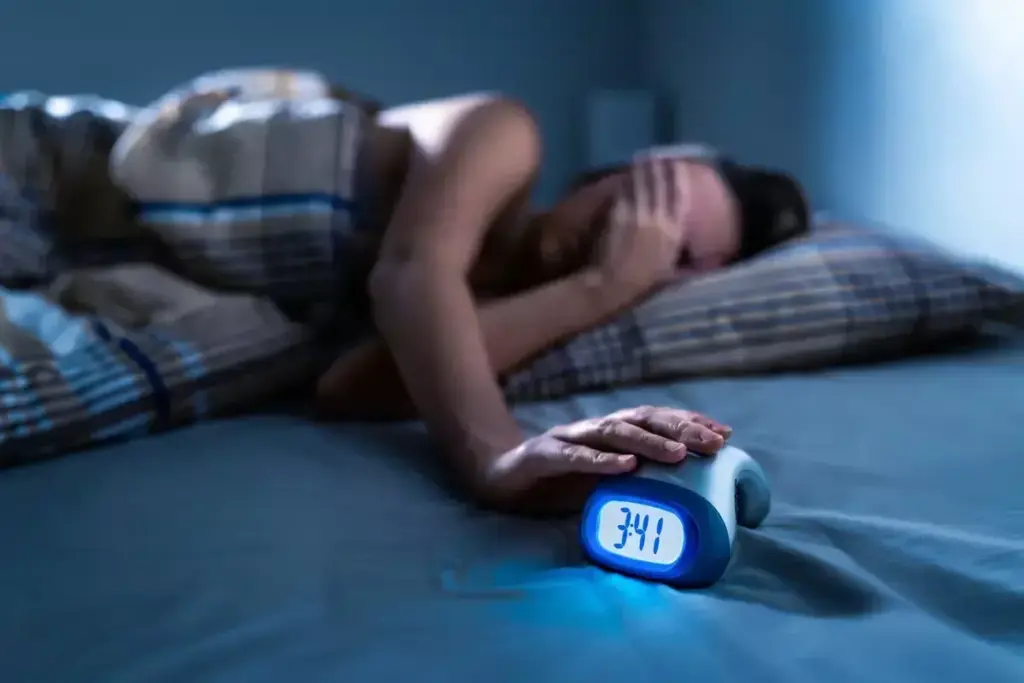
It’s important to understand how insomnia works in manic depression. This issue affects many people with bipolar disorder. It can make their lives harder and even cause mood swings.
Reduced Sleep Need During Manic Episodes
When someone is manic, they often need less sleep. This can lead to insomnia manic behavior. They might feel fine after just a few hours or even no sleep at all.
Insomnia During Depressive Episodes
But, during depressive episodes, things are different. People with bipolar disorder might find it hard to fall asleep. They might wake up a lot or wake up too early.
Persistent Sleep Problems Between Episodes
Studies show that up to 70 percent of those with bipolar disorder have sleep issues between episodes. This shows the need for constant strategies to manage sleep.
| Episode Type | Common Sleep Disturbances | Prevalence |
| Manic Episodes | Reduced sleep need | High |
| Depressive Episodes | Insomnia, hypersomnia | Very High |
| Between Episodes | Insomnia | Up to 70% |
Sleep Paralysis and Bipolar Disorder Connection
Sleep paralysis is a condition where you can’t move or speak when you’re falling asleep or waking up. It’s common in people with bipolar disorder. This condition can really affect their quality of life. So, it’s important to know how it’s linked to bipolar disorder.
Understanding Sleep Paralysis
Sleep paralysis happens when you’re stuck and can’t move or speak while falling asleep or waking up. It often comes with scary hallucinations. The exact cause of sleep paralysis is not fully understood, but it’s thought to be linked to sleep cycle disruptions.
Research shows sleep paralysis is connected to sleep deprivation, irregular sleep, and mental health issues like bipolar disorder. The role of inhibitory neurotransmitters such as GABA and glycine in sleep and wakefulness might also be involved.
Prevalence in Bipolar Patients
People with bipolar disorder get sleep paralysis more often than others. A study found that sleep paralysis is common in bipolar. This shows why doctors need to treat it in their plans.
“Sleep paralysis is a common comorbidity in bipolar disorder, affecting the overall quality of life and potentially complicating the clinical management of the disorder.”
Triggering Factors in Bipolar Disorder
Several things can trigger sleep paralysis in bipolar disorder. These include irregular sleep patterns, stress, and certain medications. Also, the manic or depressive episodes of bipolar disorder can mess with sleep, raising the risk of sleep paralysis.
Knowing what triggers sleep paralysis in bipolar patients is key. Healthcare providers can then find better ways to help these patients. This can improve their care and quality of life.
Conclusion: Managing Sleep Issues in Bipolar Disorder
Managing sleep issues is key for those with bipolar disorder. Studies show that keeping a regular sleep routine and handling stress can help. This can lower the chance of sleep problems like bipolar insomnia and trouble sleeping.
Bipolar disorder and sleep issues are closely tied. Sleep patterns change a lot during mood episodes. A treatment plan that tackles both symptoms and sleep problems is vital for better health.
Healthcare providers can now better understand the link between bipolar disorder and sleep. They can create specific plans to handle sleep issues. This includes ways to manage insomnia and reduce sleep paralysis risk.
Dealing with sleep problems in bipolar disorder needs a mix of approaches. This includes behavior, psychology, and medicine. With teamwork, people with bipolar disorder and their doctors can make sleep plans. This improves life quality greatly.
FAQ
What is the relationship between bipolar disorder and sleep disturbances?
Bipolar disorder often leads to sleep problems like insomnia and sleep paralysis. Mood and sleep affect each other. This means sleep issues can make bipolar symptoms worse, and bipolar symptoms can also affect sleep.
How do manic and depressive episodes affect sleep patterns?
Manic episodes usually mean less sleep is needed. But, depressive episodes often lead to insomnia. Sleep problems can also last between episodes, showing the need for a full treatment plan.
What is sleep paralysis, and how is it related to bipolar disorder?
Sleep paralysis makes it hard to move or speak when falling asleep or waking up. People with bipolar disorder are more likely to have it. It can be caused by not getting enough sleep and stress.
Can managing sleep issues help alleviate bipolar symptoms?
Yes, dealing with sleep problems is key in managing bipolar disorder. A treatment plan that covers both symptoms and sleep issues can improve mental health.
How do inhibitory neurotransmitters like GABA and glycine contribute to sleep paralysis in bipolar disorder?
GABA and glycine help control sleep and muscle tone. When these neurotransmitters are not working right, it can lead to sleep paralysis in bipolar disorder.
Is insomnia a common symptom of bipolar disorder?
Yes, insomnia is common in bipolar disorder, mostly during depressive episodes. It can also last between episodes, showing the need for ongoing management.
Can lack of sleep trigger manic episodes?
Yes, not getting enough sleep can trigger manic episodes in bipolar disorder. Keeping a regular sleep schedule and practicing good sleep habits can help avoid this.
How can I manage sleep issues related to bipolar disorder?
To manage sleep problems with bipolar disorder, you need a treatment plan that covers both symptoms and sleep issues. This might include medication, therapy, and lifestyle changes.
References
https://pmc.ncbi.nlm.nih.gov/articles/PMC3321357