

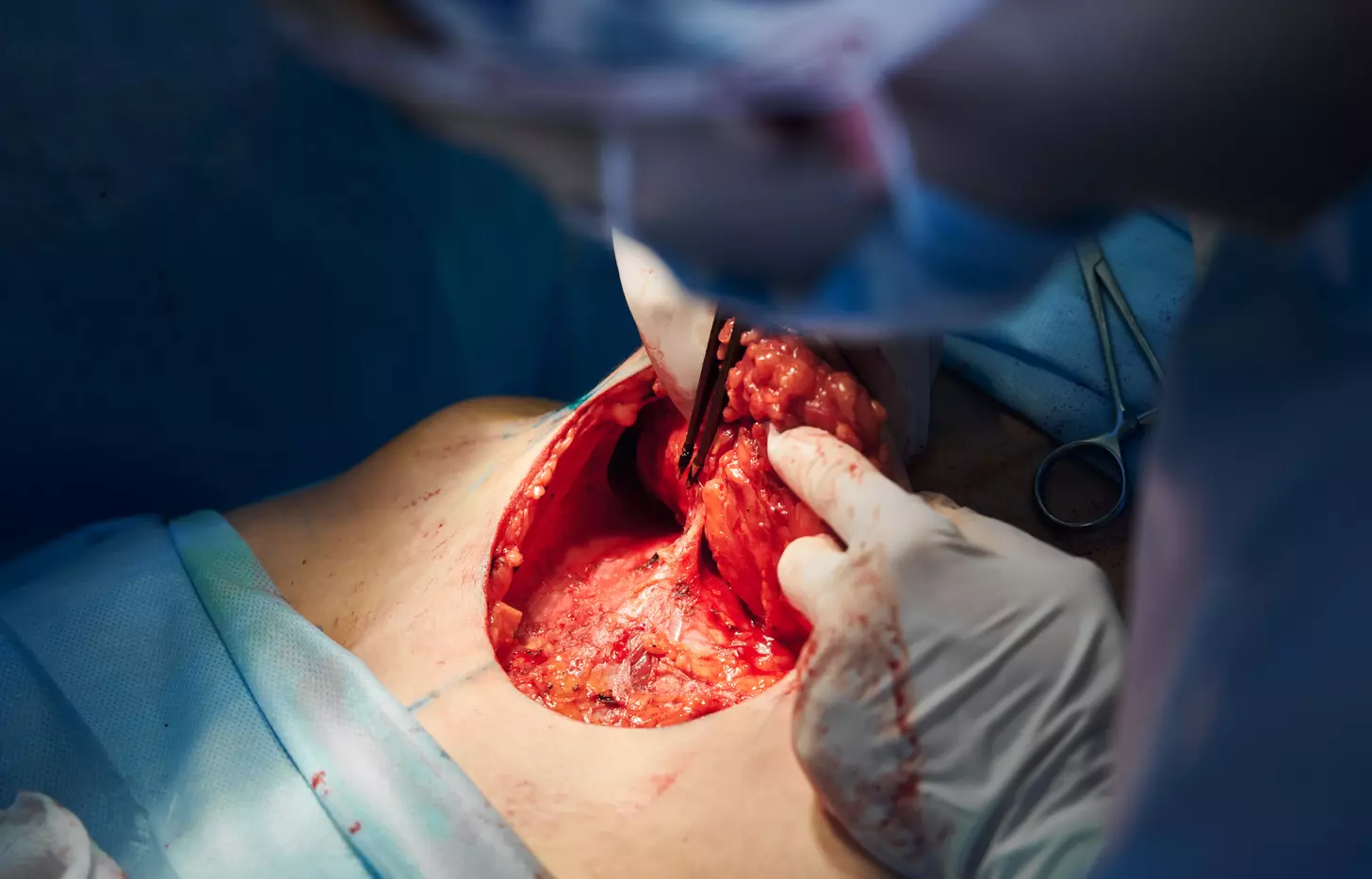
At Liv Hospital, we focus on top-notch healthcare that puts patients first. We offer a cutting-edge treatment called heart bypass keyhole surgery. This method uses small cuts between the ribs, cutting down on tissue damage and shortening recovery times.
This approach means patients can get back to their daily lives quicker. Our team is all about giving you the best care. We’ll walk you through what to expect during your recovery time for heart bypass surgery.
Key Takeaways
- Minimally invasive CABG reduces tissue trauma and recovery time.
- Small incisions between the ribs are used instead of a large chest incision.
- Patients can expect a faster return to normal activities.
- Liv Hospital is committed to providing world-class, patient-centered care.
- Our team ensures excellence, innovation, and safety in all procedures.
Understanding Coronary Artery Disease and Bypass Surgery

The coronary arteries are key to keeping the heart working right. But when they get sick, big problems can happen. Coronary artery disease (CAD) is when these arteries get narrowed or blocked by plaque buildup. This can cut down blood flow to the heart, causing chest pain, shortness of breath, or even a heart attack.
How Coronary Blockages Affect Heart Function
Coronary blockages mean the heart muscle doesn’t get the oxygen and nutrients it needs. This can cause symptoms like chest pain and shortness of breath. If a big artery gets blocked, it can lead to a serious heart attack and damage to the heart muscle.
We’ll look into how these blockages affect the heart and why getting blood flow back is so important. Here’s a table showing how blockages impact heart function:
| Blockage Severity | Symptoms | Potential Complications |
|---|---|---|
| Mild | Minimal or no symptoms | Potential for progression |
| Moderate | Angina, shortness of breath | Increased risk of heart attack |
| Severe | Severe angina, heart failure | High risk of heart attack or death |
When Bypass Surgery Becomes Necessary
Bypass surgery, or CABG, is needed when blockages are severe and can’t be fixed with medicine or angioplasty. It involves using a healthy blood vessel to bypass the blockage and get blood flowing to the heart muscle again.
For complex heart procedures, visiting a place like Liv Hospital can offer insights into the latest treatments.
Deciding if bypass surgery is needed involves looking at how bad the heart disease is, the patient’s health, and their symptoms. We’ll dive into this more in the next sections.
What Is Heart Bypass Keyhole Surgery?

Minimally invasive CABG, or keyhole heart bypass surgery, is a new way to do heart surgery. It’s less invasive than traditional open-heart surgery. We’ll look at what it is, how it differs, and its benefits.
Definition of Minimally Invasive CABG
Minimally invasive CABG is a surgery that uses smaller cuts in the chest. It’s different from the big cut used in open-heart surgery. This method aims to cause less damage and help you heal faster.
Key Differences from Traditional Open Heart Surgery
The main differences are in the size and location of the cuts, and the tools used. Keyhole surgery has:
- Smaller incisions, usually 2-3 inches long
- Less or no rib spreading
- Special tools for better view and precision
These changes mean less harm to your chest and tissues.
Benefits of the Keyhole Approach
The keyhole method has many advantages, including:
- Shorter Recovery Time: Smaller cuts mean less damage and quicker healing.
- Less Pain After Surgery: Smaller cuts and less rib spreading mean less pain.
- Less Scarring: The smaller cuts mean less noticeable scars.
- Lower Chance of Complications: Less tissue damage might mean fewer complications.
For more info on keyhole vs. open-heart surgery, check out our blog post on coronary bypass.
Types of Heart Bypass Keyhole Surgery Techniques
Keyhole surgery has changed cardiac surgery a lot. It gives patients less invasive options and faster recovery times. We’ll look at the different heart bypass keyhole surgery methods, their benefits, and when they’re used.
Minimally Invasive Direct Coronary Artery Bypass (MIDCAB)
MIDCAB uses small incisions between the ribs to reach the heart. It lets surgeons bypass blocked arteries without stopping the heart. This method causes less damage to the patient, leading to quicker healing.
Totally Endoscopic Coronary Artery Bypass (TECAB)
TECAB is a more advanced keyhole surgery. The whole procedure is done through small ports with endoscopic tools. It needs special skills but causes even less damage. TECAB’s precision can lead to better results for some patients.
Robot-Assisted Coronary Artery Bypass
Robot-assisted CABG uses a robotic system to improve the surgeon’s skills. It allows for more precise and delicate work. This method is great for complex cases.
To understand the differences, let’s look at a comparison table:
| Technique | Incision Size | Recovery Time | Precision Level |
|---|---|---|---|
| MIDCAB | Small | Moderate | High |
| TECAB | Minimal | Short | Very High |
| Robot-Assisted CABG | Minimal | Short | Exceptional |
Each keyhole surgery technique has its role in modern cardiac surgery. The choice depends on the patient’s condition and the surgeon’s skills.
Single to Quintuple: Understanding Different Bypass Configurations
It’s important to know about the different bypass options for coronary artery bypass grafting (CABG). The number and type of bypasses needed can affect how well the surgery goes and how the patient recovers.
Single Bypass Procedure and Indications
A single bypass grafts one blocked artery. It’s often chosen for patients with a single big blockage that can’t be fixed with other treatments like angioplasty.
Indications for a single bypass include:
- Isolated coronary artery blockage
- Failure of other interventions like angioplasty
- Presence of symptoms like angina or shortness of breath
Double Bypass Procedure and Complexity
A double bypass grafts two blocked arteries. This is a more complex surgery that needs careful planning for the best results.
Double bypasses are more complex because they involve grafting two areas. This can make the surgery longer and harder to recover from.
Triple Bypass Surgery and Success Rates
In a triple bypass, three blocked arteries are grafted. This is a big procedure that needs a lot of skill from the surgeon.
Success rates for triple bypass surgery are generally high. Many patients see big improvements in symptoms and heart function.
Quadruple Bypass Considerations
A quadruple bypass grafts four blocked arteries. It’s a major surgery.
When considering a quadruple bypass, the patient’s health, the extent of the disease, and the need for more treatments after surgery are important.
We summarize the different bypass configurations and their characteristics in the table below:
| Bypass Configuration | Number of Grafts | Indications | Complexity |
|---|---|---|---|
| Single Bypass | 1 | Isolated blockage | Low |
| Double Bypass | 2 | Two significant blockages | Moderate |
| Triple Bypass | 3 | Extensive coronary artery disease | High |
| Quadruple Bypass | 4 | Multiple blockages across different arteries | Very High |
The key to successful CABG is understanding the patient’s heart anatomy and choosing the right bypass.
The choice of bypass configuration is critical and depends on various factors including the patient’s anatomy, the extent of disease, and the surgeon’s expertise.
Heart Bypass Keyhole Surgery Procedure Step-by-Step
We will guide you through the CABG procedure, from preoperative preparation to graft harvesting. Heart bypass keyhole surgery, also known as minimally invasive coronary artery bypass grafting (CABG), is a complex procedure. It requires careful planning and execution.
Preoperative Preparation
Before CABG, patients go through preoperative preparation. This includes tests and evaluations to check their health and identify risks. Our team reviews the patient’s medical history, performs lab tests, and talks about the procedure’s risks and benefits.
Anesthesia and Monitoring
During CABG, anesthesia is given to keep patients comfortable and safe. Our anesthesiologists use advanced monitoring to track vital signs and adjust anesthesia levels. This careful monitoring helps minimize risks and ensures a smooth operation.
CABG Incision Techniques
The CABG procedure involves making small incisions between the ribs. This allows our surgeons to access the heart with minimal disruption. These incision techniques are designed to reduce trauma and promote faster healing. Our surgeons use specialized instruments to perform the bypass grafting through these small openings.
Graft Harvesting Methods
Graft harvesting is a critical step in the CABG procedure. We use various methods to harvest grafts, typically from the patient’s leg or arm. The choice of graft depends on several factors, including the patient’s vascular health and the specific requirements of the bypass procedure.
CABG Surgery Time Duration Explained
Knowing how long CABG surgery takes is key for those getting ready for heart bypass surgery. The surgery’s length affects preparation and recovery.
Average Duration for Keyhole Procedures
Keyhole CABG surgeries usually last from 2 to 4 hours. But, this can change based on the surgery’s complexity and the number of bypasses needed.
These surgeries are less invasive than traditional open-heart surgery. This makes them shorter. Yet, the exact time depends on the patient’s health and the surgeon’s skill.
Factors That Affect Surgery Length
Several things can change how long CABG surgery lasts. These include:
- The number of bypasses required
- The complexity of the coronary blockages
- The patient’s overall health condition
- The surgeon’s experience with keyhole procedures
- Any unforeseen complications during surgery
Knowing these factors helps patients prepare better and set realistic expectations about surgery time.
How Long Does a Double Heart Bypass Take?
A double heart bypass surgery usually takes longer than a single bypass. It can last between 3 to 5 hours. This is because of the extra time needed for the second bypass graft.
The surgery’s complexity, like the blockages’ location and severity, also affects the time.
Duration Differences Between Single and Multiple Bypasses
The time for CABG surgery changes a lot between single and multiple bypasses. Here’s a look at average times for different bypass setups:
| Bypass Configuration | Average Surgery Time |
|---|---|
| Single Bypass | 2-3 hours |
| Double Bypass | 3-5 hours |
| Triple Bypass | 4-6 hours |
| Quadruple Bypass | 5-7 hours |
This table shows that more complex bypasses take longer. But, individual times can vary based on the factors mentioned earlier.
By understanding what affects CABG surgery time, patients can prepare better for the procedure and recovery.
Heart Bypass Diagram and Visualization
A heart bypass diagram shows how grafts are placed during CABG surgery. It helps us understand this life-saving procedure better. Seeing the surgical steps and graft placement is key for doctors and patients.
Understanding Graft Placement
Graft placement is a key part of CABG surgery. It involves attaching a graft from another body part to the coronary artery. A clear understanding of graft placement is vital for a successful surgical outcome.
The graft placement process is complex. Surgeons use precise techniques to ensure the graft is correctly secured. They use preoperative, intraoperative, and postoperative imaging to guide the graft placement.
- Preoperative imaging to plan the surgery
- Intraoperative imaging to guide the graft placement
- Postoperative imaging to verify the graft’s patency
Quadruple Bypass Diagram Explained
A quadruple bypass diagram shows a CABG procedure with four grafts. It’s useful for understanding complex bypass configurations.
Let’s look at a quadruple bypass diagram. It shows four grafts bypassing multiple blockages. The grafts come from different sources, like the internal mammary artery or saphenous vein, and connect to the coronary arteries beyond the blockages.
Visualizing the Surgical Approach
Understanding the surgical approach is key to knowing how CABG surgery is done. It involves knowing the incision techniques, the use of cardiopulmonary bypass or off-pump techniques, and graft harvesting methods.
| Surgical Approach | Description | Key Benefits |
|---|---|---|
| Minimally Invasive CABG | Smaller incisions, less invasive | Reduced recovery time, less scarring |
| Traditional Open Heart Surgery | Larger incision, more invasive | Well-established technique, suitable for complex cases |
By visualizing the surgical approach, patients can better understand their CABG surgery. Medical professionals can also improve their techniques to better outcomes.
Recovery Time for Heart Bypass Keyhole Surgery
The journey to recovery after heart bypass keyhole surgery has many stages. From the hospital stay to full recovery, it can be tough. But with the right info, patients can prepare better for what’s next.
Hospital Stay Duration
Patients usually stay in the hospital for a few days after surgery. The exact time depends on health and surgery complexity. Most stay 4 to 7 days, where doctors watch over them and handle any issues.
Immediate Post-Operative Recovery
The first days after surgery are key for a smooth recovery. Patients are watched closely in the ICU for 24 to 48 hours. We manage pain, prevent infections, and keep vital signs stable. Once stable, they move to a regular room for further recovery.
Week-by-Week Recovery Timeline
Recovery from heart bypass keyhole surgery takes weeks. Here’s what to expect:
- Week 1-2: Patients feel tired and a bit sore. They start with light activities to avoid blood clots and aid healing.
- Week 3-4: Energy levels start to rise, and patients can do more. They begin to return to daily routines and light physical activities.
- Week 5-6: By now, many feel much better. They can do more strenuous activities, but always with doctor’s advice.
Full Recovery Expectations
Full recovery from heart bypass keyhole surgery takes months. It’s vital to follow doctor’s orders and go to follow-up visits. Health, age, and complications can affect recovery time. Most return to normal in 2 to 3 months, but some may take longer.
Recovery Time Comparison: Single vs. Multiple Bypasses
Recovering from heart bypass surgery is different for single and multiple bypasses. The number of bypasses affects how long it takes to heal. Many factors play a role in the recovery process.
Single Heart Bypass Recovery Timeline
A single bypass surgery has a shorter recovery time. Patients usually spend 4-7 days in the hospital. They can start normal activities in 6-8 weeks. But, it can take up to 3 months to fully recover.
Double Bypass Recovery Considerations
Double bypass surgery is more complex, leading to a longer recovery. Hospital stay can range from 7-10 days. It may take 8-12 weeks to get back to normal. The recovery is harder because of the surgery’s complexity.
Triple Heart Bypass Recovery Time
Triple bypass surgery has an even longer recovery. Hospital stay can last 7-14 days. Recovery at home can take 3-4 months. It’s important to follow a strict rehabilitation plan for the best recovery.
Quadruple Bypass Recovery Challenges
Quadruple bypass surgery is the most complex, leading to the longest recovery. Patients may spend 10-14 days or more in the hospital. It can take up to 6 months to fully recover. The rehabilitation process needs careful monitoring and a tailored recovery plan.
In conclusion, the recovery time varies a lot between single and multiple bypass surgeries. Understanding these differences is key for patient preparation and care. By knowing the unique challenges of each bypass surgery, healthcare providers can offer better support during the recovery journey.
Traditional vs. Keyhole Bypass: Recovery Differences
When we look at traditional and keyhole bypass surgery, we see big differences in recovery. The choice between these two can really affect how a patient feels after surgery.
Pain Management Comparison
Pain is a big difference between the two surgeries. Keyhole bypass surgery causes less post-operative pain because of its smaller cuts. Traditional open-heart surgery, with its bigger cut, hurts more.
“Patients who get keyhole bypass surgery often feel much less pain,” as we’ve talked about before on traditional versus keyhole heart surgery.
Mobility and Activity Resumption
How quickly you can move around and get back to normal activities also differs. Keyhole bypass patients can move around faster and get back to their daily lives sooner. This is because the smaller cuts cause less damage to the body.
Return to Work Timeframes
Going back to work is another area where the two surgeries differ. Keyhole bypass patients usually go back to work in 4-6 weeks. Traditional bypass surgery patients might take 8-12 weeks or more. This can really affect a person’s life and how they feel.
Long-Term Recovery Outcomes
Looking at long-term recovery, both surgeries have their own points to consider. Keyhole bypass surgery might have less immediate trauma, but long-term results are similar to traditional bypass. Both surgeries can greatly improve symptoms and quality of life.
One study found that long-term survival rates are the same for both. But keyhole surgery offers the extra benefit of quicker recovery.
Potential Risks and Success Rates
Heart bypass keyhole surgery has risks and complications. It’s important to know these before the surgery. Keyhole CABG is safe and effective, but knowing the risks helps in making the right choice.
Common Complications of Keyhole CABG
Keyhole CABG has its own set of complications. Some common risks include:
- Bleeding and hemorrhage
- Infection
- Graft failure
- Stroke or other cardiovascular events
- Respiratory complications
Studies show these complications vary. They depend on the patient’s health, the surgery’s complexity, and the surgeon’s experience. For example, a study found graft failure risk was lower with advanced surgical care.
Is a Triple Heart Bypass Dangerous?
A triple heart bypass is more complex than single or double bypasses. It has higher risks due to longer surgery time and more extensive procedure.
Specific risks include:
- Increased risk of bleeding and transfusion needs
- Higher risk of infection
- Longer recovery times
- Potential for more significant scarring
Despite these risks, triple bypass surgery has a high success rate. Many patients see a big improvement in their quality of life after the surgery.
Survival Rate of Quadruple Bypass Surgery
Quadruple bypass surgery is very complex and carries higher risks. But, survival rates have improved a lot. This is thanks to better surgical techniques, care before and after surgery.
Studies show long-term survival rates are encouraging. Many patients see a big reduction in symptoms and an improvement in health.
“The advancements in surgical techniques and postoperative care have significantly improved the outcomes for patients undergoing complex CABG procedures.”
Long-Term Prognosis
The long-term outlook for heart bypass keyhole surgery is good. Factors like preoperative health, comorbidities, lifestyle changes, and following medical advice are key. These help determine long-term outcomes.
Understanding the risks and success rates helps patients make informed decisions. They can work closely with their healthcare providers to get the best results.
Conclusion
Heart bypass keyhole surgery has changed how we treat heart disease. It’s a new way to fix blocked arteries without the big cut of traditional surgery. We’ve looked at different methods, like MIDCAB, TECAB, and robot-assisted CABG, and what they offer.
This surgery means patients can get back to their lives faster. The time it takes to recover depends on how complex the surgery was. Simple surgeries usually mean quicker healing times than more complicated ones.
In summary, heart bypass keyhole surgery is a big step forward in heart care. It’s safer and less invasive than old methods. Knowing about this surgery helps patients choose the best treatment for them. We think it will keep being a key part of treating heart disease, helping patients live better lives.
What is heart bypass keyhole surgery?
Heart bypass keyhole surgery is a modern way to fix blocked heart arteries. It uses small chest cuts to bypass these blockages. This helps blood flow to the heart again.
How long does a heart bypass surgery take?
The time needed for heart bypass surgery varies. A single bypass might take 2-3 hours. More complex cases can take 4-6 hours or longer.
What is the recovery time for heart bypass keyhole surgery?
Recovery from keyhole heart surgery is quicker than traditional surgery. Patients usually stay in the hospital for 3-5 days. They can get back to normal in 4-6 weeks.
What are the benefits of keyhole bypass surgery?
Keyhole bypass surgery has many advantages. It causes less tissue damage and pain. Patients also have a shorter hospital stay and faster recovery.
Is a triple heart bypass dangerous?
Triple heart bypass surgery comes with risks, like any surgery. But, thanks to advancements, many patients have successful surgeries with few complications.
What is the survival rate of quadruple bypass surgery?
Quadruple bypass surgery has a high survival rate. Most patients see big improvements in their symptoms and quality of life.
How long does it take to recover from a double heart bypass?
Double heart bypass recovery varies. Patients usually spend 3-5 days in the hospital. They can get back to normal in 4-6 weeks.
What is the difference between traditional and keyhole bypass surgery?
Traditional surgery has a big chest cut, while keyhole surgery uses small cuts between the ribs. This makes keyhole surgery less invasive.
What are the possible risks and complications of keyhole CABG?
Keyhole CABG has risks like bleeding and infection. But, these are generally lower than with traditional surgery.
What is a quadruple bypass diagram?
A quadruple bypass diagram shows the four grafts used in the surgery. It helps patients understand the procedure and what to expect during recovery.
References
- MMCTS. (2013, June 28). Coronary artery bypass graft. Retrieved October 18, 2025, from MMCTS

























