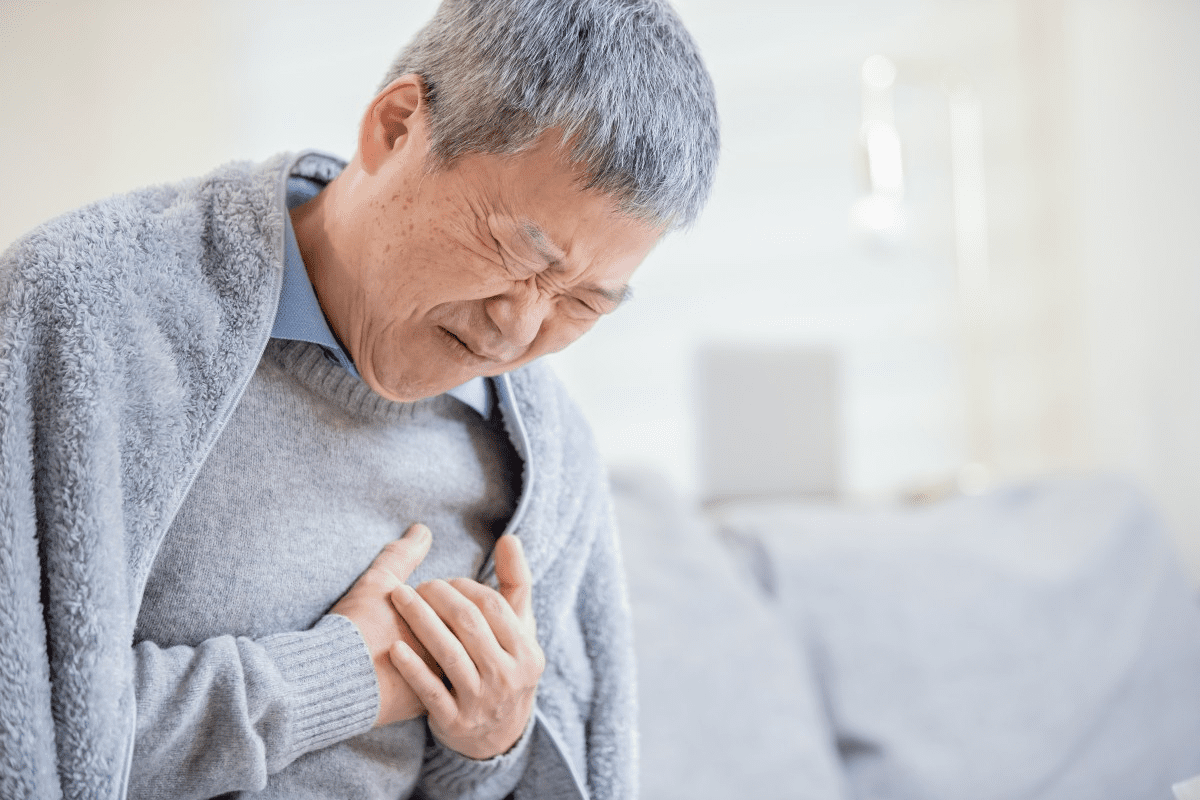
Millions of people feel chest discomfort every year. It’s hard to tell if it’s just heartburn or a serious heart attack. But knowing the difference is very important.
We will look at the symptoms of heartburn and heart attack. This will help you understand the difference between these two common issues.
Heartburn is a sign of acid reflux. It makes your chest or throat feel like it’s burning. On the other hand, a heart attack usually feels like your chest is tight or under pressure.
Wondering “how does heartburn feel?” This guide describes 5 alarming signs and the critical differences between acid reflux and a heart attack.
Key Takeaways
- It’s key to know the difference between heartburn and heart attack to get the right medical help.
- Heartburn is a burning feeling in your chest or throat.
- A heart attack feels like your chest is tight or under pressure.
- Knowing the symptoms of each can help you get the right treatment.
- It’s important to know the signs that tell heartburn apart from a heart attack.
Understanding Heartburn: Causes and Prevalence
Over 60 million Americans get heartburn every month. It’s important to know why it happens to manage it better. Heartburn is when stomach acid goes back up into the esophagus, causing pain and discomfort.
What Triggers Acid Reflux and Heartburn
Some foods and drinks can make acid reflux and heartburn worse. Spicy foods and high acidity foods like citrus fruits and tomatoes are big offenders. Other things that can trigger it include:
- Caffeine and carbonated drinks
- Chocolate and fatty foods
- Alcohol and smoking
These can relax the LES, letting stomach acid back up into the esophagus. Or, they can directly irritate the esophagus, leading to heartburn.
Statistics: How Common is Heartburn in America
Heartburn is very common in the U.S. More than 60 million Americans get heartburn at least once a month. About 15 million have it every day.
| Frequency of Heartburn | Number of Americans |
|---|---|
| Daily | 15 million |
| Monthly | 60 million |
| Occasional | Over 100 million |
These numbers show how common heartburn is. They also stress the importance of knowing its causes and how to manage it.
How Does Heartburn Feel: Characteristic Symptoms
Heartburn can be unsettling, but knowing its symptoms helps. We’ll look at the typical feelings of heartburn and what causes them.
The Burning Sensation in the Chest
Heartburn feels like a burning in the chest. This happens when stomach acid flows up into the esophagus. The burning feeling is sharp and fiery, and it can be quite uncomfortable.
Other symptoms like burping, chest pain, hoarseness, nausea, and regurgitating food often come with heartburn. These happen because stomach acid irritates the esophagus, causing inflammation and pain.
Timing and Triggers of Heartburn Pain
Knowing when and why heartburn happens helps manage it. It usually occurs after eating, and big meals can make it worse. Foods like citrus fruits, tomatoes, chocolate, and alcohol can also trigger it by relaxing the esophageal sphincter or increasing acid.
Lying down or bending over after eating can also make heartburn worse. This is because it lets stomach acid flow more easily into the esophagus. Knowing these triggers can help prevent heartburn.
By recognizing heartburn symptoms and understanding what causes them, you can manage it better. This can improve your daily life a lot.
Heart Attack Basics: Mechanisms and Risk Factors
A heart attack, or myocardial infarction, happens when blood flow to the heart is blocked. This causes damage to the heart muscle. It’s a serious medical emergency that needs quick action.
We will look into how heart attacks happen and the numbers in the United States.
What Happens During a Myocardial Infarction
When a heart attack occurs, the heart muscle gets damaged because of a lack of blood. This damage can last a long time and cause serious health problems. The blockage is usually a blood clot on atherosclerosis (plaque) in a coronary artery.
Key factors that contribute to a myocardial infarction include:
- Atherosclerosis: The buildup of plaque in the arteries.
- Blood clots: Forming on the plaque, leading to blockage.
- Reduced blood flow: To the heart, causing damage.
Heart Attack Statistics in the United States
Heart attacks are a big health issue in the United States. Over 800,000 Americans have heart attacks every year. This shows how important it is to know the risk factors and how heart attacks happen.
Some key statistics include:
- Someone in the United States has a heart attack every 40 seconds.
- The majority of heart attack victims have underlying conditions such as high blood pressure or diabetes.
- Prompt medical treatment can significantly improve outcomes for heart attack patients.
Knowing these statistics and how heart attacks occur can help prevent them. It can also help in early detection, which could save lives.
Typical Heart Attack Sensations and Warning Signs
A heart attack often feels like a tight squeeze in the chest. This is a key warning sign that should not be ignored. We will look at the common feelings and other signs of a heart attack.
The Pressure, Tightness, and Squeezing Sensation
A heart attack usually feels like pressure, tightness, or squeezing in the chest. This discomfort can stay for a while or come and go. It’s often felt as a heavy or crushing feeling that might spread to other parts of the body.
The pressure or squeezing sensation is usually:
- Located in the center of the chest
- Lasting for more than a few minutes
- Possibly accompanied by feelings of anxiety or panic
Beyond Chest Pain: Additional Heart Attack Symptoms
While chest pain is a common symptom of a heart attack, it’s not the only one. Other areas of the body may also be affected, including:
- The arms (often radiating pain or discomfort)
- The back, neck, or jaw
- The stomach or abdomen
Additional symptoms can include:
- Shortness of breath or difficulty breathing
- Cold sweats or nausea
- Lightheadedness or dizziness
- Fatigue or feeling extremely weak
It’s important to recognize these symptoms and seek medical attention right away if they happen. Heart attack symptoms can differ from person to person. Some people may even feel symptoms that seem like heartburn.
Knowing these warning signs can help you or your loved ones act fast if there’s a heart attack.
Key Differences in Pain Location and Radiation
It’s important to know the difference between heartburn and a heart attack pain. Chest discomfort can have different signs for each condition. Knowing these signs can help you figure out what’s wrong.
Centralized Esophageal Discomfort
Heartburn feels like a burning in the chest, often behind or below the breastbone. This pain is mainly in the esophagus. It can get worse when you move or after eating.
Pain That Radiates to Arms, Jaw, and Neck
A heart attack pain goes beyond the chest. It can spread to the arms, jaw, or neck. This pain feels like pressure, tightness, or squeezing. This spread is a key difference from heartburn.
| Characteristics | Heartburn | Heart Attack |
|---|---|---|
| Pain Location | Centralized, behind or below breastbone | Center of chest, may radiate |
| Pain Radiation | Typically localized | Often radiates to arms, jaw, neck |
| Nature of Pain | Burning sensation | Pressure, tightness, squeezing |
Understanding these differences helps you know when to get medical help. It’s key to assess your symptoms correctly.
Duration and Progression: How to Tell Them Apart
When you feel chest discomfort, it’s key to know how long it lasts and if it gets worse. This helps figure out if it’s heartburn or a heart attack. Knowing how symptoms change can tell you a lot about what’s happening in your body.
Heartburn and heart attack symptoms differ not just in pain type. It’s also about how long the pain lasts and how it changes. Let’s dive into these differences.
Heartburn’s Typical Timeline and Resolution
Heartburn feels like a burning in the chest after eating. It can be caused by certain foods or drinks. It also gets worse when you lie down or bend over.
- Heartburn symptoms are usually temporary, lasting from a few minutes to a few hours.
- The discomfort often resolves on its own or with the help of antacids.
- Eating certain foods or drinking specific beverages can trigger heartburn, and avoiding these triggers can help prevent episodes.
Managing heartburn often involves lifestyle changes and over-the-counter meds. But, if heartburn persists or gets severe, seeing a doctor is important. They can check for any underlying issues.
The Persistent and Worsening Nature of Heart Attack Pain
Heart attack pain is different from heartburn. It’s usually more severe and doesn’t go away. It might feel like pressure or squeezing in the chest. It can also spread to the arms, back, or jaw.
- Heart attack pain is often persistent, lasting more than a few minutes or coming and going.
- The discomfort can worsen over time, becoming more severe or spreading to other areas.
- Unlike heartburn, heart attack pain is not typically relieved by antacids or changing positions.
If you think you’re having a heart attack, call for emergency help right away. Quick treatment can greatly improve your chances of recovery.
Relief Measures: Responses to Treatment
Knowing the difference between heartburn and a heart attack is key. When symptoms show up, knowing how to react can greatly impact the outcome.
Alleviating Heartburn Symptoms
Heartburn can be eased with over-the-counter antacids or by avoiding certain foods. Antacids neutralize stomach acid, giving quick relief from acid reflux. Eating smaller meals and avoiding spicy or fatty foods can also help manage heartburn.
A medical expert says, “Lifestyle changes and antacids are usually the first steps against heartburn.”
“The key to managing heartburn is understanding your triggers and taking steps to avoid them.”
Why Heart Attack Pain Doesn’t Respond to Antacids
Heart attack pain, on the other hand, doesn’t get better with antacids. This is because heart attacks are caused by a blockage in the heart’s blood flow, not stomach acid. Heart attack pain is a serious sign of a medical emergency that needs quick action. Unlike heartburn, which can be managed with lifestyle changes and antacids, heart attacks require urgent medical care.
Heart attack pain is not helped by antacids or heartburn treatments. If you have severe chest pain or discomfort spreading to your arm, neck, or jaw, call emergency services right away.
Gender Differences in Symptom Presentation
It’s important to know how heartburn and heart attack symptoms differ in men and women. These differences affect how symptoms are seen and reported. This knowledge helps in diagnosing and treating these conditions better.
Women’s Experience of Heartburn vs Heart Attack
Women often feel heartburn and heart attack symptoms differently than men. For example, while men usually feel chest pain during a heart attack, women might feel shortness of breath, nausea, or pain in their back, neck, or jaw. Heartburn in women can also be triggered by various factors and can be more severe.
About 40 percent of women who have had heart attacks said they felt symptoms like heartburn before their heart attack. This shows how important it is to take heartburn-like symptoms seriously, mainly in women.
The 40% Statistic: Heartburn-Like Symptoms Before Cardiac Events in Women
The fact that about 40% of women experience heartburn-like symptoms before a heart attack is key. It highlights the need for healthcare providers and patients to be aware of this. If heartburn symptoms are severe or come with other concerning signs, getting medical help is essential.
To show the differences in symptoms, here are some important points:
- Women are more likely than men to experience atypical heart attack symptoms.
- Heartburn symptoms can be similar across genders, but triggers and severity may vary.
- Recognizing the possible link between heartburn-like symptoms and heart attacks is vital for timely medical care.
Understanding these gender differences in symptoms can lead to better diagnosis and treatment for heartburn and heart attacks. It’s a key step towards more personalized and effective care.
Overlapping Risk Factors and Conditions
Heartburn and heart attack share common risk factors. This shows the need for a complete approach to health. Both are affected by lifestyle choices and medical conditions.
Lifestyle Elements That Contribute to Both Issues
Lifestyle greatly affects both heartburn and heart attack. Diet is key, with some foods causing acid reflux and heart disease. For example, high-fat meals can relax the esophageal sphincter, leading to heartburn.
High-fat and cholesterol diets also raise heart disease risk. This can lead to a heart attack.
Smoking increases risks for both conditions. It harms the heart and weakens the esophageal sphincter. Smoking also reduces blood flow, raising heart attack risk.
Being overweight or obese affects both heartburn and heart attack. Extra weight can cause stomach acid to back up and increase heart disease risk.
Medical Conditions That Increase Risk for Both
Some medical conditions raise risks for both heartburn and heart attack. For instance, diabetes affects digestion and heart disease risk. It can cause heartburn due to gastroparesis, a slow stomach emptying.
Obstructive sleep apnea also increases risks for both. It can put pressure on the stomach and disrupt sleep, worsening heartburn. Sleep apnea is linked to heart disease too.
Knowing these shared risk factors helps individuals take action. A healthier lifestyle and managing medical conditions are key steps.
When to Seek Emergency Medical Attention
Knowing when to call for emergency help is key. It can mean the difference between heartburn and a heart attack. We need to know the signs that mean we should get help right away.
Red Flags That Suggest a Heart Attack, Not Heartburn
Some symptoms are clear signs of a heart attack, not just heartburn. These include:
- Severe chest pain or discomfort that feels like pressure, tightness, or a squeezing sensation.
- Shortness of breath, which can occur with or without chest discomfort.
- Pain or discomfort in one or both arms, the back, neck, jaw, or stomach.
- Nausea or vomiting, which can be accompanied by lightheadedness or dizziness.
- Cold sweats or feeling faint.
If you or someone else is showing these signs, act fast.
The Importance of Rapid Response: Calling 911
If you think you’re having a heart attack, call 911 or your local emergency number right away. Emergency responders can start saving your life on the way to the hospital. Don’t wait for medical help, as quick action can greatly improve your chances of recovery.
Remember, antacids can help with heartburn, but they won’t fix a heart attack. If you’re not sure what’s happening, it’s safer to get emergency care.
Being informed and ready can help us avoid mistakes. This way, we make sure those in need get the help they need fast.
Prevention Strategies for Both Conditions
To prevent heartburn and heart attacks, we need to make lifestyle changes and adopt heart-healthy habits. These steps can greatly lower the risk of both conditions.
Lifestyle Changes to Reduce Heartburn Episodes
There are specific lifestyle changes that can help prevent heartburn. These include:
- Dietary Modifications: Avoiding foods like citrus fruits, tomatoes, chocolate, and spicy or fatty foods can help.
- Weight Management: Keeping a healthy weight can ease stomach pressure and reduce acid reflux.
- Eating Habits: Eating smaller meals more often and not lying down after eating can manage heartburn.
- Stress Management: Stress-reducing activities like meditation, yoga, or deep breathing can help with heartburn.
Heart-Healthy Habits to Lower Cardiac Risk
For a lower risk of heart attacks, adopting heart-healthy habits is key. Important strategies include:
- Balanced Diet: Eating fruits, vegetables, whole grains, and lean proteins can keep your heart healthy.
- Regular Exercise: Activities like walking, cycling, or swimming can boost your heart health.
- Smoking Cessation: Quitting smoking is vital for lowering heart disease risk.
- Monitoring Health: Regular health check-ups can help manage risk factors for heart disease.
| Prevention Strategy | Benefits for Heartburn | Benefits for Heart Health |
|---|---|---|
| Dietary Changes | Avoiding trigger foods reduces heartburn episodes | Lowers risk of heart disease by reducing intake of unhealthy fats and sugars |
| Weight Management | Reduces pressure on the stomach, alleviating heartburn | Lowers risk of heart disease by reducing obesity-related risks |
| Regular Exercise | Can help reduce stress, which may contribute to heartburn | Improves cardiovascular health and reduces risk of heart disease |
| Smoking Cessation | Not directly related, but overall health improvement | Significantly reduces risk of heart disease |
By adding these prevention strategies to our daily lives, we can lower our risk of heartburn and heart attacks. This can also improve our overall health and well-being.
Conclusion: Taking Chest Discomfort Seriously
Chest discomfort can be a sign of heartburn or a heart attack. It’s very important to take it seriously. We’ve looked at the symptoms of both, like a burning feeling in the chest and pressure.
If you feel chest discomfort, think about how long it lasts and if it gets better. If you’re not sure if it’s heartburn or a heart attack, get medical help right away.
Knowing the signs of a heart attack, like pain in the arms and jaw, helps you act fast. We urge you to always take chest discomfort seriously. Don’t wait to see a doctor if you’re not sure what’s happening.
FAQ:
What are the main differences between heartburn and a heart attack?
Heartburn feels like a burning in your chest. A heart attack is more like pressure or tightness. Knowing the difference is key to getting the right help.
Can heartburn be a sign of a heart attack?
Heartburn isn’t usually a sign of a heart attack. But, some symptoms might feel similar, like in women. If you have bad chest pain, get help fast.
What triggers acid reflux and heartburn?
Foods like citrus fruits, tomatoes, and spicy or fatty foods can cause heartburn. Being overweight, smoking, and some medicines also play a part.
How can I tell if I have heartburn or a heart attack?
Think about the pain’s location, how long it lasts, and how bad it is. Heartburn is usually a burning feeling in the middle of your chest. A heart attack might feel like pain spreading to your arms, jaw, or neck.
What alleviates heartburn symptoms?
Antacids and avoiding certain foods can help with heartburn. If your symptoms don’t get better or get worse, talk to your doctor.
Why doesn’t heart attack pain respond to antacids?
Heart attack pain comes from blocked arteries. Antacids just deal with stomach acid and can’t fix a heart attack.
Are there any lifestyle changes that can reduce the risk of both heartburn and heart attack?
Yes, staying at a healthy weight, eating right, exercising, and not smoking can help with both heartburn and heart attacks.
What are the red flags that suggest a heart attack, not heartburn?
Look out for severe or lasting chest pain, pain in your arms, jaw, or neck, trouble breathing, and feeling dizzy. If you see these signs, call 911 right away.
Can women experience different symptoms of heartburn and heart attack than men?
Yes, women might feel discomfort like heartburn in their upper back or neck before a heart attack. It’s important to know these differences to get help quickly.
How common is heartburn in America?
Heartburn is very common in the U.S., affecting millions. Many people deal with it often.
What are the statistics on heart attack incidence in the United States?
Heart attacks are a big health issue in the U.S., with many cases each year. Knowing these numbers helps us understand the importance of heart health.
References:
National Center for Biotechnology Information. Evidence-Based Medical Guidance. Retrieved from https://www.ncbi.nlm.nih.gov/pmc/articles/PMC6100957/)